
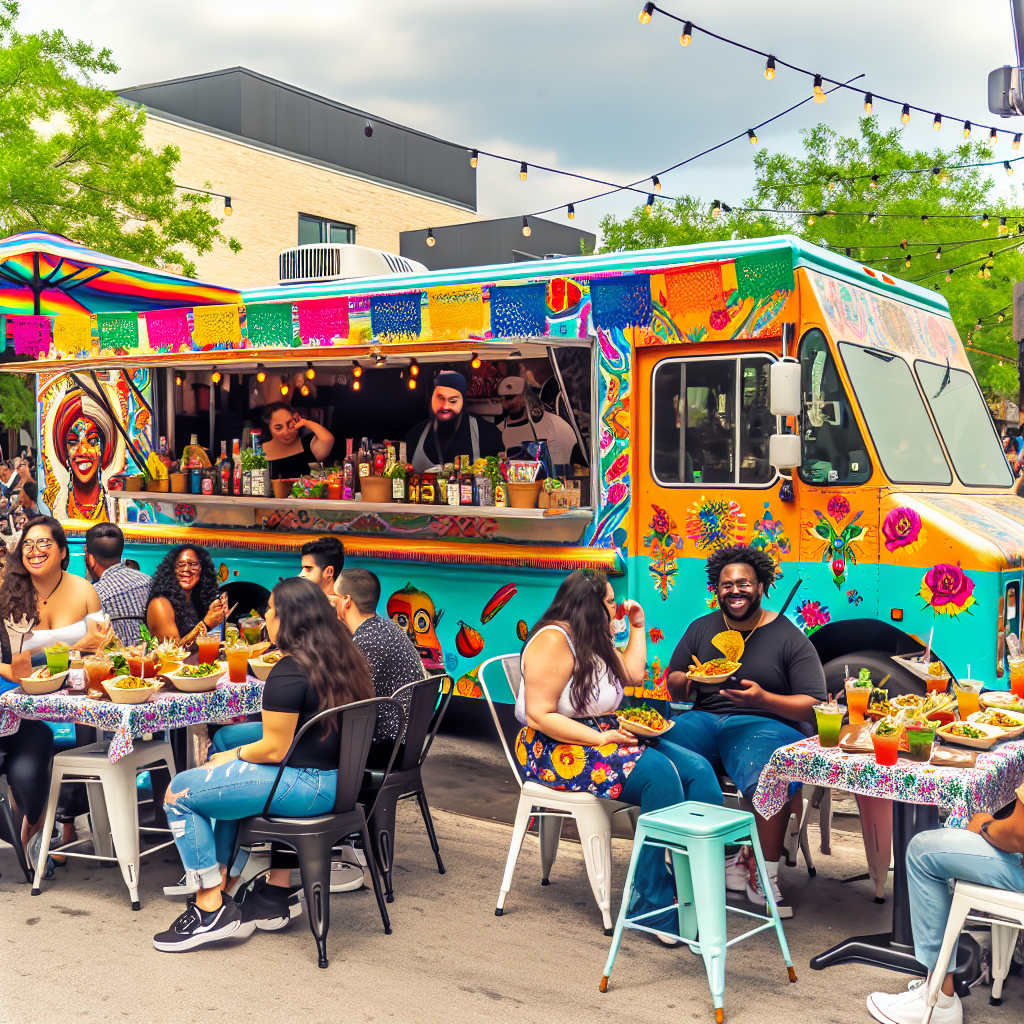
In recent years, the food truck industry has seen an astonishing boom, with approximately 36,000 food trucks now rolling through the streets of the United States as of 2023. This surge isn’t merely a passing fad; it reflects a seismic shift in consumer preferences, particularly within the realm of Latino cuisine.
The vibrancy of Latin flavors—from savory tacos to delectable arepas—has carved out a significant niche in the food truck market, drawing food enthusiasts from all walks of life. Food trucks offering authentic Latino dishes not only satisfy cravings but also provide an accessible entry point for culinary exploration in diverse neighborhoods.
With the convenience of on-the-go dining combined with a rich tapestry of flavors, Latino food trucks are rapidly becoming a staple in the gastronomic landscape, inviting aspiring entrepreneurs to dive into this thriving business.
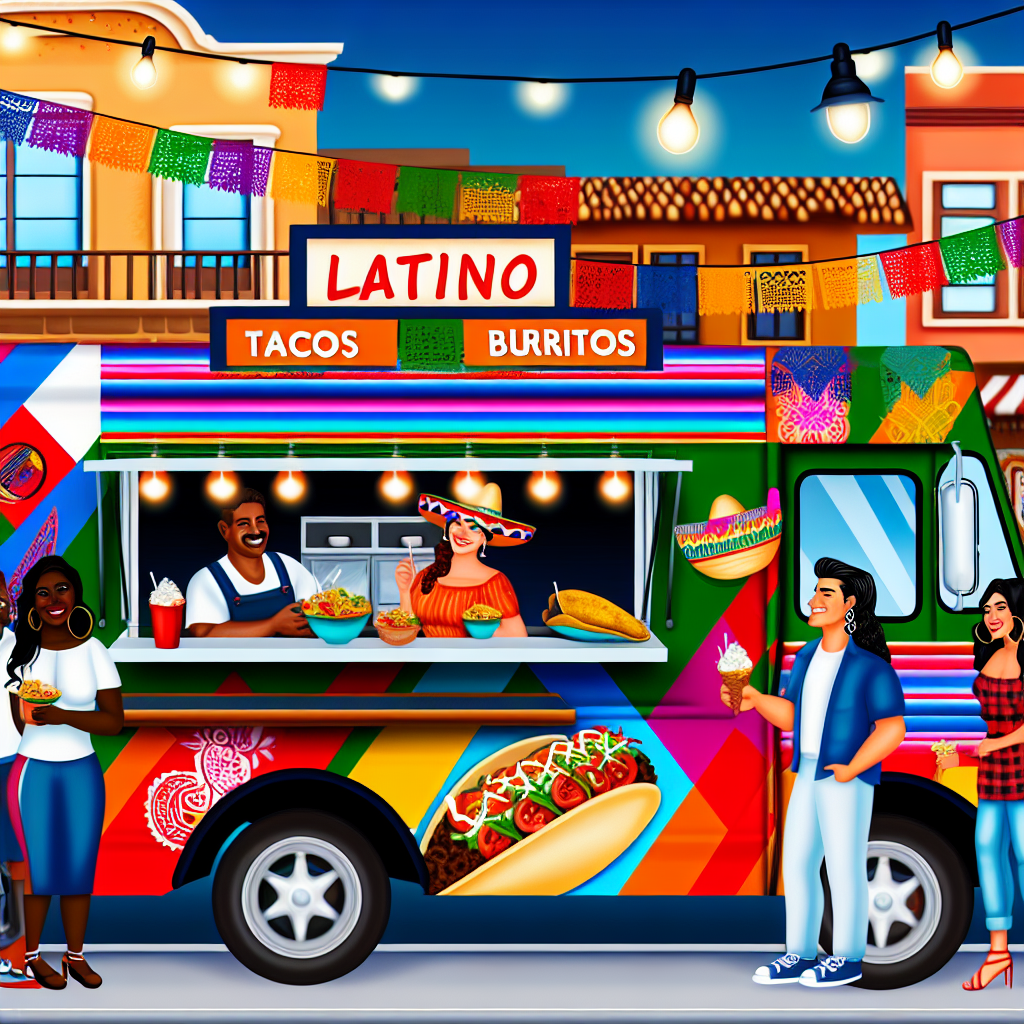
- Authentic Latino Cuisine: The forefront of the food truck business, bringing rich flavors and traditional dishes to the streets. Authentic Latino cuisine captures the heart of culinary culture and engages diverse audiences while providing unique food truck business tips.
- Latino Street Food: A growing trend in the food truck realm, with dishes like tacos, empanadas, and arepas now widely celebrated. The importance of Latino street food lies in its ability to offer affordable, high-quality meals that resonate with both cultural followers and adventurous foodies.
Latino Cuisine Vendors’ Preferred Food Truck Models
Latino cuisine vendors often gravitate towards specific food truck models that offer optimal features, usability, and cost-effectiveness. Two of the most favored models are the Chevy P30 and RAM ProMaster.
Chevy P30
This classic model has a robust build and a spacious interior ideal for extensive kitchen equipment and food prep areas. It is particularly valued for its durability, making it suitable for long hours of operation. While it was discontinued in 1999, used Chevy P30 models can typically be found in the price range of $20,000 to $50,000, depending on their condition and modifications. However, potential buyers should be aware of the vehicle’s age, which may result in higher maintenance needs and lower fuel efficiency compared to newer options.
RAM ProMaster
Rising in popularity among Latino cuisine vendors, the RAM ProMaster is known for its maneuverability in urban settings and functional boxy design that maximizes interior space. The ProMaster allows for a high roof option, which is advantageous for staff needing room to work comfortably. New models range in price from approximately $44,960 to $62,585, while used variants may start at around $10,000. The front-wheel-drive system enhances its usability, but there are limited engine choices, which may be a consideration for some vendors.
Overall, the Chevy P30 is appreciated for its adaptability to diverse and complex menus, despite its maintenance considerations. On the other hand, the RAM ProMaster is touted for its modern features and fuel efficiency, making it suitable for simpler menus and bustling urban environments.
| Food Truck Model | Key Features | Average Cost | Advantages |
|---|---|---|---|
| Ford Transit | Versatile design, multiple sizes | ~$46,000 | High cargo capacity, good fuel efficiency, customizable interior |
| RAM ProMaster | Boxy design, high roof option | ~$44,000 | Excellent maneuverability, modern features, spacious interior |
| Chevy P30 | Classic design, reliable performance | $20,000 – $50,000 (used) | Durable, spacious, adaptable to complex menus |
| Diamond Cargo Trailers | Lightweight, lower cost | <$6,000 | Affordable, suitable for vendors starting on a budget |
| Food Truck Model | Key Features | Average Cost | Advantages |
|---|---|---|---|
| Ford Transit | Versatile design, multiple sizes | ~$46,000 | High cargo capacity, good fuel efficiency, customizable interior |
| RAM ProMaster | Boxy design, high roof option | ~$44,000 | Excellent maneuverability, modern features, spacious interior |
| Chevy P30 | Classic design, reliable performance | $20,000 – $50,000 (used) | Durable, spacious, adaptable to complex menus |
| Diamond Cargo Trailers | Lightweight, lower cost | <$6,000 | Affordable, suitable for vendors starting on a budget |
Equipment Needs for Latino Cuisine Food Trucks
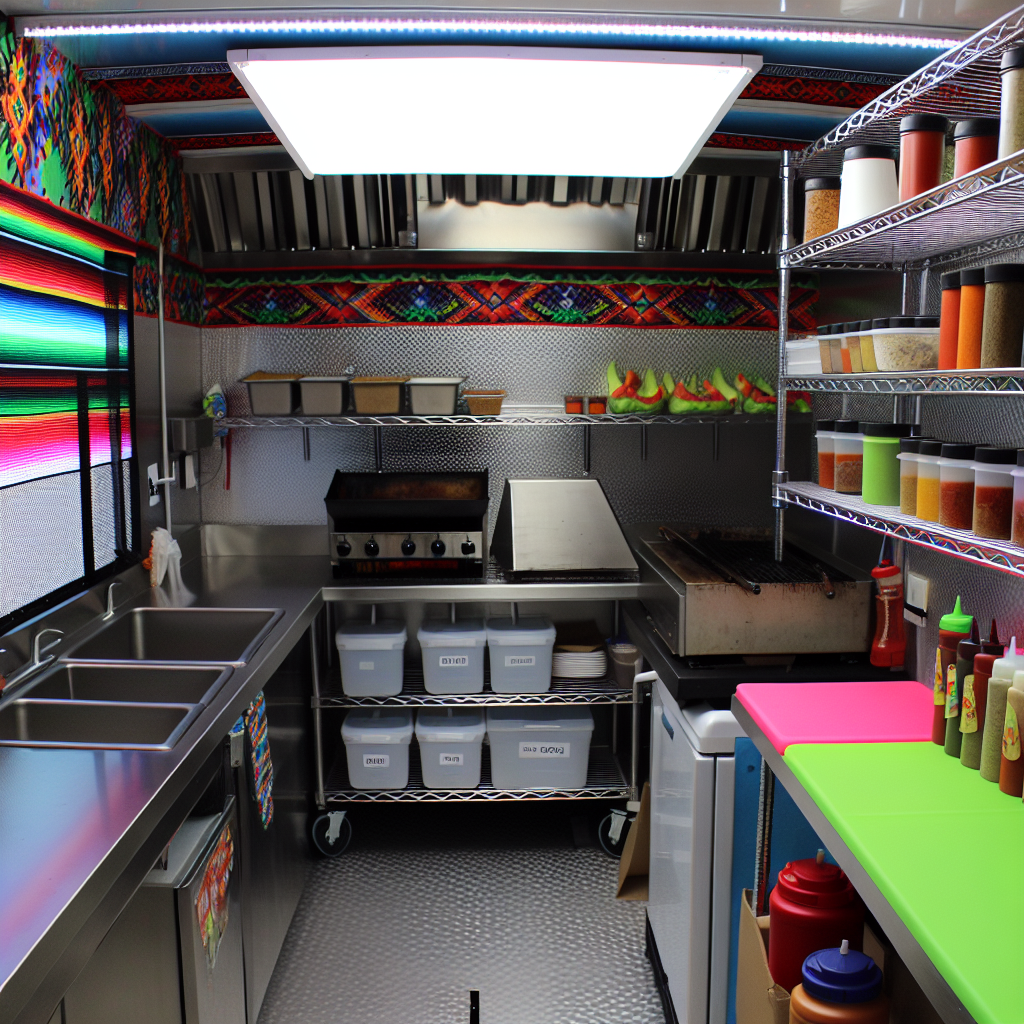
When launching a food truck focused on Latino cuisine, careful planning of the kitchen equipment and layout is crucial. Proper kitchen space and the right set of tools not only facilitate efficient food preparation but also help maintain the quality of dishes served. Here are key considerations and equipment needs for operating a successful Latino cuisine food truck:
Kitchen Space Requirements
The interior of a food truck must be designed to maximize functionality while adhering to local food safety regulations. Typical Latino cuisine requires ample space for food prep, cooking, and storage. Here are some essentials:
- Cooking Area: Expect to allocate 50% of your kitchen space to the cooking area, including stoves or grills.
- Prep Space: A minimum of 25% of the kitchen should be dedicated to food preparation, featuring stainless steel tables suitable for rolling out dough for tortillas or assembling tacos.
- Storage Facilities: Plan for at least 10% of your vehicle for ingredients and supplies storage, including refrigeration for perishables.
Essential Equipment for Food Preparation
Certain pieces of equipment are vital for ensuring Latino dishes are prepared with authenticity and efficiency:
- Griddle or Comal: Ideal for making tortillas, quesadillas, or toasting certain types of bread. A flat griddle allows for even heating and is essential for cooking popular Latino street food items.
- Deep Fryer: A fryer is crucial for items like churros, empanadas, or tostones, which require precise temperature controls for optimal crispness.
- Refrigeration Unit: Given the use of fresh ingredients in Latino cooking, a reliable refrigerator is critical for storing meats, vegetables, and dairy products at safe temperatures.
- Blender: To create salsas, smoothies, or sauces, a high-performance blender is essential for achieving the perfect texture and flavor mix.
- Rice Cooker: Perfect for cooking rice dishes such as arroz con pollo or serving sides with many Latino meals.
Special Considerations for Latino Cuisine
- Chili Roasters: Some vendors might consider investing in chili roasters, which are popular for preparing fresh roasted peppers for dishes like salsas or tacos.
- Serving Equipment: Authentic serving utensils and platters enhance presentation and customer experience. Opt for traditional materials when possible.
By investing in appropriate equipment and optimizing kitchen space within the truck, vendors can set themselves up for success in serving delicious Latino cuisine. The right ingredients combined with professional-quality equipment will ensure both efficiency and culinary excellence.
-
Cultro PVD Food Truck – Rhode Island
Co-owners Leslie Polanco and Daniel Nunez emphasize the importance of their personal connection in their culinary endeavors. They note that their love and dedication are integral to their food preparation, from marinating chicken to crafting labor-intensive arepas. Their journey began as a pop-up four years ago and has since evolved into a popular food truck, often drawing lines from opening hours.
Source -
La Patrona Food Cart – Los Angeles, CA
Elizabeth, the owner of La Patrona, transitioned from being a service worker to owning a food cart. She faced challenges navigating complex local and state regulations. With mentorship from previous owners Fernando and Rosa, who upgraded to larger food trucks, Elizabeth learned the intricacies of operating a food business, including compliance with health inspections and obtaining necessary permits.
Source -
Pana Food Truck – Santa Cruz, CA
Chef German Sierra, originally from Venezuela, started by selling homemade arepas during his university days. He and his wife, Gabriella Ramirez, launched Pana Food Truck to introduce Venezuelan cuisine to Northern California. Their consistent efforts over six years led to Pana being recognized among Yelp’s Top 100 U.S. restaurants in 2025.
Source -
Taquería El Milagro – Mount Vernon, WA
Gonzalo, originally from Michoacán, Mexico, began working in the fields at a young age before moving to the U.S. In 2007, he saved diligently to purchase a food truck, which he later received as a gift. He considers this a “miracle” and has since been operating Taquería El Milagro, serving authentic Mexican cuisine.
Source
These testimonials underscore the resilience and dedication of Latino food truck vendors. They navigate challenges such as regulatory compliance, financial constraints, and market competition, often relying on community support and personal passion to achieve success.
In conclusion, the resurgence of the food truck industry presents a plethora of opportunities for aspiring vendors eager to share the vibrant flavors of Latino cuisine. With the growing popularity of Latin and Tex-Mex foods leading the nation’s culinary trends, food trucks are positioned perfectly to capitalize on this demand. By embracing the unique and diverse offerings of Latino dishes—from tacos and quesadillas to regional delights—entrepreneurs can enrich the gastronomic landscape while running a business that resonates with their passion and culture.
As Ulises Lespade from Che’s Urban Eats beautifully puts it, “You can taste love in food, you can taste joy in food, and you can taste the emotion in food.” This sentiment is a reflection of the heart and dedication that Latino food truck vendors pour into their culinary creations. The future of food trucks is just a delicious idea away—don’t wait any longer to turn that idea into reality!
Expert Quotes on the Importance of Food Truck Models
Industry experts and seasoned food truck operators emphasize the importance of choosing the right model and the potential for success in the food truck business. Here are some valuable insights:
-
Tony Lamb, founder of Kona Ice
“It’s not about selling shaved ice; it’s about creating an experience.” Source
-
Roy Choi, a pioneer in the food truck industry
“The streets will always talk to you. The streets will always keep you honest. If you’re bullshitting, they’ll call you out.” Source
-
Ross Resnick, founder of Roaming Hunger
“Food trucks are not just about food—they’re about community and the experience of sharing a meal. They bring people together in ways that traditional restaurants just can’t.” Source
-
Bryan Reynolds of Anthem Coffee
“Failure is all part of the process… The key is to keep experimenting and not be afraid of failure.” Source
-
Mohammad Altawaha, operator of Abu Omar Halal food truck
“Food trucks are full time jobs, and they don’t become a success overnight. You have to be patient and persistent to make this type of business a career.” Source
These perspectives underline that success in the food truck industry hinges not only on selecting the best vehicle but also on fostering community engagement, maintaining authenticity, and showing relentless dedication.
Additional Insights on Food Truck Business
-
“Food trucks allow chefs to experiment and try things they might not be able to in a traditional restaurant. It’s a great way to bring unique flavors to the public.” — Daniel Shemtob, founder of The Lime Truck Source
-
“Food trucks give creative entrepreneurs the ability to cook with freedom and make what they love, meaning that they can create highly specialized meals without having the high overhead costs of running a restaurant.” — Homaro Cantu, chef and restaurateur Source
-
“I think every chef should have a food truck. It’s a good way to test the markets, to invest in meeting the future restaurant goers.” — José Andrés, chef and restaurateur Source
-
“Food trucks are like the jazz musicians of the food world. They improvise, they riff, they play off the energy of the crowd. There’s an authenticity and a spontaneity to it that’s hard to find anywhere else.” — Matt Geller, founder of Southern California Mobile Food Vendors Association Source
These quotes celebrate the vibrant spirit of the food truck industry, showcasing its role as a platform for creativity, community building, and culinary exploration.