
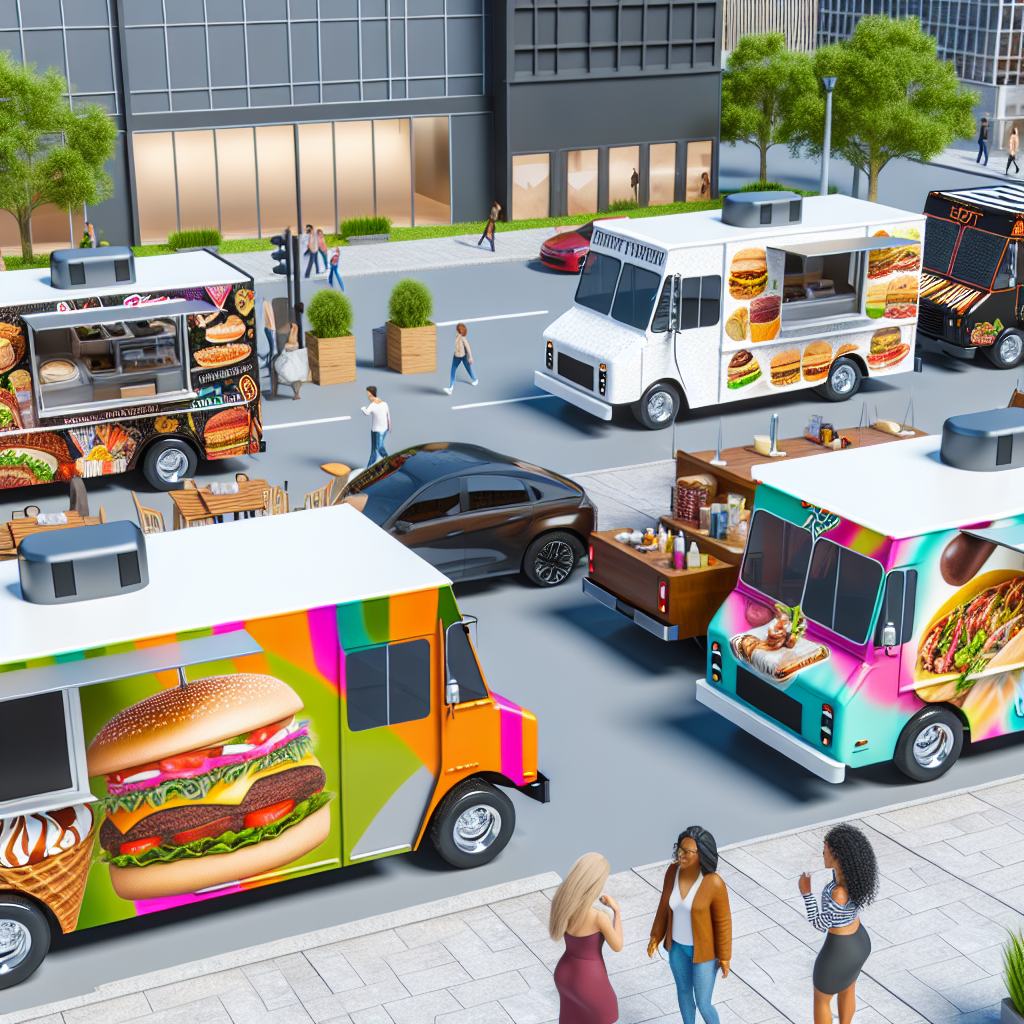
In the bustling world of food entrepreneurship, food trucks have emerged as a popular option for culinary adventurers. With approximately 36,000 food trucks operating across the United States as of 2023, this mobile dining trend shows no signs of slowing down. According to a report from October 2023, the U.S. food truck industry has demonstrated significant growth, with 36,324 businesses operating, marking a remarkable 9.9% increase from the previous year. This surge is largely driven by millennials aged 25-44, who account for 43% of monthly spending in the sector, while those under 25 contribute an additional 20%. These vibrant mobile kitchens not only serve up delicious meals but also offer aspiring entrepreneurs the chance to showcase their unique food concepts to the masses. Consumer preferences have shifted notably as well, with tacos, sandwiches, and fries gaining substantial popularity—essentially driving menus in the industry. Additionally, over 95% of Americans express a fondness for barbecue, with roughly one-third indulging in barbecue or related sauces weekly. However, embarking on this journey requires careful consideration of the different food truck models available in the market. Selecting the right model can be pivotal to the success of your venture, as it influences your menu capabilities, operational efficiency, and overall brand experience. In this article, we will explore the essential food truck models that vendors prefer and what factors to weigh in when making your choice.
Food truck owners must also consider essential factors such as food truck permits, which can vary widely by location, and the various types of food truck equipment necessary for their operations. The right equipment can optimize workflow and enhance the overall efficiency of the truck, significantly impacting business success. Furthermore, understanding the costs associated with affordable food trucks is crucial for budgeting and financial planning.
Overview of Food Truck Models
When it comes to launching a food truck, choosing the right model is crucial for your business’s success. Here are the main food truck models available, each offering distinct features and benefits:
-
Step Vans
These models are preferred by vendors with lengthy menus due to their spacious interiors. Step vans, such as the Freightliner MT45 and Chevy P30, allow for more equipment and better workflow, making them ideal for full-service kitchens. With ample space for cooking and storing supplies, step vans can accommodate a wide variety of menu items, from gourmet burgers to elaborate desserts.
-
Cargo Vans
For simpler operations, cargo vans like the Ford Transit and RAM ProMaster are excellent choices. They are economical and versatile, making them great for vendors who offer limited menus such as smoothies or soft-serve ice cream. Their compact size makes them easy to maneuver in urban settings and suitable as affordable food trucks.
-
Food Trailers
Although not trucks in the traditional sense, food trailers are a popular alternative. They can be towed by pick-up trucks or vans, and they provide significant flexibility in menu offerings and location setup. Many vendors prefer trailers for their cost-effectiveness and customizability.
By understanding the strengths of each food truck model and the necessary food truck equipment, you can choose the right vehicle that aligns with your concept and operational needs.
Overview of Food Truck Models
When it comes to launching a food truck, choosing the right model is crucial for your business’s success. Here are the main food truck models available, each offering distinct features and benefits:
-
Step Vans
These models are preferred by vendors with lengthy menus due to their spacious interiors. Step vans, such as the Freightliner MT45 and Chevy P30, allow for more equipment and better workflow, making them ideal for full-service kitchens. With ample space for cooking and storing supplies, step vans can accommodate a wide variety of menu items, from gourmet burgers to elaborate desserts. -
Cargo Vans
For simpler operations, cargo vans like the Ford Transit and RAM ProMaster are excellent choices. They are economical and versatile, making them great for vendors who offer limited menus such as smoothies or soft-serve ice cream. Their compact size makes them easy to maneuver in urban settings. -
Food Trailers
Although not trucks in the traditional sense, food trailers are a popular alternative. They can be towed by pick-up trucks or vans, and they provide significant flexibility in menu offerings and location setup. Many vendors prefer trailers for their cost-effectiveness and customizability.
By understanding the strengths of each food truck model, you can choose the right vehicle that aligns with your concept and operational needs.
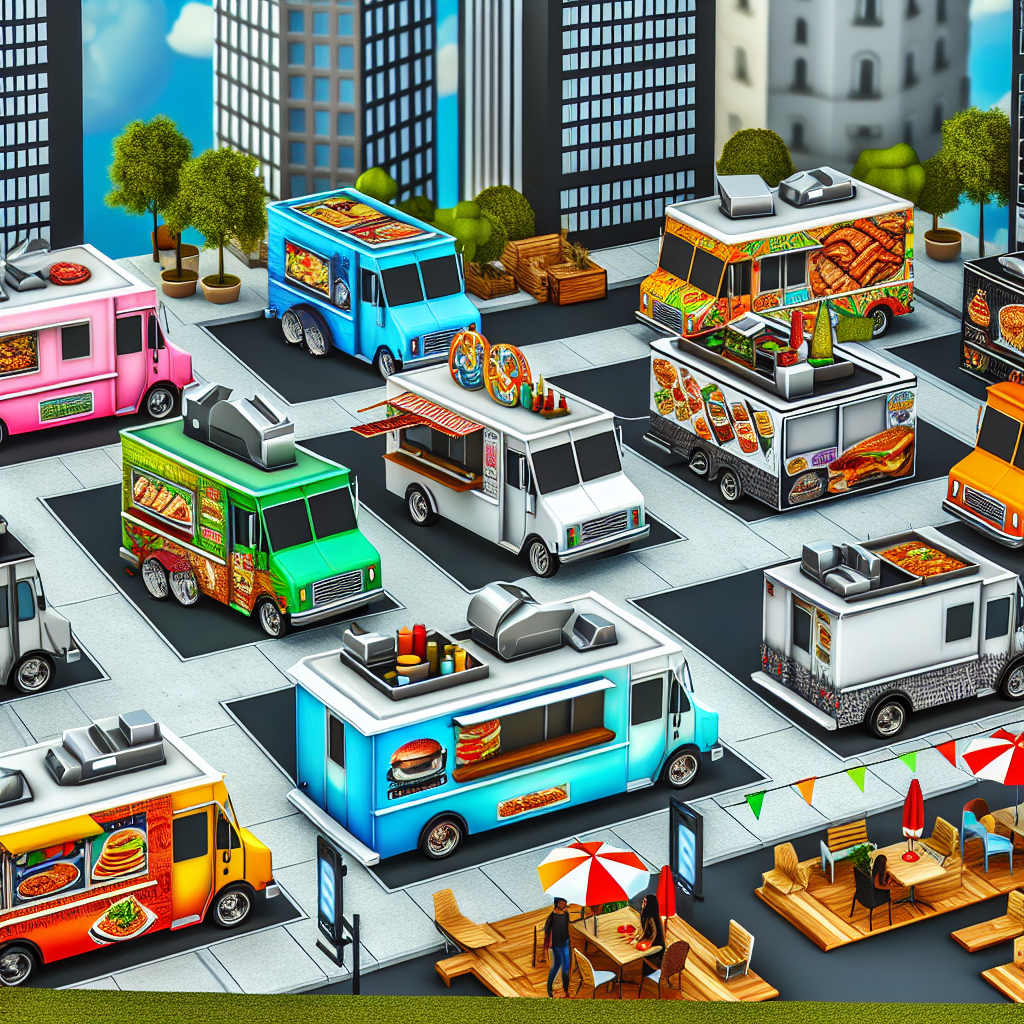
Preferred Food Truck Models
When it comes to food trucks, choosing the right model is essential for operational efficiency and success. Here, I summarize some of the most preferred food truck models according to the article from Jalopnik, detailing their advantages and suitable use cases:
-
Ford E-Series
Renowned for its robust chassis and reliability, the Ford E-Series is favored for high-volume operations and mobile kitchens that require extensive customization. Its strong towing capacity, easy parts availability, and durability make it ideal for vendors who use heavy kitchen equipment in their operations. For more details, visit Jalopnik. -
Isuzu NPR
This model stands out for its fuel efficiency and maneuverability in urban settings, making it perfect for city-based food trucks that focus on lower operating costs. It provides excellent visibility and is compact enough for tight spaces. Its reliable diesel engine is another plus, particularly appealing to smaller operations. -
Chevrolet Step Van (P30)
Known for its spacious interior and customizable kitchen layouts, the P30 chassis is ideal for gourmet food trucks or bakeries. This model accommodates extensive storage and refrigeration needs. Its durability and easy installation of equipment enhance its appeal for large-scale culinary operations. -
Mercedes-Benz Sprinter
Considered a high-end choice, the Sprinter is equipped with modern amenities and fuel efficiency, offering features like high roofs for added workroom and excellent safety ratings. It’s suited for tech-savvy vendors and those looking to elevate their brand image while ensuring comfort for their staff.
Choosing any of these models aligns with different operational needs, ensuring food truck ventures are set up for success.
| Food Truck Model | Cost Range | Notable Features | Recommended Use |
|---|---|---|---|
| Chevy P30 | $30,000 – $50,000 | Spacious interior, customizable kitchen layouts | Gourmet food trucks, bakeries |
| Freightliner MT45 | $45,000 – $75,000 | High capacity, robust construction | Full-service kitchens with extensive menus |
| RAM ProMaster | $44,000 – $54,000 | Economical, versatile, easy to maneuver | Vendors with limited menus like smoothies or ice cream |
| Ford Transit | $46,000 – $55,000 | Compact, fuel-efficient, modern tech options | Operational flexibility, urban setups |
Considerations for Choosing a Food Truck Model
When embarking on the journey of starting a food truck business, selecting the right model is essential. Several critical factors must be taken into account, including menu size, equipment needs, and budget constraints.
Menu Size
One of the foremost considerations when selecting a food truck model is the size of your menu. According to Food Truck Empire, successful food trucks typically feature a menu of no more than 5 to 10 items. This limited approach not only helps in controlling food costs but can also simplify operational logistics. A vendor quoted in the article stated, “A limited menu forces creativity while controlling overhead,” highlighting the importance of streamlined offerings. This simplicity allows for efficient service and minimizes the need for extensive equipment.
For larger menus, a step van model may be preferable, as these vehicles provide additional space for cooking, storage, and multiple pieces of equipment. Vendors who plan to serve a wide array of dishes might find models like the Freightliner MT45 or Chevy P30 ideal choices due to their spacious interiors.
Equipment Needs
The type of equipment you require will also dictate the food truck model you should choose. A comprehensive guide from the U.S. Small Business Administration emphasizes that mandatory equipment includes commercial-grade cooking equipment and refrigeration units, which significantly impact both the layout of the truck and the overall costs. As noted in various sources, the complexity of your menu directly correlates with the equipment you need. For instance, a vendor commented, “Every additional menu item requires more equipment and storage space,” reinforcing the need for careful planning based on your menu’s complexity.
Basic setups can start around $30,000, while fully equipped kitchens may exceed $75,000. Thus, understanding your operational needs upfront can lead to cost-efficient decisions when selecting your food truck.
Budget
Budgeting is a critical component when choosing a food truck model. Current data indicates that new food trucks can cost between $50,000 and $200,000, with custom trucks reaching upwards of $300,000. According to NerdWallet, the average startup budget ranges from $40,000 to $200,000. This budget covers not only the truck itself but also kitchen equipment, licenses, and permits.
Keeping production within budget does require strategic planning. As noted in Forbes, potential food truck owners might need to allocate anywhere from $5,000 to $10,000 just for permits and licenses. Therefore, it is advisable to start small with your operations and scale up as your business grows. Setting realistic financial expectations will ensure your food truck venture is sustainable.
In summary, when choosing a food truck model, consider niche factors such as menu size, necessary equipment, and budget constraints. Aligning these components ensures that your food truck not only meets customer expectations but is also a viable business operation. By understanding the investment required and scaling your offerings judiciously, you can pave the way for a successful food truck enterprise.
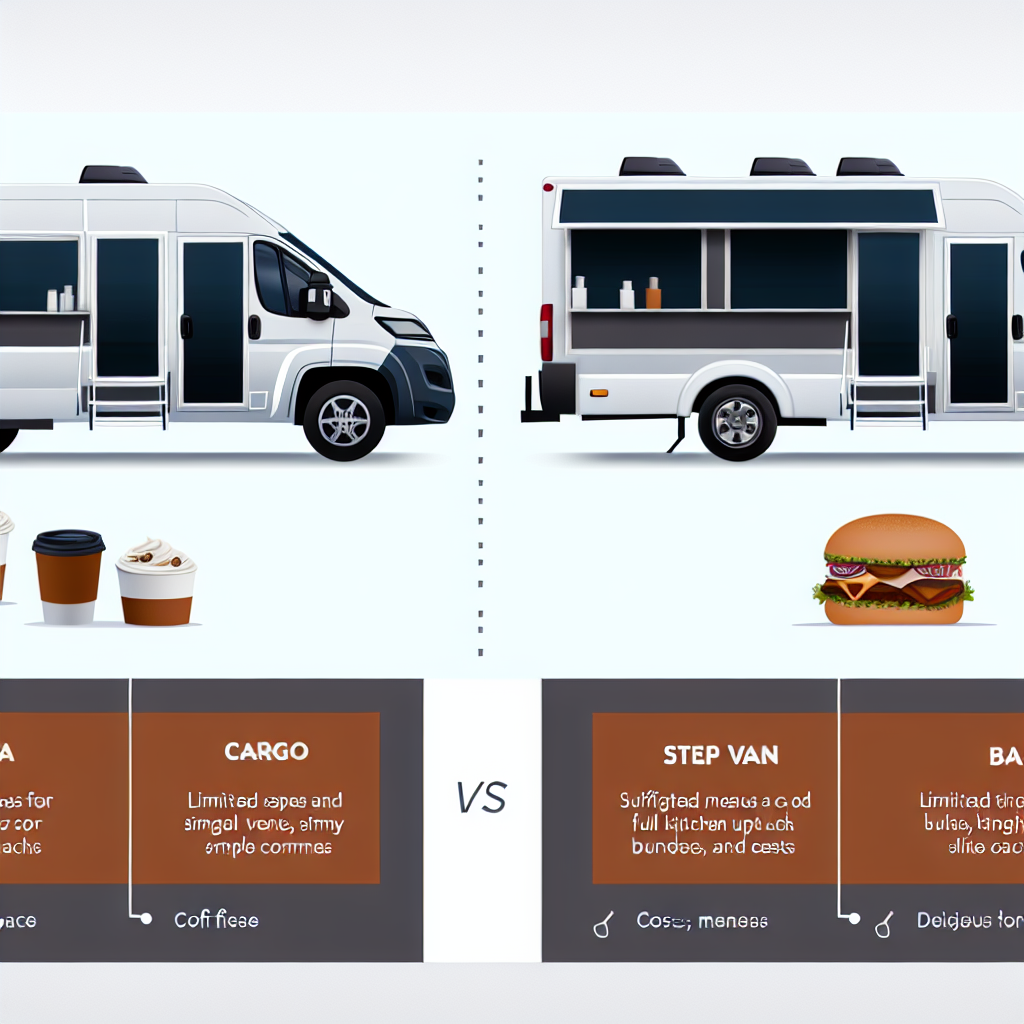
Financial Aspects of Starting a Food Truck
Starting a food truck business involves significant financial investment. New food trucks generally cost between $30,000 and over $100,000, depending on the model and features. For instance, a Ford Transit typically starts around $46,000, while a RAM ProMaster can be acquired for about $44,000. These costs include not just the vehicle, but also essential kitchen equipment, permits, and branding.
It’s important to note that used food trucks can range from $20,000 to $80,000, providing more budget-friendly options for aspiring entrepreneurs. Financing options are vital since many startups will need loans or leases to cover these expenses. The Small Business Administration (SBA) offers loans specifically for food trucks, along with equipment financing from specialized lenders. Individuals should also be prepared for a down payment of 10-30% of the total loan amount.
Key Takeaways
Choosing the right food truck model is vital for the success of your food truck business. Here are the essential points to consider:
- Understand Your Menu: The size and complexity of your menu will dictate the type of food truck you need. Larger menus often require a spacious step van like the Freightliner MT45, while simpler offerings might be well-suited for cargo vans like the Ford Transit or RAM ProMaster.
- Account for Equipment Needs: Assess the equipment necessary for your operations. This will influence your truck size and layout. Ensure you account for storage and cooking space in your selection process.
- Budget Wisely: Your budget will significantly affect your choices. New food trucks range from $30,000 to upwards of $100,000, with additional costs for equipment, permits, and branding. It is crucial to stick to a realistic budget to ensure sustainable operations.
- Research Models: Familiarize yourself with different food truck models, each offering unique features that cater to specific business needs. Consider factors like durability, maintenance, and fuel efficiency of models like the Isuzu NPR and Chevy P30 before making a choice.
- Plan for Permits and Licenses: Don’t overlook the importance of obtaining the necessary permits and licenses, as they can have a significant impact on your startup costs and operational legality.
Next Steps
To move forward:
- Identify your menu and equipment needs.
- Draft a budget that includes total costs for the truck, equipment, and operational expenses.
- Research different models, taking into account reliability and vendor reviews.
- Start the process of obtaining the necessary permits for your food truck business.
By following these steps and carefully considering your options, you can set a firm foundation for a successful and profitable food truck venture.
Vendor Insights on Preferred Food Truck Models
Here are some quotes from food vendors about their preferred food truck models, highlighting why they choose them for their businesses:
-
Mercedes-Benz Sprinter
“I prefer the Mercedes-Benz Sprinter for its fuel efficiency and low maintenance costs. It’s been incredibly reliable for daily operations in urban environments.”
-
Ford E-Series
“The Ford E-Series is my go-to because of its durability and ease of finding replacement parts. It handles high volume without breaking down.”
-
Custom Trailers
“We chose a custom trailer for the extra space and flexibility. It allows us to have more equipment and storage, which is crucial for our diverse menu.”
-
Isuzu NPR
“The Isuzu NPR is perfect for its maneuverability in tight city spaces. It’s agile and doesn’t compromise on cargo capacity.”
-
RAM ProMaster
“I love my Ram ProMaster for its front-wheel drive and low step-in height. It makes loading and unloading much safer and faster.”
-
Step Vans
“For beginners, a used Step Van is ideal—it’s affordable and simple to modify. You don’t need all the bells and whistles to start.”
These insights from current operators offer a window into the practical experiences and preferences of food truck vendors, which can be invaluable for those looking to embark on their food truck journey.
Trends in Food Truck Offerings
Food trucks in 2023 have embraced innovation to cater to evolving consumer preferences and culinary trends. Here are some prominent trends worth noting:
- Plant-Based and Global Flavors
As health-conscious eating continues to rise, many food trucks now offer creative vegan options alongside globally inspired dishes. Popular menu items include vegan burgers, Korean-Mexican fusion tacos, and Middle Eastern dishes such as shawarma and falafel. Many operators are also sourcing ingredients locally, appealing to customers who prioritize sustainability. Source - Gourmet Desserts and Comfort Food Reinventions
Dessert trucks are making a mark, featuring artisanal ice cream, fusion pastries, and loaded milkshakes. Classic comfort foods, like truffle mac and cheese or gourmet grilled cheese, are also being reimagined with premium ingredients. The demand for customizable and visually appealing (Instagram-worthy) menu items is increasingly significant. Source - Health-Conscious Choices and Sustainability
Food trucks are highlighting gluten-free, keto, and low-carb menu options to address dietary preferences. Additionally, many trucks focus on sustainable practices, utilizing eco-friendly packaging and partnering with local farms, with surveys showing that a great majority of consumers prefer trucks emphasizing these practices. Source - Menu Innovation and Fusion Cuisine
The trend of fusion cuisine remains strong, with items like sushi burritos and birria ramen becoming popular. Additionally, food trucks are diversifying their offerings to include breakfast and late-night menus, catering to a wider audience throughout the day. Top decision points for consumers include the authenticity, speed, and unique flavors of the food served. Source
Considerations for Choosing a Food Truck Model
When starting a food truck business, choosing the right model is very important. Here are some key factors to consider:
Menu Size
When choosing a food truck model, the size of your menu is very important. Successful food trucks usually have 5 to 10 menu items. This smaller menu helps control food costs and makes operations easier. For larger menus, a step van model may be better because these vehicles provide more space for cooking, storing, and using different pieces of equipment. Vendors planning to serve a variety of dishes might find models like the Freightliner MT45 or Chevy P30 ideal due to their spacious interiors.
Equipment Needs
The equipment you need will determine which food truck model to choose. The U.S. Small Business Administration states that essential equipment includes commercial cooking tools and fridges, which affect your truck layout and costs. A vendor commented, “Every additional menu item requires more equipment and storage space,” stressing the importance of careful planning based on your menu’s complexity.
Budget
Budgeting is a key part of selecting a food truck model. New food trucks often cost between $50,000 and $200,000. Custom models can exceed $300,000. NerdWallet notes that startup budgets typically range from $40,000 to $200,000, covering the truck, equipment, and permits.
Making sure production stays within budget is important. Forbes explains that potential food truck owners might need to allocate $5,000 to $10,000 just for permits and licenses. Starting small and growing over time helps keep the business sustainable.
Summary
In summary, think about your menu size, the equipment you need, and your budget when choosing a food truck model. Matching these factors helps your food truck meet customer needs and operate successfully.
Visual Comparisons
To enhance your understanding of the different food truck models, here are visual comparisons that showcase various models along with their costs and features:
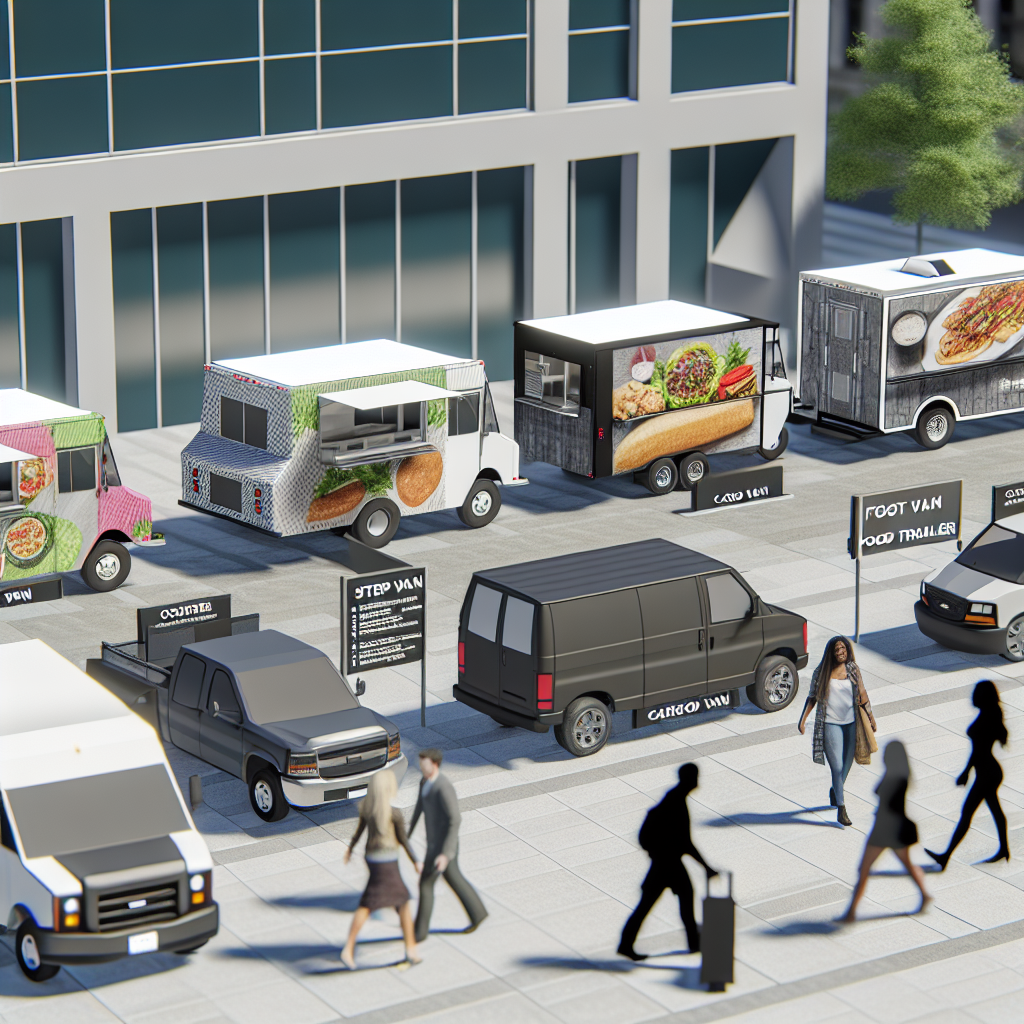
Additionally, we have a comparison specifically focused on the interior space and features of cargo vans versus step vans that are commonly used for food trucks:
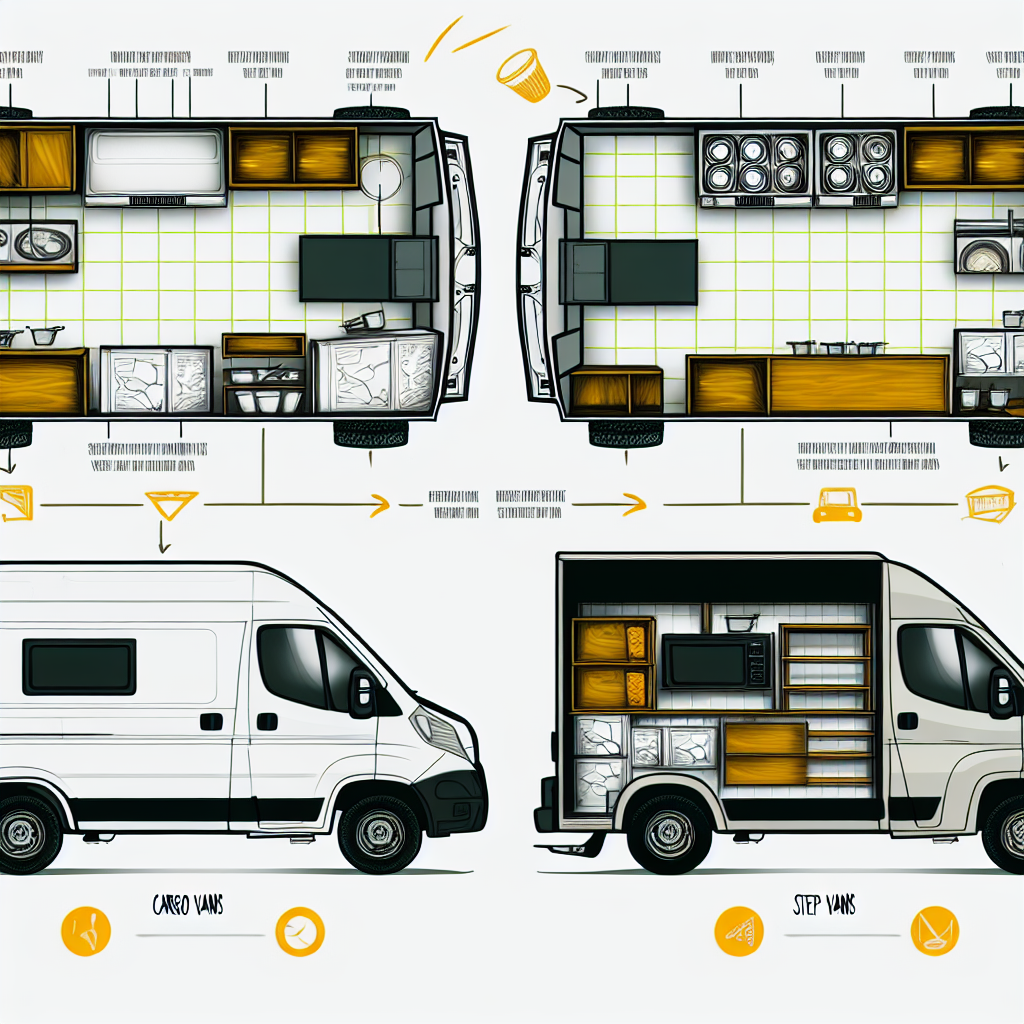
These images provide clarity on the options available and the practical considerations that affect your decision when choosing a food truck model.
Budget
Budgeting is a critical component when choosing a food truck model. Current data indicates that new food trucks can cost between $50,000 and $200,000, with custom trucks reaching upwards of $300,000. According to NerdWallet, the average startup budget ranges from $40,000 to $200,000. This budget covers not only the truck itself but also kitchen equipment, licenses, and permits. Potential food truck owners should allocate funds for permits and licenses, which can range from $5,000 to $10,000.
For more information about food truck permits, consider reading these comprehensive guides:
- How to Get a Food Truck Permit: The Complete Guide by FoodTruckr
- Food Truck Permits and Licensing: What You Need to Know by NerdWallet
Keeping production within budget does require strategic planning. As noted in Forbes, potential food truck owners might need to allocate anywhere from $5,000 to $10,000 just for permits and licenses. Therefore, it is advisable to start small with your operations and scale up as your business grows. Setting realistic financial expectations will ensure your food truck venture is sustainable. Those interested in financing options for food trucks can refer to these articles:
- How to Finance a Food Truck: A Complete Guide by NerdWallet
- Food Truck Financing: Options for Your Mobile Business by Forbes Advisor
In summary, when choosing a food truck model, consider niche factors such as menu size, necessary equipment, and budget constraints. Aligning these components ensures that your food truck not only meets customer expectations but is also a viable business operation. By understanding the investment required and scaling your offerings judiciously, you can pave the way for a successful food truck enterprise.