
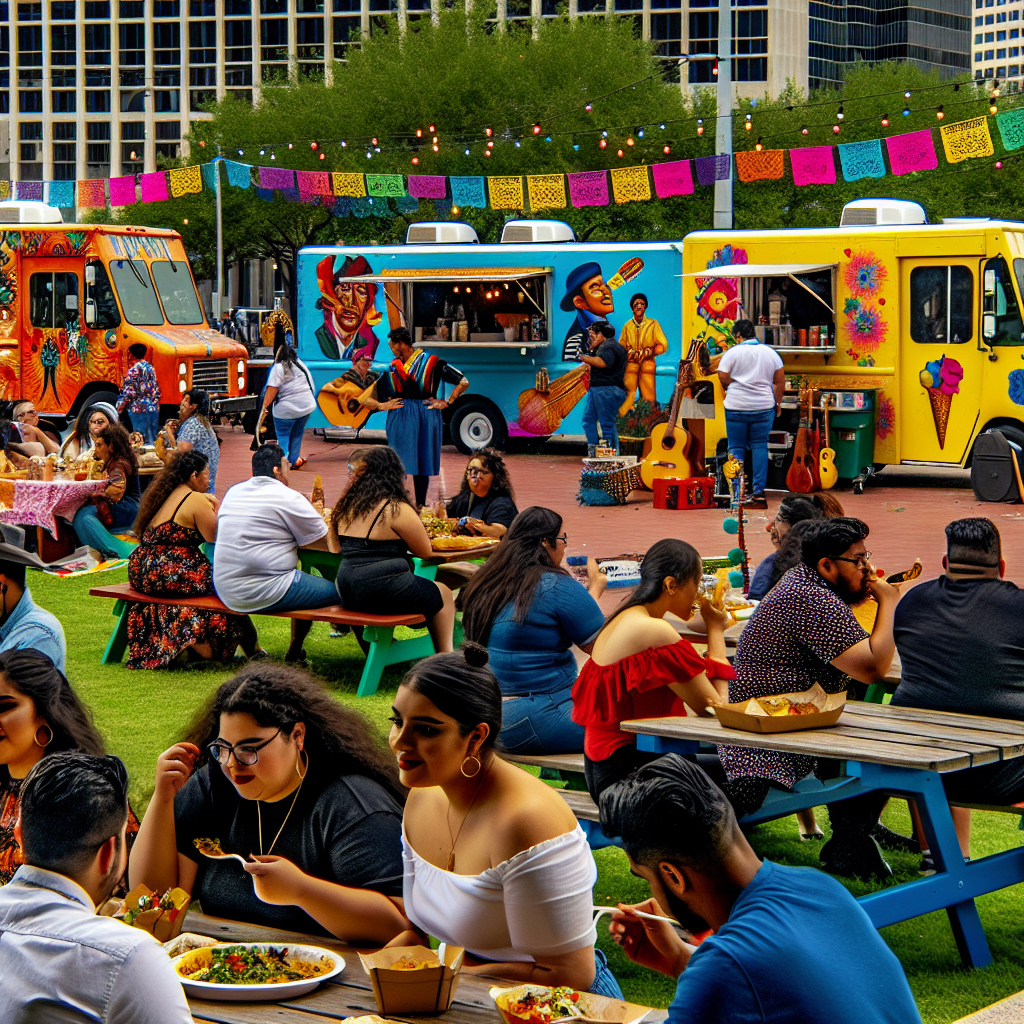
Community Engagement through Latino Food Trucks
In recent years, Latino food trucks have become much more than mobile kitchens serving delicious culinary delights. They have emerged as vital pillars of community engagement, bringing together people from diverse backgrounds and fostering a sense of belonging. The phenomenon of “Community Engagement through Latino Food Trucks” showcases how these vibrant establishments not only satisfy appetites but also act as cultural ambassadors, promoting the rich heritage and flavors of Latino cuisine.
By setting up in neighborhoods, festivals, and markets, Latino food trucks create platforms for cultural exchange, dialogue, and interaction among residents. Each dish tells a story, recalling traditions passed down through generations, inviting patrons to learn, appreciate, and celebrate the cultural tapestry that defines their communities.
Moreover, these food trucks significantly impact local economies by generating income for their owners and creating job opportunities for community members, often including those who may face barriers to employment elsewhere. Their contribution extends beyond economics; they serve as gathering spots where friendships bloom and local voices can be heard, making them crucial facilitators of social capital.
In exploring the idea of community engagement through Latino food trucks, we discover how food can unite us, nourish relationships, and cultivate a deeper understanding of one another’s cultures. Join us as we delve into the vibrant world of Latino food trucks and the communities they enrich.
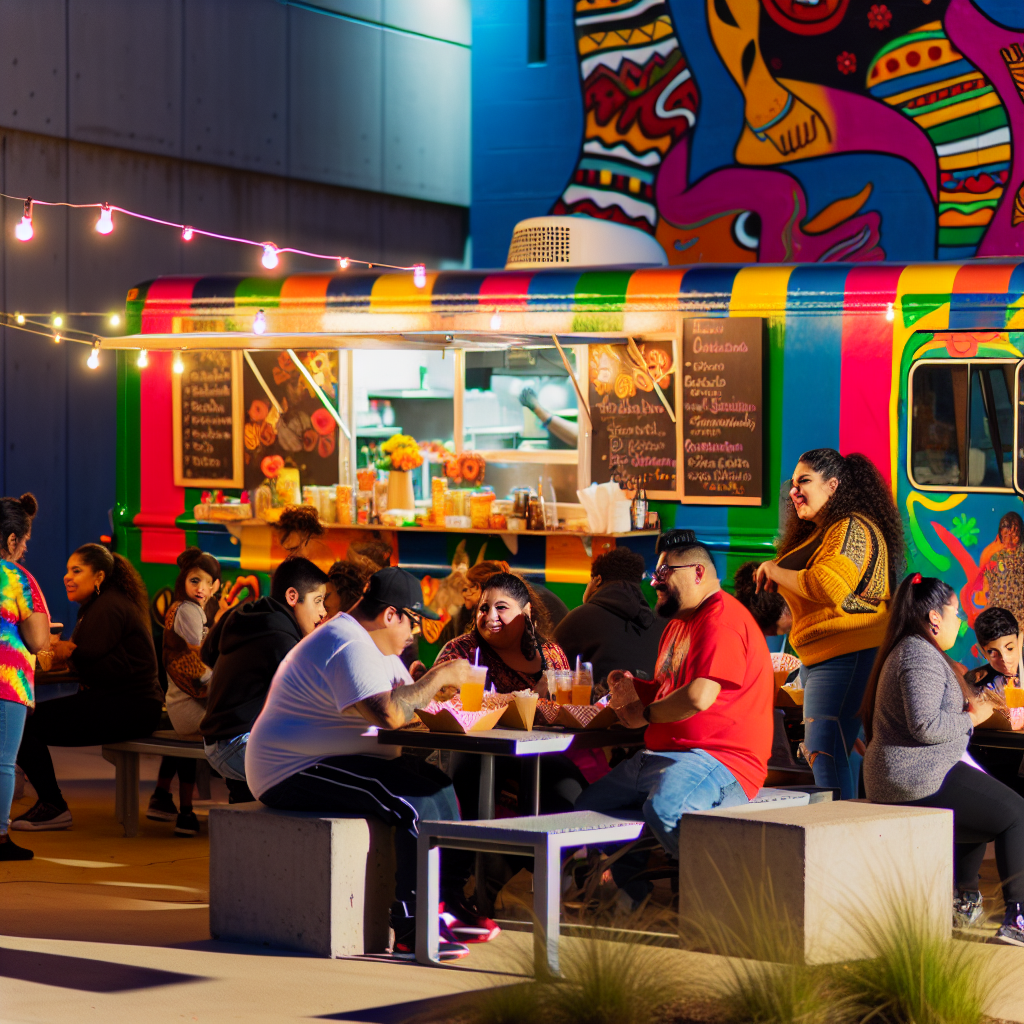
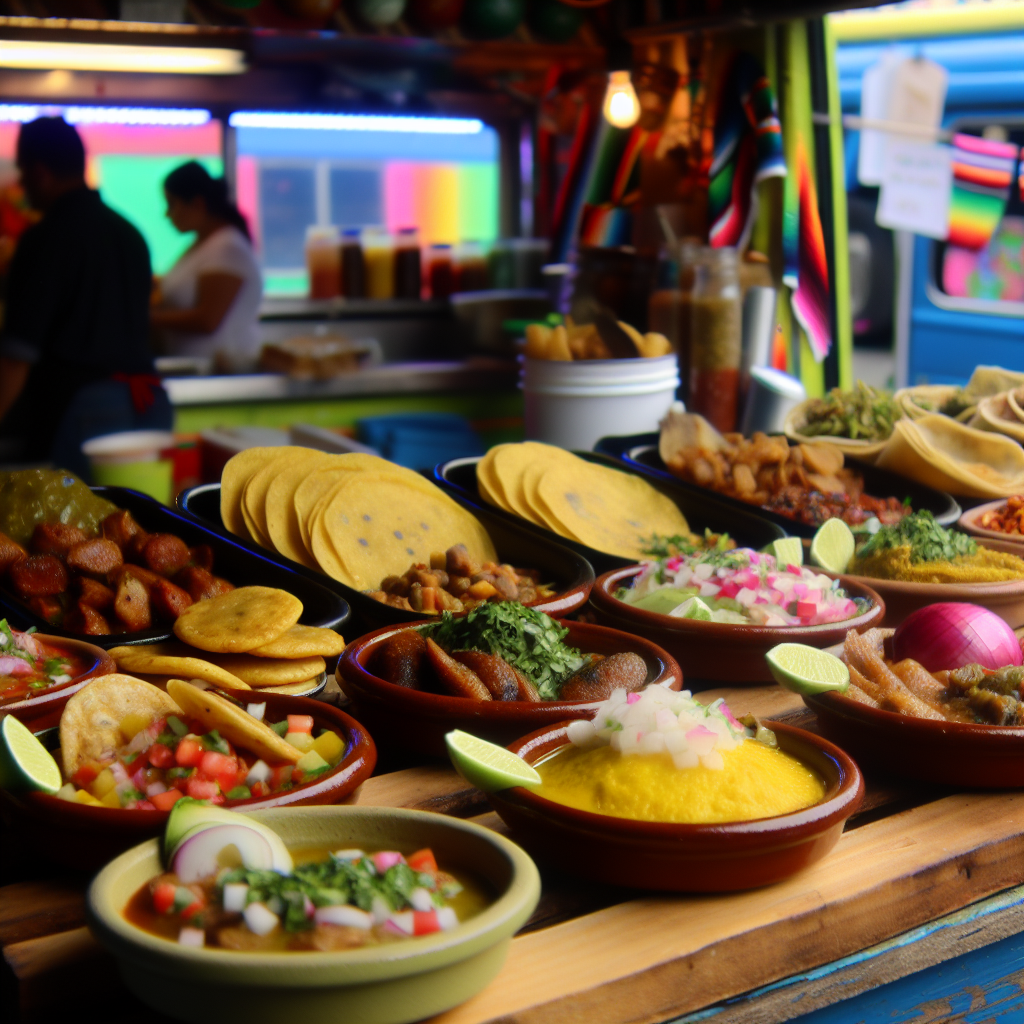
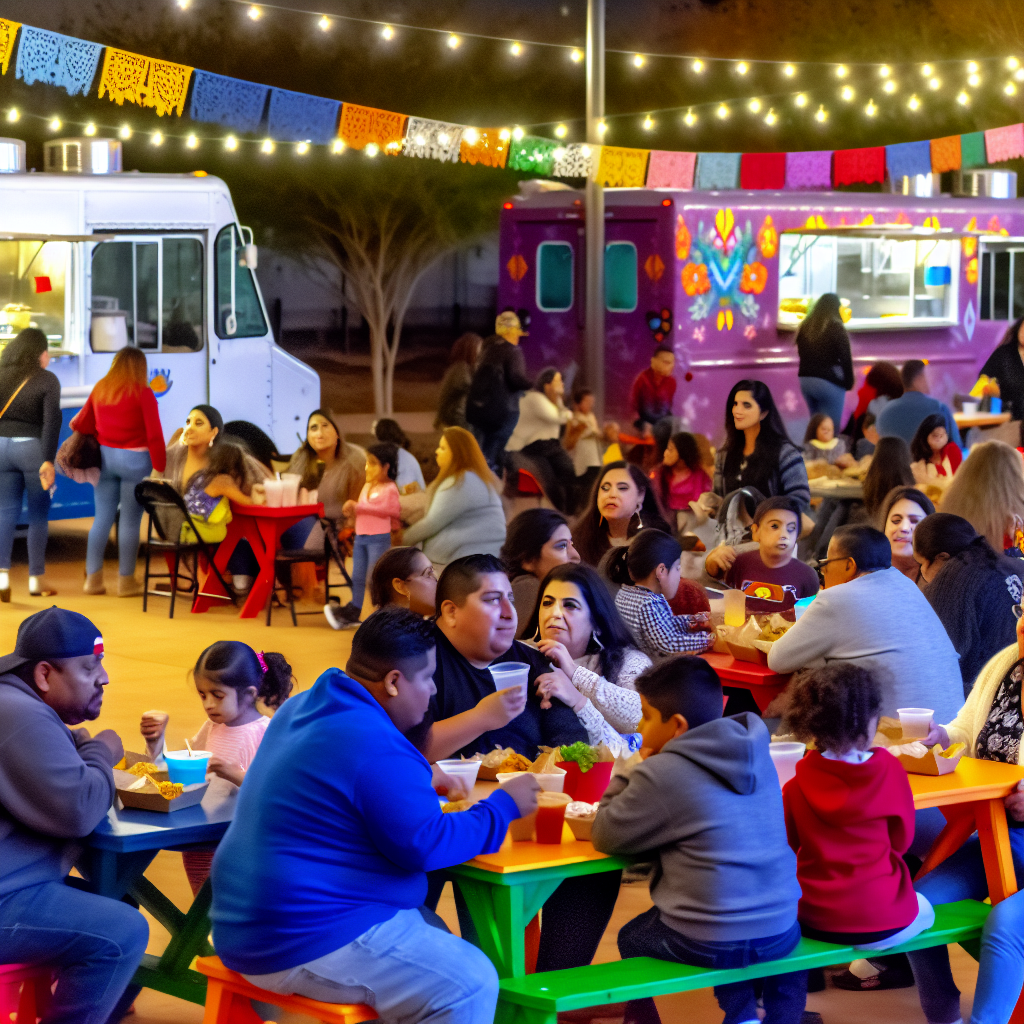
Latino food trucks are vital cultural hubs. They foster community engagement, promote economic empowerment, and preserve culinary traditions. These mobile kitchens are gateways for cultural expression. They proudly showcase the diverse flavors of Latino heritage.
These trucks preserve traditional recipes. They also introduce rich culinary heritages to a wider audience. This cements the importance of food in cultural exchange.
One Salvadoran food truck owner says, “People don’t just come for the pupusas – they come for the connection to home.” This sentiment captures the essence of these trucks. Each dish resonates with nostalgia for the immigrant community. It bridges the gap between the past and present.
Similarly, a Mexican-American food truck operator notes, “My truck shows my children where we come from – every taco tells a story of our family’s journey.” Food becomes a repository of personal and cultural history. Owners strive to keep their heritage alive while navigating their new American lives.
Latino food trucks also enrich community events. They participate in fundraisers and cultural festivals, amplifying their role as cultural ambassadors. They create spaces for interaction. Here, people from different backgrounds gather to appreciate delicious offerings and engage in cultural dialogue, strengthening community ties.
As these food trucks travel through neighborhoods, they enrich the local food scene. They also build connections and understanding among diverse communities. They embody resilience and cultural pride, illustrating how traditional cuisine fosters relationships and celebrates cultural diversity.
| Food Truck Dish | Ingredients | Cultural Significance |
|---|---|---|
| Tacos | Corn tortillas, protein (beef, chicken, pork), salsa, onions, cilantro | A staple of Mexican cuisine, tacos are deeply rooted in tradition and variations reflect regional flavors. |
| Pupusas | Maize flour, cheese, beans, pork, salsa roja | A traditional dish from El Salvador, representing a sense of home and community for many Salvadorans. |
| Arepas | Cornmeal, cheese, avocado, meat | Originating from Venezuela and Colombia, arepas symbolize versatility and cultural pride. |
| Tamales | Corn dough, meat, chili sauce, masa | Often served at celebrations, tamales are linked to family gatherings and cultural rituals. |
| Asadas | Grilled meat, tortillas, salsa, guacamole | Associated with social gatherings and barbecues, this dish fosters community bonding. |
| Sopes | Corn masa, refried beans, toppings (vegetables, meat) | A colorful dish that showcases local ingredients and offers a taste of home. |
| Food Truck Dish | Ingredients | Cultural Significance |
|---|---|---|
| Tacos | Corn tortillas, protein (beef, chicken, pork), salsa, onions, cilantro | A staple of Mexican cuisine, tacos are deeply rooted in tradition and variations reflect regional flavors. |
| Pupusas | Maize flour, cheese, beans, pork, salsa roja | A traditional dish from El Salvador, representing a sense of home and community for many Salvadorans. |
| Arepas | Cornmeal, cheese, avocado, meat | Originating from Venezuela and Colombia, arepas symbolize versatility and cultural pride. |
| Tamales | Corn dough, meat, chili sauce, masa | Often served at celebrations, tamales are linked to family gatherings and cultural rituals. |
| Asadas | Grilled meat, tortillas, salsa, guacamole | Associated with social gatherings and barbecues, this dish fosters community bonding. |
| Sopes | Corn masa, refried beans, toppings (vegetables, meat) | A colorful dish that showcases local ingredients and offers a taste of home. |
| Tostones | Green plantains, garlic, salt, oil | A popular dish across many Latin American countries, tostones represent shared cultural traditions and flavor. |
Latino food trucks play a significant role in bolstering local economies, acting not only as mobile eateries but also as economic powerhouses that invigorate surrounding communities. According to a report by the International City/County Management Association, food trucks generate substantial economic activity, with average annual revenues ranging from $250,000 to $500,000 per truck. This influx of revenue continues to stimulate local economies, as these businesses spend up to 2.3 times more locally on goods and services compared to traditional chain restaurants. For example, each $100 spent at a food truck results in approximately $68 remaining in the local economy, versus just $43 from chain establishments.
The presence of Latino food trucks encourages foot traffic, with studies showing a 15-20% increase in business for nearby brick-and-mortar establishments when clusters of food trucks are present. As a result, local vendors benefit from the increased customer base that food trucks attract, creating a symbiotic economic relationship within the community.
Community members express how these food trucks not only serve delicious food but also create gathering spaces that foster community pride. One local official has noted, “These trucks aren’t just selling tacos—they’re building community hubs where people can come together, share stories, and sustain our cultural heritage.” This sentiment resonates with Latino food truck owners, who see their businesses as vital contributors to local revitalization and cultural preservation.
Overall, Latino food trucks exemplify the intersection of cultural heritage and economic empowerment, supporting local economies while reinforcing community ties and identity. As they continue to thrive, their impact will likely deepen, shaping neighborhoods and inspiring a new generation of immigrant entrepreneurs eager to share their culinary traditions and stories.
Incorporating recent studies and reports further strengthens our understanding of the impact Latino food trucks have on local economies:
- Food Trucks and Local Economic Development (International Economic Development Council, 2022): This comprehensive study shows food trucks generate significant economic spillover effects, with 60 to 80 percent of food truck customers visiting nearby businesses. The report highlights how food trucks create jobs and increase foot traffic for brick-and-mortar establishments.
- The Economic Impact of Food Trucks on Neighborhoods (University of California, Los Angeles, 2023): Analyzing data across five cities, this research found neighborhoods with food truck programs saw 18 to 27 percent increases in foot traffic and 12 to 20 percent boosts in sales for adjacent retail businesses.
- Food Trucks as Community Hubs: Social and Economic Benefits (Journal of Urban Affairs, 2023): This study documented how food trucks foster social connections, with 72 percent of patrons reporting increased interaction with neighbors when food trucks were present, enhancing community engagement.
- Food Truck Impact on Local Business Revenue (National Restaurant Association, 2023): This study found that 78 percent of nearby brick-and-mortar restaurants reported increased customer traffic due to proximity to food trucks.
- Mobile Food Vending and the Revitalization of Public Spaces (Urban Institute, 2022): Research indicates that food trucks transform underused spaces into community gathering places, generating new economic activity while improving neighborhood safety perceptions.
Incorporating insights from these studies further illustrates the profound economic and social contributions of Latino food trucks to their communities.
Inspiring Community Stories from Latino Food Truck Owners
Latino food truck owners around the United States are more than just entrepreneurs; they are community leaders and cultural ambassadors. Their stories often highlight resilience, creativity, and a deep commitment to social inclusion and cultural engagement. Below are some inspiring examples.
Maria Garcia runs a food truck in Houston, and during the pandemic, she transformed her business model to address community needs. Through her initiative ‘Comida para Todos’ (Food for All), she provided free meals to frontline workers and families facing hardships. Garcia’s selfless actions not only helped nourish the bodies of those in need but also strengthened ties within her community as she inspired others to contribute.
In Los Angeles, Javier Ramos, an immigrant from El Salvador, started his food truck amidst significant legal and financial obstacles. His journey is a powerful reminder of how immigrant communities create opportunities against the odds. Now, not only does Ramos serve delicious Latin cuisine, but he also mentors other aspiring Latino entrepreneurs. He regularly hosts community events that celebrate diversity and unity, fostering an inclusive atmosphere where stories and cultures can be shared and appreciated.
Carmen Mendez owns ‘Sabor Latino’ in Denver, where she advocates for equitable treatment of minority-owned food trucks. Mendez organizes collective events that invite various food trucks to showcase Latino foods, creating safe spaces for marginalized groups to gather and share their cultures. Her efforts exemplify how food trucks can become central hubs for social advocacy and community building.
In Orlando, Luis and Sofia Rivera’s food truck, ‘Sabores de Puerto Rico,’ became a beacon of hope after Hurricane Maria. They utilized their food truck not just to serve delicious Puerto Rican meals but to support disaster relief efforts, raising funds and providing essential supplies to families affected by the hurricane. Their story illustrates how food can play a crucial role in community resilience during times of crisis.
A broader case study conducted in Los Angeles highlights how Latino food trucks have transformed underutilized urban spaces into vibrant gathering places. These food trucks hosted cultural events featuring local artists and offered multilingual menus welcoming diverse patrons. One owner reported a 40% increase in repeat customers from non-Latino backgrounds after initiating ‘cultural exchange nights’ where customers were encouraged to share stories over meals.
In Chicago, mobile food trucks took the initiative to combat food insecurity, donating a percentage of their weekend profits to youth programs and offering cooking workshops. These trucks became known as mobile community centers, where residents gathered not only for meals but also to engage in mutual aid and support discussions.
Finally, in Austin, food trucks have created inclusive spaces by developing partnerships with public libraries and parks. Through community meal events, these trucks attracted participants from various ages and backgrounds, resulting in meaningful conversations and connections. About 68% of survey respondents shared that they had engaged with individuals from different generations during these events, highlighting the food truck’s role in bridging community gaps.
The stories of these Latino food truck owners reveal their incredible commitment to their communities. By serving delicious food, they create inclusive environments while actively participating in social and cultural dialogue. These anecdotes serve as a testament to the power of food in fostering unity and resilience within diverse communities, emphasizing that their impact extends far beyond the meals they serve.
Latino food trucks serve as much more than just mobile eateries; they play a pivotal role in fostering community ties and promoting cultural exchange. As Los Angeles City Councilmember Gil Cedillo aptly states, “They bring people from different backgrounds together over shared meals, creating informal spaces for dialogue and mutual appreciation” (Los Angeles Times). This sentiment underscores how these food trucks serve as gathering spots for cultural exchange, enriching neighborhoods with diverse culinary experiences.
In San Antonio, community development official Mariachiara Di Cesare highlights their economic significance, noting, “They are vital for local economies, providing entrepreneurship opportunities, while also preserving and sharing cultural heritage. Food trucks like these turn streets into vibrant, inclusive public spaces” (NBC News).
Similarly, Houston Mayor Sylvester Turner praises their role in strengthening community ties, stating, “These trucks are micro-enterprises that support families and create jobs. They also act as cultural ambassadors, introducing diverse flavors and traditions to broader audiences, which enriches our city’s social fabric” (The City of Houston Blog).
Such reflections demonstrate that Latino food trucks are not merely about food; they fortify social connections and create a sense of belonging that resonates in the heart of the community.
In summary, Latino food trucks are far more than just vendors on wheels; they are dynamic communities in themselves, playing an indispensable role in enhancing cultural exchange and fostering connections among diverse populations. These mobile kitchens celebrate the richness of Latino culinary traditions while serving as vital economic engines that support local communities and empower aspiring entrepreneurs. The impact of these food trucks extends into revitalizing neighborhoods, where they create welcoming spaces for people to gather, share stories, and celebrate their cultural heritage.
Moreover, the economic benefits derived from Latino food trucks are significant. By generating substantial revenue and supporting local economies, they exemplify sustainability in the food industry. The connection between cultural pride and economic empowerment is evident, highlighting how Latino food trucks contribute to a more vibrant neighborhood fabric. Their role as community hubs reinforces social ties, facilitating dialogue among various groups and promoting cross-cultural understanding.
As we reflect on their multifaceted contributions, it is essential to recognize the importance of supporting local Latino food truck businesses. By indulging in their culinary offerings, we not only savor authentic flavors but also actively participate in the celebration of cultural diversity and community solidarity. Let us embrace the rich tapestry these food trucks weave into our lives and support their journey in nurturing community engagement and cultural appreciation.
Relevant SEO Tags
- Latino Food Trucks
- Community Engagement
- Cultural Significance of Food
- Economic Impact of Food Trucks
- Culinary Diversity
- Food Truck Entrepreneurship
- Neighborhood Revitalization
- Local Economies
- Cultural Exchange
- Food Accessibility
- Mobile Food Services
- Immigrant Entrepreneurs
- Community Hubs
- Culinary Heritage
- Social Capital
Culinary Diversity and Community Building
Latino food trucks not only delight with their diverse culinary offerings but also play a significant role in fostering strong community bonds. They serve as more than just places to eat; they create environments where cultural exchange thrives and communal ties strengthen.
This section explores how the vibrant culinary landscape of Latino food trucks enriches neighborhoods while promoting understanding and appreciation among diverse community members. Through their unique menus and cultural storytelling, these businesses become vital components of both community engagement and culinary diversity.