
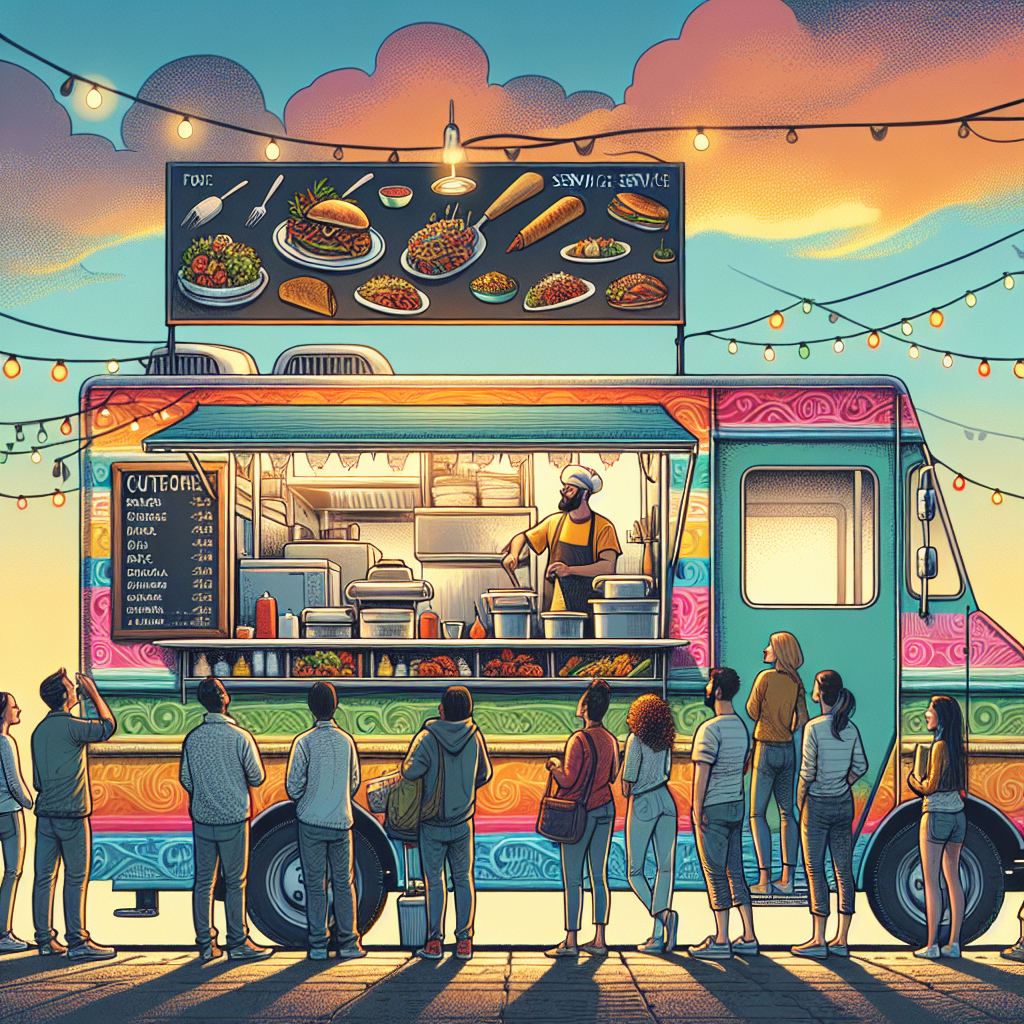
In recent years, food trucks have established a vibrant presence in the culinary scene, winning over food lovers everywhere. These mobile eateries, known for their bright colors and inventive menus, offer more than just food; they create unique dining experiences. However, achieving success with a food truck involves overcoming various challenges, especially when it comes to selecting the right models.
Each food truck model has its own set of strengths that can influence your business operations, from startup costs to the types of cuisine you serve. This article explores the important factors to consider when choosing food truck models, guiding you toward informed decisions that will lead your culinary venture to success.
Advantages of Owning a Food Truck
Owning a food truck presents several compelling advantages compared to running a traditional restaurant. Here are key benefits that make food trucks an attractive option for aspiring culinary entrepreneurs:
Lower Initial Investment
- Startup Costs: Starting a food truck requires significantly less capital than opening a brick-and-mortar restaurant. Initial expenses typically range from $30,000 to $100,000 for a new food truck, depending on the model and customization.
- No Lease Obligations: Food trucks do not entail long-term leases, reducing ongoing financial commitments. This flexibility lets owners manage finances more judiciously.
Flexibility in Location
- Mobile Operations: A food truck can be stationed at various locations, allowing entrepreneurs to tap into diverse markets. This mobility can help maximize sales by reaching out to different customer demographics.
- Adapting to Demand: Owners can adjust their locations based on customer preferences, seasonal events, or local festivities, providing opportunities to capitalize on high foot traffic areas.
Diversified Audience Reach
- Festivals and Markets: Food trucks often thrive in food festivals, farmers’ markets, or local events, attracting larger crowds. Being present at such venues enhances brand visibility and customer engagement.
- Online Marketing: Many food trucks leverage social media to announce their location and special menus. This modern marketing approach keeps customers informed and builds a loyal following.
Simpler Operations
- Streamlined Management: Operating a food truck can be simpler than managing a full restaurant. With fewer employees and a more straightforward menu, owners can focus on quality and customer service.
- Fewer Regulations: Food trucks often face less stringent health regulations compared to traditional dining establishments, making it easier to navigate compliance requirements.
Owning a food truck offers a viable alternative to the traditional restaurant model, combining lower risk with the potential for creative culinary expression and connections with diverse customer bases.
| Food Truck Model | Cost (Approx.) | Size | Typical Modifications |
|---|---|---|---|
| Ford Transit | $46,000 | 21 – 24 ft | Commercial kitchen setup, generator, cooler |
| RAM ProMaster | $44,000 | 21 – 26 ft | Service windows, fryer, griddle |
| Chevy P30 | $30,000 – $100,000 | 24 – 30 ft | Ventilation system, serving counter, storage |
| Mercedes Sprinter | $50,000 | 22 – 24 ft | Custom layout, refrigeration, serving hatch |
| Nissan NV Cargo | $45,000 | 21 – 24 ft | Cooking equipment, sink, storage space |
| Freightliner MT45 | $80,000 – $120,000 | 24 – 30 ft | Heavy-duty kitchen, serving window |
Costs Associated With Starting a Food Truck Business
Launching a food truck business involves various costs that can significantly impact your financial plan. Understanding these costs can help ensure your venture is successful from the start. Here’s a detailed look at the typical expenditures involved in starting a food truck business.
1. Vehicle Costs
The vehicle is often the most substantial expense:
- New Step Vans: Purchasing a new step van can range from $50,000 to $100,000 depending on the make and model.
- Used Step Vans: If you opt for a used step van, costs can range between $20,000 and $60,000.
- Trailers: New trailers can cost from $30,000 to $100,000, while used trailers typically range from $10,000 to $40,000. Specific models like the Ford Transit cost around $46,000, while the RAM ProMaster ranges from $44,000.
2. Kitchen Equipment
Equipping your food truck with essential kitchen appliances typically requires an investment of $20,000 to $50,000. Common equipment includes ovens, fryers, refrigerators, and cooking ranges tailored to your menu.
3. Permits and Licenses
Navigating local regulations is crucial; permits and licenses can add a significant percentage to startup costs. Costs generally range from $500 to $5,000, depending on your location and required permits like:
- Business licenses
- Health permits
- Food service licenses
4. Insurance
Insurance is critical in managing risks associated with operating a food truck. Costs for various types of insurance coverage typically fall between $2,000 and $6,000 per year, covering general liability, commercial auto liability, and possibly workers’ compensation.
5. Additional Costs
- Generator: If your food truck needs additional power, a generator might cost between $3,000 and $8,000.
- Point-of-Sale System: Setting up a point-of-sale (POS) system typically costs between $1,000 and $3,000.
- Initial Inventory: For the first few weeks of operation, budgeting approximately $1,000 to $3,000 for initial food inventory is prudent.
- Marketing: Allocating about $500 to $2,000 for branding and marketing efforts can aid in establishing your customer base.
In summary, starting a food truck business will require an initial investment of around $40,000 to $200,000, reflecting the variety of choices and costs involved. Assessing these expenses can help aspiring food truck owners make informed decisions, paving the way for a successful culinary venture.
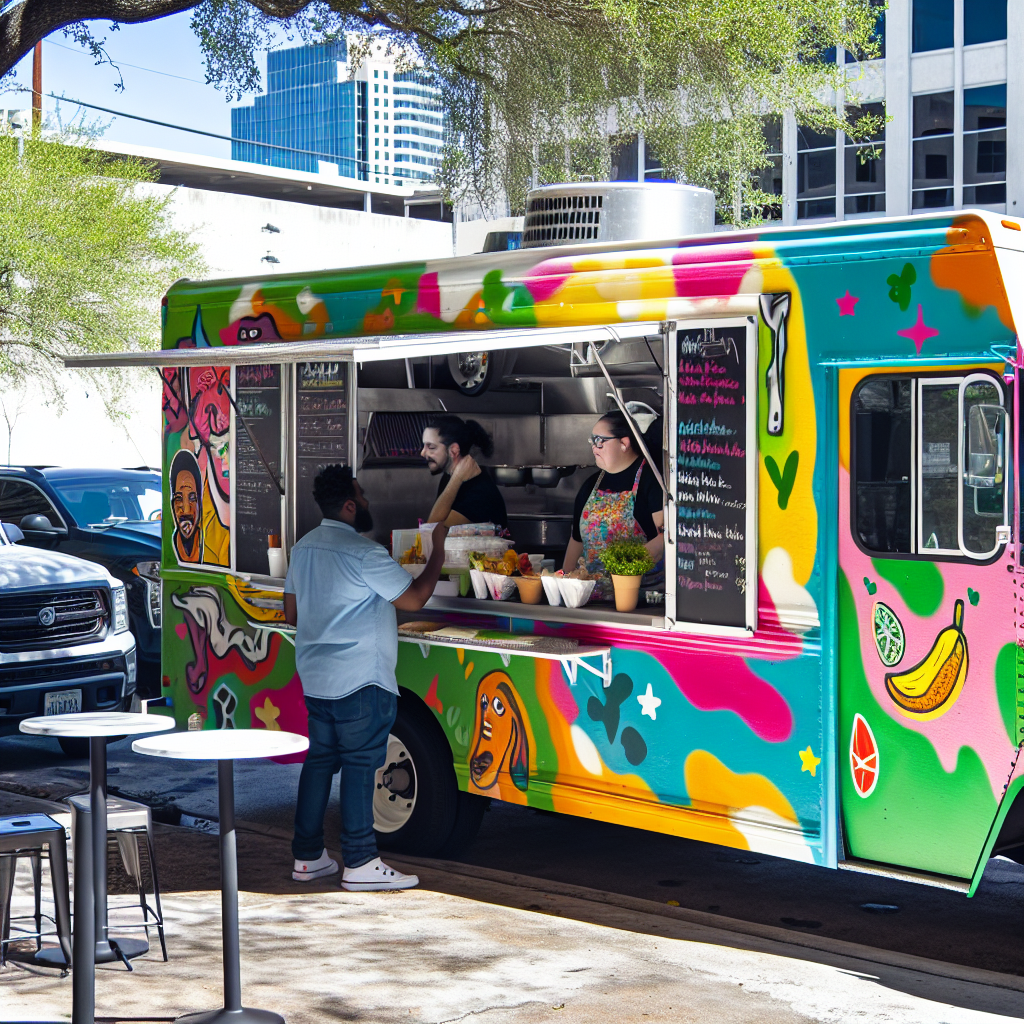
Summary of User Adoption Data for Food Trucks in 2023
The food truck industry in the United States is thriving, with 36,324 active businesses reported in 2023. This marks a significant growth of 9.9% compared to the previous year, illustrating a robust recovery after the challenges posed by the COVID-19 pandemic.
Demographics of Food Truck Consumers
A key driver of this growth is the Millennial demographic, particularly those aged 25-44, who account for approximately 43% of monthly spending in the food truck sector. Additionally, younger consumers under the age of 25 contribute another 20%, indicating a strong appeal of food trucks among youth.
Popular Menu Items
Menu trends reflect consumer preferences, with popular food truck items including tacos, sandwiches/rolls, and fries based on prevalent Google search data.
Future Growth Prospects
Looking forward, the North American food truck market is expected to grow with a compound annual growth rate (CAGR) of 7% leading up to 2025. This growth is supported by well-established infrastructures in major cities such as Los Angeles and New York, where a large consumer base is seeking convenient dining options alongside a cultural appreciation for street food innovation and relatively lenient regulations.
In conclusion, the food truck industry is not only recovering but is also thriving, projecting a promising environment for current and future food truck owners.
Summary of User Adoption Data for Food Trucks in 2023
The food truck industry in the United States is thriving, with 36,324 active businesses reported in 2023. This marks a significant growth of 9.9% compared to the previous year, illustrating a robust recovery after the challenges posed by the COVID-19 pandemic. For more detailed insight, refer to the National Restaurant Association’s 2025 Restaurant Industry Forecast.
Demographics of Food Truck Consumers
A key driver of this growth is the Millennial demographic, particularly those aged 25-44, who account for approximately 43% of monthly spending in the food truck sector. Additionally, younger consumers under the age of 25 contribute another 20%, indicating a strong appeal of food trucks among youth. Detailed demographics can be accessed at Technomic’s Consumer Trends in Food Trucks 2023.
Popular Menu Items
Menu trends reflect consumer preferences, with popular food truck items including tacos, sandwiches/rolls, and fries based on prevalent Google search data.
Future Growth Prospects
Looking forward, the North American food truck market is expected to grow with a compound annual growth rate (CAGR) of 7% leading up to 2025. This growth is supported by well-established infrastructures in major cities such as Los Angeles and New York, where a large consumer base is seeking convenient dining options alongside a cultural appreciation for street food innovation and relatively lenient regulations. For more statistics and trends, consider the Food Truck Industry Analysis 2023 by IBISWorld.
In conclusion, the food truck industry is not only recovering but is also thriving, projecting a promising environment for current and future food truck owners.
Overview of Food Truck Categories
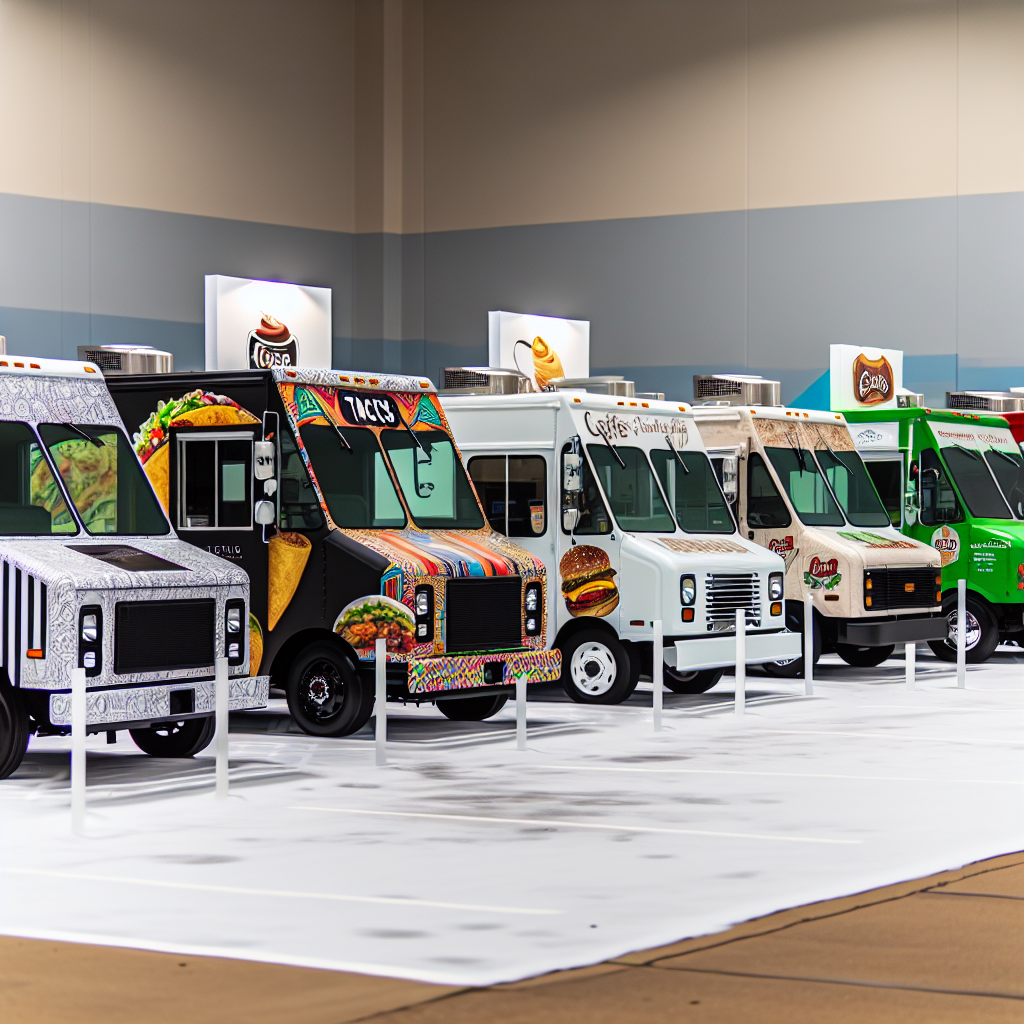
Food trucks have diversified into various categories, each offering a distinct culinary experience and requiring specific truck models to efficiently serve their menus. Here are some prominent food truck categories:
Gourmet Burgers
These trucks focus on high-quality ingredients and unique flavor combinations. Gourmet burger trucks often require trucks with enough space to accommodate larger grills and cooking equipment. Models like the Freightliner MT45 offer the necessary room and capability for a well-equipped kitchen.
Barbecue Trucks
Barbecue food trucks bring the smoky flavors of traditional BBQ to the streets. They typically require specialized equipment such as smokers and larger storage for meats and supplies. A powerful model like the Chevy P30, with its robust size and customization options, is ideal for this category.
Coffee Trucks
Coffee trucks cater to caffeine enthusiasts and often need less cooking space but require high-quality espresso machines and storage for brewing equipment. Smaller models like the RAM ProMaster or Ford Transit provide a compact, efficient layout for coffee service, making them ideal for this category.
Dessert Trucks
Trucks focusing on desserts can include ice cream, pastries, or gourmet sweets. These trucks often do not require extensive cooking facilities, allowing for smaller models to be used. The versatility of a Mercedes Sprinter can cater well to the needs of dessert trucks, providing enough space for freezers and counter service.
Understanding these categories helps aspiring food truck owners make informed decisions about which truck model aligns best with their culinary concept, ensuring an optimal setup for service and customer satisfaction.
Expert Insights on Food Truck Specifications
To emphasize the importance of selecting the right specifications for your food truck, consider these insights from industry experts:
- Nicko Phillips, a food truck expert, states: “Your food truck’s equipment isn’t just about cooking—it’s about workflow efficiency and customer satisfaction. The right specs can mean the difference between serving 50 customers per hour versus 30, directly impacting your bottom line.” This highlights how critical proper refrigeration, ventilation, and cooking equipment specifications are for maintaining food quality and meeting health codes during busy times.
- According to Melissa Gonzalez, a renowned food truck consultant: “Specifications like truck size, equipment placement, and energy sources dictate operational capacity. A well-designed truck with optimized specs reduces staff movement, minimizes service time, and enhances safety.” Her assertion underscores the significance of carefully considering power needs and storage requirements to avoid failures during peak events.
- David Weber, a veteran food truck builder, notes: “Investing in high-quality, tailored specifications upfront prevents costly downtime and repairs. Inadequate generator capacity can shut down service during rush hours, directly costing hundreds in lost sales per hour.” This shows the long-term value of durable and functional components over initial cost savings.
- Sarah Chen, founder of a national food truck association, advises: “Your menu dictates your specs—not the other way around. Always tailor specifications to your peak operational demands, or you’ll limit growth potential.” This emphasizes the necessity of ensuring that refrigeration size, cooking surface area, and water system capacity align with your operational needs.
These expert quotes reinforce the understanding that making the right choices regarding truck specifications is essential not only for compliance and operational efficiency but also for the overall success of a food truck business.
Diverse Expert Quotes on Food Truck Specifications
To broaden the perspectives on selecting food truck models and specifications, here are insights from a variety of industry professionals:
- Jennifer Simon, a successful food truck owner, shares, “Don’t skimp on refrigeration—it’s the heart of your operation. A solid refrigeration system keeps food fresh and your customers happy.” This highlights that effective temperature control is essential in maintaining food quality.
- According to James Lopez, a food truck builder, “Choosing the right truck starts with understanding your menu. The specifications must align with what you’re planning to serve. If you’re offering fried foods, for instance, ensure your truck can accommodate proper ventilation and a fryer without cramping your kitchen space.” His advice underscores the connection between menu offerings and equipment needs.
- Linda Caldwell, a food truck industry consultant, emphasizes, “A poorly ventilated truck is not only a health hazard, but it can also lead to inefficiency in service. The air quality needs to be as high a priority as the cooking equipment itself to ensure both health and speed during service phases.” This quote serves as a reminder to think holistically about truck functionality.
- Mark Kingston, an expert in food truck design, adds, “Invest in a quality chassis and engine; breakdowns cost more than initial savings. Reliability and durability far outweigh short-term cost benefits when you are on the road.” This statement highlights the importance of long-term investments in vehicle quality.
- In reference to operational efficiency, Emma Barker, a renowned chef and food truck consultant states, “Workflow is everything. You need a minimum of 14-18 feet in your truck to make sure that staff can move freely without bottlenecks. This efficiency reduces wait times and improves customer satisfaction, which are crucial in our competitive industry.” Her focus on space and layout optimizes service flow.
These expert insights emphasize the critical elements of truck specifications that can profoundly influence operational success and customer experience.
Conclusion
In the bustling world of food trucks, the choices you make can greatly influence your success. Selecting the right food truck model is not just about aesthetics or price; it is about aligning your choice with your personal needs and business vision. Consider how the model you choose will support your culinary ambitions, the type of menu you plan to offer, and your operational workflow.
Reflect on the various elements that contribute to a thriving food truck business—from vehicle size to equipment specifications and even the atmosphere you wish to create for your customers. Your food truck will serve as your restaurant on wheels, and its functionality directly impacts both the efficiency of your operations and the satisfaction of your customers.
Take a moment to visualize your future success. Will the model you choose help you serve delicious meals efficiently while creating a positive dining experience? By carefully evaluating your options and making informed decisions, you set the groundwork not just for your food truck’s present, but also for its future. Join the ranks of successful food truck owners who have turned their vision into reality by choosing wisely.
| Demographic Factor | Percentage |
|---|---|
| Millennials (Aged 25-44) | 43% |
| Consumers Under 25 | 20% |
| Total Active Food Truck Consumers | 36,324 |
| Average Monthly Spending | $200 |
| Growth in Food Truck Industry | 9.9% |
| Expected CAGR (2023-2025) | 7% |