
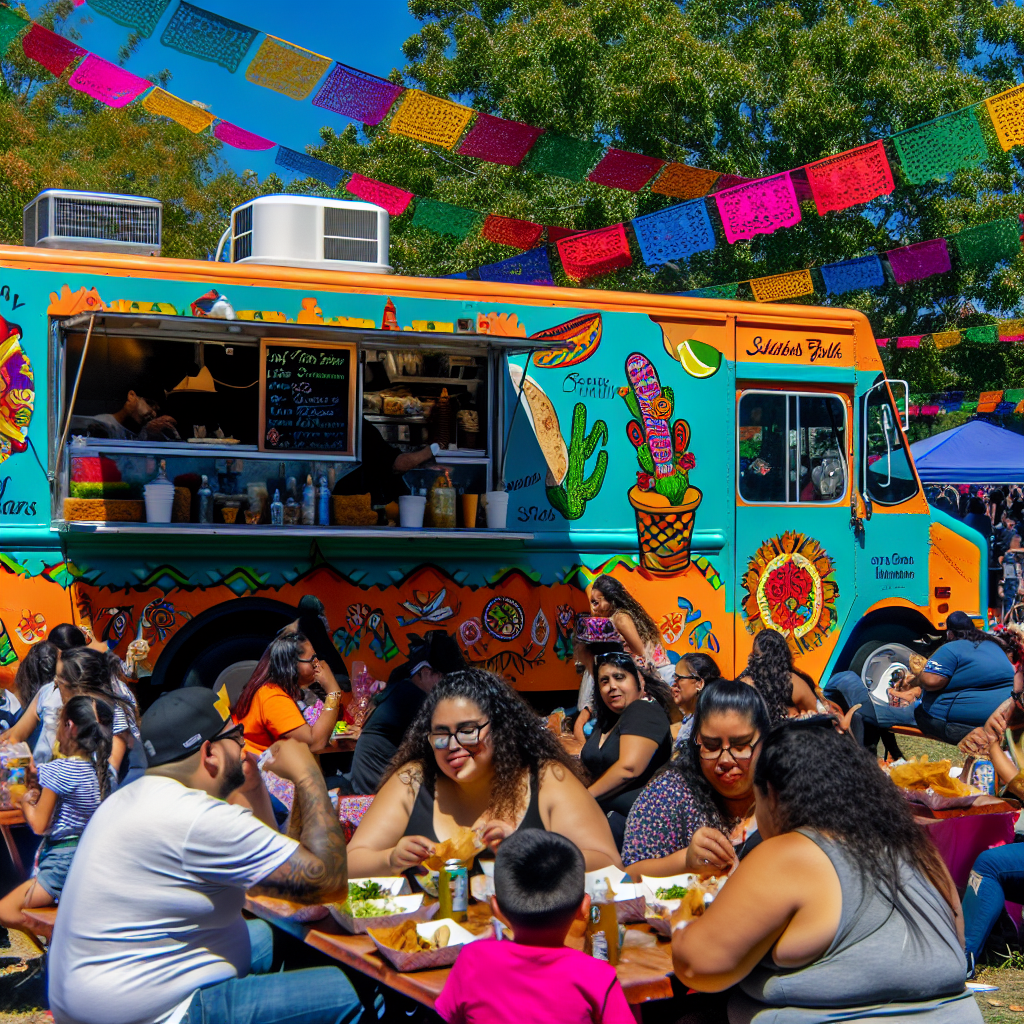
In recent years, the vibrant world of Latino food trucks has flourished across the United States, captivating food enthusiasts with their rich flavors, cultural significance, and unique culinary creations. From authentic street tacos to savory empanadas, these mobile kitchens serve as a gateway to the diverse cultural heritage that Latino communities bring to the American culinary landscape. The rise of these food trucks represents more than just a trend; it highlights the increasing appreciation for the depth and variety of Latino cuisine.
As aspiring chefs and entrepreneurs explore food truck models that best suit their visions, they not only enhance the street food scene but also contribute to the economic vitality of their neighborhoods. The fusion of traditional recipes with innovative cooking styles has enabled Latino food trucks to carve out an essential niche in the food industry, fostering a shared culinary experience that resonates with people from all walks of life. This introduction to the thriving world of Latino food trucks invites you to explore the flavors and stories behind each meal served on the go.
Latino food trucks represent an important and expanding segment of the U.S. food truck industry. The following statistics shine a spotlight on their impact:
- Industry Growth: The U.S. food truck industry is valued at $1.5 billion, growing at an annual rate of 6.9% from 2018 to 2023.
- Market Representation: Latino-owned food trucks constitute 30% to 40% of all food trucks in the United States, indicating their significant role in the industry.
- Popular Cuisines: The food trucks highlight cuisines such as Mexican, Salvadoran, and Puerto Rican, which are highly sought after by consumers eager for authentic street food experiences.
- Demographics: Many Latino food truck owners are first-generation immigrants who use their businesses for economic empowerment and community service.
- Local Impact: Areas with larger Hispanic populations have seen these food trucks thrive, significantly boosting local economies and enhancing culinary diversity within the community.
These insights indicate that Latino food trucks are not merely a trend; they are a vital part of the American culinary landscape and economy.
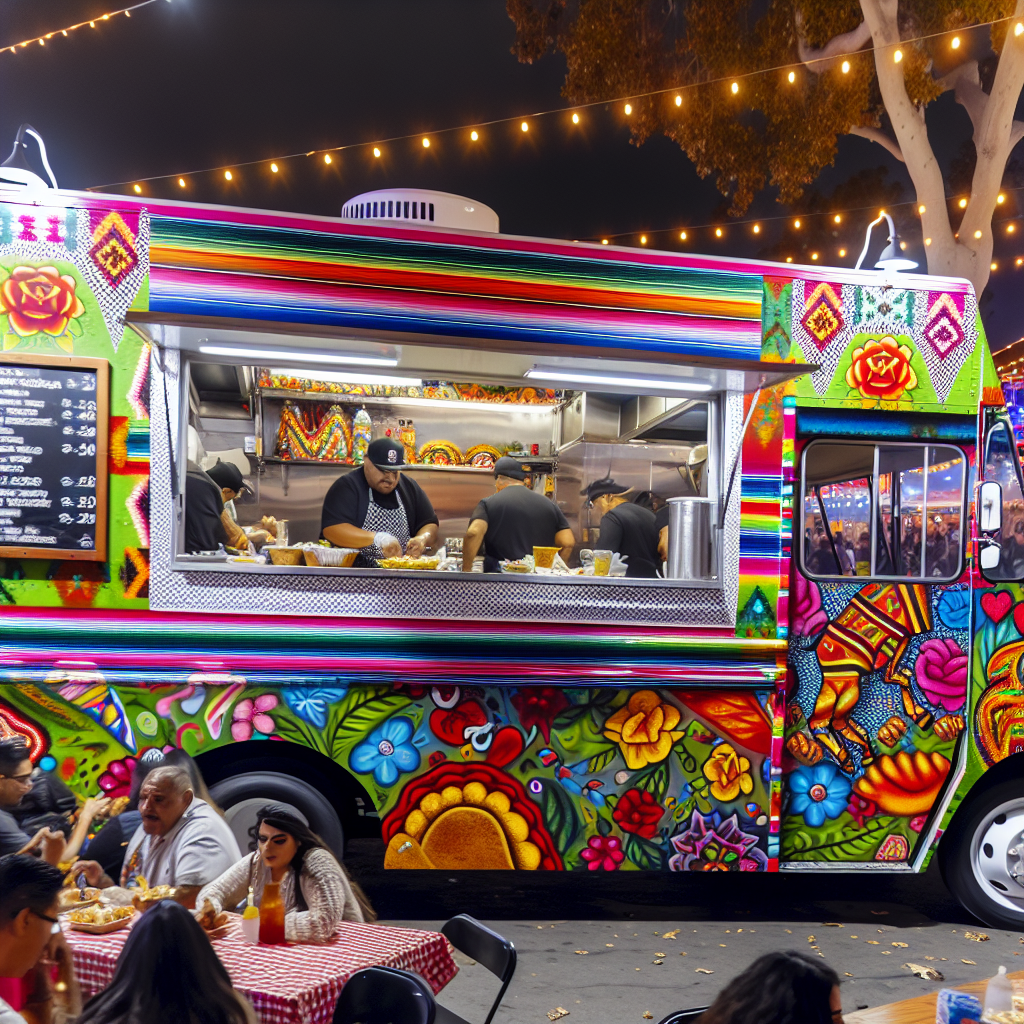
Popular Food Truck Models Used by Latino Vendors
When it comes to choosing a food truck, Latino vendors often gravitate towards models that offer practicality, reliability, and versatility. The food truck industry demands vehicles that can accommodate various kitchen setups while handling the demands of a mobile business. Here, we look at several food truck models that have become popular among Latino food truck operators, specifically the RAM ProMaster, Ford Transit, and Chevy cargo vans.
RAM ProMaster
The RAM ProMaster is favored for its spacious cargo area and excellent maneuverability, making it a top choice for food truck vendors. With a width of 6 feet and cargo heights up to 8 feet, it allows for ample room to fit kitchen equipment and cooking appliances comfortably. Another significant advantage is its low floor height, which facilitates easy loading and unloading of supplies. Additionally, the ProMaster boasts a strong V6 engine, providing good fuel efficiency while allowing for a robust performance—ideal for urban environments where stops and starts are frequent.
Ford Transit
The Ford Transit has gained significant traction among Latino food truck vendors due to its customizable nature. Available in multiple lengths and heights, the Transit can easily be tailored to fit specific kitchen layouts. Its engine options offer a balance between power and fuel efficiency, catering to various business needs. The Transit is also known for its advanced safety features, which enhance reliability on the road. Furthermore, the available all-wheel drive option is a notable benefit for vendors operating in diverse weather conditions or uneven terrains.
Chevy Cargo Vans
Models like the Chevy Express and Chevy P30 have been staples in the food truck community for many years. Their robust design and dependability attract those looking for long-lasting service. The Chevy Cargo vans feature a high payload capacity, ensuring that all necessary ingredients and cooking tools are safely transported. The simple yet effective design allows for straightforward customization, enabling vendors to maximize their service efficiency.
Choosing the right food truck model is crucial for success in the food truck business. Latino vendors prioritize vehicles that provide ample space, customization, and reliability, ensuring that they can serve their delicious offerings while navigating busy city streets. Brands like RAM, Ford, and Chevy continue to lead the way, offering models that support both culinary creativity and business growth.
Popular Food Truck Models Used by Latino Vendors
When it comes to choosing a food truck, Latino vendors often gravitate towards models that offer practicality, reliability, and versatility. The food truck industry demands vehicles that can accommodate various kitchen setups while handling the demands of a mobile business. Here, we look at several food truck models that have become popular among Latino food truck operators, specifically the RAM ProMaster, Ford Transit, and Chevy cargo vans.
Latino food trucks contribute to the thriving street food culture in the U.S., particularly highlighting the diversity and richness of Mexican cuisine and other Latino offerings available on the go.
RAM ProMaster
The RAM ProMaster is favored for its spacious cargo area and excellent maneuverability, making it a top choice for food truck vendors. With a width of 6 feet and cargo heights up to 8 feet, it allows for ample room to fit kitchen equipment and cooking appliances comfortably. Another significant advantage is its low floor height, which facilitates easy loading and unloading of supplies. Additionally, the ProMaster boasts a strong V6 engine, providing good fuel efficiency while allowing for a robust performance—ideal for urban environments where stops and starts are frequent.
Ford Transit
The Ford Transit has gained significant traction among Latino food truck vendors due to its customizable nature. Available in multiple lengths and heights, the Transit can easily be tailored to fit specific kitchen layouts. Its engine options offer a balance between power and fuel efficiency, catering to various business needs. The Transit is also known for its advanced safety features, which enhance reliability on the road. Furthermore, the available all-wheel drive option is a notable benefit for vendors operating in diverse weather conditions or uneven terrains.
Chevy Cargo Vans
Models like the Chevy Express and Chevy P30 have been staples in the food truck community for many years. Their robust design and dependability attract those looking for long-lasting service. The Chevy Cargo vans feature a high payload capacity, ensuring that all necessary ingredients and cooking tools are safely transported. The simple yet effective design allows for straightforward customization, enabling vendors to maximize their service efficiency.
Choosing the right food truck model is crucial for success in the food truck business. Latino vendors prioritize vehicles that provide ample space, customization, and reliability, ensuring that they can serve their delicious offerings while navigating busy city streets. Brands like RAM, Ford, and Chevy continue to lead the way, offering models that support both culinary creativity and business growth.
| Food Truck Model | Cost (Approx.) | Cargo Capacity | Fuel Efficiency | Key Features |
|---|---|---|---|---|
| RAM ProMaster | $44,000 | 3,800 lbs | 18-20 MPG | Spacious interior, low floor height, V6 engine |
| Ford Transit | $46,000 | 3,800 lbs | 19-20 MPG | Customizable, all-wheel drive option |
| Chevy P30 | $40,000 | 4,000 lbs | 15-17 MPG | Robust design, high payload capacity |
| Nissan NV Cargo | $30,000 | 3,500 lbs | 16-18 MPG | Affordable, practical design |
| Freightliner MT45 | $60,000 | 5,000 lbs | 12-15 MPG | Reliable, large cargo area |
| Mercedes Sprinter | $55,000 | 4,300 lbs | 18-20 MPG | Luxury interior, advanced technology |
The Cultural Influence of Latino Food Trucks
Latino food trucks play a significant role in cultural exchange and community building, making them vibrant threads within the tapestry of America’s culinary landscape. These mobile kitchens not only serve up mouth-watering dishes, but they also bring the rich traditions and flavors of Latino culture to diverse neighborhoods. By introducing authentic recipes passed down through generations, these food trucks offer a taste of home for many and create a bridge between different cultures.
The popularity of Latino cuisine, characterized by its bold flavors and diverse ingredients, has made these food trucks a staple in urban areas. Customers from various backgrounds are increasingly drawn to the unique offerings, fostering an environment of culinary exploration and appreciation. This exposure helps educate the public about Latino culinary traditions, from the significance of ingredients to the various cooking techniques used.
Moreover, Latino food trucks create a sense of community by serving as gathering spots where people come together to enjoy food and share experiences. Many Latino vendors engage with their clientele, sharing stories about their heritage and the inspiration behind their dishes, which personalizes the food experience and strengthens community ties. Events and festivals featuring these food trucks often celebrate Latino culture, allowing vendors to showcase not just their culinary skills but also their music, art, and traditions.
Additionally, the thriving food truck scene has empowered Latino entrepreneurs, enabling them to start businesses and engage with their local economies. As these food trucks flourish, they bring job opportunities, support local suppliers, and contribute to the economic growth of their neighborhoods. The success of Latino food trucks also paves the way for future generations, inspiring young Latinos to explore culinary arts and entrepreneurship.
In essence, Latino food trucks are more than just places to grab a quick meal; they are essential participants in cultural exchange, community empowerment, and the promotion of culinary diversity. By embracing their roots while engaging with broader communities, these food trucks help elevate Latino cuisine within the local food scene, ensuring that these traditions continue to thrive and inspire.
The Diversity of Dishes Served by Latino Food Trucks
Latino food trucks offer a rich tapestry of culinary delights that are steeped in cultural history and significance. Here, we delve into some of the most popular dishes served from these mobile kitchens and the stories behind them:
- Tacos: Tacos are perhaps the most iconic offering from Latino food trucks. Originating from Mexico, these versatile dishes come filled with various meats, including carne asada (grilled beef), carnitas (slow-cooked pork), and pollo al pastor (marinated chicken). The technique of making tacos al pastor is particularly fascinating as it has Lebanese roots, showcasing the cultural fusion inherent in Latino cuisine. Tacos are not just food; they are a representation of community, often served in informal gatherings, serving as a symbolic bridge connecting people.
- Pupusas: Hailing from El Salvador, pupusas are thick corn tortillas stuffed with various fillings, such as cheese, beans, or meats. Pupusas are more than just a dish; they encapsulate the Salvadoran identity and are often linked to celebrations and family traditions. Food trucks often serve them with curtido, a fermented cabbage slaw, complemented with tomato salsa, enhancing the dining experience and showcasing the communal aspect of Salvadoran meals.
- Arepas: Arepas, which have roots in Venezuelan and Colombian cuisines, are round cornmeal cakes that can be grilled, baked, or fried. They are often filled with ingredients like cheese, avocado, or shredded meats. Each region has its own version of the arepa, providing insights into local ingredients and traditions. For many immigrants, enjoying arepas from food trucks evokes nostalgia, connecting them with their homeland.
- Mofongo: This Puerto Rican masterpiece consists of mashed fried plantains seasoned with garlic and filled with meat or seafood. Mofongo has a deep cultural significance, often served during family gatherings and celebrations. Food trucks have played a pivotal role in bringing mofongo to a broader audience in the United States, preserving this culinary tradition while making it accessible to those unfamiliar with it.
- Churros: These deep-fried pastries, originally from Spain, have become popular in Latino food trucks, often served with chocolate sauce or dulce de leche. Churros highlight the sweet tradition of Latino desserts and can be seen at various cultural events, providing not just a tasty treat but also a representation of shared joy and celebration.
- Elotes: This beloved street corn dish is often grilled and served with mayonnaise, cheese, and chili powder. With roots in indigenous culture, elotes offer an interesting twist on traditional corn preparation, turning a simple street food into a flavorful gourmet treat.
This outline provides a comprehensive look into the dishes served by Latino food trucks, showcasing their cultural backgrounds while also embodying respective stories that enliven the culinary experience. With a focus on innovation and tradition, Latino food trucks continue to educate and introduce diverse flavors to broader audiences, ensuring that every delicious bite tells a story.
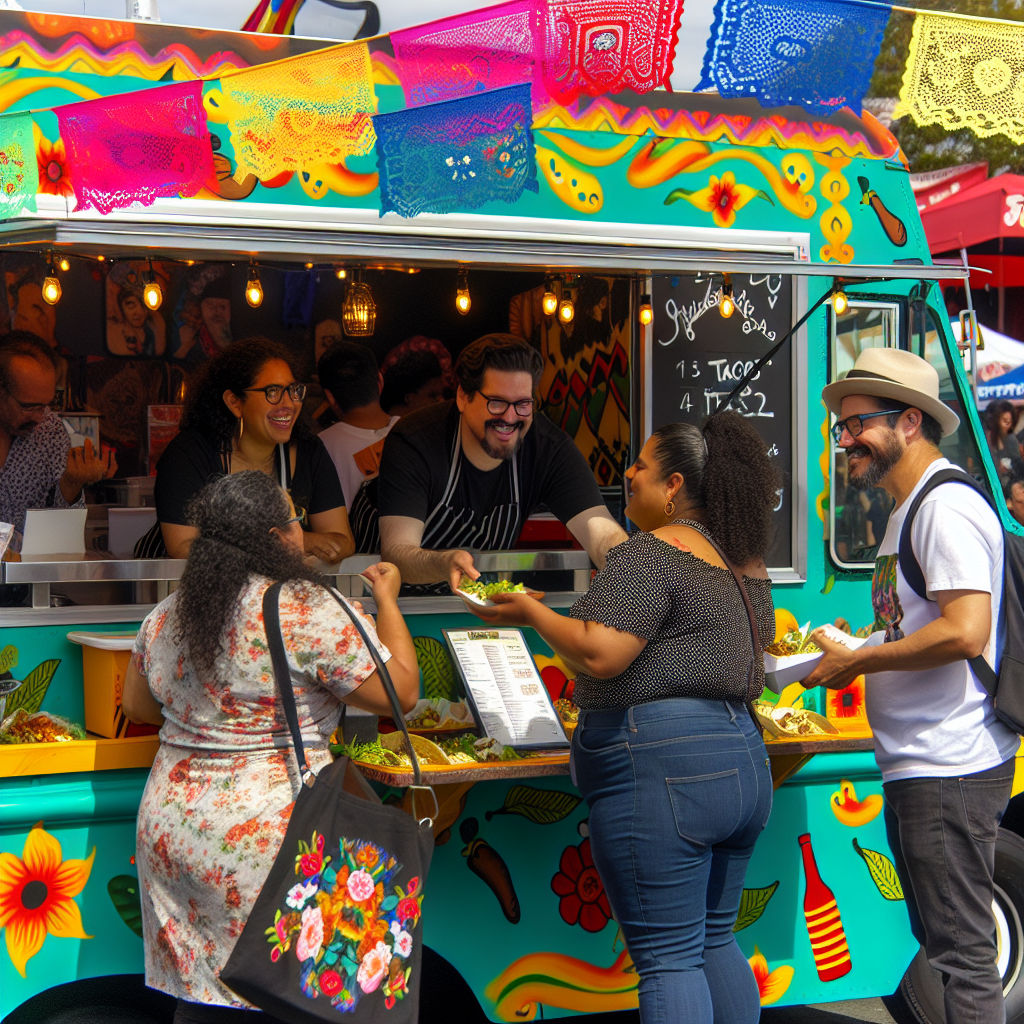
In conclusion, celebrating Latino food trucks is not merely about appreciating their delicious offerings; it’s about recognizing their crucial role in the rich tapestry of our culinary landscape. These food trucks serve as vibrant expressions of culture, blending traditional flavors with innovative techniques that capture the essence of Latino identity. By exploring the diverse menus and stories behind these mobile kitchens, we not only support local entrepreneurs but also participate in a broader dialogue about cultural appreciation and exchange.
As you venture out to experience the extraordinary array of food that Latino vendors have to offer, remember that every meal comes with a rich history and a cultural narrative waiting to be discovered. Supporting Latino food trucks means investing in community, fostering inclusivity, and embracing the culinary diversity that makes our food scene truly exceptional. So, next time you see a Latino food truck, take a moment to stop, taste, and celebrate the vibrant flavors that they bring to our streets. Your support plays a vital role in ensuring that these culinary treasures thrive and continue to enrich our collective dining experiences for years to come.
Integrating User Quotes into the Narrative
To enhance the discussion around Latino food trucks, several poignant quotes highlight their impact and significance in both culinary and community contexts. One insightful comment reflects the dedication of food truck entrepreneurs: “If you want to start one, you probably already have an idea about what kind of food you’re going to serve.” This emphasizes that authenticity and personal connection play vital roles in the offerings that these food trucks provide.
Another quote, “It boils down to three things: menu, location, and budget,” captures the practical challenges food truck owners face while trying to succeed in a competitive market. These factors are crucial in determining the viability of a food truck while allowing owners to express their culinary heritage.
Moreover, industry research provides concrete backing for the importance of these food trucks in local economies. As highlighted in a study by the Pew Research Center, “Latino-owned food trucks contribute significantly to local economies by creating jobs and fostering entrepreneurship.” Many vendors utilize these mobile businesses as steps toward opening permanent restaurants, blending cultural pride with entrepreneurial spirit. Additionally, research in the Journal of Food Distribution Research shows that Latino-owned food trucks generate substantial revenues and provide employment opportunities, further embedding them within the local economic framework.
The Urban Studies Journal notes that these trucks often serve as gathering spots that foster community interaction and cultural exchange. In cities like Los Angeles and Austin, food trucks host events and create networks that help other small businesses thrive. This exemplifies their role in promoting multicultural dialogue and neighborhood revitalization.
The Economic Development Quarterly points out that clusters of Latino food trucks can increase foot traffic significantly, showcasing their positive correlation with local businesses. Furthermore, the Brookings Institution documents how food trucks activate underutilized spaces, transforming them into vibrant community hubs.
Through these voices, we can see the dynamic intersection of culture, entrepreneurship, and community building that Latino food trucks represent.
Connecting Food Truck Models to Cultural Narratives
As we explore the various food truck models favored by Latino vendors, it’s essential to acknowledge how these vehicles serve not only as functional spaces for culinary creativity but also as platforms for cultural expressions. The choice of food truck model reflects the unique needs of each vendor, allowing them to showcase their heritage while meeting the demands of a vibrant street food culture. With practical considerations such as cargo space, customization, and fuel efficiency being paramount, the selections made by Latino food truck operators also embody their passion for sharing authentic flavors with the community.
In the words of Maria Rodriguez, a Latino food truck owner, “Our truck isn’t just a kitchen on wheels—it’s a moving piece of our heritage. The flavors we serve tell the story of our abuelas, our migrations, and our communities. The food truck model lets us share our culture directly with people where they are, breaking down barriers one taco at a time.” This sentiment underscores the profound connection between the food served and the cultural narratives that are woven throughout the culinary experience.
As we transition to the broader cultural influence of these food trucks, it becomes evident that they contribute significantly to community building and cultural exchange. The intersection of practical vehicle choices and rich cultural history creates a unique tapestry that celebrates Latino identity in the ever-evolving landscape of American cuisine. Each taco, pupusa, or arepa served not only satisfies hunger but also tells a deeper story of resilience, tradition, and community engagement.