
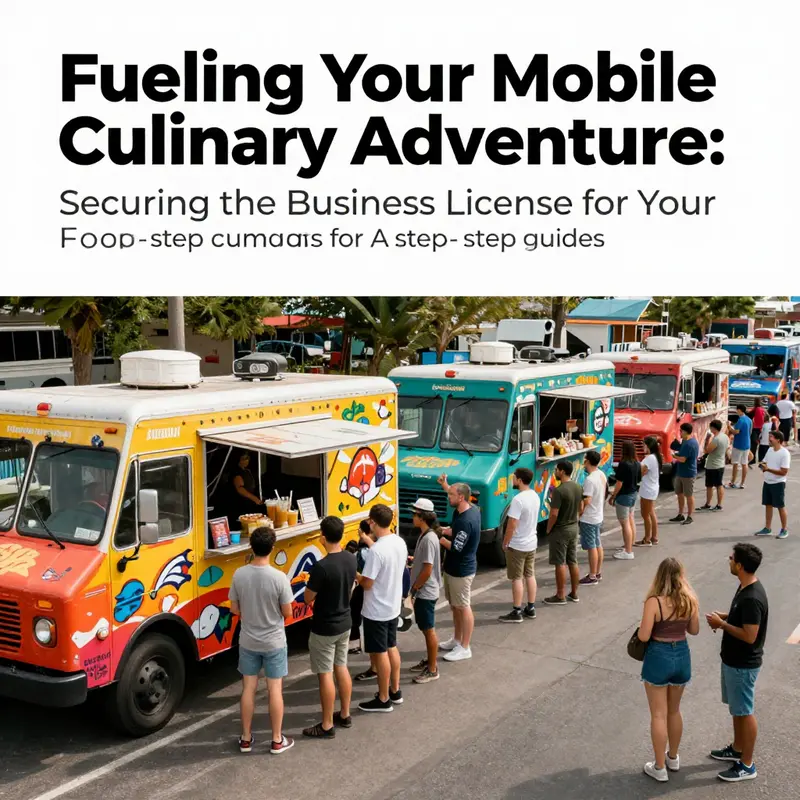
For those passionate about innovation, culinary art, and the open road, setting up a food truck can be a thrilling venture. However, before revving up your engine and hitting the streets with your delicious offerings, you must navigate the maze of permits and licenses that govern food truck operations in the U.S. Whether you’re a hobbyist car modifier imagining the perfect truck for street tacos or a professional tuner ready to customize a mobile kitchen, understanding the licensing process that comes with operating a food truck is critical. In this guide, we will explore the essential steps to obtaining a business license—an indispensable foundation for any successful venture on wheels. Each chapter will delve into critical permits, food service compliance, vendor regulations, and the importance of tax permits, creating a comprehensive overview to empower your transformation from a car enthusiast to a mobile food entrepreneur.
The License Roadmap: Legally Launching Your Food Truck from Day One
Securing a business license is the essential first mile on the road to a successful food truck venture. It is the legal acknowledgment that your operation exists, that you intend to serve the public, and that you will do so within a framework designed to protect customers, workers, and communities. In many ways, this foundational step defines the boundaries and opportunities of your entire business. While the instinct to hit the road and start cooking can feel urgent, taking the time to understand and secure the right licenses and permits saves you from costly detours, fines, or shutdowns down the line. The landscape looks simple at first glance—a single business license that lets you trade—but in practice it unfolds into a layered system of obligations that vary by city, county, and state. The core idea is that you are not just selling food; you are operating a mobile business that must coexist with traffic, pedestrians, waste streams, health standards, and land-use rules. This makes the license road map both precise and adaptable, demanding an approach that is orderly, proactive, and locally informed.
The starting point is to recognize that the business license acts as the umbrella under which all other permits and registrations nest. It is the formal recognition of your business entity. The exact requirements, application methods, and fees live in your local government offices, because licensing is a municipal matter in most respects. For a food truck, your entity can be a sole proprietorship, a limited liability company, or another legal form, and your choice will influence how you register the name, how you file taxes, and how you insure the operation. The practical consequence is simple: you will need to decide your business structure early, so you can present a consistent ownership and liability profile when you apply. A chamber of commerce, a city clerk, or a county recorder’s office typically handles this, and the process often begins online or at a local walk-in counter. The documents you gather will reflect that structure. You may need a completed application form, a government-issued photo ID, proof that your business name is registered if you plan to operate under a name other than your own, and, in some cases, evidence of a fixed location or a designated place where you intend to operate. The specifics can differ widely, but the principle remains constant: establish the business identity first, then layer on the specific permits tied to food, location, and taxes.
But mobility complicates the picture in meaningful ways. If your truck roams across neighborhoods, parks, and street corners, some jurisdictions do not require a traditional storefront-style business license for mobility alone. This does not mean you avoid licensing altogether. Instead, you will encounter a set of location-centric permits that govern where and how you operate. These location-based requirements often exist in parallel with, or as a prerequisite to, your general business license. In other words, the act of moving around can trigger separate obligations tied to the spaces you occupy. The practical effect is that you must coordinate licenses across multiple agencies—land-use and planning, health, fire safety, and sometimes environmental or parking authorities—while keeping the overarching business license current and in good standing. The aim is not to overwhelm but to ensure that your business is visible, accountable, and safe wherever you serve.
Once the formal identity is established, the next layer concerns the health and safety standards that make any food operation trustworthy. The food service permit, also called a food establishment permit in many places, is the central requirement from health authorities. This permit is not merely a formality; it reflects a comprehensive inspection regime designed to safeguard the public. Local health departments or state-level environmental health agencies review your plan and then assess your truck in person. You will be asked to submit a floor plan that maps out your workflow: where you store ingredients, where you prep, where cooking occurs, and where waste goes. The plan is not cosmetic; it is a blueprint of how you will maintain clean surfaces, separate raw and cooked foods, and prevent cross-contamination. You will have to demonstrate access to safe water and appropriate waste disposal. The equipment you use must meet health code requirements, and you will likely need to show that all cooking surfaces, refrigeration units, and sanitation stations align with current standards.
Importantly, every person on the truck who handles food typically needs health worker certifications, sometimes called food handler cards, and may need a recent medical examination. The health department wants assurance that your staff understands basic food safety practices, avoids cross-contamination, and responds appropriately to potential hazards. The inspection itself is not a one-off hurdle; it is the ongoing partnership that keeps your operation compliant. Once your truck passes the inspection and you meet the standards for water, waste, and equipment, the permit is issued and becomes a continuous obligation: you must maintain facilities, train staff, and renew the permit as required by the jurisdiction. This process underscores the lesson that the health permit is less about a single moment of approval and more about a sustained commitment to safety and compliance.
Mobility adds another essential layer: the mobile vendor permit. In most cities, this is a dedicated permit that recognizes the distinctive nature of selling from a vehicle that moves through the urban fabric. A mobile vendor permit can govern where you are allowed to operate, which markets or events you can join, and the hours during which you can be on public streets. It often comes with signage and vehicle identification requirements, and it may embed sanitation expectations tailored to mobile service. For example, some cities include a background check or a separate fee as part of the permit process. The exact steps to obtain this permit depend on your city’s structure, but the underlying logic is pragmatic: the permit provides a framework for safe, orderly vending in designated spaces, which helps balance entrepreneurial activity with public safety and traffic considerations.
In addition to licenses tied to health and mobility, the sales tax permit is a critical, sometimes overlooked, component. If you sell taxable goods, including prepared foods, you must register with your state’s revenue department. This permit enables you to collect and remit sales tax. The process is typically online, through the state tax authority’s portal. You will use it to file periodic sales tax returns and to ensure you are compliant with destination-state tax rules, including any local or district taxes that may apply. The requirement is not optional in most jurisdictions; it is an ongoing responsibility that sits alongside the day-to-day cooking and customer service. Planning ahead for tax collection helps you avoid last-minute scrambles during busy seasons and ensures you can operate across multiple locales without missing a beat.
Zoning and location considerations complete the essential triad of licenses you must watch. Even if your truck moves from curb to curb, many zones require permits for temporary use or street vending. Some cities require pre-registration in a central system that coordinates vendor activity, helping to prevent conflicts with fixed businesses or special events. Areas like parks, sidewalks, schools, or certain commercial corridors are often subject to additional restrictions or fees. The zoning layer is about where you can stand, how long you can stay, and what you can sell. It requires a proactive approach: you must research the local regulations before you pull into a new spot, so you can avoid disputes, fines, or being asked to relocate on the spot. The process typically involves coordination with the city planning department or public works, sometimes with a pre-approval process that anticipates the traffic and environmental realities of that location. It is not unusual for operators to establish a core set of safe, compliant locations while maintaining flexibility to pivot to new venues as demand shifts.
Beyond the core licenses, many operators encounter a set of additional permits that address specific risks associated with food trucks. Fire safety permits are common when your truck has grills, ovens, or fryers, and they ensure you have appropriate suppression systems, clear exit paths, and safe storage of flammable materials. Environmental permits can be required for grease capture, oil handling, or wastewater management, especially if your operation generates significant waste streams. Parking permits may control where you can leave the vehicle overnight or during off-hours, and finally, insurance—typically a minimum liability coverage in the range of a million dollars—is a practical necessity that protects both your business and the public in case of accidents or incidents. The overarching message is straightforward: licensing is not a one-and-done event but a system of protections and responsibilities that you must maintain across the life of the business.
With this landscape in mind, a practical sequence emerges for someone starting a food truck. Begin by shaping your business identity: decide your legal structure, register your business name, and then apply for a general business license at the local city or county licensing office. Next, pursue the health-related permit, building your floor plan, preparing your safety protocols, and arranging for staff health certifications. After that, secure the mobile vendor permit that aligns with your city’s vending framework, followed by the sales tax permit to keep tax matters in order. Then study the zoning and location rules for the spaces you intend to work, and finally prepare for any location-specific or supplementary permits that may arise from your chosen routes or events. The pathway is iterative rather than linear; you may find yourself back at a filing window to adjust details after a new location is added, or to update your business structure as you expand.
A note on resources helps frame this process. The U.S. Small Business Administration offers state-by-state guidance that can tailor this general map to your location. They provide practical tools to locate the right licensing authorities, understand fee structures, and align your plan with regulatory expectations. Engaging with the SBA framework early can help you identify which permits apply to your jurisdiction and how to plan for renewals and inspections. This kind of planning reduces surprises and helps you budget for the upfront costs that accompany licensing and compliance. For readers who want to hear from peers who’ve walked this road, consider exploring practical experiences from veteran operators who have navigated the regulatory maze while building enduring businesses. For practical, peer-driven insight, consider reading Profiles of Veteran Food Truck Owners.
As you assemble your license package, remember that accuracy and consistency are your most valuable tools. Inaccurate information, mismatched ownership data, or inconsistent naming can slow the process or trigger compliance red flags. Collect and organize your documents before you begin. You will want copies of your identification, proof of address, your business name registration, and any articles of organization if you choose an LLC or similar structure. Prepare a clear narrative about your food concept, your sourcing practices, and your safety protocols. A well-prepared application signals your commitment to responsible operation and reduces the back-and-forth with permitting officers. It is also wise to keep a digital record of all submissions, confirmations, inspection reports, and renewal reminders. This disciplined approach pays dividends as you scale, especially if you add more trucks or expand into new jurisdictions.
One element that many new operators overlook is the importance of ongoing compliance. Licenses and permits require renewals, periodic inspections, and updates whenever your business model changes—such as adding a new menu item, relocating to new zones, or altering your equipment. Small updates, properly documented, prevent friction with inspectors and help you avoid gaps in coverage that could disrupt service. Because rules evolve, it is prudent to reference the SBA’s guidance and to stay in touch with your local licensing office. They can alert you to changes, new fees, or shifting safety standards that could affect your operation. In practice, a mature approach to licensing blends thorough upfront work with disciplined, ongoing maintenance. The result is not just legal compliance; it is an operational discipline that supports a dependable customer experience, protects your staff, and positions your business for growth across neighborhoods and beyond.
For readers seeking a reliable, authoritative overview, the SBA remains a useful starting point. It emphasizes the importance of checking with local authorities and clarifies that licensing rules are intensely location-specific. The bottom line is that you must treat licensing as a living framework rather than a checklist that ends on day one. Your ability to adapt to new locations, maintain safety standards, and keep your records clean will determine how smoothly you can extend your footprint and stay in good standing with communities you serve. As you prepare to roll into the first day of service, your license is the compass that guides every stop along the way, ensuring that your ambition remains aligned with your responsibilities to customers, employees, and the neighborhoods you call home.
In short, the essential first step to a thriving food truck business is to secure and maintain a robust licensing and permitting foundation. It is not merely about a single permit; it is about building a coherent, compliant operating system that supports your culinary vision and your business goals. When you approach licensing with care, you create a solid platform from which to experiment with menus, expand to new locales, and deliver consistent, high-quality service to your customers. The road to success is paved with careful preparation, proactive engagement with local authorities, and a clear, documented plan for safety, sanitation, and sustainability. Your license is not a barrier to creativity; it is the gateway that makes creativity a reliable service to communities that value good food served with accountability and care. To begin this journey, reach out to your city or county offices, review the essential steps, and use the SBA resources to tailor the process to your locale. The road ahead is long, but with a solid license in hand, you can focus on building the business you envision, one carefully licensed step at a time.
Navigating the Permit Landscape: A Practical Guide to Licensing and Compliance for Food Trucks
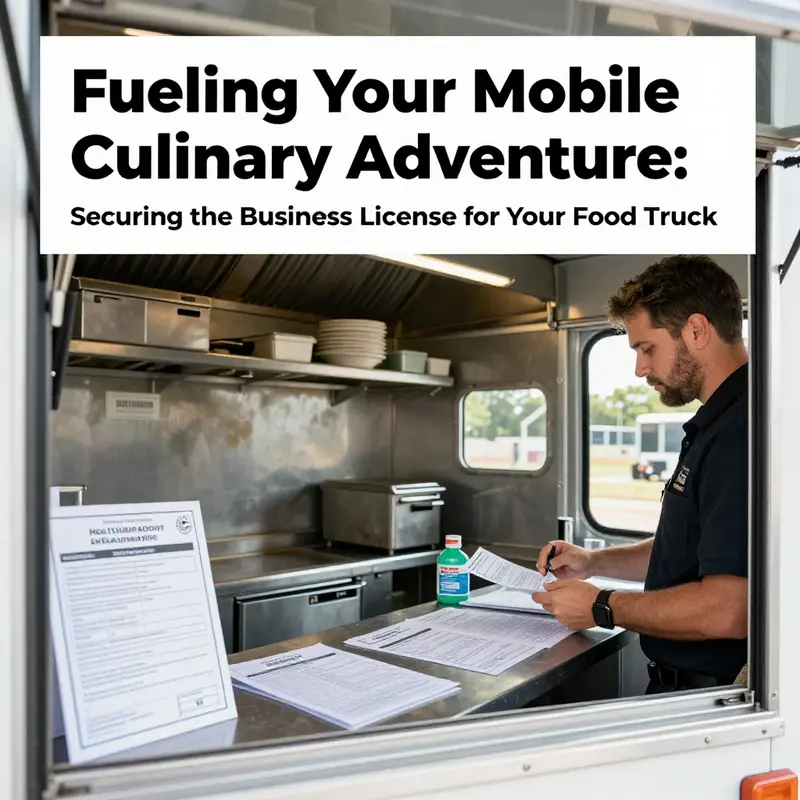
Rolling a food truck onto city streets is more than a culinary dream; it is a legal enterprise built on a trusted foundation of licenses, permits, and safety standards. The permit landscape forms the spine of your operation, linking everyday cooking to public health, consumer protection, and orderly street commerce. While the specifics differ from city to city, the core principles and the sequence of steps stay remarkably consistent. Understanding how these pieces fit together helps you move with confidence—from the moment you craft a business plan to the day you roll into your first regular spot with a clean bill of compliance.
At its most fundamental level, your licensing journey begins with the general business license. This license is the broad permission to conduct business within a jurisdiction and is typically issued by the local city or county government. It is the baseline for legitimacy, and most lenders, landlords, and customers expect to see it in place before they take you seriously. To obtain it, you usually complete a business application, present a government-issued photo ID, and show proof that you are operating under a registered business name. Some trucks operate without a fixed storefront, moving between locations; in those cases, the municipality may not require a traditional storefront license per se, but you will still need permits tied to where and how you operate. That distinction matters, because it affects how you structure your paperwork and plan your compliance timeline.
Following the general license, the food service permit or food establishment permit is the next crucial milestone. This requirement elevates the process from mere business legitimacy to the realm of food safety and public health. The issuing authority is typically the local health department or a state environmental health agency. The application asks for a floor plan of the truck, showing where food is stored, prepared, and kept in transit; it also demands proof of a safe water supply and appropriate waste disposal systems. Equipment must meet health codes, and every employee who handles food generally must hold a valid food handler certificate and, in many places, have undergone a recent physical examination. An on-site inspection by a health inspector is almost always scheduled before the permit is issued, serving as a practical test of your day-to-day operations under real-world conditions. This inspection is not a one-off hurdle; it sets the benchmark for ongoing compliance, because revised plans or new equipment can trigger follow-up checks.
The path often includes a specific mobile or temporary vendor permit, tailored to the unique rhythms of street vending. A mobile vendor permit formalizes permission to operate in designated zones, markets, or events. It typically carries locational and time restrictions and requires you to meet sanitation and vehicle identification standards. In large urban centers, the process can be formalized through a centralized portal or a dedicated department within the city government. For example, some cities design a clear, centralized program that streamlines applications for mobile vendors, often linking your trucking activity to a registry and a set of street-use rules. This permit is essential for balancing the mobility of a food truck with street cleanliness, traffic flow, and the rights of other vendors. When you understand the permit’s intent, you begin to design your operation around it—planning your routes, times, and kitchen practices with the awareness that each location carries its own permission requirements.
Sales tax compliance is another integral piece. If your menu includes prepared foods or other taxable goods, your state revenue department will require a sales tax permit. This license enables you to collect and remit sales tax from customers. The process is typically online and state-specific, and it becomes a regular, ongoing obligation rather than a one-time certification. Even if your initial meals are priced to cover costs rather than taxes, you will still need to obtain the permit and set up robust record-keeping to avoid disruption during busy periods. The interaction between tax permits and zoning, health, and business licenses is a reminder that your operation is a system with interlocking parts: a change in one area can ripple through others, affecting hours of operation, locations, and even menu changes.
Zoning and location permits deserve careful attention, even for fleets that move without a fixed storefront. Local zoning laws determine whether a street vending operation is allowed in a given area and whether you must apply for temporary use permits or street vendor registrations for each location. Some jurisdictions require pre-registration with a centralized system, while parks, sidewalks, and school-adjacent areas may carry additional restrictions or fees. The practical effect is that your route planning becomes a regulatory exercise as much as a culinary one. You’ll need to align your desired operating hours, vehicle type, and menu with the jurisdictions in which you plan to vend. In some cases, you may need specialized parking permits to keep your truck legally stationary during non-operating hours or in particular districts.
Beyond these core licenses, several location-specific permits may apply. Fire safety permits are commonly required for trucks with open flame cooking equipment, such as grills or fryers. Environmental permits may be necessary if your operations generate grease, oil, or wastewater; this is especially true for larger fry operations or when you manage waste streams in ways that could affect the environment. Parking permits may also come into play if your vehicle sits in one place for extended periods. And insurance—while not a permit in the strictest sense—acts as a practical gatekeeper, with many cities requiring liability coverage, often at substantial minimum levels. Insurance protects customers, employees, and the operating entity itself, and it plays a critical role during inspections and in the event of an incident.
All along this journey, the inspection is the moment that translates paperwork into real-world safety. Health inspectors assess your floor plan, equipment, sanitation practices, and overall cleanliness. Fire inspectors review fire suppression equipment and clearance around cooking apparatus. A vehicle inspector may audit safety features and vehicle compliance. The outcome of these inspections—whether you obtain permits, are granted conditional approvals, or must make adjustments—shapes how you set up your kitchen, where you locate your service windows, and how you train your team.
Because every jurisdiction has its own flavor of rules, the practical path you chart will inevitably be shaped by location. The guide from national sources echoes this nuance, emphasizing that rules change frequently and that it pays to connect with local offices before you launch. The U.S. Small Business Administration serves as a helpful starting point for state-by-state guidance and access to tools that help you pinpoint the right licenses for your operation. Engaging early with local authorities also helps you avoid costly missteps and last-minute redesigns that can derail a promising launch.
As you map your licensing journey, a useful framing is to think of the permit ecosystem as a sequence of layers, each with its own evidence requirements, inspection points, and renewal rhythms. Your business plan should account for the time required to gather documents, complete applications, and schedule inspections. Build in buffers for possible delays—like a health department back-office backlog or the need to update your floor plan in response to inspector feedback. You’ll also want to document your compliance commitments in a single, readable file: equipment specifications, cleaning schedules, pest control arrangements, food safety training records, water testing results, waste management plans, and emergency procedures. These records not only simplify audits but reassure partners, investors, and customers that safety and quality are non-negotiable.
A practical approach to managing this complexity is to view the licensing process as a collaborative conversation with regulators. Prepare for questions about your sourcing, facilities, and operating practices. Be ready to demonstrate how you will protect food quality in transit, maintain clean service areas, and handle waste responsibly. When regulators raise issues, respond promptly and with concrete corrective steps. The ability to interpret feedback and implement changes quickly often separates vendors who merely survive the permit process from those who thrive and expand their footprint.
To connect these ideas to real-world decision-making, consider the experience of operators who have walked this path in other communities. They report that the most effective licenses are earned when the team invests in clear, standardized procedures that work across all shifts, from the quiet lunch hours to the peak dinner rush. It also helps to map a seasonal plan for permits and inspections, recognizing that some jurisdictions adjust health or fire codes as certain times of year demand different facility and sanitation standards.
For readers who want to see how these pieces look in a broader regulatory landscape, a useful compare-and-contrast perspective is to explore how licensing considerations intersect with broader startup strategies. For instance, a chapter on legal considerations for Latino food-truck startups illuminates how diverse cuisines and entrepreneurial models navigate licensing pathways, build brand trust, and maintain regulatory compliance across multiple jurisdictions. This perspective complements the stepwise process described here, showing how cultural nuance and scalability goals shape the licensing approach. Legal considerations for Latino food-truck startups.
If you are assembling your plan, keep in mind the guidance and the core resources that can anchor your efforts. The SBA’s state-by-state tools can help you locate the right offices and forms, and the FDA’s guidance on mobile vending provides a practical reference for the operational standards that mobile units must meet when handling temperatures, storage, and cleaning. While the specifics may differ from city to city, the underlying intent is universal: protect public health, ensure fair commerce, and create predictable conditions for customers who trust that a rolling kitchen adheres to the same safety standards as a fixed storefront.
In preparation for the actual steps, it is helpful to think of the permits as a living system rather than a one-time hurdle. Your business license is the umbrella under which other permits operate. The food service permit confirms your kitchen will be safe for public consumption. The mobile vendor permit enables you to move through streets and markets rather than being tethered to a single address. The sales tax permit ensures you collect what is owed to the public treasury. Zoning and location permits govern where you operate, while fire, environmental, and parking considerations address physical and ecological realities of operating in public spaces. Insurance anchors the financial risk, and ongoing inspections ensure that every shift upholds the standards your customers expect.
The key takeaway is practical: design your licensing plan with foresight. Build a timeline that aligns permit applications with the production readiness of your truck, ensure your kitchen design anticipates inspection criteria, and develop a training regimen that keeps food-handling practices front and center. Your goal is not merely to check boxes but to establish a reliable operating rhythm in which compliance becomes second nature to the team. When that rhythm is in place, you gain more than legal protection; you gain a platform for consistent quality, repeat customers, and scalable growth across neighborhoods.
External resources can anchor your planning as you move from concept to roll-out. For up-to-date, location-specific guidance, consult the FDA’s Mobile Vending standards, which outline sanitation, temperature controls, and hygiene practices that mobile units must meet. You can explore these guidelines here: https://www.fda.gov/food/fda-food-code/mobile-vending
From Permits to Plates: Mastering Mobile Vendor Licenses for a Lawful Food Truck
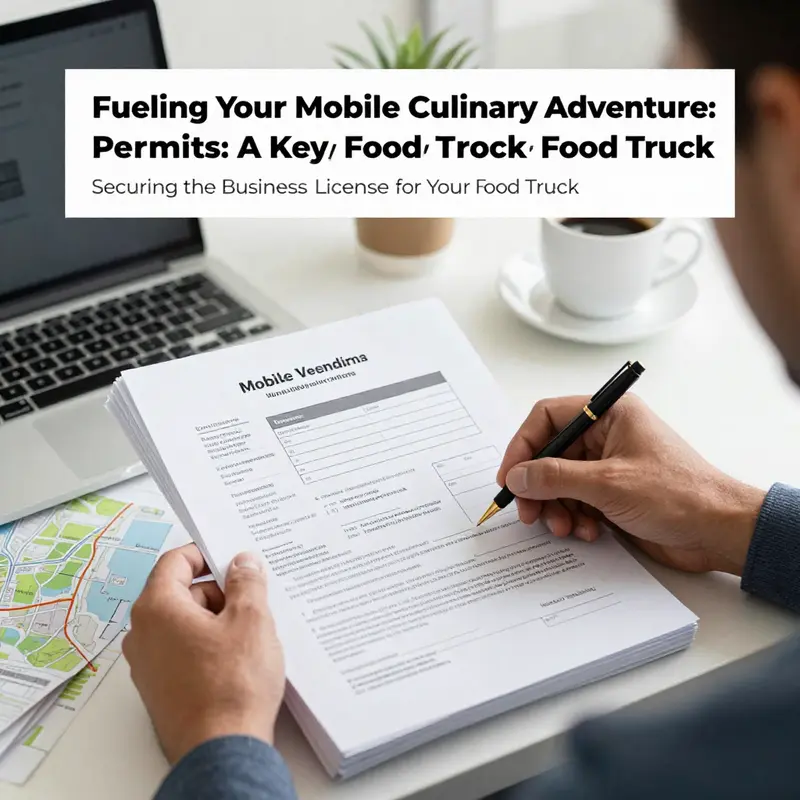
The dream of rolling up to a curb with a sizzling menu is as much a lesson in law as it is in cooking. A food truck can be the most portable, scalable way to reach hungry customers, but that mobility comes with a web of permits and licenses that vary from city to city and state to state. A solid understanding of this landscape is not an obstacle to success; it is the groundwork that prevents costly delays, sudden shutdowns, and fines that can derail a budding business before it really gets started. The process starts with a single, foundational idea: operating legally is not a one-and-done task but a continuous commitment to compliance as you move from one block to the next. While the specifics differ by location, a reliable map emerges from the same key permits that most jurisdictions require: a general business license, a health or food service permit, a permit specifically for mobile vendors, a sales tax or permit license, zoning and location permissions, and any location- or operation-specific permissions that might apply. Even when a jurisdiction makes it possible to cook and sell from a truck without a fixed storefront address, you will almost always need to prove you meet health, safety, and location standards. The rule of thumb is simple: know which doors exist, which rooms they lead to, and what you must show at each one before you roll out to your first location.
The business license, sometimes called a general business permit, is the legal anchor of the operation. It is not a luxury; it is the door you must walk through to legally conduct business in a city or county. The exact documents demanded can feel routine—proof of identity, a registration for your business name if you operate under a trade name, and evidence of your location or the general scope of where you intend to operate. The nuance, however, is this: if your truck moves between locations with no fixed address, some places may not require a traditional storefront-style business license but will still expect you to hold permits tied to the specific ways you operate—such as where you park and how long you stay. Reading the local code becomes a habit, not a one-off research project.
Next comes the food service or food establishment permit. This is the line drawn between appetite and public health. Local health departments or state agencies responsible for environmental health require you to submit a detailed application, often accompanied by a floor plan of the truck. The plan should clearly show prep zones, storage, cooking, and waste areas. You will need to demonstrate safe water supply, proper waste disposal, and equipment that meets health codes. Importantly, every employee who handles food typically must have an approved food handler card and up-to-date health assessments. Before any food touches a customer’s palate, a health inspector will verify that your truck’s layout, food storage, sanitation practices, and waste management align with the rules. This inspection is not a formality but a practical check on practices that protect public safety and your business reputation alike.
The mobile vendor permit often follows the health permit as a separate badge of legitimacy for a vehicle that travels to multiple sites. This permit defines where you can operate, the hours you may work, and the zones in which you are allowed to park or set up. It can also specify signage, vehicle identification, and sanitation practices tailored to a street-based model. Consider New York City as a stark example of the intensity and specificity some markets apply. There, a mobile vendor permit process includes background checks and fees, reflecting the city’s aim to regulate a dense, high-demand environment. The precise requirements are a reminder that mobility does not exempt you from regulation; it simply shifts the focus from a single storefront to a network of permitted locations, times, and behaviors.
Beyond these primary licenses, you must address the state’s sales or use tax obligations. If you are selling prepared foods, you are typically required to obtain a sales tax permit from your state revenue department. This license enables you to collect and remit sales tax properly. The application is usually online, often integrated with other business registrations. Your bookkeeping must align with the tax regime so that a routine audit does not threaten the business’s momentum. The tax permit is not merely a bureaucratic box to check; it is the legal mechanism that ensures customers pay the state for the value they receive, while you fund the services that sustain communities you serve. The process may feel distant from the tasting menu on the truck, but it is the backbone that keeps financials honest and compliant.
Zoning and location permits complete the essential permit triad, addressing the practical reality that a moving kitchen still must respect physical space rules. Even with no fixed storefront, you may need a temporary use permit or a street vendor permit for each location you intend to serve. Some cities require pre-registration in a central system, which helps municipal agencies balance access to street vending with safety and neighborhood quality of life. Areas such as parks, sidewalks, or near schools often carry additional constraints or fees. The upshot is clear: success hinges on understanding where you can legally operate, and when, and ensuring you have the paperwork to prove it for each site.
There are additional permits that can come into play depending on the location and the nature of your operations. A fire safety permit becomes a practical requirement if you operate grills, ovens, or fryers. An environmental permit related to pollution control may be necessary if your operation generates grease, oil, or wastewater. In some jurisdictions, a parking permit is necessary for vehicles that are stationed overnight or during non-operating hours. Insurance sits alongside these permits as a practical safeguard; liability coverage—often a minimum of a million dollars in some cities—is frequently required to safeguard both you and the public from potential mishaps. Taken together, these requirements form a comprehensive scaffold that keeps the street commerce of food trucks orderly and safe, and they are not obstacles to be defeated but guardrails to keep your business on a stable, compliant path.
The process to assemble all these permits is rarely a single day sprint. It is a series of coordinated steps that demand organization, foresight, and proactive planning. Start by choosing your business structure, whether a sole proprietorship, an LLC, or another form that aligns with your risk tolerance and growth strategy. Then register your business name with the appropriate state or county office. Next, apply for the general business license with your city or county licensing office, followed by the food service permit with the local health department. The mobile vendor permit will usually require separate application through the city’s licensing body or a dedicated portal, sometimes with an additional background check. A sales tax permit comes from the state revenue department, and zoning or location permits are typically managed by the city planning or public works offices. Finally, secure insurance and prepare for inspections. The sequence may vary, but the logic remains: each permit serves as a distinct legal permission that, together, authorizes your entire mobile operation to operate publicly and safely.
To succeed, it helps to treat the permit process as an ongoing conversation with local officials rather than a one-time hurdle. Start with a broad map of the licenses you will need in your city or state, then drill down into the specific documents demanded by each agency. Build a document packet that includes your legal business name, tax identification numbers, identification documents, proof of location or activity scope, floor plans, equipment specifications, and personnel training records. Keep this packet updated, because rules can shift with new public health guidance, safety standards, or changes in street vendor policies. In markets with high procedural friction or limited permit availability, start early and be prepared for back-and-forth communications or iterative inspections. The path to approval often rewards persistence, meticulous preparation, and clear demonstration of your operation’s safety and reliability.
One practical way to navigate the complexity is to seek guidance from reputable, location-specific sources. The Small Business Administration (SBA) offers state-by-state tools that help mobile vendors identify the correct licenses and permits for their location, and it is a reliable starting point for a first-pass analysis. In cities that publish dedicated portals for mobile vendors, such as a centralized system or a department-specific page, those portals become a natural home for checklists, timelines, and contact information. A few jurisdictions also publish specific guidance for the food-truck community, including safety training requirements, inspection guidelines, and renewal intervals. While the exact rules change, the underlying pattern remains constant: obtain the core licenses, meet the health and safety standards, align with zoning and location controls, and secure the appropriate insurance, all while maintaining a robust record of compliance.
Navigating this landscape well is not just about avoiding fines. It is about building a reputation for responsibility that can translate into more permit-ready opportunities—markets, events, and partnerships become accessible when regulators see you as a trusted operator. This is where the legal framework intersects with your business ambition. A well-documented permit history can ease expansion into new neighborhoods, help you secure recurring locations, and support you when you apply for financing or insurance. It also reduces the risk that a busy night ends with a surprise permit check and an unpleasant halt to service. In practice, this means setting up a routine of regular reviews with your records, keeping licenses current, and scheduling timely renewals so no gap interrupts your service.
For readers looking to connect the dots between permits and practical, real-world guidance, there are resources that dive into the specifics of operating within unique communities. For example, you can explore the legal considerations and startup realities faced by Latino-owned food-truck ventures through dedicated content that reflects the distinct regulatory and cultural contexts. A useful way to approach this is to read about the broader legal considerations before diving into jurisdiction-specific requirements, then circle back to the official portals for your city. Legal considerations for Latino food-truck startups provides a lens on how entrepreneurs think about risk, compliance, and community integration as they navigate permits and licenses.
As you plan, keep in mind that the goal is not merely to collect documents but to demonstrate a consistent pattern of safe operation. Health-conscious practices, transparent records, and a clear plan for location management all signal to inspectors and regulators that your truck is a reliable part of the community. When you can present a complete, organized package to each agency, your chances of a smooth approval—and a quicker route to serving your first customers—improve markedly. The realities of the permit process may feel daunting, but they are part of the training ground that turns a great kitchen on wheels into a sustainable business with staying power. When you embrace the process, you gain clarity about where you can operate, what you must do to stay compliant, and how to scale responsibly as you add more trucks, more staff, and more ways to bring good food to the streets.
For readers seeking the most current, jurisdiction-specific guidance, turn to official sources suited to your city or county. In places where online portals exist, they can streamline submissions, renewals, and inspections, helping you stay ahead of regulatory changes. Remember that rules evolve, and relationships with local agencies can be a meaningful asset as you grow. A disciplined approach to permits—starting with a solid business license, then layering on health, mobile vendor, tax, and zoning permissions—gives your operation a firm legal footing and enables you to focus on what you do best: crafting delicious food and serving customers who crave the unique experience of a moving kitchen. For authoritative, nationwide guidance, you can consult the Small Business Administration’s resources, which provide tools and state-by-state guidance to help you get started and stay compliant: https://www.sba.gov
Navigating Sales Tax Permits and Zoning for Food Trucks
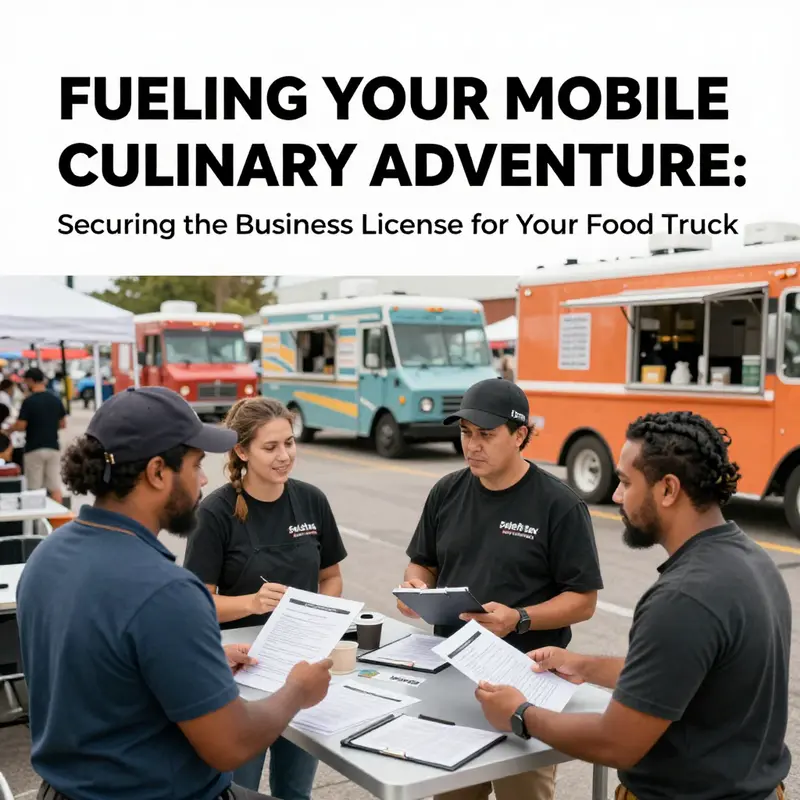
Getting a mobile food operation compliant begins with two core pillars: sales tax permits and zoning. Sales tax permits authorize you to collect and remit tax on taxable foods and beverages and are typically issued by the state revenue department or equivalent. In many states you must have a valid business registration and location plan before the permit is granted. Zoning determines where you can operate, for how long, and under what conditions; it covers approved locations, operating hours, signage, waste management, and health standards. Although rules vary by city and state, a practical path emerges: register the business, obtain a general business license, secure a sales tax permit, and then obtain the mobile vendor or food-truck permit tied to your anticipated sites. Keep thorough records, renew permits on schedule, and coordinate tax and zoning so they speak to one another. For growth toward fixed locations, ensure your zoning and tax licenses align with the new footprint and any added safety or environmental requirements. Rely on official portals for applications and renewals, and seek professional guidance when needed to stay current with changing regulations.
Final thoughts
Securing a business license for your food truck isn’t just a bureaucratic hurdle; it’s your gateway to a world of culinary opportunities on wheels. With each permit obtained, you are not merely complying with regulations; you are laying down the groundwork for a successful food truck that resonates with your passion for innovation and quality. Whether you’re passionate about car modification or culinary artistry, approaching the licensing process with diligence will drive your mobile business forward. Embrace the journey ahead, knowing that with the right permits and an understanding of the regulations, your food truck dreams can become a vibrant reality.