
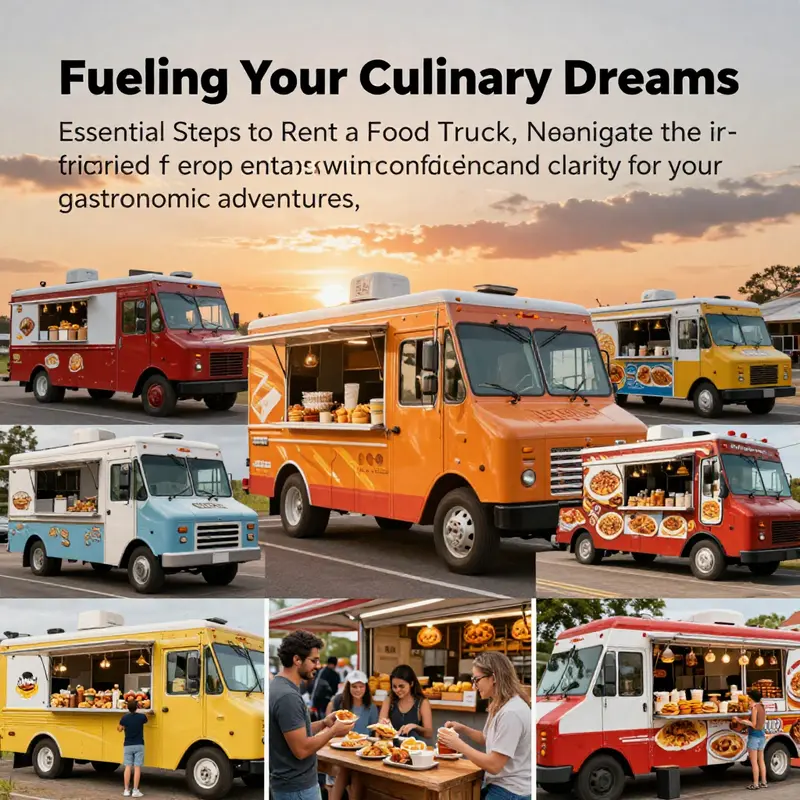
In the ever-growing world of mobile dining, food trucks have become synonymous with creativity and flavor on wheels. For car enthusiasts, hobbyists, and passionate culinary adventurers, renting a food truck transcends mere business; it’s about embracing a lifestyle that merges culinary art with automotive innovation. This guide delves into the essential requirements for renting a food truck—from obtaining licenses and insurance to understanding rental agreements and planning logistics—integrating the enthusiasm of car modification and culinary excellence. Each chapter provides key insights to ensure you’re prepared to hit the ground running with your food truck venture.
Licensing the Ride: Navigating Licenses, Permits, and Paperwork to Rent a Food Truck
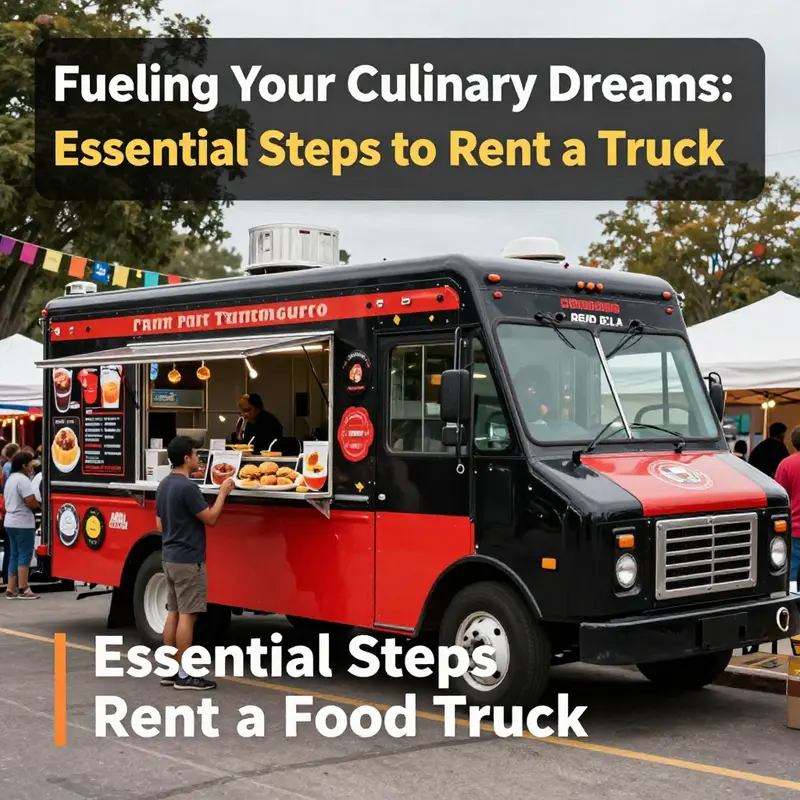
Renting a food truck is not just about choosing a vehicle with a kitchen on wheels. It’s a gateway to operating legally, safely, and with the kind of legitimacy that helps you attract customers, win events, and avoid costly delays. The licenses and permits you secure before you even pull onto a street or into a festival define the boundaries of your business and the rhythm of your daily operations. In many places, the rules are layered and specific, and they can differ markedly from one city to the next. Vancouver, for instance, has a unique sole mobile food truck permit that can shape where and when a truck is allowed to operate. That kind of local specificity underscores a simple truth: you won’t know what you need until you check your local government’s postings, and you won’t be able to rent a truck confidently if you skip licensing altogether. The journey begins with a foundation and builds toward a compliant, sustainable operation.
The most fundamental step is the business license. This credential is your sober, official recognition as a legal business entity within your city or county. It signals to the world that you intend to do business, to collect taxes, and to comply with local norms and regulations. A business license is more than a formality; it’s the gateway to opening a bank account, securing lines of credit for future growth, and establishing your identity in the eyes of customers and partners. In many jurisdictions, it must include basic information about your business name, address, ownership structure, and the physical location of your operations. While the exact process varies, you’ll typically file with the city or county’s licensing department and pay a fee. It’s worth noting that some areas require additional steps if you operate a mobile unit.
Alongside the general business license, the vehicle and food handling components demand their own credentials. A food handler’s permit, or a food safety certificate, attests that you and your staff understand the essentials of safe food handling, storage, temperature control, and cross-contamination prevention. Health departments drive these requirements to protect public health. The permit may apply to you personally or to every individual who handles food in your truck, depending on the jurisdiction. The training is practical, often short, and the payoff is clear: it reduces the risk of foodborne illness and the liability that could shadow your venture if a health inspection ever turns up concerns.
Beyond those basics, you’ll almost certainly need a mobile food vendor permit, or a temporary food service permit, specifically authorizing operation of a mobile food business. This permit is designed for trucks, carts, and other movable setups, and it’s typically issued by the local health department or a zoning authority. In some places, obtaining this permit requires proof of insurance and confirmation that your business location aligns with zoning rules. It may also tie to permittees’ ability to operate in certain spaces—streets, parks, or designated vending zones. Some cities even consolidate licensing into a single process, while others separate the steps into a sequence you must complete before your truck can legally serve customers.
As you map licenses, you’ll want to consider sales tax permits as well. If you’re collecting sales tax on food, you’ll need to register with your state or local tax authority to remit those taxes. The process is usually straightforward, but missing it can produce headaches at the end of the quarter. A sales tax permit is not universal, but where it applies, it’s essential to stay compliant. In addition to the core permits, there may be vendor permits or special events permits needed if you intend to operate in parks, at street fairs, or at specific venues. The exact mix of permits depends on the location, the kind of events you serve, and whether you’ll be in public right-of-way, on private property, or within designated commercial districts.
Some cities take licensing a step further by requiring a license plate or a unique identifier tied to the food truck. This enhancer links the vehicle to the business for regulatory and enforcement purposes, and it can influence parking, fueling, and compliance audits. It’s easy to underestimate how much paperwork can follow a single truck, but staying ahead of these requirements reduces the risk of last-minute roadblocks. It’s also wise to expect some jurisdictions to update rules, especially as mobile food commerce expands and local authorities adjust to crowd patterns, traffic, and health concerns.
This is where the practical act of research becomes essential. The best approach is to consult your local city or county government website and speak directly with the licensing department. If you’re seeking a grounded, general primer, sources like the U.S. Small Business Administration offer reliable guidance on licensing and compliance—but your local rules will always take precedence. For readers seeking deeper context specific to Latino food truck enterprises, the article on legal considerations for Latino food truck startups provides a thoughtful, culturally informed lens on how licensing intersects with community standards and business strategy. legal considerations for Latino food truck startups.
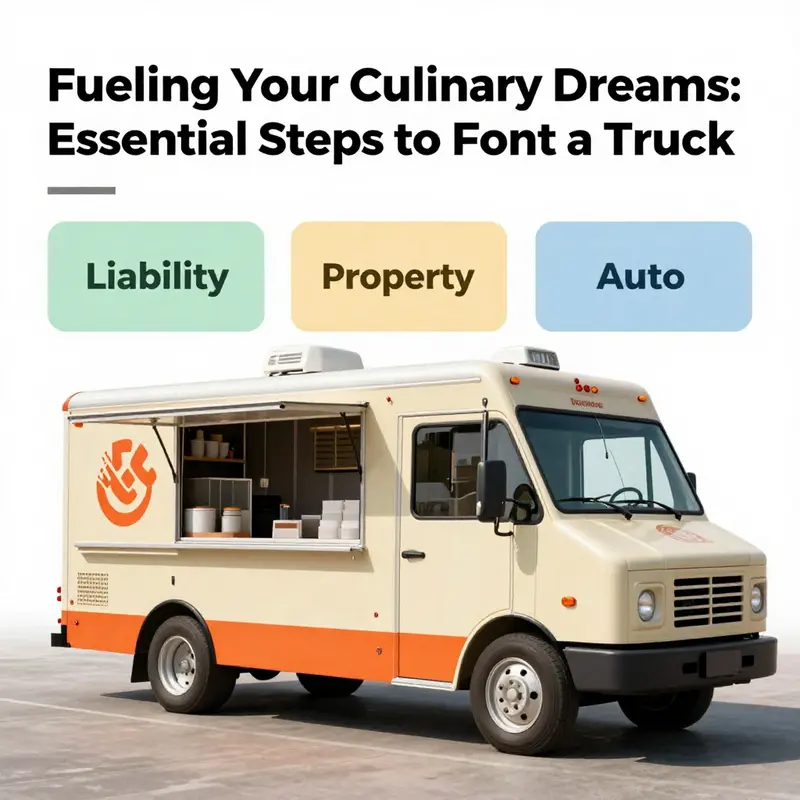
The licensing framework naturally dovetails with insurance, another pillar of a responsible rental arrangement. Most truck rental companies require proof of coverage before you even take a wheel. General liability insurance protects against bodily injury and property damage that could occur on site or during operations. Property insurance covers the truck and its equipment, safeguarding your assets if something goes wrong. Some operators also insist on commercial auto insurance, especially if the truck will be driven by you or your team to different locations. The exact limits and coverage can vary by lender and by state, but the principle is universal: your insurer wants to know that you can absorb the financial consequences of accidents, equipment failures, or incidents that affect third parties.
As you accumulate licenses and insurance, you’ll also be negotiating a rental agreement with the leasing company. This document governs rental fees, payment schedules, maintenance responsibilities, and the extent of your usage rights. Pay careful attention to geographic restrictions, so you don’t plan a multi-city tour only to discover parts of your route are off-limits. Maintenance responsibilities can be surprisingly significant. Some rental agreements place routine servicing, repairs, and even part replacements on your shoulders, while others roll these costs into the monthly rate. Clarifying who covers what—from battery replacements to generator refueling—prevents disputes that could disrupt your operation during a busy weekend.
The equipment inside the truck is not an afterthought. A fully equipped kitchen is a baseline expectation when you rent a food truck. Refrigeration units for cold storage, electric grills, fryers, and induction cooktops ensure you can execute a broad menu with speed and consistency. Microwave ovens, water boilers, and coffee makers are not flashy luxuries but practical tools that keep service flow tight, especially at events where lines form quickly. Proper preparation counters and waste disposal systems help maintain hygiene standards and protect your staff and customers alike. The specifics of what you get will reflect the truck you choose and the rental package, so validate the inventory against your anticipated menu and service style.
Transportation and logistics add another layer of complexity. If the truck isn’t delivered to you, you may need to arrange transport or be prepared to drive it yourself. This is not a minor detail; large events may require specialized driving and parking plans, staged loading and unloading, and contingency routes for inclement weather. A thoughtful plan for logistics reduces risk and keeps your schedule intact. Staffing and operations go hand in hand with this. Fast service and high turnover are advantages of mobile dining, but they require an efficient team and a clear workflow. You’ll need to decide how many cooks, prep staff, and front-of-house staff are necessary to meet demand at peak times while maintaining quality and safety.
Branding and marketing, while not legal requirements, become strategic tools when you rent a food truck. Your truck is a moving billboard, so investing in a strong exterior design, cohesive menu branding, and an approachable social media presence is worth every dime. The branding should be consistent with your menu identity and the story you tell customers about who you are and what you offer. Event booking and location strategy require similar foresight. Many operators rely on advance bookings for festivals, corporate gigs, weddings, or established street vending spots. Planning ahead is crucial, especially where venues cap capacity or limit days and hours. A well-structured pipeline of opportunities reduces idle time and helps you achieve steady revenue.
For entrepreneurs seeking flexibility, bar trailers or dessert-focused trucks are popular options for parties and festivals. They offer high-profit margins on drinks or desserts and can complement a broader culinary concept. Yet the licensing footprint for these variants remains anchored in the same essential permits, albeit with industry-specific considerations. The core lesson remains the same: treat licensing as the first, ongoing investment in your business. It is the thread that ties together operations, safety, customer trust, and long-term growth.
In closing, the path to renting a food truck is illuminated by a structured sequence of permits, approvals, and protections. Begin with the business license and food safety credentials, then add the mobile food permit and any location-based permissions. Don’t overlook sales tax and vendor-related authorizations where relevant. Secure the appropriate insurance, and align your rental agreement with the realities of service at scale. Confirm that the truck’s equipment matches your menu ambitions, and map your transportation and staffing to the realities of real-world service. Finally, anchor your operational plan in branding and proactive event planning. When you approach licensing with this layered mindset, you won’t merely rent a truck—you’ll set the foundation for a compliant, competitive, and resilient street-food enterprise that can grow with you over time.
External resource: For a broad, practical guide to starting and scaling a small business, see the U.S. Small Business Administration: https://www.sba.gov.
null
null
The Fine Print Behind Tasting on Wheels: Mastering Rental Agreements for Food Trucks
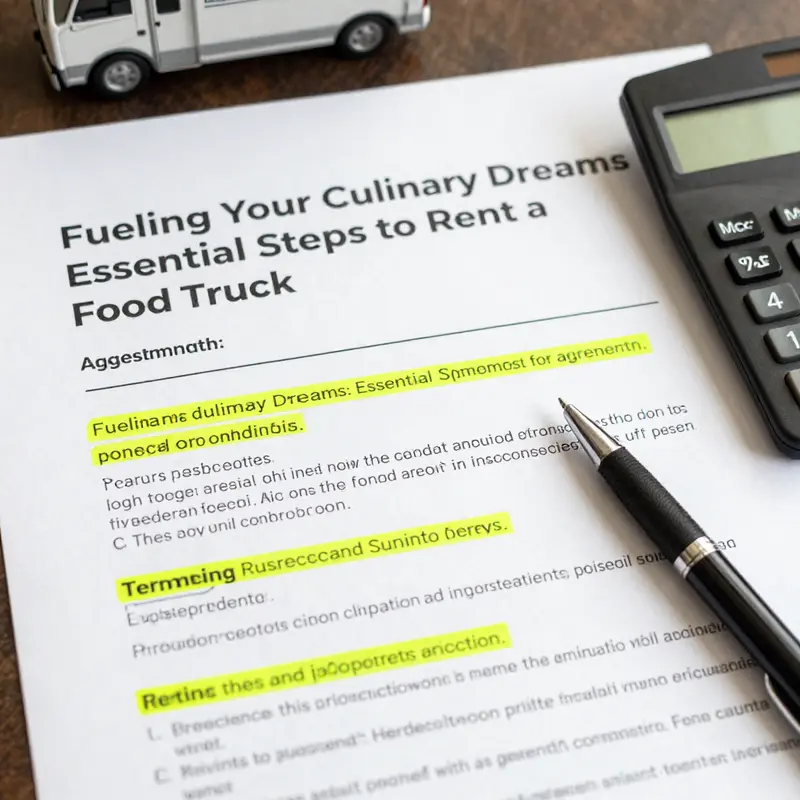
Entering the world of food truck operation means more than choosing a concept or a location. It begins with a document that often sits in the background until a moment of doubt or a moment of success reveals its power: the rental agreement. In practice, this is not a mere formality. It is the negotiated map that turns a vehicle into a lawful kitchen on wheels, a promise into a plan, and a shared understanding into a basis for trust between the operator and the lender. A well crafted rental agreement does not cage a dream; it clarifies the boundaries where opportunity must fit. When you rent, you are not simply paying for a mobile kitchen. You are agreeing to a scope of use, a schedule of costs, a division of responsibilities, and a framework for dealing with the unexpected. The document should be read as a living blueprint for how your business will move through markets, events, and streets without losing control of quality, safety, or finances. The most important aspects fall into a continuous thread through four intimate layers: the vehicle itself, the time you will hold it, the commitments around money and risk, and the conditions that govern daily operations and future return. Each layer matters because a slight misalignment here translates into friction there, and friction in a food business can slow lines and sap margins faster than a clogged grill. To begin, the vehicle description, though it may sound technical, is the foundation of clarity. The rental agreement must begin with a precise portrait of the truck you will use. It should list the make, model, year, and most critically the VIN, the unique identifying features or equipment that distinguish this particular vehicle from every other on the road. The insistence on accuracy rings true for anyone who has ever faced a dispute over a vehicle that the paperwork claimed was different from the one in the lot. With a portable kitchen, every element you rely on—refrigeration, cooking surfaces, water heating, and waste management—depends on knowing exactly what is included. A meticulous vehicle description protects both sides, ensuring you are not footing the bill for components you did not receive and the lessor is not surprised by equipment that has aged beyond agreed standards. It also anchors your maintenance to the reality of the unit you operate. If a piece of equipment fails, you want the record to reference the exact model and unit number, not an impression of what should have been there. From there the rental period frames the pace of your operations. The agreement should spell out a clear start and end date, with a pathway for extensions or early termination if the business plan shifts. The calendar on this page is not merely a countdown; it is a planning tool that aligns your procurement of ingredients, your staffing, and your event calendar. In practice, you will find contingencies folded in: what happens if a festival runs longer than expected, or if a venue declines access on a rain day. A robust clause allows reasonable flex while preserving the integrity of the contract. On the financial side, payment terms determine cash flow and the ability to scale or pivot between markets. The rental rate is not the only factor; deposits and security arrangements, any maintenance or usage fees, and how charges may be adjusted over the term all influence the bottom line. A clear schedule of payments, with due dates and accepted methods, helps you forecast your cash position as you book events and staff shifts. A deposit is common, but the agreement should also specify when it is refundable and under what conditions it might be forfeited. This is not merely a matter of arithmetic; it is a signal of how the relationship will be managed if plans change or if obligations are not met. Insurance requirements follow closely in importance. Most rental agreements require proof of coverage that protects both parties from unforeseen events. The document should specify the minimum coverage amounts, whether the policy needs to name the lessor as an additional insured party, and what types of coverage are necessary, such as general liability and property coverage for the truck and equipment. In some cases commercial auto insurance is required if the vehicle will be driven, which can affect your existing policies and your premium. The insurance section works in tandem with liability provisions to ensure that the risk of injury, property damage, or theft is allocated clearly and fairly. In short, it codifies who bears the financial risk when a mishap occurs and how the costs are managed. Maintenance responsibilities are the practical heartbeat of the rental relationship. A well drafted contract draws a line between what you must handle and what the lessor takes care of. It should specify who is responsible for fuel, routine servicing, mechanical repairs, generator maintenance if a built in power source is installed, and even the cleaning and return of the vehicle. In a mobile kitchen, even minor lapses can disrupt operations. If a unit arrives in suboptimal condition, it will reflect on your brand as much as on the aging of the machine. The agreement should also address urgent repairs and the process for notifying the other party if trouble arises, including who approves emergency expenditures and whether there is a cap on repair costs without prior consent. Liability clauses are the shield and, at times, the blade of a rental agreement. They spell out who bears responsibility for damage to the truck, as well as damage caused by or to third parties, which is common at busy events and street locations. This is where the document often specifies deductibles, insurance-backed coverage, and procedures for filing claims. The language should also cover theft or vandalism and the steps each party must take to minimize exposure and to document events accurately. Operational guidelines then translate the legal language into the day to day. They can include permitted operating locations, hours of operation, and compliance with health and safety regulations that govern food handling and environmental standards. A thoughtful agreement anticipates common event types you will pursue, from private catering to festivals, and sets expectations for mobility, parking, power access, and waste disposal. The return condition of the truck is the final checkpoint that closes the loop. It ensures that you leave the vehicle in the agreed state, with cleanliness, fuel level, and functionality verified. Provisions for penalties or fees for failing to meet return conditions are common, and they may influence your choice of event and venue. Reading the agreement with a lender’s eye can reveal practical leverage for you to negotiate. If a clause seems rigid in a way that would hinder your capacity to respond to a last minute booking or an overflow crowd, you can discuss adjustments. If you foresee a period of intense activity such as festival season or a concentrated city tour, you may seek options for flexible extension terms, additional support for maintenance, or an enhanced service package. The process of negotiating a rental agreement should be approached with a clear sense of your business needs. It is not a battle over small figures but an exchange that clarifies how both sides will function when the stove is hot and customers are waiting. In this light, the internal landscape matters as much as the technical one. For a broader look at legal considerations that accompany starting a Latino food truck venture, Legal considerations for Latino food truck startups. This resource, while not a substitute for professional counsel, helps frame questions about permits, insurance, and site agreements early in the planning phase. Understanding the full scope of the rental agreement also ties to the larger tactic of positioning your business for reliability. A strong rental agreement should not simply protect the lessor; it should provide you with a predictable operating framework that supports consistent service, a strong brand experience, and a sustainable cost structure. When you rent, you do not surrender your agency; you gain a defined toolkit that helps you execute a plan, manage a team, and respond to opportunities with confidence. The nature of the vehicle, the rhythm of events, and the responsibility for safety and presentation converge in the paperwork that travels with the truck. If you approach it with curiosity rather than caution, the document becomes a navigator rather than a hurdle. It is the difference between a sudden delay caused by ambiguity and a smooth service where staff can focus on cooking, customer engagement, and delivering a memorable taste experience. As you explore options and begin to book, you will inevitably weigh the cost of the rental against the flexibility it affords. The aim is to secure an arrangement that aligns with your culinary concept, your service style, and your growth trajectory. You want not only a truck that can perform but a contract that can evolve with you. With careful attention to vehicle specificity, a realistic timetable, comprehensive risk management, practical operating guidelines, and a fair path to return, your rental becomes a platform for momentum rather than a constraint. This is the strategic core of renting a food truck: the agreement that permits speed without sacrificing safety, creativity without inviting chaos, and expansion without surrender. For those who want more depth into legal considerations, the topic can be explored further in the linked resource above. And for those seeking a practical template to guide the drafting or review of a food truck rental agreement, a detailed example is available through an established legal resource: Sample Food Truck Rental Agreement. This external template offers a concrete framework you can study while you tailor terms to your specific truck, market, and event strategy.
Equipping the Mobile Kitchen: Essential Gear, Setup, and Compliance for Renting a Food Truck
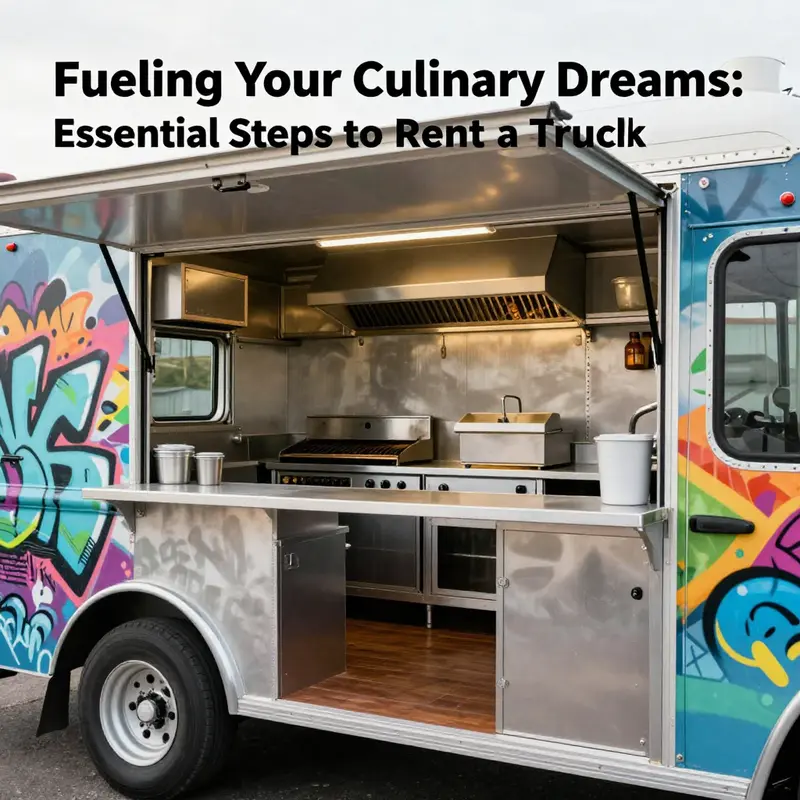
Renting a food truck is not simply about choosing a vehicle; it’s about standing up a compact kitchen that can deliver your menu with consistency, safety, and speed. The path from idea to opening day runs through the equipment itself, because the right kitchen setup determines not only what you can cook, but how efficiently you can serve guests, how easily you can train staff, and how smoothly you can meet health and liability standards. When you approach a rental agreement, you’re really negotiating the capabilities of a potentially fully functioning cooking platform that arrives with a ready-made workflow or, at minimum, a solid framework you can adapt. The core premise is straightforward: your equipment must align with your concept, fit the truck’s footprint, and satisfy the rules that govern mobile food operations in your jurisdiction. As you survey options, you’ll find that the equipment you need is both a mirror of your menu ambitions and a buffer against the unpredictabilities of events, weather, and crowds. The idea is to select a setup that allows you to serve fast without sacrificing quality, and to do so within the boundaries of safety, sanitation, and cost control.
The heart of the rental decision rests on the core kitchen equipment you’ll rely on every service. A typical mobile kitchen centers on cooking appliances that can handle peak throughput without slowing down service. A griddle or grill is indispensable for items like breakfast sandwiches, burgers, or flatbreads, because it delivers quick, even heat over a broad surface. A commercial fry system is equally vital when your menu features fries, chicken tenders, or tempura—foods that customers expect to be cripsy and consistently cooked from one shift to the next. An oven or convection oven broadens your capabilities for baked goods, roasted vegetables, or finished dishes that benefit from stable, uniform heat. Finally, a stove or burner with multiple cooking zones ensures you can sauce and sauté simultaneously, keeping mise en place tight and your line moving. These are not luxury items in a mobile context; they are the backbone of your service model and your ability to scale during busy periods.
Refrigeration is non-negotiable. A reliable commercial refrigerator or freezer protects ingredients, preserves food safety, and reduces waste by maintaining precise temperatures. Health departments typically require equipment that reliably keeps perishable items below a defined threshold, usually around 40°F (4°C) for refrigeration. Any rental truck that cannot promise consistent cold storage should raise flags, since even a momentary lapse in temperature can compromise safety and spoil a review-worthy day. The refrigerator space should be adaptable, with easy access to frequently used ingredients and thoughtfully organized storage for raw materials, prepped components, and the finished products you’ll serve. A well-planned cold chain supports speed on the line because you aren’t rummaging through crowded compartments to locate items during a rush.
Sanitation begins with the water system. The standard expectation in most health codes is a three-compartment sink for washing, rinsing, and sanitizing, paired with access to a potable water supply and a disposal solution for greywater. This setup isn’t merely a convenience; it’s a platform for consistent hygiene that keeps the crew focused on cooking instead of wrestling with inadequate handwashing or improvised cleanup. The presence of a robust sink system also reinforces staff discipline around kitchen hygiene, which in turn strengthens your compliance posture when inspectors appear. Along with sinks, counter space becomes a crucial asset. Clean, durable work surfaces arc from food prep to plating, with non-porous cutting boards and easily cleanable shelving that keep utensils and ingredients within arm’s reach while minimizing cross-contamination risks. The more thoughtful your layout, the more your team can move with purpose, and the less you’ll depend on improvisation during high-volume shifts.
Ventilation is another non-negotiable element of a safe, compliant mobile kitchen. A properly installed hood and exhaust system is essential to manage grease, smoke, and heat, especially in enclosed or urban spaces where ventilation performance directly impacts air quality and safety. Inadequate ventilation not only creates a risk for the crew but can also limit the kinds of cooking you can do inside a compact truck. When you’re assessing trucks for rent, you’ll want to verify that the hood, ducting, and filtration are appropriately sized for your menu, and that the system is compliant with applicable codes. Beyond heat and smoke control, you’ll want to ensure the electrical system can support the ventilation load without compromising the performance of cooking appliances. The relationship between power, ventilation and cooking capacity is a delicate balance; a well-muffed exhaust enhances comfort for staff and guests alike and protects the longevity of your equipment.
Speaking of power, the electrical and fuel infrastructure inside a rental truck deserves careful scrutiny. For most mid- to high-volume operations, you’ll be looking at a truck that can deliver a stable electrical supply—often in the range of 30–50 amps—to support multiple appliances running simultaneously. The type of fuel your equipment uses—propane, electric, or a hybrid approach—also matters. Propane offers mobility and independent operation, which can be advantageous at festivals or street corners with uncertain power access, while electric setups can simplify on-site logistics and reduce emissions. Some operators combine power sources to match their peak demand times, but such configurations require thoughtful planning and robust safety measures, particularly around gas lines and venting. When you’re evaluating options, map out your typical service pattern: the kinds of events you’ll attend, the average guest count, the length of shifts, and your likely menu mix. The goal is a setup that sustains throughput without frequent shutdowns for refueling or relighting a burner after a lull in the crowd.
Along with the hardware, the rental agreement itself often addresses essential compliance and workflow expectations. You’ll want to understand how maintenance is handled, who bears the responsibility for routine servicing, and what happens if a critical component fails mid-event. Some operators require routine checks or provide maintenance windows, while others expect you to cover any issues that arise during a rental period. Sanitation standards and cleaning protocols should be spelled out, including the frequency and method of cleaning, as well as waste disposal arrangements. A well-structured agreement lessens the chance of miscommunication during a demanding shift and keeps the kitchen functioning smoothly from setup to breakdown. You may also discover that some providers offer “fully loaded” trucks equipped with professional-grade appliances, sinks, and refrigeration as part of a turnkey package. This option can be a strong match for culinary entrepreneurs who want to focus on cooking and service rather than sourcing and installing gear, especially for high-profile events where reliability and speed are paramount. It’s worth noting that the availability of these fully equipped configurations can vary by market and time of year, so ask about current inventory and lead times when you’re planning for a specific event window.
In addition to the staple kitchen cadre, many operators find that customization options can unlock new revenue streams and market niches. If your concept leans toward a bakery, coffee and pastry service, or regional cuisine demonstrations, you may prioritize a more versatile oven or additional warming drawers, a dedicated beverage station, or enhanced refrigeration for specialty ingredients. Some rental providers also offer detached food trailers as an alternative to a full truck, presenting a flexible footprint for pop-ups and seasonal events. Trailers can provide expanded kitchen space without the footprint of a full truck, though they do require a capable tow vehicle and adherence to towing regulations and parking restrictions in some areas. Regardless of whether you choose a fully loaded truck or a trailer, the focus should be on compliance, functionality, and scalability. The right setup supports fast service, consistent product quality, and a positive guest experience across a broad range of venues.
To connect these practical considerations to the real-world rhythm of a mobile kitchen, imagine the flow on a busy festival day. Your griddle hums as burgers sizzle while fries crisp in a parallel fryer, and a convection oven gently finishes a batch of roasted vegetables. A well-organized prep counter lines up ingredients and utensils, while a three-compartment sink stands ready for rapid cleanup between orders. The hood vents gracefully above, clearing smoke and heat, while a dedicated counter for service ensures that customers are greeted with a clean, attractive display and a hot, fresh product every time. A truck designed with this harmony in mind reduces bottlenecks, increases plate-up speed, and makes it easier to train new staff when the event calendar spikes.
For those exploring the broader ecosystem of mobile food ventures, a practical reference points to how these decisions are lived out in the field. For a practical glimpse into the realities of operating Latino-focused mobile kitchens, see the Latinos Food Trucks blog-2. This resource offers on-the-ground perspectives that illuminate the day-to-day realities of equipment choices, layout optimization, and the balancing act between menu ambition and regulatory compliance. As you weigh your options, this kind of narrative helps you translate spec sheets into actual performance on the street, at a fair, or in a corporate campus setting. It also reinforces the concept that the best equipment setup is not simply about having the newest gear; it is about delivering a reliable, repeatable experience that meets your customers’ expectations while staying within your budget and your local codes.
The last layer of consideration lies in distinguishing between renting a full truck and pursuing a cost-effective alternative like a food trailer, especially for budgets or seasonal demand. Trailers can offer expanded kitchen space and simpler mobility for certain events, without the footprint of a full truck. But they come with their own logistics—towing requirements, parking permissions, and additional permits in some jurisdictions. If your strategy centers on recurring pop-ups, farmers markets, or club events, a trailer might be a practical stepping stone toward a larger fleet. If the aim is high-volume, ongoing service in dense urban areas, a fully equipped, road-ready truck can deliver the speed and reliability that guests expect, provided the equipment is maintained and the electrical and ventilation systems are sized to handle peak demand. Either path should be evaluated against the same core criteria: safety, compliance, efficiency, and the ability to service your target locations with consistency.
In short, the equipment and kitchen setup you choose when renting a food truck will set the ceiling for your menu, the pace of your service, and your ability to scale. It’s not a matter of chasing the latest gadget but of mapping your concept to a practical, compliant, and sustainable kitchen on wheels. The right configuration will support your cooks, your line, and your brand, turning a rental into a dependable platform for growth. Keep in mind the value of asking for demonstrations or test runs of the gear you’re considering, and don’t hesitate to request a walkthrough of the truck so you can visualize how the workflow will feel on a busy shift. By anchoring your decision in the interplay between kitchen design, safety standards, and operational rhythm, you can move from a rental inquiry to a productive, profitable, and compliant rolling kitchen that serves your customers well.
External resource: For a deeper dive into fully loaded trucks and related performance standards, see https://www.foodtrucksolutions.com/guide-to-fully-loaded-food-trucks-sale.
Wheels in Motion: Mastering Transportation and Logistics for Renting a Food Truck
Renting a food truck is about more than the sizzle of a hot grill and the aroma of cooking onions. It is a choreography of movement, timing, and supply that stitches together licenses, insurance, and kitchen equipment into a working, compliant mobile business. The transportation and logistics plan becomes the invisible backbone that determines where you can serve, when you can serve, and how reliably you can serve. When entrepreneurs consider renting a truck, they must visualize not only the kitchen on wheels but the route that truck will travel, the fleets available to them, and the systems that keep perishable ingredients fresh and the crew productive. The procurement of permits and the signing of a rental agreement are foundational steps, yet the real heartbeat of a successful operation lies in how smoothly the vehicle can be moved from site to site, how quickly it can be stocked, and how swiftly service can begin and end each day. This chapter threads those concerns together, highlighting how transportation planning, fleet access, and cold-chain logistics converge to shape the rental experience and, ultimately, the bottom line of a food truck venture.
At its core, the planning of transportation and logistics for a rented food truck rests on a few interlocking pillars. Route and schedule optimization is the first pillar. In a mobile food operation, every mile matters because fuel costs, time on the road, and the potential for delays all eat into profit. Planners must account for the distance between rental locations, typical traffic patterns, and road conditions—factors that can escalate when events require a truck to move between venues in the same day. The aim is not merely to reach a site but to arrive with momentum: to minimize load times, avoid queue bottlenecks, and align setup with event start times. Advanced route-planning tools can reduce the total driving distance, streamline loading and unloading, and shrink the window between one service end and the next set-up. The practical payoff is evident in smoother service, fewer missed windows, and a more predictable operating calendar, especially when serving multiple venues in a single sweep.
The second pillar is fleet management and vehicle availability. As demand for flexible, on-demand food service expands, many operators lean on short-term rentals or leasing models to scale quickly without committing to ownership. A 2026 market trend notes that the broader truck leasing sector is expanding as e-commerce drives the need for agile transportation assets. For food truck operators, this translates into access to clean, well-maintained vehicles that can be deployed with minimal lead time. The rental agreement then becomes a living document that must align with your operational tempo: how long you need the truck, how many days per week you plan to operate, whether you’ll run a single site or rotate among several venues, and what happens if a truck becomes unavailable due to an equipment failure or regulatory hold. Planning ahead for peak seasons, such as festival weekends or wedding seasons, helps secure a truck when demand spikes and keeps your service from collapsing under scheduling pressure.
An implicit benefit of this approach is greater geographic flexibility. The ability to operate in different neighborhoods, towns, or even provinces hinges on knowing where a truck can legally park, set up, and operate within the required hours. Some operators build their calendars around recurring venues and seasonal markets, while others prefer pop-up events with short-notice bookings. Either way, a robust logistics plan reduces friction when a new event appears on the horizon. It also informs your staffing decisions, because the number of crew members you deploy should align with the expected volume and the time required to service a location. A well-structured plan considers not just the drive time but the entire service window—from pre-service prep to post-service wrap-up and transport back to storage or next stop.
Then there is the supply chain and cold-chain logic that ensures ingredients arrive in prime condition and that equipment is ready to use when the truck pulls into a site. Perishables demand a reliable, temperature-controlled transport framework. The most cost-effective strategy identified in industry guidance combines refrigerated containers, insulated packaging with gel packs, and short-haul land carriers. This combination protects freshness, minimizes spoilage, and reduces the risk of wastage, which can be expensive for a business that depends on precise temperature ranges for dairy, seafood, or prepared sauces. When you rent a truck, you must map out the cadence of ingredient deliveries: how often you stock the unit, which suppliers can accommodate drop-offs at the event location, and how you handle perishables during multi-location runs. The goal is to maintain a cold chain from supplier to serving window, with the truck acting as both a cooking space and a moving storage unit that travels from kitchen to customer without compromising safety or quality.
Connected to these logistics is the question of sustainability and driver welfare. Operators increasingly recognize that the reliability of a rental fleet depends on the welfare of the team that drives and staffs the truck. Programs that provide nutritious meals or other supportive services for drivers reduce turnover and improve focus during long waits or congested traffic periods. In practice, this translates into better on-time performance, fewer stoppages due to fatigue, and a more consistent customer experience. The human element of logistics—driver rest, meal quality, and safe driving conditions—becomes a performance metric. When a truck can be dispatched with crew that is rested and well-fed, the likelihood of delays caused by human fatigue diminishes, and the operation gains steadiness. This is not a slogan; it is a component of risk management that has a direct financial impact because reliable service reduces the need for costly contingency plans or emergency replacements.
All of these factors—route optimization, fleet availability, cold-chain execution, and driver welfare—interlock to create a realistic, executable plan for renting a food truck. A practical approach starts with a clear map of your event calendar and the locations you intend to serve. If you know you’ll be at a big festival one week and a corporate campus the next, you can forecast truck availability windows, set expectations with rental providers, and pre-arrange a sequence of deliveries that minimizes back-and-forth travel. This is where the choice of vehicle form factor matters, because different trucks or van configurations offer distinct advantages in complexity, maneuverability, and fuel efficiency. For instance, some operators find that step vans provide tight turning radii and easier parking in urban environments, while cargo vans may offer more payload flexibility and lower upfront costs. When weighing these options, you can consult practical comparisons that break down the trade-offs of each form factor. For a focused comparison on vehicle type, see this practical guide: Step Vans vs Cargo Vans for Food Trucks.
The planning process also benefits from a realistic view of how rental models operate in the market. Short-term leasing and on-demand rental platforms can deliver rapid deployment and scalability, but they require disciplined timing and clear service-level expectations. You should map out your ideal lead times for booking, the maximum downtime you can tolerate between events, and the process for contingency planning if a truck becomes unavailable due to maintenance or unexpected inspections. In high-demand markets, the ability to secure a vehicle with minimal lead time may hinge on building a relationship with a trusted provider and understanding the geographic reach of their fleet. This is not merely about transportation; it is about ensuring you can deliver a consistent, high-quality service wherever your customers happen to be.
The integrated planning that covers transportation, logistics, and compliance also informs how you structure operations at the point of service. Site access, parking restrictions, and power requirements at each venue must be anticipated, as these factors can affect setup times and service pace. A rental truck that reaches a site with limited electrical capacity may require additional equipment or alternative cooking methods, which in turn affects throughput and customer wait times. By aligning transportation schedules with site realities, you can create a smoother flow from arrival to service and back to the next destination. In addition, this alignment supports branding and customer experience. A well-coordinated presence—timely arrival, clean and organized service space, and predictable service windows—strengthens trust and encourages repeat business. Strong branding works in tandem with logistics: a reliable truck that arrives on time and performs consistently acts as a moving ambassador for your concept.
The discussion above highlights a philosophy of rental planning that looks beyond the price tag and into the reliability, safety, and sustainability of the operation. The goal is to create a seamless chain from permit verification to kitchen operation at the event site, and from stock management to movement between venues. When you invest time in understanding route dynamics, fleet access, and cold-chain logistics, you lay a foundation that reduces risk, lowers costs, and elevates the customer experience. The result is not a single successful event but a scalable model that can adapt to a growing calendar of locations and a expanding repertoire of offerings. As you refine your process, you will find that the most important resource is not the truck itself but the clarity of your plan—how well you can anticipate the twists of the road, how quickly you can adjust to an unexpected shift in the schedule, and how reliably you can maintain quality across distances.
For readers who want to explore adjacent topics that influence vehicle choice and service design, the blog offers deeper dives into practical vehicle comparisons and operational strategies. A concise, experience-based comparison of vehicle types can help you determine the best fit for your concept and terrain. If you’re curious about how a particular vehicle choice translates into day-to-day operations, consider exploring this resource and then threading those insights into your overall logistics plan: Step Vans vs Cargo Vans for Food Trucks.
External reading and continuous learning are essential in this evolving field. To complement the discussion above, an external resource on logistics optimization and planning offers broader context and tools you can adapt to a food truck rental model. This outside perspective can help you benchmark your processes against industry standards and identify opportunities to streamline, automate, and improve performance. external reading: https://www.cainiao.com
Final thoughts
Renting a food truck can be a thrilling venture that seamlessly blends culinary passion with automotive artistry. By understanding the nuances of business permits, insurance coverage, rental agreements, essential kitchen setups, and logistical planning, you can confidently navigate your entry into this dynamic industry. Whether you dream of serving up gourmet street food or crafting unique culinary experiences on the move, preparation is key. The fusion of your automotive interests with a flavorful business model can pave the way for an unforgettable journey on the road.