
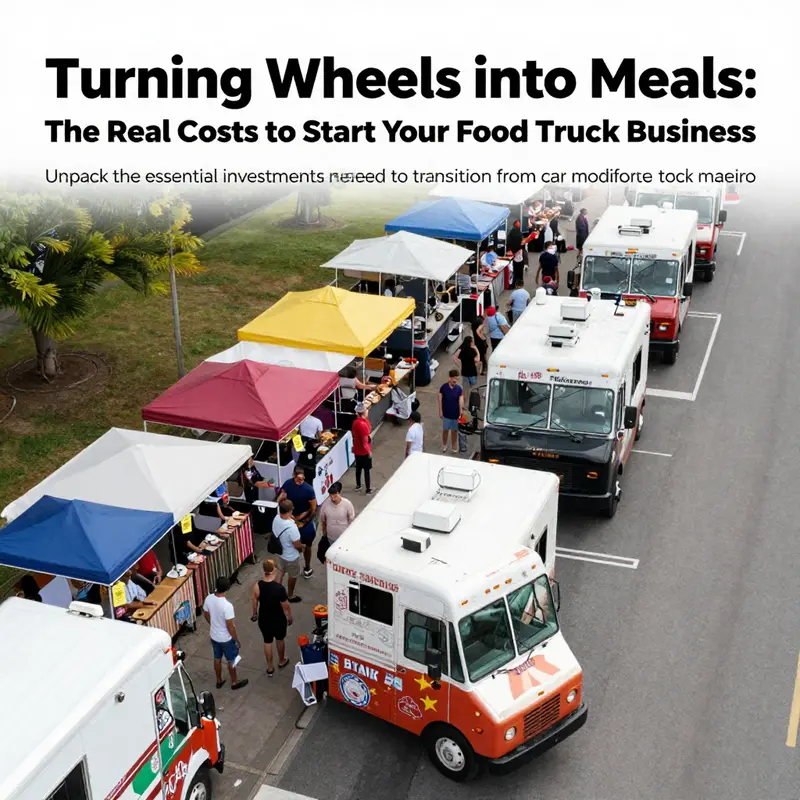
Entrepreneurship on wheels is more than just a culinary adventure; it’s a symbiotic dance where passion for automobiles meets the art of feeding the masses. For hobbyist car modifiers, professional tuners, and restoration enthusiasts, the allure of a food truck business offers a tantalizing blend of creativity and profitability. However, before you transform a blank canvas of a vehicle into your mobile restaurant, understanding the key expenses is crucial. This comprehensive guide reveals the costs behind launching a food truck, elucidating the intricacies of vehicle acquisition, kitchen equipment, licensing, inventory, and marketing, tailored specifically to enthusiasts ready to embark on this culinary journey.
Rolling Costs into Profit: Navigating Vehicle Options for a Food Truck Startup
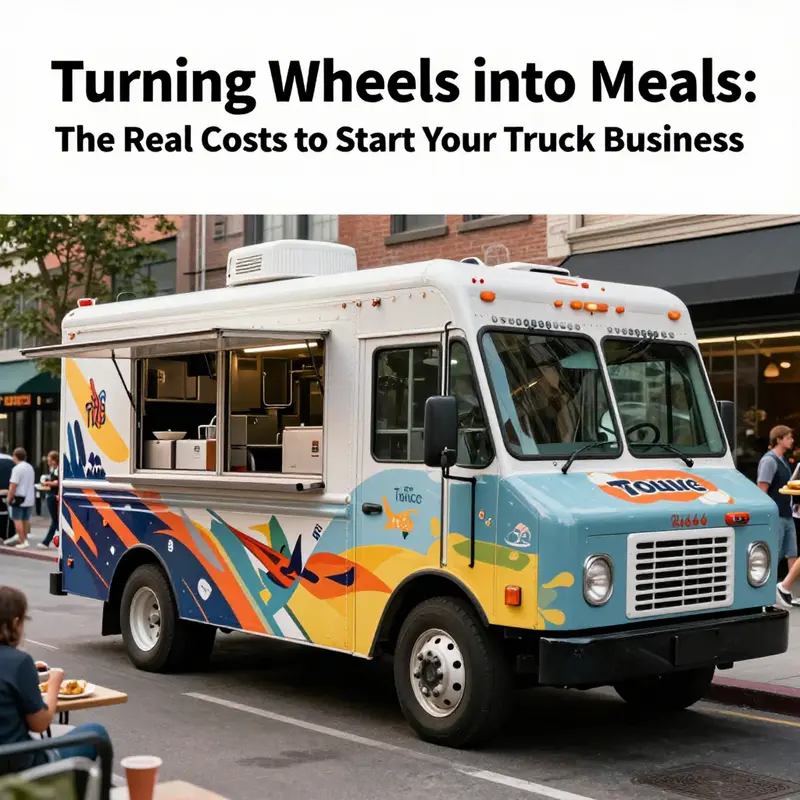
Choosing the right vehicle is more than a matter of preference; it is a foundational financial decision that shapes cash flow, menu scope, and the pace at which a new food business can reach profitability. In the public conversation about starting a food truck, the vehicle often sits at the top of a long list of costs, and for good reason. The price tag attached to the truck itself drives upfront investment, affects monthly payments or depreciation, and sets the ceiling for what you can realistically execute on the road. The three primary paths—buying a new truck, purchasing a well-kept used unit, or renting a vehicle—offer distinct advantages and risks, and each path can be appropriate at different stages of a startup’s life cycle. As you weigh these options, it’s essential to connect vehicle costs with your broader business plan, including your menu ambitions, target locations, and the capital you can reliably deploy without starving other critical functions like marketing, inventory, and labor in the early weeks and months.
When a business owner opts to acquire a brand-new food truck, the temptation is to imagine a fully optimized kitchen on wheels that arrives with the latest equipment and a pristine layout. Yet the price tag for a new truck is substantial. Cost ranges in contemporary market analyses typically place new trucks in the realm of roughly seventy-five thousand dollars to well over one hundred fifty thousand dollars. That spread reflects size and customization and, crucially, what is included in the package. A larger footprint with a more optimized kitchen layout, enhanced insulation, and equipment tailored to a high-throughput concept can push the price higher, while simpler, smaller builds can land toward the lower end of the spectrum. If you expect to need sophisticated ventilation, specialized fryers or griddles, and a multi-zone refrigeration system, those features add both upfront cost and long-term reliability value, as they reduce the risk of equipment failure during peak service. The “new” option is appealing for those who want maximum reliability, the latest compliance features, and a clean slate for branding, but it also demands a substantial cash outlay and a longer runway to recoup that investment. The decision to go new often aligns with a strategic plan that anticipates high-volume events, a polished brand identity from the start, and the ability to command premium pricing or high-margin offerings.
A more common starting point for many founders is to buy a used food truck. The used-truck path carries a markedly lower price point, with typical market ranges from about thirty thousand to seventy thousand dollars. That lower entry price can unlock quicker market entry and preserve working capital for inventory, marketing, and permitting. However, the trade-off is that older vehicles may come with higher ongoing maintenance costs, more frequent repairs, and potential reliability concerns that can disrupt service and erode customer trust if not managed carefully. A used truck often requires a thorough pre-purchase inspection and a realistic assessment of anticipated repair needs. It can also come with an unpredictable service history that translates into snags in the kitchen layout or in power and ventilation performance. The risk-reward calculus hinges on the vehicle’s age, mileage, previous usage, and the quality of upgrades already installed or needed to meet local health and safety standards. For those who want a balance between cost and control, acquiring a well-maintained used unit in combination with a lean, modular kitchen setup can create a sweet spot: dependable functionality without overcommitting the bank account. The process frequently involves negotiating for equipment upgrades or refurbishments that tailor the truck to your menu while keeping the scope manageable.
Renting a food truck presents another attractive option, particularly for entrepreneurs who want to test concepts without tying up substantial capital. Leasing or renting can provide a lower initial barrier to entry, with typical monthly rental fees ranging from about two thousand to three thousand dollars for a six-month lease. Short-term arrangements may command higher monthly costs, but they can offer flexibility to pivot if a concept doesn’t resonate with customers or if market conditions shift. The rental agreement can also simplify some ongoing overhead, as maintenance, insurance, and even included kitchen equipment can be bundled into the package. It’s important, though, to read the contract closely. Some leases cover only the chassis or basic appliances, leaving you to fund critical upgrades or replacements out of pocket. Others bundle comprehensive equipment and service, which can be a real convenience but might prove more expensive over time. Leasing is particularly appealing for operators who want to experiment with location strategy—testing different neighborhoods, events, or menus without committing to a fixed asset. It provides a kind of sandbox in which the concept can be validated, refined, and scaled before a heavier investment is made.
In weighing these vehicle options, there is a practical framework to apply beyond sticker price. Start by projecting your total startup capital and how much you will need to cover not only the vehicle but also permits, initial inventory, and the marketing push that will generate first-week momentum. The vehicle price is the anchor, but it is not the sole determinant of profitability. A truck’s size and layout determine your kitchen configuration, the speed at which you can assemble meals, and your capacity to serve multiple orders concurrently. A larger, more feature-rich truck may enable broader menu offerings and faster service—upsides that can translate into higher daily revenue. Yet a larger truck also means higher fuel consumption, more maintenance to protect, and greater insurance costs. These ongoing operating expenses are real parts of the equation that affect monthly cash flow and, ultimately, your burn rate before profitability is achieved.
The decision to buy, lease, or rent should align with your broader business plan. If you have a robust plan for high-volume events, steady city permits, and significant demand in core locations, a new or well-maintained used truck could be a strong long-term asset that pays off as you scale. If your concept is experimental or you want to preserve capital while testing the market across several neighborhoods, renting can be an effective bridge. In some scenarios, a hybrid approach makes sense: for instance, starting with a rented vehicle to validate a concept, and then purchasing a used truck once the concept proves its viability and a reliable revenue stream has been established. The central principle is to ensure that the vehicle choice supports, rather than constrains, your ability to deliver the menu you envision and to operate with predictable costs.
To bring this back to the practicalities of budgeting, consider how each path affects your time to profitability. The profitability picture for a food truck startup can be favorable even in a capital-constrained situation, provided you plan for a realistic payback window and keep a careful eye on the cost of goods, labor, and fuel alongside the vehicle investment. The numbers you’ll encounter in industry analyses show a compelling potential: strong gross margins and solid monthly profit once the venture is off the ground. However, those positive headlines depend on disciplined cost control, smart location choices, and a schedule that preserves energy and consistency in service. That is why the vehicle decision cannot be treated in isolation; it is the engine that drives your operational tempo, affects the flavor and speed of service, and ultimately shapes whether the dream of a mobile, scalable food business becomes a sustainable reality.
For readers who want to explore the vehicle topic further, a practical comparison of vehicle types is often worthwhile, including the tradeoffs between step vans and cargo vans. This analysis can inform questions about interior layout, accessibility, and the balance between upfront cost and long-term reliability. A detailed look at that topic is available here: Step vans vs cargo vans for food trucks. As you move through the process, remember that vehicle costs are not isolated from the rest of the cost structure. Permits, initial inventory, branding, and operating capital all intersect with the choice of vehicle to determine how quickly you can reach steady, sustainable profitability.
External reference to broaden the context on startup cost dynamics can be found in recent industry analyses of 2025 costs, which provide broader market perspectives and longer-term cost trajectories for new entrants and established players alike. External resource: https://www.foodtrucks.com/blog/food-truck-startup-costs-2025. This broader view helps frame the vehicle decision within the full spectrum of startup costs and ongoing operating expenses, reminding us that a well-considered vehicle strategy serves the larger aim of delivering flavorful food on wheels while preserving financial health as you grow. As you prepare to map out your own budget, keep in mind that the path you choose will influence not just the initial outlay but the cadence of your first year on the road, the speed with which you can scale, and the horizon over which you expect to see returns that reflect the effort, ingenuity, and grit you bring to your startup journey.
Sparks, Sinks, and Startup: Navigating Kitchen Equipment and Supply Costs for Your Food Truck
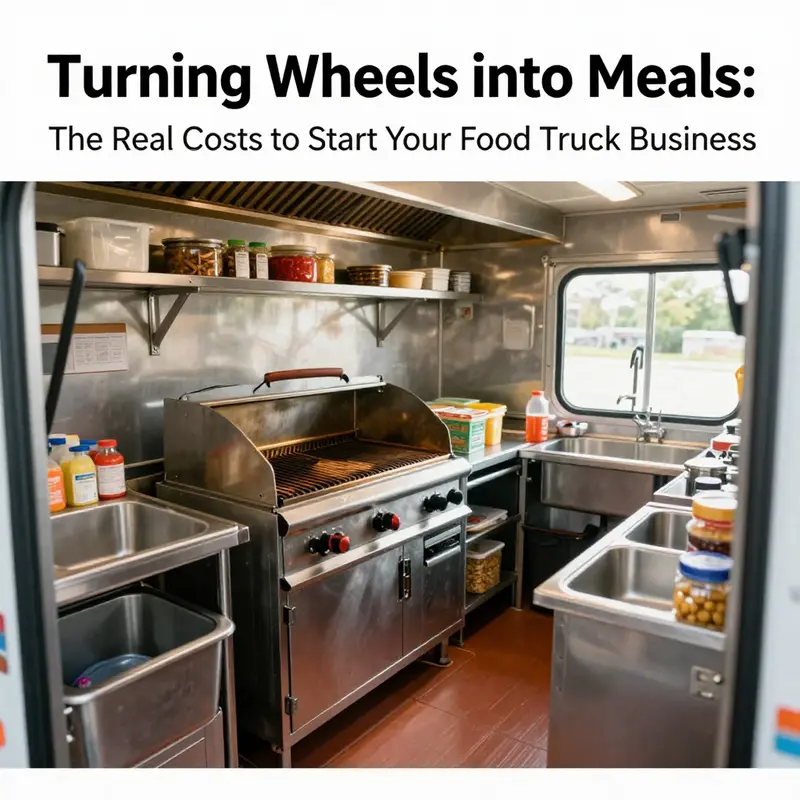
The kitchen on wheels is the beating heart of a food truck business. It isn’t just where you cook; it’s where you design your workflow, your speed, and ultimately your bottom line. Getting the right equipment means aligning your menu ambitions with the harsh realities of a compact, mobile space. The upfront spend on kitchen gear is one of the largest investments you’ll make after purchasing or securing a vehicle, and the price tag can swing widely based on location, the scale of your operation, and the level of durability you demand. In this space, planning isn’t a luxury—it’s a necessity that paying close attention to today’s numbers can save you from tomorrow’s headaches. The deeper you dive into the equipment landscape, the clearer it becomes that the most expensive appliance is often the one you choose to go without and then regret every time you run out of steam in a long service line.
At the core of any kitchen on a truck are several non-negotiables. You’ll need a commercial-grade cooking range or griddle capable of turning out high-volume orders with consistent heat, a reliable refrigeration unit to preserve perishable ingredients, and a sink with running water that meets health standards while fitting into the space you have. The plumbing itself may require a gray water system, a detail that pushes some upgrades into the “must-have” category rather than the “nice-to-have” column. Storage shelving and sturdy food prep tables are the spine of the truck, keeping ingredients and utensils organized so prep can happen quickly and cleanly. A robust set of utensils and cookware rounds out the basics, ensuring you can execute your recipes without improvising mid-service. These pieces aren’t glamorous, but they are the workhorse heart of your kitchen, shaping your menu execution every day.
Specialized equipment becomes the differentiator when you start to scale or pursue a niche. A fry station for crispy items demands not just a fryer, but an exhaust and ventilation plan that keeps smoke and heat under control. A pizza-focused concept might justify a compact pizza oven, while a barbecue concept could justify a small smoker if you’re aiming for a signature flavor profile. The exact list will hinge on your cuisine, your service pace, and how you want to balance speed with quality. In many cases, the equipment you choose doubles as a statement about what you’re selling and how you plan to sell it. The result is a bevy of options that can quickly propel the initial bill upward if you pursue the most premium gear from the outset. Yet the market also rewards savvy budgeting and strategic choices, especially when your goal is to keep the truck on the move rather than tied to a single location.
Industry figures place the total equipment package in a broad, meaningful range. Many operators report the equipment bundle landing somewhere between twenty-five thousand and fifty thousand dollars or more, a reflection of both the scope of the kitchen and the quality of the gear chosen. For a practical baseline, some operators think in terms of two tiers within the same ballpark. The basic kitchen setup—grills, fryers, refrigerators, sinks, and counters—often falls in the lower portion of the spectrum, while additional equipment like dishwashers, more sophisticated exhaust systems, POS terminals, and signage can push the total higher. The discrepancy between these figures is partly due to whether you buy new or used, and partly due to how much customization the vehicle requires to accommodate your layout and your safety and health compliance needs. Installation, plumbing, electrical work, and other upgrades can add another layer of cost that isn’t captured in sticker prices alone. If you plan on a highly customized build with premium finishes, anticipate costs toward the upper end of the range or beyond. The total cost picture thus reflects not just the price of gear, but the complexity of getting that gear functioning reliably in a moving kitchen.
A critical frame of reference for budgeting is the guidance from the U.S. Small Business Administration. Equipment and supplies, the SBA notes, can account for as much as thirty percent of total startup costs. That statistic underscores the centrality of equipment decisions and the need to plan for both upfront purchase and the ongoing life cycle of the gear you install. If you’re watching cash flow, this is a reminder that the equipment decision is far from isolated—it ripples through permits, installation fees, maintenance, and even your working capital needs in the first months of operation. The reality is that a well-planned equipment list does more than enable your menu; it shapes your service speed, fuel efficiency, and staffing requirements. A comprehensive approach might also weigh the balance between reliability and cost, because a breakdown in a mobile kitchen can ripple into lost sales and extended downtime.
Choosing between new and used equipment is perhaps the most consequential decision you’ll make in this phase. New gear offers the peace of mind of warranties, predictable energy efficiency, and longer projected lifespans. It also carries a higher upfront price. Used or refurbished equipment, when sourced from certified vendors, can dramatically reduce initial costs and free cash for marketing, permits, or a larger vehicle if you prefer. The trade-off is reliability, replacement parts availability, and the potential for hidden wear. A practical approach is to identify your menu and service expectations, then map a replacement and maintenance plan that protects you against premature failure. Regardless of which route you choose, insist on a reliable service network, accessible spare parts, and documentation that helps you track when major components were installed or serviced. The life of a mobile kitchen revolves around uptime, so the more you can secure preventative maintenance and service support, the more predictable your revenue can be.
The vehicle you select interacts with your equipment plan in meaningful ways. A step van, with its broader interior footprint, can accommodate larger, more diversified equipment arrays, but may demand more careful exhaust and electrical planning. A cargo van typically requires a more disciplined approach to layout and workflow within tighter confines. The vehicle choice feeds directly into the cost/benefit calculus of equipment and installation, influencing how much you can fit, how easy it is to service, and how quickly you can turn over a shift. If you’re still weighing the base vehicle, you might want to explore practical comparisons between options—such discussions are common among operators who want to ensure their kitchen design translates into smooth service and consistent quality. For a concise comparison that helps you visualize how layout and equipment choices interact, you can explore Step Vans vs Cargo Vans for Food Trucks.
Beyond the obvious price tag, it helps to view equipment as an investment in efficiency. A well-curated list reduces downtime, speeds the line, and minimizes waste, which matters as you scale. A comprehensive equipment plan also dovetails with your branding and customer experience. Cleanliness, speed, and the ability to deliver consistent portions can become a competitive advantage, one that starts with the right mix of ranges, coolers, sinks, and prep spaces. It’s easy to underestimate the cumulative impact of small upgrades—better shelving yields faster restocking, stronger insulation cuts energy costs, and a solid exhaust setup preserves air quality for staff and customers alike. Every choice affects not just the price, but the day-to-day operations that govern service quality and staff morale.
As you finalize your gear list, keep in mind the long arc of maintenance and replacement. Equipment fails and parts wear, especially in a high-demand, mobile setting. Budgeting for routine servicing, energy efficiency upgrades, and eventual replacements helps you avoid crunch periods that could otherwise derail your launch or an important event. In practice, this means building a modest maintenance reserve into your startup capital, negotiating warranties or service agreements, and selecting components with widely available parts and a service ecosystem. If you pair a thoughtful equipment plan with a realistic installation timeline and a trove of contingency funds, you’ll be far better prepared to ride the inevitable bumps and keep the wheels rolling.
To situate these decisions within the larger arc of your business, consider the vehicle and equipment as a system rather than as separate line items. The right combination can unlock a smoother workflow, clearer inventory management, and a cleaner customer experience. If you’re still weighing how to configure your truck, you may find practical guidance in a vehicle comparison focused on base design, layout, and equipment compatibility here: Step Vans vs Cargo Vans for Food Trucks.
No matter the scope, the equipment decision is a defining moment for a mobile kitchen. It sets the pace of service, the quality of your dishes, and your ability to protect margins through careful energy use and wastage control. The aim is not to buy the most expensive gear, but to assemble a reliable, scalable core that fits your menu and service model while leaving room to adapt as you learn what your guests love and how your route schedule unfolds. As you refine supplier relationships and map out financing strategies, the equipment plan should remain tethered to your menu design, your service style, and your long-term growth goals. For deeper guidance on startup costs and the role of equipment within the broader budget, the SBA’s Startup Costs Guide offers a detailed framework you can apply to your plan: https://www.sba.gov/business-guide/plan-your-business/startup-costs.
Licenses, Permits, and the Price of Launching a Food Truck: Budgeting the Legal Layer
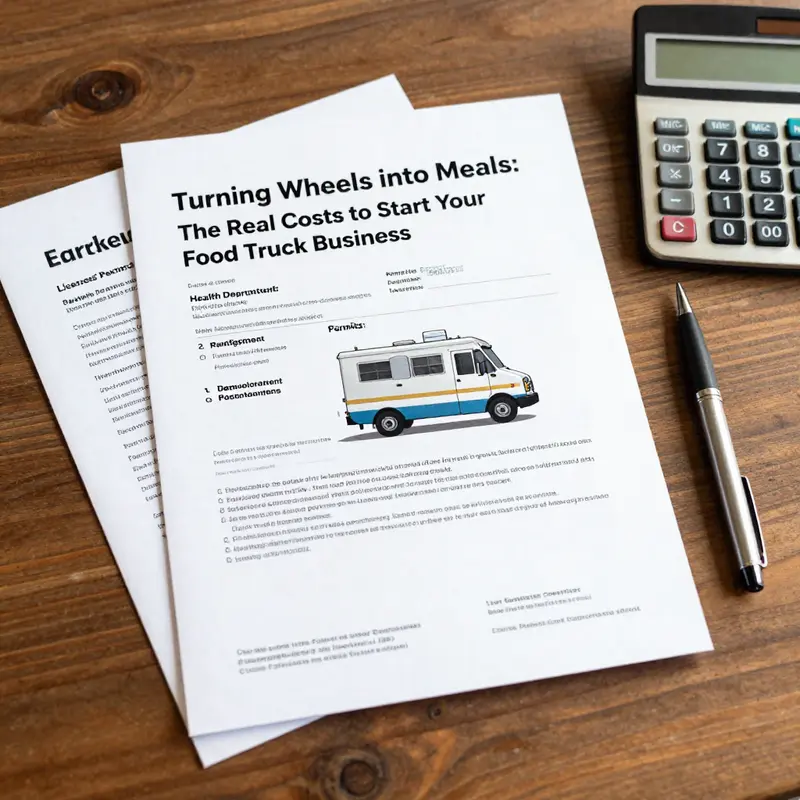
Opening a food truck business means more than naming a menu and choosing a mixer. The licenses and permits that stand between an idea and a working stall carry real costs and real timelines. They are not optional add-ons but foundational elements of legality, safety, and customer trust. The total price tag varies widely because a dozen different permits may be required depending on where you plan to operate, the type of equipment you use, and the local rules that govern street food. In practical terms, permits can swing from a modest hundred dollars to several thousand, and some jurisdictions require ongoing renewals that add to your monthly burn rate. The most important approach is to plan early, gather the right documents, and anticipate the delays that sometimes come with municipal offices. This is not a one time line item; it is a recurring obligation that shapes viable startup budgets and long term profitability.
Costs differ not only by permit type but by locale. A small town might offer a straightforward path with minimal fees, while a major metropolitan area has layered requirements, higher application costs, and more stringent inspection regimes. The upshot is that you cannot rely on a single universal price. The same mobile food vendor permit that costs a few hundred dollars in one city may exceed two thousand in another, driven by demand, regulatory stringency, and the level of oversight the jurisdiction provides. A practical rule of thumb is to think of licensing and permit expenses as a floating portion of your startup budget, one that is highly location dependent and prone to changes with new policies and annual renewals. To get a realistic sense of the landscape, start by listing every permit that could apply to your operation and then confirm current fees from the city or county clerk, the health department, and the fire marshal. It is common to discover additional charges for signage, inspections, or environmental compliance that can catch unprepared buyers by surprise.
A useful way to frame the permit puzzle is to categorize by function. There are general business requirements that apply to almost any venture. These include a basic business license to operate legally and a seller’s permit or sales tax permit to collect and remit taxes. Then there are food specific requirements: a food handler’s permit ensures that staff are trained in basic safety practices, while a mobile food vendor permit authorizes the sale of food from a vehicle. Zoning permits verify that your chosen operating footprint is allowed for food sales, a factor that can influence where you park, how you set up, and what hours you can operate. Signage permits regulate the look and placement of your truck’s branding, which in turn affects visibility and compliance with local ordinances. Fire safety certification, often tied to the use of grills, fryers, and other heat producing equipment, confirms that your hood system and fire suppression devices meet recognized standards. Each category may be a separate line item on your budget, with its own application steps and renewal cadence.
In many places, the price ranges reflect not only the permit itself but the comprehensive compliance ecosystem surrounding it. For example, a major city might require annual inspections of your kitchen setup and exhaust system, together with a fixed mobile vendor permit fee that can climb above two thousand dollars in total annual cost when you tally the permit, the inspection, and any associated fire safety certificates. In smaller towns, the same processes may be streamlined, with lower application fees and shorter processing times. The contrast illustrates why some aspiring operators seek to start in less regulated markets or with smaller, simpler setups to minimize upfront exposure. It also highlights why the decision to use a basic van or a compact trailer can influence the licensing path, because more elaborate kitchen configurations or larger gas-fired equipment often trigger extra fire and health safeguards. The lesson here is not to chase the cheapest route but to map the permit landscape against your chosen business model and location, then budget accordingly.
When approaching the permit landscape, it helps to treat processing times as a separate cost. Some jurisdictions can take up to two months to issue a license or permit after you submit all documents, and delays can push back the launch date and tighten cash flow. If you plan a grand opening or a large event, you may need to secure event-specific permits weeks in advance. In addition to initial fees, remember that several permits carry annual renewals. You will face ongoing costs for health inspections, signage renewals, and fire safety certifications, sometimes at the same intervals as your business license. If you operate across multiple locations, each site may require its own set of permits and renewals, multiplying the administrative workload and the recurring spend. These recurring costs are easy to overlook during ambitious budgeting but can erode margins if not anticipated.
Budgeting for permits requires a disciplined approach. Start with a conservative baseline by aggregating the minimum probable costs for the core permits: business license, seller’s permit, food handler’s permit, mobile vendor permit, and basic signage. Then add a cushion for potential additional charges such as health department inspections, fire safety equipment tests, and occasional re-inspection fees. You should also factor in a small contingency for delays that push back your opening and increase carrying costs before you begin generating revenue. A practical tactic is to allocate a specific permit fund within your startup capital—an account dedicated to licensing, with a monthly withdrawal until the cash cycle stabilizes. As you finalize your menu and pick a vehicle, verify whether any equipment choices trigger extra permits or fire safety requirements. A kitchen with heavy frying equipment often demands more robust exhaust systems and fire suppression, which can in turn elevate both permit costs and inspection fees.
The journey toward a compliant launch also benefits from proactive research. Many jurisdictions publish detailed guides and checklists for food truck operators, and some communities provide online portals where you can request permit status updates and download required forms. It is worth taking the time to consult these resources early in your planning. If you want a broader perspective on licensing and permits beyond your own city, a structured overview from a national guidance source can help you benchmark against common best practices and identify typical pitfalls. For deeper legal considerations specific to Latino food truck startups, you can explore the linked resource that examines the local regulatory landscape and how it intersects with business formation and day to day operations. See Legal considerations for Latino food-truck startups for context on how compliance tends to unfold across different jurisdictions.
Finally, it is wise to ground your expectations in a practical sense of timing and cost. A realistic startup plan often includes an explicit line item for licensing and permits of several hundred to several thousand dollars, plus a timeline that allows for a full regulatory review before your first sale. The rewards of compliance extend beyond avoiding fines. They build trust with customers who want to know that the food on your truck comes from a legitimate operation, that your staff are trained in safe handling, and that your kitchen meets recognized safety standards. When you can point to verified permits and scheduled inspections, you reduce the perceived risk for event organizers, customers at markets, and potential partners. This credibility is a form of capital that often translates into smoother launches and faster path to profitability.
To pursue a broad understanding of licensing and permits, referral to the official guidance provided by the Small Business Administration can be invaluable. It offers access to state and local resources, and it helps align your planning with recognized national standards. You can explore this resource at the SBA Licensing and Permits Guide: https://www.sba.gov/business-guide/launch-your-business/understand-licensing-and-permits.
From Pantry to Pavement: Estimating Your First Inventory Budget for a Food Truck Startup
From Pantry to Pavement: Estimating Your First Inventory Budget for a Food Truck Startup
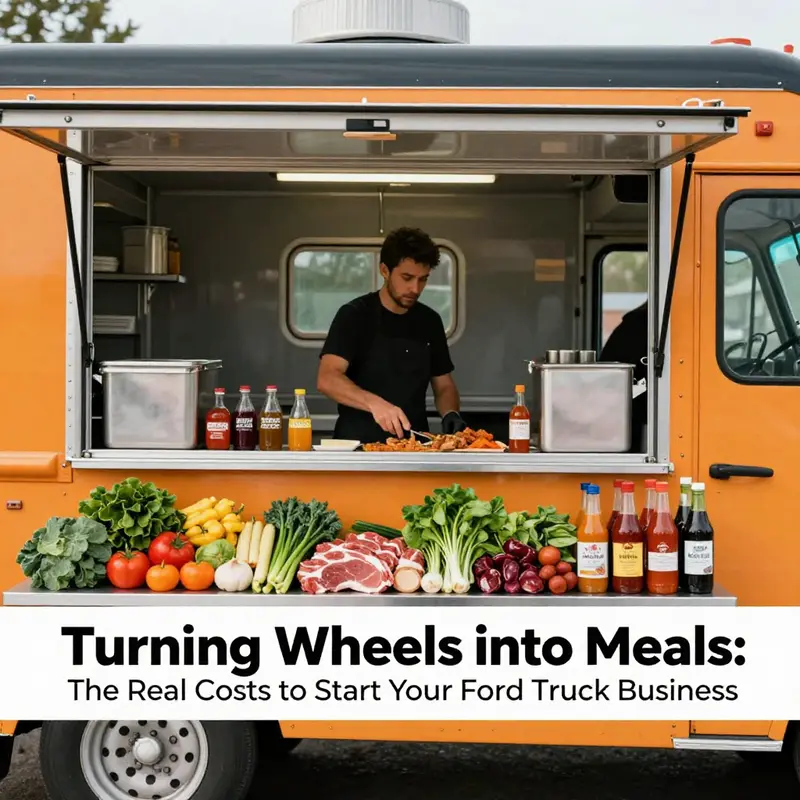
The moment you roll a food truck onto the street, your stock begins to do more than fill orders. It keeps the doors open, the burners hot, and your cash flow healthy. The initial inventory you purchase on day one sets the tone for profitability, speed of service, and even menu testing. It’s easy to focus on the price of a vehicle, the layout of ovens, or the lure of a signature dish, but the real heartbeat of a mobile kitchen is what you stock and how efficiently you manage it from the first service. Inventory isn’t just what ends up in a pot or a wrapper; it is the sustained supply of ingredients, packaging, and consumables that keeps your truck moving through lunch rushes and weekend events alike.
When you begin estimating inventory costs, you’re balancing quality, cost, and appetite for risk. The numbers tell a story about the kind of business you’re building. For most operators, the initial inventory costs converge around a relatively small range, but the spread can be surprising. Industry benchmarks typically place initial ingredient and basic consumables between $1,000 and $5,000. Some operators push beyond that, spending up to $10,000 or more when their concept relies on organic, locally sourced, or imported ingredients, or when they insist on premium packaging and specialty disposables. The variance isn’t a flaw; it reflects the diversity of menus and the markets in which food trucks operate. It also mirrors the reality that inventory costs are not static; they ebb and flow with daily sales volume, seasonal demand, and supplier terms.
The core of the discussion rests on what you’re stocking on day one. A simple, high-volume concept—think a lean lineup built around a few core items—will demand a lean initial inventory. A more complex, higher-margin concept with several signature dishes will require a broader assortment of proteins, cheeses, toppings, sauces, and specialty ingredients. It’s not just about having enough stock; it’s about curating a dependable supply chain that delivers consistency in flavor and portion sizes while protecting your bottom line. Portion sizes matter, because pricing can only stretch so far if you’re throwing away half your stock to spoilage or over-preparing for a slow day. This is where the alignment between your menu plan and your inventory plan becomes crucial.
In practical terms, consider the two ends of the spectrum. A taco-focused truck often centers on bulk staples—tortillas, beans, rice, basic meats, salsa, onions, cilantro, and standard toppings. The inventory mix is straightforward, and costs stay within the lower end of the range. On the other hand, a gourmet burger truck aspires to premium beef, specialty cheeses, artisanal buns, and house-made sauces. The ingredient list lengthens, the quality bar rises, and so does the upfront investment. The decision to pursue a premium path should come with a deliberate plan for sourcing and waste management, because premium ingredients carry higher unit costs and greater sensitivity to spoilage if not used promptly.
Beyond ingredients, don’t overlook packaging and disposables. The price tag here isn’t trivial. Takeout containers, cups, lids, napkins, utensils, sauces, and the occasional branded packaging contribute to day-one costs and can influence your perceived value. If your branding emphasizes sustainability, you’ll face a steeper price ceiling for compostable or recycled packaging. This is where the subtle art of budgeting comes into play: align the packaging choices with customer expectations and menu economics without letting it erode margins.
The actual dollar amounts you’ll see in practice depend on several levers. First is the type of cuisine offered. A straightforward, high-demand item lineup can keep your initial inventory lean and predictable, while a menu with frequent changes and seasonal specials invites a broader range of ingredients and a larger buffer stock. Second is your menu complexity. A longer, more varied menu means more ingredients in stock and a greater risk of spoilage if sales slow or if you overorder. Third is portion sizes. Larger servings can drive up inventory costs quickly, particularly when premium components are involved. Finally, supplier pricing and neighborhood market conditions will influence unit costs. Local markets sometimes offer favorable pricing for bulk purchases, but organic or specialty ingredients can raise the spend significantly. The right supplier relationships can compress per-unit costs and improve consistency, which in turn reduces waste and protects cash flow over the first several weeks of operations.
With these considerations in mind, the cost estimates for initial inventory tend to land in a practical zone. Most operators start with a baseline of $1,000 to $5,000 for food and basic consumables. A few lean-start scenarios might land closer to the $1,000–$2,000 mark, especially when a truck is used and a concise menu is selected. Others, aiming for consistent day-in, day-out quality or pursuing higher-end ingredients, may push toward $5,000 or more. It’s not just about stocking raw goods; it’s about stocking smart. A buffer stock is prudent, particularly for a new operation that hasn’t yet established reliable sales patterns. A modest reserve helps weather daily fluctuations and the occasional supply hiccup, ensuring you can maintain service even on slower days or during supplier delays.
To make these figures actionable, start by anchoring your plan to a core menu and a core supplier list. Begin with the essential ingredients required to deliver your chosen dishes at predictable portion sizes. Then layer in a small but reliable backup for popular components to handle quick restocks between pop-up events or daily sales. If you anticipate seasonal offerings or weekly specials, build a separate line item in your budget for those ingredients, with a clear forecast for how often you’ll rotate in new items and how it will impact your reorder cadence. It’s tempting to chase novelty in a mobile kitchen, but the first months reward those who practice discipline in inventory control.
Strategically, you can set a course that balances quality and cost. Conduct thorough market research to identify suppliers who can deliver consistency at competitive prices. Establish relationships with local producers or distributors who understand the needs of a mobile kitchen and can offer flexible terms, reduced lead times, or volume discounts for small businesses. Create a menu plan with precise quantities and standard recipes to minimize waste. A lean, tested core menu can provide a solid foundation for cash flow while you gather data on customer preferences before expanding the menu. In practice, many operators find success by launching with a tight set of high-demand items and using customer feedback to guide incremental additions rather than a broad, speculative buildup of inventory.
For a deeper dive into vehicle choices—an important parallel consideration when budgeting for a food truck—you can explore a guide on step vans versus cargo vans for food trucks. This resource helps you pair your inventory strategy with the right vehicle setup, ensuring you have the space and workflow to support your anticipated stock levels. step-vans-vs-cargo-vans-for-food-trucks
Strategies to manage initial inventory costs include deliberate market research, strong supplier relationships, and a disciplined menu plan. The following approaches help keep initial outlays reasonable while preserving food quality and customer satisfaction:
- Conduct thorough market research to identify reliable suppliers offering competitive prices and consistent quality. Test several options for product quality, delivery reliability, and lead times before committing to a provider.
- Establish relationships with local sources such as farms, distributors, or wholesale markets. Local sourcing can reduce per-unit costs, shorten delivery times, and enhance freshness, all of which matter when you’re managing a mobile kitchen.
- Create a detailed menu plan with precise quantities and standard recipes. This minimizes waste, streamlines ordering, and makes it easier to forecast monthly inventory needs.
- Start with a core set of high-demand items. A lean approach reduces upfront spend and helps you learn which dishes drive the most sales in your market.
- Build a buffer stock as a safety net. A modest reserve helps you ride out short-term supply disruptions and price spikes, especially during seasonal demand.
The recommended approach is pragmatic: begin with a compact, consistently popular menu and a carefully sourced core inventory. Test what your customers actually want and adjust orders accordingly. As you accumulate sales data, you’ll refine your purchasing patterns, negotiate better terms, and gradually introduce new items with a clearer sense of their impact on margins. The money you save by avoiding overstocking early can be reinvested into better equipment, stronger branding, or more robust marketing efforts, accelerating profitability while you learn the market’s preferences.
As you map out this early phase, remember that inventory costs do not exist in a vacuum. They intersect with other startup costs—vehicle choice, equipment, licenses, and marketing. The total picture matters because it frames how quickly you move from zero to profitability. The budgeting discipline you apply to initial food and packaging stock often pays dividends in the form of fewer waste days, more consistent service, and faster payback. While every concept has its own rhythm, the consistent thread is clear: thoughtful, well-researched inventory planning supported by disciplined execution helps you convert potential into profit sooner.
External resource you may find helpful for broader budgeting and financial planning: SBA Budgeting Guide. This resource provides practical steps for planning, forecasting, and monitoring cash flow as you scale a food truck business. SBA Budgeting Guide.
Marketing Costs as the Fuel for Launching a Food Truck: Budgeting Brand, Buzz, and Loyal Customers
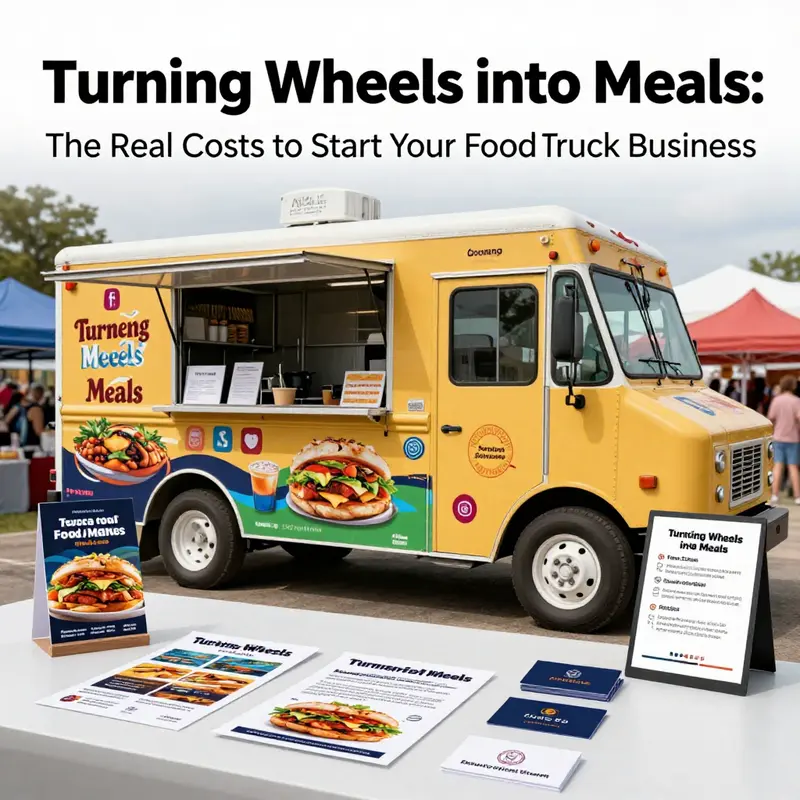
When a food truck rolls onto a curb or into a festival, the first impression is often driven by what customers see before they even taste the menu. Marketing costs are not a peripheral expense; they are the fuel that powers visibility, trust, and repeat visits. In a competitive landscape where dozens of pushcart and trailer options vie for attention, a deliberate, well-funded marketing plan helps a new operation turn curiosity into foot traffic, loyalty, and steady cash flow. Industry insights place marketing as a meaningful share of startup spending, highlighting that the quality of branding, online presence, and promotional activity can determine whether a truck thrives or limps into its first season. While the exact dollar amount varies with location, vehicle type, and business model, the principle remains: allocate a thoughtful portion of the startup budget to marketing to set up the venture for momentum from day one.
Branding is the backbone of credibility and recall. A professional logo, a cohesive visual identity, and high-quality signage on the truck all work together to create a first impression that lasts. The costs associated with branding are often modest but strategic. In the initial marketing budget, many operators allocate a practical range for branding and launch materials that covers logo design, a consistent color palette, typography, and signage. A strong, recognizable brand reduces the cognitive load on new customers and helps the crew stand out in crowded markets or at busy events. The goal is not flashy aesthetics alone but a coherent story carried by color, shape, and tone that resonates with the target audience. The branding effort also extends to the truck’s signage itself—menu boards, window decals, and directional signage—that guide customers, communicate the offering clearly, and invite impulse purchases even when the queue is long.
Beyond the visuals, a functional digital presence anchors your marketing ecosystem. A professional website becomes a hub where curious diners learn your menu, understand your story, and discover your daily or weekly locations. While website costs differ, the expectation in the modern market is a clean, mobile-friendly experience that loads quickly and showcases high-quality photos of dishes. Social media is where the brand comes alive in real time. Platforms with strong visual potential—Instagram, Facebook, and TikTok—are particularly effective for food trucks because they enable you to tell stories through images and short videos. The budget for digital presence typically sits within the broader branding allocation, and it extends to content creation, posting cadence, and engagement with followers. The most successful operators use a consistent posting schedule to highlight menu items, behind-the-scenes prep, and customer stories, turning followers into visitors.
Promotional materials and on-the-ground activation form a bridge between online interest and in-person sales. Printed materials such as flyers and business cards remain practical, especially when you participate in markets, fairs, or street fairs where people may encounter your truck while wandering from vendor to vendor. Branded merchandise—think reusable bags, hats, or stickers—can extend your reach beyond the street and help create a personal connection with your audience. Seasonal promotions and loyalty initiatives also fall into this area, offering incentives for repeat visits and word-of-mouth referrals. A well-timed promotion can draw first-time customers and convert them into regulars, especially when paired with clear calls to action and easy ways to redeem offers. The costs here are usually proportional to the scale of events you attend and the reach you seek; a modest print run and a few promotional items can be affordable, while larger campaigns at multiple events will require more substantial budgeting.
Participation in markets, festivals, and community events is a potent form of marketing because it places your truck directly in front of potential fans. Registration fees, booth rentals, and the logistics of presenting at a festival add up, but they also deliver immediate feedback through taste tests, repeat orders, and social sharing. This kind of experiential marketing becomes a two-way street: you learn what resonates with diners while your presence strengthens brand familiarity. For first-timers, selective participation in a few carefully chosen events can yield outsized returns, especially when paired with strong signage, a clear menu, and an approachable staff that can convert curiosity into a line of paying customers.
Data-driven marketing underpins all of these efforts. The most successful food-truck operators treat customer data as a live resource—tracking what dishes draw crowds, which locations yield repeat visits, and how promotions perform across different venues. Analytics tools help optimize where and when to invest in paid ads, influencer partnerships, or loyalty programs. Even with a lean budget, you can start simple: observe patterns over time, test small campaigns, and scale what works. The real advantage here is a feedback loop that makes every marketing dollar more efficient. In practice, this means measuring the lift from a social post, a local sponsorship, or a market appearance and adjusting the plan accordingly rather than guessing what might move the needle.
A practical way to frame marketing spend is to view it as a share of the total startup budget. Industry perspectives suggest that effective marketing can account for roughly 10% to 20% of a food-truck startup’s total budget. This range recognizes that early growth hinges on brand visibility, digital reach, and customer engagement, while also acknowledging that the business must prioritize core operating costs and a cash cushion for unintended expenses. For a mid-range startup with total setup costs in the ballpark of thirty to fifty thousand dollars, this guidance translates into a marketing allocation of several thousand dollars upfront, enough to cover branding, a basic website and social presence, plus entry into a handful of events and initial promotional pushes. In a higher-end build with premium equipment and a more ambitious brand identity, the percentage remains, but the absolute dollars rise accordingly, enabling a broader digital strategy, more extensive signage, broader event commitments, and enhanced loyalty programs.
This approach does not imply spending for spend’s sake. The aim is to synchronize the marketing mix with the business model and location strategy. If your plan centers on high-traffic urban zones with regular street-food demand, a robust local presence—clear signage, a strong social following, and consistent participation in local markets—can deliver a solid ROI even with a modest absolute spend. If your strategy targets festivals and larger venues, you’ll want a more aggressive investment in branded materials, influencer partnerships, and event sponsorships to maximize exposure during peak cycles. In all cases, the blend should be guided by data and aligned with the menu narrative you’re presenting to customers. The branding story, the digital touchpoints, and the on-site experience must reinforce one another to convert attention into visits and visits into repeat business.
As you map out this marketing plan, a practical cue is to consider how these costs fit into the local regulatory and business environment. Marketing activities often intersect with permits, event registrations, and location-based rules, so it pays to review the legal landscape for promotions and sponsorships in your area. For a deeper look at these considerations, see the article on legal considerations for Latino food-truck startups. legal considerations for Latino food-truck startups.
Ultimately, the marketing spend should be viewed as an investment, not a vanity line on the budget. When paired with a thoughtful branding strategy, a coherent digital footprint, and well-planned on-site activations, marketing can shorten the path to profitability by accelerating brand recognition, driving foot traffic, and fostering loyalty. The return on that investment becomes evident as days turn into weeks and weeks into months of steady sales, allowing the business to reach a payback horizon sooner and with greater resilience through the inevitable ebbs and flows of the market. For operators who approach marketing with discipline—tracking outcomes, testing ideas, and reallocating funds toward what works—the early and ongoing costs will yield a durable, repeatable engine for growth. For readers seeking a broader framework on how these investments translate into actionable strategies, an external guide offers further insights into the dynamics of marketing for startups: Entrepreneur guide.
Final thoughts
Starting a food truck business is an exhilarating venture that marries your passion for cars with culinary creativity. By meticulously navigating vehicle costs, equipping your kitchen, adhering to licensing requirements, managing inventory, and implementing clever marketing strategies, you can launch a successful operation that resonates with both car aficionados and foodies alike. With the right investment and planning, your dreams of combining automotive and culinary artistry can drive towards a lucrative horizon.