
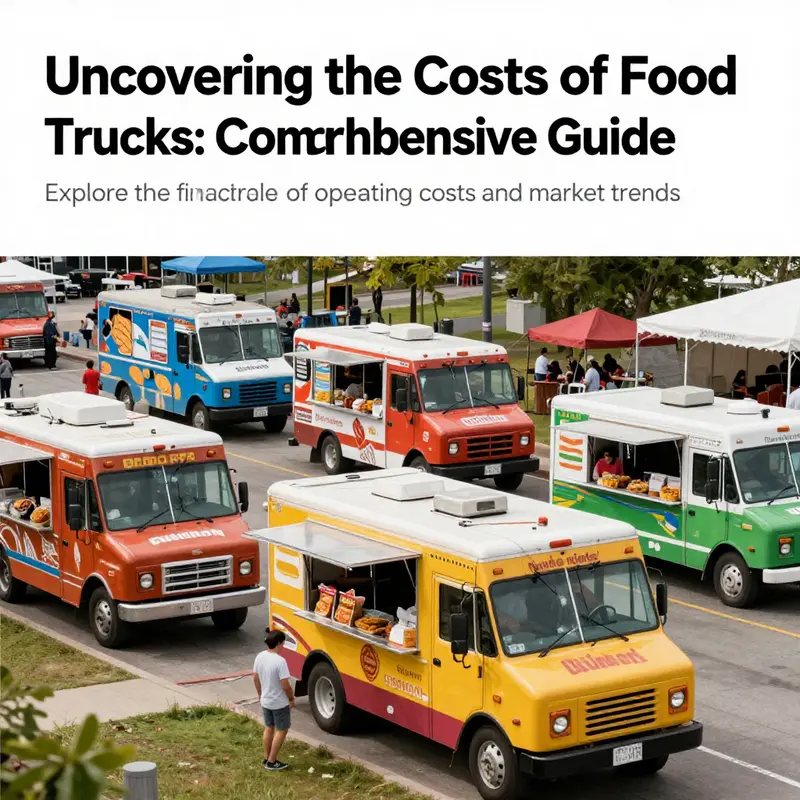
In the realm of mobile cuisine, understanding the costs associated with food trucks is paramount for aspiring entrepreneurs and car enthusiasts alike. With prices fluctuating based on various factors such as size, type, customization, and equipment, navigating this market requires clarity and insight. This guide will delve into the initial cost considerations, different types of food trucks, customization factors, ongoing operational expenses, and prevailing market trends. Each chapter will equip hobbyist car modifiers, professional car tuners, and restoration enthusiasts with the essential knowledge needed to make informed decisions in the food truck arena.
The Price of Entry: Navigating Initial Costs for Launching a Food Truck
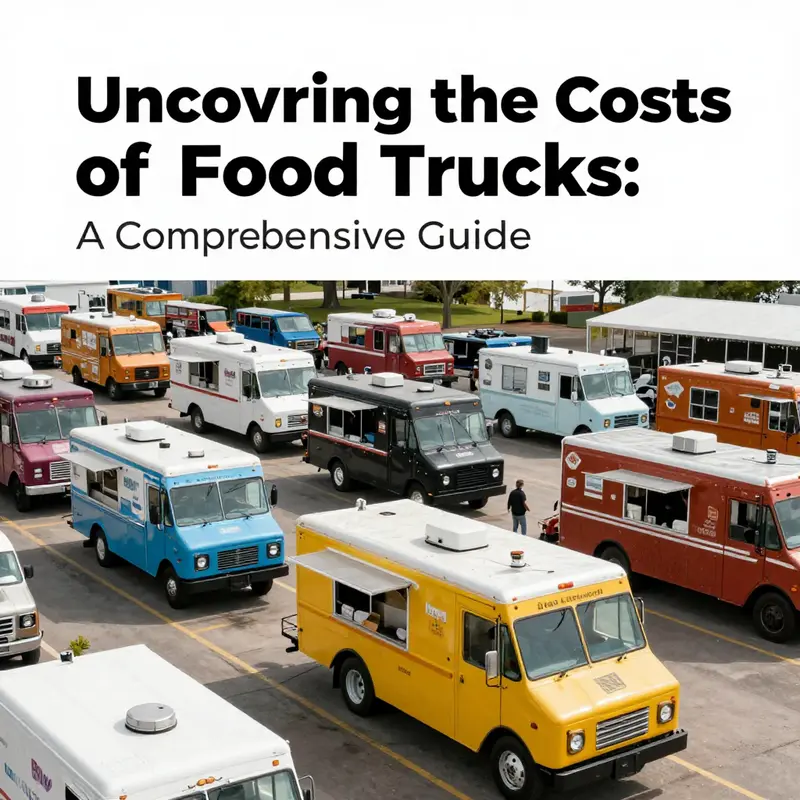
The journey from idea to open window begins with a practical reckoning of price—the price of entry, not just the price tag on a menu. For any aspiring mobile chef, the initial cost landscape is shaped by the vehicle itself, the gear tucked inside, and the regulatory tapestry that makes a kitchen on wheels legal and operable. A clear, grounded view of these costs helps determine how ambitious the launch can be and whether a lean start or a more robust setup is required to meet the envisioned menu and hours of operation. In solo ventures and teams alike, the decision hinges on a balance between capital outlay and the ability to deliver consistent, quality food under the constraints of a mobile environment. The numbers that define this balance can be strikingly wide, but they are not random. They reflect the core choices a business owner makes about vehicle type, customization, and the scale of equipment that turns a chassis into a functioning kitchen, ready to serve customers from curbside or at events.
When considering the vehicle itself, there is a fundamental split between new, purpose-built trucks and used, more basic platforms. A brand-new, fully customized food truck can command a price well into the six-figure range, commonly described as between about $100,000 and $250,000 or more depending on the specifications and the build quality. That figure represents more than a rolling shell; it encompasses the kitchen layout, safety features, insulation, exhaust systems, and the reliability of appliances that vendors rely on every service period. By contrast, purchasing a used food truck can dramatically lower the upfront hurdle, often in the $30,000 to $70,000 range. Yet that price comes with the caveat of additional costs for repairs, upgrades, and potentially outdated electrical or plumbing systems that may require attention before a single service occurs. The arithmetic of these options is telling: you can buy a turnkey, fully capable unit at a premium, or you can craft a workable operation by refurbishing and upgrading a smaller, older chassis to suit a targeted menu and expected traffic patterns. Either path has its logic, but each carries a different risk profile and cash runway.
Beyond the vehicle, there are essential startup costs that many first-time operators underestimate. Permits and licenses, a topic that varies widely by jurisdiction, can add roughly $10,000 to $20,000 to the initial budget. This isn’t just a bureaucratic step; it includes health department approvals, mobile food facility permits, fire safety inspections, and sometimes franchise-like compliance checks for more regulated cuisines. Insurance is another nontrivial cost that protects the asset and the business, scaling with factors such as location, coverage limits, and risk exposure, yet remaining a non-negotiable line item. Then there is the inventory—initial stock of ingredients, packaging, and basic disposables—an early outlay that fuels the first weeks of operation and can be underestimated when projecting daily sales. The math here matters: even with a solid sales plan, the business will need working capital to cover the first wave of orders before cash flow stabilizes. The interplay between these costs—vehicle price, permits, insurance, and inventory—creates a total early-stage budget that often governs the pace at which a venture can launch and scale.
For those who want to minimize upfront expenditures, alternatives exist that preserve the core concept of mobile food service while trading some capacity or speed for lower initial risk. A common path is the pop-up or mobile catering model using a standard van or cargo trailer. In this approach, the entry price can be substantially lower, sometimes ranging from about $10,000 to $20,000, depending on the vehicle’s condition and the extent of any inside modifications. Such a setup can be compelling for testing menus, building a local following, or entering markets with limited capital. The trade-off is clear: the operation may be less capable in terms of cooking power, storage, and scalability, and it may require more effort to meet health codes and to deliver a consistent customer experience across a broader venue set. This reality underscores a guiding principle for any entrepreneur: the scale of the initial cost should align with the business plan’s ambition, menu complexity, and the geographic markets you intend to serve.
Sound budgeting for a food truck also considers the menu’s nature and the kitchen’s design. A high-volume, multi-item menu demands a more sophisticated cooking line, better refrigeration, and robust ventilation. In contrast, a simpler menu can be supported by more compact equipment and leaner cold storage, which reduces both capex and ongoing utility costs. The initial purchase price of a truck is only part of the financial story. The ongoing costs—fuel, maintenance, electricity, insurance renewals, and routine supplies—will accumulate and influence the break-even horizon. A thoughtful business plan maps these ongoing expenses against anticipated revenue, helping determine how many service days per week, which events to target, and what peak periods require more equipment or a second unit. The aim is not merely to acquire a vehicle but to host stable, repeatable service that earns a reliable margin.
Within the purchasing decision, the decision to go for a new or a used platform often hinges on the planned scale and the founder’s risk tolerance. New trucks offer modern warranties, up-to-date systems, and the confidence of a clean slate—attributes that can reduce downtime during early operations and reassure lenders or investors. Used trucks, meanwhile, offer a faster path to market and a lower upfront cash burn, but they demand a careful inspection and possibly a staged upgrade plan to bring them up to current health and safety standards. Both routes benefit from a precise understanding of the intended cuisine and service style. A pizza-focused unit, a kebab truck, or a coffee-led concept each carries unique equipment needs and spatial considerations that translate directly into price. A specialty rig, with customized cooking modules or solar-powered features, can start at modest sums but quickly rise as design complexity and energy independence increase.
Budgeting also benefits from realistic expectations about branding, permits, and insurance. Even a well-priced unit can incur higher total costs if the owner prioritizes premium branding, a strong online presence, or extended outdoor seating arrangements. The total initial cost, therefore, is not only a sticker number on the truck; it is a forecast of how the business will be positioned in the market and how much seasoning it will need to thrive. For many, the SBA’s small-business guidance offers a reliable framework for estimating startup costs and assembling a plan that accounts for licensing, capital reserves, and the time needed to break even. As you plan, keep a clear mental map of three milestones: the vehicle acquisition decision, the upfront investment in equipment and compliance, and the capital cushion required to weather the first few weeks of operations and any seasonal lulls.
The decision around vehicle type also connects to broader strategic questions you will inevitably face. For instance, a common point of comparison in industry discussions is whether to invest in a step van or a cargo van, a distinction that influences price, interior layout, and the ability to scale. This nuance becomes especially relevant when you are budgeting across multiple units or planning to operate in varied venues. A practical way to engage this question is to review guided considerations about vehicle types and their implications for cost and performance; you can explore insight on this topic in guides that compare step vans and cargo vans for food-truck applications. This resource helps align the vehicle choice with the menu, service style, and expected traffic in the markets you plan to serve. step vans vs cargo vans for food trucks
In short, the initial cost picture for a food truck is a spectrum rather than a single figure. It starts with the vehicle, moves through customization and equipment, and culminates in the regulatory and operating costs that support a compliant, sustainable business. Because each business aims for a different footprint—whether a compact concept for weekend markets or a full-service mobile kitchen that travels to events across a region—the budget must reflect both ambition and discipline. Market dynamics, the menu’s demands, and the local regulatory climate all shape the price path from first concept to first service. To translate these factors into a realistic budget, founders should draft a detailed cost model early, anchored by the ranges discussed here and tested against the specific locale’s permit and insurance requirements. This approach reduces the risk of surprises and builds a stronger case for financing or investor support when needed. The price of entry, after all, is not merely what you pay for a truck; it is what you invest to deliver a dependable dining experience on wheels that earns its keep day after day. External marketplace listings and wholesale options can further inform this planning, offering real-time price signals that complement the budgeting framework. For broader marketplace pricing and options, external resources such as a leading wholesale listings platform provide listings you can compare against this framework. https://www.alibaba.com/showroom/food-truck.html
Reading the Price Map of a Mobile Kitchen: How Much a Food Truck Really Costs in South Africa and Beyond

Choosing to launch a food venture on wheels means entering a market where the price of a single vehicle can swing like a kitchen door in a busy street. The numbers, as documented for South Africa and echoed by global marketplace data, reveal a spectrum that stretches from lean, entry-level setups to fully engineered mobile restaurants. The fundamental truth is that your price concern is not simply the sticker on a truck. It is a combination of the chassis you choose, the level of cooking gear, the electrical and plumbing framework, the insulation and finishes, and the branding you want to project. In South Africa, the commonly cited ranges begin with Basic Mobile Food Trucks, typically built from modified vans or small trailers, priced roughly between R150,000 and R300,000. That band suits a business owner who wants to test a concept, serve snacks or light meals, and keep operating risks comparatively low while learning the ropes of mobile service. Moving up the ladder, Fully-Equipped Kitchen Food Trucks carry a broader cooking footprint. They bring stoves, ovens, refrigeration, sinks, and ventilation into a compact, road-ready package. The financial entry for these units is usually in the realm of R600,000 to R1,500,000, with the exact figure driven by the choice of equipment brands, interior finishing, and the level of customization. It is not unusual to see variants that push toward the higher end when double-door refrigerators, robust exhaust systems, or specialized layouts are involved. For operations centered on frozen or refrigerated offerings—ice cream, seafood, dairy—Frozen/Refrigerated Food Trucks pull a premium, commonly ranging from R800,000 to R2,000,000, because the cooling systems themselves represent a significant portion of cost alongside the rest of the kitchen ecosystem. Then there are High-End Customized Food Trucks, tailor-made to reflect a brand’s personality or a themed dining concept. These can exceed R2,500,000, especially when they integrate premium facilities, bespoke interiors, and modular components designed to deliver a storytelling experience as much as a meal. If a client needs a larger footprint, larger models that can operate as mobile cafés, small restaurants, or multi-functional venues quickly rise into the several-million bracket, particularly when seating, expansive kitchens, or modular, brand-first designs are included. The critical takeaway, however, is not just the price points themselves but how they map to your business plan. A basic unit may look inexpensive at first glance, but it can incur higher operating costs if equipment is underpowered or poorly ventilated, or if durability issues arise in the field. Conversely, a fully equipped unit with room to expand a menu can dramatically improve throughput and customer satisfaction, which in turn influences revenue potential. In this spectrum, decisions about the base platform matter as much as the kitchen’s heart. For many operators, the choice between a step van and a cargo van is a practical hinge point. The base chassis determines the interior volume, weight allowances, and the path to future upgrades. A compact step van may offer more interior headroom for a kitchen layout and tighter integration of appliances, while a cargo van tends to be a lighter, more nimble silhouette that can reduce upfront costs and simplify maintenance. The trade-off is nuanced, and the decision should align with the planned menu, anticipated volume, and the geographic footprint of service. For a deeper look into this chassis debate, see a detailed comparison here: step vans vs cargo vans for food trucks. Beyond the chassis, the regulatory environment in South Africa introduces its own cost layer. Safety and health standards managed by the South African Bureau of Standards—SABS—enforce requirements for electrical systems, fireproof materials, and food-contact surfaces. Compliance isn’t a one-time hurdle; it shapes ongoing maintenance, inspections, and even future remodeling as a business evolves. The up-front compliance investment can push the total capital needed higher, and it often affects insurance premiums, permit fees, and registration costs. In practical terms, this means your initial outlay could jump by a meaningful margin once you factor in safety equipment, certified installations, and approved interior finishes. The quantities of money involved are sensitive to the scale and sophistication of the operation, which is why many prospective operators begin with a clear budgeting framework that separates capital expenditure from ongoing operating costs. In South Africa, the additional costs that operators must anticipate—beyond the sticker price—include registration, insurance, permits, equipment installation, and initial inventory. These elements can add a meaningful uplift to the total investment, sometimes in the range of 20% to 30% when all factors are included. The budgeting approach, then, resembles planning for a pop-up that never truly closes its doors. You must consider how often you plan to service busy locations, how many hours you will operate, and how quickly you can replenish stock as part of your long-run financial plan. The numbers also remind you that bulk purchasing can alter the math. Wholesale and customized options are part of the market reality; when buyers place orders for multiple units, per-unit costs can come down compared with single-unit purchases. Still, even with discounts, the total cost of ownership remains anchored to the equipment and service profile you choose. As you map out the price map, it helps to anchor your plan in a concrete menu, a target service radius, and an anticipated customer flow. The menu choice will feed the cooking gear you need, the ventilation and drainage you must install, and the refrigeration capacity necessary to maintain food safety and quality. If you intend to serve hot meals, you’ll want reliable cooking appliances and robust exhaust systems, which in turn influence generator capacity and fuel consumption. If your focus is cold or frozen items, the emphasis shifts toward insulation, seal integrity, and efficient cold-chain management. The branding you envision—your colors, your logos, your social media presence—also peels into the cost. A high-impact branding package can be surprisingly expensive, yet branding is often what translates traffic into repeat customers and helps your truck stand out in crowded markets. It is essential to balance the upfront investment in aesthetics with practical needs: durability, ease of cleaning, and space for a fast, safe service line are not luxuries but practical constraints that shape both pricing and daily operations. In practical budgeting terms, aspiring operators should begin by identifying a realistic baseline for the vehicle and its interior, then add layers for compliance, branding, and contingency funding. A conservative approach is to set aside a reserve for immediate repairs or upgrades after the initial launch, recognizing that the first weeks on the road are rarely the moment to test the machinery at the outer edges of its design specifications. The market data makes clear that there is no one-size-fits-all answer to “how much it costs.” Rather, there is a continuum anchored by a few core decisions: the base vehicle, the level of kitchen infrastructure, and the degree of customization and compliance required in your jurisdiction. If your aim is to minimize risk while validating a concept, start with a basic, compliant frame and a compact yet capable kitchen. If you want to build a durable, scalable brand, be prepared to invest more upfront in equipment, safety systems, and a design that supports growth. Either path requires careful cost forecasting and a disciplined approach to sourcing, installation, and maintenance. For readers who want to explore broader market context in the South African ecosystem, reliable trade associations and regulatory bodies offer ongoing insights into price trends, best practices, and the evolving standards that shape every food truck project. External resource: https://www.sabs.co.za. As you move toward actual procurement, engage with local suppliers for quotes, request references, and insist on documented specifications for electrical, plumbing, and fire safety. The next chapter will take you through the practical steps of translating this price map into a real business plan, including how to draft procurement timelines, compare bids, and plan for ongoing operating costs that keep your kitchen on wheels both compliant and competitive.
Shaping the Price Tag: How Customization and Compliance Drive the Cost of a Food Truck
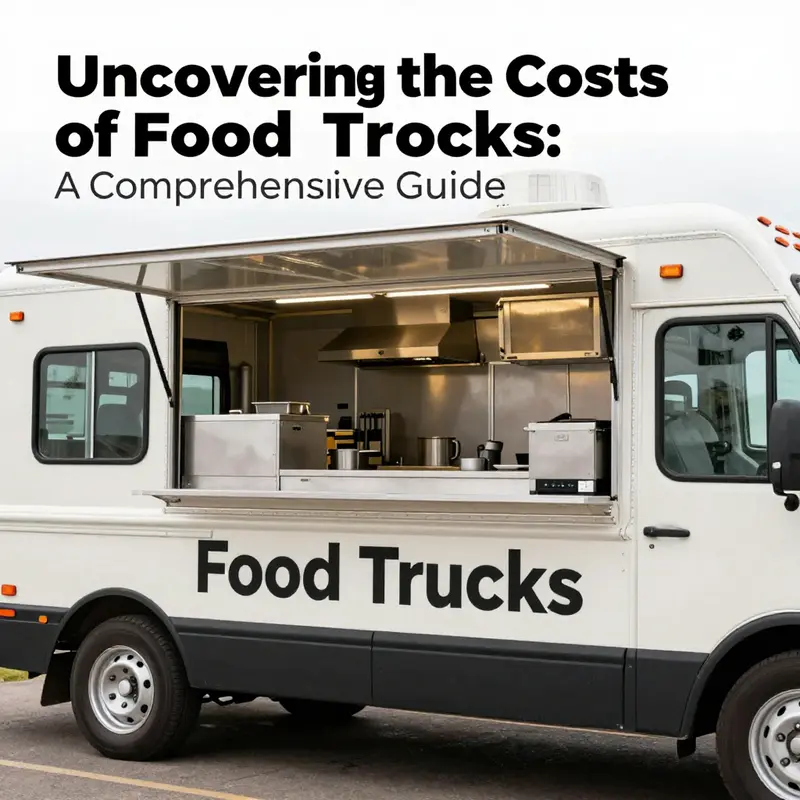
Customization is the single most powerful lever in determining a food truck’s price, but it is not the only force. In markets like South Africa, where operators adapt to local tastes, regulations, and road logistics, every choice about form and function ripples through the final bill. The journey from a bare chassis to a fully operational mobile kitchen is a sequence of decisions that touch type, space, equipment, efficiency, and legal readiness. Understanding these decisions helps a prospective operator translate a dream into a viable price, and then into a practical business plan.
First comes the type of unit. The two broad categories—trailer-mounted units and van-based units—each carry distinct price psychology. Trailer-mounted setups offer more interior flexibility and storage, and they appeal to operators who prize mobility and the option to detach from the kitchen during maintenance or off-peak periods. The initial outlay can be influenced by size, build quality, and the inclusion of cooling or cooking gear, as well as how the interior is laid out for workflow. Van-based units, by contrast, often start with a lower entry price but can escalate quickly if a larger kitchen, specialized equipment, or long-range power and ventilation needs are added. In practice, the choice between trailer and van is a strategic trade-off: trailers may reduce daily rental or parking hassles and provide more usable space for a growing menu, while vans can be more cost-efficient for compact operations that still need a robust kitchen footprint.
Beyond the chassis, the level of customization acts as a key price driver. Branding, high-end finishes, energy-efficient appliances, and advanced ventilation can push the bill upward in meaningful ways. Operators who want a sleek, durable exterior and a calm, efficient interior often invest in corrosion-resistant materials, insulated walls, premium cabinetry, and precise airflow management. Each of these choices improves longevity and reliability, yet they also adds to the upfront cost. The interplay is deliberate: a stronger shell and better ventilation reduce long-term maintenance and energy waste, potentially delivering savings over time, but they demand a larger initial investment. In markets that emphasize long-term value, buyers weigh a longer lifespan and lower operating costs against a higher upfront price. The calculation varies with anticipated daily hours, peak service days, and the types of meals offered.
Compliance with local health and safety rules is another fundamental cost driver. South Africa’s regulatory landscape requires attention to waste disposal solutions, fire suppression systems, ventilation standards, and safe food-handling workflows. Each feature that improves compliance—such as separate waste streams, sealed flooring, or a compliant fire suppression setup—adds to the upfront cost but reduces the risk of disruptions from inspections or fines. Operational continuity often hinges on these investments, which means they should be budgeted in from the earliest planning phase. Even seemingly small details, like correctly rated electrical circuits, splash zones around sinks, and properly vented cooking areas, carry a price tag because they mandate certified materials and workmanship. For any prospective purchaser, the takeaway is clear: skimping on compliance never pays off in the long run, even if it shortens the initial quote.
Material choices also shape the price trajectory. The decision between stainless steel and aluminum often reflects a balance between durability, ease of cleaning, and weight. Stainless steel tends to resist corrosion and stands up well to high-volume use, but it incurs higher material and fabrication costs. Aluminum offers lighter weight and sometimes lower upfront costs but may require extra protective coatings and maintenance to ensure a long life under constant street conditions. Beyond metals, the interior finishes, flooring, and ceiling materials influence not only the visual impression but also heat resistance, cleaning ease, and durability against daily wear and tear. When operators tailor the interior to support a particular menu—such as a heavy fry station, a steam table, or a compact coffee setup—the specialized equipment and protective features needed to keep operations safe and efficient can substantially lift the price, particularly if power requirements rise or ventilation needs expand.
The final cost emerges from a balancing act between desired features and practical budgeting. Baseline price ranges for mobile food setups, drawn from broader market observations, illustrate how quickly the sticker price scales with added functionality. A basic mobile snack truck may enter the market at a relatively modest level, while a fully equipped fast-food or snack truck can span a much wider range depending on the kitchen footprint and build quality. Wholesale and customized options—especially when purchasing multiple units—afford some economies of scale, but these advantages often come with long-term commitments, warranties, and payment terms that affect cash flow. In addition, specialized or high-capacity configurations—think multi-functional kitchens with off-site storage, seating modules, or modular designs—occupy the upper end of the spectrum. A small custom outdoor kiosk or mobile coffee cart might begin at a few thousand dollars, while a solar-powered or highly specialized unit can push the envelope toward five figures or more. These are not merely numbers; they reflect a market that must reconcile branding aspirations with the realities of street operations, driver licensing, insurance, and ongoing compliance.
To place these considerations in a more tangible frame, imagine a potential operator who expects to serve a rotating menu of comfort foods from a compact footprint. The operator weighs a trailer-mounted layout with a flexible interior against a van-based kitchen with tighter space but lower initial cost. They then decide how robust the refrigeration and cooking systems must be for evening service, how sophisticated the ventilation must be to meet safety standards, and whether a premium finish will support higher perceived value and quicker customer turnover. Each decision pushes the price in a different direction: more space and better ventilation raise the cost, while a simpler finish and a smaller kitchen footprint may lower it. Yet even with a leaner setup, the cost of meeting regulatory expectations and ensuring reliable daily operation remains nontrivial. The takeaway is that price is not a single number but an ecosystem of choices aligned with the operator’s menu, schedule, and risk tolerance.
For those navigating this terrain, the literature on food-truck startups often highlights the importance of planning for compliance alongside design. One practical anchor is to view the journey through the lens of regulatory readiness as much as functional capability. The costs accumulate across a spectrum of elements: licensing and permits, waste management systems, fire suppression, electrical components, and the quality of fittings and fixtures that support cleanability and safety. The interplay of these factors explains why two trucks that look similar on the street can diverge widely in price once the interior kits are specified and the regulatory checklist is completed. In practical terms, this means budgeting not only for the menu and brand but also for the steps required to legally operate, which can include inspections, certifications, and ongoing maintenance plans that protect both customers and business owners.
As operators map out these priorities, a careful look at the broader market helps frame expectations. The cost structure tends to reflect a tiered reality: a basic entry point for aspiring vendors, mid-range configurations that balance space and capability, and high-end builds that emphasize performance, efficiency, and longevity. In the South African context, this translates into a robust consideration of how the unit will perform under street conditions, how the equipment withstands daily wear, and how branding and customer experience are translated into real-world revenue. The practical implication is clear: price optimization hinges on a well-articulated value proposition, a realistic service plan, and a disciplined procurement approach that accounts for branding, permits, insurance, and routine operating costs alongside the initial build. For readers seeking a concrete touchstone on how these ideas play out in real-world planning, the discussion on legal-considerations-latino-food-truck-startups offers a useful lens on compliance nuances in the broader food-truck ecosystem.
Finally, prospective buyers should view pricing as a negotiation with the market rather than a fixed floor. Wholesale and factory-direct routes can provide cost efficiency, but they come with trade-offs in customization flexibility and support. The final price is a function of a deliberate sequence: selecting the unit type, specifying how the kitchen will function for the intended menu, integrating the necessary compliance features, and choosing materials that balance durability with cost. The result is a truck that fits not just a budget, but a business model—one that anticipates daily operation, customer experience, and long-term profitability. In this sense, understanding customization is less about chasing the lowest price and more about shaping a sustainable platform that can scale with demand, while meeting the regulatory and logistical realities of street food commerce.
External resource: https://www.alibaba.com/showroom/food-truck.html
Beyond the Sticker Price: Unpacking Operational Costs and Hidden Expenses for a Food Truck
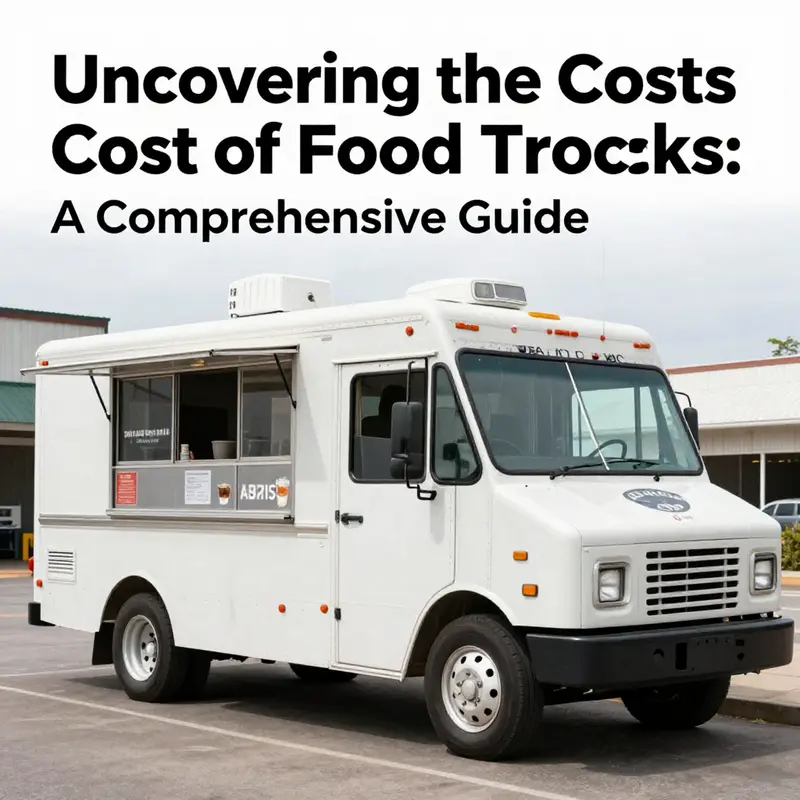
The price tag you see when you shop for a food truck is only the opening chapter of a longer story. The real math of profitability unfolds after you roll off the lot, park in your first spot, and start turning raw ingredients into meals for hungry customers. In many markets, operators discover that ongoing costs—not just the upfront price—shape margins, cash flow, and the chance to scale. This chapter threads through the recurring expenses that typically surprise new owners, weaving in how these costs evolve with fleet size, location, and seasonal rhythms. It is not a plea to fear the numbers but a reminder to forecast with a disciplined eye so that revenue decisions reflect the full economic landscape of daily operation, not just the purchase quote.
One of the most immediate and persistent costs is securing a viable home base for the truck. Prime parking spots in high-traffic areas can command significant lease payments, especially when the term is tailored to a short window that aligns with peak events. Industry patterns indicate that a six-month lease for a coveted location can run in the neighborhood of two to three thousand dollars per month. The larger the appetite for visibility and proximity to office clusters, transit hubs, or weekend markets, the tighter the margin between a profitable shift and a break-even one. Shorter-term arrangements, while offering flexibility, tend to carry a premium per month to compensate for turnover risk and the friction of constant relocation. These occupancy costs are additive and can dominate early cash flow, particularly in markets with steep competition for street frontage or in cities where street vending rights are tightly regulated.
Beyond space, fuel consumption becomes a practical heartbeat of daily costs. The fuel bill scales with the size of the truck, its refrigeration needs, and the miles traveled in pursuit of customers. In practice, operators who chase busy events across a region observe that daily mileage directly influences fuel spend, and thus the viability of a given route. The more stops, the more propane or electricity needed for cooking, and the more you pay per mile to keep the engine running between sites. A disciplined approach—tracking miles, calibrating fuel efficiency, and scheduling routes to minimize backtracking—helps stabilize this variable, but the core truth remains: higher activity typically means higher fuel and utility costs, especially when the truck doubles as a kitchen with significant energy demands during peak service windows.
Maintenance and repairs form the next layer of ongoing costs, and they often loom largest when the equipment ages or operates under heavy daily use. A food truck carries two kinds of maintenance burdens: routine preventive service and the unpredictable, quickly expensive fixes that follow a breakdown. Refrigeration systems, cooking appliances, and plumbing deserve special attention because failures in these areas threaten food safety and service continuity. A prudent budget reserves funds for regular servicing, filter changes, gasket replacements, and calibration of temperature controls. While total annual maintenance varies with the unit’s age and workload, implementing a proactive maintenance calendar can reduce the risk of emergency downtime, which can be far more costly than planned service.
Permits, licenses, and insurance anchor the legal and financial safety net around the operation. Local authorities require permits to operate in specified zones, to park in designated lots, and to serve particular cuisines or hours. Each jurisdiction adds its own licensing matrix, and costs can fluctuate as regulations tighten or expand with new events, health inspections, or street vendor policies. Insurance, meanwhile, protects against liabilities—from accidents to product spoilage and operational downtime. Premiums hinge on factors such as location, coverage limits, and driving history, and they represent non negotiable, ongoing overhead that must be integrated into every cash-flow forecast. Together, permits, licenses, and insurance are not optional lines on a spreadsheet; they are the structural elements that keep the business compliant and shield it from a cascade of potential penalties or business interruption.
Ingredient procurement introduces another dynamic layer. The very core of a food truck’s value proposition—quality and consistency—depends on reliable access to ingredients. Prices for staples and perishables can swing with seasonality, supplier contracts, and market conditions. A credible forecast accounts for these fluctuations by building in a buffer for price increases, appreciating the importance of vendor relationships, and planning menus that complement price stability. The improvisational nature of mobile operations—changing offerings to align with what’s fresh or what’s affordable on a given route—can be a strategic advantage, but it also requires agility in budgeting so that cost of goods sold remains aligned with realized revenue.
Labor is the human engine of a mobile kitchen, and staffing costs reflect both the scale of operations and the operational tempo. In small setups, a single cook plus an attendant might suffice, while busier days or events demand additional hands for setup, service, and breakdown. Wages, payroll taxes, and potential benefits all flow into the ongoing cost structure, and they respond to factors such as event density, competition for skilled cooks, and regional wage norms. A thoughtful staffing plan, matched with precise scheduling, can reduce idle time and overtime while preserving service quality. It’s not merely about covering shift coverage; it’s about coordinating a lean team that can sustain a crowded service window without compromising food safety or guest experience.
Utility fees—electricity for cooking, refrigeration, and lighting, plus propane or other fuel sources—are another predictable cadence, especially for kitchens that rely on energy-intensive appliances. As service volume grows, so too can utility consumption. Managers who optimize layout to shorten distances between prep, cooking, and service areas, and who deploy efficient equipment, often achieve meaningful savings that compound across a busy week or a bustling weekend market. The smallest efficiencies can translate into better margins on popular items or more competitive pricing without sacrificing quality.
Across all these recurring costs lies a spectrum of potential hidden expenses that can derail a plan if left untracked. Equipment breakdowns threaten continuity and can trigger emergency repairs at premium service rates. Regulatory fines—whether for non-compliance with health codes, mislabeled ingredients, or improper waste disposal—can sting and disrupt a schedule, especially during peak seasons when inspection regimes intensify. Seasonal sales dips are not merely a lull in revenue; they are a test of cost discipline, forcing operators to lean on reserves or adjust menus and staffing to preserve profitability. The reality is that the truck’s daily life is a series of small costs that accumulate; the better you anticipate them, the more resilient the operation becomes.
In building a sustainable budget, many operators adopt a framework that reserves a portion of revenue for fixed overhead and a separate cushion for irregular but high-impact events. The aim is to strike a balance between predictable expenses and the flexibility to respond to market shifts, permits, or sudden equipment needs. This is not merely math; it’s risk management in motion. The best practice is to translate these cost realities into menu choices, route strategies, and scheduling that align with your target dollars-per-hour and dollars-per-day targets. It’s about knowing when to push for a higher-margin item, when to partner with a preferred supplier for favorable terms, and when to pivot to a different neighborhood that offers steadier demand without eroding brand identity.
As you map this terrain, consider the legal and logistical backdrop that frames every choice. To ground your planning in practical realities, reflect on the legal considerations for Latino food-truck startups, which can illuminate the regulatory and compliance pathways that affect costs and operations. legal considerations for Latino food-truck startups
For a broader perspective on the costs that shape operating decisions across the sector, you can consult external resources that summarize trends in leasing, permits, and ongoing expenses, including how these components can influence profitability over time. How Much Does a Food Truck Cost To Operate in 2025? https://www.foodtrucks.com/operating-costs-2025
Shifting Currents: Market Trends Redefining the Real Cost of a Food Truck
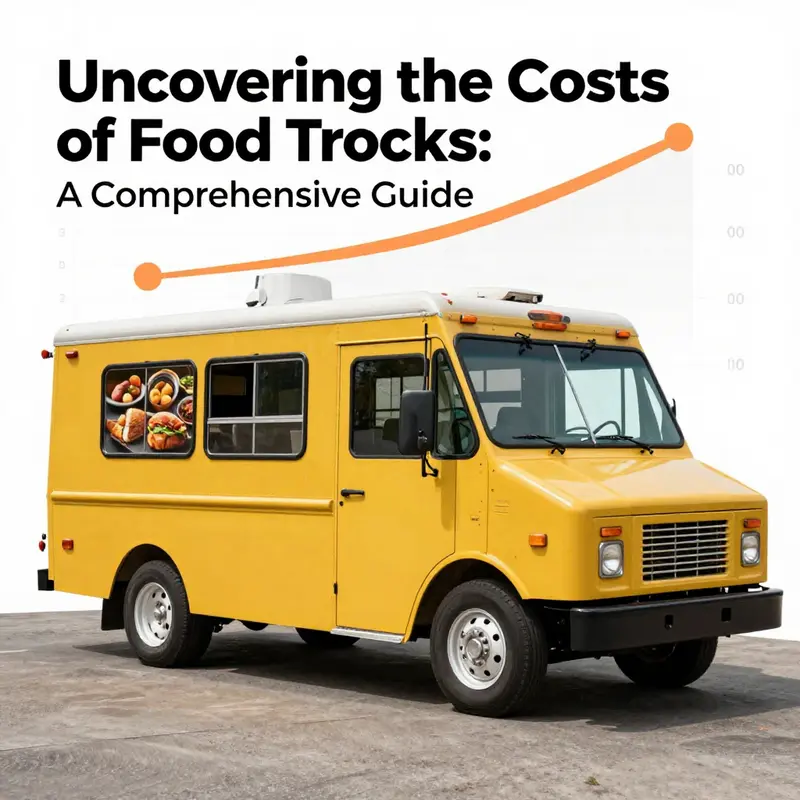
The price tag of a food truck is only the opening line of a longer story. Behind the gleam of a new chassis or a sleek shell lies a web of market forces that push costs up or down over the life of the business. To understand what it costs to run a mobile kitchen, you must look beyond the sticker price and consider how trends in supply, energy, people, and policy ripple through every decision from menu design to route planning. This is not a tale of sporadic fluctuations; it is a landscape shaped by persistent shifts—climate-driven supply disruptions, volatile fuel markets, evolving labor standards, and tighter environmental rules. Each strand together determines how much it really costs to operate a food truck, not just to buy one. The most pragmatic operators are those who study these currents, anticipate the light water moments, and adjust now so their economics remain resilient when the next wave hits. In this chapter, we’ll explore how rising raw material costs, fuel volatility, labor pressures, and regulatory developments converge to redefine the ongoing price of doing business on the road. The purpose is not to frighten readers with worst-case scenarios but to illuminate the pricing levers that savvy operators use to stabilize margins and sustain growth over time.
Rising raw material costs sit at the heart of how much it costs to feed a truck at scale. Weather patterns, crop cycles, and the health of ecosystems all intersect to squeeze ingredient availability. When disasters disrupt farming regions or harvests fail, the price of vegetables, seafood, and staple proteins can spike. Even where supplies arrive on time, the broader market often imposes higher baseline costs—supplies that power daily menus and force pricing decisions. For a food truck that operates on tight margins, those increments can push a single item from break-even to red ink if not managed with discipline. Operators respond in two complementary ways: first, they negotiate smarter, longer-term supplier relationships and more precise yield forecasting; second, they design menus with ingredient flexibility. A truck might feature a rotating core of high-margin items while keeping a few flexible plates adaptable to current price realities. The effect is not just price control; it is menu resilience. The goal is to deliver consistent taste and portion sizes even when the cost of inputs shifts underfoot, so customers perceive value rather than feel surprise at a sudden price bump. In practice, this means framing price changes as a narrative about quality and reliability, not as arbitrary increases.
Fuel costs are another heavy driver of operating expenses. A food truck’s mobility—its ability to chase crowds, attend festivals, and fill gaps between brick-and-m mortar competitors—depends on fuel. When prices rise, the cost to transport ingredients, to move between venues, and to service the vehicle itself climbs in lockstep. The result is a more variable daily budget. Smart operators respond with a mix of routing discipline and energy awareness. They map optimal paths that reduce deadhead miles, align peak hours with the most favorable crowd dynamics, and tighten inventory management to minimize frequent trips to supply points. Some uplift comes from energy-efficient practices within the truck design itself—insulation that reduces heating and cooling loads, airflow management that lowers the need for energy-intensive equipment, and careful maintenance to maximize fuel economy. The objective is to convert volatility into predictability by lowering the exposure of the operation to fuel shocks. It is a practical balance: keep the menu attractive and adaptable, but reduce the fiscal shock of fuel swings through planning, efficiency, and prudent contingency budgets.
Labor costs sit at the intersection of talent, service quality, and price. As minimum wage standards rise and labor markets tighten, the cost of labor climbs even if a operator’s sales volume remains steady. A larger challenge is not merely the hourly wage but the total package: scheduling, training, benefits, payroll taxes, and the opportunity cost of turnover. In many markets, skilled cooks and reliable front-of-house staff are in short supply, which pushes wages higher and increases scheduling complexity. Start-up budgets that assume a single cook and a minimal crew may look good on paper, but real-world operation often requires a robust team to maintain consistency across locations and busy periods. Experienced operators learn to treat people as a strategic asset rather than a fixed cost. They invest in cross-training, clear career pathways, and fair scheduling that protects both the business and staff well-being. The payoff is lower turnover, steadier service, and higher customer satisfaction—factors that can help justify higher menu prices without eroding loyalty. When customers recognize consistency and care, they are more willing to support price adjustments that sustain quality.
Regulatory and environmental policies add a further layer of cost that is both upward and cumulative. Emissions standards and vehicle compliance have direct price implications. Upfront, newer, compliant vehicles or upgraded engines tend to cost more, and ongoing maintenance can be more expensive as standards tighten. The shift from an older to a stricter emissions regime typically comes with a higher capital outlay and taller ongoing maintenance bills. Beyond the vehicle, businesses must navigate permits, inspections, and licenses that ensure compliance with local health codes, safety rules, and environmental obligations. The administrative burden, while less tangible, translates into time costs and potential delays that affect daily revenue. In practice, operators tend to build a compliance margin into pricing and cash flow planning. They also adopt preventative maintenance schedules and invest in training so their teams stay ahead of regulatory changes rather than chasing compliance after the fact. The net effect on cost is a gradual but persistent rise in the baseline operating expense, tempered by the value of safer, more reliable operations and access to markets that are restricted to compliant vendors.
The interplay of these factors shapes the cost narrative in other, subtler ways. Financing and capital costs respond to macroeconomic conditions and risk perceptions. When inflation runs hot or credit tightens, the price of borrowing money to buy, upgrade, or expand a fleet can increase. Operators may shift from rapid expansion to deeper optimization, prioritizing high-traffic venues, diversified revenue streams, or seasonal contracts that smooth revenue without requiring large upfront expenditure. This dynamic often leads to a strategic mix of asset-light practices—such as shared commissaries, modular equipment that can be repurposed, or partnerships that reduce capital outlays—paired with selective investments in reliability and branding that deliver a disproportionate return in customer draw and repeat business. In short, the cost picture is a moving target, shaped not only by the price of ingredients and fuel but by how operators borrow, budget, and plan for the long run.
To navigate this shifting landscape, many operators anchor their decisions in market intelligence and flexible budgeting. They monitor the broader market outlook, recognizing that the costs they face are both situational and systemic. The 2026 market outlook points to a trajectory where cost drivers remain salient through 2030, with continued emphasis on supply chain resilience, energy efficiency, and labor strategy. Operators who bake these realities into their financial planning—through scenario analyses, contingency funds, and clear pricing strategies—stand a better chance of maintaining margins even as the market evolves. For a comprehensive view of pricing, growth, and market drivers through the coming years, readers can consult the 2026 Food Truck Market Outlook. It highlights how macroeconomic conditions interact with industry fundamentals to shape the cost structure and opportunity set for mobile food businesses.
Within this broader frame, the human element remains central. While the press of numbers can be daunting, the best practices often come back to people. Training, safety, morale, and reliable scheduling influence turnover, service quality, and customer loyalty. These factors, in turn, affect return visits and the willingness of customers to accept price adjustments. For operators seeking practical guidance on balancing work life with business demands, resources like the Work-Life Balance for Food Truck Entrepreneurs offer actionable perspectives on sustaining teams without burning out. The human side of costs is not a soft concern but a core lever in controlling the total cost of ownership.
As you plan the next phase of a mobile operation, remember that the cost of a food truck is the product of many converging currents. You are not simply buying a vehicle; you are entering a market where supply, energy, labor, and policy interact to shape every price tag from ingredients to insurance, from route optimization to compliance. The most durable businesses will be those that anticipate volatility, build flexibility into menus and schedules, and maintain a disciplined approach to capital and operating budgets. The real cost of a food truck, in other words, is the cost of resilience—and the readiness to adapt when the market moves in new directions. For ongoing insight into how operations balance work, life, and business performance, see the discussion on Work-Life Balance for Food Truck Entrepreneurs. And for a broader external perspective on where the market is headed, the Markets and Markets report provides a rigorous, forward-looking framework for pricing and growth through 2030.
Final thoughts
Understanding the costs associated with food trucks is crucial for anyone looking to enter the mobile cuisine industry. From initial investments through varied types and customization options, to recognizing hidden operational costs and keeping an eye on market trends, being equipped with this knowledge fosters informed decision-making. Aspiring food truck owners and car modification enthusiasts can benefit significantly from this comprehensive understanding, allowing them to navigate the dynamic world of food trucks with confidence and clarity.