
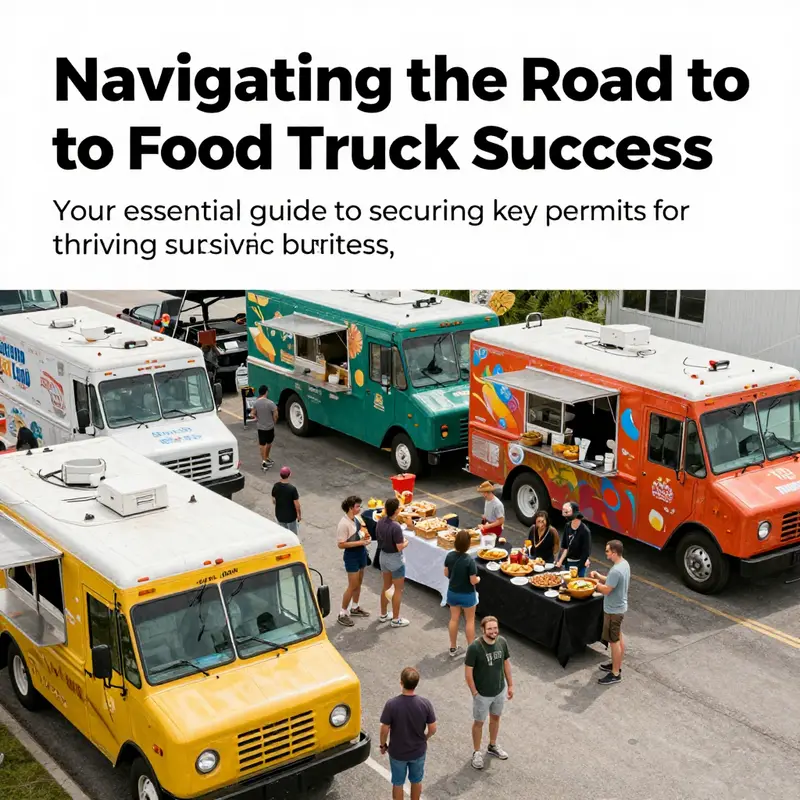
Operating a food truck involves more than just mastering delicious recipes; it requires understanding the maze of permits and licenses that make your dream a tasty reality. For car enthusiasts eager to morph their passion for vehicles into a mobile culinary venture, the journey begins with the right paperwork. Each stage—from obtaining your business license to ensuring food safety compliance—forms a crucial part of your culinary journey. This guide will systematically unpack each requirement, offering clarity for hobbyist car modifiers, professional tuners, and classic car aficionados on the path to creating a bustling food truck business.
From Paper to Pavement: Mastering Permits for a Food Truck Venture
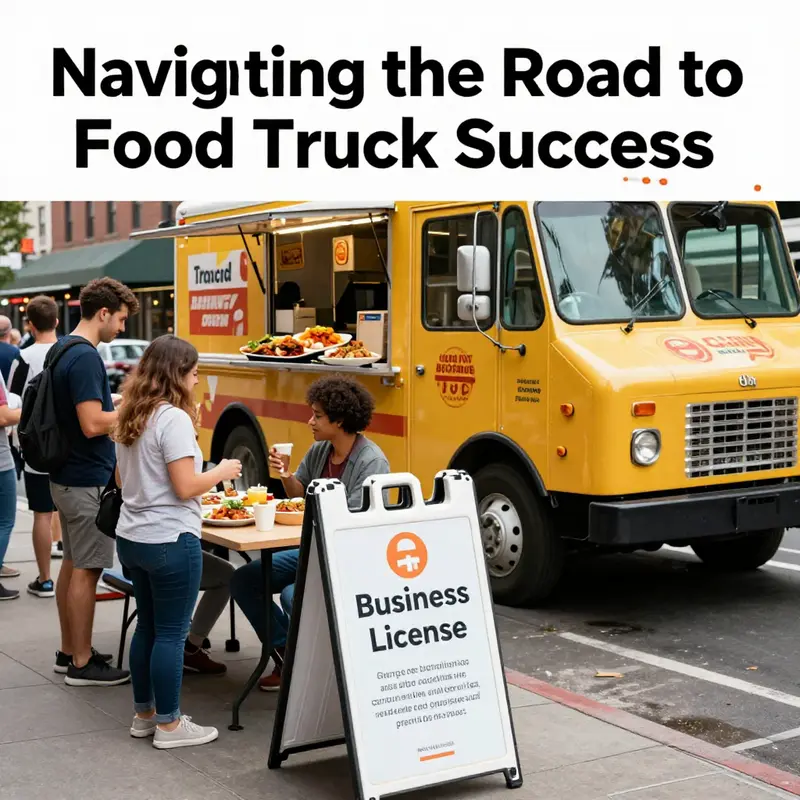
The momentum of a food truck runs on more than sizzling griddles and a cleverly designed menu. It runs on permits, licenses, and the steady cadence of regulatory checks that turn a dream into a legally operating kitchen on wheels. The process can feel labyrinthine, with rules shifting by street, district, and state. Yet the permit path is not a maze to be feared but a framework to be understood. When you see permits as a sequence of safeguards—for public health, for your business, and for the neighborhoods you’ll serve—you begin to navigate with a clearer compass. The journey begins with a simple truth: every city expects you to prove you can operate safely, transparently, and in a manner that respects community controls. And the better you understand the sequence and the kind of paperwork each step demands, the smoother your launch will be. This chapter threads together the common threads many jurisdictions share, while staying mindful that specifics vary. The core idea is to build a foundation that can withstand inspections, audits, and the day-to-day realities of moving a truck through different zones. The more deliberate your preparation, the less you’ll be surprised by delays, and the more time you’ll have to focus on what you love—creating great food in a mobile kitchen that respects public health requirements and local ordinances.
The first layer of permits centers on establishing your business in the eyes of the local authorities. A general business license, or a business tax registration, is typically the initial hurdle. It signals that your operation is recognized as a lawful enterprise within a given jurisdiction. The naming of this license can vary—sometimes called a local business permit, sometimes a business tax certificate—but the function remains the same: to authorize you to operate within city or county lines. The process often requires you to present a straightforward package: the legal name of the business, a physical or designated operating address (many operators choose a parking or vender-friendly zone as a base), and a description of the business activities. Even though this step might feel administrative, it is the bedrock that supports every other permit you must obtain. Without a recognized business entity and a registered activity, you’ll confront refusals or delays when applying for the more specialized licenses that follow.
From there, the path forks toward the health and safety framework that governs any place food is prepared, stored, or sold to the public. The Food Service Permit, sometimes labeled as a Food Facility Permit, represents a critical milestone. This permit is not about recipes or branding; it is about the design and operation of the vehicle as a safe, sanitary workspace. An inspector will typically review a detailed floor plan of the truck, highlighting where food is prepared, where cold storage lives, where hot food is kept at the right temperatures, and where handwashing stations are located for employees. The vehicle’s construction matters too: non-porous surfaces, proper ventilation for cooking equipment, and the ability to clean and sanitize all surfaces are basic expectations. Equipment lists become a language of compliance—the refrigeration units must meet temperature controls, the cooking equipment must withstand continuous operation, and dedicated waste disposal areas should prevent cross-contamination. A well-prepared plan that explicitly demonstrates safe handling, storage, and preparation helps inspectors see that you’ve anticipated the kinds of conditions a health department worries about during an routine inspection. Often, part of this step includes proof of employee training in food safety—courses that certify that food handlers understand contamination risks, proper handwashing, and safe temperatures for cooking and storage. In many places, ServSafe or an equivalent accredited certification is the standard credential that supports a kitchen’s readiness for operation.
A related, sometimes parallel requirement concerns the people who will handle food. The Food Handler’s Permit or Health Certification is typically not optional for at least one person on site. This credential shows a foundational understanding of safety practices and hygiene. It is not just a box to check; it’s a signal to regulators and customers that the team you’ve assembled prioritizes preventative measures against contamination. You’ll often see a two-part rhythm: the permit itself and ongoing training or renewals. In some jurisdictions, multiple team members must carry valid certificates, especially if your operation includes shifts with kitchen staff rotating in and out of the mobile unit. Keeping track of certifications for your team becomes a practical discipline—one that pays dividends in smooth operations and reduces the risk that a single untrained employee could derail your compliance trajectory.
The permitting landscape also expects you to demonstrate that you have secured a legal space for operation beyond the kitchen itself. Special Use Permits, or Mobile Vendor Permits, address the unique reality of a truck that roams from one curb to the next. These permits govern where you can park, when you can operate, and how you engage with events and markets. They are typically issued by planning or zoning departments, reflecting how a mobile business fits within the fabric of a city’s land-use rules. The permit may be tied to a specific location, a particular market, or a designated “food truck plaza.” It is common to confront local restrictions on where you may operate, how long you can stay in one space, and what kind of signage or branding is permissible. In practice, this permit helps prevent conflicts with brick-and-mortar businesses and neighborhoods while ensuring predictable operation of streets and blocks.
Beyond the core health and zoning layers, several other permits and considerations can appear in your compliance journey, depending on your locale. If you plan to serve alcohol, for instance, you will likely face an Alcohol License or a Selling Alcohol Permit that requires additional steps, proximity checks, and stricter handling rules. In regions with large public-safety expectations, you may encounter a Fire Department Permit or fire-safety inspection for vehicles equipped with cooking appliances. Some municipalities require a Signage Permit to ensure that any custom decals, logos, or displays on the truck meet local standards for size, lighting, and aesthetics. The common thread across these additional permissions is that they reflect a broader city vision, balancing commerce, safety, and neighborhood life. Each new category introduces a potential delay and a renewal cycle, so building a realistic timeline that accommodates these checks is essential for reducing friction as you approach opening day.
As you assemble these layers, you’ll also encounter the practical requirement of sales tax compliance. A Sales Tax Permit is typically necessary if your sales are taxable. It grants you the authority to collect and remit taxes, which influences your pricing, accounting, and cash management from the moment you begin serving customers. It is easy to underestimate how much tax administration will intrude on daily operations, especially when margins are tight and the menu is dynamic. The good news is that most jurisdictions offer straightforward registration online and provide guidance on filing frequency and reporting obligations. The administrative effort here compounds with other permits, but it also creates a transparent framework for you to operate within, ensuring that your business contributes its share to public infrastructure and services.
Insurance, while often described as a prudent safeguard rather than a permit, sits alongside the official licenses as a practical necessity. Think of liability insurance as a safety net that protects your business from a range of unforeseen events—customer slips, equipment failures, or accidents during transport and operation. While not always a compulsory requirement, many licensing offices and health inspectors view robust insurance as a sign of preparedness and professionalism. In practice, insurance helps you negotiate with landlords, markets, and event organizers, and it provides a buffer that keeps your venture resilient amid the inevitable bumps along the road. The common practice is to obtain a basic but comprehensive policy at the outset and to adjust coverage as your footprint expands, whether you add more trucks, expand into larger events, or introduce new equipment.
The timeline for assembling these permits is rarely a one-week sprint. Start early and plan for a process that could stretch across several weeks or even months, especially if inspections reveal adjustments to your truck’s layout, plumbing, or electrical systems. A proactive approach means documenting everything: vehicle specifications, floor plans, equipment inventories, and training certificates. Prepare a clear packet for each department that outlines your truck’s design, your operational plan, and the safeguards you’ve built into the workflow. Anticipate questions inspectors may ask about cross-contamination controls, cold-holding temperatures, handwashing capacity, and waste disposal methods. A thoughtful, organized submission reduces back-and-forth and signals your seriousness about compliance. In this work, a calendar or project plan—complete with milestones for plan submissions, inspection appointments, and permit renewals—becomes a silent partner, guiding you through the process with a steady rhythm rather than a series of ad hoc tasks.
The human element in this journey should not be underestimated. A food-truck venture is as much about people as it is about plates and grease. Your team must understand the rationale behind each regulation and how it translates into everyday practice. Training sessions that emphasize safe handling, temperature control, and sanitation practices do more than satisfy a credential—these efforts build consistent habits that reduce risk and earn trust from customers and regulators alike. A cohesive team approach also simplifies audit trails: if every shift has a clear log of what was cooked, when, and how it was stored, you create a defensible record that can withstand scrutiny. The operational discipline that emerges from such training inevitably enhances service quality, speeds up service during peak hours, and helps you manage the inevitable surprises that come with tasting menus and crowd dynamics at events.
In the middle of this regulatory orchestration, a story can illuminate the path. Consider a hypothetical operator, a recent graduate who loves fusion flavors and urban markets. She begins with a simple business registration, followed by a meticulous design of a compact kitchen that fits within a standard trailer. Her floor plan shows a clearly segregated prep area, a dedicated handwashing station, and a refrigeration zone with precise temperature controls. She studies the health department’s inspection criteria closely, aligns her equipment list to meet the minimum requirements, and ensures every employee completes a certified food-safety course before stepping into the truck. She encounters a mobile vendor permit in a nearby district that favors periodic participation in neighborhood markets and community events. She files for the permit early, attends the zoning meeting, and documents the expected hours that her truck will operate in that zone. A sales-tax registration completes the financial framework, and she adds a layered insurance plan that covers general liability, vehicle liability, and product liability. When the inspection finally arrives, her thorough preparation shines. The inspector checks the non-porous surfaces, the handwashing station, the waste storage, and the temperature logs for the refrigeration unit. The process, which could have become a protracted bottleneck, unfolds with confidence and clarity. Her experience demonstrates that permitting is not a hurdle to be cleared in a single sprint but a choreography—a sequence of deposits, checks, and approvals that, when synchronized, supports a successful launch and sustainable growth.
One of the subtle but powerful truths about this landscape is the necessity to treat regulations as an evolving conversation with your city. Requirements change with the season, new neighborhoods may adopt different rules, and events may demand additional clearances. The best operators keep a vigilant eye on local processes and invest time in proactive compliance. A practical habit is to maintain a living file of your documents, including permit numbers, issue dates, renewal timelines, and contact points at the health department, planning office, and tax authority. Regularly revisiting this file helps you anticipate renewals and prepare for re-inspections without last-minute scrambling. It also reduces the risk of a surprise denial that could derail an impending event or close a temporary gap in your schedule.
To center this discussion in the broader landscape of opportunities and responsibilities, a deeper exploration of legal considerations for Latino food-truck startups can provide useful perspectives on how regulatory ecosystems intersect with cultural entrepreneurship. A resource that delves into these considerations is available here: legal-considerations-latino-food-truck-startups. This reference helps connect the practical permit mechanics to a larger narrative about community engagement, multilingual compliance, and neighborhood partnerships that often accompany vibrant mobile kitchens. Such perspectives remind us that permits are not merely constraints; they are bridges to community access, safety, and sustained operation in diverse urban ecosystems. In the spirit of practical navigation, it is also wise to consult the official guidance provided by the local health department and city agencies. A trusted external resource that outlines how inspectors evaluate mobile kitchens can offer concrete, jurisdiction-specific clarity: https://www.nyc.gov/health/mobilefood.
As you advance from permit paperwork to daily operation, the discipline of compliance becomes second nature. You will develop a rhythm: routine checks of temperatures and sanitation logs, regular staff briefings on food safety, timely renewals of licenses, and proactive communication with market organizers and event coordinators about permit status and space allocations. This rhythm does more than keep you legal; it creates a predictable, reliable customer experience. You’ll build trust in neighborhoods, at festivals, and within the networks of vendors who share the road and the schedule. The result is not merely a functioning business but a portable kitchen that respects the safety and pace of urban life while delivering a consistent, flavorful experience to diners who crave mobility and variety. The permits, in this light, become stepping stones rather than roadblocks—milestones that mark the growth of a venture that travels easily between neighborhoods, markets, and memories of meals shared outdoors.
In closing, the permit landscape for food trucks is designed to protect consumers, guide business practices, and harmonize street commerce with the fabric of city life. While the specifics can differ dramatically from one city to the next, the underlying logic remains consistent: create clear, verifiable systems for sanitation, safety, and accountability; document your operations; and maintain a readiness to adapt as rules evolve. By approaching this with a planning mindset, you transform a potentially tedious checklist into a strategic framework that supports a vibrant, compliant, and scalable mobile food business. The more thoughtfully you prepare, the more opportunities you unlock—whether you’re serving a bustling downtown corridor, a weekend market, or a local festival—and the more confident you’ll be as you roll your kitchen into new neighborhoods with every permit in place and every requirement satisfied.
Charting the Permit Trail: A Practical Guide for Mobile Food Vendors
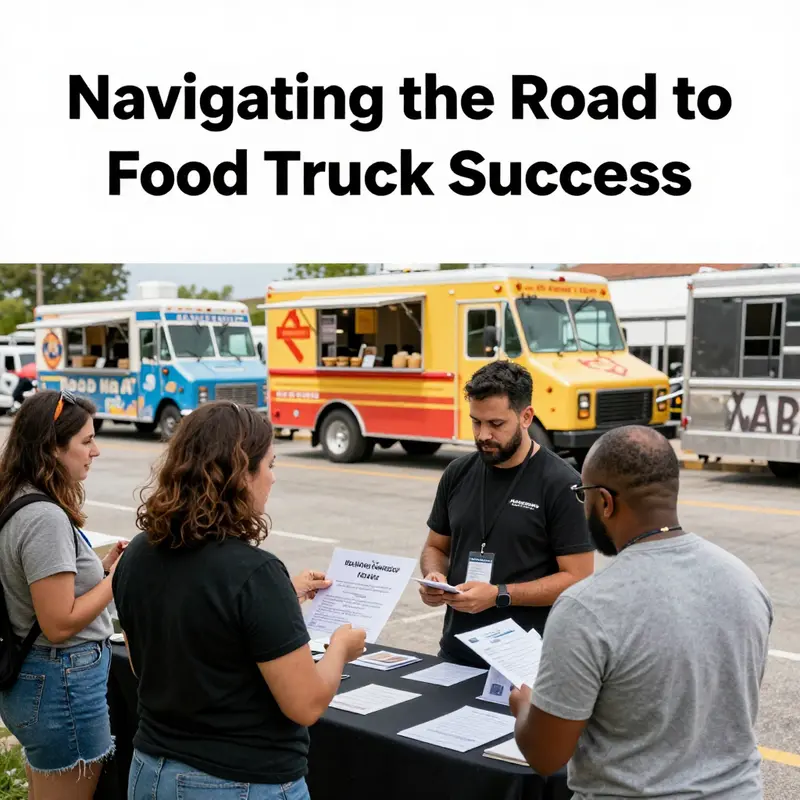
Across cities around the world, getting a food truck licensed is a staged process rather than a single hurdle. The key is to map out the required permits, prepare the documentation, and maintain compliance over time. Start with business registration, then move to a mobile vendor permit, followed by a health facility permit, and finally staff certifications and location permissions. A proactive approach, checking official portals, talking to local staff, and keeping organized records, reduces delays and keeps operations moving. This chapter outlines the typical permit sequence, the kinds of documents that regulators expect, and practical steps to assemble a clean, inspection-ready submission.
In practice, the core principle is simple: demonstrate safe, hygienic, and predictable operations. Build a kitchen layout that shows safe flow, proper handwashing stations, reliable refrigeration, and clear waste and drainage plans. Prepare personnel certifications and a site plan for your chosen operating location. Treat the permit process as an ongoing program rather than a one-off event: renew licenses on schedule, keep equipment calibrated, and maintain documentation so you can scale to more trucks or new sites without stalling.
Finally, engage with your local authorities early. Ask for templates, checklists, and examples from nearby operators. Use official channels as your north star, but also learn from the community of other food-truck operators who have navigated the same path. The outcome is a legally compliant, operational business that can roll to markets, events, and neighborhoods with confidence.
Kitchens on Wheels: Navigating Food Service Establishment Permits for Your Food Truck Venture
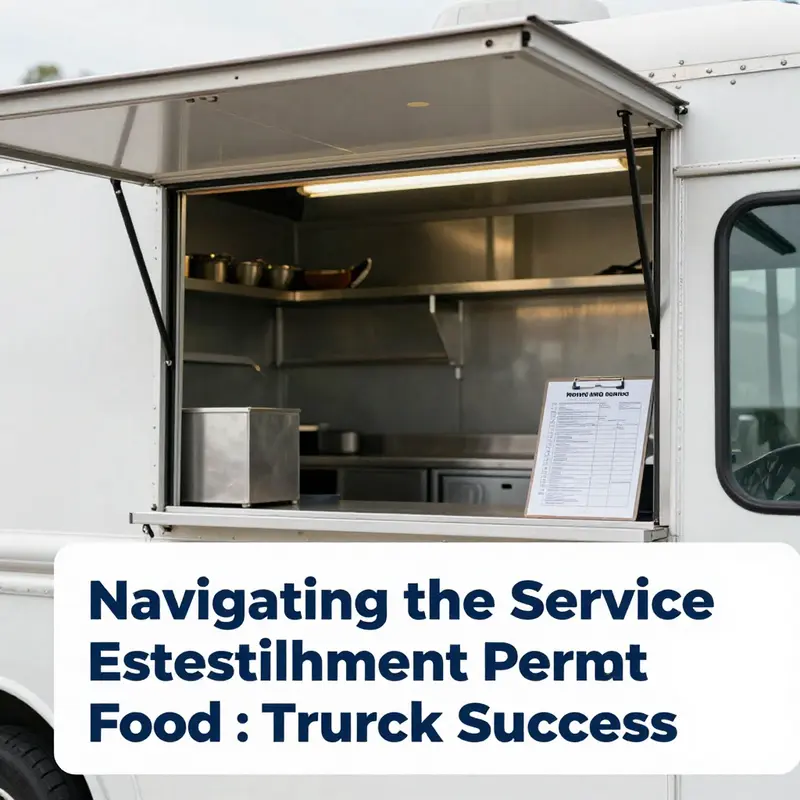
Starting a food truck business is an invitation to bring culinary ideas to streets, markets, and events. But every bite you serve relies on a framework of permits and licenses designed to protect public health, ensure safe operation, and set clear boundaries for where and when you can work. The path through this regulatory landscape is less about red tape and more about building a solid foundation. When you understand the logic behind each permit, the process becomes a series of checks that safeguard your venture, your customers, and your future growth. What follows is a cohesive view of how to approach the core permits that keep a food truck legally on the road, with attention to common threads across jurisdictions, the realities of different vehicle configurations, and the practical steps you can take to stay compliant without slowing down your momentum.
At the heart of most mobile food programs is the Mobile Food Vendor Permit. This credential is more than a badge; it is a recognition that your operation meets local health, safety, and business standards. In many places, obtaining this permit requires health department inspections, proof of business licensing, and evidence of liability insurance. The health inspection is not merely a one-off hurdle; it sets expectations for how you design the kitchen, store and transport perishables, wash hands, and separate raw from cooked foods. The inspection process often hinges on sharing a detailed layout of your truck that shows the workflow from receiving and storing ingredients to preparing and serving items. It is in this layout that you preempt gaps that could trigger violations during an on-site audit. A well-planned layout also guides your choice of equipment, from refrigeration units to handwashing stations, ensuring you can reliably meet sanitation standards without compromising speed or efficiency.
Beyond health, a robust permitting plan calls for formal business registration. You’ll typically be required to obtain either an individual business license or to form a legal entity such as an LLC. This step establishes your company in the eyes of the government and lays the groundwork for taxes, insurance, and any liability protections you may seek as you scale. When the city asks for your business description and identity documents, think of it as laying the legal tracks for a train that will run across city streets. Your business license is more than paperwork; it signals to customers, venues, and event organizers that you operate with accountability and a defined structure.
Your path will also intersect with zoning and parking rules. Zoning determines where a food truck may operate—some zones support constant street service, while others restrict activity to specific markets, events, or time-limited permits. The reality is that a successful fleet learns to navigate a mosaic of zones, each with its own expectations about proximity to schools, parks, or residential areas. Perimeters are enforced not to restrict flavor but to coordinate footfall, traffic, and safety. You may need a temporary use permit or a special parking authorization for a particular event or location. The penalties for noncompliance aren’t just fines; they can bar you from parks, plazas, or districts you had intended to serve. This is why early conversations with the city planning office, rather than later disagreements with inspectors, yield the smoothest path forward.
The vehicle you choose—van, trailer, or a traditional coffee cart converted into a mobile kitchen—also shapes permits and inspections. Vans, with their compact footprint, are often easier to park and transport, which can simplify the initial licensing process. They tend to be ideal for pilots, test concepts, or limited-volume operations. Yet their smaller interior can constrain building a kitchen that meets all sanitation and workflow requirements for more complex menus. Trailers, by contrast, offer greater interior space for careful workflow design. They enable more expansive prep areas, better storage, and more robust equipment layouts, which can translate into higher volume and broader menu options. However, trailers require additional considerations: a towing vehicle, trailer-specific registrations, and sometimes stricter safety inspections due to their larger size and more complex systems. The trade-off between vans and trailers is not simply about mobility; it is about how you balance your kitchen’s capability with the permits you must obtain and maintain. The takeaway is practical: align your vehicle choice with your long-term business plan, and anticipate the licensing implications from the outset so you aren’t surprised by new requirements as your operation scales.
Across cities, the core elements—health compliance, business licensing, and zoning alignment—tend to converge, though the specifics differ. Cities like Los Angeles and New York deploy dedicated mobile vendor programs that outline application steps, fees, and operational guidelines. That shared framework is a reminder that while the exact forms may vary, the underlying objective remains consistent: ensure food safety, regulate street-level commerce, and coordinate with other land uses. It’s helpful to view these programs as a map rather than a maze. When you know where to look and what to prepare, you can move with confidence from one permit to the next, knowing each piece builds toward a durable, compliant operation.
A key piece of readiness lies in documentation. Most jurisdictions require a detailed floor plan of your truck, showing the flow from receiving to serving, including the arrangement of refrigeration units, separate sinks for handwashing and cleaning, and buffer zones that prevent cross-contamination. You’ll need equipment proof—certifications for refrigeration, thermometer checks, and maintenance records that show your gear is up to the task. Sanitation practices aren’t abstract; they must be formalized into a written standard operating procedure that inspectors can review. And because customers interact with your brand in real time, the inspection process often looks for clear separation of raw and ready-to-eat foods, cleanable surfaces, and properly sealed food contact surfaces that resist corrosion and harbor fewer bacteria.
The workforce demands verification as well. Every person who handles food typically must carry a valid food handler’s certificate. These credentials demonstrate training in basic food safety, personal hygiene, and prevention of cross-contamination. In practice, this means scheduling time for your team to complete approved courses and maintaining records that you can present during inspections or when you apply for renewals. The logistics of staffing intersect with permitting; if you plan to hire part-time cooks or seasonal staff for festivals and markets, you’ll want a system that tracks certificates and ensures everyone on the truck meets the baseline requirements. The presence of trained staff becomes a component of the permit review itself, signaling to inspectors that your operation prioritizes safety at every step.
The journey to compliance is not a single event but an ongoing commitment. Permits aren’t a one-and-done hurdle; they require timely renewals, updated plans when you alter the kitchen or the menu, and periodic re-inspections if you make changes to equipment or layout. Fees vary by jurisdiction and permit type, and some locales impose additional charges for variability in operating locations, such as rainouts, special events, or high-traffic zones. You may also encounter requirements for proof of insurance beyond general liability, such as workers’ compensation coverage if you employ staff. These are not merely compliance costs; they are investments in the reliability and trustworthiness of your brand. A business that embraces this reality tends to secure better sites, more frequent opportunities, and a deeper sense of legitimacy among customers and partners.
To keep this journey manageable, view the permitting process as a series of connected steps rather than a mountain to conquer at once. Start with the basics: register your business and secure the primary health and licensing approvals that establish your right to operate. Build your truck’s layout with sanitation and safety as the guiding principles, anticipating the needs of a health inspector rather than reacting to a failing inspection. Develop a simple but robust food safety plan and train your team accordingly. When it comes to parking and locations, map out a plan for consistent venues and a separate plan for episodic events, understanding that some locations will require temporary use permits or event-specific approvals. And always stay in touch with official resources for the most current requirements. Regulations shift with policy changes and new public health guidance, so a habit of proactive checks saves both time and risk in the long run.
In practice, the permitting journey benefits from a mindset that blends foresight with flexibility. You may find yourself applying for permits in multiple jurisdictions if you plan to travel between counties or cities for markets. Each new venue can bring a distinct set of expectations, but the core principles—sanitation, safety, and proper licensing—remain consistent. This is where consulting official resources becomes invaluable. Local health departments, business licensing offices, and city planning agencies often provide online portals that streamline applications, track the status of your submissions, and share compliance checklists. A practical approach is to establish a single point of contact within your team who coordinates the documentation, coordinates between the truck’s design and the permit review, and monitors renewal dates. A well-structured process reduces the chance of delays and makes renewals a routine, not an emergency.
As you navigate this landscape, it is helpful to connect with communities that share similar markets and regulatory experiences. In the Latino food-truck community, for example, practitioners have highlighted the value of understanding local nuances and leveraging resources that address cultural and culinary authenticity while maintaining strict safety standards. For a broader perspective on legal considerations in Latino food-truck startups, see Legal considerations for Latino food-truck startups. This resource can provide context on how different jurisdictions balance culinary entrepreneurship with regulatory requirements and how best to prepare a robust permit package that respects both policy and pride in your cuisine.
Ultimately, the work you put into permits is an investment in trust. When customers walk up to your window, they are not just buying a meal; they’re buying confidence that what you serve meets clean standards, that you have the right to sell in that place, and that you’re part of a regulated, accountable system. Compliance signals professionalism and steadiness, two traits that recurring venues, event organizers, and repeat customers value. The better you understand the permit ecosystem, the more you can focus on the craft of your food and the experience of your service. The result is not simply a legal pass; it is a durable platform for growth, a reliable presence on the streets, and a brand that can scale across neighborhoods and seasons.
For practitioners who want a concrete example of how different jurisdictions frame the mobile vendor journey, consider the broader landscape described in city programs and regulatory guidance. The City of Los Angeles Mobile Vendor Program provides a structured approach to permits, inspections, and operations that illustrate how a large city coordinates health standards with street-level commerce. While every city has its own flavor of rules, the underlying logic—protect public health, regulate street commerce, and enable vibrant local economies—remains constant. As you build your plan, let these examples guide your expectations and inquiries, and let your progress be measured not by the speed of approvals alone, but by the steadiness of compliance and the quality of the food and service you bring to diners on the go.
External resource: City of Los Angeles Mobile Vendor Program. https://www.lacity.org/businesses/mobile-vendor
Guardians of the Kitchen on Wheels: Mastering Food Handler Permits and Health Certificates for Food Trucks
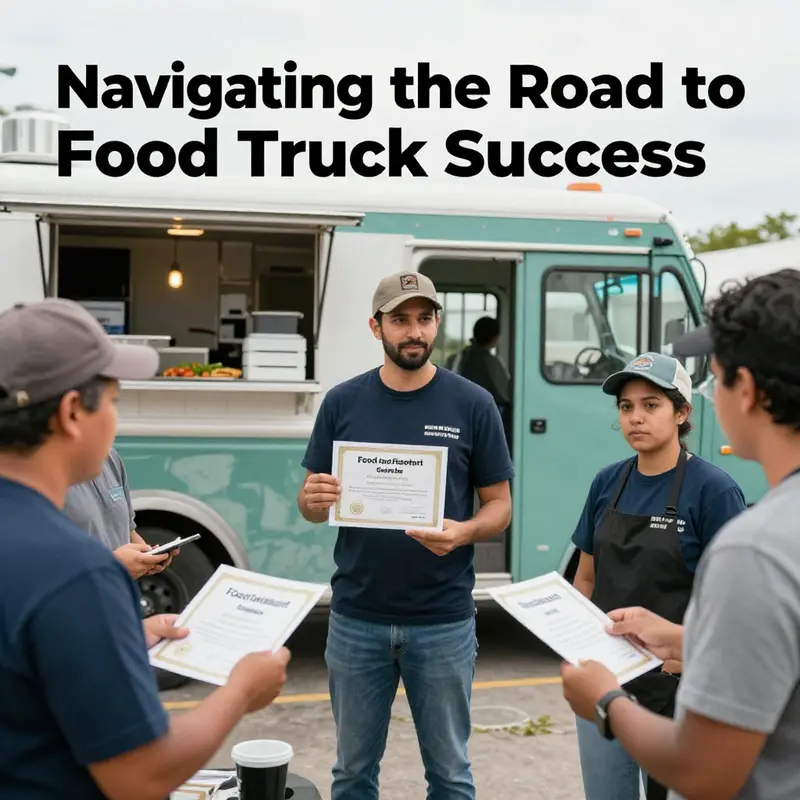
A food truck travels in two directions at once: it moves through neighborhoods and it moves through regulatory landscapes. On one side lies the thriving appetite of communities for diverse, convenient meals; on the other, the insistence of health authorities that food safety be non-negotiable. The food handler’s permit sits at the intersection of these forces. It is issued after a person completes a recognized food safety course, demonstrating a working knowledge of core practices: proper handwashing, avoiding cross-contact between allergen-containing ingredients, maintaining correct temperatures during storage and cooking, and recognizing when something might be going wrong with sanitation or cleanliness. For operators, the permit is a badge of credibility for every crew member who handles food, not just the person at the grill. It signals to customers and event organizers alike that the people serving food have received formal training and understand how to reduce risk on a mobile stage where conditions shift with every block.
Yet the permit is not a one-and-done achievement. In a food truck, the staff often rotate, the menus evolve, and the settings for preparation range from a rented commissary to a street corner under a vendor canopy. Because of that fluidity, jurisdictions require that the food handler’s permit remains current for all personnel involved in food handling. Renewal cycles exist because training must reflect evolving best practices, updated allergen lists, and the latest guidance on safer preparation, storage, and service. For the operator, this means building a simple but robust system to track who is certified, when certification expires, and what refreshers are due. A small, consistent habit—checking licenses at onboarding, logging expiries, and scheduling quick refresher sessions—can avert last-minute scrambling during peak seasons and crowded events.
Beyond the individual permit, the health certificate for the truck itself anchors a different layer of assurance. The health certificate is the vehicle’s passport, validating that the food truck, as a space, meets sanitation standards and operates in a manner compatible with public health codes. The inspection, usually conducted by a local health department or equivalent authority, examines critical aspects of the truck’s design and operation. Is there a properly installed handwashing station with hot and cold water? Are sinks, storage, and food preparation surfaces constructed of non-porous, easily cleanable materials? Is refrigeration adequate, with temperatures monitored and logs kept? Is waste water managed safely, and is pest control part of a broader sanitation plan? These questions, while technical in tone, translate into practical protections for customers and staff alike. The health certificate, often valid for a year, requires renewal and sometimes a re-inspection if equipment has changed or if there have been significant upgrades to the truck’s layout.
What happens if a truck operates without these assurances? The consequences are tangible. Fines can accumulate quickly, a health department might impose a temporary shutdown, or, in the worst case, the right to operate could be revoked. The reputational impact is equally meaningful. In a crowded market, operators with a clear record of compliance become preferred partners for events, markets, and landlords seeking trustworthy vendors. A single lapse—an expired permit, a missed handwashing station, or a refrigeration thermometer too often stuck in the wrong range—can ripple into a cascade of operational suspensions or vehicle-by-vehicle scrutiny. The way forward is proactive and proactive means preventive: a regime of training, documentation, routine equipment checks, and transparent recordkeeping that communicates to inspectors and customers alike that safety is the priority, not the afterthought.
To walk this path with confidence, operators begin by mapping the lifecycle of the permits and certificates to their daily routines. The food handler’s permit is anchored in people, not places, so onboarding and ongoing training become priorities. When a new crew member is hired, one of the first steps is ensuring their certificate is valid and that it covers the specific responsibilities they will undertake on the truck. If the operation uses a rotating team, a centralized repository of training records is invaluable. A monthly check of expiring certificates, paired with a clear protocol for issuing temporary coverage if a staff member’s permit is renewed, can prevent gaps that would otherwise disrupt service or trigger last-minute coordination challenges at event spaces.
The truck’s health certificate, by contrast, is anchored in the vehicle itself. Preparing for the inspection requires a careful, practical approach that blends both documentation and daily habits. The layout plan of the truck—which shows where food preparation happens, where cold and hot storage occur, where the handwashing station is located, and how waste and wastewater are managed—serves as a blueprint for the health inspector’s review. A well-prepared plan is not merely a drawing; it is a reflection of disciplined operations. It demonstrates how the team minimizes cross-contamination, ensures that foods requiring different temperatures do not cross paths, and maintains precise timelines for cooking, holding, and serving. The equipment list—refrigerators, freezers, hot-holding units, thermometers, sanitizer stations—needs to be up-to-date, calibrated, and documented with maintenance records. The sanitization schedule has to be observable and actionable: who cleans what, when, and with which products; how often surfaces are sanitized; and how waste is disposed of in compliance with local rules.
In daily practice, the interaction between the permit culture and the real world is where things either hold together or begin to fray. A crew that keeps a clean, accurate log of temperatures, a manager who conducts quick daily checks for cleanliness, and a system for reporting equipment issues promptly create a resilient operation. A truck that can demonstrate a consistent handwashing protocol, with a working soap dispenser, a reliable supply of potable water, and a clearly defined flow from receiving to storage to cooking to serving, stands a much higher chance of passing inspection with ease and avoiding disruptions caused by avoidable oversights. The goal is not to pass one inspection but to weave compliance into the routine so that health and safety become second nature to every person who steps behind the stove or behind a prep table.
An important, practical rhythm emerges when operators view these permits not as isolated hurdles but as ongoing commitments that align with broader business goals. Compliance becomes a competitive differentiator. A vendor who can publicly show that all staff are trained and certified, that the truck has a current health certificate, and that sanitary practices are visible through transparent recordkeeping earns trust with event organizers and customers. It also reduces the friction of future permit renewals because the business has established habits, routines, and a culture around safety. In many jurisdictions, inspections and renewals can be scheduled online, with reminders and access to digital records. The more the operator leverages these tools, the smoother the path becomes, especially during peak seasons when last-minute logistics can otherwise create bottlenecks.
All of this unfolds within the larger ecosystem of permits—the business license, the mobile food vendor license, and the various zoning and parking permits that govern where a truck can operate. The health certificate and the food handler’s permit interlock with these other requirements. For instance, if a venue or district imposes its own stipulations about vendor health standards or requires proof of insurance, those requirements synergize with the health certificate as part of a credible, compliant operation. One cannot detach the truck’s sanitary condition from its legal standing; they are part of the same chain that assures a safe, reliable experience for customers and organizers alike. This interconnectedness also becomes important when planning for growth. If a business contemplates expanding to multiple jurisdictions, understanding how each location administers food handler permits and health inspections becomes a strategic asset rather than a reactive burden.
The practical mechanics of obtaining and maintaining these certifications involve a blend of research, training, and record management. Start with the local health department or relevant authority to identify the specific courses eligible for the food handler’s permit in your area. Some regions require completion of a state-approved course, while others recognize local or city programs. The course will cover core topics—safe food handling, cross-contamination prevention, personal hygiene, cleaning and sanitizing, allergen awareness, and safe temperatures. After successful completion, the issuing agency provides a certificate that the worker must carry or, in some cases, simply keep on file with the business. It’s common for jurisdictions to require renewals every two to three years, with additional shorter refreshers on specific topics like allergen management if the menu evolves to include new items.
Simultaneously, prepare for the health certificate by coordinating with the health department to schedule an inspection of the truck itself. The inspector will review the vehicle’s physical condition, confirm the presence and functionality of the handwashing station, evaluate the cleanliness of surfaces, verify the integrity of refrigeration systems, and check waste management practices. They may request to see temperature logs, cleaning schedules, supplier invoices for approved materials, and evidence of pest control arrangements. The inspection is not a punitive exercise but a diagnostic one. Address any deficiencies promptly, rebuild the nitty-gritty details of the sanitation plan, recheck equipment readings, and request a re-inspection if needed. If the truck undergoes significant changes—new refrigeration units, a reconfigured kitchen layout, or a shift in water supply—another inspection or additional documentation often follows to confirm continued compliance.
Because the landscape is specific to each city, many operators find it helpful to study examples from peers. Reading about how other operators structure their training calendars, how they document temperatures, and how they keep track of permits can provide concrete, actionable ideas. A useful way to gain these insights without losing the thread of your own operation is to explore related narratives from the broader community of mobile food vendors. For instance, a mentor or a community blog may share practical checklists, simple templates for temperature logs, or tips on communicating with health inspectors. When you encounter a resource that resonates, you can incorporate the learnings into your own procedures, adapting them to your truck’s layout and your staff’s language needs. For a concise look at some of these practical considerations in a broader context, you can visit a community resource such as latinosfoodtrucks.net/blog-2/. This reference can provide a sense of how other operators have translated official requirements into workable routines on the ground. latinosfoodtrucks.net/blog-2/
A robust approach to compliance also means building redundancy into your processes. If a staff member’s food handler’s certificate is set to expire, there should be a responsible person who can assign coverage and ensure that service continuity is not disrupted. If there is a question about the truck’s sanitary condition between inspections, the team should have a quick-response plan: a temporary clean-up protocol, a check of critical control points, and a schedule for rechecking temperatures and cleaning logs. These measures are not about policing the team; they are about ensuring reliability so that customers experience consistent quality and safety, regardless of where the truck sets up for the day.
Communication with the health department is another pillar of success. Open channels reduce the friction of the process and demonstrate a commitment to public health. If a new menu item is introduced or a shift in operations occurs—for example, a change in where the truck prepares meals or how it sources ice or water—the operator should proactively inform the health department and request guidance on any necessary adjustments. Maintaining updated documentation is equally important. Digital manifests of permits, copies of the health certificate, logs of inspections, and training rosters all contribute to a transparent, auditable system that inspectors can review with ease. An organized file arrangement, whether physical or cloud-based, saves time during inspections and reduces the risk of non-compliance slipping through the cracks.
Finally, it is useful to consider the customer perspective. In a marketplace where customers increasingly value safety credentials, visible signs of compliance—such as a posted health certificate or a concise statement about staff training—can reassure patrons. When a customer looks at a menu and sees a stamp of cleanliness and a readiness to answer questions about food safety, trust is established. In this environment, a well-run permits-and-certificates program supports marketing as much as it supports compliance. It tells a story: we care about the people who eat our food, about the workers who prepare it, and about the neighborhoods we serve. This narrative is not a sentiment; it is a competitive advantage grounded in verifiable standards.
As you plan the next steps for your own operation, remember that every permit you secure and every certificate you renew is part of a broader commitment to consistent quality. The process may feel intricate at first, and the requirements will vary by location, but the payoff is straightforward: fewer operational hiccups, safer food, happier customers, and a business that can grow with confidence. For operators who want to connect the pieces—training, documentation, vehicle readiness, and ongoing communications with health authorities—this chapter should serve as a practical compass rather than a mere checklist. The goal is a seamless, auditable, and customer-centered operation that stands up to scrutiny and stands tall in the bustling world of mobile cuisine. If you want to see a concise example of how this approach translates into daily practice, explore how other operators discuss training and compliance in related resources, such as latinosfoodtrucks.net/blog-2/. latinosfoodtrucks.net/blog-2/
For those seeking official guidance beyond local pages and community anecdotes, the Centers for Disease Control and Prevention (CDC) offers foundational resources on food safety training that help shape robust internal programs. The CDC’s Food Handler Training materials provide a solid baseline of concepts that you can adapt to your jurisdiction’s specifics and your truck’s unique workflow. Access to these resources is a practical step toward elevating your team’s understanding of temperature control, cross-contamination prevention, personal hygiene, and allergen management—fundamental topics that anchor the permits-and-certificates framework in everyday practice. CDC: Food Handler Training
Final thoughts
Embarking on the journey to establish a food truck business is invigorating yet requires diligence and adherence to legal standards. By securing the necessary permits—from your business license to food handler certifications—you not only lay the groundwork for success but also ensure the safety and satisfaction of your customers. As you navigate these regulations, remember that each step reinforces your commitment to quality and compliance. Whether you’re a car modification enthusiast or a seasoned tuner, merging your passion with regulatory knowledge will put you on the fast track to thriving in the mobile food revolution.