
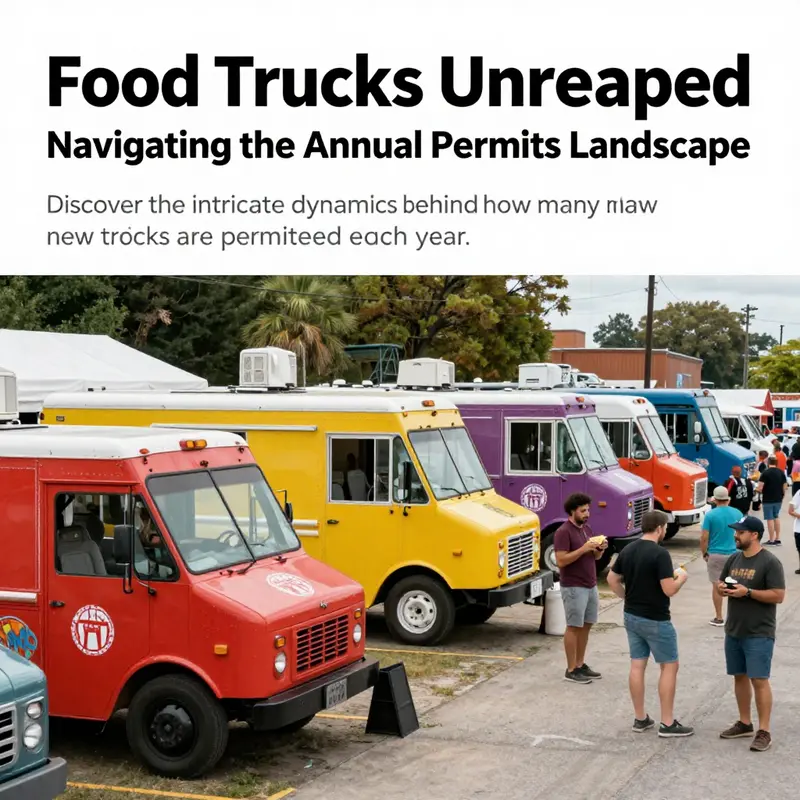
Every day, food trucks emerge as bustling culinary hotspots, yet their journey begins long before they serve their first dish. The annual permitting process is a complex dance dictated by several factors—local regulations, regional demand, public interests, and shifting legislative landscapes. Understanding how many new food trucks receive permits each year involves delving into these variables and recognizing how they shape the mobile food vendor industry. In this exploration, we dissect the various elements influencing permit numbers, examine regional variations, assess the impacts of consumer demand, and navigate the regulatory frameworks that govern these mobile kitchens. Each facet we explore contributes to a comprehensive understanding of this vibrant sector.
The Gatekeepers on the Street: Why Annual Permits for New Food Trucks Rise and Fall
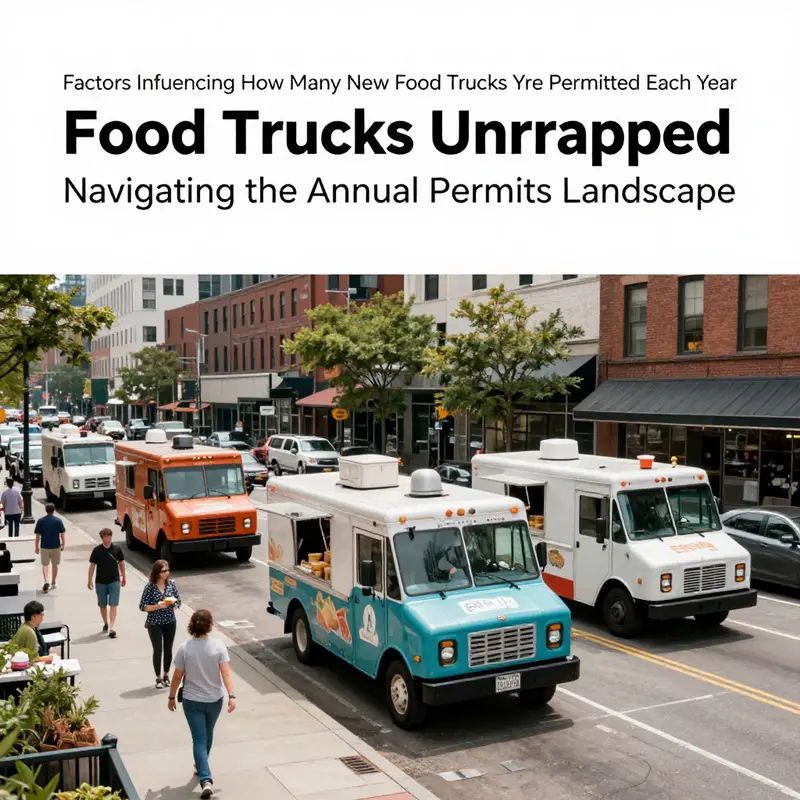
Across cities and countries, the march of new food trucks unfolds under a canopy of rules, markets, and street life that never moves in lockstep. There is no universal headcount of permits issued each year, because the right to operate a mobile kitchen is negotiated at the local level. Regulations shift with budget cycles, public health codes, and the evolving shape of city streets. The same city can welcome a fresh cohort of trucks one year and tighten access the next, simply by adjusting a cap, rewriting a zoning map, or reconfiguring the hours when sales can occur on the curb. For readers tracing the trajectory of how many new vendors appear annually, the pattern is less a straight line than a living ecosystem: it responds to space, policy, and the pulse of demand in ways that can surprise even seasoned operators. When you look at a single metropolis, you might see a handful of brand-new trucks one year and a wave of openings the next, or you might see a quiet year followed by a policy-driven expansion driven by a new market district. The only constant is variation, and that variation matters because it shapes both opportunity and competition on the street. In this sense, the question of annual permits becomes a lens for understanding how a city balances mobility, accessibility, and local flavor. The numbers, in other words, reflect more than arithmetic; they reveal the city’s priorities for street life, commerce, and community in a given season.\n\nRegulatory factors sit at the center of this dynamic. Local governments often impose caps on the total number of permits issued in a year to manage sidewalk congestion, to prevent a glut of vendors from overshadowing brick-and-mortar neighbors, and to maintain a predictable rhythm for enforcement and inspection. These caps can be explicit, written into licensing calendars with clear windows for applications, renewals, and lotteries, or they can emerge through policy signaling and budgetary constraints. In places where space is at a premium, the cap tends to be tighter, and competition for a slot is fierce. Conversely, cities with abundant street frontage, flexible curb regulations, and more permissive design standards may publish higher annual targets or even staggered openings that invite ongoing entrants. The practical upshot is that a city’s permit count is a deliberate instrument of urban management, used to balance the need for culinary variety with the public interest in safe, orderly streets. Applicants, therefore, learn to read not only the health and safety codes but also the drafting tables behind the scenes: the ways in which council members prefer to allocate curb space, the terms under which street vendors may operate near certain zones, and the thresholds that determine whether a new truck can land a location near a transit hub or in a bustling market district.\n\nZoning laws further complicate the annual tally. Where a city allows food trucks to operate in designated market zones, on certain streets, or only during special events, the geography of opportunity becomes a moving map. Zoning decisions often specify minimum distances from established restaurants or cap the number of permits within a single district, a strategy aimed at preserving neighborhood character while encouraging culinary experimentation. In practice, a permit may grant the right to work in a defined zone at certain hours, with limits on the number of trucks clustered around a given block or plaza. This keeps the street from turning into a carnival of competing vendors while still enabling entrepreneurship to thrive. When a city revises its zoning—perhaps to encourage small business districts, to expand entertainment corridors, or to support farmers’ market ecosystems—the annual number of new permits can shift in tandem. For operators, the lesson is simple and enduring: location, distance, and time are as consequential as the permit itself. A generous cap is not a guarantee of success if the chosen site is out of reach for customers or dwarfed by higher-profile competition; conversely, a tighter cap can still yield opportunity if the right block, the right hour, and the right foot traffic conditions align.\n\nEconomic forces exert pressure on permit numbers in both subtle and visible ways. Market demand is the most obvious driver: areas with dense foot traffic, bustling office districts, nightlife corridors, and popular event venues tend to attract more entrants because the revenue potential is higher. A handful of prime sites can justify a larger total pool of permits, as operators vie for space where customers are concentrated and predictable. Conversely, in neighborhoods where footfall is inconsistent or where rents rise sharply, planners may temper new access to protect the broader market from oversaturation. Cities that actively nurture local entrepreneurship through streamlined permitting, small-business support programs, or incubator initiatives often see a more vibrant influx of new trucks. The logic is straightforward: when the regulatory environment signals that starting a mobile food venture is feasible and affordable, more aspiring operators take the plunge, and the city benefits from renewed vibrancy and job creation. In these economies of opportunity, economic incentives—grants, tax credits, friendly licensing timelines, and even low-cost access to commercial-grade equipment—can tilt the scales toward more entrants. Yet the converse is true as well: if the permitting process becomes onerous, opaque, or slow, would-be operators pause or pivot to less regulated markets, and the annual permits may stagnate or shrink. The dynamic is less about a fixed ceiling and more about how welcoming the field is to newcomers who bring fresh ideas, cultural flavors, and labor into the local food economy.\n\nInfrastructure acts as the stage for these regulatory and economic dramas. The physical fabric of a city—its sidewalks, curb space, loading zones, and proximity to transit—shapes the attractiveness of particular permits and sites. A city with broad, well-designed pedestrian corridors, ample loading capacity, and dependable public transit makes it easier for customers to locate and reach a food truck. In such places, the operational realities align with the promise of a robust customer flow, which in turn makes more permits viable because vendors can move efficiently and serve a large audience without creating gridlock. Conversely, streets that lack sidewalks, have limited curb space, or suffer from unreliable parking arrangements pose challenges that dampen the appetite for new licenses. When a municipality invests in infrastructure—widening sidewalks, creating dedicated market blocks, improving street lighting, and coordinating with transit authorities—the result can be a more favorable environment for mobile vending. The connection between infrastructure and permit numbers is not a coincidence; it is a practical relationship that reflects how city planning translates into commercial viability. In short, the road network, the curb, and the neighborhood layout influence not only where a truck might plausibly operate but also how many such opportunities the city can absorb without compromising safety or accessibility.\n\nCulinary culture and the broader food scene complete the continuum. Cities with vibrant craft-food ecosystems, active farmers’ markets, and a tradition of supporting street-level experimentation tend to nurture higher annual permit activity. When a culinary culture highlights diversity and openness to new flavors, the market for food trucks grows correspondingly. A city that celebrates pop-up experiences and seasonal menus creates demand for mobile kitchens that can respond quickly to changing tastes and local partnerships. In this environment, permit counts move in sympathy with consumer enthusiasm and the appetite for variety. The same neighborhood that craves artisanal tacos or fusion bowls in a casual setting may also demand a rotating roster of vendors to keep the street experience dynamic. That kind of demand can justify more flexible licensing, provided the regulators can maintain safety, cleanliness, and accountability. The cycle is symbiotic: culinary vibrancy spurs more entrants, and more entrants expand the opportunities for culinary collaboration, community events, and cross-pollination with local producers. In practice, a city might see years where a wave of new trucks aligns with a revival of a district’s nightlife, followed by quieter periods as the market consolidates and operators mature. The takeaway is that flavor culture is not mere background; it is an engine that can elevate permit issuance when managed with thoughtful policy, transparent processes, and a willingness to adapt to the evolving food landscape.\n\nThe interplay among regulation, economics, infrastructure, and culture creates a complex, region-specific portrait of annual permit counts. A handful of cities publish explicit tallies, and those numbers can drift up or down with policy shifts. In the United States, for example, a city such as New York often issues a capped, competitive flow of new licenses—roughly in the low hundreds each year, but contingent on policy changes and street-space realities. In Canada, major municipalities may publish a set range, typically tens to low hundreds, depending on available licenses and the design of the licensing window. Across the European Union, there is no single rulebook; licensing tends to be handled at the regional level, with numbers varying widely from country to country and even within major cities. In all cases, the absence of a universal figure does not imply chaos; it reflects a careful calibration of safety, urban form, and social purpose. The numbers tell a story not of limits alone but of shared priorities: the city’s readiness to welcome new flavors, manage congestion, and invest in a street-level economy that both serves residents and enriches public life.\n\nFor readers who want to explore more about the non-regulatory dimensions of starting a Latino food truck venture, the landscape of legal considerations is a critical companion to the numbers. A practical overview of what operators face beyond the permit desk can be found in sources that discuss licensing, health codes, and business requirements—including detailed guidance such as legal considerations for Latino food truck startups. This resource helps contextualize how the permit environment interacts with other essential steps, from securing a commissary to meeting fire-safety standards, and from zoning compliance to labor and insurance needs. Though the precise steps vary by location, the underlying logic remains consistent: a successful entry into the mobile food market depends on aligning regulatory realities with financial plans, operational capabilities, and a clear understanding of the local audience. The chapter that follows will return to the broader question of growth and sustainability, tying the annual permit cadence to strategies for scale, partnerships with local producers, and the role of community engagement in shaping street food culture.\n\nExternal reading and context confirm that the factors shaping permit numbers are widely recognized in scholarship and practice. A scholarly examination of the determinants of food truck success confirms that regulatory, economic, and infrastructural conditions collectively drive how many new mobile vendors enter the market each year. Those insights illuminate why permit counts vary so dramatically across cities and why simple supply-and-demand calculations rarely capture the full picture. If you wish to delve deeper into the research, see the article that synthesizes these dynamics and offers a broader framework for understanding the success of food trucks in contemporary urban settings: https://www.sciencedirect.com/science/article/pii/S2352146524000789
The Annual Tally: How Local Rules Shape How Many Food Trucks Enter the Street Each Year
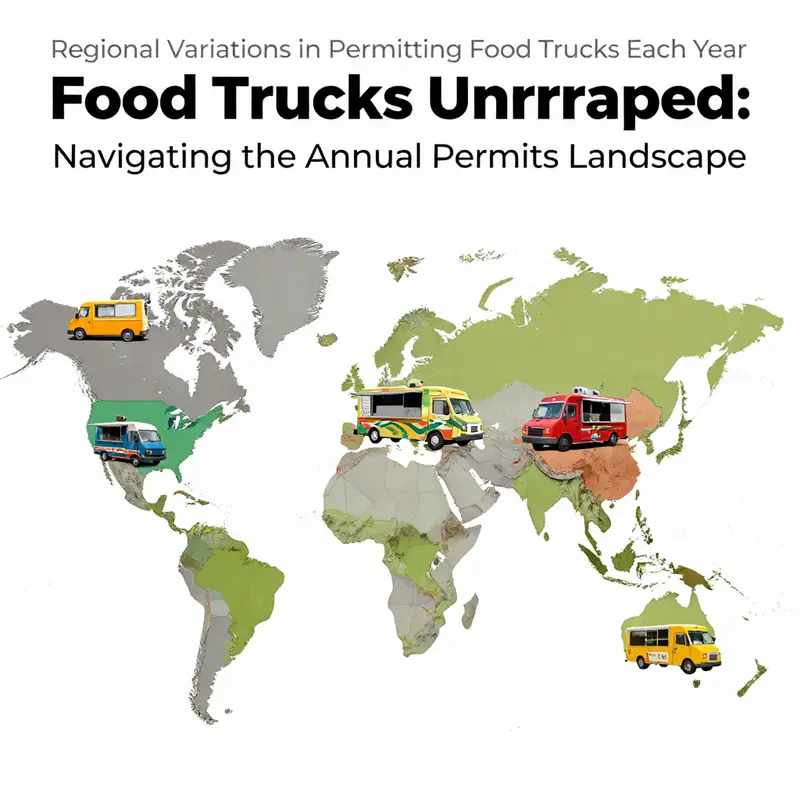
The central question driving this chapter is deceptively simple: how many new food trucks are permitted each year? The answer, however, is not a fixed number but a moving target that rides on the back of local policy, urban space, and public health frameworks. Across countries, states, cities, and even neighborhoods, the permission to operate a mobile kitchen unfolds through a delicate interplay of licensing capacity, zoning rules, and the availability of curb space. In practice, the yearly tally reflects this negotiation between the appetite for entrepreneurial opportunity and the ambition to manage street activity in a way that preserves safety, traffic flow, and neighborhood character. When we look at the numbers, we are not simply counting permits; we are reading the health codes, the parking inventories, the budget constraints, and the political will to pursue economic development through street commerce. The result is a landscape in which the annual count is best understood as a function of place, policy, and timing rather than a universal statistic.
In many liberal economies, the process begins with the issuance or allocation of permits, licenses, or registrations that authorize a vehicle to operate as a mobile food vendor. The scope of what counts as a permit can differ—some jurisdictions issue a limited pool of licenses in a closed-cycle system, while others run open enrollment with ongoing renewals. The key constraint is space. Street frontage, market hours, and the availability of safe loading zones all determine how many trucks can legally occupy a given corridor at a given time. When space is tight, authorities resort to lotteries, waitlists, or highly selective applications designed to screen for compliance with health, safety, and labor standards. In effect, the number of new entrants each year becomes a negotiated outcome rather than a predetermined quota. This is exactly why a city like New York may report a relatively small annual inflow of new permits despite a vibrant appetite for culinary entrepreneurship: the street grid has finite room, and the regulators balance access with the need to minimize congestion and ensure consistent inspection cycles.
To grasp the scope of variation, it helps to examine regional patterns. In the United States, large metropolitan centers often anchor the upper end of the spectrum for new permits, but even here the annual figure is not stable. NYC, for example, historically issues a handful of hundred new permits each year, with the exact count shifting as policy priorities change and public space strategies evolve. The city’s approach tends to reflect a broader philosophy: the city believes in controlled growth that protects pedestrians, ensures food safety, and preserves the character of dense, high-demand neighborhoods. Those conditions translate into a slower, more curated pace of new entrants rather than a rapid, open-ended expansion. Across the border in Canada, provinces and municipalities chart a different tempo. Toronto, for instance, has historically issued a few dozen to a few dozen more mobile vendor licenses each year, with the number hinging on the availability of designated zones, the capacity of inspection services, and the city’s broader economic development goals. In both jurisdictions, the range between permissive and restrictive is wide, and the yearly tally is a reflection of the city’s current priorities—whether it is spurring local entrepreneurship, promoting food diversity, or protecting existing brick-and-mortar restaurants from overcrowded streets.
In the European Union, the fragmentation of regulatory authority means there is no single model for annual permits. Licensing responsibilities are dispersed across national, regional, and municipal layers, and each region may maintain its own quotas, fee structures, and enforcement rhythms. One region may favor rapid onboarding of operators to stimulate tourism in transitional districts, while another may impose stricter background checks and higher fees to temper street activity during peak seasons. The result is a patchwork landscape in which the annual numbers can vary dramatically not just from country to country but from city to city. For researchers and entrepreneurs alike, this variability underscores a central point: if you want to estimate the likely number of new food trucks in a given year, you must start with the local regulatory rubric and then look for the outputs and updates that policy makers publish. When in doubt, consult the local health department or licensing authority’s official pages, which often post annual statistics alongside policy changes that shape the coming year.
The chapter you are reading notes a few concrete mechanisms that regularly shape annual permit counts. First, location strategy matters. Cities with a defined set of approved corridors or mercados typically issue licenses in clusters tied to those zones. If a neighborhood undergoes a rezoning or a street-scape transformation, the total number of permissible mobile units may rise or fall in tandem with the new design. Second, safety and health standards have teeth that influence the pace of new entrants. Areas with robust food-safety infrastructure—clear guidelines for cold holding, handwashing, waste disposal, and garbage management—tend to invite legitimate operators more readily, because the compliance burden is well understood and consistently enforced. Conversely, jurisdictions that tighten inspections or increase fees for permits can deter new entrants, particularly smaller vendors that operate on thin margins. Third, seasonal patterns can alter the annual tally. Some cities run seasonal permitting windows that ramp up during tourism peaks or festival seasons, then wind down in winter. Others maintain year-round licenses but grant temporary permits for events, farmers’ markets, or special neighborhoods. The practical effect is that a given calendar year may contain a surge in new trucks during a busy season, followed by a quiet spell when permits renew or when policy debates delay new issuances.
A useful microcosm of these dynamics can be found in a city that has invested in clear guidance for vendors. San Diego, for example, maintains detailed, user-friendly guides that walk prospective operators through the steps—requirements for food safety certification, location restrictions, and operational hours. Importantly, the guides are not static; they are updated yearly to reflect new policies or enforcement practices. The story here is not merely about the checklist but about transparency and predictability. When vendors understand the rules ahead of time, they can plan for permit cycles, prepare for inspections, and align their business models with the city’s expectations. This transparency, in turn, affects the number of new entrants each year: if the process feels navigable and fair, more aspiring operators will enter the market; if the process feels opaque or capricious, potential entrants may delay or abandon plans. In this sense, the yearly tally becomes a proxy for regulatory clarity as much as for spatial capacity.
The variation across regions is not just a mechanical outcome of doors opening and closing. It also reflects competing objectives at the municipal level. Some cities emphasize diversification and cultural representation, encouraging a broad range of cuisines and neighborhoods to host mobile vendors. Others prioritize the stability of existing small businesses and the avoidance of street-level congestion, which can lead to more restrictive permit regimes or longer wait times for new licenses. The result is that the same economic impulse—bringing fresh food and culinary ideas to the street—can encounter very different regulatory ecosystems. For Latino and immigrant culinary entrepreneurs in particular, these differences matter deeply. In some markets, the path to operating a truck may be clear and well-lit, with a predictable renewal cycle and access to guidance programs that help with health compliance and business basics. In others, the path can be longer, more uncertain, and dependent on a complex set of local relationships, incentives, and policy shifts.
One takeaway from observing these patterns is that the annual permit count is most meaningful when read as part of a broader ecosystem. It signals not only opportunity but also the capacity of the city to manage street food in a way that aligns with public health, traffic management, and neighborhood vitality. It signals the city’s willingness to use licensure as a lever for equitable access, to support small business growth, and to harness the economic and cultural value that mobile food vendors bring to urban life. Operators who study these signals learn to time their launches around anticipated policy changes, zoning modifications, or seasonal programs. They also learn to build relationships with the agencies that issue permits, recognizing that the numbers are as much about governance as they are about appetite.
Readers who want to see this interplay in action can explore how regional frameworks influence the cadence of new permits and how those cadences play out in different urban landscapes. For those tracking Latino food trucks in particular, the landscape offers a rich geography of opportunity and constraint. A city with strong guidance and a relatively straightforward permitting path can become a magnet for diverse Latino flavors, enabling vendors to scale from a single truck to a fleet that serves multiple neighborhoods, festivals, and events. In contrast, a city that grapples with crowded streets and enforcement concerns may censor growth, even when demand remains high. The tension between demand and regulation is not inherently zero-sum. When done well, permitting policies can expand the number of compliant, high-quality operators while maintaining a safe, vibrant street food environment that benefits residents and visitors alike. That balance is the art of urban policy at its finest.
To illustrate how these dynamics write themselves into the lived experience of vendors, one can imagine a vendor preparing to launch in a city where permits are allocated through a lottery tied to designated zones. The vendor may invest in a health course, secure a dependable supply chain, and map routes that align with event calendars. If the lottery yields a chosen slot near a bustling corridor, the potential for early revenue is high, but so too is the pressure to maintain consistent quality, to comply with evolving health codes, and to sustain long hours in crowded conditions. If, on the other hand, the license comes through a longer waitlist, the vendor may delay the launch and reallocate capital toward marketing, fire safety upgrades, or collaborations with local event organizers. Across the year, the number of new trucks that finally take the street reflects not only the appetite of entrepreneurs but the capacity of city systems to translate that appetite into approved, safe, and sustainable operations. This is why even a seemingly straightforward question—the annual number of new food trucks—unfolds as a narrative about governance, space, and community-building as much as entrepreneurship.
Within this narrative, there is a place for the broader regional context and the specific experiences of immigrant and Latino culinary entrepreneurs who often navigate multilingual markets, limited capital, and the need to build community ties. The ease or difficulty with which new trucks enter the street can influence who is able to participate and where they are able to operate. In some locales, the permit system may actively encourage minority-owned enterprises by offering priority access to licenses in certain districts or by providing technical support through city-sponsored programs. In others, the barriers may be higher and less transparent, requiring larger upfront investments in equipment, certifications, or payroll capacity. The chapter emphasizes that the yearly tally is not a neutral number; it is a reflection of how cities choose to balance growth with order, cultural representation with safety, and innovation with accountability.
This is not to say that the counts capture every nuance of street food life. They do not. They contain a snapshot of formal permission—the visible part of an ecosystem that also includes sidewalk maintenance, vending hours, and the informal networks through which operators learn to navigate the system. Still, the annual permit count matters, because it shapes the size and speed of emergence for new trucks. It influences how families decide to invest in a mobile business, how neighborhoods perceive the arrival of street food, and how local economies can reflect the culinary diversity of a city. When a region publishes a clear, consistent framework for permits, the result is a healthier, more predictable environment that invites careful planning and sustainable growth. When the framework is opaque or capricious, the opposite occurs: uncertainty dampens investment, and many capable operators may wait in the wings instead of leaping onto the street.
For readers who want a more tangible sense of how these processes play out in practice, consider how regional variations accumulate into a mosaic of outcomes. The same year may witness a flurry of new trucks in one city, while a neighboring jurisdiction experiences a quiet cycle due to a new zoning reform or a delayed permit renewal. Vendors learn to read these cycles, adjusting their timelines, choosing the festivals they pursue, and aligning with municipal priorities that change from year to year. In the end, the annual tally serves as a barometer of urban policy as much as market demand. It tells a story about how cities steward public space, protect health, and cultivate entrepreneurship in ways that reflect local values and priorities.
If you are seeking a concrete portal into how one city communicates its permitting regime and updates its rules annually, you can explore regional resources that illustrate the practical side of these processes. For those curious about how this plays out specifically in Latino food truck scenes, there is value in examining major urban markets through the lens of the local regulations, the available zones, and the support programs that accompany licensure. This chapter has laid out the framework for understanding the annual counts, but the actual numbers will always be anchored in the place you are examining. To further explore how this unfolds in larger urban contexts and in different neighborhoods, you can consult sector-focused resources that provide in-depth guidance for vendors navigating the licensing maze in major cities. Latinos in mobile cuisine often use these channels to align with local health departments and business support networks, making the yearly tally a collaborative, rather than adversarial, process between vendors and regulators. Readers interested in more granular regional exploration can follow the linked insights about major city landscapes and the role of regulatory bodies in shaping entry opportunities.
To connect the discussion with practical, location-specific perspectives, observe how a city’s decision to implement seasonal permitting or to expand the footprint of approved vendor zones can shift the annual inflow. If a jurisdiction adds more curbside slots in a certain district to accommodate food trucks during summer events, the count for that year may rise, even as the broader regulatory framework remains conservative. Conversely, if new safety standards impose stricter compliance costs, aspiring operators may decide to delay entry, and the count could dip in the short term. These fluctuations matter because they reveal not only market dynamics but governance choices in action. For students of urban policy and for entrepreneurs planning a mobile food venture, the message is clear: track the regulatory signals as diligently as you track customer demand. The numbers are a lens on how a city wants its streets to look, sound, and feel, and that vision evolves with every policy review cycle.
For those who want a direct route into the topic, explore regional patterns in more depth by examining city-by-city summaries and official dashboards that publish permit issuance figures and renewal rates. In urban research and policy practice, these dashboards are used to gauge not only growth but also inclusivity and access. The annual tally, when read across multiple years, can reveal trends in how a city negotiates space for new operators while preserving the safety and order that residents expect. It is through this long view that we can move beyond a single number and toward a nuanced understanding of what it means for a neighborhood to welcome a new food truck, how regulations shape the culinary landscape, and how the entrepreneurial spirit of local vendors—many of whom belong to immigrant communities—finds a fair and workable path to the street.
If the reader seeks more practical, on-the-ground context about how permitting frameworks differ regionally and change over time, consider consulting guides produced by local authorities and public health departments. The City of San Diego’s comprehensive approach to food-truck regulation offers a useful template for how a city can communicate expectations, publish annual updates, and support vendors through the licensing process. This approach illustrates how a well-structured permitting framework can harmonize safety with opportunity, helping operators understand what is required each year and how those requirements may shift as policies evolve. For a broader regulatory overview, see the City of San Diego’s practical guide to food trucks: https://www.sandiego.gov/business/food-trucks. In addition, readers may find it helpful to review peer resources that illuminate how different regions manage the balancing act between street mobility and community well-being. For related insights into the regional dynamics of Latino food trucks and their growth in major urban centers, you can also explore this context through focused profiles and analyses available in dedicated industry writings, which offer real-world examples of how the yearly permit counts influence business trajectories and neighborhood food ecosystems.
For easy, targeted reading that connects to the themes explored above, consider exploring a regional perspective on Latino food trucks in major cities. This resource helps illuminate how permit policies, location choices, and cultural entrepreneurship converge in dense urban markets and how communities leverage mobile food to reflect their evolving culinary identities. Readers who want a deeper dive can start with this broader lens on how regional regulations shape annual permit counts, then trace the parallels and differences across other locales. The bottom line remains consistent: the number of new food trucks admitted each year is a tangible indicator of how smart, fair, and forward-looking a city’s approach to street food can be.
Internal link for further context: Latino Food Trucks Major Cities
External resource: For a broader regulatory overview, see the City of San Diego’s food-truck guide: https://www.sandiego.gov/business/food-trucks
Demand-Driven Permits: How Local Appetite Shapes the Annual Pace of New Food Trucks
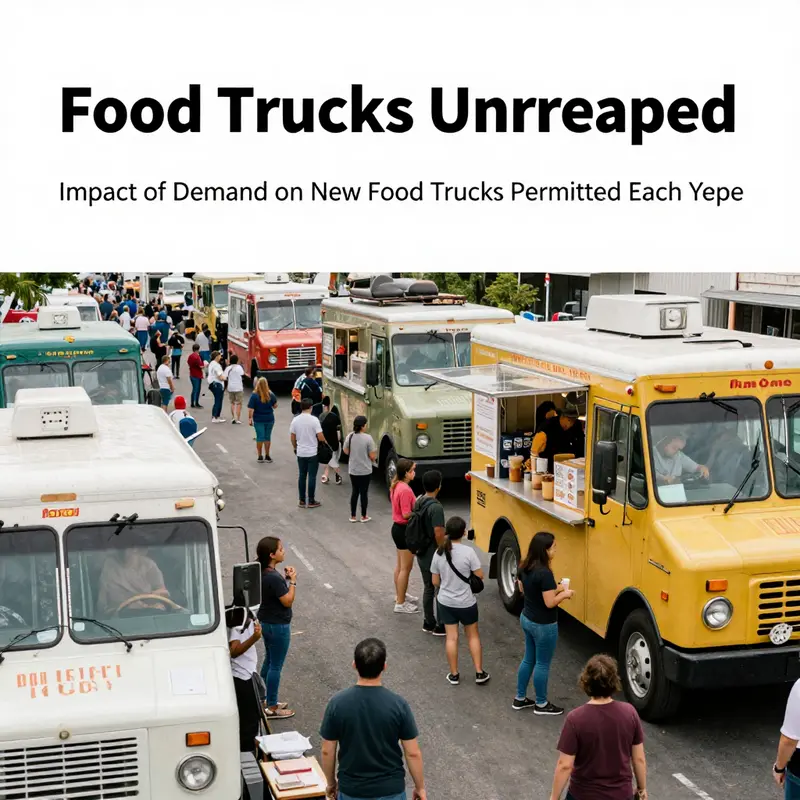
Across the world, there is no universal cap on new food trucks. The right to operate a mobile kitchen is a local decision, tightly braided with street space, health rules, zoning codes, and the city’s appetite for change. Because regulatory environments differ so dramatically, the number of permits issued each year is not a global statistic but a mosaic of regional choices. The chapter that follows grounds this mosaic in a simple premise: demand reshapes supply, and supply, in turn, shapes opportunity for aspiring vendors. The numbers, in other words, are not purely about the desire to eat on the go; they reflect a city’s management of space, safety, and livability alongside entrepreneurial energy.
In the United States, the picture varies, but a few urban centers stand out for the tension between demand and space. New York City, a classic case study in urban mobile vending, issues a limited number of food truck permits each year. The exact figure shifts with policy tweaks and market conditions, but the range often cited by regulators and industry observers is roughly 100 to 200 new permits annually. This scarcity is not simply a reflection of bureaucratic inertia; it is a deliberate response to crowded streets, competing uses for curb space, and the need to manage pedestrian flow and safety in dense neighborhoods. The result is a process that can feel almost ceremonial: an annual cycle of applications, lotteries, and sometimes stand-alone designations for specific districts or times of day. The core logic is to balance the public realm’s capacity with the growing interest from vendors and diners alike.
Just across the border in Canada, the setup changes pace and scale, but the logic remains familiar: permits or licenses for mobile food vendors are issued by municipalities within the framework of provincial or territorial guidelines. In large metropolitan hubs like Toronto, the annual total typically lands in the range of fifty to a hundred licenses for mobile food vendors, with that number fluctuating by year and by district. The variability can be linked to factors such as the introduction of new licensing streams, the renegotiation of street-use rules, or shifts in municipal priorities—each change nudging the yearly cap up or down in subtle or sometimes dramatic ways. The essential point remains clear: when public space becomes a scarce commodity, regulators calibrate the number of new entrants to preserve accessibility for customers, manage congestion, and keep the playing field fair for existing operators.
In the European Union, the licensing landscape is even more variegated. There is no centralized EU framework governing how many new food trucks may operate annually. Instead, licensing is handled at the national, regional, or municipal level, and the rules vary not only in how permits are issued but in the timing and criteria used to grant them. In this sense, the annual count becomes a function of local design: how aggressively a city wants to expand food culture and how much curbside space it is prepared to allocate for mobile dining. The upshot is that an aspiring vendor in one city might encounter a straightforward, transparent pathway to a few licenses, while in another city the same person could face a more competitive, opaque process. In both cases, the central driver remains demand—how many people want convenient, affordable, diverse meals in public spaces—and how city governments translate that appetite into a regulated reality.
The broader picture, however, is not simply about where permits are issued. It is about how demand shapes regulatory response and how that response, in turn, reshapes the market for new entrants. The research track behind this chapter points to a set of interlocking dynamics that help explain the observed rhythm of permit issuance. First, consumer preferences have shifted toward more convenient, affordable, and varied dining options. This is especially true in dense urban cores and during events that concentrate foot traffic. When diners flock to pop-up meals, regulators notice visible demand: lines at lunchtime, long waits for traditional sit-down dining, and a palpable hunger for new flavors. Mobile vendors respond to this signal by expanding the opportunity for new permits and aligning licensing processes with market realities. The correlation is not automatic or uniform, but it is persistent enough to shape policy debates and annual quotas in many cities.
Second, governments frequently respond to rising demand with measured flexibility. Rather than expanding permits across the board, regulators often experiment with targeted programs to expand capacity where it matters most—near major transit hubs, near campuses, or in neighborhoods experiencing economic vibrancy. Some cities have introduced pilot programs, seasonal permits, or time-bound licenses designed to test whether more vendors can be accommodated without sacrificing safety, sanitation, or crowd management. In effect, the permit count becomes a policy instrument, a tool to calibrate urban vitality while preserving order.
Third, market growth signals another layer of influence. The global food truck market has been projected to grow at roughly 6.8 percent CAGR through 2035. This anticipatory growth feeds into municipal deliberations in two ways. On one hand, local authorities anticipate that more entrants will bring broader consumer choice and increased downtown activity, which can justify expanding the licensing envelope. On the other hand, growth signals also prompt caution: if space, infrastructure, and enforcement frameworks do not keep pace, cities risk creating bottlenecks that hinder safe operation and fair competition. The balance between expansion and restraint is a delicate one, guided by the city’s capacity to manage the externalities that accompany rapid market growth—parking, sanitation, noise, waste, and the equitable distribution of opportunities across neighborhoods.
City characteristics themselves matter. Places with high foot traffic and a demonstrated public interest in street food are more likely to streamline permitting and, in some cases, raise quotas to welcome new entrants. The logic is simple: more people on the streets equates to greater potential demand for mobile food options, which in turn justifies a more permissive stance toward new licenses. Conversely, in markets that feel saturated or where infrastructure is insufficient to support more trucks, regulators may push back against new entrants to preserve the integrity of existing operations and ensure a level playing field. The chapter’s results point to a nuanced, context-dependent policy landscape where demand is a necessary, but not sole, determinant of permit counts.
This nuanced interplay is not merely a theoretical construct. It translates into concrete experiences for would-be operators and current players. Where demand remains robust, the permit process tightens only to the extent that space and safety considerations can be co-managed with the influx of new vendors. In places experiencing slower growth, authorities might rely on targeted licenses and strategic placement to maintain mobility without causing gridlock. In either case, the underlying aim is pragmatic: let good ideas reach customers while preserving the city’s ability to govern the street as a shared resource.
The result is a dynamic landscape in which the annual pace of new food truck permits reflects a constant negotiation among demand, space, policy, and enforcement. Regulators aim to be responsive, not reactionary. They watch for shifts in consumer behavior, supply chain pressures, and the evolving profile of the street-food scene. They adjust license caps and application rules in ways that can surprise applicants who expected a fixed quota year after year. Yet the recurring pattern is clear: permit numbers rise when demand grows and space is available, and they pause or taper when crowds outstrip infrastructure or when competition among operators becomes untenable.
For readers seeking actionable insight into the regulatory dimension of this topic, a useful frame is the balance between encouraging entrepreneurship and maintaining urban order. Licensing offices typically weigh several factors: curb space allocation, the capacity of adjacent sanitation and waste systems, accessibility for customers with disabilities, and the impact on neighboring businesses. They also consider the diversity of offerings and the cultural value a vibrant street-food ecosystem adds to a neighborhood. In this light, the annual count of new permits becomes a reflection of not just market interest but the city’s capacity to steward a growing, diverse, and safe food culture on its streets. It is this stewardship that explains why a city might levy a lottery or a points-based selection process, or why it might reserve certain blocks for seasonal or event-driven vendors. The regulatory playbook is as much about urban management as it is about culinary entrepreneurship.
For those navigating this terrain, one navigational touchstone is the idea that licensing outcomes are most intelligible when viewed through the lens of local demand dynamics rather than through global generalizations. A city with a sustained uptick in lunchtime foot traffic, aided by nearby office development and pedestrian-friendly streets, is more likely to expand permit quotas gradually. A city facing chronic congestion, limited parking, or concerns about waste management may maintain tighter caps even as consumer demand remains strong. This is the core premise the data support: demand informs policy, policy shapes permit counts, and permit counts, in turn, shape the opportunities available to new entrants.
In practice, this means that someone contemplating a future in the food truck arena should begin with a local demand audit. How many people pass through target neighborhoods at peak times? What are the public health and zoning constraints? How have permit counts changed over recent years, and what policy reforms are on the horizon? Understanding these local conditions helps a would-be operator anticipate the pace at which new trucks might join the lineup, and it clarifies the types of competition and collaboration that typically emerge as a city’s mobile food ecosystem evolves.
Another practical takeaway emerges from the broader regulatory ecosystem: the permit count is not destiny. It is a policy instrument that can be adjusted through transparent, accountable processes. Community involvement, data-driven assessments, and clear criteria for license allocation can help ensure that increases in permit numbers translate into healthier street ecosystems. When demand is high, and space allows, open, well-publicized application windows paired with robust safety and sanitation standards can yield a thriving, diverse fleet. When space is tight, targeted licensing and thoughtful zoning protections can prevent crowding and maintain a high standard of vendor performance.
From a readers’ vantage point, the discussion should evoke a sense of the city as co-author of its street-food story. The permits, while crucial, are not merely administrative digits; they signal a city’s priorities, its willingness to experiment with new micro-economies, and its commitment to balancing commerce with public space. The narrative of demand and permits is thus a narrative of urban life itself—an ongoing negotiation between appetite and infrastructure, between ambition and governance, between flavor and street safety.
If you want to explore related regulatory considerations further, a deeper dive into the practicalities that firms face when entering this space can be found in discussions about regulatory frameworks and licensing pathways that many communities consider when expanding or adjusting permit caps. See the discussion on licensing and entrepreneurship in the resource focused on legal considerations for Latino food truck startups, which offers context on how licensing processes can influence the pace at which new trucks enter the market. Legal considerations for Latino food truck startups.
Looking ahead, the enduring takeaway is that the cadence of new food trucks is not a fixed clock but a responsive dial. It moves with the metronome of consumer demand, urban design, and municipal policy. For policymakers and entrepreneurs alike, the challenge is to align the tempo of permit issuance with the city’s capacity to support safe, vibrant, and inclusive street cuisine. When done well, the result is a street food ecosystem that grows with the community it serves, inviting more voices to the curb and more plates to the table without compromising public goods. When done poorly, growth can outpace infrastructure, and crowded streets can become a barrier to the very charm that mobile food offers.
External resources can provide a broader market lens on this topic. For a comprehensive industry perspective on growth drivers and regional dynamics that influence the tempo of permits, see the report on Food Trucks Market: Industry Trend & Regional Analysis to 2035: https://www.researchandmarkets.com/reports/6472913/food-trucks-market-industry-trend-regional-analysis-to-2035
The Permitting Puzzle: How Local Rules Shape Annual Food Truck Permits
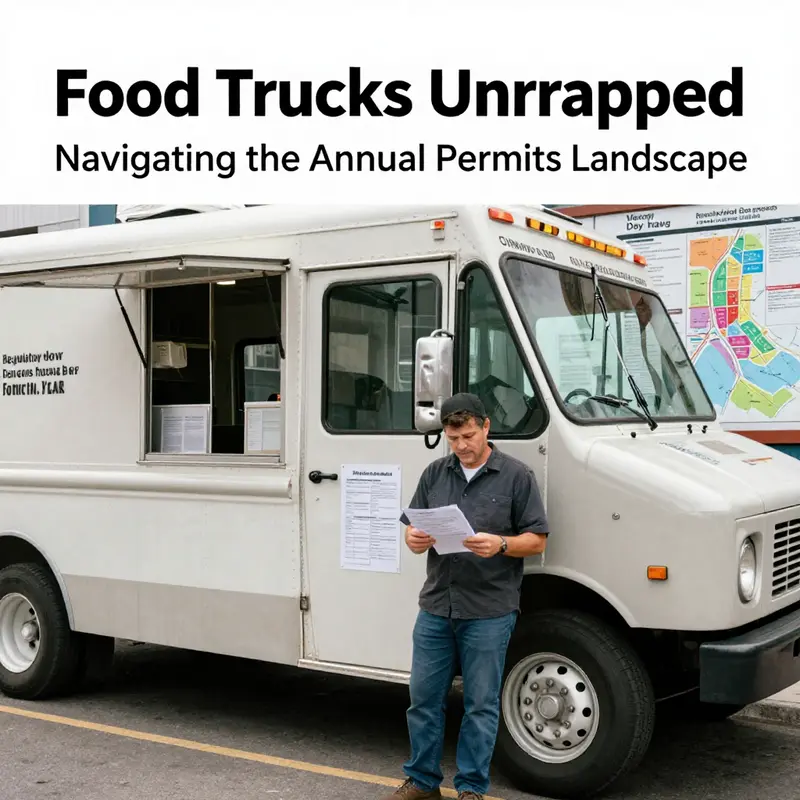
Across cities there is no universal cap on annual food-truck permits. Local zoning, health rules, street space, and political priorities shape how many new licenses are issued each year. The numbers depend on a mosaic of local choices rather than a single global standard.
In large cities such as New York, new mobile vendor permits are often limited and allocated through lotteries, application rounds, or district quotas. The annual tally tends to vary, typically remaining in the low hundreds depending on street occupancy limits, permit renewals, and policy shifts.
In Canada and Europe, licensing approaches differ by city and country. Some places maintain steady inflows of new vendors, while others constrain growth with stricter site permissions, health checks, or seasonal windows. There is no EU-wide quota; outcomes are driven by local rules.
For readers seeking precise numbers, the best sources are official city or provincial licensing offices, health departments, and annual permit tallies published in government reports.
Ultimately, permit counts are a reflection of policy choices about public space, safety, and entrepreneurial opportunity. The annual intake of new licenses is not a universal statistic but a local, dynamic indicator of how a city balances livability with vibrant street food culture.
Final thoughts
Navigating the complex landscape of food truck permitting reveals a multifaceted interplay between local regulations, consumer demand, and varied regional processes. While food trucks provide an exciting culinary experience, their ability to thrive is deeply influenced by the systems of governance set in place. Understanding these dynamics not only fosters an appreciation for the food truck industry but also highlights the importance of proactive engagement with local regulations and community expectations. Ultimately, staying informed enables aspiring food truck entrepreneurs and enthusiasts to appreciate the journey of each truck from application to serving delicious meals.