
For hobbyist car modifiers and professional tuners, establishing a food truck can be an exhilarating venture that merges passion and entrepreneurship. Just as customizing a vehicle requires innovation and a keen strategy, so does hitting the streets with gourmet offerings. This guide dives into creating a standout food truck business, focusing on crafting a unique concept, mastering prime locations for success, and maintaining top-notch food quality while adhering to legal standards. Get ready to shift gears from car culture to culinary artistry!
Steering to Success: Crafting a Distinct, Market-Driven Concept for Your Food Truck
A successful food truck starts with a clear, compelling concept that travels as smoothly as the vehicle itself. The concept is not merely a theme pasted onto a menu; it is a living proposition that informs every decision from recipe development to location scouting, branding, and customer engagement. When a concept is well defined, it acts as a compass for choosing what to serve, where to park, how to price, and how to tell your story in a way that resonates with a specific audience. Without that compass, momentum can stall as you chase trends or patch together a menu that pleases no single group. The act of crafting a concept invites you to translate ambition into measurable, practical choices rather than vague ambitions that drift with the weather and the mood of the day.
The heart of a strong concept is a clearly defined cuisine or theme that can be understood at a glance and tasted in a bite. That might be a craft-focused cuisine—gourmet tacos that pair unexpected textures with bold, seasonal ingredients; plant-based comfort eats that honor familiar flavors while inviting new followers; or a lineage-inspired street food concept that celebrates a region’s flavors as much as its spices. The key is not only what you cook but how you frame it. A concept with a strong narrative helps a customer decide quickly to choose you over a competitor who offers similar dishes. It creates anticipation for what’s next, because people want to be part of a story they can tell to friends. In practice, this means translating the concept into a menu that is both distinctive and deliverable on the road. It means designing dishes that can be prepared consistently in a small, mobile kitchen, with flavors that hold up across shifting environments, from a crowded festival lot to a corporate campus during lunch rush.
To render a concept into something tangible, conduct thoughtful market research that reveals local tastes, gaps, and opportunities. It is tempting to assume a trend will travel, but success often comes from understanding the specific appetite of the neighborhood you plan to serve. Mapping the competition helps you see what’s already offered and where you can stand apart. This does not mean blindly chasing niches; it means discovering a connection point between your strengths and the community’s desires. Some markets crave bold, comfort-forward flavors with a twist; others respond to lighter, nutrient-dense options that still feel indulgent. The idea is not to copy someone else’s concept but to interpret it through your lens—what you can do exceptionally well and what you can sustain with high quality, reliable sourcing, and efficient operations. In many cases, the best concepts come from owners who have spent time in the kitchens, markets, or communities they aim to serve. Their hands-on experience becomes the ballast that keeps the concept steady when winds shift.
The concept also functions as a unique selling proposition, a clear statement of what makes your truck different and worth choosing in a crowded food scene. Your USP can hinge on ingredients, sourcing, technique, or experience. It might be a commitment to hyper-local, seasonal ingredients sourced from nearby farms; it could be a signature cooking method that delivers a texture or aroma customers cannot find elsewhere; or it could be a storytelling approach that weaves cultural memory into every plate. The strongest USPs are simple enough to be remembered in one line, yet rich enough to sustain a range of menu items and experiences as your business grows. As you articulate your USP, test it against real customers through small bites, pilots, or pop-up events. If people describe your concept using the same words you used to define it, you know you’ve created something that travels well beyond your initial imagination. If not, refine the language, refine the menu, or adjust the story until the resonance is unmistakable.
A coherent concept also demands alignment with a practical business framework. The concept should inform your business plan, including financial projections, procurement strategies, and operations logistics. It is rare to succeed with a concept that is glamorous in theory but untenable in execution. Therefore, build feasibility into your concept from the start: estimate ingredient costs, waste, labor hours, and equipment needs, then stress-test the model against peak days and slow days. This sometimes means narrowing the scope of the menu to a focused rotation of dishes that share ingredients, saving time and reducing waste. It may lead you to adopt a hybrid approach—selling a core menu with a rotating side or seasonal items to keep the concept fresh without destabilizing your supply chain. The goal is to preserve consistency of taste, texture, and presentation so a customer can expect the same high standard whether they visit you at a festival, a campus, or a neighborhood block party.
Branding is the visual and emotional expression of the concept. A distinctive name, logo, color palette, and packaging should all whisper the same story you tell with your food. Branding is not decoration; it is tactile reinforcement of the concept. The signage outside the truck should convey the essence of your cuisine at a glance, enabling someone strolling past to imagine the flavor profile in their mouth. The menu design, the way items are named, and even the texture of the packaging should reflect the personality of the concept. A polished, cohesive brand helps students, professionals, and families group your truck with a set of expectations, and that clarity is powerful in a mobile environment where first impressions are often formed in seconds. The more your branding and concept feel integrated, the more likely customers are to become repeat visitors who remember you for the experience as much as for the food.
Community and storytelling are indispensable components of a robust concept. People are often drawn to food trucks not just by what they eat but by what they learn and who they connect with while they eat. Sharing the origin of a dish, the region it comes from, or the farmer who supplied a key ingredient invites customers to participate in a larger story. This storytelling should be reflected in your social media, your live interactions at events, and your on-site music or ambiance when appropriate. In many successful trucks, the concept becomes a platform for community outreach—supporting local causes, featuring rotating guest cooks, or hosting pop-up collaborations with other food artists. This kind of integration makes your truck more than a place to grab a meal; it becomes part of the social fabric of the neighborhoods you serve. When people feel part of a story, they are more likely to return and to spread the word, which amplifies the impact of your concept far beyond your immediate location.
The process of concept development is iterative, not a one-and-done decision. You should expect to refine and sometimes pivot as you gather real-world experiences: what works in one district may not in another; kitchen constraints may favor one method over another; suppliers may introduce changes that alter flavor or cost. The most resilient concepts tolerate adjustment. They build feedback loops into their routine—brief customer surveys after events, quick Instagram polls during a festival, or a simple note in a receipt asking for one line of feedback. Feedback should be analyzed not as criticism but as a map of what to improve to keep the concept fresh while maintaining core identity. The aim is to nurture a strong, practical concept that still holds room to grow. When a concept accomplishes both clarity and adaptability, you gain the confidence to pursue opportunities—new neighborhoods, new partners, seasonal menus—that keep your truck moving forward rather than stuck in the same place.
A meaningful concept also helps you plan for the inevitable variability of a mobile business. Locations shift, crowd dynamics change, seasons turn, and competitors evolve. A well-conceived concept anticipates these changes by offering adaptable elements without diluting core identity. Perhaps your core concept is flexible enough to switch between urban lunch-friendly options and festival-friendly portions, or perhaps your seasonal rotation preserves a familiar backbone while introducing new items to match weather and demand. The mobile nature of a food truck invites experimentation, but successful experimentation is disciplined. Each change should be assessed for its impact on taste, service speed, and customer perception. If a new dish garners enthusiastic response on a warm Saturday but falls flat on a windy Tuesday, you adjust the timing, presentation, or even the dish itself. The objective is to maintain the integrity of the concept while allowing it to speak to different occasions and different audiences. In that sense, the concept becomes less about a fixed blueprint and more about a living guarantee: customers will recognize you, they will know what to expect, and they will find value in returning.
The value of a clear, unique concept also shows up in how you recruit, train, and empower your team. A dedicated concept creates a shared language among cooks, servers, and managers. It provides a framework for training that ensures even temporary staff can deliver consistent flavor and service, regardless of who is on the grind line or who is handing out samples at a street fair. It helps you hire people who are aligned with your mission, someone who can contribute to the story with genuine enthusiasm. A team that understands the concept feels more empowered to contribute ideas that strengthen the concept while preserving its core. This is not about rigid control; it is about a coherent, collaborative culture where everyone sees the same end: a memorable experience that customers associate with quality and integrity. When staff own the concept, their delivery—how they present each dish, how they engage with customers, how quickly they adapt in the moment—becomes part of the brand’s voice. That coherence makes your concept scalable, enabling your business to expand to new locations or to replicate your success with additional units while maintaining the same standard of excellence.
If you think of a concept as the seed from which every branch grows, then the branches are your operational choices, your menu decisions, your branding, and your community ties. The concept informs your location strategy, since the concept’s target audience and the type of sales you plan to pursue should determine which venues you chase. It shapes your supplier relationships and procurement choices because the concept’s flavor profile and quality standards must be reproducible month after month. It guides your marketing mix, from the imagery you post online to the events you choose to sponsor and the partnerships you seek with local organizations. The strongest concepts are those that travel well across channels and formats, from a crisp, shareable Instagram shot of a signature dish to a back-of-house video that reveals your technique in a way that builds trust. When you approach concept development with this breadth of consideration, you create a self-reinforcing system: a distinct, consistent product that supports a clear brand story, which in turn attracts the right customers and opportunities, reinforcing the concept’s viability day after day, week after week, and season after season.
To ground these ideas in practical steps, begin with a concept brief. Write a short, precise description of your cuisine, your target audience, your core ingredients or technique, and your promised dining experience. Include a simple one-sentence USP and a list of 4–6 menu items that embody the concept, with notes about sourcing, preparation, and presentation. Then pair the brief with a starter marketing plan that maps your first three to six months of activity: where you will park, how you will announce your arrival, what events you will target, and what metrics will indicate whether the concept is resonating. Finally, test the concept in a controlled setting—a pop-up, a private event, or a limited-time trial at a farmer’s market—and use the learnings to refine. The goal is not to chase perfection but to arrive at a concept that feels inevitable when you walk up to the truck and order with confidence. The concept should invite repeat visits, loyal word-of-mouth, and a sense that the food truck has found its rightful place in the neighborhood, a place where people look forward to the next encounter as part of their routine.
As you develop and refine your concept, remember that the journey itself matters. The people you serve will experience not just a meal but a moment—a pause that brightens their day and offers the comfort of familiarity with a twist. The concept has to justify that moment, to justify the time a customer saves by choosing your truck over a sit-down restaurant, to justify the preference someone shows when a crowded event seems like the only alternative. In short, a strong concept is an act of clarity in a noisy market. It is a promise that your truck will deliver consistently and delightfully, no matter which street corner you call home for the day. When this promise is lived out in the small details—cleanliness, speed, warmth in service, and above all, taste that lingers—that is how a concept becomes a movement, a reliable choice in a city of choices, and a foundation for long-term, scalable success. To see how others have translated concept into practical journeys, you can explore the stories of seasoned operators who have honed their identities through years on the road. Their experiences illustrate the value of brand coherence, menu discipline, and community engagement as integral parts of a successful concept. For readers who want to dive deeper into narrative-driven approaches, a closer look at veterans’ perspectives can provide a blueprint for balancing ambition with execution. And for those seeking concrete examples of concept-led growth, it can be instructive to study how different founders have aligned concept with fleet, with partnerships, and with seasonal planning to keep the business fresh. A useful starting point for this exploration is to learn from those who have navigated the path before you, translating passion into a practical, repeatable model that others can emulate. For instance, the industry has shown that when a concept grows, the business grows with it, expanding not only in revenue but in influence and community impact. You may find that once your concept is clearly defined, the rest follows with fewer missteps and more consistent success.
As you contemplate these ideas, consider how a well-defined concept can influence your approach to location strategy and customer engagement. A concept with a strong sense of place can guide you to neighborhoods that already resonate with your flavor profile, or to event settings where your cuisine can shine in an environment that amplifies its strengths. It will inform how you talk about your food, how you present your dishes, and how you invite people to be part of your culinary journey. By anchoring every choice to a clear concept, you create a cohesive brand experience that travels well across different contexts, while preserving the intimacy and personality of your truck. In that sense, the concept becomes both compass and engine: a reliable guide to where you should park and who you should serve, and a powerful engine that drives growth through taste, trust, and tangible distinction. The more consistently you apply this framework, the more likely you are to build a loyal base of customers who view your truck as a signature stop rather than a fleeting option.
Ultimately, success with a food truck hinges on the art and science of turning a concept into a daily, executable reality. The concept is your map, your narrative, and your standard of excellence. It is what turns a passerby into a first-time customer and a first-time customer into a repeat visitor who brings their friends back for the experience. It is the backbone of your brand, the basis for your menu, and the rationale behind every operational decision. When you invest the time to articulate and refine a clear, unique concept, you set your business on a trajectory that blends culinary ambition with practical viability. The road ahead may present twists and turns, but a well-crafted concept gives you the confidence to steer with intention, adapt with purpose, and grow with integrity. In that steady identification of purpose, the food truck not only survives; it thrives, because it offers something precise, memorable, and deeply valuable to the communities it serves. The next chapters will explore how this foundation supports location choice, quality control, customer engagement, and the financial discipline that sustains momentum over time. The journey begins with clarity—and that clarity is the vehicle that carries your vision into the street, where it becomes a shared, delicious reality.
From Street Corners to Strategic Footfall: Mastering Your Food Truck Location for Lasting Success
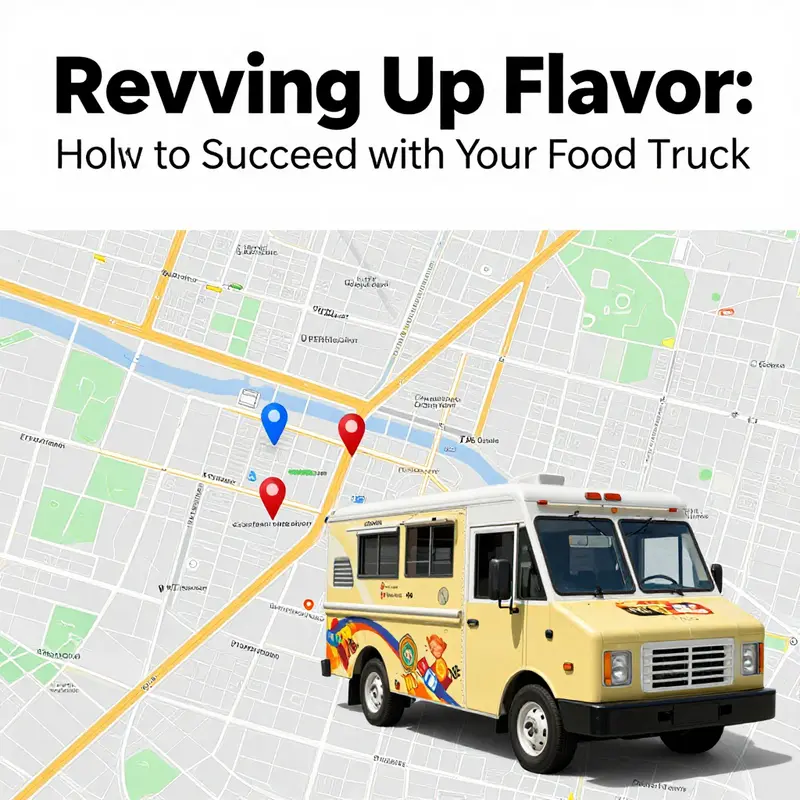
Location is the heartbeat of a successful food truck. It is not merely where you stand, but how your truck speaks to the crowd it seeks to serve. The right site does more than drive sales; it shapes perception of your concept, tests your efficiency, and invites repeat business. When you combine a strong concept with mobility, the day’s earnings hinge on where you park, how you move, and how well you read the dance of foot traffic around you. Great food and a compelling brand attract attention, but a smart location strategy converts attention into consistent customers. The best spots don’t just offer lines of hungry people; they offer predictable rhythms that sync with your menu, your service pace, and your desired level of brand exposure. In practice, mastery of location means treating each day as a fresh canvas where you blend data, intuition, and a touch of opportunism to meet demand without compromising quality or safety. You begin by knowing who you’re serving and where they congregate, then you translate that knowledge into a route, a schedule, and a presence that feels both effortless and purposeful.
To begin, picture your target audience not as abstract buyers but as people moving through specific spaces at particular times. Office workers rushing between meetings, families enjoying weekend outings, students and professionals wandering a pedestrian-friendly district after hours—each group has a distinct calculus about where they eat and when they’re willing to stop. If your concept speaks to busy professionals who crave a quick, satisfying lunch, your ideal location sits in a business district during the lunch window, typically 11:30 AM to 2:00 PM. A concept built around indulgent but casual fare can thrive in parks, near concert venues, or within entertainment districts on weekends. And if your menu leans toward families or a younger crowd seeking social energy, corridors near playgrounds or urban plazas with event calendars can become your bread-and-butter. The logic is simple: meet people where they already are, at times when they’re most receptive to your offering, and you lower the friction between desire and purchase. This is the essence of a location-driven growth mindset.
The next layer is research. Before you pull into a spot, map the terrain with a curious, data-informed eye. Use a combination of Google Maps and local event calendars to gauge pedestrian flow and nearby competition. Look for zones with high foot traffic but limited direct competition at the moment you’re considering them. The aim is not to avoid all competition but to identify gaps in the market where your concept can stand out. A practical rule I’ve seen work in many markets is to avoid places within roughly 500 meters of a similar concept or a thriving fixed restaurant if you can help it during your core hours. That buffer preserves your uniqueness and helps you avoid price and signboard wars that erode margins. Yet you also want to be visible to people already inclined to spend in the area. You look for street corners where lines form, where public transit stops funnel crowds, and where nearby businesses with lunchtime traffic create a natural spillover. You become a student of the flow: when do crowds form, how long do they linger, and where do they dissipate after grabbing a bite? Observing patterns—such as a long line at a nearby café around 1:15 PM or a block where delivery workers frequently step out for a quick meal—gives you actionable insight for your own schedule.
A crucial, often overlooked, aspect of site selection is how you access the space safely and comfortably for customers. Accessibility and safety are not abstract concerns; they translate directly into the customer experience and your ability to scale. Choose spots with clear street views that invite drivers and pedestrians to notice you from a distance. Ensure there is ample room for people to queue without impeding sidewalks or emergency exits. If the space is constrained, you may need to choreograph a compact, efficient flow where customers approach from one side, pay quickly, and move to a designated pickup area that keeps the sidewalk open for others. Lighting matters too, especially in the late afternoon or evening. A well-lit truck facade, readable signage, and clearly marked pickup points reduce confusion and increase the likelihood of repeat visits. Safety also means foreseeing weather-related risks and having a plan for covered queues or a sheltered waiting zone when possible. A confident stance on safety is itself a form of branding; customers notice when you care about their comfort and security, and that trust translates into loyalty.
Beyond the street, you must negotiate a community of rules and relationships. Local regulations shape where you can operate and how you integrate into the local food ecosystem. Cities vary in how they allocate curb space, designate mobile zones, or require permits and licenses for mobile food vendors. Engaging early with city authorities and understanding the permitting environment helps you avoid fines and last-minute relocations that disrupt your service. It’s a quiet but powerful credibility signal to clients and partners when you’re seen as compliant and responsible. In many markets, you’ll find “food truck zones” or permit systems that formalize your access to certain streets or hours. If you can, map out a plan that aligns your busiest times with these zones to minimize friction and risk. Communicating clearly with officials also opens doors to collaborations you might not have anticipated, such as being part of approved event lineups or participating in city-sponsored catered activities. This is not bureaucratic red tape for the sake of it; it is the scaffolding that lets you grow without instability.
A thriving location strategy also flourishes through proactive partnerships. Rather than relying solely on public streets, you can cultivate relationships with venue managers, property owners, and event planners who curate spaces with high footfall and predictable demand. Corporate campuses, shopping centers, stadiums, festival organizers, and large apartment complexes are all potential partners that value dependable, on-brand catering. Approach these stakeholders with a clear value proposition: what you offer, when you can be there, and how your presence integrates with their schedule and their brand values. When you position yourself as a reliable, easy-to-work-with partner, you don’t just gain a spot; you gain a recurring revenue channel and a platform for growth. The quality of the relationship matters as much as the location itself. A venue manager who sees your truck as a predictable, customer-friendly addition to their property will advocate for you when opportunities arise, from employee appreciation days to seasonal festivals.
Data and feedback turn location from a gut-driven risk into a repeatable system. Track sales by location and by time of day, and look for patterns in customer repeat behavior. Which spots generate the most revenue? Which days of the week attract the strongest crowds? When do customers who found you once return, and through which route did they discover you the second time? This data should inform your calendar, your route planning, and your pop-up strategy. If a particular park or campus yields high Saturday traffic while another site lags, recalibrate your schedule to prioritize the winning locations during peak periods. Feedback from customers can be equally informative. If people tell you they struggle to locate your truck or that your signage feels confusing, you adjust your approach—clearer directions on social posts, more prominent branding, or a dedicated pickup lane to reduce congestion. The capability to listen and adapt is the backbone of a resilient location strategy. It also creates a virtuous cycle where your brand becomes synonymous with reliability and simplicity—the two ingredients that convert occasional visitors into regulars.
Incorporating location into a broader brand strategy is essential. Your presence in a given area should feel intentional rather than accidental. The truck’s design, color palette, and menu signage communicate your concept in seconds, and that first impression is reinforced by your street presence. If you’re chasing a family-friendly vibe, your location should invite kids and parents: a safe, welcoming pickup zone, visual cues that suggest family meals, and a menu with items that scale for different appetites. If your aim is upscale or gourmet comfort, you may select more curated locations with a higher spend per guest, while maintaining speed and consistency that keep you competitive against fixed seating. The moment a customer learns where to find you, they begin to associate your brand with reliability, flavor, and value, not just with a tasty bite but with a dependable dining option in their routine. The broader implication is simple: your location strategy should amplify the core attributes of your concept and your service model. When these threads align, you create a seamless brand experience that travels with you from curb to curb—transforming the food truck from a mobile kitchen into a dynamic platform for community, connection, and lasting business.
Practically speaking, you can build a disciplined routine around location decisions without getting lost in the complexity of markets. Start with a baseline schedule that focuses on two or three anchor locations that consistently deliver, then allocate a flexible third spot that you rotate based on events, weather, or competing activity. Anchor locations become your brand’s anchor days—predictable and reliable—while the rotating spot adds freshness and opportunity to capitalize on new crowds or unanticipated demand. Over time, you’ll notice which combinations of time, place, and concept produce the strongest bottom line and the greatest repeat traffic. You can also design your day around a reconnaissance loop: begin by scouting promising locations early in the week, confirm they align with your concept and permit framework, and reserve a buffer in your calendar for back-up sites if a primary location becomes unavailable. The discipline of scouting, testing, and adjusting keeps you nimble, and nimbleness is essential when you’re racing with larger, stationary competitors who can outbid or out-signal you in a moment of surge.
A final dimension of mastering location is the way you share and market your presence. Distance visibility matters. Your social channels should announce imminent drops, but so should your truck itself. A clearly branded exterior, legible menu boards, and a straightforward path to the pickup window convert curiosity into action. A single, well-lit signage strategy can help passersby identify your truck in seconds and decide to join the line. The more predictable your location updates, the more dependable your audience will find you. When people begin to anticipate where you’ll be and when, your business becomes part of their routine rather than a one-off stop. And with that routine comes word-of-mouth, loyalty, and a growing sense of community around your brand. If you want to deepen this sense of community further, you can explore local collaborations, seasonal menus tied to specific neighborhoods, and community-driven events that align with your concept’s values. These are not mere marketing tactics; they are ways to embed your truck into the life of a place, turning location from a tactic into a platform for relationship building.
For readers seeking a practical touchstone, consider a deeper dive into a community-focused approach to location strategy through this resource: LatinosFoodTrucks blog-2.
In sum, mastering the location strategy for a food truck is less about chasing the perfect spot and more about building a repeatable system that aligns your concept with real-world rhythms. It requires understanding who you serve, where they spend time, how your truck can be seen and accessed with ease, and how to cultivate relationships that yield predictable, sustainable income. It demands a careful balance of data-driven decisions and human-centered hospitality, so every stop on your route reinforces your brand promise, not undermines it. When done well, location becomes a living part of your business model—an ever-adapting engine that supports your culinary vision, the loyalty you cultivate, and the community you build around your truck. And because the landscape of cities and neighborhoods is always shifting, your willingness to listen to the street—what the crowds want, how they move, and where they gather—keeps your concept relevant, resilient, and ready to scale.
External resources can offer broader perspectives on how to coordinate location, operations, and marketing in a way that keeps you competitive across markets. A broader perspective is available at the following external resource: Food Truck Location Strategy Tips.
Quality on Wheels: Mastering Food Excellence and Legal Compliance for a Thriving Food Truck
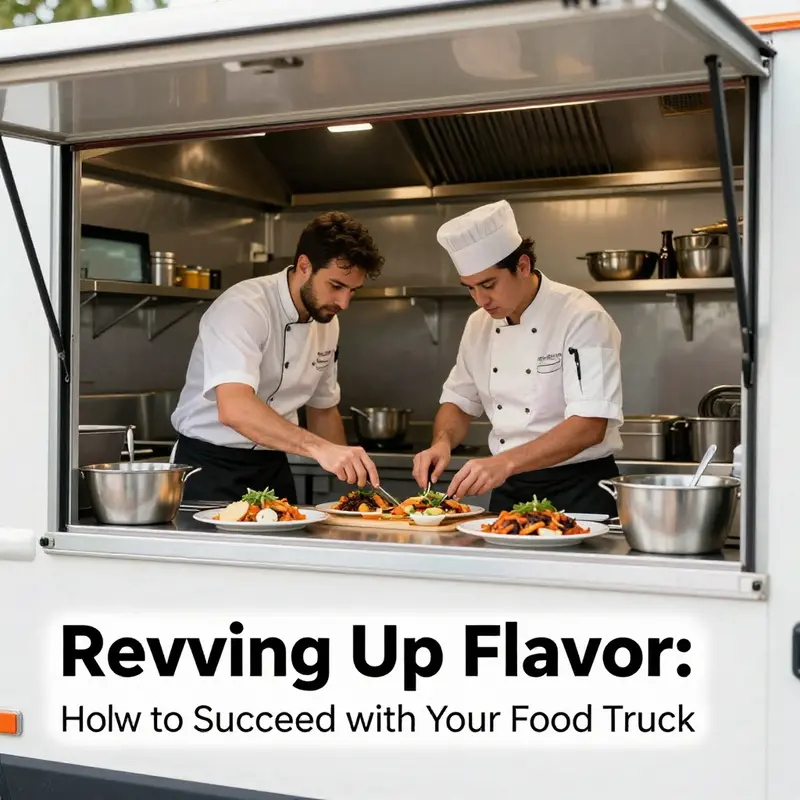
A food truck is a rolling kitchen and a moving brand, and its promise rests on two unwavering commitments: the quality of every bite and the integrity of every operation. In the most successful ventures, you don’t simply sell food; you deliver reliability, safety, and a consistent taste experience that customers can trust wherever the truck happens to stop. When you treat quality and compliance as inseparable partners, you create not only delighted patrons but a business that can weather weather, regulations, and competition alike. This chapter threads those ideas into a practical, cohesive approach that keeps menus vibrant, standards high, and licenses intact, all while keeping pace with the fast rhythms of street commerce. Quality on wheels is less about a single spectacular dish and more about a disciplined system that protects taste, safety, and brand promise, every shift, every location, every day.
At the core of food quality is a disciplined sourcing strategy. The best trucks begin with relationships to reliable suppliers who share clear expectations for safety and consistency. This is not a one-time check; it is a continuous conversation. Vendors should provide fresh ingredients with traceable origins, consistent delivery windows, and dependable substitutions when items run short. In practice, that means establishing written standards for quality, agreeing on minimum shelf life on arrival, and scheduling regular verification visits, tasting sessions, and inventory audits. In a mobile setting, where space is compact and time is precious, you need a supply chain that behaves like a high-functioning orchestra: instruments tuned, cues synchronized, and nothing out of place when the crowd starts moving.
The physical realities of a truck push quality front and center in everyday operations. Raw produce should be pre-washed or pre-cut when feasible to minimize on-site handling and reduce contamination risk. Refrigeration must be continuous and reliable; once perishables leave the cold chain, quality erodes quickly. This means investing in equipment that can withstand the rigors of road service—a dependable reach-in cooler, a properly sized hot holding unit, and secure storage that protects both food and equipment from the elements. In the field, temperature control is more than a luxury; it is a legal and reputational obligation. Staff must understand how to monitor temperatures, read thermometers, and respond to deviations with calm, efficient action. A simple practice—keeping a visible temperature log and rotating stock using the FIFO method (first in, first out)—can prevent spoilage and reduce waste while affirming your commitment to safety.
But quality is not only about freshness; it is about consistency. A menu that promises the same flavors, textures, and portion sizes from the first bite to the last is the backbone of customer trust. Achieving that consistency in a mobile kitchen requires a well-planned workflow, standardized recipes, and precise portion control. Recipes should translate cleanly into a cart-based operation: clear steps, measured ingredients, and minimal improvisation that could alter the final dish. Station-by-station checklists help ensure every cook, regardless of experience, can reproduce successful outcomes. Regular training sessions—focused on knife skills, heat management, proper searing, and careful sauce handling—build muscle memory and reduce the chances of off-days that erode the brand’s reliability.
Beyond technique, cleanliness and organization are the unsung regulators of quality. A compact kitchen cannot afford chaos; space must be choreographed. Color-coded cutting boards, clearly labeled containers, and visible sanitation schedules are not aesthetic choices but safety guardrails. Food-contact surfaces should be cleaned and sanitized between tasks, with particular attention to allergen separation and cross-contact prevention. A well-organized truck layout minimizes cross-contamination risks and speeds service, especially during lunch rushes when every second matters. Routine maintenance of all equipment prevents unplanned downtime that can compromise both safety and taste. The effect is quiet and powerful: a kitchen that hums with efficiency, where the focus stays on producing delicious, consistent meals rather than managing chaos.
Branding and menu identity also play a crucial role in perceived quality. A distinctive concept attracts a loyal following, but it must be anchored in quality that aligns with brand promise. The menu should reflect the strengths of your kitchen layout, the capabilities of your staff, and the realities of your mobility. A strong, high-quality menu is easier to protect than a sprawling, inconsistent one; it concentrates training efforts, supplier selection, and marketing messaging around a few reliable stars rather than a handful of unpredictable experiments. Crafting a few signature items that exemplify your concept helps you build a reputation for excellence and makes it easier to refine operations when demand shifts or new competitors emerge.
Engaging with customers emerges as another layer of quality assurance. Direct feedback in the field—through conversations, live updates on locations, and social media interactions—provides real-time signals about what’s working and what isn’t. A responsive approach creates a two-way relationship: customers feel heard, and you gain a rapid loop for adjusting ingredients, portions, or preparation times without sacrificing safety or consistency. When feedback signals a problem, the remedy should be swift and visible. This transparency also strengthens brand trust, which translates into repeat business and word-of-mouth referrals that are essential in a crowded street-food ecosystem.
Legal compliance, however, is the framework that makes quality sustainable over time. The most successful operators treat permits, licenses, inspections, and documentation as living parts of the business, not afterthoughts. The starting point is understanding the specific requirements of your city or state. Local health departments may mandate ongoing staff training, sanitation protocols, and equipment inspections. In some jurisdictions, you may be required to maintain a detailed operating plan, a food safety plan, and proof of insurance. The goal is to build a transparent, auditable system that can withstand routine inspections and any unexpected inquiries from customers or event organizers.
Within this framework, the basics of food safety come alive in practical, day-to-day routines. Handwashing stations must be accessible, clean, and stocked with soap and towels. Separate cutting boards and color-coded utensils reduce cross-contact, particularly for common allergens. Perishable items demand time-temperature control: a continuous cold chain for dairy, seafood, and other high-risk items, and strict hot holding guidelines to maintain safe temperatures for served dishes. All prepared items should be clearly labeled with preparation dates and consumption windows. This labeling is not just a box-ticking exercise; it communicates your commitment to freshness to anyone who may handle or serve the food later and protects you from health-code violations.
Weather readiness is another facet of compliance. Local ordinances frequently expect operators to have a plan for adverse weather—rain, heat waves, extreme cold—that protects food safety and public welfare. Temperature fluctuations, power outages, and equipment exposure to the elements can all threaten safety and quality. A robust plan covers backup power, insulated transport for finished meals, and contingencies for shifting locations when weather makes certain areas impractical. In some places, regulations explicitly require a weather-appropriate strategy for service operations, which makes deliberate preparation a legal as well as a practical necessity. When you pair such preparedness with a continuous focus on ingredient integrity and safe handling, you knit together quality and compliance into a seamless operation rather than two competing demands.
The overarching aim is not perfection in isolation but harmony across supply, process, and policy. A well-curated supply chain feeds a menu that your crew can execute with high reliability. A clean, organized, and well-staffed truck ensures that quality is not sacrificed in the rush. A disciplined approach to safety and documentation protects the business from fines, shutdowns, and reputational damage. In practice, that means aligning every decision—menu selection, supplier vetting, kitchen layout, staff training, and location strategy—with a shared standard of excellence. When you consistently meet that standard, customers notice. They come back for reliable flavor, they trust the brand behind the food, and they become your most effective marketing channel through referrals and positive word-of-mouth.
For readers who want to deepen the alignment between quality and compliance, consider exploring resources that address startup-specific legal considerations and how they intersect with day-to-day operations. A relevant overview can be found in the discussion on legal considerations for Latino food-truck startups, which offers practical perspectives on navigating permits, inspections, and documentation in a mobile, high-velocity environment. legal considerations for Latino food-truck startups. This joined approach—merging rigorous food safety with explicit regulatory awareness—forms a durable foundation. It helps you avoid surprises, allocate resources more effectively, and maintain the confidence of customers, events, and regulators alike.
The path to success, then, weaves together quality and compliance as reciprocal forces. High-quality ingredients and precise cooking lend you credibility, while meticulous adherence to laws and safety standards preserve that credibility over time. The result is not merely a well-run cart but a resilient business that can scale with confidence, adapt to new markets, and remain compliant in changing regulatory landscapes. When you envision your truck as a mobile kitchen designed to deliver reliability at every turn, you create a recipe for sustainable growth that can outlast trends and seasonal fluctuations, because it is anchored in a core commitment to safety, consistency, and customer trust.
External resources can expand your understanding of the broader safety and regulatory environment. For a comprehensive overview of food-safety guidelines from health authorities, see the public health resources provided by national agencies. https://www.fda.gov/food-safety
Final thoughts
Successfully launching and running a food truck business requires equal doses of passion and strategy. By crafting a clear concept that resonates with culinary and automotive fans, strategically positioning your truck in high-traffic areas, and maintaining a commitment to quality and compliance, you can turn your food truck into a celebrated spot on the culinary map. Embrace the journey of merging flavors with automotive culture, and watch your success accelerate!