
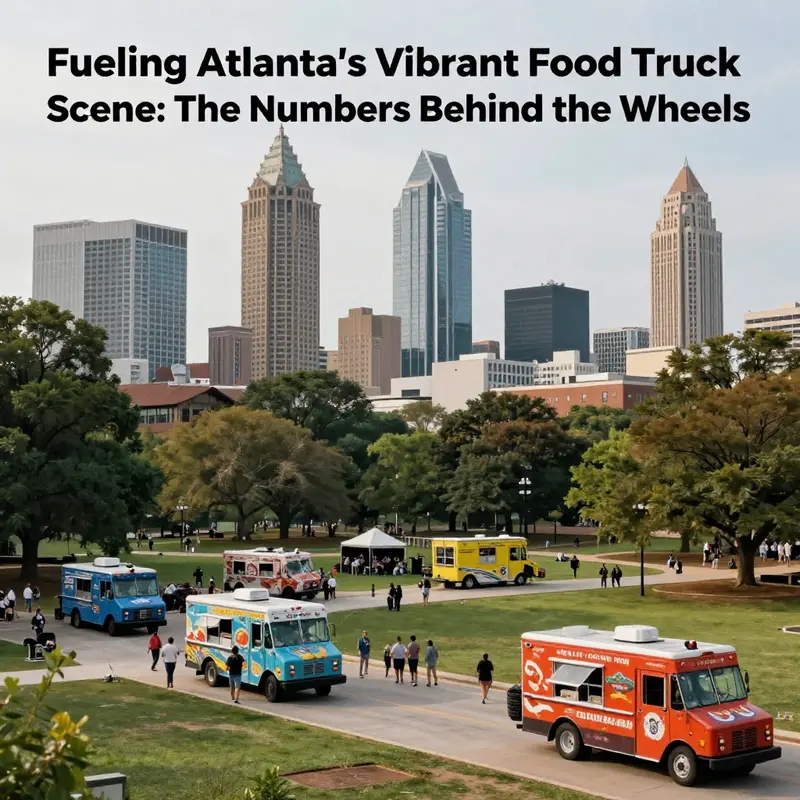
Atlanta’s food truck culture is more than a culinary phenomenon; it is a thriving community that contributes to the local economy, reflects cultural diversity, and interacts with regulatory frameworks. With over 300 active food trucks and counting, ranging from Southern barbecue to creative desserts, these mobile kitchens play a vital role in the city’s vibrancy. This article delves into the numbers behind Atlanta’s food trucks, examining their economic impact, the cultural richness they bring, and the regulatory challenges they face. Each chapter offers a unique perspective, painting a holistic picture of this dynamic segment of the food service industry.
Counting the City on Wheels: A Community Perspective on How Many Food Trucks Roll Through Atlanta
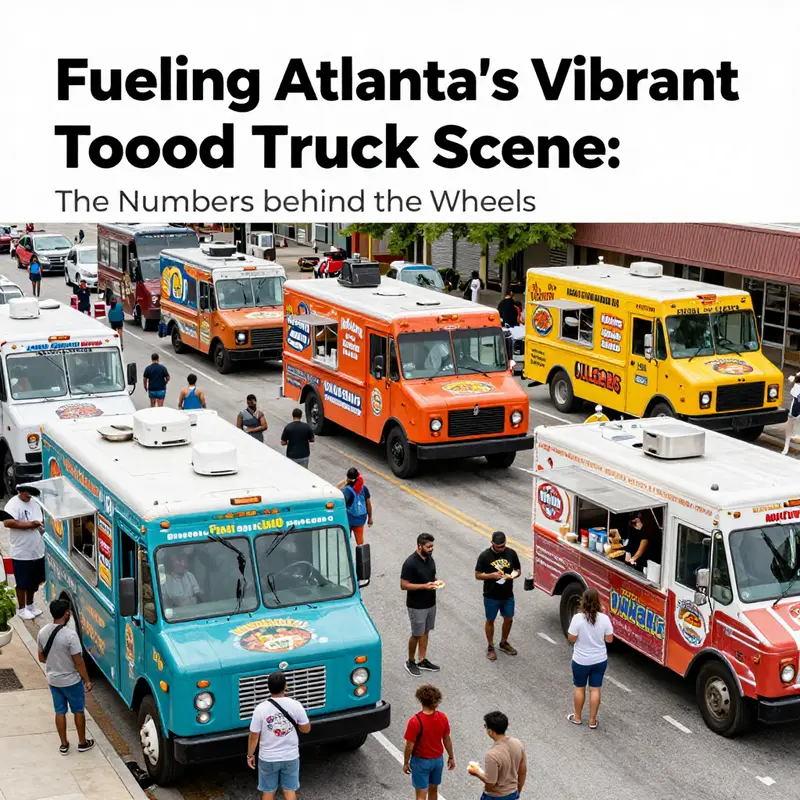
Atlanta’s food truck scene unfolds each day as a mobile feast across neighborhoods. Counting how many trucks operate in the metro area isn’t a single fixed number, but a living snapshot that shifts with seasons and events.
Trucks arrive in the morning, move between a market and a park, and reappear at a festival or office cluster by lunch. The count changes with permits, weather, and the rhythm of the day, so the city and the industry talk in ranges rather than a single census.
The distribution mirrors the city: downtown and midtown serve office workers; near the BeltLine, popups and neighborhood markets unfold; Buckhead and suburban hubs attract families and shoppers. Some operators run one focused menu; others pilot a rotating lineup to test flavors and gather feedback. The appeal lies in speed, accessibility, and variety, which makes food trucks a flexible layer of Atlanta’s culinary ecosystem.
Beyond the numbers, trucks function as community spaces: meeting points for neighbors, a way for aspiring chefs to launch ventures, and a platform for stories about place and tradition. They are regulated by a mix of health rules, permits, and safety standards that ensure reliable, clean service while accommodating mobile access to food in a growing city.
In practice, the exact count is less important than what the scene represents: entrepreneurship, regional flavors, and the democratization of dining on the go. Real-time trackers and local networks provide glimpses into where trucks are and what they offer, while the broader message endures: Atlanta values mobility, flavor, and connection in its everyday meals.
Counting the Wheels: The Economic Footprint of Atlanta’s Food Trucks and How Many Roll Through the City
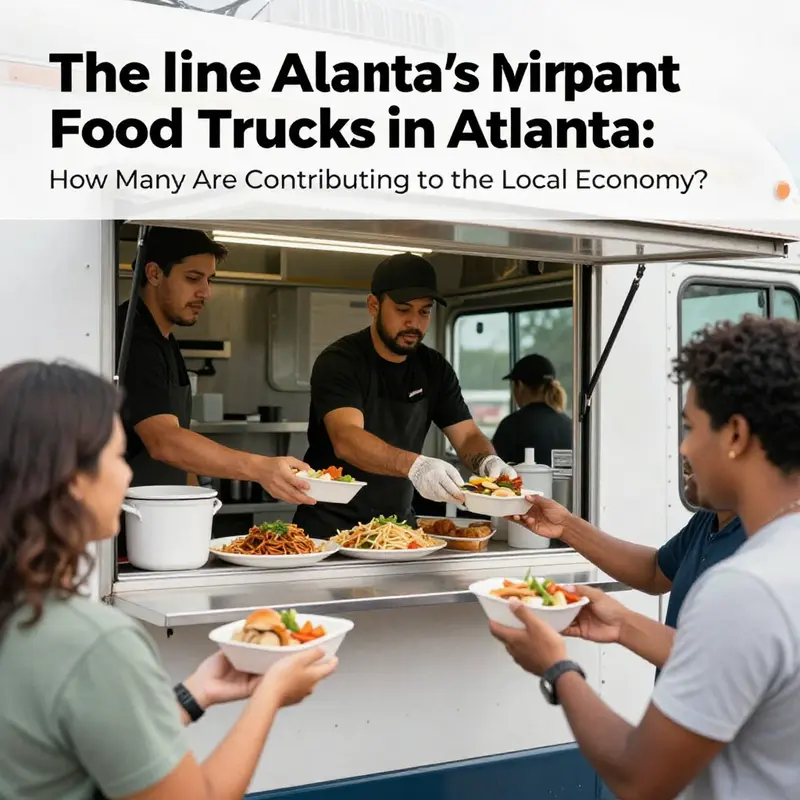
In Atlanta, the sight of a line of food trucks is more than a casual pause for a quick bite. It signals a living, breathing economy in motion, where mobility and entrepreneurship intersect with neighborhood life. Across downtown, Midtown, Buckhead, and the areas near the airport, these compact kitchens perform a daily calculus of demand, supply, and opportunity. There is no single, official, real-time tally of every truck on every corner, but the best available snapshots point to a bustling fleet that has grown since the late 2000s into a defining feature of the city’s urban food culture. The most cited figure from recent years—the Metropolitan area’s licensed food trucks exceeding three hundred—frames a reality in which mobile cuisine is a staple, not a novelty. That number, reported in public city records and carried through local journalism in 2025, sits alongside a broader story: a city whose appetite for diverse flavors has translated into a robust, evolving economy around the trucks themselves. The estimate underscores a broader trend in which food trucks are less ad hoc eateries and more deliberate economic actors embedded in the fabric of city life. They park at curated spots, move with the crowds at special events, and find a place in the rhythm of daily commerce. In practice, the trucks cluster where foot traffic is highest, where local governments and private partners create space for them, and where visitors and residents alike want the quick, flavorful experience that mobile kitchens provide. The clusters are not mere coincidence. Downtown corridors, Midtown’s dense walkable streets, and Buckhead’s mix of office towers and nightlife create predictable demand for midday bites and evening gatherings. The wings of the city, from Cabbagetown to Hartsfield-Jackson’s busy gateways, host a rotating cast of trucks that rotate with markets, festivals, and seasonal pop-ups. At markets such as Cabbagetown and the weekend scene at Ponce City Market, trucks become anchors that draw people in and then feed the surrounding ecosystem of shops, galleries, and music venues. They are part culinary destination, part social experience, and part gateway to broader economic activity that spills into adjacent businesses, parking facilities, and transit nodes. The everyday visibility of these trucks translates into repeated customer visits, which in turn supports a broader array of jobs—from cooks and drivers to coordinators and technicians maintaining the grills and power setups. The job creation aspect is especially notable because it often extends beyond the truck owner. For many operators, the business is a platform for skill development, personal advancement, and community integration. The mobility of the model allows operators to test menus, refine service styles, and scale up in response to growing demand. Some owners begin as single, portable kitchen setups and later expand into small permanent retail formats or partnerships with brick-and-mortar locations. The life cycle of a truck—planning, license, operation, and potential scale—maps onto the rhythms of the city itself, aligning with larger economic indicators like tourism, hospitality, and small-business growth. In this sense, the trucks do more than feed people; they feed a local economy that demands agility, creativity, and accessibility. One of the distinctive features of Atlanta’s truck economy is its integration with formal and informal venues that help sustain a high throughput of business. The trucks find immediate opportunities at weekend markets, pop-up gatherings, and airport-adjacent events, where transient foot traffic becomes a reliable revenue stream. Yet this is paired with longer-term, infrastructural support: dedicated food truck parks, like the well-known hubs around Ponce City Market, provide licensed space, shared utilities, and a predictable operating environment that lowers entry barriers for aspiring vendors. This arrangement matters. For many operators, the cost of securing a brick-and-mortar storefront in a high-demand urban market is prohibitive. Parks and communal spaces offer an affordable on-ramp to entrepreneurship, enabling cooks who once worked in kitchens to test their own concept in a lower-risk setting. The social dimension matters just as much as the economic one. Food trucks have become a vehicle for cultural exchange, a way for communities to celebrate heritage and innovation through menus that blend regional flavors with global inspirations. In Atlanta, the culinary landscape is already famous for its diversity, and the mobile format accelerates that diversity by giving more voices a platform to participate in the city’s dining scene. The result is a city where the tally of trucks is a moving target, but the cumulative effect is consistently measurable: more options for residents, more reasons for visitors to linger, and more opportunities for entrepreneurs to convert appetite into enterprise. The broader data that helps interpret this local reality comes with a national context. A 2023 report from the National Food Truck Association placed the sector’s national contribution at about $1.5 billion annually, a figure that reflects the scale of mobile dining across dozens of metropolitan areas. Atlanta’s share of that impact is amplified by the city’s high visitor numbers, its investment in culinary tourism, and its dense, walkable neighborhoods where street food is a natural extension of daily life. In short, Atlanta’s trucks are not just eateries; they are engines of economic activity that ripple through neighborhoods and neighborhoods’ neighbors alike. The economic logic extends beyond immediate sales. The field is rich with indirect benefits that often go uncounted in a single ledger. The multiplier effect, as described by federal and state research bodies, helps explain why the impact of a single truck can extend to other sectors of the local economy. The U.S. Department of Agriculture’s Economic Research Service has highlighted how consumer spending at mobile vendors translates into broader local activity—ranging from retail to lodging to entertainment. The upshot is a measurable, cumulative uplift in a city’s economic atmosphere whenever a truck parks and serves a crowd. The psychology of this effect matters as well; a vibrant street-food culture increases the city’s attractiveness to visitors and new residents who seek a dynamic, accessible urban environment. The ritual of stopping for a bite becomes a micro-experience of place—the kind of moment that binds a visitor to a city and motivates them to return, bring friends, and extend their stay into shopping, museum visits, or nightlife. These behavioral dynamics are not accidents; they are part of how the city shapes and supports its own growth. Local government and community organizations have recognized this and, in some instances, crafted policies and spaces that harness the energy of the trucks while preserving neighborhoods’ character and livability. The relationship between policy, space, and appetite for food is delicate. It requires balancing the needs of operators—who seek predictable licensing, fair permit fees, and reasonable parking—with the goals of districts that want to attract tourists and sustain small businesses. In Atlanta, this balance has given rise to structured venues where fleets can operate in a controlled environment, drawing in a steady flow of customers while ensuring compliance with health and safety standards. The trucks’ economic role is thus reinforced by physical spaces that enable stable operations, enabling operators to plan, recruit, and invest with greater confidence. The human dimension—stories of perseverance, craft, and community leadership—adds texture to the numbers. Many operators approach their craft like a small business with a strong brand and a narrative that resonates with local residents. They often participate in local events, collaborate with neighborhoods, and mentor new entrants to the field. A glimpse into the entrepreneurial fabric behind the trucks can be found in the stories of veteran food truck owners, whose experiences illuminate the practical realities of starting and sustaining a mobile kitchen in a changing urban landscape. These narratives are not merely inspirational; they offer concrete lessons about resilience, adaptation, and the daily decisions that shape long-term success. For readers curious about the people behind the plates, the profiles of veteran food truck owners provide a window into who is driving Atlanta’s mobile dining scene forward and how they navigate challenges while contributing to the city’s economy. profiles of veteran food truck owners. As with any dynamic sector, there are challenges to be mindful of. Licensing regimes and permitting processes can create friction, and parking and zoning rules influence where and when trucks can operate. The number of trucks cited in public sources reflects licensed operators, which means the actual, day-to-day presence on the street can fluctuate with regulatory adjustments, seasonal demand, and the venues that invite trucks to participate in markets and events. Yet even with these constraints, the overarching pattern remains clear: Atlanta’s mobile kitchens contribute to a robust economy and an increasingly vibrant urban experience. They create jobs and opportunities, stimulate nearby business activity, and act as cultural accelerants that invite people to explore, linger, and spend. Against this backdrop, policymakers and community leaders have an opportunity to cultivate an ecosystem that sustains growth while preserving livability. Investments in food-truck parks, streamlined licensing, and access to affordable, well-equipped spaces can amplify the sector’s positive impact. In a city that values innovation and hospitality, the number of trucks is less a fixed statistic and more a signal of potential—the potential to connect culinary arts with economic vitality in neighborhoods that thrive on diversity and exchange. If you think of the truck count as a speedometer for Atlanta’s food culture, the needle points toward growth, resilience, and a continually expanding role for mobile cuisine in fueling the city’s broader economic journey. For a nationwide frame of reference that helps situate Atlanta’s experience within a national narrative, the USDA’s Economic Research Service offers comprehensive analyses of the multiplier effects and regional trends that accompany mobile food vendors. See https://www.ers.usda.gov for further context. In sum, while the precise number of trucks shifts with licenses, markets, and seasons, the consensus among researchers and industry observers is consistent: Atlanta hosts hundreds of licensed food trucks, a vibrant ecosystem that doesn’t just serve meals but sustains neighborhoods, creates opportunities, and strengthens the city’s economic fabric in ways that extend far beyond the lunch hour. The figure of over 300 licensed trucks is more than a statistic; it is a doorway into understanding how Atlanta negotiates appetite, community, and commerce in a modern urban environment.
How Atlanta’s Food Truck Count Reveals the City’s Cultural Mosaic
How Atlanta’s Food Truck Count Reveals the City’s Cultural Mosaic
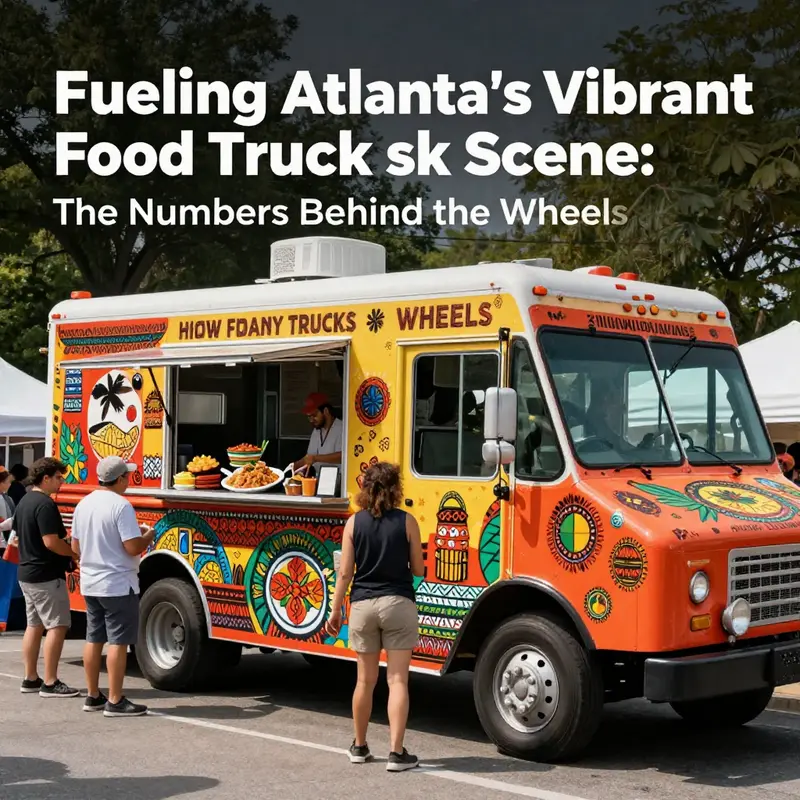
Atlanta’s food truck scene is more than a tally of vehicles. It is a living map of migration, memory, and modern entrepreneurship. Each mobile kitchen carries recipes, stories, and family traditions to parks, plazas, and weekday office blocks. Counting the trucks in Atlanta therefore tells two stories at once: one about numbers and one about identity. The number itself—how many food trucks are in Atlanta—helps explain the city’s cultural reach and its appetite for diverse, accessible dining.
The raw figures vary by source. A regional news report placed the metro-area count above three hundred. City planning records list more than five hundred licensed trucks across municipal boundaries. Those differences reflect practical realities: licenses issued are not the same as trucks that operate daily. Some vehicles register with the city but serve only at festivals or on weekends. Others are active in neighboring jurisdictions. Still, the clear trend is growth. More trucks mean more cuisines, more small-business opportunities, and more places where cultural exchange happens over a plate.
What stands out in Atlanta is the breadth of culinary representation. You can find Southern comfort dishes that reinterpret family recipes alongside street tacos that follow generations of tradition. Korean barbecue appears next to Caribbean jerk and West African stews. European-style crepes rub shoulders with creative burgers and plant-forward offerings inspired by Latin American flavors. This variety is not random. It mirrors the city’s demographic shifts and reflects new waves of entrepreneurs who choose mobility over brick-and-mortar for lower startup costs and greater flexibility.
Food trucks serve as de facto cultural ambassadors. A single truck might be rooted in a family recipe from another country, handed down and adapted for local tastes. When that truck parks at a farmers market or near a corporate campus, it introduces neighbors to techniques, ingredients, and spice profiles they might not otherwise try. Over time, these encounters reshape local palates. Foods that were once unfamiliar can become weekend staples. In that way, the presence of several hundred trucks can have an outsized effect on culinary norms.
The geography of food trucks in Atlanta matters. Downtown and Midtown host heavy daily foot traffic and corporate events, attracting trucks that cater to office workers. Neighborhood hubs like Buckhead and areas around the city’s ring trails serve different crowds, often drawing evening diners and families. Market spaces and festivals bring clusters of trucks together, amplifying their visibility. These gatherings are where culinary cross-pollination happens fastest: customers sample multiple cuisines in one visit, vendors swap ideas, and collaborations emerge that further diversify the scene.
Programs that encourage vendor clustering accelerate growth. Designated nights and official gatherings create predictable opportunities for entrepreneurs to reach patrons. Those events lower the barrier for new operators because they reduce the need to build a large, regular customer base from scratch. They also make the city more welcoming to first-time food founders who rely on pop-ups to test menus and refine operations. Over time, those experiments either evolve into permanent operations or inform the next wave of vendors.
Counting trucks is also an economic snapshot. A fleet of several hundred vendors represents thousands of jobs, often in small-business ecosystems. Owners hire cooks, drivers, and service staff. They buy from local suppliers and sometimes contract with nearby commissaries for prep space. The mobility of trucks allows owners to chase demand across neighborhoods and events. That flexibility can be a buffer in shifting markets, enabling vendors to scale up more cautiously than traditional restaurants.
Beyond income, food trucks offer accessible entrepreneurship. Compared with traditional restaurants, trucks typically require less capital. That accessibility opens doors for newcomers to the food industry, including immigrants and families building on culinary heritage. Many owners use trucks to establish a brand and a following before investing in a permanent location. Others prefer mobility by design, valuing the freedom to pivot between daytime festivals and late-night venues.
Cultural representation among vendors has social dimensions as well. Trucks often become community touchpoints where language and tradition are preserved and shared. For immigrant entrepreneurs, the truck can be both livelihood and cultural anchor. The menu becomes a conversation piece. Patrons ask about ingredients, preparation, and the origin of dishes. These exchanges help reduce cultural distance and foster a sense of neighborhood familiarity.
The city’s licensing framework influences the count and distribution of trucks. Licensing ensures food safety and organizes where vendors can operate. But regulations can also shape which entrepreneurs enter the market. Permit costs, parking restrictions, and health codes can either enable growth or create hurdles that narrow participation. A larger number of licensed trucks suggests a regulatory environment that has adapted to mobile food operations and recognizes their community value. At the same time, numbers alone don’t reveal the full regulatory picture: some vendors operate seasonally, while others hold permits but work primarily outside city bounds.
Food trucks also respond to demand for convenience and affordability. Many customers appreciate the chance to sample high-quality food without the expense or time commitment of a sit-down meal. The menu prices often reflect that accessibility. For students, shift workers, and families on a budget, trucks offer a reliable and flavorful option. Their presence near office clusters, entertainment districts, and parks ensures that a variety of budgets encounter a variety of cuisines.
Social spaces shaped by trucks matter too. When a truck lines up at a trailhead or a public plaza, it changes how people use the space. Parks become impromptu food courts. Art walks and community gatherings gain a culinary anchor. In these moments, food trucks do more than feed; they help animate public life. That vibrancy attracts foot traffic, supports surrounding businesses, and signals a neighborhood’s evolving character.
The cultural imprint of Atlanta’s fleet also appears in menu innovation. Vendors often fuse traditions to create dishes that speak to a diverse clientele. You might find a taco using locally sourced greens and a house-made slaw inspired by family recipes. Or a barbecue plate that borrows spices from another culinary tradition. These hybrids reflect both entrepreneurial creativity and the city’s converging cultural influences.
Stories of veteran operators highlight longevity and craft. Many long-standing trucks started as family projects, gradually refined their recipes, and built steady followings. Their survival through market shifts underscores resilience and adaptation. Profiles of veteran food truck owners show how experience translates into menu discipline, logistical efficiency, and a cultivated brand. Those veterans also mentor newer vendors, sharing lessons about sourcing, timing, and customer service. Readers interested in such personal narratives can explore practical profiles such as Profiles of veteran food truck owners.
Counting food trucks is also a measure of cultural access. More trucks often mean more representation of minority cuisines. Yet numbers alone cannot guarantee equitable participation. Access to capital, language services, and affordable commissary space influence who can enter the market. Policies that lower entry barriers, coupled with community support, enable a wider range of cultural voices to operate. Thus, the count of vendors reflects both market demand and the inclusivity of the ecosystem that supports them.
As Atlanta grows, the food truck count will continue to shift. Economic cycles, local policies, and neighborhood development all influence how many trucks take to the streets. But one trend is clear: the city’s appetite for culinary diversity is strong. Each additional truck expands the menu of public life and deepens the city’s cultural exchange.
The practical takeaway is simple. Asking “how many food trucks are in Atlanta” opens a window onto a vibrant civic phenomenon. It shows how mobile kitchens map cultural flows, create livelihoods, and transform public space. Whether the number is reported as three hundred in some regional tallies or exceeds five hundred in city licensing rolls, the essential fact remains: Atlanta’s food trucks are numerous, dynamic, and culturally rich. They are both a gauge of diversity and a vehicle for it.
For specifics on licensing and the regulatory framework that governs these mobile vendors, see the Atlanta Department of City Planning’s official guidelines: https://www.atlantaplan.org/food-truck-licensing-and-regulations
null
null
Final thoughts
Atlanta’s food truck scene is a vibrant tapestry woven from over 300 active vehicles, each contributing to the city’s rich culinary landscape while fueling the local economy. These mobile units not only serve diverse, delectable cuisines but also epitomize the community’s spirit. Yet, the road ahead is not without its challenges, especially in navigating the regulatory environment. Embracing these food trucks means supporting a community that exemplifies creativity, diversity, and resilience. As this segment continues to thrive, it will undoubtedly play a pivotal role in shaping Atlanta’s identity.