
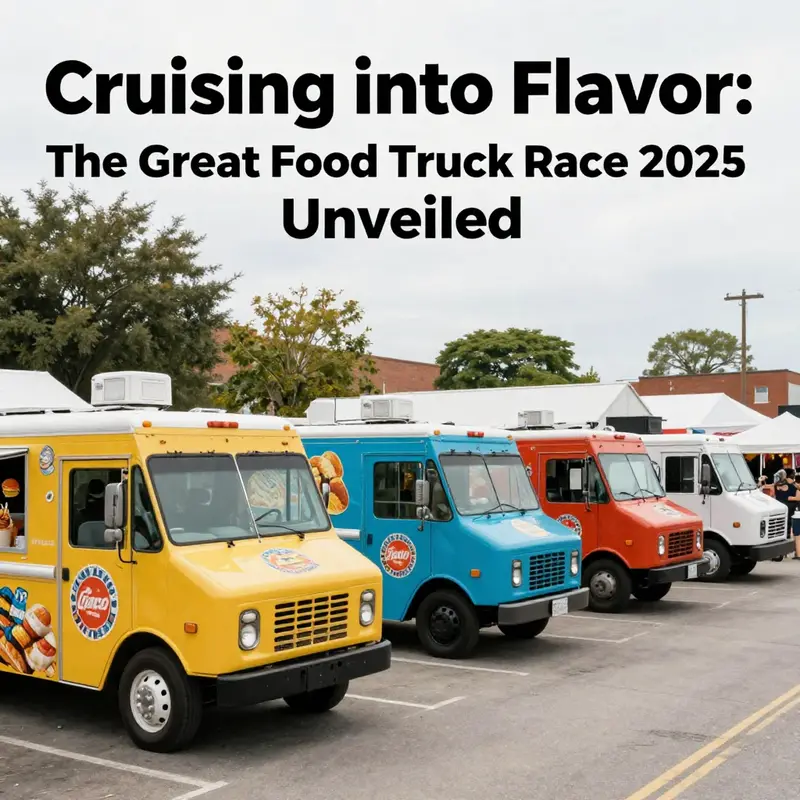
Excitement is brewing in the world of food trucks as The Great Food Truck Race gears up for its highly anticipated 18th season, premiering on August 3, 2025. This popular culinary competition not only tantalizes the taste buds but also offers lessons in business acumen and marketing, making it a crucial platform for aspiring food truck owners. As hobbyists, professionals, and enthusiasts in the automotive and culinary sectors look to this event for inspiration and insights, we delve into the show’s intricacies, from contestant dynamics to emerging food trends, and its overall impact on the community. Each chapter will navigate through the premiere’s start date, the competing teams and show format, culinary trends observed, and the show’s reception, painting a holistic picture of this thrilling run.
When Season 18 Begins: The Premiere Date and What It Means for Fans and Food Truck Owners
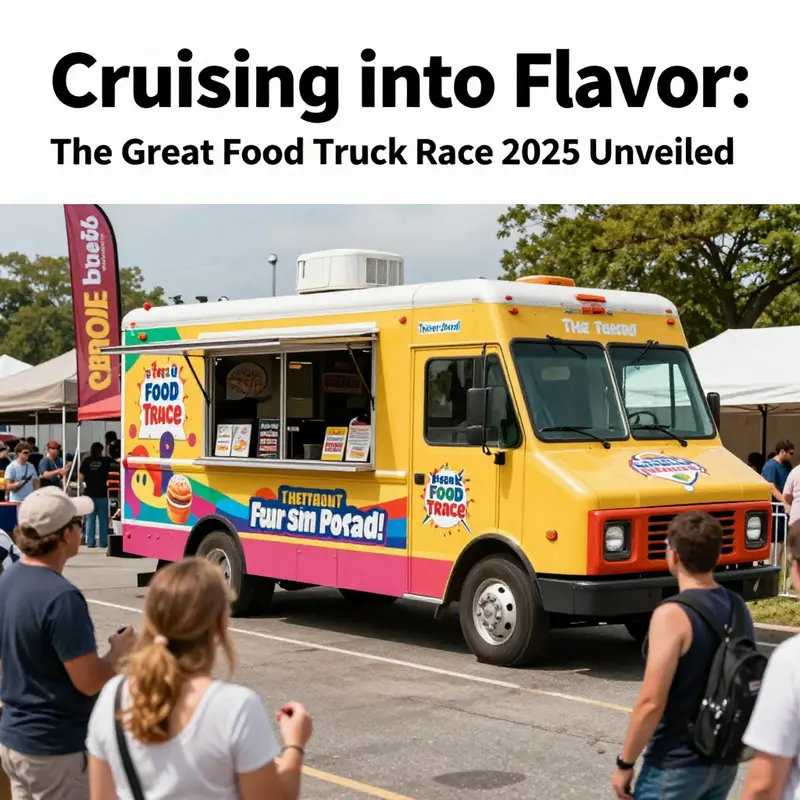
The Great Food Truck Race Season 18 makes its long-awaited return with a clear starting point: it premiered on Sunday, August 3, 2025, on the Food Network. The season carries the subtitle Truckin’ Awesome: Crushing Charleston, which signals both the competitive spirit and the setting that shapes early episodes. For those tracking the series’ cadence, episodes aired weekly, with one notable exception: Week 3 did not present a new episode. That gap matters for viewers planning watch parties, for businesses wanting to capitalize on exposure, and for anyone following the teams from episode to episode.
Understanding the premiere date goes beyond marking a day on the calendar. It anchors the season’s rhythm and gives context to everything that follows. A Sunday debut places the show in a weekend viewing slot that often reaches a wider, relaxed audience. Fans who follow culinary television know that a summer premiere aims to capture viewers between travel plans and other seasonal distractions. For food truck entrepreneurs and aspiring contestants, the start date is a deadline and a signal: applications, social campaigns, and local promotions often align around television schedules. If you run a food truck, a known premiere helps you plan promotions that ride the wave of interest sparked by the show.
The return of Tyler Florence as host adds another dimension to the premiere’s significance. His presence ties new episodes to the show’s history and gives continuity to the judging and challenge formats. Tyler’s commentary and guidance shape public perception of what constitutes strong food truck performance. When the season opener aired, viewers were introduced not only to fresh faces but to the kinds of logistical and culinary tests contestants will face. These opening episodes do more than entertain; they set expectations about innovation, strategy, and the odd constraints that make food truck competition compelling.
The subtitle Crushing Charleston hints at the season’s local focus. Charleston is a city with a vibrant food scene and distinct culinary traditions. Starting in a recognizable food hub helps the series highlight regional ingredients, flavor profiles, and community ties. For viewers, that means richer episodes where location deeply influences menu choices and challenge design. For local food truck owners and fans, the premiere offered a moment of pride and attention. When a national show drops anchor in a city, it spurs interest in local dining options and can drive customers to streets and markets well after the episode airs.
The weekly schedule—with the exception of Week 3—shapes audience habits. Following a show week to week develops a conversation rhythm: social media discussions, recaps, and predictions. A skipped week interrupts that flow, which can be intentional. Networks sometimes schedule breaks for production pacing, holiday windows, or to avoid competing broadcasts. For committed viewers, knowing in advance there will be a week without new content prevents confusion. For teams on the show, those pauses can offer a breather or recalibration period. For food truck owners watching from the sidelines, the gap is a reminder to keep momentum through creative content or special events tied to episodes that have aired.
The premiere also marks the moment the season’s stories begin to unfold publicly. Each team’s narrative arc—struggles with equipment, triumphs in menu creativity, wins in local marketing—emerges in sequence. That storytelling affects viewer loyalty. Fans grow attached to teams early on, and premiere episodes are critical for establishing identity. They show how contestants manage time, handle pressure, and connect with customers. For small-business owners, these portrayals offer real-world lessons: how presentation matters, ways to pivot when sales lag, and strategies to amplify an offer quickly.
From a practical perspective, marking August 3, 2025, as the launch date helps viewers plan where and how to watch. The Food Network broadcast remains the primary platform for premiere viewing. Episodes typically re-air or become available on network-affiliated streaming platforms, which matters for those in different time zones or with scheduling conflicts. Fans should check local listings for times and streaming availability, as networks sometimes adjust slots after a season starts. If you missed the first episode live, most platforms provide catch-up options so you can join the conversation from episode two onward.
The premiere also triggers media coverage and secondary content. Entertainment sites, culinary blogs, and local press often produce recaps, interviews, and behind-the-scenes features timed to the premiere. For Charleston and other cities the season visits, local outlets tie the show to tourism and dining trends. Food truck operators can watch for opportunities to leverage that attention. A well-timed social post referencing the premiere, for example, can attract customers curious about dishes featured on television.
For aspiring contestants and current food truck owners, the premiere is a practical milestone. It confirms the season’s format will continue to test both culinary and business skills. If you’re an entrepreneur gauging whether you could compete in a future season, watching the premiere provides a clear picture of what casting looks for. Pay attention to how teams pitch their concept, how they manage ingredient sourcing, and how they turn downtime into brand-building moments. These are the tactical competencies that differentiate successful trucks.
Beyond immediate viewing, the start date plays into longer-term industry trends. Television exposure often translates to economic opportunity. Past contestants have seen surges in business, new partnerships, and expanded followings after appearing on the show. A premiere injects fresh attention into the food truck ecosystem, encouraging collaborations, pop-ups, and local events. If you run a food business, use the heightened interest to plan special menus, limited-time collaborations, or themed events that connect to what viewers just watched.
Finally, the premiere date is a practical reference for tracking the season. If you plan to create content—recap blog posts, podcast commentary, or social media threads—use the premiere as your anchor. Map out episodes across the weeks, note that Week 3 lacks new content, and schedule your own output accordingly. Building a content calendar around the show can help you ride the season’s momentum and reach audiences who are newly engaged.
If you want official confirmation and more granular details—like team lists and full episode schedules—check the show’s official page and authoritative listing sites. These sources will carry updates if the network posts additional airings or streaming windows. For readers interested in how veteran operators manage the transition from street-level sales to broader attention, see this collection of profiles of veteran food truck owners for practical lessons and real-world inspiration: profiles of veteran food truck owners.
For the definitive source on the premiere and scheduling for Season 18, consult the network’s season page.
Source: https://www.foodnetwork.com/shows/the-great-food-truck-race
Contestants and Format: What to Expect from The Great Food Truck Race 2025 Premiere
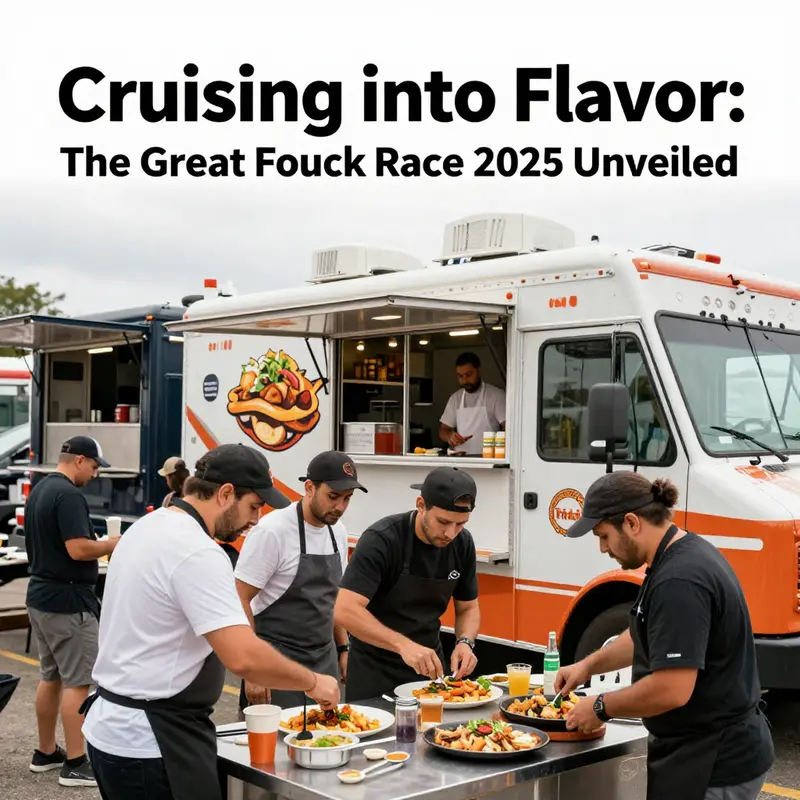
Season Snapshot and Premiere Timing
The eighteenth season arrived in late summer 2025, with the premiere airing on August 17, 2025. Titled “Truckin’ Awesome: Crushing Charleston,” this season opens in Charleston, South Carolina. Viewers tuning in on premiere night saw seven teams racing to build sales, win challenges, and avoid weekly elimination. The timing matters because the premiere sets the tone for the entire competition. It signals when teams must be ready, when fans can schedule viewings, and when entrepreneurs watching for inspiration can begin to track strategies and trends for the year.
The Teams on the Line
This season brings a compact field: seven food truck teams, each bringing a distinct culinary identity and business history. Among those confirmed are G’s Cheesesteaks—Jack, Antonio, and Derek—whose menu centers on a regional sandwich with personality. Eat My Biscuits appears as a team anchored by Chaya, with two teammates to be confirmed. The roster is not fully public in every source, so some team names and member lists remain incomplete until the network or the show’s social channels publish full bios. That said, the visible cast already suggests a mix of veterans and newcomers, cooks who know their flavors and owners learning the fast-moving demands of a mobile kitchen.
Teams arrive with different goals. Some seek national exposure and a prize they can funnel into expansion. Others want validation of their concept or lessons in running a pop-up business under pressure. The competition is structured so that culinary skill is only part of what determines success. Teams must manage inventory, pricing, promotion, and customer service while navigating local tastes and seasonal demand.
How the Competition Operates
The format this season stays true to the core formula viewers expect. Each episode places teams in a new market, often guided by a location-specific theme. The Charleston opener forces teams to pivot to Lowcountry flavors and the tourist-driven lunch-and-dinner rush typical of a historic coastal city. Challenges vary from timed cooking showdowns to creative-menu prompts that test a team’s ability to translate a theme into a sellable item.
Judging responsibilities are handled by the returning host and a co-host who also serve as on-site evaluators. Their role combines chef-level critique with a practical read on how each truck performs under pressure. Judging criteria usually mix taste, creativity, execution, and profitability. Profitability matters as much as culinary merit: food that delights but loses money is a liability in the competition.
Weekly structure is predictable but intense. Teams receive a seed cash amount for the day, plan menus around local appeal, and compete in a timed challenge that can award advantages or punishments. Sales numbers are tallied after service, and the weakest performers face elimination. One team leaves each week until the final episode crowns a winner.
What the Challenges Reveal
Challenges are designed to stretch teams beyond their comfort zones. The timed cook-offs pressure teams to execute under stress. Local-theme challenges force rapid research and menu adaptation. Customer-service tests examine line management and the ability to convert curious passersby into paying customers. Sales goals measure real-world viability.
This combination of culinary and business tests reveals which teams have systems—not just recipes. Teams that thrive are those who have rehearsed mise en place, costed recipes accurately, and communicate clearly during a rush. Conversely, teams that rely solely on gimmicks or a single signature dish often falter when customers demand faster throughput.
Logistics and Local Markets
A major factor in each episode is how well teams read the local market. Charleston’s tourism patterns, lunch crowds versus dinner service, and local ingredient availability shape menu decisions. Teams that scout smartly, set competitive prices, and choose items with good margin and quick turnaround do better.
Logistics extend beyond menu choices. Routes, parking, and permit awareness affect daily sales. Mobile kitchens must plan for supplies, cooler space, and power needs. The show compresses these challenges into tight timelines, but real-world food truck owners know logistics determine long-term success.
People Over Plates: Team Dynamics and Leadership
The competition highlights human dynamics as much as cooking. Strong communication prevents chaos during service. Clear leadership helps teams shift strategy mid-day. Successful teams demonstrate role clarity: one member may handle front-of-house, another manages the cook line, and a third oversees prep and finances. Conflict is inevitable, and how teams resolve it often decides whether they progress.
Teams that show empathy and smart problem-solving tend to outlast technically superior but poorly organized competitors. The show therefore becomes a study in small-business leadership under pressure. Viewers who run or plan a food truck can learn from both wins and mistakes.
What Viewers and Aspiring Owners Can Learn
Beyond entertainment, the season is a practical field manual in condensed form. Contestants must price items to hit profit targets while offering quality and speed. Menu engineering—balancing signature items with high-turnover staples—matters. Marketing on the fly, such as using local events and social media to drive traffic, often tips a day from mediocre to excellent.
For deeper reading on how seasoned operators navigate real-world challenges, check out these profiles of veteran food truck owners for lessons on longevity and adaptation: profiles of veteran food truck owners. Those profiles expand on topics the show touches on, such as scaling operations, managing staff, and creating resilient menus.
The Stakes and the Reward
The grand prize and the associated publicity are life-changing. Winners typically receive funds that help stabilize or expand operations. The exposure itself can generate sustained customer interest long after the season ends. However, the spotlight also exposes weaknesses. Teams unprepared for sudden growth may struggle with supply chain issues or staffing shortages after the cameras leave.
The show’s elimination arc keeps tension high. Because one team goes home each week, competitors must balance short-term wins with long-term viability. Risky gambits can win a single challenge but drain resources. Conservative, efficient strategies often outperform flashy but unsustainable moves.
Why the Premiere Date Matters for Fans and Owners
Knowing that the season premiered on August 17, 2025, helps fans schedule viewing and follow episodes as they air. For industry watchers and potential applicants, the premiere date signals recruitment windows for future seasons and the cadence of pop-up opportunities inspired by on-air trends. Trends uncovered during the season often ripple through the food truck scene, influencing menus and marketing tactics.
Season premiers also align with seasonal business cycles. An August premiere showcases summer and early-fall markets, which differ from winter strategies. Seeing teams navigate peak tourist months offers instructive contrasts for owners planning menu rotations and staffing for busy seasons.
Where to Track Episodes and Team Info
Official episode listings and cast details provide the clearest record of teams and outcomes. While some team information is public, full bios and episode recaps are best confirmed through the show’s official episode guide and major entertainment listings. One convenient episode resource is the series’ episode index on a widely used entertainment database, available here: https://www.imdb.com/title/tt3246195/episodes?season=18
That listing complements on-air content by cataloging episode titles, air dates, and guest judges. Taken together, these resources let viewers follow storylines, track team progress, and revisit standout challenges.
The season’s format keeps the focus on both food and business. Contestants must cook well, sell smarter, and adapt quickly. For viewers asking “when is The Great Food Truck Race 2025,” the answer marks not just a premiere date. It marks a concentrated course in mobile food entrepreneurship, packaged as a high-stakes competition that rewards ingenuity, discipline, and teamwork.
null
null
How Truckin’ Awesome Transformed the Food Truck Scene: Reception, Reach, and Real-World Impact
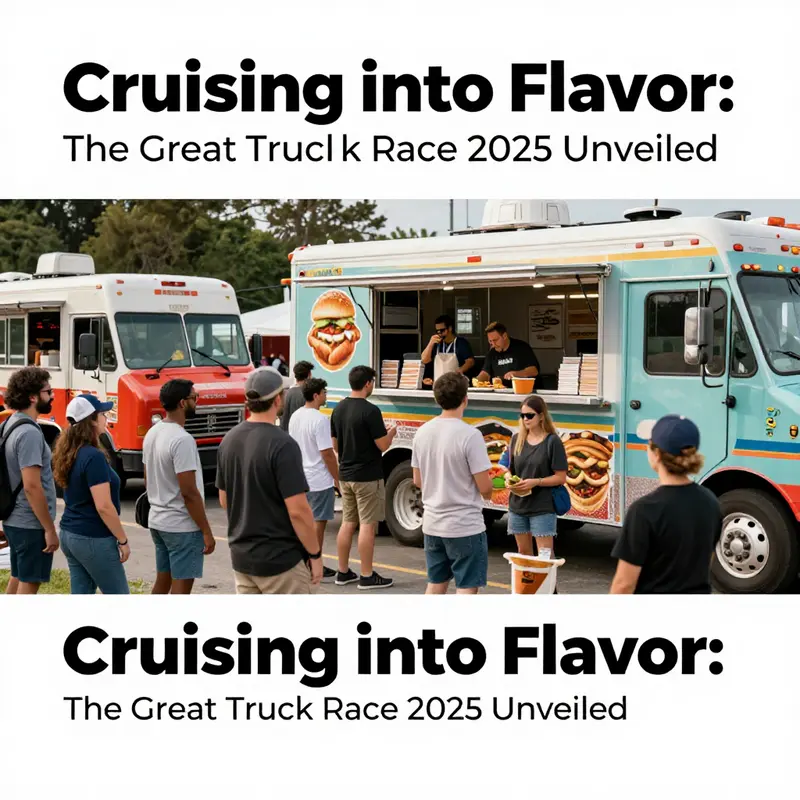
The Great Food Truck Race: Season 18 — Truckin’ Awesome arrived with a clear promise: to celebrate mobile food culture while testing the grit, creativity, and business savvy of competing teams. From the opening episodes set in Charleston to later legs across the country, the season’s mix of culinary innovation and high-stakes challenges produced effects that extended well beyond television ratings. This chapter traces the season’s reception and the ways it shaped conversations in the food community, influenced small-business momentum, and amplified regional flavors.
Viewers and critics responded to Truckin’ Awesome with a rare blend of enthusiasm and serious attention. Early critical responses highlighted the season’s ability to showcase localized ingredients and regional techniques. Reviewers praised the production for leaning into distinct culinary identities rather than forcing a one-size-fits-all competition format. That focus elevated not just individual contestants but entire food scenes—especially during the Charleston leg, where teams were asked to reimagine Southern staples under time pressure. Audiences reacted strongly to those episodes. Social platforms filled with commentary on creative takes of lowcountry classics, and conversation threads often moved from episode recaps to practical recipes and local ingredient sourcing. The show became, for many viewers, a portal back to neighborhoods and markets they wanted to explore.
Ratings reinforced the qualitative buzz. Nielsen’s early figures placed the premiere among the top five cable reality programs for the week, a clear signal that the franchise retains robust viewership. Strong numbers in the debut weeks translated into renewed interest from sponsors, local partners, and city tourism boards invited to coordinate filming. That interest often translates into measurable benefits: a featured neighborhood can expect short-term increases in foot traffic and longer-term boosts when viewers add the locale to their travel plans. For small vendors and local purveyors, even brief screen time can translate into a surge of new customers and media attention, which in turn improves viability and investor interest.
Beyond headline ratings, the season’s reception is notable because of its influence on the food truck industry’s perception of itself. Competing on a national stage reframed what a successful truck can be. The show emphasized not only culinary skill but also strategic choices—menu engineering, cost control, branding, and crowd management. That emphasis nudged operators who watch the show to professionalize aspects of their businesses. Many episode arcs functioned like short courses in mobile retail: teams who adapted menus to local demand or streamlined service during peak hours were often rewarded. Online forums and post-episode breakdowns quickly turned into practical guides for operators aiming to replicate the show’s lessons without the cameras.
Cultural representation was another axis of impact. Season 18’s casting and menu choices underscored culinary diversity, allowing audiences to see a spectrum of techniques and influences sampled from across the U.S. That exposure matters; representation on a mainstream platform validates culinary traditions that have often been underrepresented. For communities whose flavors were highlighted, the effect was both symbolic and economic. Vendors whose dishes resonated with viewers reported upticks in social media followers, catering inquiries, and local press. The spotlight also prompted conversations about authenticity and adaptation—debates over fusion versus tradition, for example, were framed more thoughtfully because the show used challenges to contextualize why teams made certain choices.
Social media amplified the season’s reach and the nature of its reception. Hashtags tied to the show trended during episode windows, and creators on short-form platforms produced tutorials, reaction clips, and local food guides inspired by what they saw. Those secondary pieces of content widened the audience beyond traditional TV viewers. Influencers and food writers used segments from the show to highlight local suppliers, seasoning blends, and even logistical details like truck layout or POS strategies. The ripple effect moved quickly from entertainment into practical inspiration, encouraging new entrepreneurs to imagine their own food truck concepts.
The economic implications for contestants and for the broader food truck ecosystem were immediate and long-term. For teams who received sustained positive attention, the show offered an accelerated path to scale. Some competitors leveraged the visibility into pop-up residencies, brick-and-mortar openings, or expanded catering contracts. Even teams that did not win found that a well-received appearance could serve as a powerful business card. The competition’s emphasis on profitability within the episodes—tracking daily sales, adjusting to customer flow, and managing inventory—helped normalize the idea that culinary creativity must be paired with durable business practices to sustain a food enterprise.
Local economies benefitted too. Cities featured on the route reported increased interest in their food scenes. Local vendors who partnered with the production saw short-term spikes in customers during filming. Tourism-focused stakeholders noticed an uptick in online searches for recommended eateries, with some reporting increased bookings and inquiries for guided food tours. The series’ attention to local ingredients also gave smaller suppliers a moment in the sun; for example, farms and specialty purveyors mentioned on air experienced elevated orders from fans seeking to recreate dishes at home.
Not every reaction was unreservedly positive, and the season prompted useful critique. Some commentators argued that the compressed timeline of reality TV can sometimes misrepresent the everyday realities of running a food truck, particularly when editing condenses long decision processes into dramatic beats. Others cautioned that sudden exposure can strain small teams unprepared for orders or press. These critiques, however, rarely undercut the season’s overall impact. Instead, they informed more nuanced conversations about how media exposure should be managed by producers and participants to avoid unsustainable spikes that can harm a business’s long-term health.
Among industry stakeholders, the season encouraged a new wave of mentorship and resource sharing. Experienced operators and advisors stepped into public view, producing guides and webinars that translated the show’s lessons into actionable steps. Profiles of veteran owners became popular reading for aspiring operators, offering honest assessments of the costs, regulations, and lifestyle trade-offs required. That exchange between experienced mentors and eager newcomers helped professionalize the field and reduce avoidable mistakes.
For cultural communities, the show became a platform for storytelling. Food trucks that bring diasporic or regional cuisines onto the national stage found themselves educating viewers about histories and traditions embedded in dishes. Those narratives fostered empathy and curiosity, pushing beyond the immediate spectacle of competition to create deeper cultural connections. The exposure helped some vendors attract diverse audiences and build loyal followings who appreciated both the food and its story.
Ultimately, Truckin’ Awesome’s reception reflects a larger shift: mobile food culture is now both an entertainment genre and a driver of tangible economic and cultural activity. The season demonstrated how a televised competition can catalyze real-world change—encouraging better business practices, spotlighting regional and ethnic cuisines, and generating measurable economic benefits for local food ecosystems. Its critics helped refine the conversation, reminding stakeholders to prioritize the long-term welfare of small businesses when fame accelerates demand.
For anyone tracking the evolving relationship between media and local food economies, Season 18 offered a clear case study. The show’s blend of competition and community set new expectations for what a televised food series can accomplish. It inspired operators to sharpen their business strategies, encouraged viewers to explore local flavors, and gave smaller suppliers a moment of recognition. If the most enduring measure of impact is sustained improvement, then Truckin’ Awesome’s most important contribution may not be its ratings alone but the renewed emphasis it placed on partnership—between chefs, communities, and the markets that sustain them.
For a closer look at how experienced operators think about growth and sustainability in this expanding field, read this collection of profiles of veteran food truck owners: profiles of veteran food truck owners.
For episode guides and cast information from the season, see the official series page on IMDb: https://www.imdb.com/title/tt37679196/.
Final thoughts
As The Great Food Truck Race Season 18 gears up for its premiere on August 3, 2025, culinary enthusiasts, entrepreneurs, and automotive aficionados alike eagerly anticipate the unique blend of creativity and business savvy that defines this show. By spotlighting innovative food trends and community engagement, the series not only entertains but also inspires numerous aspiring food truck owners to pursue their dreams. Its impact resonates well beyond the season, influencing culinary directions and shaping emerging food truck cultures across the country.