
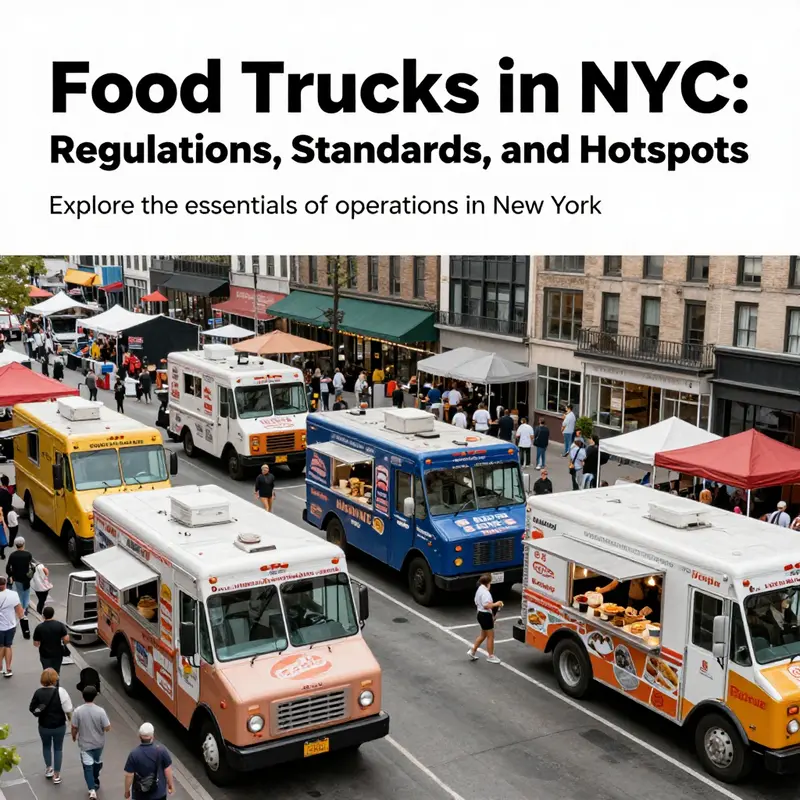
In the vibrant streets of New York City, food trucks have become iconic symbols of urban culinary diversity. They serve not just delicious meals, but also reflect the city’s rich tapestry of flavors. However, behind the enticing façade of food trucks lies a complex regulatory framework that governs their operations. Understanding the essential regulations, health standards, and popular locations where these mobile kitchens thrive is critical for both aspiring vendors and culinary enthusiasts alike. This article will shed light on how food trucks are allowed in NYC, focusing on the necessary permits, stringent health policies, and the vibrant locales where they make their mark.
Navigating the Street Permit: The Permits That Shape NYC’s Food Truck Landscape
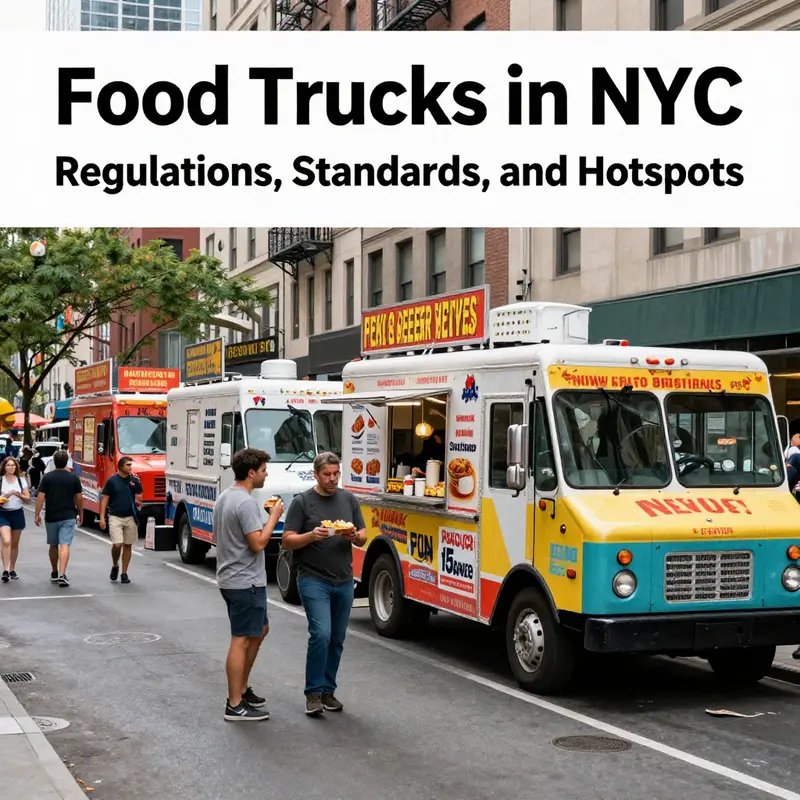
In New York City, the street becomes a culinary stage where mobility and appetite intersect with a meticulous system of rules. The city has long welcomed food vendors who bring flavor to busy sidewalks, parks, and transit hubs, yet it does so within a framework that protects public health, ensures fair competition, and preserves the character of neighborhoods. The result is a well-tuned balance: vendors gain access to a sprawling, dynamic marketplace, while residents and workers enjoy a wide range of options that reflect the city’s diversity and energy. Central to this balance is the set of regulatory permits and licenses that a mobile food operation must secure before its smoke box lights up and its windows roll down. The permits function not as a barrier to opportunity but as a map—one that guides vendors to compliant, sustainable operation while giving city agencies the tools to maintain health, safety, and accountability on every corner they touch. For prospective operators, understanding this map is less about ticking a box of bureaucratic formality than about embracing a disciplined approach to food safety, business legitimacy, and community obligations. The stages of this journey are clear: lay a foundation with the proper licenses, align with the mobile unit’s health and safety standards, navigate designated operating zones and hours, and maintain records and practices that stand up to inspections and audits. In practice, these steps translate into concrete actions, from assembling documentation to scheduling inspections, from training staff in proper handwashing and safe storage to implementing a waste management plan that keeps sidewalks clean and odor-free. The city’s rules are not arbitrary; they are built on a shared expectation that what is sold off a truck is prepared and served in a way that protects the public and preserves the urban experience for everyone who uses city streets as a daily backdrop for work, study, and leisure. The core permits work in concert with a broader ecosystem of oversight, including the Department of Finance and the Office of Administrative Trials and Hearings, which handle licensing records, fees, and potential disputes. But at the heart of the program is the New York City Department of Health and Mental Hygiene, the agency charged with ensuring that mobile food operations meet rigorous health and sanitation standards. This partnership creates a predictable path for vendors and a transparent framework for enforcement, which in turn supports operators who aim to run responsible, scalable businesses. The practical realities of operating a food truck in a place as dense and varied as NYC mean that permits are not simply a one-time hurdle; they are ongoing responsibilities. A license that allows a vendor to sell food from a mobile unit is the foundational credential, but the mobile unit itself must carry a distinct permit designed for the unique challenges of a moving kitchen. The relationship between these documents is precise: the Food Vendor License certifies the individual or entity as a seller of food from a mobile platform, while the Mobile Food Vendor Permit certifies the vehicle or unit that actually transports and dispenses the food. This tandem arrangement reflects a philosophy of accountability that is central to the city’s approach. To the operator, the application process is an exercise in organization and foresight. It begins with a careful collection of documentation—proof of identity, business structure, vehicle details, proof of insurance, and a plan for how the operation will meet sanitation, safety, and environmental standards. It continues with inspections that evaluate the mobile unit’s construction, equipment, and workflow. Is the refrigeration system capable of maintaining safe temperatures during all seasons? Are handwashing facilities accessible and functional? Is waste containment secure and compliant with disposal requirements? These are not rhetorical questions; they are practical criteria that determine whether a truck can stand up to the daily rhythms of a NYC business district or a weekend festival. The stakes are high, but so are the opportunities. When a vendor succeeds in obtaining both the Food Vendor License and the Mobile Food Vendor Permit, the project does not end; it evolves. In the city’s fast-moving urban economy, a permit is a living document that requires ongoing attention. Regular renewals, periodic re-inspections, and continuous adherence to hygiene practices and storage protocols become integrated into daily routines. The license and permit are permits to participate in a regulated market, and they also carry a responsibility to neighbors and city services. Respecting designated operating zones and hours is part of this responsibility. The NYC Department of Health and Mental Hygiene outlines zones and hours to prevent overcrowding in certain streets or near sensitive areas, to reduce traffic conflicts, and to maintain a reasonable balance between resident life and vibrant food culture. These constraints vary by neighborhood, season, and the specifics of a given location, so vendors must stay informed and adaptable. The city’s regulatory design also recognizes that a vibrant mobile food culture is not just about sale; it is about safety, sustainability, and compatibility with the city’s overall health objectives. A well-run mobile operation contributes to a cleaner streetscape and a safer, more predictable urban environment. This is where the enforcement framework becomes less about punitive action and more about guidance, compliance, and continuous improvement. When a health inspection reveals a deficiency, the vendor is given an opportunity to correct it and to demonstrate a reestablished standard in subsequent checks. Penalties for violations can range from fines to temporary suspension of license or permit, but the system is structured to reward proactive compliance. The careful choreography of permits and inspections is a reflection of the city’s broader approach to street commerce. New York’s regulatory environment recognizes that mobile food vendors are not mere itinerant merchants; they are small businesses that contribute to the local economy, support workers, and enliven neighborhoods. The licensing framework is designed to be accessible yet rigorous, providing a clear path for new entrants while ensuring that established operators maintain a high level of professional practice. For those who want to explore how these rules translate into practical business planning, a useful starting point is to think of the licensing process as a two-part proof: personal qualification and vehicle qualification. The personal side requires a responsible operator who can demonstrate knowledge of food safety and business compliance. The vehicle side requires a vehicle that is designed or retrofitted to meet health codes, with features such as proper temperature control, easy-clean surfaces, and securely contained waste. The balance between these two elements is what makes NYC’s mobile food ecosystem both challenging and resilient. In recent years, the accessibility of information and the clarity of procedures have improved. The city’s official pages provide checklists, timelines, and FAQs that help demystify the process. Yet the depth of understanding comes not from reading a page but from engaging with the experience of going through inspections, coordinating with suppliers, training staff, and building a brand that can endure the scrutiny of public health standards and neighborhood expectations. Vendors who have navigated this landscape often emphasize a few core practices. First, preparation is everything. Before the application, gather every required document, maintain organized records, and assemble a comprehensive plan for sanitation, waste management, and equipment maintenance. Second, proactive communication with the licensing and health departments helps to anticipate questions and align on expectations. Third, a commitment to ongoing compliance—through regular equipment maintenance, staff training, and a transparent approach to customer safety—protects the investment and reduces the risk of disruptions caused by violations. The licensing framework also reflects how NYC views the relationship between street food and community life. The city’s spaces are not just sites of commerce; they are shared places where people live, work, and gather. Permits that regulate operating zones and hours are, in essence, measures to maintain balance. They prevent disruption while still allowing a mobile culinary presence to become a familiar part of the urban rhythm. This balance is not incidental; it is the product of careful policy design that weighs the benefits of mobility and diversity against concerns about noise, traffic, and neighborhood character. For operators, this means that success is not only about clever cooking or efficient service; it is about building legitimacy through compliance and consistent quality. The strongest mobile vendors treat the permit system as a framework for discipline rather than a hurdle to overcome. They build routines around inspections, maintain a clean and well-organized vehicle, and invest in staff who understand safe handling, cross-contamination prevention, and proper waste disposal. By doing so, they position themselves not as transient actors but as reliable participants in the city’s economy. The broader ecosystem around these permits is a network of cooperation and oversight. DOHMH’s Mobile Food Vendor Unit coordinates with the city’s other agencies to enforce rules and respond to incidents, while the Department of Finance tracks licensing fees and related obligations. The Office of Administrative Trials and Hearings handles any disputes or enforcement actions, ensuring a fair process for operators who believe a rule has been misapplied or misinterpreted. This interconnected system is what gives NYC its distinctive mobile dining culture: vibrant, diverse, and regulated in a way that protects both public health and consumer trust. For readers seeking practical, field-tested insights into how to approach this path, a useful resource emerges in conversations with operators who have weathered the regulatory process and built resilient businesses. These veteran vendors often speak about the importance of understanding the city’s expectations not just as a checklist, but as a framework for operation. They emphasize the value of budgeting for permits and inspections, anticipating renewal cycles, and maintaining a culture of cleanliness and accountability that can weather even the most demanding weeks of work. The journey also includes opportunities for growth beyond the core permits. In many cases, operators collaborate with event organizers, office parks, and shopping districts to participate in planned food programs, seasonal markets, or private events. Such opportunities may require additional permits or special approvals, but they are typically built on a foundation of compliant, well-run operations that already align with city health standards. The result is a dynamic, evolving landscape in which the permitted mobile kitchen contributes to a city that expects quality, safety, and reliability from every vendor who enters the streets. The city’s approach to permitting is not a static rulebook; it is a living mechanism that adapts to new technologies, evolving health standards, and the growing sophistication of small food businesses. Vendors who stay informed, participate in ongoing education, and invest in robust operating systems find the process not only manageable but ultimately empowering. They gain access to diverse locations, the ability to test new concepts, and a pathway to scale while keeping safety and accountability at the center. In sum, NYC’s regulatory permits for food trucks, when approached with organization and a commitment to best practices, are not roadblocks but the guiding lines of a shared urban project. They enable a safe, predictable, and innovative food landscape that aligns with the city’s values and the ambitions of entrepreneurs who see the street as a platform for connection, culture, and commerce. For those who want to explore how this framework can inform broader business strategies, consider the lens provided by discussions on legal considerations for Latino food-truck startups, which illuminate how regulators, operators, and communities navigate complexity with a focus on responsible growth. See the resource here: legal considerations for Latino food-truck startups. As you plan or expand a mobile venture, keep in mind that the path to operation in NYC is a careful dance of compliance, service quality, and community respect. A robust foundation rooted in the core permits—the Food Vendor License and the Mobile Food Vendor Permit—opens the street to opportunity while preserving the city’s health, order, and hospitality. If you are seeking to deepen your understanding beyond the permit forms and checklists, the official NYC Health page on food trucks offers detailed eligibility criteria, application procedures, and renewal requirements that reflect the city’s current expectations and procedural realities. For a direct gateway to the health department’s guidance, you can consult their dedicated page on food trucks at https://www.nyc.gov/site/health/food-trucks.page. This resource anchors the practical steps described here in the city’s official guidance and helps align aspiring operators with the standards that keep NYC’s mobile dining scene safe, vibrant, and legally sound.
Keeping Plates and Streets Safe: Health and Safety Standards for NYC Food Trucks
Health Code, Permits, and Daily Practices
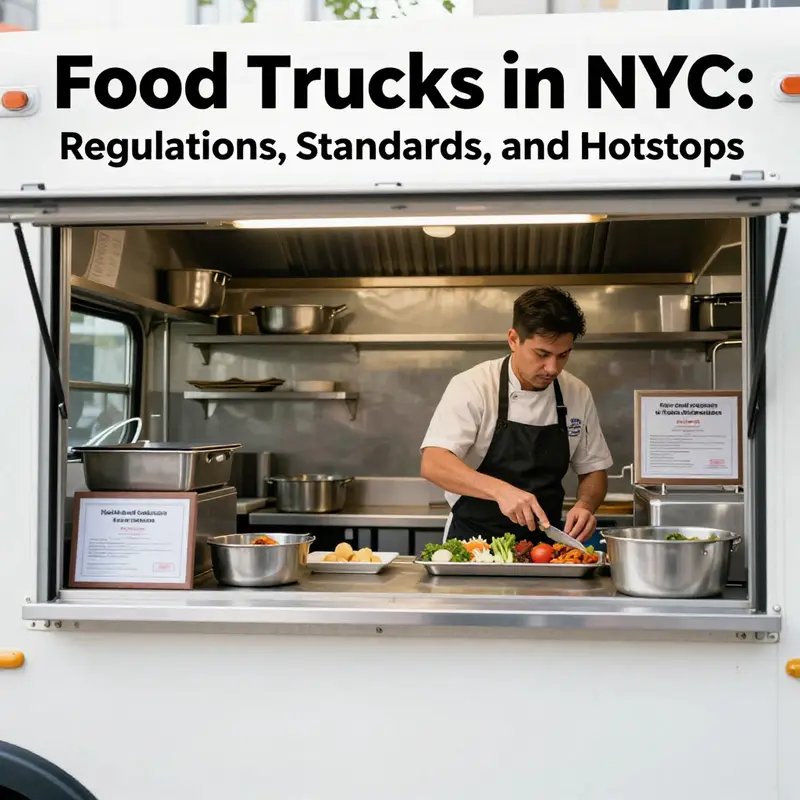
Operating a food truck in New York City means running a kitchen that moves. That mobility adds complexity to every food-safety decision. The New York City Department of Health and Mental Hygiene (DOHMH) sets clear rules to manage that complexity. They ensure food is handled safely, trucks remain sanitary, and the public stays protected. Successful vendors build systems that meet the letter of the law and the spirit of public health.
At the core of the system is Health Code Article 81. This code defines how food must be sourced, prepared, stored, and served. It also spells out the permits and licenses a vendor needs before service ever begins. The operator must hold a valid food vendor license or supervisory license. The vehicle itself must carry a mobile unit permit. These documents are not ceremonial. They show that the truck and its staff meet basic standards for sanitation, equipment, and training.
Licensing ties directly to practical safety steps. Before permits are issued, DOHMH will verify that the unit has the right fixtures. That includes handwashing sinks with hot and cold running water, potable water storage, wastewater containment, adequate refrigeration, and proper food-preparation surfaces. Fuel systems, like propane connections and electrical systems, must comply with fire safety regulations. A permitted truck is easier to inspect and easier to maintain.
Daily operations hinge on a few nonnegotiable routines. Hand hygiene must be constant. Employees must wash hands frequently and at the right times: after handling raw food, after using the restroom, after touching trash, and before preparing ready-to-eat items. Trucks must display handwashing sinks that are easily accessible to staff. Single-use gloves are useful, but they do not replace handwashing. Gloves must be changed when soiled and between tasks to avoid cross-contamination.
Temperature control is a second pillar. Perishable foods need safe temperatures from receipt through service. Cold foods must be held at 41°F (5°C) or below. Hot foods must be kept at 140°F (60°C) or above. Trucks must have reliable refrigeration and hot-holding equipment. Vendors should use calibrated thermometers and log temperatures at regular intervals. These logs support compliance during inspections and protect customers by catching equipment failures early.
Cross-contamination prevention is a daily practice. Raw proteins, produce, ready-to-eat items, and allergens must be separated. Cutting boards and utensils should be color-coded or otherwise dedicated to specific food types. Surfaces must be sanitized after contact with raw items. Approved sanitizers and contact times are specified in the health code and must be followed exactly. Effective cleaning schedules, visible to staff, reduce mistakes.
Source control matters. Food must come from approved suppliers with proper licenses. Receiving procedures are part of the truck’s hygiene system. Drivers and vendors should check delivery temperatures on arrival. For high-risk foods, invoices and supplier information should be retained. This recordkeeping helps trace issues if a contamination event occurs.
Employee training transforms rules into consistent actions. New York City requires staff to complete a Food Protection Manager Certification course. This course teaches hazard identification, critical control points, and corrective actions. Regular refresher training keeps knowledge current. Effective training covers safe cooking temperatures, allergic reaction prevention, cleaning protocols, and how to respond to a suspected food-borne illness.
Sanitation extends beyond food contact surfaces. Waste management is essential in a compact mobile environment. Trucks must contain their trash and prevent overflow. Wastewater must be stored in approved tanks and disposed of at permitted facilities. Litter and grease control prevent pest attraction. Vendors should secure contracts with commissaries or service partners for waste removal and bulk supplies. Well-managed waste systems reduce the chance of violations.
Commissary and supply relationships are central to compliance. Many regulations require mobile units to operate with an approved commissary. Commissaries provide potable water fills, wastewater disposal, refrigeration, and storage. They often perform deep cleaning, grease trap service, and supply deliveries. Choosing a compliant commissary makes inspections smoother and daily life simpler. New operators often rely on commissary staff for practical help meeting code requirements.
Maintenance of equipment keeps safety measures predictable. Refrigerators, hot-holding units, and thermometers require regular checks and calibration. Cooking equipment should be serviced according to manufacturer guidance and local codes. Ventilation and fire suppression systems need routine inspection. A small maintenance log prevents surprises during an inspection. Replace worn seals and faulty gaskets promptly to prevent temperature loss.
Pest management must be proactive. Mobile units are vulnerable to rodents, flies, and other pests. Trucks should be designed to deny entry, with screens on openings and tight-fitting doors. Regular cleaning of vents, under-shelf areas, and storage spaces avoids hidden build-ups. When baiting or trapping is necessary, vendors must use approved methods and document their actions.
Allergen awareness is now part of everyday food service. Labels and verbal disclosures help customers make informed choices. Staff must be trained to prevent cross-contact during preparation. Even small traces can trigger severe reactions. Many vendors adopt strict practices to manage allergens, such as designated utensils and thorough cleaning steps between orders.
Emergency preparedness is often overlooked but crucial. Trucks use propane, natural gas, and electrical systems. Operators must know how to shut down fuel sources, isolate electrical faults, and use fire extinguishers properly. Fire suppression systems must be inspected and certified. Staff drills for simulated emergencies create muscle memory for quick responses.
Inspections by DOHMH are regular and sometimes unannounced. Inspectors look for critical violations, such as improper temperature control, inadequate handwashing facilities, evidence of pests, and poor sanitation. Violations can result in fines, permit suspension, or temporary closure. Vendors should welcome inspections as opportunities to improve. Clear documentation and visible cleaning logs show inspectors that the operator takes safety seriously.
Recordkeeping supports accountability. Maintain logs for temperatures, cleaning, pest control, and maintenance. Keep training certificates and supplier invoices on file. When possible, store digital backups. Records ease audits and speed up corrective actions when an issue arises.
Communication with customers has safety benefits. Clear signage showing inspection scores builds trust. Posted allergen information and ingredient lists reduce risk. When a customer reports an illness, vendors should take notes and preserve related food and documentation. Prompt reporting to public health authorities can limit a larger outbreak.
Food defense and traceability tie into modern concerns. While many mobile vendors are small operations, they should still consider traceability systems. Record where each batch of food originates and when it was received. That information shortens investigation times if a supplier issue emerges. Food defense also includes simple measures such as locking dry storage and controlling who has access to the cooking area.
Legal interactions are part of the business reality. Vendors must coordinate with multiple agencies beyond DOHMH. Permits and fines may involve the Department of Finance and administrative hearings at the Office of Administrative Trials and Hearings (OATH). Understanding the administrative process helps a vendor respond effectively to notices and appeals. For operators focused on Latino communities and entrepreneurs, resources on legal requirements are available that discuss the full startup picture and the intersection of law and safety: legal considerations for Latino food truck startups.
Beyond compliance, many vendors adopt best practices that exceed minimum standards. These practices include daily pre-shift checklists, weekly deep-clean routines, and quarterly supplier audits. Some trucks invest in redundant refrigeration or portable temperature-monitoring devices that send alerts to a phone. These investments reduce risk and can prevent catastrophic product loss.
Customer experience ties directly to safety. A clean truck and professional staff inspire confidence. When employees explain how food is handled or note allergen precautions, customers perceive higher quality. Consistent service and hygiene practices create loyal customers and reduce the likelihood of complaints that attract regulatory scrutiny.
Training and culture set the tone for how rules are followed. A culture that prioritizes safety encourages staff to report small problems early. That includes reporting odd smells, unusual temperatures, or suspicious supplier practices. Rewarding staff for safe behavior—through recognition or incentives—builds lasting habits.
When violations occur, address them quickly. Corrective actions should be documented and tied to a prevention plan. If a critical violation leads to closure, vendors must follow DOHMH guidance before reopening. That may involve rectifying mechanical failures, retraining staff, or proof of pest elimination.
Technology can streamline compliance. Mobile apps for temperature logging, digital checklists, and cloud storage for certificates simplify recordkeeping. Some tools automate temperature alerts and vendor logs. However, technology should complement, not replace, disciplined routines and staff training.
Networking with other vendors and public health partners is practical. Peer networks share tips on vendors’ best practices, commissary recommendations, and inspection strategies. Local health departments often run workshops or post updated guidance. Staying engaged with the community keeps vendors informed about rule changes and new threats.
Sustained compliance balances routine, documentation, and continuous improvement. Set clear systems for each shift: verify water levels, check refrigeration, confirm sanitizer concentrations, and record temperatures. Make training ongoing, not a one-time event. Treat inspections as feedback loops rather than punishments. That attitude reduces risk and preserves reputation.
Maintaining visibility into official resources supports long-term success. DOHMH provides comprehensive guidance on licensing and inspections. Vendors should consult these resources frequently, especially before seasonal changes or when introducing new menu items. For official details and step-by-step guidance, visit the DOHMH mobile food vendors page: https://www.nyc.gov/site/doh/services/mobile-food-vendors.page
This chapter has outlined the core standards that govern food truck health and safety in New York City. The practical measures described here form an integrated system. Licensing, equipment, daily routines, training, recordkeeping, and emergency planning work together. When each element is managed consistently, vendors protect customers and keep their businesses running.
Roaming Kitchens of the Big Apple: The Geography, Regulation, and Cultural Pulse of NYC’s Food Trucks
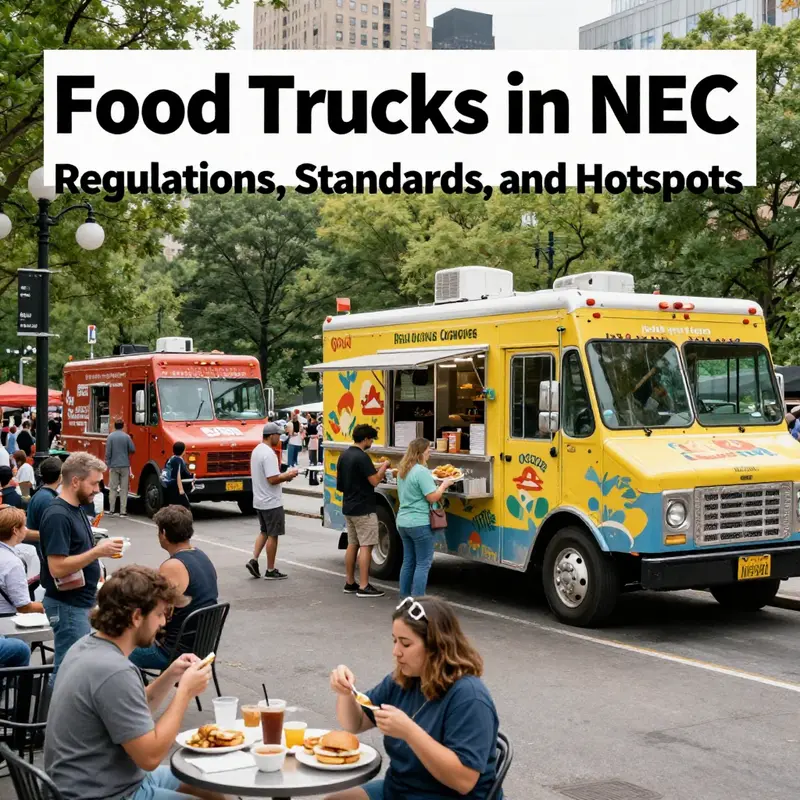
New York City has long been a stage for mobile kitchens that glide through its streets like bright, humming arteries delivering quick, flavorful sustenance to exhausted commuters, curious tourists, and neighborhood regulars alike. The city’s appetite for street food is more than a passing trend; it is a living tradition that blends history, urban design, and a relentless push for accessibility. In NYC, a food truck is not merely a vehicle with a grill and a cooler; it is a carefully regulated enterprise that unfolds within a dense matrix of rules, routes, and rituals designed to protect public health while inviting entrepreneurship to flourish on curb space that is inherently finite and fiercely contested. The question “are food trucks allowed in NYC?” resolves into a nuanced answer: yes, under a robust regulatory framework that supports mobility, diversity, and safety. The chapter that follows traces that framework, but it also travels through the geography of the city’s street-vending culture, showing how permits, locations, and schedules shape a university of street life where culinary ideas meet the improvisational energy of the city itself.
At the heart of how NYC food trucks operate is a carefully choreographed cadence between the city’s agencies, the vendors themselves, and the communities they serve. The New York City Department of Health and Mental Hygiene (DOHMH) is the linchpin for health and sanitation. Any vendor seeking to operate in the five boroughs must obtain a permit from DOHMH, demonstrating that the vehicle meets strict standards for cleanliness, food handling, waste disposal, and cold and hot holding of foods. This is not a one-off clearance; it is a continuous obligation that aligns with ongoing inspections, vehicle maintenance, and procedural documentation. The Department of Finance plays a complementary role, ensuring that the business is properly registered and that the appropriate taxes and fees are remitted. The Office of Administrative Trials and Hearings (OATH) sometimes enters the picture when violations are alleged, offering a formal process for adjudicating disputes and upholding compliance. The intertwined path to legality is a reminder that a food truck in NYC is as much a legal entity as a culinary one, tethered to licensing, inspection, and accountability as closely as it is to flavor and speed.
The practical upshot of this regulatory architecture is that a city-backed safety net exists for diners and vendors alike. Health codes govern everything from handwashing facilities and utensil storage to the separation of raw and cooked foods, the maintenance of refrigeration, and the management of waste. Vendors are required to keep their carts or trucks clean, to maintain accurate temperature logs, and to implement routines that prevent cross-contamination. These procedures translate into tangible benefits for the public—the assurance that a quick bite on the run won’t compromise a person’s health, even in crowded neighborhoods where lines often stretch in the heat of summer or the bite of winter. Yet the same rules that protect health also set boundaries. Zoning and location restrictions, hours of operation, and permit quotas shape where a truck can park, when it can operate, and for how long. In practical terms, this means the city’s curb space—already a contested resource in a dense metropolis—must be allocated in a way that balances commerce, traffic safety, and resident quality of life. The framework thus functions as a living contract between the city and its mobile food entrepreneurs, one that adapts as neighborhoods change and as demand shifts with seasons and events.
If doormen or transit hubs have become known as the city’s pulses, then food trucks are the mobile arteries that feed those pulses. They gather in high-traffic corridors where office tenancies concentrate, where parks create open air dining moments, and where cultural institutions or event spaces draw crowds seeking a quick, flavorful detour from the afternoon routine. Midtown and Times Square, while infamous for their crowds, also symbolize a logic of density that makes street food feasible, despite the friction of traffic, parking, and observational demands from city inspectors. Along Broadway and Fifth Avenue, the rhythm of pedestrians, shoppers, and commuters creates a constant demand for hot, accessible fare that can be enjoyed without a table or a long wait. In addition, trucks frequently congregate near transit hubs where people transfer between subway lines or bus routes. Parks, plazas, and pedestrian malls become stage sets for lunchtime rituals and weekend wanderings, especially when the weather invites people to linger outdoors or when cultural festivals invite a broader audience to sample a range of flavors.
The historical roots of this street-food ecosystem are not a sudden spark but a long, winding thread that links today’s trucks with the city’s earliest forms of public eating. Pushcart vending, which has roots tracing back to the late 17th century with the Dutch settlement in New Amsterdam, established a pattern of mobile commerce that would survive centuries of urban transformation. The modern food truck, while technologically more sophisticated, inherits a lineage of mobility as a practical response to a city whose energy never quite slows. That continuity matters, for it reminds residents and visitors alike that NYC’s street food is not an ephemeral novelty but a resilient cultural practice that has adapted to changing regulatory climates, evolving tastes, and a broader metropolis that continues to attract people from every corner of the globe.
The spectrum of cuisine offered by NYC’s mobile kitchens reflects the city’s multicultural makeup. While some carts specialize in fast staple comfort foods—think warm bread, seasoned meats, and soulful sides—the culinary landscape also expands into Middle Eastern, Latin American, and Asian flavors, as well as inventive fusion concepts that braid techniques and ingredients from different traditions. In this context, the street becomes a living lab where chefs and entrepreneurs experiment with textures, spice profiles, and presentations that translate well to a quick, portable format. The practical constraints of mobility—small kitchen footprints, limited refrigeration, compact cooking surfaces—often spur ingenuity: clever use of vertical space, compact cooking sequences, and a focus on items that travel well and stay appealing as they reach the hands of a waiting customer. The result is a catalog of options that is as diverse as the city’s neighborhoods themselves, offering something for a hurried office worker, a curious tourist, or a food curious local who wants to sample a new flavor before committing to a full meal elsewhere.
Operational reality, however, is never merely about cooking. The daily life of a street vendor in NYC is a study in logistics, risk management, and navigation. A typical morning might begin with a meticulous opening routine: verifying fuel and water supplies, checking refrigeration temperatures, inspecting the grill or fryer, cleaning and sanitizing surfaces, and reviewing daily permits and notices. The route plans, posted hours, or rotating locations are often announced through social media platforms or dedicated apps, turning a simple cart into a dynamic platform whose location is as much public knowledge as the city’s subway map. This use of real-time updates helps manage expectations among regulars and newcomers alike and can transform a fixed block into a micro-culinary festival when several trucks converge in one place. The social aspect matters too; a well-timed post about a new dish or a limited-time offer can create a spillover effect as people follow the truck’s movements across different neighborhoods.
A wider lens on these dynamics can be found by looking at related street-food ecosystems in other major cities, especially when considering the immigrant-led narratives that shape many of these mobile kitchens. The broader picture shows how cultural entrepreneurship translates into urban cuisine on wheels, often emphasizing accessibility, affordability, and a democratized dining experience. A notable dimension of this broader discussion is the way immigrant communities contribute to the city’s culinary vocabulary while negotiating regulatory realities. For readers who want to explore how Latino street-food entrepreneurship plays out in different urban centers, a focused look at Latino food trucks in major cities highlights how culture and appetite intersect in urban street commerce. This broader context helps explain why NYC’s system prizes both safety and flavor, and why the curb remains a site of both opportunity and negotiation. Latino food trucks in major cities offers a comparative lens on this phenomenon, illustrating the variety of routes, menu concepts, and community ties that converge in metropolitan street dining.
The popularity of NYC’s food trucks is reflected in popular perception as well as in ranking aggregates that attempt to capture a snapshot of the city’s mobile dining scene. By 2026, these mobile kitchens consistently populate top lists on consumer review platforms, signaling not only enduring demand but also a degree of cultural legitimacy. People use these trucks for quick lunches between meetings, for a post-work celebratory bite, or for a late-evening, budget-friendly option that fits a student or family budget. The advantages are not purely economic; they also include the experiential benefit of exposure to cuisines that might otherwise require more time and planning to access in traditional dining venues. The trucks can act as ambassadors for neighborhoods, rotating through districts that are often underserved by brick-and-mortar restaurants. They bring a sense of place and character to street corners, making the city feel navigable and intimate at the same time. The result is a city that feels both vast and intimate—a paradox that street food helps to resolve by turning a simple bite into a shared moment of urban life.
From the consumer perspective, the appeal of street food in NYC rests on several interlocking advantages. First, speed and convenience; the urban pace rewards vendors who can deliver warmth and flavor in a few minutes. Second, price points that are accessible for a broad spectrum of eaters, including students, workers, and visitors who want to sample new tastes without overspending. Third, variety and the thrill of discovery; a day in the city can become a culinary itinerary as one moves from cart to cart, sampling a spectrum of ingredients, techniques, and presentation styles. Fourth, the social dimension; the interaction between vendor and customer—sharing a recommendation, a story, or a joke—infuses meals with a human touch that is often missing in more formal dining settings. These factors together reinforce the street-food experience as an essential part of the city’s identity, a portable celebration of the cosmopolitan character that makes New York a global hub of culture and commerce.
Yet behind the romance lies a practical infrastructure. The regulatory framework is not a backdrop but a driver of where and how food trucks operate. It shapes the geometry of the city by determining where trucks can park, how long they can stay, and under what conditions they must operate. It influences the kinds of business models that operators can sustain. It affects the costs of starting and maintaining a mobile food business—the licensing fees, the vehicle inspections, the compliance updates that must be tracked over time. In a city that prizes speed and efficiency, the ability to secure and maintain permits becomes a core competency for vendors. The long-term sustainability of a truck business depends on a vendor’s capacity to stay compliant, to adapt to changing rules, and to maintain the reputation that brings customers back or steers them toward new routes and menus.
The closing note is a reminder that NYC’s food trucks are not isolated curiosities but integral pieces of a broader urban ecosystem. They interact with pedestrians, cyclists, transit users, and residents who may have different experiences with curb space. They respond to seasons and weather, to festival calendars, and to the rhythms of the workday. They also reflect the city’s commitment to safety and fairness by maintaining standards that apply equally to a neighborhood corner cart and a larger, more formal commissary operation. In that sense, the question of permission is not simply a bureaucratic hurdle but a signal about what the city expects from mobile commerce: that it will be robust, accountable, and inclusive, offering opportunities for small operators to contribute to the city’s vitality while protecting the health and wellbeing of all who walk its streets.
For those curious about how street dining translates into real-world experience, the urban story is best understood not as a catalog of permits and maps but as a narrative of people. Vendors bring their own histories, families, and recipes to the street corner. They build customer relationships that can endure across seasons and boroughs. They train apprentices who may someday operate their own carts and pass along hard-won wisdom about stock management, customer service, and the art of timing. In turn, customers reciprocate with loyalty and curiosity, creating a feedback loop that fuels invention. The result is a city where food trucks are less a novelty and more a persistent method of urban nourishment, a mobile module of culture that travels with the day’s flow through neighborhoods that keep redefining what it means to eat well on the go.
Finally, the broader implication for readers who wonder whether such mobility is compatible with city life is clear. NYC’s stance on food trucks—permitting, regulating, and policing to a degree that ensures health and fairness—demonstrates that urban centers can accommodate entrepreneurship without sacrificing safety or order. The system recognizes the value of curbside commerce in creating accessible, diverse, and affordable dining options while maintaining the standards that protect public health and the integrity of city services. The mobility of these kitchens speaks to a larger urban truth: cities thrive when they enable rapid adaptation, when they allow communities to experiment with new flavors and new business models, and when they balance freedom with accountability. In that balance lies the vitality that keeps neighborhoods vibrant, travelers nourished, and the city itself moving forward through every season and street corner.
External resource for readers seeking a closer look at consumer perspectives and reviews in this evolving landscape is available in widely used outlet listings. For an overview of popular and highly rated mobile dining options in New York, consult this external resource: https://www.yelp.com/biz/top-10-food-trucks-in-new-york-ny
Final thoughts
Food trucks are a testament to New York City’s dynamic culinary scene, representing a blend of creativity and compliance. By adhering to the necessary regulations and health standards, these mobile eateries not only serve mouth-watering delicacies but also contribute to the cultural vibrancy of the city. As food trucks continue to thrive in popular locations across NYC, they embody the spirit of innovation within the food industry, catering to a diverse audience eager for quick and tasty culinary experiences.