
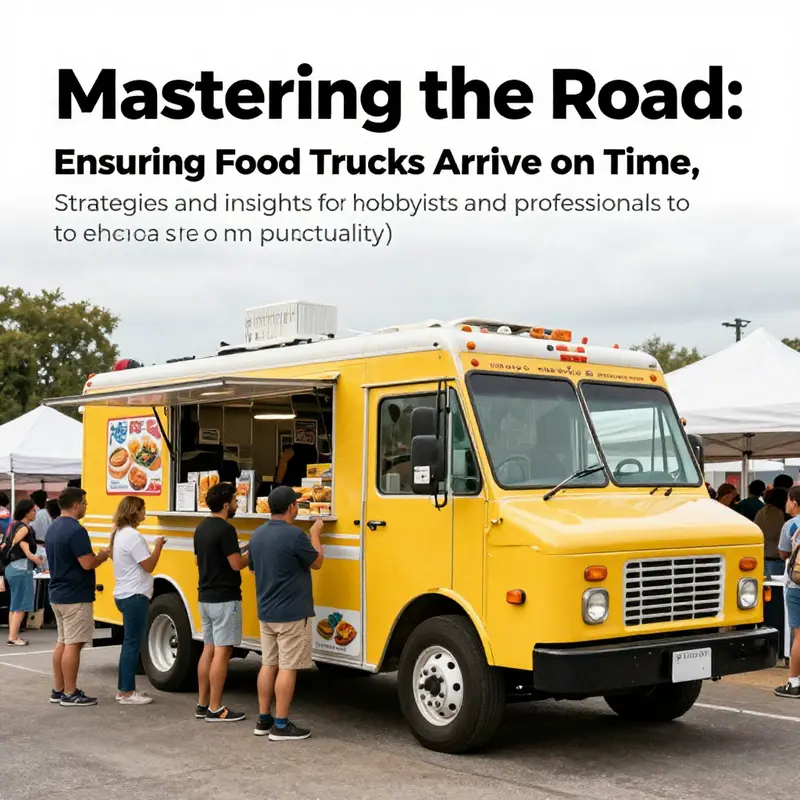
The food truck industry is a unique intersection of culinary art and logistical precision. For enthusiasts and professionals alike, ensuring that food trucks arrive on time is not just about delivering delicious meals; it’s a matter of reputation and reliability. In this era of rapid delivery expectations, optimizing route planning, implementing real-time tracking, and ensuring vehicle reliability are key strategies that can make or break operational success. This article delves into these vital aspects, providing a comprehensive guide to the best practices that will not only keep food trucks on schedule but also satisfy even the most discerning customers. Each chapter focuses on a critical element in the process, forming a cohesive framework for anyone invested in food truck operations.
Navigating the Maze: How Advanced Route Planning Ensures Food Truck Timeliness
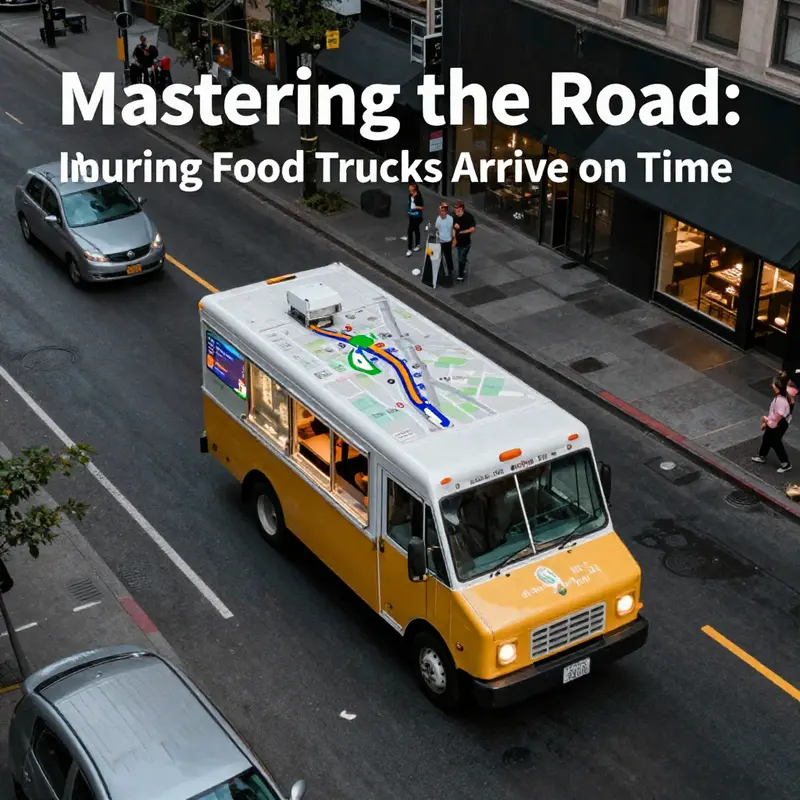
In today’s competitive mobile dining landscape, every minute counts. Food truck operators face the challenge of delivering quality cuisine while meeting the clock. Optimizing route planning goes far beyond simply picking the shortest distance between two points. Instead, successful food truck logistics rely on a careful blend of strategic planning, real-time tracking, and adaptive technologies. This integrated approach keeps food trucks on schedule regardless of unexpected road conditions or sudden increases in customer demand.
Advanced routing technologies use complex algorithms in combination with real-time data to calculate optimal paths. In many systems, the process starts by accessing up-to-date traffic information. Systems leverage geographic information systems (GIS) to visualize the urban grid while monitoring live updates on traffic congestions, road repairs, or accidents. These systems process data that is collected from multiple sources, including city sensors, mobile data from drivers, and even weather forecasts. By considering these factors, route planning software recalculates the best route in milliseconds. The result is a more efficient transit that minimizes idle time and helps food trucks reach busy neighborhoods on time.
Modern logistics managers rely on advanced algorithms like Dijkstra or A* when charting a course through congested urban centers. These algorithms are capable of processing vast amounts of data and evaluating numerous possible pathways. The efficiency of these algorithms lies in their ability to weigh every possible factor—from traffic signals to historical congestion patterns—before making a recommendation. This is especially vital during peak hours in major cities, where even minor delays can have a domino effect on a truck’s entire day. By predicting and adjusting for delays before they occur, operators can adhere to tight schedules and ensure that every food truck remains on course.
A typical day for a food truck is full of uncertainty. Unpredicted road closures, sudden weather changes, and intermittent surges in customer orders can wreak havoc on even the best-laid plans. To counter these challenges, many operators integrate real-time tracking devices into their fleet. With GPS trackers installed on every truck, dispatchers can monitor the exact location of their vehicles in real time. This constant source of information allows for quick decision-making. If a traffic jam develops or a road becomes unexpectedly congested, the routing system can send instant alerts to the driver. The system then dynamically adjusts the route to bypass the bottleneck, safeguarding the promised delivery time. In this manner, the integration of live tracking technology transforms reactive measures into proactive solutions.
Technological advancements have had a profound impact on fuel efficiency as well. By optimizing routes, food trucks do not have to travel extra miles, which means less fuel consumption and lower costs. The algorithms analyze routes not only for speed but also for efficiency. They calculate stop-and-go scenarios and assess driving patterns to streamline the entire journey. For example, a truck that is expected to encounter heavy traffic might be rerouted through quieter backroads, thereby avoiding frequent stops that increase fuel consumption. This kind of efficiency is essential for businesses that operate on thin profit margins, where every drop of fuel saved contributes to overall cost reduction.
Furthermore, the data gathered from real-time tracking and historical traffic patterns can be used to improve future operations. Food truck companies can analyze daily performance data to identify nearly invisible trends. Over weeks or months, patterns emerge that highlight recurring bottlenecks, areas with frequent delays, or streets that are unnecessarily congested at specific times. With this knowledge, companies can refine not just the travel routes but also the scheduling of departures, ensuring that each food truck is dispatched at the optimal time. The proactive predictions enabled by this technology help in setting realistic buffer times. Operators can schedule departures slightly earlier to account for normal delays, ensuring that unforeseen circumstances do not derail the entire schedule.
The integration of predictive demand forecasting with route planning adds another layer of efficiency. By evaluating order volumes, operators can estimate when and where demand will peak. These predictions are based on a variety of factors including weather conditions, local events, and historical customer activity. With this insight, dispatchers know which routes will encounter the highest number of stops and therefore need extra clearance time. It also allows for intelligent reallocation of resources, such as deploying additional trucks during high-demand hours or reassigning drivers to routes that require more complex navigation. Such precise scheduling minimizes idle wait times and reinforces the reliability of on-time arrivals.
As businesses increasingly adopt these technologies, the landscape of mobile food service is undergoing a dramatic transformation. The traditional notion of simply driving from point A to point B has evolved into a multi-step logistical operation. Delivery companies now invest significantly in systems that offer predictive insights and real-time data streams. They use data not only to plan routes but also to diagnose issues as soon as they arise. When a potential delay is detected, management can immediately take corrective action, which might involve notifying customers or dispatching an alternate vehicle. This level of control fosters a high degree of customer satisfaction. Patrons learn that their orders are consistently reliable, even during periods of high demand.
The human element is still a critical factor in the equation even as digital systems take the lead. Drivers must be adequately trained to handle the sophisticated tools at their disposal. They are taught not just the basics of safe driving, but also how to interpret real-time alerts and react swiftly to route changes. Training these individuals to work seamlessly with advanced technological systems is as important as investing in the technology itself. Furthermore, food truck staff are encouraged to follow standardized operational procedures to make departures as efficient as possible. A recorded routine for pre-trip vehicle inspections, loading, and customer service allows each step to run like clockwork. Every minute saved on these processes contributes to the truck being on time, reinforcing the overall system of punctuality.
In some cases, route optimization goes hand in hand with city planning. In bustling metropolises, municipal authorities sometimes collaborate with food truck operators to designate specific zones for vending. This collaboration can lead to the management of special traffic lanes or designated parking spots, which streamline the entire process. These initiatives are guided by an understanding of urban dynamics, ensuring that food trucks have a clear path to high-traffic areas. Urban centers benefit from these measures by reducing congestion in popular areas while boosting local economies. The mutual benefits for both operators and host cities provide a compelling reason to invest in collaborative planning and infrastructure improvements.
Another significant advantage of effective route planning is the reduction in stress and uncertainty for operators. When routes are optimized and real-time data is available, the element of guesswork is minimized. Drivers can focus on safely navigating the roads instead of fretting over possible delays. The confidence derived from knowing that a smart system backs every decision is invaluable. It paves the way for a smoother operation and allows operators to focus on other critical aspects of the business, like customer engagement and culinary innovation. In a highly competitive market, the ability to consistently deliver on time can serve as a distinguishing mark for a food truck business.
Modern routing systems draw on experiences from a range of industries to create a robust model for success. The logistics field, known for its stringent delivery requirements, has long employed predictive models and dynamic rerouting strategies. The food truck industry has adapted these techniques to cope with its unique challenges. One critical aspect is the integration of multi-source data that ensures even minor traffic disruptions are detected and factored into the routing process. These models are updated continuously, integrating the latest findings from research and field data. For instance, a 2025 study in the Journal of Transportation Research demonstrated that AI-driven route optimization systems could reduce average delivery times by up to 34% and increase on-time arrivals by over 40%. Such impressive results underscore the transformative impact of these intelligent routing algorithms.
The fusion of technology and operational strategy is tangible when one considers the financial as well as the reputational benefits. Reduced fuel consumption, minimized delays, and enhanced customer satisfaction directly improve profit margins. More importantly, on-time deliveries create a reliable brand image. In the world of food trucks, word-of-mouth and social media reviews can make or break a business. With a well-oiled system that guarantees punctuality, operators can slowly build a loyal customer base that trusts them to deliver both great food and prompt service.
Real-time data analytics are crucial to the ongoing refinement of these systems. Data collected throughout the day provides insights into how effectively the routes are functioning. Companies compile information about average speeds, stoppage durations, and unexpected detours. By analyzing these metrics, they identify areas for improvement and fine-tune their algorithms. Software updates may integrate new data points, such as real-time weather conditions or emerging city infrastructure projects, which in turn improve the model’s accuracy. Over time, this iterative process results in continually improved route plans that adapt to the evolving urban landscape.
The interplay between technology and operational discipline helps ensure that food trucks remain agile. Standardized operations combined with route optimization create a robust system that can adapt to sudden changes. For example, on a busy weekend, a minor accident or a sudden inflow of customers may occur. Rather than scramble to resolve the issue, a well-integrated system allows for immediate adjustments. Drivers receive notifications to modify their routes, while managers can communicate with customers about potential slight delays. This level of adaptability ensures that minor disruptions are managed without causing a ripple effect across the day’s schedule.
The importance of effective communication cannot be overstated. When route optimizations are adjusted on the fly, clear communication with customers becomes critical. Many food truck operators use multiple channels to keep their audience informed. Automated text messages, in-app notifications, or even posts on social media platforms allow customers to understand the status of their orders in real time. This transparency not only builds trust but also sets realistic expectations about waiting times. A well-informed customer is more likely to remain patient if a minor delay occurs. The combination of predictive systems and proactive communication forms a buffer against dissatisfaction and negative reviews.
Sustained efficiency is also supported by building in buffer times within the schedule. Even the most advanced systems cannot account for every unpredictable variable. By scheduling departures with a built-in margin of error, the system absorbs minor delays without affecting the overall delivery timeline. This practice of adding protective time ensures that the system is resilient enough to handle everyday fluctuations. In effect, it means that even if a truck encounters moderate delays due to unforeseen city events or minor mechanical issues, the carefully planned schedule absorbs the impact, and the overall efficiency remains intact.
Operators who focus on route optimization not only safeguard their schedules but also contribute to environmental sustainability. When routes are optimized, less time is spent idling in traffic. This reduction in idle time leads to lower carbon emissions and decreases the overall environmental footprint of the fleet. In a world where sustainability is gaining priority, every reduction in emissions counts. Food truck companies that invest in efficient route planning and real-time tracking help set a positive example by integrating environmentally responsible practices into their business models.
There is also an emerging trend where route optimization systems are starting to incorporate machine learning to continuously improve their performance. These systems learn from past data, identifying subtle patterns and recurring traffic events that might have been overlooked. As these intelligent systems evolve, they become even more adept at making micro-adjustments during transit. The capacity for self-improvement through machine learning means that the route planning tools of tomorrow could be even more precise than those available today. The future of food truck logistics may depend on this ever-evolving technology, where each trip feeds valuable data back into the system to create a tighter, more efficient operational loop.
Beyond the technological and operational aspects, successful route planning requires a shift in mindset. Food truck operators must view each journey as a dynamic process rather than a static route from point A to point B. Embracing the complexities of urban environments requires continuous learning and adaptation. As decision-making becomes more data-driven, the role of human intuition still holds value. Experienced drivers often bring local insights to the table that algorithms may not fully capture. For example, a driver familiar with a particular neighborhood might notice subtle cues about the best times to enter a congested area or the quickest exit routes during a local event. This blend of technology and local expertise creates a synergy that is critical for true punctuality.
By integrating all these elements—advanced algorithms, real-time tracking, predictive demand forecasting, and smart scheduling—food trucks gain a significant competitive edge. The journey from a restaurant’s kitchen to a customer’s hands is no longer a gamble. Instead, it is a well-orchestrated series of decisions made with precision and clarity. Each decision is supported by data that continuously refines itself to ensure optimal performance. The food truck industry, historically characterized by unpredictability, has embraced these tools to offer a level of service that rivals even the most reliable conventional restaurants.
For example, consider a scenario in a vibrant urban setting where multiple food trucks are operating concurrently in high-demand regions. Without a robust route optimization system, trucks might find themselves stuck behind each other in the same congested area. However, with the integration of real-time data and dynamic rerouting, each truck can assess its own progress independently. One truck might divert to a less congested but equally popular area, while another might choose to wait in a designated buffer zone until the traffic subsides. Such coordination not only ensures that all trucks maintain their delivery timelines but also evenly distributes demand across available regions. The impact on customer satisfaction and overall business efficiency is profound.
The collaborative potential of these technologies extends beyond the individual operator. Regional logistics networks can share data and insights among multiple businesses. This form of cooperative data sharing can lead to thinner margins on traffic delays and result in overall improvements in service quality. In some regions, local business associations have begun to experiment with shared routing platforms that benefit all participating vendors. The resulting cooperation creates a community of practice that fosters mutual success. One noteworthy resource that delves further into the challenges and opportunities in urban food truck logistics can be found on the website discussing major food truck operations in evolving cityscapes; readers interested in additional insights may find valuable context in the article on Latino Food Trucks in Major Cities.
It is clear that route optimization is central to ensuring that food trucks arrive on time. Every minute saved adds to the overall efficiency and profitability of the business. The continuous loop of data gathering, analysis, decision-making, and feedback forms the backbone of modern food truck logistics. As these technologies become more sophisticated, the gap between planned and actual performance narrows even further. In this environment, investing in advanced route planning is not just an option—it is a necessity.
With the stakes so high, this integrative approach is the future for mobile food services. Enhanced route planning methods offer improved punctuality, reduced operational costs, and a sustainable operational model that other industries may well emulate. The journey is ongoing, and the tools continue to evolve, promising even greater precision in scheduling and efficiency. For those who remain at the cutting edge of logistics technology, every trip serves as another opportunity to refine the system further.
For an in-depth look at how these advanced optimization techniques are shaping the future of food delivery and enhancing punctuality, interested readers can explore more detailed information at the external resource provided by RoadwayTech: How Smart Routing Is Revolutionizing Food Delivery.
Navigating the Digital Highway: Harnessing Real-Time Tracking to Guarantee Food Truck Punctuality
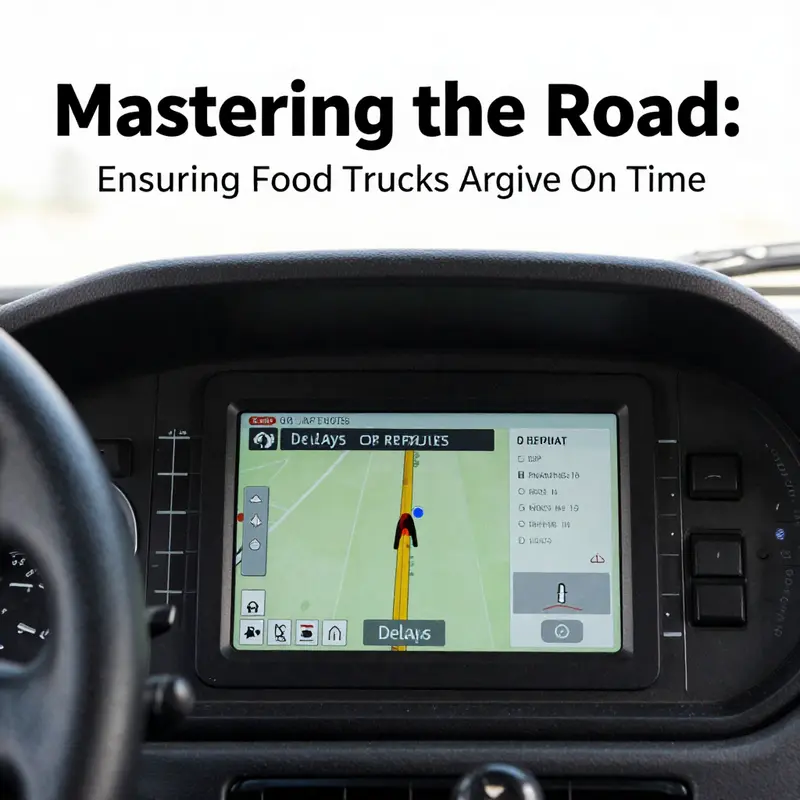
The modern food truck industry has evolved into a dynamic arena where technology and logistics merge to deliver both exceptional cuisine and pinpoint punctuality. As food trucks traverse bustling urban landscapes and winding suburban routes, ensuring that each vehicle arrives at its destination on time becomes not only a matter of operational efficiency but also an essential pillar of customer satisfaction. At the heart of this transformation is the integration of real-time tracking technology, a game changer that provides continuous monitoring of every truck from the moment it leaves the central kitchen until it reaches its designated stop.
Real-time tracking is more than a tool—it is a proactive partner in the management of mobile culinary ventures. By equipping food trucks with advanced GPS systems and IoT devices, operators can now benefit from an unprecedented level of visibility. This technology gathers and processes live data regarding vehicle location, traffic congestion, and unexpected obstacles such as road closures or adverse weather. The data, continuously relayed to dispatch centers, allows managers to adjust routes on the fly, making it possible to reroute vehicles around congestion zones or other disruptions. Such agility in operations is crucial in an industry where even minor delays can ripple into significant operational setbacks and negatively affect customer experience.
Every minute saved on the road translates directly into enhanced customer satisfaction. Diners who rely on food trucks appreciate knowing exactly when their favorite culinary delights will arrive. With real-time tracking, customers can follow their chosen truck’s journey via mobile apps or SMS alerts, receiving precise estimated times of arrival (ETA) directly to their devices. This transparency not only reduces the uncertainty associated with waiting but also builds trust between the vendor and its clientele. When customers realize that the business is committed to providing timely updates and actively mitigating delays, it reinforces loyalty and encourages repeat patronage. The customer is no longer left guessing, and a clear communication channel drives an overall positive experience.
Integrating real-time tracking into fleet management, however, does more than just keep customers informed. The technology significantly enhances operational efficiency by merging sophisticated route planning with immediate responsiveness. Modern tracking platforms gather data from multiple sources, including historical traffic patterns, accident reports, and weather conditions, and then synthesize this information to recommend the most optimal routes. When an unexpected delay is detected, the system can adjust the route in real time, all while updating the central management system. This level of operation minimizes downtime and enables food truck managers to maximize productivity. It is a digital embodiment of agility, where every decision is backed by data-driven insights.
A critical aspect of leveraging real-time tracking is its direct impact on managing inventory and reducing waste. Food trucks operate on tight schedules, and any delay might result in over-preparation or under-delivery of fresh meals, potentially leading to food spoilage or, conversely, disappointed customers waiting for their orders. By synchronizing the timing of food preparation with the truck’s actual position on its route, operators can ensure that ingredients remain fresh, and food is served at its optimal quality. For example, if real-time data indicates that a truck is experiencing delays, the kitchen can scale back production temporarily, thereby preventing wastage while the vehicle is still en route. This seamless adjustment between inventory and timing epitomizes the integration of technology with traditional operational practices.
Beyond the tangible benefits of improved route planning and inventory synchronization, real-time tracking fosters an environment of standardized, efficient operations. Food truck managers can embed protocols within their tracking systems that not only signal when a truck is likely to be late but also leverage predictive analytics to forecast possible issues before they occur. This predictive capacity is particularly valuable in a business where every minute counts. For instance, if a system detects that a particular route is consistently affected by peak traffic at certain hours, it can either alert the fleet in advance or automatically suggest an alternate route. These standardized responses reduce the dependency on human judgment under pressure and pave the way for a more reliable and systematic method of ensuring punctuality.
The real-time data gathered by these tracking systems also empowers food truck operators to engage in proactive communication. In any fast-paced operation, communication is the linchpin of efficiency. When a delay is detected, the response must be swift and clear. Operators can leverage this technology to send immediate notifications to waiting customers, explaining the situation and providing an updated ETA. This proactive communication not only allays potential frustration but also demonstrates a high degree of professionalism and commitment to customer service. Furthermore, such transparency can be pivotal in building a resilient brand reputation in competitive markets.
It is also important to note that real-time tracking works in conjunction with thorough vehicle maintenance protocols to ensure reliable performance. Even the most advanced tracking system cannot compensate for preventable mechanical failures. Regular maintenance—including pre-trip inspections of brakes, tires, and engines—is vital to ensure that every vehicle remains in top operating condition. In a fleet managed with real-time tracking, maintenance schedules can also be optimized based on real-world performance data. If a truck regularly experiences minor issues during its route, this data can inform a preemptive maintenance schedule that minimizes the risk of breakdowns during service hours. The integration of maintenance data with real-time operations represents a holistic approach to ensuring that every element of the service chain is aligned towards punctuality.
Consider a typical day in the life of a busy food truck operator. Early in the morning, the day starts with the final round of maintenance checks and pre-trip inspections. The truck is then loaded with fresh ingredients and set on its designated route as per the day’s schedule. With the vehicle now in motion, the real-time tracking system springs into action. The operator monitors the truck’s progress on a centralized dashboard that displays live data, including speed, location, traffic patterns, and any unforeseen obstacles on the road. As the truck navigates urban congestion, the system identifies a developing traffic jam due to an accident on the main route. In a matter of seconds, automated notifications are sent to both the driver and the central dispatch, suggesting a more efficient detour. This immediate response allows the truck to avoid what could have been a significant delay, maintaining its schedule with minimal disruption.
Throughout the day, similar incidents may arise—maybe an unexpected downpour affects visibility or an unplanned road closure forces a reroute. In each instance, the real-time tracking system acts as an ever-vigilant assistant, alerting operators to potential delays long before they impact the overall schedule. This persistent attention to detail is one of the key reasons why businesses employing these advanced systems report higher delivery accuracy and overall improved service efficiency. Moreover, the system’s ability to provide historical data means that operators can later analyze these incidents and plan more robust strategies for the future, turning every challenge into an opportunity for operational refinement.
Integrating real-time tracking into daily operations also means that food truck operators benefit from better resource allocation. For example, if one truck is running behind schedule, the system can prompt the redeployment of staff or adjust the preparation of certain dishes to ensure that all aspects of the service remain coordinated. This level of integration demands a high degree of technological literacy from the operators, many of whom have traditionally relied on manual scheduling and gut instincts. However, as more successful case studies emerge, these innovative methods are becoming standard practice in both emerging and established food truck enterprises. In fact, the digital transformation in the food truck industry is partly fueled by the need to achieve operational excellence in an increasingly competitive market.
The interplay between technology and human oversight is perhaps best illustrated by the way real-time tracking informs both strategic planning and on-the-ground decision-making. While the technological tools provide a wealth of information, it is ultimately the operators and dispatchers who interpret and act upon it. Training plays a critical role in ensuring that staff understands how to use the tracking system effectively. This training covers not only the technical aspects of the software and hardware but also the soft skills required for effective communication with both drivers and customers. When a driver faces an unexpected obstacle, their ability to quickly and clearly communicate the situation, supported by real-time data, can make all the difference between a minor hiccup and a major disruption.
Another important dimension of this technology is its contribution to the overall safety and regulatory compliance of food truck operations. Real-time tracking systems often come equipped with temperature monitoring and other sensors that are critical for food safety. Perishable goods require constant oversight to ensure they remain within safe temperature ranges. Any deviation can not only compromise the quality of the food but also lead to serious health risks. By integrating these sensors with real-time tracking, operators are able to monitor conditions continuously and intervene immediately if an issue is detected. This technological safeguard is an additional layer of assurance that helps build trust with consumers and regulators alike. In this way, real-time tracking technology supports not just punctuality, but overall operational excellence and public safety.
The digitization of tracking also opens up possibilities for data-driven decision making on a broader scale. Over time, the accumulation of data from every trip provides an invaluable resource for analyzing patterns and trends. Operators can mine this data to identify the most problematic routes, the best times for departures, and even optimal strategies for vehicle maintenance. This analytical approach transforms raw data into actionable insights, allowing operators to fine-tune their logistics and further reduce the chances of delays. When businesses harness this information effectively, the result is a refined operational model that anticipates challenges rather than merely reacting to them.
In the broader landscape of mobile food services, the integration of real-time tracking has become synonymous with modern efficiency. It is now common for operators to invest in platforms that combine multiple tracking functionalities—ranging from live location updates to detailed vehicle diagnostics. These platforms are designed to be user-friendly enough for operators who may not have advanced technical backgrounds, yet robust enough to handle the complexities of real-time data management. There is a noticeable shift in the industry: from reactive management to a proactive, data-driven approach. This shift is critical, as it not only ensures that food trucks arrive on time, but also that they do so while maximizing operational efficiency and customer satisfaction.
The cascading benefits of real-time tracking can be seen across various facets of food truck management. Enhanced operational efficiency means that drivers can focus more on safe driving and less on manual route tracking. It allows them to concentrate on the service itself, knowing that a digital system is vigilantly monitoring each step of the journey. Meanwhile, managers are afforded a bird’s-eye view of their entire fleet, a capability that empowers them to make rapid adjustments when the unexpected occurs. Such a responsive system is invaluable in a business landscape where unpredictability is the norm rather than the exception.
Moreover, the integration of real-time tracking technology is fostering an organic synergy between different components of food truck operations. Consider the relationship between the kitchen staff, drivers, and dispatch coordinators: each group benefits from instant access to the same real-time data, leading to a more cohesive and efficient overall operation. For instance, when a truck is running ahead of schedule, the kitchen can accelerate its food preparation to match the earlier arrival, ensuring that the food is served at its peak of freshness. Conversely, if a delay is anticipated, the kitchen can pace its production to prevent food wastage. This elegant interplay between various elements of the service chain highlights the broader impact of real-time tracking—a holistic improvement that resonates across every facet of the mobile food industry.
It is essential to recognize that successful implementation of real-time tracking does not occur in isolation. It is part of a larger framework of best practices that include optimized route planning, stringent vehicle maintenance, and a culture of proactive communication. When these components work together, they create a resilient system capable of absorbing and responding to disruptions. The development of such a system requires both sophisticated technology and a shift in organizational mindset—one that embraces data as a cornerstone of operational strategy.
For many food truck operators, the adoption of real-time tracking represents a significant step towards modernizing their business models. Traditional methods, which often depended on static scheduling and reactive problem-solving, are rapidly giving way to dynamic, continuously updated processes. This modernization is not without challenges. The initial investment in technology, training, and system integration may be significant. However, the long-term benefits—reduced delays, improved customer satisfaction, lower operational costs, and minimized food spoilage—far outweigh these initial hurdles. In fact, many operators see this technology as an investment in the sustainability and growth of their business, paving the way for future innovations in mobile food services.
The transformative power of real-time tracking is best illustrated when considering the overall impact on industry standards. Early adopters of the technology have reported not only an increase in customer retention rates but also a significant reduction in operational disruptions. These success stories serve as compelling evidence for others in the industry: when a food truck can communicate its position, adjust its route, and synchronize its operations based on live data, the entire business model becomes more robust and reliable. The move towards a technology-centric approach is emblematic of a broader trend in logistics and transportation, where digital tools are becoming indispensable for maintaining efficiency and competitiveness.
One inspiring example of this transformation can be seen in many successful food truck enterprises. Operators who have integrated real-time tracking have shared stories of overcoming seemingly insurmountable obstacles—unexpected road construction, sudden weather changes, even unforeseen traffic incidents. In these instances, the system’s ability to quickly recalibrate and provide actionable insights allowed the business to navigate challenges without compromising service quality. Such real-world applications underscore the vital role of technology in upholding the promise of timely and reliable service.
Furthermore, real-time tracking is not only beneficial from an operational standpoint but also enriches the overall brand narrative of a food truck business. In an industry where every minute can make the difference between a loyal customer and a missed opportunity, the adoption of advanced tracking systems sends a strong message about the business’s commitment to excellence. Patrons, increasingly tech-savvy and demanding transparency, are more inclined to trust a brand that leverages modern solutions to deliver on its promises. This enhanced reputation, in turn, can lead to increased patronage and a stronger competitive edge in the market.
The interconnectedness of technology and conventional operational tactics is evident even in the subtleties of day-to-day management. For example, seasoned operators have noted that integrating real-time tracking into their routines helps them streamline decision-making processes. These operators, whose deep industry knowledge is reflected in portfolios such as profiles of veteran food truck owners, are adept at using the detailed data provided by tracking systems to refine their routes, adjust schedules, and even improve staff coordination. This blend of traditional expertise with cutting-edge technology represents a new era of operational strategy—one where data and experience work hand in hand to meet the challenges of modern mobile food service.
In summary, the implementation of real-time tracking technology in the food truck industry represents a decisive step forward in ensuring punctuality and operational excellence. From the initial planning stages to the final delivery of mouthwatering dishes, every aspect of the service is enhanced by a system that provides continuous updates and actionable insights. The shift to real-time tracking allows operators to preemptively solve problems, minimize downtime, and maintain the highest standards of service, all of which contribute to an improved customer experience and a stronger bottom line.
For operators looking to embrace this technology, the journey begins with understanding its multifaceted benefits—from immediate route adjustments and efficient inventory management to enhanced safety protocols and proactive communication. The transition may require upfront investment and a willingness to adapt traditional practices to a more technologically driven approach, but the rewards are considerable. In an industry where timing is essential, the ability to accurately monitor and respond to real-time events can mean the difference between missed opportunities and sustained success.
Ultimately, real-time tracking is a strategic tool that not only addresses the immediate challenges of ensuring on-time arrivals but also lays the groundwork for long-term operational improvements and innovation. As food trucks navigate the digital highways of modern cities, they rely on this technology to keep pace with a fast-moving world, ensuring that every customer gets their meal on time and every operator can count on a reliable, data-driven performance. For those interested in exploring cutting-edge solutions to maintain punctuality and optimize fleet management, further details can be found by consulting resources such as the advanced tracker available through this external resource: Advanced Food Truck Tracker.
In embracing real-time tracking, food truck operators are not simply keeping time—they are pioneering a comprehensive, technology-enhanced approach to service excellence that promises reliability, efficiency, and continuous improvement. As the digital age transforms every facet of business, the food truck industry stands as a prime example of how innovative systems can redefine traditional models, ensuring that every vehicle, every dish, and every customer interaction is perfectly timed. The digital highway is paved with opportunities for those who are willing to harness the power of real-time data, turning everyday challenges into stepping stones towards a more responsive and successful future.
The Heartbeat of Timeliness: Mastering Vehicle Reliability in Food Truck Operations
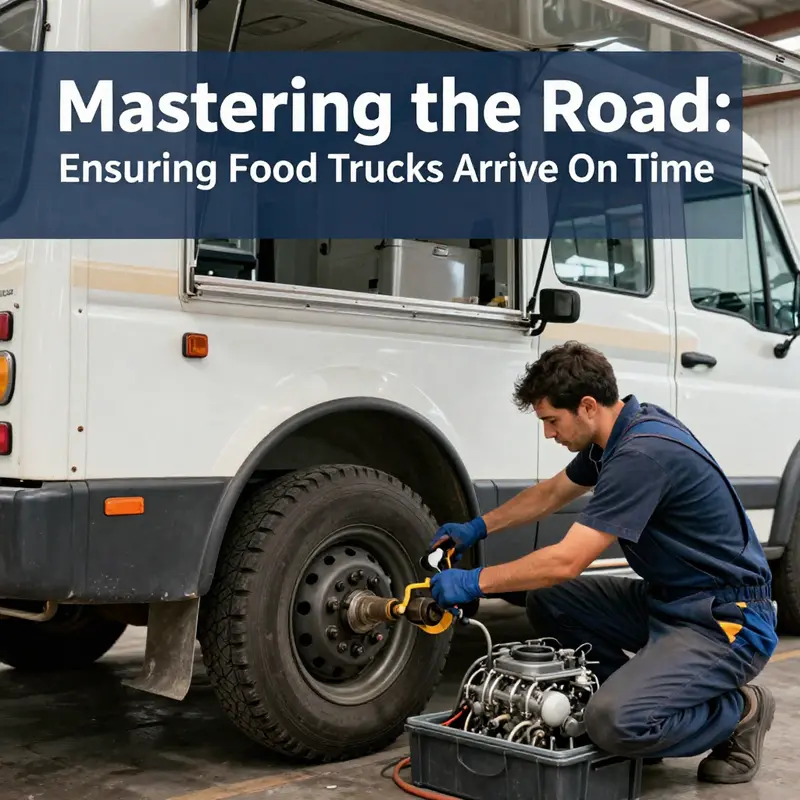
Ensuring that food trucks arrive on time is not a matter of chance but the result of meticulous planning and an uncompromising commitment to vehicle reliability. In the realm of mobile culinary enterprises, every minute counts. A single malfunction or delay can ripple through schedules, jeopardize customer satisfaction, and threaten the reputation of a well-established business. To achieve pinpoint punctuality, operators must consider a wide array of factors—the most critical being the condition and reliability of their vehicles. From the integrity of thermal insulation to the flawless function of heating elements and fuel lines, the responsibility for on-time delivery rests on ensuring each truck is a rolling specimen of mechanical precision.
At the core of this approach is an ethos of proactive care. The dedication to maintaining food trucks transcends conventional repairs; it becomes a daily discipline that infuses every journey down the road. Prior to departure, each truck must undergo a comprehensive pre-trip inspection. This is far more than a checklist—it is a ritual that verifies the operational integrity of the entire vehicle. Operators routinely inspect the thermal insulation of the truck, ensuring that it is uncompromised and capable of maintaining the required temperatures for food safety. Thermal insulation is not merely a protective layer; it shields perishable items from hazardous temperature fluctuations and keeps meals warm until they meet their final destination.
Equally paramount is the examination of the truck’s heating elements. Whether driven by electricity, gas, or propane, these elements must perform flawlessly to provide consistent warmth. Any irregularity, even a slight dip in performance, can spell disaster for schedules reliant on a precise timeline. Regular checks on heating elements have become standard practice among dedicated food truck services. They confirm that the devices are not only working but are also calibrated to deliver the right amount of heat under varied conditions.
Beyond the obvious components, the reliability of fuel lines and electrical systems also demands unwavering attention. Fuel lines must be scrutinized for any signs of leaks or wear. A leak is a dual threat—it can introduce a safety hazard and lead to sudden interruptions in service. Similarly, electrical systems, which govern everything from kitchen appliances to communications devices, require routine inspection. Faulty wiring or a weak battery may cause a cascade of failures that compromise the entire operation. By identifying potential issues before they arise, operators can implement preventive measures that not only extend the lifespan of their vehicles but also provide peace of mind on busy service days.
This rigorous approach to maintenance is not isolated from other elements of operational planning. In fact, it dovetails with strategies like optimized route planning and real-time tracking to form a comprehensive framework for maintaining schedules. When trucks are known to be mechanically reliable, the broader logistics system can operate with confidence. Advanced GPS systems and real-time traffic data platforms become even more effective when they are paired with vehicles that are dependable. An unexpected breakdown disrupts even the best-laid routing plans, underscoring the intrinsic link between vehicle reliability and on-time performance. Without reliable vehicles, even the most sophisticated technology is rendered moot.
The scheduling of preventive maintenance is an art in itself. Operators often adhere to structured maintenance calendars that prescribe the frequency and depth of inspections. Much like the maintenance routines used for heavy-duty commercial vehicles, food truck maintenance should be systematic, detailed, and thorough. This includes checking not only the obvious components but also the interrelated systems that keep a modern food truck running smoothly. Scheduled inspections allow the operator to foresee and forestall potential problems. During these inspections, critical performance indicators—such as engine performance, tire wear, and brake efficiency—are measured and recorded. This data is invaluable when making decisions about when to replace parts or upgrade systems. By maintaining a proactive stance toward vehicle maintenance, operators can mitigate the risk of unexpected downtimes that could otherwise compromise the punctuality of the service.
The commitment to vehicle reliability also plays a pivotal role in building customer trust. In the fast-paced world of food trucks, where customers expect prompt service and dependable quality, communication is key. When customers are aware that every measure is taken to ensure that their food truck arrives on time, their confidence in the service deepens. Operational transparency allows operators to communicate proactively about any unforeseen delays, backed by the assurance that these delays are the exception rather than the rule. This level of reliability is especially crucial in environments where timeliness is paramount—school lunch deliveries, hospital meal services, and even special event catering. In such contexts, the margin for error is slim, and the reputation of the food truck operator hinges directly on the promise of reliability.
Regular vehicle maintenance is a multifaceted challenge that extends beyond the physical components of the truck. It involves a holistic understanding of how different systems interact under various conditions. For instance, the role of insulation is not solely to preserve temperature, but also to protect other critical components from environmental extremes. When insulation integrity falters, it can have a domino effect on heating efficiency and the overall energy consumption of the vehicle. Such failures are not isolated; they cascade, affecting fuel consumption patterns and even the operation of sensitive electrical devices. A slight compromise in insulation might not only result in food cooling down too rapidly but could also cause an overload on auxiliary systems designed to compensate for the lost thermal balance.
Maintenance must also consider the unpredictable nature of the environment in which food trucks operate. Urban areas present different challenges compared to suburban locales. In cities, high traffic volumes, frequent stops, and environmental pollutants can accelerate wear and tear on a vehicle’s exterior and mechanical systems. Operators who serve metropolitan areas have to be particularly vigilant in their maintenance routines. Moreover, seasonal variations add another layer of complexity. In colder months, heating elements must work overtime, and exposure to freezing temperatures can exacerbate issues with fuel lines and batteries. Meanwhile, in warmer periods, the heat can strain insulation and cooling systems, further emphasizing the need for a robust and adaptable maintenance plan.
The integration of technology has added another dimension to reliability management. Modern food trucks are equipped with sophisticated monitoring systems that can track performance metrics in real time. By leveraging data from onboard sensors and diagnostic tools, operators can monitor the status of vital components continuously. Alerts can be automatically generated when a parameter falls outside its normal range, enabling instant intervention. Such systems do not merely detect imminent failure—they contribute to the iterative improvement of maintenance schedules. Data from these systems allow for adjustments in maintenance routines, ensuring that each vehicle is primed for peak performance. The fusion of smart technology with traditional maintenance practices represents a forward-thinking approach where digital insights reinforce physical reliability.
Reliability is further enhanced when operators invest in quality training for their staff. Maintenance routines and pre-trip inspections are most effective when conducted by individuals who understand the intricacies of the vehicles. Continuous education on the latest advancements in vehicle technology, diagnostic tools, and emergency response procedures empowers employees to act decisively in critical moments. A well-trained team is not just a safety net—it is an integral component of the reliability matrix. Training ensures that minor issues do not escalate into full-blown breakdowns, maintaining an operational standard that customers have come to expect. In essence, vehicle reliability is not solely the domain of mechanics or engineers; it is a shared responsibility that spans the entire organization.
Another important aspect to consider is the role of contingency planning. Even with rigorous maintenance and the best preventative measures in place, unforeseen events may still occur. By building buffer time into delivery schedules and having an effective system for rerouting and customer communication, operators can handle unexpected setbacks without undermining overall reliability. Contingency plans serve as a safety net, absorbing minor delays without letting them evolve into significant disruptions. For instance, if a truck experiences a critical failure despite preventative efforts, operators can quickly switch assets or reassign tasks thanks to a well-structured backup plan. Buffer times are not wasted time; they are strategic investments that mitigate the impact of the unpredictable.
In a broader context, where vehicle reliability interlocks with other strategic components such as route optimization and real-time monitoring, each part of the system reinforces the others. When a vehicle is maintained to the highest standards, route planning becomes more accurate because planners can rely on the precision of the delivery schedule. Even as traffic data streams in and routes are adjusted dynamically, the most current and reliable information is predicated on the assumption that the vehicle itself will perform as expected throughout the journey. In this way, vehicle reliability is the linchpin—a single point of failure that, if neglected, can compromise the entire operation. The relationship between robust mechanical upkeep and scheduled performance is symbiotic; one cannot succeed without the other.
Operators who successfully master vehicle reliability also find opportunities to optimize other operational segments, such as fuel efficiency and resource allocation. A truck running smoothly and efficiently reduces unnecessary fuel consumption, which is not only economically beneficial but also crucial for environmental stewardship. Efficient trucks use fuel more judiciously, allowing for more precise cost calculations and better overall financial planning. This efficiency also translates to fewer unscheduled stops, reducing the risk for delays that can otherwise accumulate over the course of a busy day. Through these efficiencies, operators find that regular maintenance yields dividends that extend far beyond the immediate benefit of avoiding breakdowns—it enhances the entire operating lifecycle of the fleet.
Furthermore, the commitment to vehicle reliability offers indirect benefits that can elevate the brand identity of a food truck business. Reliability becomes a hallmark of quality, resonating with customers who prioritize consistency and performance. It is not uncommon for operators to receive positive feedback precisely because their vehicles are known to adhere to tight schedules and maintain high standards of food safety and quality. In competitive markets, where the race for punctuality is fierce, a reputation for reliability can be a key differentiator. This reputation encourages repeat business, as customers develop a sense of trust that their orders will not only be delivered on time, but also arrive in optimal condition.
The nuances of vehicle reliability often extend into the realm of investment decisions. Many operators choose to reinvest profits into fleet upgrades and specialized maintenance equipment. By opting for a proactive rather than reactive approach, businesses can avoid the costly fallout associated with unscheduled repairs. This forward-thinking investment strategy is particularly evident in the decision-making process surrounding the purchase of new vehicles or the upgrading of existing ones. When evaluating new vehicle options, many operators weigh the performance history of various models. For instance, detailed comparisons of vehicle types—such as in the comprehensive discussions found in analyses like those presented in comparisons between different van types—can yield insights that directly impact maintenance strategies and overall reliability. A useful resource for those exploring this aspect of fleet management is available in discussions on vehicle choice, as it outlines practical considerations that impact the long-term reliability of a vehicle fleet. More detailed information can be found in an article on the topic at Comparing Vehicle Options: Step Vans vs. Cargo Vans for Food Trucks.
Additionally, embracing a culture of accountability and continuous improvement can further bolster vehicle reliability. Operators should foster an environment where feedback is actively sought from drivers and maintenance personnel alike. These individuals, who are closest to the day-to-day operations, often have firsthand observations about potential issues. By incorporating their insights into formal maintenance processes, managers can anticipate and remedy recurring problems even before they manifest into disruptions. This collaborative approach ensures that improvements are not merely reactive but form a continuous loop of assessment, feedback, and upgrade. It transforms vehicle maintenance from a routine chore into a central pillar of operational strategy.
As the season changes and operational demands evolve, the commitment to routine maintenance reminds every team member that reliability is a continuous pursuit. Each day offers an opportunity to refine procedures and adjust strategies to meet emerging challenges. Over time, a disciplined regimen of inspections and repairs builds a legacy of dependability that customers come to rely on. This legacy is especially important in an industry where trust is paramount. With careful planning, every vehicle becomes a well-maintained asset that consistently delivers not only food but also the promise of timeliness and quality.
Modern technology further assists in maintaining this high standard. Advanced diagnostic tools and mobile applications provide managers with real-time insights into the health of each food truck. Alerts triggered by sensor data, when interpreted promptly, can initiate immediate maintenance actions. This melding of traditional preventive practices with state-of-the-art technology creates an environment where potential issues are identified and rectified long before they have a chance to escalate. Over time, these technological aids reduce the occurrence of unexpected breakdowns and create a more predictable and efficient operating schedule.
In reflecting on the vast array of factors that contribute to vehicle reliability, it becomes evident that this is not simply a technical or mechanical concern but a holistic management strategy. Every aspect—from the daily inspection of heating elements and thermal insulation integrity to the strategic application of route optimizations—plays an integral role in ensuring food trucks operate on schedule. The process is iterative and involves not just the physical upkeep of vehicles but also a broader commitment to excellence in service delivery. Timeliness, after all, is the intersection where mechanical reliability meets customer trust.
Operators who commit to this level of diligence understand that their vehicles are not just modes of transport but the very lifeblood of their business operations. A meticulous focus on maintenance and reliability fosters an organizational culture that values precision, accountability, and innovation. By championing best practices and leveraging the latest technological advancements, food truck businesses secure a competitive edge that manifests in consistent on-time performance. In doing so, they set new standards for what it means to be truly dependable in an industry where every minute counts.
From the moment a truck leaves the depot to the instant it reaches its final destination, a robust maintenance regimen ensures that every component functions in harmony with the overall operational strategy. In this integrated model, vehicle reliability is not an isolated factor but an essential constituent of the entire service ecosystem. Through rigorous pre-trip inspections, scheduled servicing, and the proactive adoption of cutting-edge technology, food truck operators can safeguard against the pitfalls of delay and elevate customer satisfaction to unprecedented heights.
In closing, the journey to ensuring food trucks arrive on time is paved with meticulous attention to vehicle reliability. When every element—thermal insulation, heating elements, fuel lines, and electrical systems—is maintained with precision and care, the entire operation benefits. Reliability then transcends the realm of mere operational efficiency; it becomes a vital part of the business identity, reinforcing trust and setting the stage for success in every delivery. For further insights into daily maintenance practices that keep these vehicles in optimal condition, please visit Food Truck Maintenance: Other Important Precautions for Daily Use.
This comprehensive approach, anchored by a steadfast commitment to preventive care and enhanced by modern diagnostic technologies, ensures that every food truck not only embarks on its journey with confidence but also navigates its path with unmatched reliability. In doing so, operators safeguard the heart of their business—the promise of punctual, quality service that delights customers and stands as a testament to unwavering operational excellence.
Final thoughts
In conclusion, ensuring that food trucks arrive on time hinges on a trifecta of strategic route planning, the use of cutting-edge tracking technology, and a commitment to vehicle reliability. Embracing these elements not only enhances operational efficiency but also fortifies customer trust and satisfaction. Whether you are a hobbyist, a professional tuner, or a shop owner, the principles discussed here serve as a roadmap to elevating the performance of mobile food businesses. A well-timed food truck isn’t just a matter of punctuality; it’s a crucial aspect of a successful culinary venture that keeps patrons returning for more.