
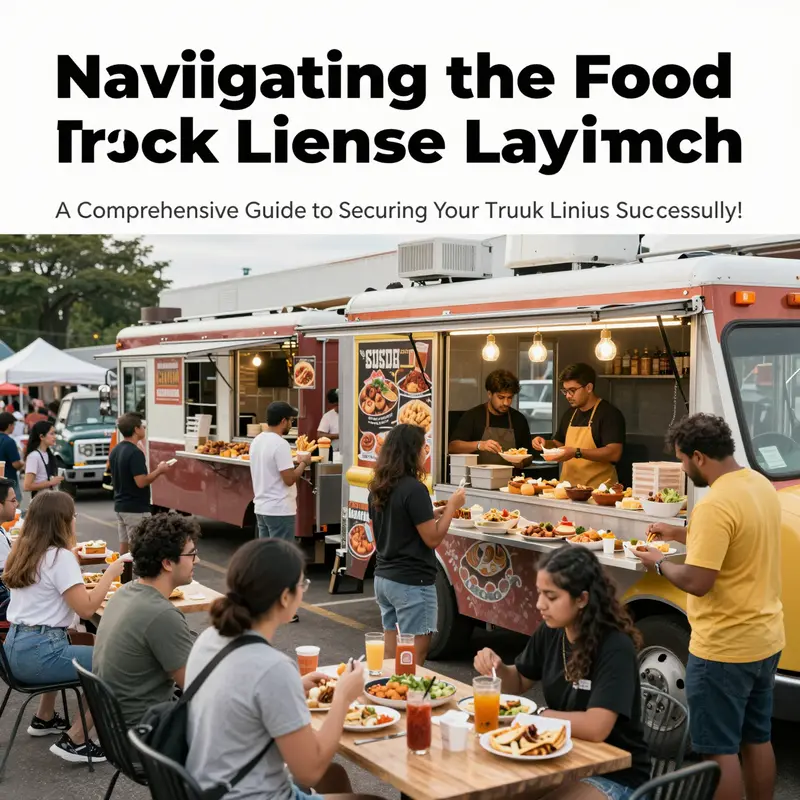
Embarking on the journey to own a food truck can be exhilarating, especially for car enthusiasts who cherish the creativity of customization and the thrill of entrepreneurship. However, before hitting the road, understanding the necessary legal requirements becomes a crucial step. From securing a business license and obtaining the essential food service permit, to adhering to health regulations and local zoning laws, every aspect plays a significant role in setting your mobile kitchen for success. Each chapter of this guide dives deep into these critical components, equipping hobbyist car modifiers, professional tuners, and restoration enthusiasts with the knowledge to navigate this complex landscape effortlessly. Join us as we unravel the steps to operate your food truck legally and efficiently!
Where Can I Get a Business License for a Food Truck: Understanding Local Government Requirements
Getting a food truck licensed is rarely a glamorous moment, but it is the turning point after you decide to turn a kitchen on wheels into a real business. The exact doorway you must walk through depends on where you park your truck, the type of food you serve, and how your local government structures business regulation. In practice, there is no single national portal for every city or county, because licensing is a mosaic of municipal rules layered on state law. What is consistent is that you start with the local authority charged with business and health oversight—often a city or county department—then move through a sequence of permits that prove your operation is safe, legal, and in the right place on the map. This is the backbone of your credibility as a mobile chef and your protection against penalties that could shutter your operation before it finds its rhythm.
Across the United States, city-by-city rules vary, which can feel daunting at first. Some jurisdictions require you to register your business with a city or county clerk, others route you through a state-level licensing portal, and a few rely on partnerships between a tax or revenue office and a health department. The common thread is the need to document who you are, what you sell, where you will operate, and how you will keep food safe in transit. The crucial steps, in most places, begin with a formal business registration. You’ll provide your personal information, your chosen business name (if it differs from your own), and basic details about the goods you plan to offer. Fees accompany these applications, and you will often receive a tax or license number that identifies your truck as a legitimate business entity.
After you register the business, the next layer typically involves a health or food service permit. This is where food safety becomes the central metric. Health inspectors expect a mobile kitchen that meets critical sanitation standards: cleanable surfaces, proper handwashing stations, calibrated thermometers, safe hot and cold holding, pest control, and routine cleaning schedules. In many markets, the health department will require a separate permit specifically for a mobile or temporary kitchen. This permit is not simply a formality; it is a stamp that your setup complies with local sanitation codes and that you understand how to respond when a health issue arises in the field. The process often includes a pre-inspection checklist and, in some areas, a fixed inspection appointment before the license is issued.
Another essential piece is the vehicle or mobile unit permit. Even though you are serving food from a truck or trailer, the permit may be issued by a transportation authority, a motor vehicle department, or a municipal licensing office, depending on where you operate. In practice, this means confirming that your vehicle is titled, registered, and compliant with zoning rules for commercial food service. Some cities require a separate ride-along permit or a designation that your vehicle is a business asset rather than a private vehicle. The implications go beyond just door fees; they touch the daily realities of where you may pull up, how long you can stay, and what signage you may display in permitted spaces. These vehicle considerations are rarely the same from one jurisdiction to the next, so they deserve careful study as you plan the launch.
Alongside licenses and permits, zoning and operating rules shape where you can park, whom you can serve, and when you can sell. Zoning determines, in practical terms, whether a food truck can operate near a school during lunch hour, or at a street corner that is part of a business district. Some neighborhoods welcome trucks as a food-forward amenity; others impose curfews, distance restrictions from brick-and-mortar restaurants, or limit the number of trucks that may be open in a given zone. These rules can change with elections, development plans, and seasonal events, and enforcement can vary between districts or counties. This is why the most reliable approach is to consult your city’s official website or planning department, where you will usually find a dedicated section for mobile vendors, joint-use districts, and permitted locations. It is also common to find online portals that guide you through the entire licensing path in a step-by-step fashion, including the precise documents you must bring to each appointment.
Beyond the core licenses, many places expect proof of insurance and a business bank account before any permits are granted. You will likely need general liability insurance and, perhaps, a product liability policy that covers foodborne illness claims. Insurance is not only a prerequisite for licensing; it is also a cushion that protects you and your customers if something goes wrong. When you collect and organize these documents ahead of time, you save yourself the scramble of last-minute submissions. A prudent licensing plan also anticipates the timing between steps. In some cities, you can file for the business license and health permit at the same time; in others, you must wait for one approval before the other. You may also need to renew certain licenses annually, and that renewal process often involves updated health inspections or proof of ongoing insurance.
Understanding the end-to-end path is easier when you see concrete, locality-based examples. For instance, one city adopts a clear, publicly posted guide that lays out all licenses and permits you must obtain, from the business license to the mobile food facility permit, through to the health permit. The guide emphasizes the importance of aligning with both city and state processes, showing how an endorsement on a state-level license can be linked to a city permit. The practical takeaway is that even as you start with a broad concept—becoming a food-truck operator—you must tailor your steps to a precise jurisdictional map. The same map will direct you to the official pages that host the required forms, the current fee schedule, and the exact documentation you must supply at submission.
To navigate this map successfully, you should begin by identifying the exact municipal or county agency responsible for licensing in your area. In many American cities, this will be a municipal business licensing department, a local revenue or tax office, or a health department with authority over food operations. Some jurisdictions provide a centralized portal that handles both business licenses and health permits, while others require you to submit through separate offices. A good rule of thumb is to treat the first step as a formal inquiry: call or email the licensing desk, request the official checklist, and ask for the applicable timelines. While it can be tempting to treat licensing as a one-and-done event, the reality is that timelines, inspections, and renewal requirements will influence your planning for the first few months of operation. Building a calendar with application dates, inspection windows, and renewal reminders helps you stay ahead.
As you plan, consider including a robust upfront investment in compliance, rather than treating it as a hurdle. This means budgeting not just for the license fees, but for the costs of equipment upgrades, health-compliant storage solutions, and the staff time needed to attend hearings or inspections. The process rewards organization, diligence, and the willingness to meet the highest standards of safety. When you approach the licensing path with that mindset, you reduce the risk of missteps that could delay your opening, compel you to pivot your concept, or force you to relocate your truck because your operating permit does not align with the space you want. The experience of many operators suggests that clarity about the scope of your permits—what they cover and what they require you to maintain on an ongoing basis—will pay dividends in monthly operations and in long-term growth.
Ultimately, success rests on your ability to translate a city’s rules into a practical plan you can execute. You begin by choosing a business structure, registering your name if necessary, and securing the essential licenses and endorsements. You then coordinate the health and safety checks with inspections, and you verify that your vehicle and location comply with zoning. The sequence is not a one-time ritual; it is an ongoing discipline that continues after the initial launch. To support readers who want a deeper, more actionable view of the licensing path, you can consult a detailed guide such as the one linked in this chapter. For a deeper dive into locality-specific steps, see blog-2. This resource helps bridge theory and practice with anecdotes and checklists tailored to the realities of opening on the street.
Finally, stay adaptable. The rules that govern food-truck licensing are living conditions, shaped by city budgets, public health priorities, and the evolving dining landscape. Even well-run operators occasionally discover new requirements for labeling, refrigeration standards, or restricted hours in particular neighborhoods. The essential habit is to check for updates on your city’s official pages, read any posted amendments to licensing codes, and maintain open channels with the departments that issued your licenses. That ongoing relationship—respectful, timely, and proactive—protects your business and your customers. As the mobile-food scene grows and shifts, your readiness to respond to regulatory changes becomes a competitive asset, not a headache. And with the proper licenses in place, your truck can continue to roam across streets, parks, and events with confidence and continuity.
External resources provide a window into the way different cities frame licensing, and they remind you that while the road seems exacting, it is navigable. A practical example from another major city offers a concise permit guide that outlines the essential licenses, including the business license, a mobile facility permit, and a health permit. This framework helps you map the steps to your own city’s requirements and avoid red flags during reviews. For a concrete, official overview of the permit process you will encounter, refer to the Los Angeles guide linked here: Official LA Food Truck Permit Guide.
From Mobile Kitchen to Official License: Navigating the Food Truck Licensing Roadmap
The spark of a food truck idea travels through many hands before it ever rolls onto a city street. It begins with a simple dream of serving a signature taco, a vibrant bowl, or a nostalgic dessert on wheels. Yet that dream becomes real only when the business clears a series of official hurdles that ensure the kitchen on wheels is safe, legal, and ready to serve the public. Licensing is not a barrier to creativity; it is the sturdy framework that protects customers, workers, and the operator alike. When you understand the license road map, the path from concept to curbside operation feels less like a maze and more like a deliberate sequence of steps that align with your goals as a mobile restaurateur. The process is inherently local, since the governing bodies and rules differ from city to city. Still, there are recognizable patterns that recast the licensing journey from a cryptic checklist into a coherent plan you can navigate with confidence.
At the core of this journey is the decision about how you will structure the business. The choice between a sole proprietorship, a partnership, an LLC, or a corporation shapes not only taxes but also registrations and liability. In many cases, starting as a sole proprietor is the simplest route. Yet as soon as you add partners or hire employees, forming an LLC or a corporation offers liability protection and can even affect your access to financing and banking. This early decision streams down into the steps that follow. If you operate under a name other than your own, you will also consider filing a Doing Business As, or DBA, so that the business is properly registered to operate under a chosen name. Your state or county will have a DBA process, and it typically requires a modest filing fee and public notice.
A crucial next move is obtaining an Employer Identification Number, or EIN, from the IRS. An EIN is free and can be acquired quickly online. Even if you do not plan to hire employees immediately, an EIN helps you open a business bank account and separate personal finances from business finances. It is easy to underestimate the importance of keeping clean financial boundaries, but in practice an EIN streamlines accounts payable, vendor payments, and tax reporting. The moment you have more than one person working on the truck, the separation becomes essential for accountability and compliance. The EIN also becomes a cornerstone if you consider hiring staff, applying for financing, or pursuing any form of insurance that requires a business entity.
With the business structure and identity in place, the licensing journey moves to the local layer where the city or county assigns the licenses that authorize daily operations. The core permits typically include a general business license, a food service permit, and a mobile food vendor permit. The business license is the broad permission to operate a commercial venture within a jurisdiction. It confirms you are registered as a business and that your activity fits within the local framework for operating a business in that city or county. The food service permit, often issued by the local health department, is about food safety. It requires your truck to meet sanitation, storage, cooking temperatures, pest control, and employee hygiene standards. The mobile food vendor permit, specific to truck-based operations, acknowledges the unique realities of a vehicle kitchen, including vehicle inspection, waste management, and the routes or hours during which you may operate. While the exact names and combinations of permits vary, the principle remains consistent: the local authorities want to confirm that a mobile kitchen can prepare and serve food safely to customers while maintaining proper waste and queue management.
Health and safety inspections form another non negotiable phase. Before a permit is issued, the food truck is inspected to ensure surfaces are clean, equipment is properly installed, temperatures are monitored, and the overall operation aligns with public health standards. You may be required to submit floor plans or configuration diagrams of the kitchen layout, including where raw foods and ready-to-eat products are stored, how handwashing facilities are maintained, and where cleaning and sanitizing supplies are stored. These inspections are not punitive; they are a cooperative process aimed at reducing risk and protecting patrons as well as workers. When the health department completes its review, you will receive the formal permits that authorize your operations at the permitted locations and times. In many jurisdictions, this step also triggers a requirement for insurance, typically a general liability policy with a minimum coverage amount. Insurance not only protects you but also tends to be a prerequisite for obtaining certain licenses, being a credible partner to event organizers, and securing favorable terms with vendors and landlords.
Vehicle-related permits come into play as well. A food truck is, at heart, a vehicle with a kitchen inside. Some regions require you to obtain a vehicle permit or ensure your truck complies with specific vehicle standards. This may involve vehicle registration through the department of motor vehicles, periodic inspections, and adherence to safety and emissions requirements if applicable in your area. It is wise to verify whether your state or city imposes any additional vehicle-specific requirements, particularly if you intend to park on public streets or at designated vending zones. The practical effect is that a well-prepared operator approaches the licensing sequence with a cohesive plan that threads business formation, health compliance, and vehicle readiness into a single continuous process.
Of course, local zoning and operating rules can shape not only where you can operate but also when you can operate. Some municipalities restrict food trucks from parking near schools during school hours, others limit the total number of permits granted in a given zone, and many communities have rules about where trucks can set up, whether street side, in designated lots, or at events. Zoning requirements can influence everything from the route you take to the events you target and the partnerships you pursue with event organizers, malls, or marketplaces. The constraints are not arbitrary obstacles; they reflect a community’s effort to balance traffic flow, safety, residential quality of life, and economic vitality. The good news is that the licensing bodies publish these rules and the timelines to align with your planning. Readiness means compiling the right documents, understanding where you are allowed to operate, and building contingency plans that respect community standards while still delivering a memorable guest experience.
What this looks like in practice is a deliberate, cumulative sequence rather than a rush through forms. You begin with foundational business registrations and naming, then progress to the permits that regulate food handling and mobile operations. You brace for the health inspection, secure the necessary insurance, and complete any vehicle permits or registrations needed to operate legally and safely. You map out the zones and hours that fit your concept and the agreements you secure with venues or events. And behind the scenes, you keep a close eye on renewal dates and any changes in local rules that could affect your license status. This is not just about paperwork; it is about designing a system that supports safe food handling, consistent service, and reliable compliance. If you treat licensing as an integrated component of your business plan, you will save time, reduce risk, and launch with a stronger foundation.
To ground this in an actual jurisdiction, consider how a city like Bothell, in the Pacific Northwest, structures its process. The city’s official portal outlines a clear, stepwise approach to obtaining the needed permits for a food truck and other mobile vendors. While the specific forms and fees are city dependent, the core requirements—corporate or business registration, a dedicated food service permit, a mobile vendor permit, and any vehicle or zoning considerations—follow the same logic described here. The Bothell process demonstrates how local government integrates business licensing with health and safety oversight, and how applicants can anticipate the kinds of documents to prepare, from business formation documents to proof of insurance and vehicle information. This is a useful reference point when you plan your own licensing timetable and budget, even as you adapt to the particulars of your own city or county. For operators who want a practical snapshot of the exact application steps, required documents, and compliance expectations, this official page serves as an indispensable starting place.
Even as you absorb these general patterns, remember that licensing is a moving target. Rules change with focus groups, new health data, or shifts in city planning. The best approach is to verify current requirements with your local authorities and to review the official portals regularly as you prepare to apply. In many areas, the path begins online through a city or county government site, with state-level endorsements or endorsements coordinated through a state portal. The combined effect is a layered framework designed to certify that a mobile kitchen meets the highest standards of safety, sanitation, and orderly operation while allowing creative food concepts to flourish. In practice, you will likely prepare a package that includes your business formation documents, tax identifiers, proof of insurance, a menu and equipment list that demonstrates your sanitation measures, and any required vehicle information. As you assemble this packet, you gain a clearer sense of the timeline, the costs involved, and the sequencing that makes the process efficient rather than reactive.
The licensing journey is also about resilience and adaptability. The food truck operator who builds time for compliance into the business plan avoids delays that arise when documents are missing or when a health inspection uncovers a gap. It is common to encounter minor back-and-forth with licensing staff as you adjust calculations, confirm regulatory interpretations, or refine your food safety plan. A thoughtful operator treats these conversations as collaborative rather than adversarial, recognizing that the staff responsible for approving licenses are your partners in delivering safe and satisfying food to the public. When you approach licensing with this mindset, the experiences you gain early in the process become valuable knowledge for the next venture—that is, the renewal, the expansion to additional zones, or the launch of a second truck.
For readers who want to explore the legal landscape through related perspectives, many practitioners and writers discuss considerations for startup food trucks, including considerations that arise in specific communities and demographic contexts. A practical entry point is a resource focused on the legal considerations for Latino food truck startups, which outlines how licensing intersects with employment, permits, and community engagement in diverse culinary scenes. This piece provides a grounded view of how regulations affect small operators and how to navigate them with clarity and foresight. Legal considerations for Latino food truck startups.
As you prepare to embark on the licensing journey, keep the end in sight: a well-structured process that yields a compliant, safe, and welcoming food truck experience. The exact steps you take will reflect your city, your business model, and your plans for growth. But the underlying principle remains constant: licensing is a practical, protective framework that enables you to bring your mobile kitchen to a wider audience while maintaining the highest standards of safety and service. In the chapters that follow, we will drill into the specifics for different regions, unpack common pitfalls, and outline practical workflows to help you stay ahead of deadlines, fees, and inspections. The goal is not just to obtain a license but to cultivate a disciplined operating system that supports growth, reduces risk, and keeps customers coming back for more of your food on wheels.
External resource for further guidance on state-level licensing can be found here: Colorado Mobile Food Vendor Licensing.
From License to Launch: Navigating Health, Safety, and Compliance for a Food Truck
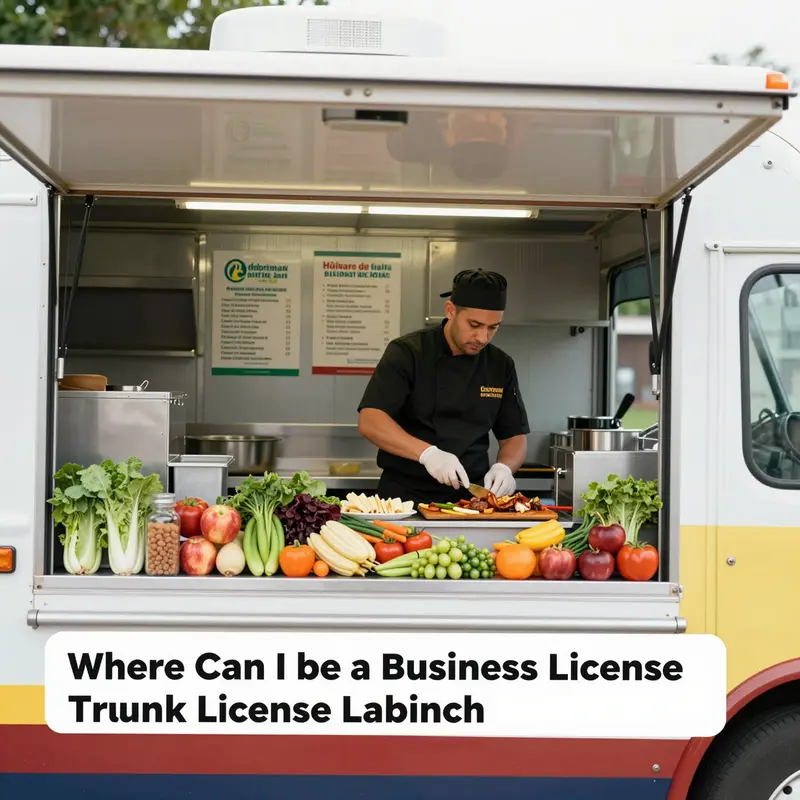
The dream of a food truck often begins with a sizzling menu and a plan to bring vibrant flavors to streets and events. Yet that dream unfolds within a framework built to protect diners and workers. When you switch from a fixed storefront to a rolling kitchen, the rules don’t vanish—they shift. Licenses, permits, and inspections become the compass by which you steer your business through city hall, the health department, and the parking lots where you’ll serve. The good news is that the path, though individualized by location, follows a familiar arc: start with a general business license, layer on health and safety authorizations, then align parking, zoning, and vehicle compliance. Understanding this sequence helps you prepare once you’ve settled on a city or county, and it helps you anticipate what might differ from one jurisdiction to the next. In practice, the local government’s offices—often the city or county health department and the business licensing division—own the process. They ensure your mobile kitchen is not just tasty but safe and lawful. The license is not a destination but a doorway; it opens the way to lawful operation, but you must still abide by the standards that protect the public each time you fire up the burners and pull into a new spot.
For many operators, the very first step is a general business license. This is typically issued by the local revenue or business licensing office and marks your food truck as a legitimate entity. It creates a record for tax purposes, permits the collection of sales tax, and signals to customers and event organizers that you are a recognized business. In some communities, you’ll register as a business entity, select a structure (sole proprietorship, partnership, LLC), and obtain an Employer Identification Number (EIN) from the federal government. The precise workflow—whether you apply in person, by mail, or through an online portal—depends on where you operate. You may encounter a short “business registration” checklist that asks for your company name, ownership details, contact information, and a description of your mobile operations. A clear binder of documentation helps. Gather personal identification, vehicle information if you own the truck, and proof of any required insurance coverage. If your locality has a combined portal for business licensing and tax collection, you may handle multiple steps in one place. The overarching idea is to establish your business legally before you begin selling.
Beyond the general business license, the health and safety layer of permits becomes the core of public trust for a mobile kitchen. The food handler’s permit or food worker’s certificate is a prerequisite for anyone who touches food during preparation or service. This credential demonstrates that your staff understands core food safety practices—handwashing, preventing cross-contamination, maintaining clean temperatures, and safeguarding allergen controls. It is more than a credential; it’s a baseline commitment to the health of your customers. The health department will also issue a Food Service Permit or a Food Truck Permit, depending on the jurisdiction. This permit assesses your food preparation surface, storage, refrigeration, hot and cold holding, waste management, and overall sanitation. The inspection that accompanies this permit is a practical check of your actual setup: the cleanliness of your prep area, the integrity of your water supply, the operation of your hand sinks, the safety of your cooking appliances, and the reliability of your cold and hot holding equipment. If the kitchen is inside a vehicle, that vehicle itself may be inspected for cleanliness and for the configuration of equipment that ensures safe cooking and safe serving practices. While the specific test items can vary, the spirit is uniform: a facility that handles food on the move must meet consistent safety standards.
A related permit that often accompanies mobile operations is the Mobile Food Vendor Permits program. In some places, this permit is embedded within the health department’s portfolio, while in others it stands as a separate stream. Either way, it recognizes the distinctive realities of operating on wheels: your ability to relocate, your service model at different venues, and the need to coordinate with event organizers or property owners about where and when you can operate. The permit might also prompt you to outline a menu that is compatible with on-site cooking and storage constraints, and it may require equipment inspections to verify that your ventilation, fire suppression, and grease management meet local requirements. These checks are not designed to be punitive; they’re a structured way to reduce risk and protect the public, customers, and your crew.
A frequent but essential component of the licensing tapestry is the vehicle-related permit or registration. Depending on your location, your mobile unit may require a special designation, a fleet identifier, or a separate vehicle permit that comes from the motor vehicle authority. For many operators, this means ensuring your truck or trailer is properly registered, and that it satisfies basic roadworthiness and fire safety standards. Fire suppression systems, gas connections, and ventilation often come under scrutiny, especially for grills, fryers, and other high-heat equipment. In some jurisdictions, the vehicle permit process intersects with zoning rules, which makes sense because where you park and how long you stay can influence whether your vehicle is considered a permanent storefront or a temporary stand.
Zoning and operating rules add another layer to the puzzle. Localities typically regulate where food trucks can operate, including proximity to schools, hospitals, or certain events, and they may impose time restrictions or required distances from brick-and-mortar eateries. Some cities allow street-pide positions with limited hours, while others require you to obtain a permit for each event or location you plan to service. It is common to find distinctions between fixed-market zones, seasonal vendor corridors, and pop-up areas aligned with farmers’ markets or fairs. The message here is not to overinterpret the rules as obstacles but to recognize they reflect the local community’s planning priorities, traffic patterns, and the health and safety expectations of residents. To navigate successfully, you’ll often begin by consulting the city’s or county’s official website, where a dedicated portal or permit guide lists the exact steps, required documents, and associated fees.
The timeline from inquiry to first service is highly variable. Some jurisdictions issue a general business license in a few business days, while the full set of health and safety permits can take several weeks to secure, especially if inspections are scheduled or if your facility requires plan review. Planning ahead matters. If you know your target launch month, you can map out the sequence: gather personal and business documents, submit the general license application, schedule food safety training and examinations, arrange for vehicle inspection or permit, and then apply for zoning clearance. It is common to encounter a couple of contingencies along the way: backlogs in the health department, the need for additional equipment verification, or a minor correction in your menu or floor plan. Anticipating these possibilities and building buffer time into your launch plan reduces stress and helps you stay on schedule. Fees tend to accompany each layer—general business licenses, health permits, and vehicle or zoning permits—so preparing a precise budget will prevent surprises. As you accumulate licenses and permits, keep digital and physical copies organized. A simple, well-maintained packet can be a lifesaver when applying for event permits or negotiating with property owners about your operating space.
To see a practical, location-specific example of how a city manages this process, consider how Bothell, Washington organizes food truck and mobile vendor permits. Their official page outlines the exact application flow, the documents required, the fees, and the compliance rules governing operation in that city. For operators aiming to follow that example, the relevant page is City of Bothell – Food Truck & Mobile Vendor Permits. Examining a concrete case helps you translate the generic steps into your own local boilerplate and can illuminate where to expect delays, where to submit, and what inspections look like in practice. It also helps you prepare a checklist that aligns with local expectations and reduces missteps. If you plan to expand beyond your starting city, you can reuse much of this framework by adapting it to the appropriate jurisdiction’s design and terminology.
As you build toward compliance, you may encounter broader legal and operational considerations that deserve careful attention. The licensing landscape is not only about ticking boxes; it’s also about understanding the responsibilities you take on with every plate served. Your advertising and signage must comply with local rules, allergen information might need to be posted in a specified format or location, and waste disposal plans may be scrutinized during inspections. Your staff training should cover not just safety basics but also local requirements on label declarations, permit display, and authorization to operate during special events or in high-traffic areas. A good habit is to continuously monitor changes in local codes and health regulations, especially if you plan to travel between jurisdictions. Regulations evolve, and staying current is part of prudent business planning.
For operators seeking deeper exploration of legal considerations that can accompany Latino food truck entrepreneurship and similar ventures, practical guidance exists in specialized industry discussions and related blogs, which can offer context on licensing timelines, compliance nuances, and the realities of opening doors in diverse communities. While the core steps described here apply broadly, it’s worth engaging with local industry networks and attorney-reviewed resources when your plans become more ambitious than a single neighborhood route. Keeping a finger on the pulse of local policy helps you protect your license, your crew, and your customers while you focus on the creativity and quality that drew you to the food truck world in the first place. If you’d like to see a concrete, localized example of how permitting decisions unfold in a real city, the Bothell page linked above provides a useful reference point for the mechanics of the process.
External resources can provide complementary perspectives on navigating the permit landscape. One accessible overview that many operators find helpful is a practical guide on food permits and the licensure process, which offers step-by-step considerations and tips for aligning state and local requirements. External resources are not substitutes for your local official portals, but they can supplement your understanding as you prepare and document the steps you will take. For a broader, external view on food permit navigation, you can explore the following guide: Food permit guide on TikTok. While it is external, it serves as a concise, illustrative companion to the formal procedures described above, and it can be especially useful for first-timers who want a high-level sense of the licensing terrain before diving into jurisdiction-specific paperwork.
In sum, obtaining a business license for a food truck is a staged journey that blends legal registration with health and safety stewardship. It begins with the simple act of declaring your business to the city or county, then layers in the responsibilities that keep customers safe and the community well served. Each permit and inspection builds a record of compliance that accompanies you beyond the launch day and into the daily life of a mobile kitchen. The more clearly you map the steps, the more efficiently you can navigate the process, anticipate delays, and secure the necessary approvals to bring your menu to the curb with confidence. And as you grow, the same framework will scale with you, whether you stay in your first city or roll into new neighborhoods with a well-documented compliance profile. The license you seek is not just a credential; it is the key to a license to serve, a pledge that your food truck operates with accountability, respect for the community, and a commitment to consistent quality.
Licensing a Food Truck: Navigating Local Zoning and Permits
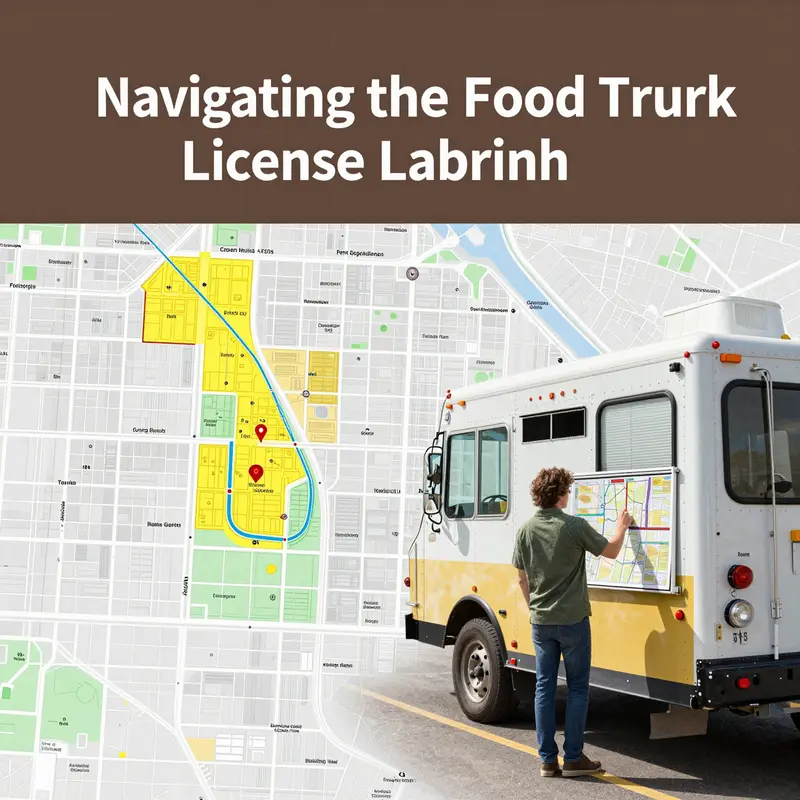
Licensing a food truck is not a single form but a landscape shaped by your city’s zoning, health rules, and business regulations. The process starts with where you intend to operate and who governs that space. In most places, the key gatekeepers are the city or county agencies that handle business licensing, health and sanitation, and vehicle compliance. Rules aren’t universal; they depend on location, density, and the street network you plan to use. Your ability to park, sell, and stay open hinges on aligning local zoning laws with operating restrictions. Start by pursuing a local framework—your city’s official pages, permit portals, zoning maps, and inspector notes that show how mobile kitchens meet safety standards. Licensing can feel like a contract with the community’s expectations for food safety, traffic flow, and neighborhood quality of life.
This is planning discipline, not a scavenger hunt. Many cities treat serving food from a vehicle as a special land-use case: your truck is a temporary restaurant and licensing offices are stewards who decide where you may stand, for how long, and under what conditions. The zoning lens asks three core questions: Where can you operate on urban streets? How long can you stay in one spot? Are there places where food trucks are categorically barred, such as near schools or clinics during certain hours? The answers guide your route, footprint, and even your menu. A strong concept can fail if site rules strip away the freedom to move and serve where customers live and work.
To translate these questions into action, recognize that licensing is layered: a business license, a health or food-service permit, and perhaps a vehicle permit. Some places offer an integrated mobile food facility permit that streamlines requirements into a single path. Titles and boundaries vary, but the pattern is consistent: business compliance, health safety, and vehicle regulation all matter. In practice, health departments may request a kitchen layout, equipment list, and proof of water and waste management. The business office will want ownership, headquarters, and tax registrations. The vehicle regulator checks insurance and vehicle certifications. The coordination can be meticulous but creates a predictable framework for launching and sustaining a mobile kitchen.
Zoning restrictions add complexity. Some streets are off-limits at certain times, others require a fixed commissary for prep and waste disposal. Proximity to brick-and-mortar restaurants may be restricted to protect competition or essential services. Residential zones typically impose tighter limits than commercial corridors. Exemptions and permissions shift with budgets, traffic studies, or neighborhood plans. The result is a living map, not a static cookbook. Plans must anticipate changes rather than react to citations.
The practical first step is to search official, up-to-date resources. City business services or licensing divisions publish core requirements and exact documents. Health departments spell out standards for food preparation, equipment, cleanliness, and safe operations. Start with your city’s official site, looking for pages labeled business license, permit, mobile vendor, or food truck, then drill down to zoning and operating requirements. A well-prepared packet commonly includes a completed license application, proof of business registration, vehicle information (make, model, year, VIN), proof of insurance, a detailed menu, a floor plan showing workspace and handwashing facilities, and a sanitation plan. Fire department endorsements or inspections may also be required. These documents are not mere paperwork; they are the city’s assurance that your operation will be safe for customers, employees, and neighbors.
The journey from planning to opening is iterative. You may need to schedule inspections, pass health checks, and respond to reviewer comments. Some jurisdictions require public notices or community input for new routes. Even after obtaining licenses, ongoing compliance is essential: regular inspections can occur if you revise your menu, switch suppliers, add equipment, or relocate your commissary. Track deadlines, renewals, and changes in ordinances. Stay informed—rules evolve with traffic patterns and safety concerns, so a solid plan today may need adjustments tomorrow.
To illustrate how pieces fit together, consider a major urban center that publishes a guide to mobile facilities. The process there is explicit: apply for a mobile food facility permit, submit documents proving safe operation, observe distance and operating-hour requirements, and comply with inspections. Signage, waste management, water supply, and cold storage are usually addressed, along with where trucks can be stationed and for how long, and how to renew permits when ownership or equipment changes. While specific steps vary, the underlying logic is consistent: a documented pathway from license to operation, punctuated by inspections and ongoing compliance.
When planning licensing, anchor your work in official, jurisdiction-specific sources. The city portal is your primary reference for forms, fees, documents, and step order. State-level portals can provide context on how endorsements link to municipal permits. Read case studies from local operators to anticipate common questions, but rely on the official checklist for precision.
External resource: for broader context on regulatory nuances and Latino food-truck startups, consult resources discussing how licensing, zoning, and operating restrictions intersect with culture, labor, and community engagement. This perspective can be valuable when planning specialized menus or operating in diverse neighborhoods. You can also explore a concrete example at an official city page dedicated to food-truck permits and related zoning guidelines.
As you move toward licensing, rely on your city’s pages as the most accurate guide. Verify policies with the zoning office if you plan to operate in high-pedestrian areas or near schools and hospitals. Some jurisdictions offer streamlined, daily-use permits for pop-ups; others require longer pre-approval. Map your planned routes, identify potential commissaries, and contact departments early to learn required documents, deadlines, and terminology. Capture this information in a living document to prevent missteps and maintain compliance as you grow. Finally, anticipate change: neighborhoods evolve and cities adjust rules. A proactive posture will help you ride the licensing rhythm, not chase it.
Final thoughts
Acquiring a business license for your food truck involves navigating a myriad of regulations and requirements, but with the right knowledge at your fingertips, this process can be transformed from daunting to manageable. By understanding the local government requirements, completing essential application steps, keeping health and safety compliance in check, and abiding by zoning laws, you’re setting yourself up for success. The journey of entrepreneurship is thrilling, filled with the potential to share delicious culinary experiences with your community. Being well-prepared will pave the way for your food truck venture to flourish.