
Introduction
In bustling urban landscapes and quaint street corners, food trucks have transformed the culinary scene, igniting a passion for innovation and flavor among chefs and consumers alike. The aroma of sizzling ingredients wafts through the air, tempting passersby to indulge in gourmet tacos or artisanal burgers, all from the convenience of a mobile kitchen. Yet, behind this vibrant façade lies a pressing debate: should food trucks be mandated to carry insurance? For food truck owners, securing the investment they’ve poured into their culinary dreams is not just a matter of financial prudence; it’s a necessary step to protect themselves from unforeseen liabilities that could jeopardize their business. Consumers, on the other hand, benefit from this protection as it fosters trust and a sense of safety when enjoying their meals. This discussion around food truck insurance delves into the heart of the food truck movement, as it balances the fierce entrepreneurial spirit with the realities of operating in a diverse regulatory landscape. As we explore the implications and importance of insurance in this dynamic sector, we seek to understand the impact on both food truck owners and their devoted patrons. Join us as we navigate this essential topic, laying the groundwork for a safer and more secure food truck experience.
Reasons Why Food Trucks Should Be Insured
-
Legal Protection Against Liabilities
Food trucks are subject to various legal risks, ranging from third-party injuries to property damages. In the event of an accident or lawsuit, food truck liability insurance acts as a crucial shield against substantial financial loss. It ensures that business owners are not personally liable for all the legal costs associated with such incidents, which can often escalate into significant sums. Many municipalities require proof of insurance to operate legally, further emphasizing its importance. Learn more about legal considerations for food truck startups. -
Financial Security and Business Continuity
Operating without insurance poses severe financial risks. A single incident-such as a fire in the kitchen or an injury caused by a slip and fall-can result in exorbitant legal fees and compensatory payouts. Insurance ensures that food truck owners can cover these unexpected costs without jeopardizing their savings or the future of their business. According to recent reports, the absence of insurance can leave entrepreneurs vulnerable to claims that may exceed hundreds of thousands of dollars, leading to business closure. Detailing the financial risks of running a food truck. -
Consumer Safety Assurance
Insurance doesn’t just protect the business owner; it also plays a vital role in consumer safety. Policies that cover food contamination or illness can safeguard a business’s reputation and maintain customer trust. When foodborne illnesses occur, customers may hold food truck operators liable, and documented insurance can support businesses in addressing disputes effectively. Ensuring consumer safety through insurance helps build loyalty and a good public image. -
Protecting Ingredients and Equipment
Food trucks often carry expensive equipment and perishable inventory. In case of theft, fire, or equipment breakdown, having comprehensive property insurance can cover the costs of replacement or repairs. This support is essential for the continuity of operations, especially when unexpected events occur, allowing business owners to minimize losses and avoid disruption in service. -
Mitigating Potential Risks
The food truck industry is fraught with unique challenges, from food safety violations to vehicle accidents. Comprehensive insurance policies provide coverage for various operational risks, including employee injuries, vehicle-related incidents, and food safety regulatory breaches. Regular staff training on food safety and hygiene, coupled with adequate insurance, not only protects business assets but also fosters a culture of safety and compliance within the food truck organization. Proper insurance policies help mitigate the potential risks that food trucks face in their daily operations.
In conclusion, the importance of food truck insurance cannot be overstated. It is essential for legal protection, financial security, consumer safety, protection of assets, and risk mitigation. As the food truck industry continues to grow, ensuring comprehensive coverage is vital for sustainable operations and peace of mind.
The Dangers of Operating Without Food Truck Insurance
Running a food truck without insurance is not just a gamble; it’s a high-stakes risk with potentially devastating consequences. Food truck owners face numerous dangers, from legal liabilities to severe financial burdens and threats to personal safety. Understanding these risks can help you realize the critical importance of food truck insurance and motivate responsible ownership.
Legal Consequences
One of the most pressing dangers of operating an uninsured food truck is the potential for legal consequences. In many jurisdictions, obtaining liability insurance is a legal requirement to operate a food truck. Failing to comply can result in devastating penalties, including fines and the possibility of being shut down entirely. For example, many cities require proof of insurance before granting permits for food truck operations. If you’re caught without it, not only will you face legal troubles but may also lose valuable business opportunities.
Should an accident occur involving your food truck, the legal repercussions can be severe. Without insurance, you’re personally liable for medical bills, property damage, and any legal fees related to lawsuits. A slip-and-fall incident or a case of food poisoning can lead to lawsuits that cost thousands-if not millions-of dollars. For instance, medical expenses for affected patrons and settlements could spiral out of control, putting your entire financial future at risk.
Financial Burdens
The financial implications of operating without insurance are staggering. Uninsured owners must cover all expenses related to damage or injuries out of pocket, including vehicle repairs, legal fees, and compensation claims. According to the U.S. Small Business Administration, a single incident can devastate a food truck owner’s finances, potentially leading to bankruptcy. The costs of defending a lawsuit for foodborne illnesses, equipment damage, or injury can reach into the hundreds of thousands of dollars, crippling your business.
Moreover, operating without insurance can lead to business interruptions, where an uninsured incident might force you to halt operations completely. This downtime can erase months, even years, of hard work and financial investment.
Risks to Personal Safety
Beyond the legal and financial risks, there are significant threats to personal safety. An uninsured food truck owner exposes not only their business but also their personal assets to risks. If an accident occurs, your liability extends to personal savings, property, and other assets, which may become targets in lawsuits.
In conclusion, operating a food truck without insurance is a recipe for disaster. The potential legal consequences, financial burdens, and risks to personal safety are too significant to ignore. Protecting yourself and your livelihood with comprehensive food truck insurance is not just a wise decision; it’s a necessary one. To learn more about the legal landscape affecting food trucks, check out our article on legal considerations for Latino food truck startups.
Comparison of Food Truck Insurance Types
Understanding the various types of food truck insurance is essential for protecting your business. Below is a comprehensive table comparing different types of food truck insurance, including coverage details, average costs, and suitable business sizes:
| Coverage Type | Coverage Details | Average Costs (Annual) | Suitable Business Sizes |
|---|---|---|---|
| General Liability | Covers third-party injury or property damage claims arising from business operations. | $1,500 – $3,500 | All business sizes |
| Commercial Auto | Covers damages and liabilities related to the operation of food trucks and delivery vehicles. | $1,800 – $4,500 | All sizes; larger operations may pay more |
| Property Insurance | Protects against loss or damage to equipment, inventory, and kitchen supplies due to fire, theft, | $1,200 – $2,500 | Best for smaller operations |
| or weather. | |||
| Workers’ Compensation | Required by law if a business has employees; covers medical costs and lost wages for work-related | $1,500+ (varies) | Businesses with employees |
| injuries. |
Sources: National Association of Insurance Commissioners (NAIC), Insurify 2025 Industry Report, Zurich Insurance Group Small Business Survey (2024)
To gain a deeper understanding of why insurance is crucial for food trucks, you can learn more about legal considerations for food truck startups and explore profiles of veteran food truck owners.
“As cities impose stricter regulations on mobile food businesses, insurance has become a crucial compliance factor for food truck operators. It effectively reduces financial losses from unexpected events and enhances the ability to mitigate risks associated with the industry.”
- Industry Expert, Brookings Research on Food Truck Insurance
Why Insurance is Vital for Food Trucks
- Risk Management: Protects against accidents and liabilities.
- Compliance: Meets local regulations ensuring legal operation.
- Financial Security: Reduces potential financial impacts from claims or incidents.
For a deeper understanding of compliance and other legal considerations in the food truck industry, check out this article.
Benefits of Being Insured for Food Truck Operators
Operating a food truck is not just about serving delectable meals; it’s about building a business that thrives in the face of uncertainties. For food truck operators, having insurance is a cornerstone of ensuring their venture not only survives but flourishes. Let’s explore the myriad benefits of being insured in the food business, emphasizing the notions of peace of mind, enhanced reputation, and access to financing.
Peace of Mind
Imagine rolling out your food truck for a bustling lunch service, fully confident that no unforeseen incident could jeopardize your hard work. That sense of security comes from having comprehensive insurance coverage. By protecting against liabilities such as accidents, property damage, or even sudden closures due to equipment failures, operators can focus on what they do best-serving delicious food. This food business security reassures entrepreneurs, allowing them to pursue their passion without fear of debilitating financial repercussions. Coverage ensures that in case of an incident, the financial burden falls on insurers rather than on individual operators, fostering a stress-free environment.
Improved Reputation
In the food service industry, reputation is everything. A food truck known for its tasty offerings will attract patrons, but it’s the perceived reliability that keeps customers coming back. With insurance, food truck operators signal to potential customers and partners that they are serious and prepared. Insurance coverage can translate to customer confidence; knowing that the operator prioritizes safety reflects positively on the entire business. This can lead to increased customer loyalty and more word-of-mouth referrals.
Opportunity for Financing
For aspiring food truck operators, securing investment or financing is essential for startup growth and sustainability. Most investors will feel more confident extending funds to a business that’s adequately insured. Investors view insurance as a sign of professionalism and foresight. Without proper coverage, potential investors might worry about the risks involved, limiting the operator’s ability to access funds needed for expanding their fleet or enhancing their offerings. In today’s competitive market, backing up your operational strategies with insurance can be a game changer.
Conclusion
In conclusion, the benefits of being insured extend beyond mere compliance with legal requirements; they resonate deeply within the fundamental operations of food truck businesses. Peace of mind is priceless, and a stellar reputation is invaluable. Furthermore, the potential for securing financial backing can pave the way for future growth. Given these advantages, it’s clear that mandatory insurance is not just a burden; it’s a pivotal element for success in the food truck industry. By adopting adequate insurance measures, operators can protect their investment, enhance their standing in the community, and focus on delivering the delightful flavors their customers crave.
For a deeper insight into the legal considerations surrounding food truck startups, make sure to check out our detailed guide.
Food Truck Accidents and Insurance Statistics
As the food truck industry continues to grow, so does the potential for accidents and incidents. Understanding these statistics not only highlights the importance of safety but also makes a compelling case for mandatory insurance. In 2023, the following notable data was observed:
- Total Incidents: Approximately 4,300 accidents were reported involving food truck operations.
- Main Causes:
- Speeding
- Running red lights
- Poor visibility during night operations
- Battery issues leading to vehicle fires
- Financial Impact:
- Total insurance claims from these incidents amounted to over 1.2 billion RMB, demonstrating the high-risk nature of the food service industry.
This data underscores the necessity for food truck operators to have adequate insurance coverage not only to protect themselves but also to ensure the safety of their customers and the public. Learn more about the legal considerations for food truck startups.
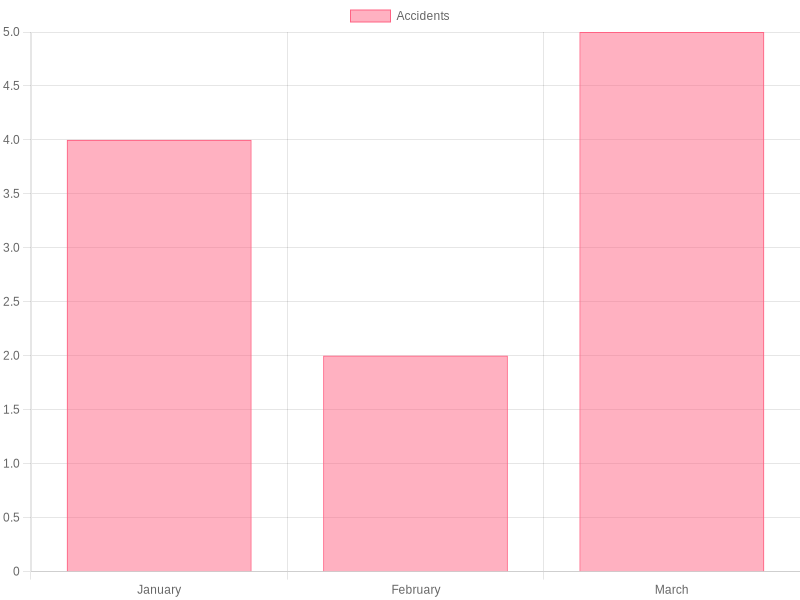
Visual Representation of Food Truck Accidents in 2023
Here is a chart illustrating the reported statistics of food truck accidents and their incidents in 2023:
To further understand the dynamics and risks in this sector, it becomes evident that insurance isn’t just a legal requirement but a business necessity, ensuring that operations can remain steady in the face of unforeseen incidents.
Conclusion
In the thriving world of food trucks, the passion for culinary creativity must be matched with a commitment to responsibility and safety. Food truck insurance isn’t just a legal requirement; it’s a crucial safety net that protects your business from unforeseen circumstances, including accidents, property damage, and food-related incidents. With the rising popularity of food trucks, both consumers and operators hold a shared responsibility to ensure that this vibrant food service sector operates securely and efficiently.
Food truck insurance typically encompasses essential coverages such as general liability, which protects against claims of bodily injury or property damage, and commercial auto insurance, vital for the mobile nature of these businesses. Furthermore, coverage for spoilage, equipment breakdown, and food contamination ensures that owners can focus on their culinary passions without the constant fear of financial turmoil due to unexpected incidents.
A commitment to food safety is also essential in this industry. Food truck operators must uphold stringent standards of cleanliness and safety to prevent foodborne illnesses and contamination, which not only protects the consumer but also builds a trustworthy brand. As emphasized by the FDA Food Code for Mobile Vending Units and other resources, adhering to these guidelines is key to the success of your food service venture.
Now is the time for food truck owners to take action. Equip your mobile business with the appropriate insurance from trusted providers like Summit Fairings to ensure your vehicle is as modified for safety as it is for food quality. Don’t let a lack of coverage jeopardize your passion for culinary excellence. Act responsibly, protect your brand, and embrace the journey ahead with confidence!
Should Food Trucks Be Required to Be Insured?
The conversation around food truck insurance is not just an industry topic; it resonates deeply with all who care about the safety and legality of mobile food services. For those of you who are Hobbyist Car Modifiers, Professional Car Tuners & Shops, or Classic Car Restoration Enthusiasts, understanding the implications of insurance is critical for maintaining both your passion and your business legally.
Importance of Food Truck Insurance
Food truck insurance serves as a protective blanket for operators against various risks, including liability claims, equipment damage, and cyber liabilities. Many municipalities now require food trucks to hold minimum liability coverage of $1 million, up from previous standards of $500,000. This increase aims to ensure that food trucks can cover claims that may arise from food safety incidents or third-party injuries, thus protecting their owners and customers alike.
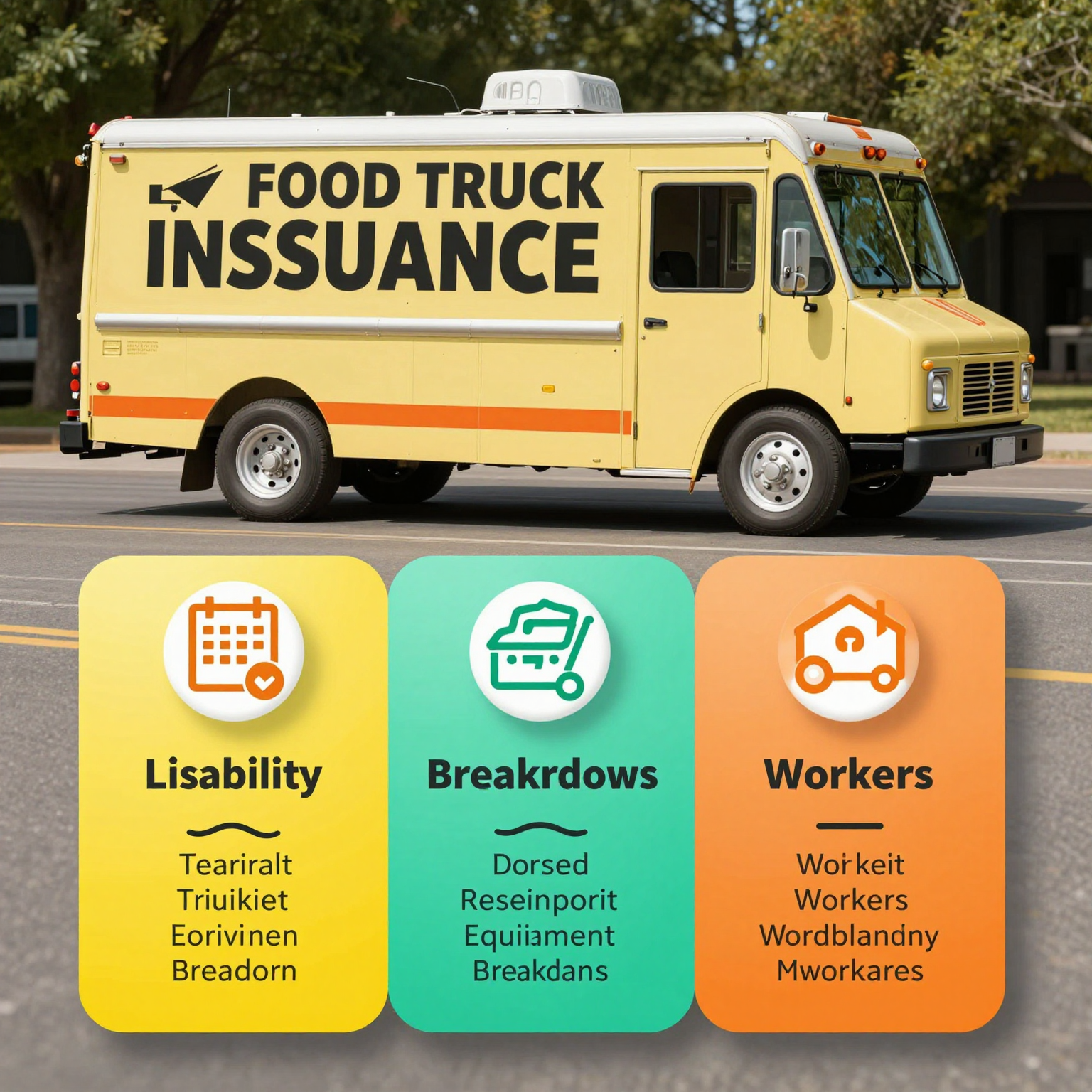
Key Types of Coverage
- Liability Insurance: Protects against claims resulting from injuries or damages caused by your food truck.
- Equipment Breakdown Insurance: Covers repair or replacement of essential kitchen equipment.
- Workers’ Compensation: Necessary if you have employees; it protects against workplace injuries.
- Cyber Liability Insurance: Essential for food trucks that conduct transactions digitally, protecting against data breaches and ransomware attacks.
Recent Trends in Food Truck Insurance
As the food truck industry expands, so does the complexity of its insurance needs. According to a report by Grand View Research, the food truck insurance market was valued at USD 327 million in 2025, projected to grow to USD 409 million by 2030. Increased demand for mobile food services substantially contributes to this upward trend. Furthermore, many municipalities are now enforcing stricter regulations, demanding proof of comprehensive insurance before issuing permits.
Legal Considerations for Food Trucks
Before launching a food truck, understanding local regulations and insurance requirements is paramount. Whether it’s licensing or health department regulations, each city may have unique mandates that affect everything, including your insurance types. Learn more about legal considerations for Latino food truck startups.
Conclusion
In conclusion, securing adequate food truck insurance is not just a legal requirement but a crucial aspect of running a successful mobile food business. The investment in comprehensive coverage ensures peace of mind and protects your business against unforeseen circumstances, promoting sustainability and reliability in the food truck industry.
Let’s create safer, more reliable food service operations together. For more insights into operating food trucks, check out our guide on work-life balance for food truck entrepreneurs.
Visual Growth of Food Truck Insurance Market

| Year | Projected Market Value (USD) |
|---|---|
| 2025 | 327,000,000 |
| 2030 | 409,000,000 |