
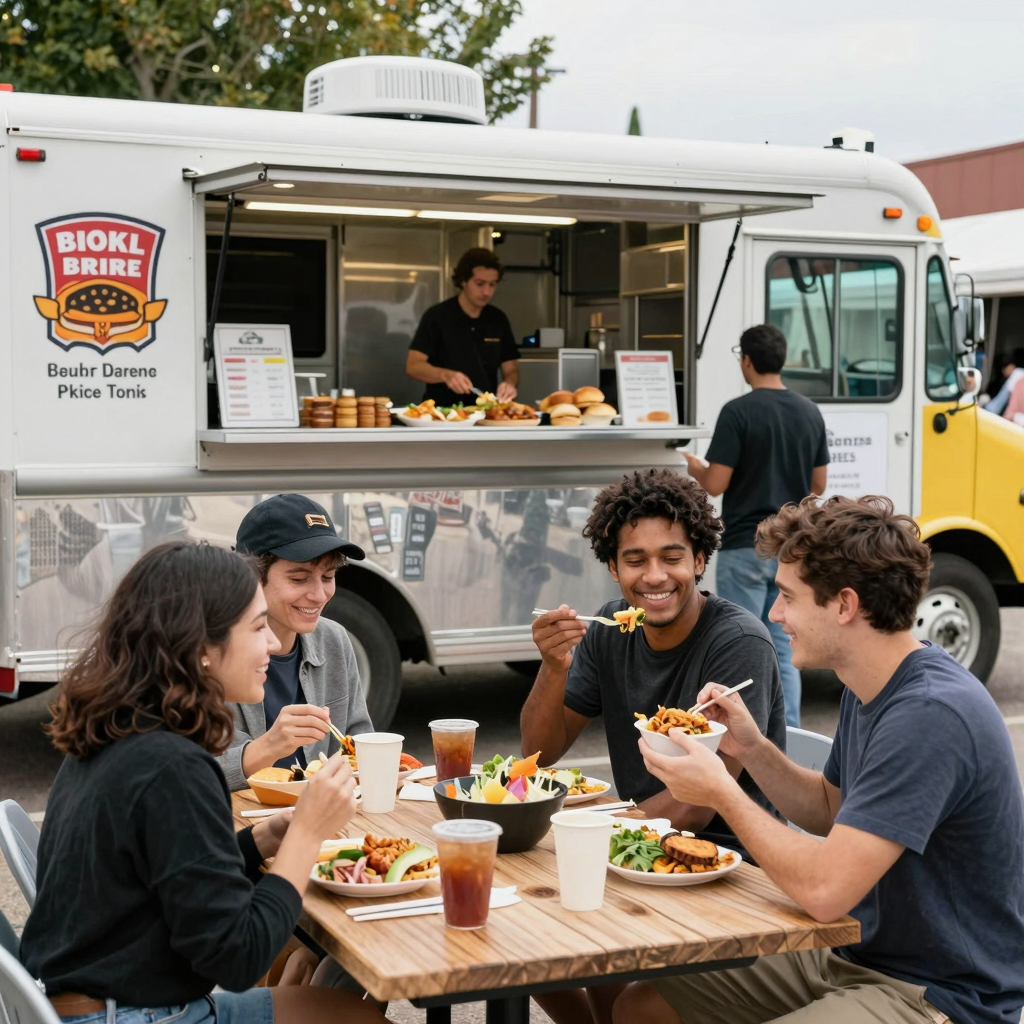
In recent years, food trucks have surged from mere mobile kitchens into vibrant culinary destinations, celebrating diverse cuisines and innovative dishes that keep enthusiasts coming back for more. This rise in popularity is no mere trend; it’s a cultural phenomenon that resonates deeply with those passionate about car culture and modification. Much like customizing a vehicle to showcase personality or style, food trucks offer chefs a canvas for creativity, transforming routine dining into extraordinary experiences. With their unique concepts and personal stories, food trucks foster a loyal following that mirrors the camaraderie found in the car enthusiast community. The intersection of flavor and passion draws in aficionados, eager to experience the latest must-try dish while celebrating the artistry behind each truck’s design. Learn about the unique profiles of food truck owners and discover how these culinary innovators create connections through food as we explore what makes the food truck culture thrive.
Building a loyal following is crucial for food trucks to thrive in a competitive market. Here are some key strategies they employ:
- Social Media Engagement: Actively using platforms like Instagram and Facebook to share daily menus, engage with customers, and showcase unique dishes helps food trucks build community and visibility. Learn more about how they harness social media.
- Unique Menus: Offering innovative and intriguing dishes attracts diverse customers who are looking for new culinary experiences.
- High-Quality Ingredients: Sourcing fresh and local ingredients enhances food quality, which can draw repeat business.
- Customer Interaction: Engaging directly with customers at events and through social media builds rapport and loyalty.
- Participating in Local Events: Joining festivals, farmers’ markets, or community events increases exposure and connects food trucks with potential customers.
- Promotions and Loyalty Programs: Offering discounts or rewards for frequent customers can encourage repeat business.
- Collaborative Promotions: Partnering with local businesses or other trucks can increase visibility and attract a wider audience.
Social Media’s Role in Food Truck Success
In today’s fast-paced market, social media has become an essential tool for food trucks seeking to connect with their audience and grow their following. Platforms like Instagram and Facebook allow food truck owners to showcase their unique offerings, build a loyal community, and drive sales effectively.
Engaging Visual Content and Promotions
Visual platforms, particularly Instagram, are ideal for food trucks. Stunning photos or videos of delicious dishes can draw in food enthusiasts. For example, the truck BurgerBlast, known for its mouth-watering burgers, utilized Instagram Stories to feature behind-the-scenes cooking processes, helping the business achieve a 60% increase in weekend revenue through targeted ad campaigns promoting limited-time menu items.
Additionally, many food trucks creatively use promotions to engage with their audience. For instance, the Gourmet Taco Bus runs social media contests where followers can win free meals for tagging friends in posts, effectively expanding their reach.
Real-Time Communication and Customer Engagement
Social media facilitates real-time communication, allowing food trucks to keep their customers informed about locations and operating hours. Reports indicate that food trucks posting live updates see a 62% increase in foot traffic during events. This strategy enhances customer engagement, as followers feel more connected and informed about their favorite trucks.
Success Stories from Food Trucks
September 2023 statistics reveal that food trucks that had a consistent social media presence recorded a 30% increase in sales. A study by the National Restaurant Association found that 78% of food trucks reported social media as their primary tool for attracting new customers. Food trucks active on platforms like Facebook and Instagram generate 2.3 times more sales during peak hours compared to those that are not.
Summary
The impact of social media on food truck businesses can’t be overstated. Engaging content, real-time communication, and interaction strategies like contests and polls help trucks build a following and drive customer loyalty. As food trucks continue to innovate their marketing strategies, the role of social media will only grow more significant.
For tips on how to further enhance your food truck’s social media presence, be sure to check out our guide!
Taco Truck’s Success Story
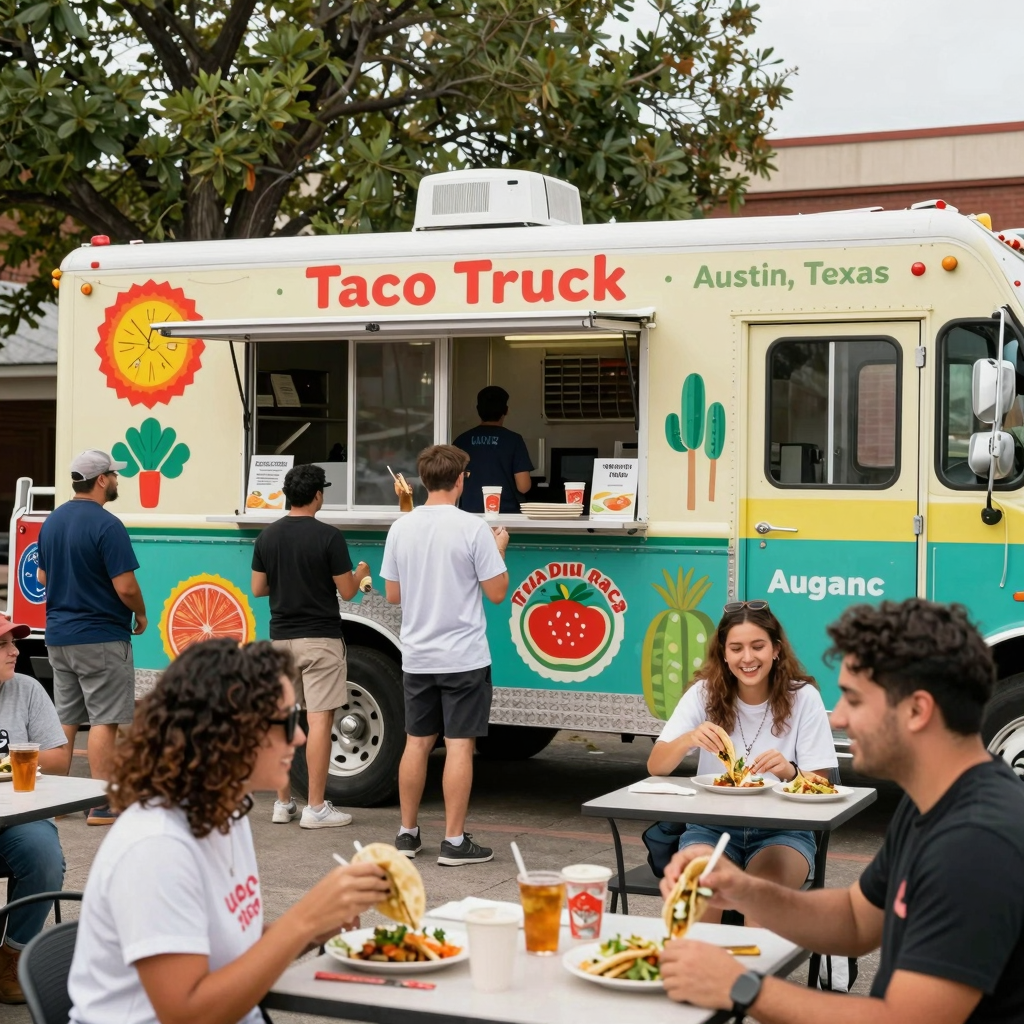
In the bustling culinary scene of Austin, Texas, Taco Truck has carved a niche for itself as one of the city’s most beloved food trucks. Known for its irresistible tacos and community-oriented approach, Taco Truck serves as an exemplary case study of how food trucks can build a loyal fan base through innovative tactics and community engagement.
The Journey Begins
Taco Truck was launched in 2018 by Maria Lopez and her husband, who sought to bring authentic Mexican flavors combined with a twist of local freshness. The couple faced many hurdles, from sourcing local organic ingredients to navigating the evolving regulations surrounding food truck operations in Austin. Yet, their passion for cooking and commitment to quality kept them going.
Building the Brand
From the outset, Taco Truck focused on positioning itself as more than just a place to grab a bite; it aimed to become a community hub. They employed several key tactics that contributed to their rapid growth:
- Local Ingredients: By sourcing their ingredients from local farmers, Taco Truck not only ensured the freshness of their offerings but also appealed to the environmentally conscious consumer.
- Visual Identity: The food truck features eye-catching designs and signage that reflect its vibrant menu. This visual culture helped to attract passersby and create a memorable brand image.
- Engagement & Events: One of their standout strategies has been hosting regular “Fan Days” where loyal patrons receive discounts and exclusive menu items. These days have turned into major events that further unify their customer base.
Leveraging Social Media
Taco Truck’s active presence on social media has been instrumental in building a loyal fan base. They consistently post updates about their location, daily specials, and community events. They encourage patrons to share their food experiences online, fostering a sense of community. This transparency and engagement have cultivated trust and excitement among followers, keeping them informed and connected.
Challenges Overcome
Despite their success, Taco Truck encountered several obstacles. Initial struggles with parking permits and local regulations nearly halted their operations. Additionally, maintaining a steady supply chain for organic ingredients during the pandemic posed significant challenges. However, they adapted by establishing relationships with multiple suppliers to ensure consistency in their offerings.
Conclusion
Today, Taco Truck stands as a testament to the fact that successful food trucks aren’t just about great food; they are about creating meaningful connections within their community. Their journey illustrates how consistency, community involvement, and innovative marketing can convert casual diners into devoted fans. For those looking to understand how to build a following in the food truck business, Taco Truck offers invaluable insights and inspiring strategies.
To learn more about the world of food trucks, check out our profiles of veteran food truck owners and how to revamp Latino cuisine to attract even more customers.
Comparison of Food Trucks’ Social Media Followers
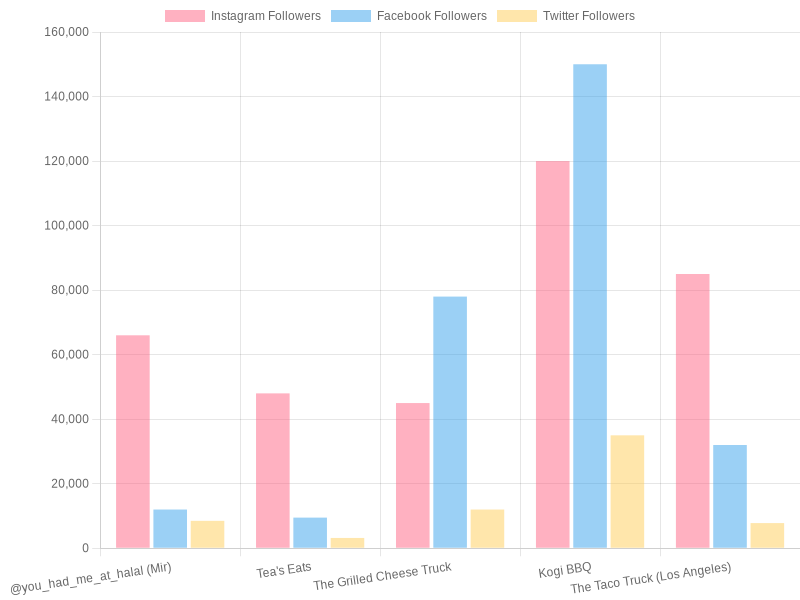
In today’s digital landscape, social media is crucial for food trucks to build a following and engage with their customer base. Here’s a closer look at how some popular food trucks are performing across major social media platforms:
| Food Truck | Instagram Followers | Facebook Followers | Twitter (X) Followers | Source |
|---|---|---|---|---|
| @youhadmeathalal (Mir) | 66,000 | 12,000 | 8,500 | |
| Tea’s Eats | 48,000 | 9,500 | 3,200 | |
| The Grilled Cheese Truck | 45,000 | 78,000 | 12,000 | |
| Kogi BBQ | 120,000 | 150,000 | 35,000 | |
| The Taco Truck (Los Angeles) | 85,000 | 32,000 | 7,800 |
Note: Follower counts are based on publicly available data as of April 2026 and may vary slightly over time. Data sourced from official social media profiles and platform analytics tools.
Visual Representation of Followers
Here’s a visual representation of the follower counts for these food trucks across social media platforms:
For more insights on how food trucks can effectively leverage their social media presence, check out this article.
Community Engagement and Events
Community involvement is the cornerstone of building a solid following for food trucks. By hosting or participating in local events, food truck owners not only showcase their culinary creations but also foster valuable connections with their communities. Community-centric events serve as vibrant cultural hubs, drawing together residents, local artists, and businesses in a celebratory atmosphere. For instance, food truck rallies not only offer delicious food options but can also raise funds for local causes. A recent food truck rally held to support local food pantries raised significant donations, emphasizing how community commitments can translate into tangible support for those in need (WKBN News).
Moreover, food trucks can enhance their visibility and customer loyalty by collaborating with local businesses and charity events. Forming partnerships with nearby cafes, breweries, or retailers creates exciting opportunities for themed events, such as “Meals for Heroes” supporting first responders or “Kids Eat Free” promotions for local schools. These joint efforts not only bolster sales but also enrich neighborhood ties while generating funds for local nonprofits (The Urban Food Initiative Blog).
Involving oneself in charitable events and community programs can significantly elevate a food truck’s profile, creating a loyal customer base and driving foot traffic. Such engagement reflects a commitment to social responsibility, which resonates well with patrons, making them more likely to support a food truck that gives back to its community.
Ultimately, community engagement transforms the customer’s food experience into something meaningful, helping food trucks cultivate a following that is both passionate and loyal.
Food Truck User Reviews Summary
In the vibrant world of food trucks, customer reviews play a pivotal role in defining a truck’s reputation and success. A comprehensive analysis of user feedback from various sources highlights both positive and negative experiences, revealing recurring themes that can significantly impact how these mobile eateries build a following.
Positive Feedback Themes
- Innovative Menu Offerings: Many customers are drawn to unique and creative menu items, be it fusion tacos or gourmet burgers made from local ingredients. The emphasis on authenticity and freshness is a major selling point, with patrons appreciating the diversity in food styles presented by different trucks.
- For instance, trucks like Nelly Belly are lauded for their exceptional wood-fired pizza and signature dishes like mac and cheese, which showcase culinary creativity and quality.
- Food trucks recognized for their ability to adapt to trends, such as introducing plant-based options, receive high marks from health-conscious consumers.
-
Convenience and Accessibility: The flexibility of food trucks, often stationed at strategic urban spots, allows busy consumers to enjoy gourmet meals on the go. Positive reviews frequently highlight timely service and the luxury of avoiding long wait times through pre-ordering systems, which enhance the overall dining experience.
-
Engaging Customer Experience: Many food trucks excel in providing a personable dining experience. Customers enjoy friendly interactions with staff and creators, fostering a community feeling that encourages repeat visits.
Negative Feedback Themes
- Inconsistent Service: Despite the favorable reviews, drawbacks often surface, particularly regarding service speed. Trucks can struggle during peak hours, leading to longer wait times that frustrate patrons.
- Some reviews also reflect variability in food quality between visits, influencing customer loyalty and their willingness to recommend a truck to others.
-
Hygiene Concerns: A recurring negative theme relates to food safety standards, where issues with cleanliness and food handling among certain vendors have been noted, emphasizing the need for robust operational protocols to assure customer confidence.
-
Price Sensitivity: Several customers voiced concerns over pricing, especially when portion sizes do not match expectations. For many, value for money is foundational; hence, trucks that maintain reasonable pricing typically receive preferential treatment in customer loyalty.
By addressing these common themes found in user reviews, food trucks can not only enhance their offerings but also solidify a loyal customer base while navigating the competitive landscape of mobile food service.
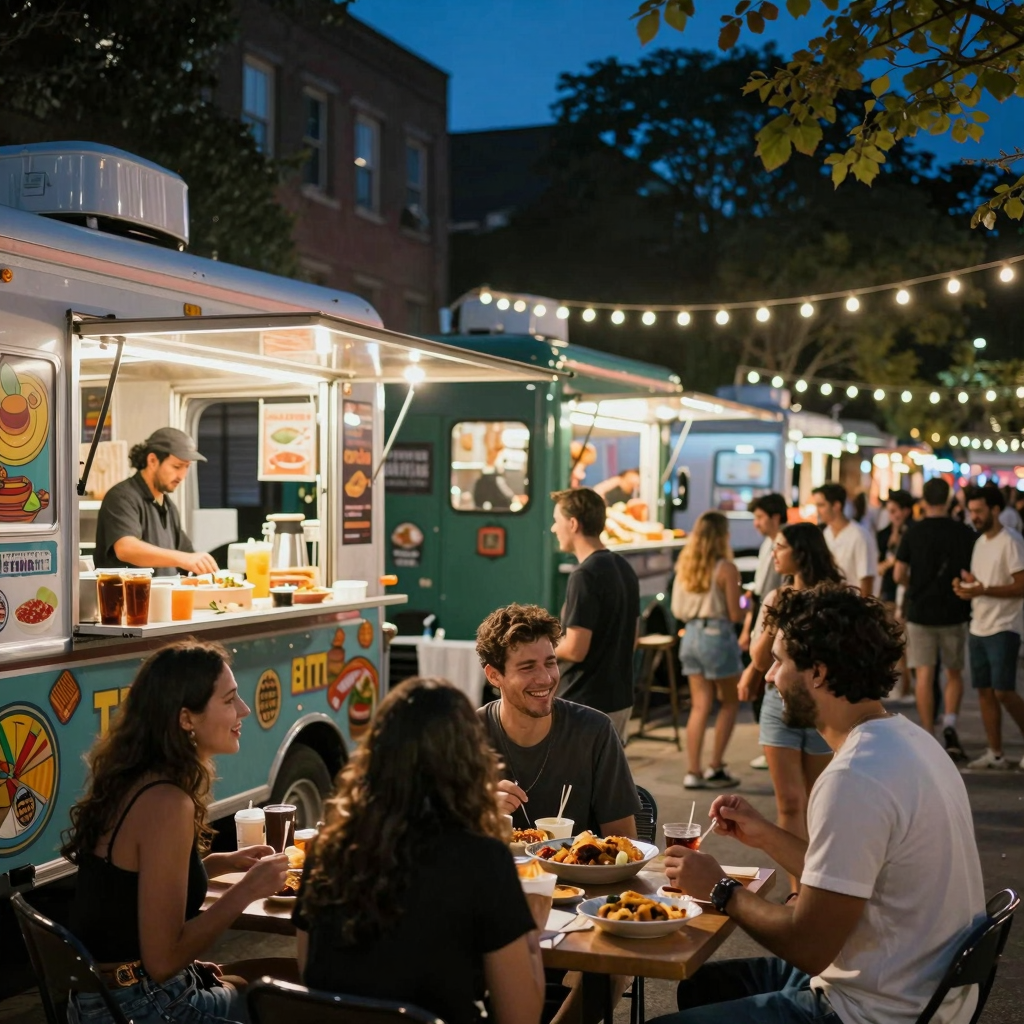
Visuals Capturing Food Truck Culture
-
-
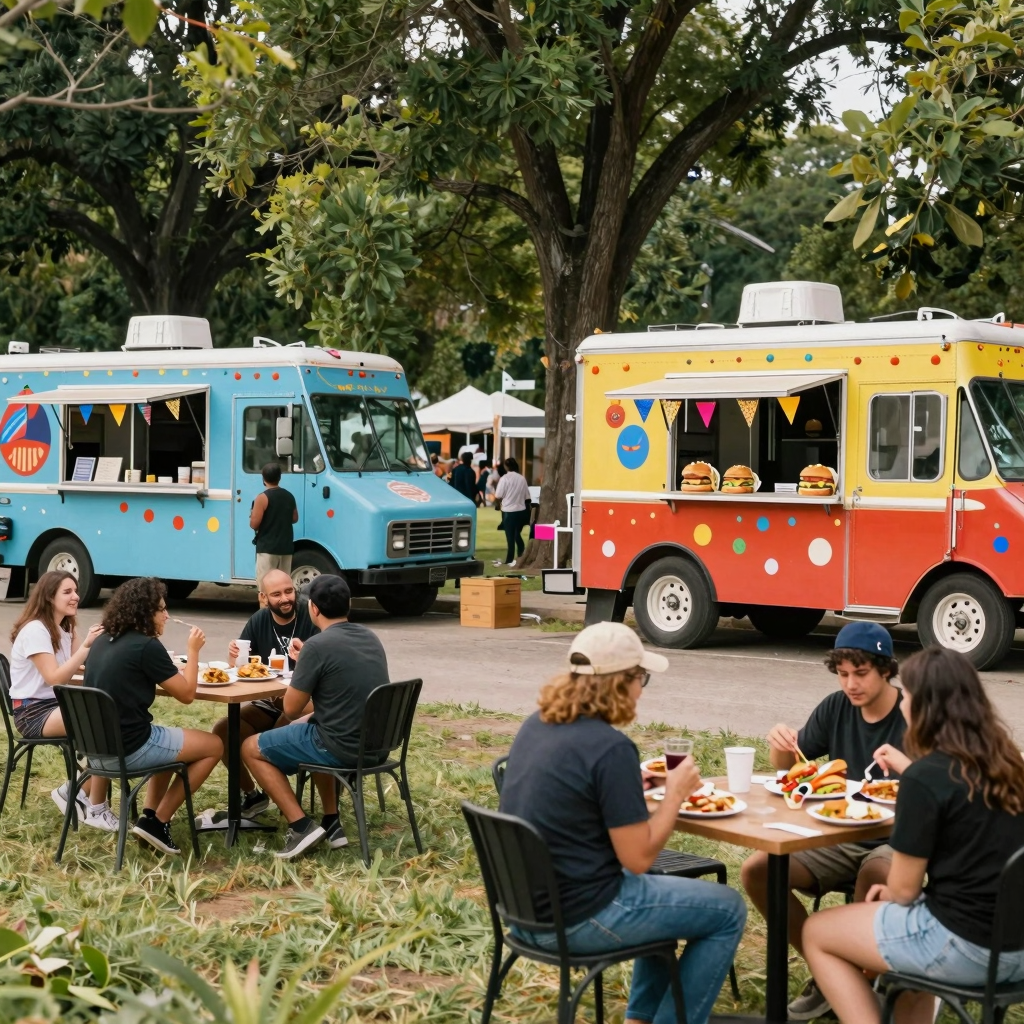
A vibrant food truck scene in a park, showcasing diverse groups of people enjoying various cuisines from food trucks. It captures the essence of food truck culture.
-
-
A bustling urban food truck festival at night with food trucks lit up and serving customers under string lights in a vibrant city setting.
Conclusion – Building a Following for Food Trucks
In conclusion, building a loyal following for your food truck is not just an aspiration; it’s an attainable goal that hinges on strategy, innovation, and community connection. Throughout this article, we explored various essential strategies that food truck owners can implement, such as leveraging the power of social media to engage with customers effectively. Platforms like Instagram and TikTok are instrumental in showcasing appetizing visuals and sharing behind-the-scenes stories that resonate with your audience. According to Eater, high-quality visuals and real-time interactions can significantly enhance a truck’s visibility and ultimately drive foot traffic.
Moreover, the ongoing growth of the food truck market, projected to reach approximately $2.04 billion by 2030, as shown in the chart below, reflects a burgeoning interest in diverse cuisine offerings and the increasing popularity of food trucks in urban settings. This surge presents an excellent opportunity for food trucks to capture unique markets and create unforgettable dining experiences.

Ultimately, engaging with your community, providing an exceptional customer experience, and showcasing your culinary creativity are vital components in attracting and retaining a passionate following. Implement these proven strategies, and you are well on your way to establishing a thriving food truck business that stands out in a competitive landscape.
Building a following in the food truck industry goes beyond serving delicious meals. Carlos Mendez, owner of a top-rated taco truck in Denver, states, “We’re not just serving food-we’re building community, one meal at a time.” This quote encapsulates the essence of food trucks as platforms for community engagement and loyalty, highlighting the direct connection between chef and customer, which is vital for brand loyalty. Learn more about the dynamics of food truck success.