
Understanding Sales Tax and Food Trucks: A Vital Guide
In the vibrant world of food trucks, where culinary creativity meets entrepreneurial spirit, understanding the intricacies of sales tax is crucial for success. Food truck owners and operators must grasp the ins and outs of how food trucks charge sales tax to navigate the financial landscape effectively. With various sales tax regulations set forth by local governments, knowing these requirements can mean the difference between profit and loss. A comprehensive understanding enables food truck entrepreneurs to make informed decisions, ensuring compliance while maximizing their bottom line. This knowledge empowers them to focus on what they do best: serving delectable dishes on the go without the constant worry of unexpected tax liabilities. For aspiring food truck owners or seasoned operators, delving into the realm of sales tax is not just an obligation; it’s a stepping stone toward sustained business growth. To learn more about how food trucks operate in different regions, check out this guide to Latino food trucks in major cities and explore their success stories in navigating local regulations.
Sales Tax Policies for Food Trucks by State
Understanding the sales tax policies across different states is crucial for food truck operators. Below is a detailed list of various U.S. states and their respective sales tax policies regarding food trucks:
| State | Sales Tax on Food Trucks | Sales Tax Rate (General) | Special Regulations for Food Trucks |
|---|---|---|---|
| California | Yes, taxed on prepared food for immediate consumption. | 7.25% | Must obtain a seller’s permit. Local jurisdictions may impose additional fees or require specific permits. |
| Texas | Yes, most food sold by food trucks is taxable. | 6.25% | Registration with the Texas Comptroller’s Office is required. Additional local regulations may apply. |
| New York | Yes, prepared food sold for immediate consumption is taxable. | 4% | Requires a vendor license. Strict permitting rules in New York City. |
| Florida | Yes, prepared food sold is taxable. | 6% | Must register with the Florida Department of Revenue. Local municipalities may have additional regulations. |
| Illinois | Yes, food sold for immediate consumption is taxable. | 6.25% | Must register with the Illinois Department of Revenue. Local ordinances may govern operation locations. |
| Colorado | Yes, prepared food is taxable. | 2.9% | Must register with the Colorado Department of Revenue; local governments regulate location with permits. |
| Georgia | Yes, food sold for immediate consumption is taxable. | 4% | Obtain seller’s permit; compliance with local licensing may be needed. |
| Michigan | Yes, prepared food sold for immediate consumption is taxable. | 6% | Register with Michigan Department of Treasury and must adhere to local ordinances. |
| Ohio | Yes, prepared food is taxable. | 5.75% | Registration with Ohio Department of Taxation required; local governments control operational times and locations. |
| Washington | Yes, prepared food is taxable. | 6.5% | Must register with Washington Department of Revenue; local jurisdictions have significant control over permits. |
As food truck operators, it’s essential to conduct thorough research based on your location. Different locations may implement their own regulations that could affect your operational choices and overall profit margins. To find more insights on starting your food truck business, learn more about legal considerations for Latino food truck startups or explore success stories of veteran food truck owners.
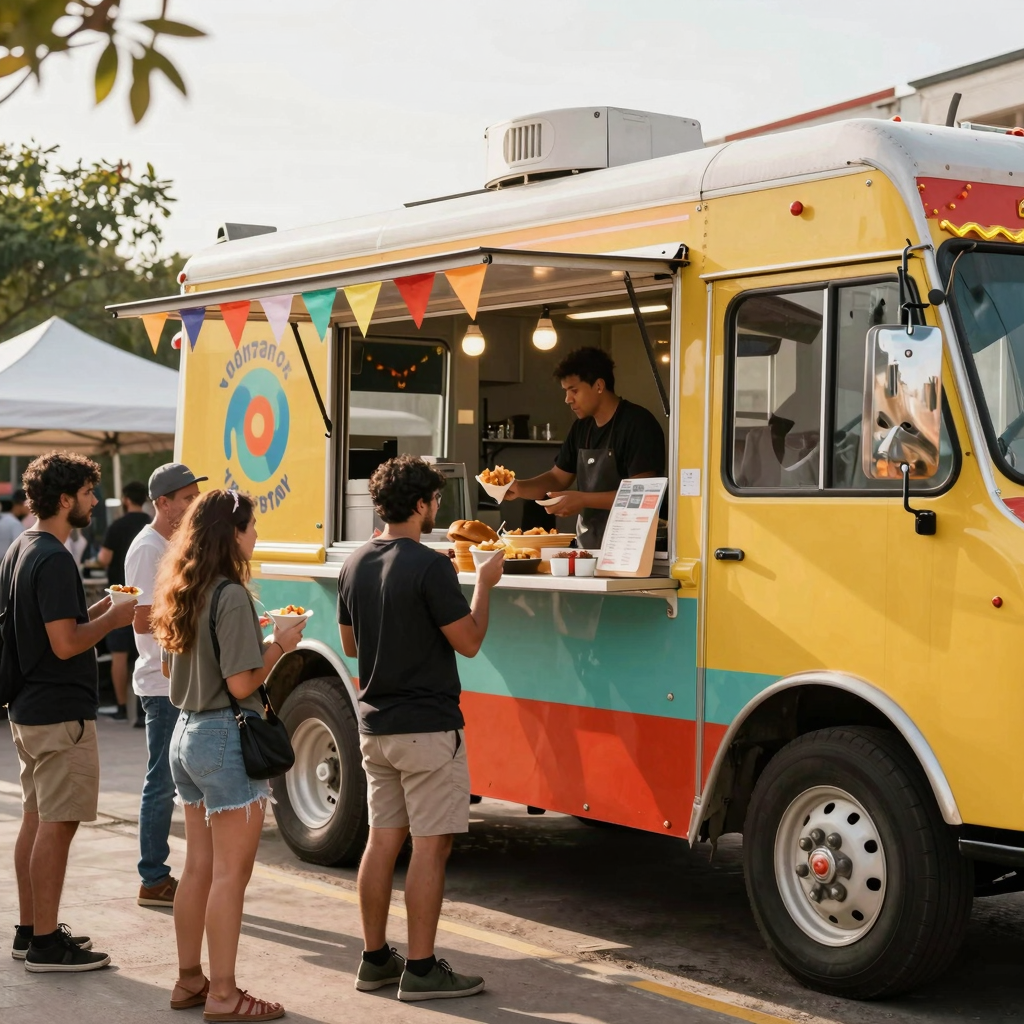
This image captures the essence of a food truck bustling with activity and delight, showcasing the vibrant culture surrounding these mobile culinary experiences. Whether at a street fair or bustling culinary festival, food trucks often provide not only delicious meals but also a sense of community and excitement.
Understanding the Financial Implications of Charging Sales Tax for Food Trucks
For food truck operators, navigating the maze of sales tax is not just a legal requirement but a significant financial consideration. As it stands, 34 states impose sales tax on prepared food, including mobile vendors, creating complex compliance challenges that can impact a truck’s bottom line. Understanding the implications of charging sales tax is critical for the sustainability and profitability of these businesses.
Impact on Pricing for Consumers
Charging sales tax directly affects the prices consumers pay for meals. When a food truck sells a meal for $10 and must add a 7% sales tax, the total cost to the consumer rises to $10.70. However, the operator only retains the initial $10 after remitting the tax portion to the state, diminishing effective revenue. This situation compels food truck operators to adjust their pricing strategies to maintain their profit margins. The challenge lies in the fact that increasing prices excessively could lead to a decrease in customer traffic, especially in a fiercely competitive market.
Effects on Profit Margins for Operators
Recent studies, such as one published in the Journal of Small Business Finance, reveal that the average net profit margin for food trucks drops from 12.5% to 8.9% when factoring in sales tax. With administrative costs averaging $3,500 annually due to compliance burdens, many food truck owners have reported scaling back their offerings to offset these financial strains. This includes reducing staff or menu items, decisions made in light of ensuring operational viability amid tax-related pressures.
Importance of Cost Analysis
For food truck operators, understanding the effects of sales tax through thorough cost analysis is crucial. Beyond the immediate tax burden, compliance with varying regulations across jurisdictions demands real-time tracking of local tax rates, posing additional operational complexities. Failure to adhere to these requirements can lead to penalties, further eroding profit margins.
Maintaining profitability necessitates careful financial planning. It is essential for food truck operators to leverage tools such as cloud-based POS systems to automate tax calculations and ensure accuracy. As the food truck industry continues to grow, those entrepreneurs who grasp the importance of sales tax implications will be better positioned for long-term success. For deeper insights into the challenges faced by food trucks, including legal considerations for Latino food truck startups can provide essential guidance.
Summary of User Experiences on Sales Tax Audits for Food Trucks
Navigating sales tax audits can be a daunting task for food truck operators, who face unique challenges due to the mobile nature of their businesses. Based on testimonials and experiences shared by food truck owners, several common themes and best practices have emerged.
Common Challenges Faced by Food Truck Operators
- Jurisdictional Complexity: Food trucks often operate in multiple jurisdictions, leading to confusion about varying tax rates. One operator highlighted the difficulty of tracking sales correctly when moving locations daily.
- Inconsistent Record-Keeping: Due to the fast-paced environment, many food truck vendors struggle to maintain consistent and accurate records, making audits particularly stressful.
- Misclassification of Goods: Food trucks may inadvertently misclassify their products (e.g., treating fountain drinks differently than bottled beverages), which can affect the sales tax calculations.
- Stressful Auditor Interactions: The presence of auditors can disrupt business operations, as noted by several vendors.
Best Practices for Food Truck Owners
- Maintain Digital Records: One of the most effective strategies is to keep meticulous records of daily sales. Using cloud-based point-of-sale systems that automatically calculate taxes based on location can streamline this process.
- Pre-Audit Preparation: Before an audit, operators can prepare by maintaining standardized daily logs and employing dedicated accounting applications designed for mobile businesses. This helps prove compliance and significantly reduces the chances of incurring penalties.
- Conduct Internal Audits: Regular internal audits can help food truck owners identify areas for improvement and ensure that their records align with tax regulations.
Implementing these practices not only enhances compliance but also provides peace of mind for food truck operators during audits. For more insights on food truck operations, visit this resource on best practices for food truck audits.
Sales Tax Comparison for Food Trucks in Major U.S. Cities
A critical aspect for food truck operators is understanding local sales tax regulations, as these can significantly impact profitability. Here’s a comparison of sales tax rates across major cities in the United States, highlighting the rates and specific regulations where applicable:
| City | Sales Tax Rate | Specific Regulations |
|---|---|---|
| New York, NY | 8.875% | Includes 4% state tax + 4.875% city tax |
| Los Angeles, CA | 8.75% | 6% California state tax + 2.75% local tax |
| Chicago, IL | 10.25% | 6.25% Illinois state tax + 1% city tax + 3% regional taxes |
| Miami, FL | 7.5% | 6% Florida state tax + 1.5% Miami-Dade local tax |
Summary of Regulations
- New York City: Food trucks are subject to the integrated 8.875% sales tax. Each specific area may have additional taxes that may apply for certain food items.
- Los Angeles: Local food vendors must account for the combined sales tax, which could vary slightly depending on the exact location within the city.
- Chicago: The city’s high tax rate incorporates local service charges, affecting all food sales without exemptions.
- Miami: Maintains a competitive tax rate but is subject to additional tourism taxes in specific districts, although typical food truck sales do not usually benefit from exemptions.
For further details on food truck regulations, check out legal considerations for Latino food truck startups and food truck regulations and safety compliance.
Common Misconceptions about Food Trucks and Sales Tax
When it comes to food trucks, a plethora of myths regarding sales tax can mislead both entrepreneurs and consumers. Let’s break down some of the most prevalent misconceptions, accompanied by factual clarifications to help you navigate this complex terrain effectively.
Misconception 1: Food Trucks Are Exempt from Sales Tax Because They’re Mobile
Many believe that since food trucks operate without a physical storefront, they are not subject to sales tax obligations. This is far from the truth! In fact, food trucks must collect sales tax on taxable food and beverages, regardless of their mobility. This includes hot prepared meals, desserts, and soft drinks. Depending on state regulations, even some unprepared items can incur tax if they are sold as part of a meal. Learn more about state regulations.
Misconception 2: Sales Tax Only Applies to Physical Restaurants
Another misconception is that only brick-and-mortar restaurants need to charge sales tax. Food trucks, like traditional eateries, are legally bound to collect sales tax on taxable items. A common oversight among food truck owners is thinking their products sold at events or online mean they can skip tax collection; however, tax obligations still apply. Even if operating in public parks or festivals, they must comply with local tax requirements.
Misconception 3: Sales Tax Regulations Are Uniform Across States
It’s easy to assume that all states follow the same rules; however, this is simply not the case. Each state has its own tax code that governs food sales, including specific rates and exemption criteria. For instance, California and New York have different tax rates and rules regarding what foods are taxable, affecting how food trucks operate therein. Business owners should familiarize themselves with the local tax landscape to ensure compliance. Read more about compliance challenges.
Understanding these facts not only protects food truck operators from potential fines but also enhances transparency for consumers. As food trucks continue to grow in popularity, staying informed about sales tax obligations will only benefit the business.
Trends in Food Truck Popularity Over the Years
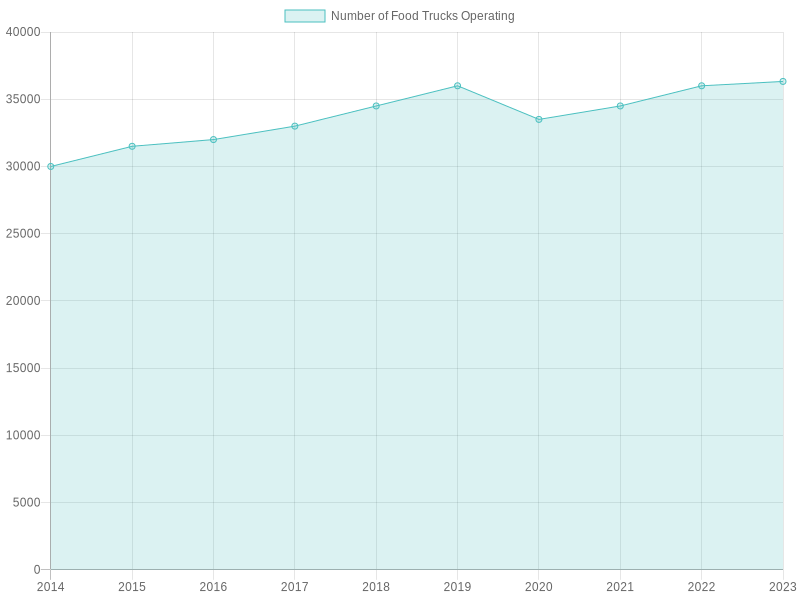
The food truck industry has seen remarkable growth over the last decade, becoming a popular choice for both entrepreneurs and consumers alike. To illustrate this trend, here’s a line chart showcasing the number of food trucks operating in the U.S. from 2014 to 2023:
| Year | Number of Food Trucks Operating |
|---|---|
| 2014 | 30,000 |
| 2015 | 31,500 |
| 2016 | 32,000 |
| 2017 | 33,000 |
| 2018 | 34,500 |
| 2019 | 36,000 |
| 2020 | 33,500 |
| 2021 | 34,500 |
| 2022 | 36,000 |
| 2023 | 36,324 |
Note: The 2023 figure represents a 9.9% increase from 2022, indicating strong post-pandemic recovery and renewed industry growth.
For more insights into the food truck market’s evolution, you can explore profiles of veteran food truck owners or consider the legal aspects relevant to aspiring entrepreneurs in this sector.
As food truck owners navigate the complexities of sales tax compliance, understanding the regulations becomes crucial. As one California-based food truck owner stated,
“Every time we set up at a new event or park, we need to check if we’re required to collect sales tax-and what rate applies. It’s overwhelming without the right tools.”
This highlights the significant challenges and the importance of maintaining proper compliance to ensure business sustainability.
Conclusion and Call to Action
Understanding sales tax is a crucial aspect for food truck operators that often goes overlooked. As we’ve discussed, the responsibility to charge and collect sales tax not only ensures compliance with state laws but also fosters a sense of professionalism and integrity within the food truck community. By being informed about the varying tax rates across states and the specific regulations that govern sales tax in the mobile food industry, operators can enhance their business practices and contribute positively to their clients’ expectations and their community’s economy.
Moreover, keeping abreast of legal considerations can offer guidance that ensures a smoother operational flow. For food truck enthusiasts and owners, being knowledgeable about these elements is key to achieving long-term success and sustainability in this dynamic industry.
If you’re looking for ways to not just elevate your food truck game but also your passion for vehicular aesthetics, consider exploring premium motorcycle fairings available at Summit Fairings. Transform your ride just as you would transform your culinary offerings-be bold, be unique, and let your vehicle stand out while you serve up deliciousness on wheels!