
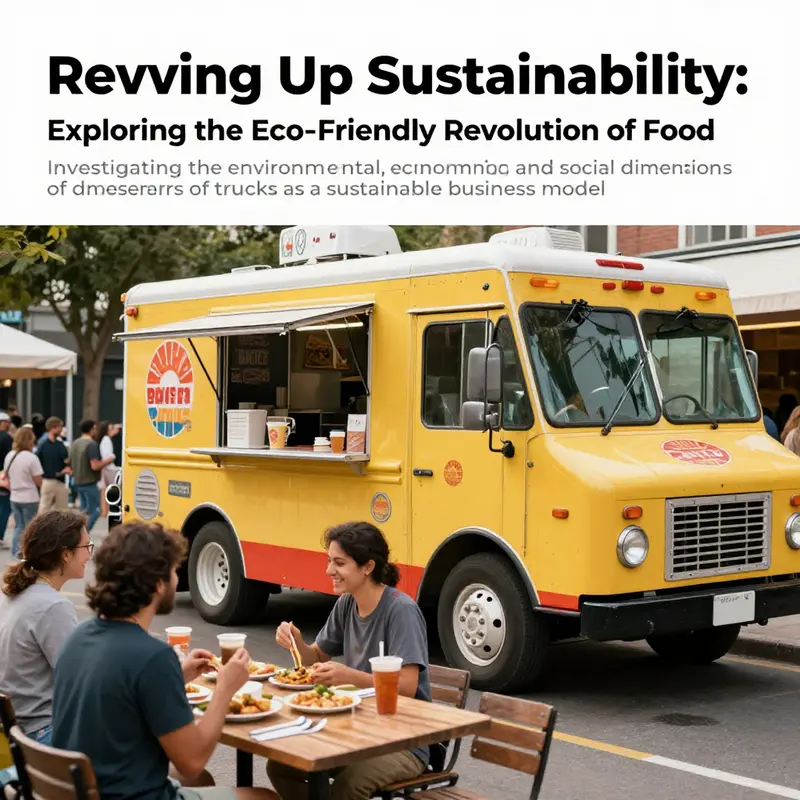
The rise of food trucks has revolutionized the culinary landscape, offering diverse cuisines on wheels. While they tantalize our taste buds, the pressing question invites us to dive deeper: are food trucks truly sustainable? This exploration is essential not just for enthusiasts in the automotive and culinary worlds, but for anyone conscious of the environmental footprint their choices leave behind. Each chapter will unpack vital elements of sustainability—starting with environmental impact, analyzing economic viability, emphasizing social benefits, and finally contrasting food trucks with traditional restaurants. This comprehensive anthology aims to equip readers with an understanding that synthesizes delicious innovation with environmental responsibility.
Wheels of Change: Assessing the Environmental Footprint and Sustainability of Modern Food Trucks
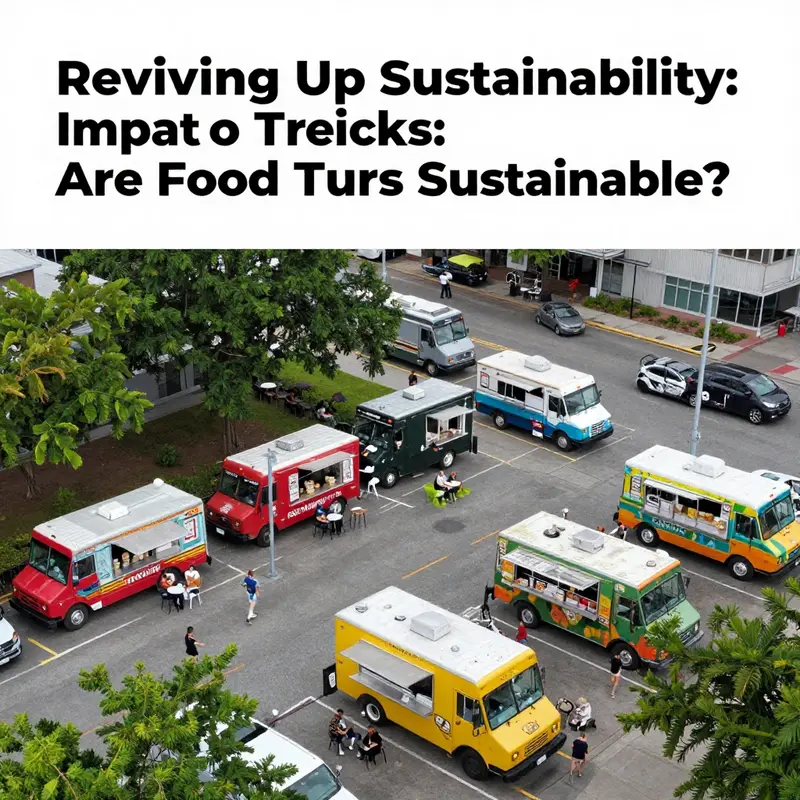
Food trucks have transformed urban dining by offering mobility, immediacy, and cultural variety in bite-sized moments of experience. They sit at the intersection of convenience and craft, often delivering vibrant menus with leaner premises than traditional restaurants. Yet the same portability that makes them so appealing also introduces a distinctive set of environmental questions. At their best, food trucks reduce the heavy energy demands of large commercial kitchens, shrink the footprint of space through smaller operations, and prune waste through local sourcing and smarter supply chains. At their worst, they blanket streets with disposable packaging, rely on diesel or propane-powered equipment, and chase locations in ways that lengthen travel and amplify emissions. The sustainability of this business model, therefore, hinges not on an abstract claim but on the daily decisions of operators, communities, and policymakers who design, regulate, and support these mobile kitchens. When steering is guided by a commitment to environmental stewardship, food trucks can become a meaningful part of a more resilient, inclusive urban food economy that prizes both flavor and future health.
The environmental picture is paradoxical in its clarity and nuance. On one hand, the absence of a sprawling, energy-intensive brick-and-mortar kitchen means fewer large HVAC systems, less heat island load, and the potential for more efficient appliance use. Operators can equip their rigs with energy-conscious technologies, from induction stoves to compact yet capable refrigeration, and they can calibrate power needs to match peak service times rather than maintaining a steady, oversized energy draw. On the other hand, the very mobility that defines food trucks introduces a constant transport dynamic. Relocating from festival to street corner or neighborhood to neighborhood can create a diffuse supply chain where ingredients travel in smaller batches but across longer distances, depending on event schedules and staffing needs. The result is a mixed ledger: emissions and energy use may be lower per square foot of kitchen space, but higher per mile traveled or per event if routing is inefficient or if fleets run on fossil fuels. This tension is at the heart of the sustainability question the industry faces today.
A recent, widely cited study from UC Berkeley highlighted one of the most persistent pressure points: waste. According to their 2023 analysis, food trucks generate roughly 1.5 times more waste per meal than traditional restaurants, a discrepancy largely attributed to disposable containers and utensils. The finding does not condemn the concept; rather, it reframes the challenge as one of waste management and packaging design. If operators can replace single-use packaging with compostable, reusable, or returnable systems, and if cities provide convenient waste-enabled infrastructure, the environmental gains from a smaller kitchen and localized sourcing can be amplified rather than offset. The same study underscores the importance of the downstream waste stream, reminding readers that the footprint of a meal is not finished when the last bite is eaten. It continues into recycling and composting streams, collection logistics, and the end-of-life fate of every cup, lid, wrapper, and napkin.
In practice, many food trucks are responding with innovative strategies that align with broader sustainability goals. A growing cadre of operators is adopting compostable or reusable packaging, a simple shift that can dramatically reduce landfill waste if the entire system—production, distribution, and disposal—functions in concert. Some rigs are moving toward electric or solar-powered cooking appliances, which cut fossil-fuel dependence and cut emissions at the source. Beyond equipment choices, there is an emphasis on optimizing routes and schedules to minimize unnecessary miles. This is not merely a logistics exercise but a design philosophy: a truck that plans efficient routes can serve more customers with less fuel, reducing both cost and environmental impact. Local sourcing also features prominently in sustainable practice. By curating ingredients from nearby farmers and producers, operators shorten the supply chain, support neighboring economies, and shrink transport emissions. The benefit is twofold: fresher products for customers and a smaller ecological footprint for the operation.
The idea of sustainability for food trucks thus spans environmental, economic, and social dimensions. Environmentally, the most visible gains come from cleaner energy, smarter packaging, and waste reduction. Economically, the model offers lower barriers to entry, enabling entrepreneurship with lower upfront costs and shorter payback periods. This accessibility can strengthen local economies and diversify culinary offerings across neighborhoods, bringing fresh flavors to underserved or developing urban pockets. Socially, food trucks contribute to a resilient urban fabric. They can empower immigrant and minority communities to translate cultural capital into enterprise, create flexible employment opportunities, and foster social ties that anchor neighborhoods. The social value is often as meaningful as the environmental: a mobile eatery can enliven a street corner, catalyze cultural exchange, and provide a pathway to economic participation for people who might otherwise face barriers to starting a traditional restaurant.
Yet sustainability in practice is not a given. The same mobility and lean operation that offer efficiency can also spawn challenges if not deliberately managed. Some trucks rely on diesel generators or propane, emitting pollutants directly into street canyons and along busy corridors. In crowded city environments, the cumulative emissions from a fleet of trucks can be nontrivial, especially during peak hours when idling or extended service can increase fuel use. Packaging remains a stubborn hurdle; the convenience of takeout has long depended on disposables, and a lack of robust waste infrastructure can turn a well-meaning business into a source of avoidable trash. The potential inconsistency in supply chains further complicates the picture. Relocation, event-driven schedules, and patchy distribution networks can lead to inefficiencies that erode some of the environmental advantages imagined at the planning stage.
Portland’s regulatory landscape offers a practical illustration of how policy can tip the balance toward greener practice. The city’s emphasis on compostable containers and participation in city-sponsored recycling initiatives demonstrates how municipal requirements can channel entrepreneurial creativity toward waste reduction. When regulations align with accessible, scalable waste management options, operators do not have to choose between profitability and environmental responsibility. The right regulatory scaffolding can encourage investment in green energy, set clear expectations for packaging, and support the evolution of a waste ecosystem that makes it easier for a truck to do the right thing most of the time, without sacrificing reliability or bottom-line performance.
In addition to regulatory signals, the design of the urban environment itself matters. The geography of food truck activity—the density of street food demand, the availability of safe parking and power sources, and the proximity to composting facilities or municipal recycling streams—shapes how sustainable a given fleet can become. A city that coordinates vendor locations with public transit corridors, courtyards, and food-hairpin corridors can reduce travel distances and encourage foot traffic rather than solo car trips to a stand-alone activity. Equally important is consumer behavior. Patrons can influence sustainability through choices that favor trucks employing green practices, returning used containers for reuse, or supporting vendors who prioritize seasonal, locally sourced ingredients. In this sense, sustainability becomes a shared project: customers, operators, and planners co-create outcomes that are greater than the sum of individual parts.
The broader narrative also embraces the potential for technology to push the envelope. Energy storage advances can help trucks run on battery power for longer stretches, even on busy urban days, while advances in lightweight materials can further shrink energy use without compromising performance. Digital tools can optimize inventory and order flow, reducing waste and easing the pressure on supply chains to constantly re-stock high-cost items. Such innovations do not happen in a vacuum; they require financing, technical support, and a supportive policy climate. The industry’s growth, as with any evolving sector, must be matched by infrastructure and capital that render sustainable choices practical and repeatable.
Ultimately, the question of whether food trucks are sustainable is not a fixed verdict but a moving target defined by practice, context, and intent. The most sustainable trucks are not the ones that shout loudest about their green credentials but those that weave environmental stewardship into the fabric of daily operations: thoughtful packaging, energy-conscious equipment, route efficiency, local sourcing, and an attentive eye toward the waste stream. They recognize that sustainability is not a one-time upgrade but a continuous process of improvement, measurement, and adaptation to local conditions. In major urban landscapes, the unique dynamics of these mobile kitchens—how they source, travel, and engage with communities—illustrate how local markets and cultural capital shape environmental outcomes. For readers curious about how regional contexts influence these dynamics, consider exploring the evolution of Latino food trucks in major cities, where community networks, culinary heritage, and city infrastructure intersect to drive both economic resilience and environmental accountability.
There is a practical takeaway here for operators and policymakers alike. Start with a clear, data-informed plan that targets the most impactful levers—packaging, energy use, and routing—while building a robust waste-management pathway that connects with local composters and recyclers. Invest in scalable, clean-energy options where feasible, and design operations that reward efficiency without compromising service quality. Embrace transparency with customers about environmental goals and progress, because trust is a critical asset in a crowded market. And finally, cultivate collaborations that extend beyond the kitchen: partnerships with farmers, waste managers, and civic institutions can amplify benefits across neighborhoods, making sustainability a shared, celebrated achievement rather than a burdensome obligation.
As the chapter closes on this examination of the environmental footprint of food trucks, the path forward feels practical and promising. The industry sits at a crossroads where modest, well-designed changes can yield meaningful reductions in waste, emissions, and resource use, while preserving the social and economic benefits that make food trucks a vital thread in the urban tapestry. The challenge is not conceptual but procedural: translate knowledge into daily practice, align incentives with green outcomes, and sustain momentum through consistent investment and community engagement. In doing so, food trucks can prove not only that they are convenient and flavorful but that they are genuinely sustainable—delivering meals that nourish people and the planet alike.
Internal resource: Latino food trucks in major cities. This example highlights how local markets, community ties, and city infrastructure interact to shape sustainable outcomes for mobile kitchens. It is through such localized experiences that the broader proposition of food-truck sustainability crystallizes into tangible, actionable practice. External resource: UC Davis — Food Trucks’ Environmental Impact, which synthesizes recent field studies and provides a framework for understanding waste, energy use, and emerging sustainable practices in the industry. https://www.ucdavis.edu/news/food-trucks-environmental-impact
Wheels of Change: Economic Viability as the Engine of Food Truck Sustainability
Wheels of Change: Economic Viability as the Engine of Food Truck Sustainability
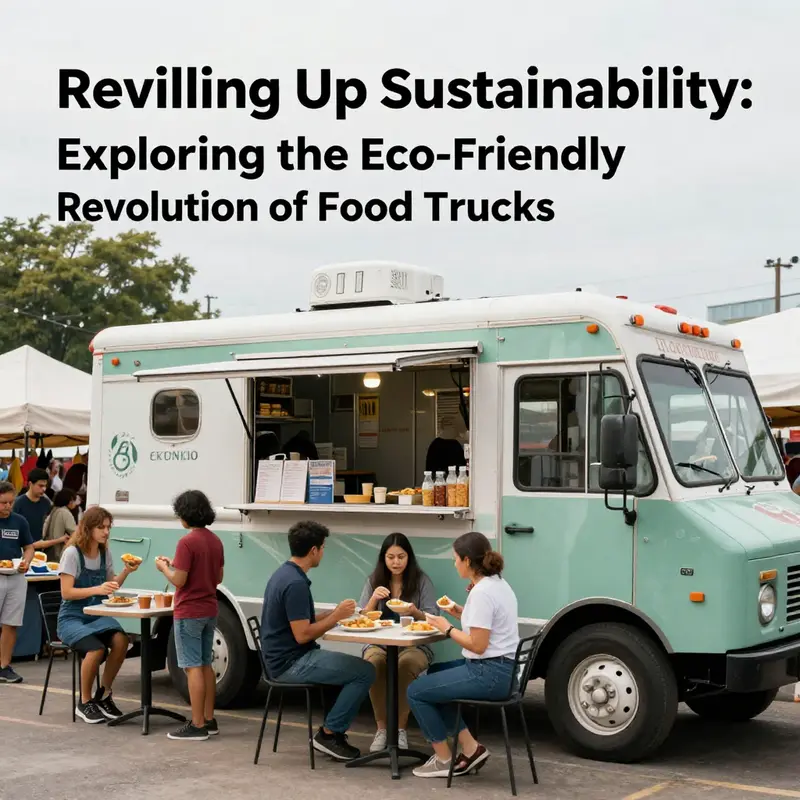
Sustainability in the world of mobile kitchens is a study of choices as much as a study of footprint. The balance between profit and principle is not a contradiction but a set of mutually reinforcing decisions that determine whether a truck thrives or merely survives. The research overview notes that food trucks can be sustainable when owners manage practices with intention. But sustainability emerges only when the business model aligns with location, costs, customer demand, and regulatory realities. In other words, the carbon ledger and the cash ledger grow together when the wheels are steered by a clear plan rather than improvisation.
A key regional lens comes from Nelson Mandela Bay, where investigators unpack how determinants such as where a truck parks, how overheads are controlled, and how licensing shapes day to day operations influence long term outcomes. Historically, food trucks trace their lineage to chuckwagons and military canteens, yet today their popularity has surged worldwide. The fact that only a subset achieve sustained profitability is not a condemnation but a prompt to examine what reliable routes look like in practice. In this light, the sustainability question becomes a pragmatic inquiry rather than a moral verdict. Trucks that integrate local sourcing, waste conscious routines, and energy efficient equipment show that environmental and economic rewards can travel together.
Location is a matter of both opportunity and discipline. A site with dense foot traffic, proximity to offices, schools, and events can yield higher diner flow, but it also carries higher permits, parking fees, and stricter hours. Conversely, a well chosen less congested quarter can demand a more deliberate pricing strategy and partnerships with nearby vendors to create a corridor of steady customers. The Nelson Mandela Bay studies highlight that understanding the local rhythms of a city—where people congregate, how transit patterns unfold, and when markets peak—directly informs the viability of a mobile kitchen. It’s not simply where a truck parks; it is how that place synchronizes with a menu, a price point, and a service tempo that respects both customers and the surrounding neighborhood.
Operational costs are another fulcrum. Food trucks typically enjoy lower fixed overhead than brick and mortar restaurants, yet variable costs can still gnaw away at margins. Gas or electricity to cook and cool, insurance and permits, maintenance, and fuel for the trailer or van all accumulate quickly. A sustainable model moves beyond chasing volume and instead seeks efficiency in the kitchen, from compact layouts to appliances that deliver more with less energy. This efficiency not only reduces the environmental footprint but also lowers operating risk during slow days. It is a practical form of resilience, the kind that keeps a truck solvent when demand fluctuates with weather, season, or competition.
Pricing and demand form the economic core of sustainability. A menu that responds to ingredient costs while maintaining perceived value helps sustain cash flow through lean periods. In many markets, customers are willing to pay a little more for locally sourced foods, vibrant flavors, and a story that connects them to the neighborhood. Yet price settings must reflect not only the cost of goods but the costs of compliance and the realities of the local market. The study notes that in regions with high licensing barriers or limited vendor access, a truck can face a ceiling on revenue that erodes its long term viability unless operators adapt through diversification of offerings or flexible scheduling. This is where the social contract of a mobile kitchen matters—deliver value consistently and honestly, and customers become partners in the mission rather than mere buyers.
A sustainable truck also acts as a responsible consumer of energy. The anecdotal rush toward diesel generators sometimes shadows the promise of a cleaner path. Operators who can tap into grid power, deploy solar backup, or use energy efficient cooking gear reduce emissions and create quieter, more comfortable service environments for staff and customers alike. A well designed energy strategy translates into lower fuel bills, fewer noise complaints, and a calmer service atmosphere—factors that cultivate repeat business and community goodwill. Waste management follows suit. Organic waste should be composted or diverted, and packaging should be chosen with end of life in mind. Biodegradable materials can be a better option when paired with a clear plan for composting or recycling, yet the lifecycle costs and infrastructure matter as much as the material captured at the point of sale. In practice, sustainable packaging is part of a broader commitment to reduce single use and to communicate care for the neighborhood in which the truck operates.
Sustainability extends into social dimensions, the human heart of the mobile economy. Flexible employment and the chance to start with relatively modest upfront costs open doors for aspiring entrepreneurs from diverse backgrounds. In turn, diverse fleets can enrich local palettes and help underserved urban zones gain access to vibrant food cultures. Yet social sustainability demands more than opportunity; it requires fair wages, safe working conditions, and pathways for workers to grow. A truck that treats its crew with dignity builds a trusted brand and lowers turnover costs, a financial benefit that quietly strengthens the bottom line as well as the community story. The same emphasis on people feeds back into the customer experience—friendly service, consistent quality, and an accurate portrayal of the food’s origin all reinforce trust and encourage repeat visits. When operators engage with community events, farmers markets, schools, and neighborhood associations, they demonstrate a stake in the locality that extends beyond the cash register. Such engagement also yields practical dividends, from cross promotions with nearby vendors to shared marketing that expands reach without duplicating expense.
Of course, challenges cannot be denied. The literature is frank about the fact that many trucks struggle with regulatory complexity and the burden of licensing, which can create delays and add to the cost of doing business. In markets where permits are slow or uncertain, operators may face cash flow gaps that threaten continuity. Inconsistent foot traffic, particularly in urban centers that swing between lunch peaks and after work lulls, tests a truck’s adaptability. And even with strong demand, the temptations of expanding too quickly or pivoting to speculative menus can dilute a brand and siphon capital away from the core sustainable commitments. These tensions reveal that sustainability is not a single feature but a system—a mesh of decisions about when and where to operate, what to cook, how to price, and how to engage with the city itself. Informed choices rely on local data, careful budgeting, and a clear understanding that environmental aims and financial viability can be mutually reinforcing when guided by a strategic plan rather than ad hoc improvisation.
Within this framework, the human skills behind the truck matter as much as the equipment. The capacity to interpret customer signals, to test new menus with minimal waste, and to adjust operations in response to feedback reflects a mature approach to sustainability. It invites operators to think of their venture not as a single event but as an ongoing practice—an iterative journey of small improvements that accumulate over time. Even seemingly modest steps, such as rethinking packaging or pursuing partnerships with nearby farms, can yield measurable gains in both environmental performance and community credibility. A chapter on effective practices would be incomplete without recognizing that sustainable growth requires a careful balance of ambition and prudence, a balance that is often negotiated through data, patience, and ongoing dialogue with customers and neighbors. For readers exploring practical perspectives on personal and professional balance in this field, see Work-Life Balance for Food Truck Entrepreneurs.
In sum, the actual impact of food trucks on sustainability hinges on intentional design and disciplined management. When owners commit to sourcing strategically, reducing waste, investing in energy efficiency, and building genuine ties to the communities they serve, the mobile kitchen becomes more than a novelty; it becomes a resilient element of the local food economy. The Nelson Mandela Bay evidence points to a broader truth: sustainability is best pursued as a collective project—one that celebrates local flavors, respects the environment, and honors the people who cook, sell, and eat together. Through this lens, food trucks can evolve from a trendy concept into a durable and inclusive component of the modern food economy, capable of delivering both social value and environmental benefit while maintaining financial viability.
External reference: https://www.researchgate.net/publication/368745023FactorsInfluencingBusinessSustainabilityofFoodTruckEntrepreneursinNelsonMandelaBay
Mobilizing Neighborhoods: The Social Fabric and Everyday Sustainability of Food Trucks
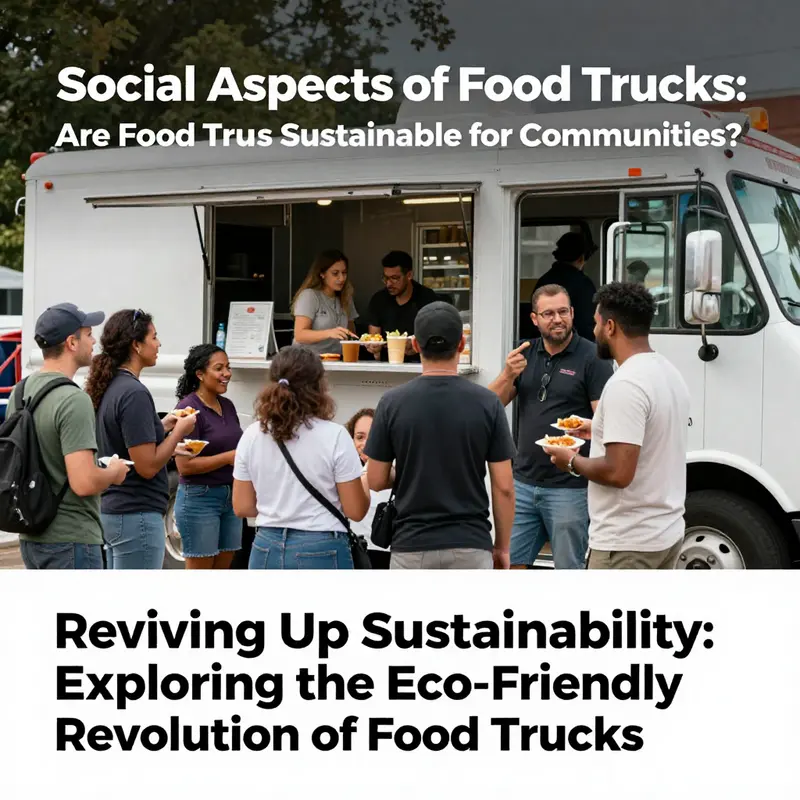
Food trucks are often framed as economic ventures or culinary options, but their influence runs deeper. They move through neighborhoods not merely as vendors but as social catalysts, stitching together residents, visitors, and local economies in ways that echo the broader sustainability question: can mobility, inclusivity, and adaptable business models sustain urban life over time? When we listen to the everyday rhythms of street food, we hear a story about how communities coalesce around shared meals, mutual aid, and local opportunity. The social dimensions of food trucks—how they create jobs, fill gaps in public space, and invite people to linger outside traditional venues—offer a lens through which to assess sustainability that goes beyond energy use and waste management. They reveal a form of resilience that is social as much as environmental, practical as well as aspirational, and deeply tethered to place and people.
Take a stroll through a city block at dusk and you can feel the social pull of a food truck lineup. A single window becomes a social hinge, where neighbors stop to chat, where students compare schedules, where families share a hot plate while their kids chase after a stray dog or a street musician’s tune. The micro-encounters matter. They transform a simple purchase into an exchange that stitches together social ties, local knowledge, and a sense of belonging. In neighborhoods that have struggled with commercial decline, trucks can reboot street life by activating underused corners, converting vacant curb space into informal gathering places, and offering a low-risk entry point for aspiring entrepreneurs. This is not merely commerce; it is community-building in motion. The social value is amplified when trucks source ingredients from nearby producers, hire locally, and rotate through zones that otherwise see little daytime foot traffic. In this way, the vehicle itself becomes a mobile platform for social equity, a flexible actor capable of adapting to the needs and rhythms of a changing urban tapestry.
The economic benefits cascade beyond the cashier window. Direct employment in truck operations intertwines with broader local procurement; ingredients, packaging, and maintenance services create a ripple effect that can strengthen small businesses that anchor neighborhoods. This is particularly meaningful in underserved areas where traditional financing and storefronts have proved elusive. By lowering barriers to entry compared with permanent restaurants, food trucks create a foothold for entrepreneurship that can be scaled or shifted as communities evolve. The social payoff is not solely about money; it is about embeddedness. A truck that serves a familiar dish in a familiar street setting can reinforce a sense of cultural continuity even as new residents arrive and demographics shift. The social fabric grows denser when the enterprise invites collaborations with schools, community centers, and local arts groups, turning meals into shared experiences that reinforce collective identity rather than fracture it.
In practice, the social sustainability of food trucks hinges on supportive and fair regulatory environments. Some cities have designed permitting processes that are relatively streamlined, reducing the administrative friction that often deters new operators, particularly those from minority or immigrant communities. In other places, the regulatory terrain remains a hurdle, with permitting costs, zoning restrictions, and vehicle standards that disproportionately affect small, locally rooted businesses. When policy barriers block access, the opportunity for inclusive growth and community benefit frays. The risk is not only economic; it is social, because exclusion from the mobile food economy can widen existing inequalities and limit who gets a voice in how street food becomes a feature of public life. A truly sustainable model must balance safety and quality with accessible paths to entry, mentorship, and ongoing support for operators as they master the craft, navigate licensing, and build relationships with the community beyond the point of sale.
Cultural authenticity and community voice sit at the heart of this conversation. Ethnic and local culinary traditions carry legitimacy and value when they emerge from long-standing ties to a place and its people. Yet tension can arise when the push for “authenticity” risks co-opting or undervaluing contributors who help bring a dish to life in a modern street setting. The best practice in sustainable social integration is to center equity—ensuring fair compensation, transparent wage practices, and recognition for those who contribute ingredients and labor. In such a framework, food trucks become sites of cultural exchange rather than extractive performance, where flavors travel but communities remain primary beneficiaries. The conversation about authenticity thus intersects with questions of labor rights, fair sourcing, and local ownership. Recognizing and compensating the networks that sustain a truck’s offerings helps keep the social contract intact and the street economy viable.
Linked to this is a growing awareness of how food trucks can contribute to social mobility, especially for aspiring entrepreneurs who begin with modest capital. The relative affordability of launching a mobile operation makes it feasible for people who might not secure traditional loans to test concepts, learn operations, and scale gradually. This incremental pathway matters for social sustainability because it expands opportunity without demanding the large upfront commitments that can seal off entire cohorts from the food economy. Moreover, trucks that deliberately cultivate mentorship roles—sharing knowledge with new entrants, offering hands-on training, and connecting newcomers to a broader ecosystem of suppliers and customers—create a self-perpetuating cycle of empowerment. In such ecosystems, experience is a currency, and goodwill becomes a form of capital that can be traded for future opportunities. An illustrative beacon in this regard can be found by exploring the profiles of veteran operators who have navigated licensing, supply chains, and community engagement over years; their stories illuminate practical routes toward durable, inclusive growth. For readers curious about these journeys, one can explore the resource titled Profiles of Veteran Food Truck Owners, which offers nuanced portraits of how seasoned operators mentor others and sustain neighborhoods through practice, perseverance, and local ties.
Importantly, the social sustainability of food trucks is inseparable from the urban spaces they inhabit. Trucks can activate streets during times when storefronts are closed or when weather makes indoor dining less appealing. They can also respond quickly to community needs—participating in festivals, farmers’ markets, or relief efforts during emergencies. In this sense, trucks become adaptable community infrastructure, not just economic actors. This adaptability, paired with a shared commitment to local sourcing and inclusive hiring, contributes to a more resilient urban system. When operators partner with nearby farms, markets, and community organizations, they help reimagine the city as a more interconnected, food-secure place. The social benefits extend beyond nourishment; they include knowledge sharing, cultural exchange, and the cultivation of local pride that can sustain neighborhoods through ups and downs.
A critical caveat shapes this narrative, however. Social sustainability demands more than reverence for street food culture; it requires ongoing attention to equity and access. If a city’s rules prioritize high-traffic corridors or glossy venues over equitable distribution, the social value can become concentrated in a few neighborhoods while others are left behind. To maximize social impact, policymakers and operators alike must seek design solutions that distribute opportunity more evenly, create safe and welcoming spaces for all residents, and ensure that regulatory frameworks do not inadvertently disadvantage minority-owned or low-income ventures. This is not a critique of the concept of mobility and flexibility, but a reminder that sustainability in a dynamic city must be thoughtfully inclusive. When this balance is achieved, food trucks embody a form of social infrastructure that complements environmental goals: they reduce large-scale pressure on fixed brick-and-mortar footprints, support local economies, and strengthen the social ties that help communities endure.
The story of sustainability in food trucks, then, sits at the intersection of performance and stewardship. It invites us to consider how a fleet of mobile kitchens can be more than a novelty; it can be a durable practice of social design. The literature on urban food culture, including recent analyses of how mobile eateries redefine public space, underscores the potential for such enterprises to contribute to social cohesion while remaining nimble and adaptable. It is a reminder that sustainability is not a single metric but a constellation of outcomes—economic opportunity, cultural vitality, equitable access, and a sense of belonging that many residents crave. In this light, the question shifts from whether food trucks are sustainable in isolation to how the broader urban fabric can nurture and sustain this mobile layer of the food economy over time. The answer lies in balancing practical support for operators with deliberate investment in communities, ensuring that the street remains a space where food, friendship, and opportunity are accessible to all who seek them.
For readers who want to explore firsthand how veteran operators and emerging entrants contribute to this ecosystem, a closer look at Profiles of Veteran Food Truck Owners can offer valuable perspectives on mentorship, resilience, and community engagement. As this chapter has suggested, sustainability is not merely about energy or waste; it is about people, places, and the shared work of feeding and fortifying urban life. In line with this view, the social lives of food trucks deserve continued attention from scholars, practitioners, and residents who imagine cities not just as places to work or eat, but as living, evolving communities that thrive when mobility serves inclusion and care as much as efficiency.
External reading: For a broader exploration of how food trucks shape urban culture and public space, see the BBC News analysis How Food Trucks Are Redefining Urban Food Culture (2026). https://www.bbc.com/news/uk-48371985
Street-Side Sustainability: How Food Trucks Are Redefining Eco-Efficiency in a Dynamic Food Economy
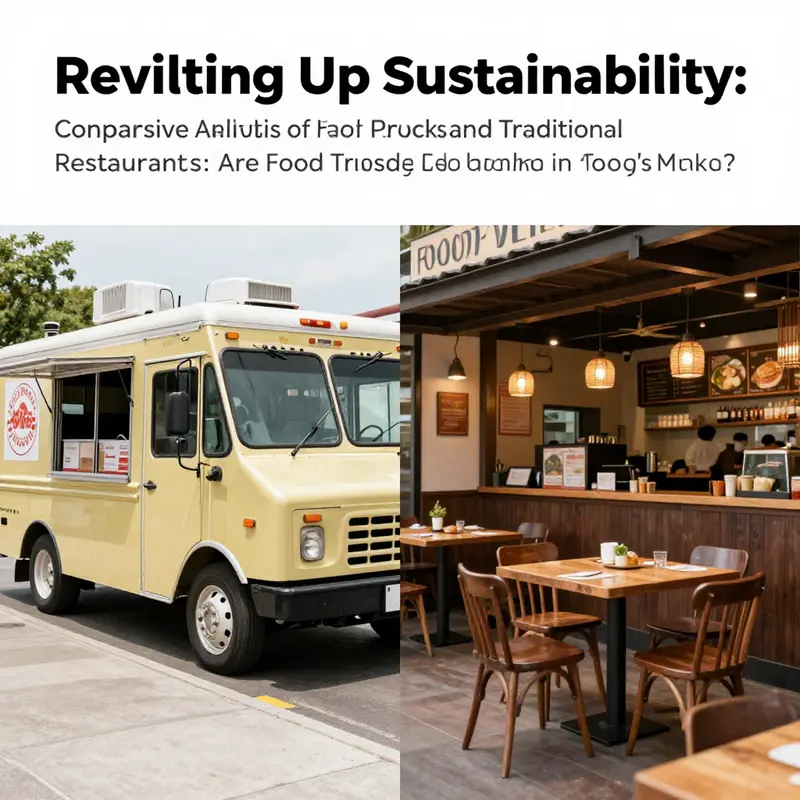
The debate about whether food trucks are sustainable often centers on a clash between two modes of urban eating, yet the latest evidence suggests a more nuanced story. A 2025 study by DM Carpenter interrogates whether the expansion of the mobile kitchen actually erodes the fortunes of brick-and-mortar restaurants. Instead of a fatal contest, the research finds a landscape of competition and cooperation, where food trucks often occupy different niches, different dining moments, and different consumer expectations. In many cities, lunchtime crowds gravitate to convenience and speed, while traditional restaurants continue to anchor more elaborate experiences, larger portions, and longer menus. The result is not a zero-sum struggle but a broader ecosystem in which both formats can thrive, provided each adapts to shifting tastes, regulatory realities, and environmental constraints. This complementarity is not incidental. It reflects how people eat in a dynamic urban environment, where the menu options are as diverse as the streets themselves. In this light, sustainability becomes less about a static blueprint and more about a flexible design mindset that enables small operators to test ideas, scale back waste, and cultivate local connections without sacrificing affordability or access. The study’s emphasis on complementarity dovetails with a broader understanding of sustainability that encompasses environmental, economic, and social dimensions. The environmental argument often highlights the smaller footprints associated with mobile kitchens: lower energy requirements than large brick-and-mortar spaces, fewer square feet to heat and cool, and the potential to source ingredients locally, thereby trimming transportation emissions. Yet the path to green operations is not automatic; it demands deliberate choices about equipment, packaging, and energy sources. For many operators, the most visible gains come from equipment with high efficiency and smarter heat recovery, as well as kitchen layouts that minimize waste and optimize workflow. The result is not just a cleaner kitchen but a more nimble business model that can respond to seasonal swings, sudden surges in demand, or shifting local supply chains without incurring the fixed costs typical of stationary restaurants. When energy use is prioritized, it becomes a central ethical and financial concern rather than a footnote. The absence of a large HVAC system is a real advantage, but it can be undermined if a truck relies on diesel generators running for long hours or on inefficient appliances. The path to genuine sustainability, therefore, requires a cascade of smaller decisions that accumulate into a more durable impact: choosing energy-efficient refrigeration that reduces peak electricity draw, investing in induction cooktops that generate less heat in the surrounding air, and cooking with appliances that recover heat or that operate at higher overall efficiency. Beyond energy, sustainable packaging and waste management emerge as practical tests of intent. Placing a premium on biodegradable or reusable options, supporting composting programs for kitchen scraps, and designing menus that minimize overproduction are not abstract ideals but real strategies with measurable outcomes. When trucks engage in local sourcing, the carbon footprint of ingredients can shrink, and the social benefits can expand as well. Local sourcing often brings fresher fare to urban consumers, strengthens neighborhood ties, and supports nearby farmers or small processors, which in turn stabilizes local economies. This is not merely a benevolent impulse; it becomes a core element of the business model. A truck that builds a reputation for responsible sourcing may also attract a customer base that values transparency, traceability, and community investment. In addition to environmental and economic factors, social sustainability—opportunity, inclusion, and resilience—receives renewed attention in the food-truck landscape. The mobile kitchen lowers entry barriers for aspiring entrepreneurs, allowing people to launch with relatively modest capital and to evaluate markets quickly. This dynamism fosters inclusivity, particularly for groups historically underrepresented in the restaurant industry. The mobility and lower overhead can democratize access to culinary entrepreneurship, enabling diverse communities to express their flavors and cultural narratives. The study’s broader implication is that food trucks can contribute to social resilience by offering flexible employment paths, supporting neighborhood economies, and bringing varied food offerings to underserved urban areas. But these social gains hinge on deliberate design and management: fair wages, safe working conditions, and consistent engagement with local communities. When these elements are in place, the social footprint expands beyond mere job creation to include mentorship, skills development, and partnerships with schools, hospitals, and community centers that rely on dependable, affordable meals. Of course, challenges persist—and they are not merely theoretical. Some operators still rely on non-recyclable packaging or run diesel-powered generators for long periods, which can erode the environmental gains. Congestion and emissions can increase when trucks cluster in high-traffic zones or when curbside operations obstruct pedestrian flow. The narrative thus shifts from a blanket endorsement or rejection of the mobile format to a more precise map of what makes a food truck sustainable in practice. The map includes energy stewardship, waste minimization, thoughtful sourcing, and community engagement, all orchestrated by owners who design operations with a long horizon in mind. Meanwhile, the complementarity narrative invites policy and planning professionals to recognize that food trucks can be part of a diversified urban food economy rather than a peripheral nuisance. Zoning and permitting that support curbside dining, waste-diversion programs that make composting and recycling straightforward for operators, and financial incentives for energy-efficient equipment can amplify positive outcomes. The higher-level takeaway is straightforward: sustainability is not a fixed destination but a continuous discipline—an ongoing commitment to sourcing, energy, waste, and community that scales with the operator’s ambition and the city’s needs. For those seeking a human-centered lens on sustainability, it is worth considering the lived experiences of operators who balance family obligations, business pressures, and creative drive. The long tail of this balance can be seen in profiles of veteran food-truck owners who have learned to pace growth, manage risk, and cultivate networks that support their teams and their neighborhoods. To explore these dimensions in a broader social context, consider how the work-life realities intersect with sustainability goals and how–in concrete terms–owners cultivate resilient routines that sustain both people and plates. For readers looking to connect insights with practice, resources that address the human side of this enterprise offer useful guidance; for example, Work-Life Balance for Food Truck Entrepreneurs provides a grounded look at how owners juggle demand, crew welfare, and personal commitments while maintaining a focus on quality and responsibility. Ultimately, the research converges on a hopeful message: food trucks can be both adaptable and principled, turning the curb into a testing ground for sustainable dining that respects neighborhoods, supports local economies, and advances environmental aims. The evidence suggests that rather than threatening traditional restaurants, food trucks are reshaping the culinary landscape by expanding options, fueling innovation, and modeling practical sustainability at a scale that fits modern urban life. For a deeper understanding of the academic framing behind these claims, see Does the growth of food trucks threaten the sustainability of restaurants? on ScienceDirect, which situates the discussion within a broader empirical debate about the interconnected futures of mobile and stationary food service.
Final thoughts
Food trucks emerge as a beacon of flexibility and innovation in the food industry, demonstrating significant potential for sustainability if run with environmental consciousness, economic intelligence, and social responsibility. As they continue to thrive within modern communities, their contribution to local economies and reduction of environmental impacts position them as viable alternatives to conventional dining options. The journey towards true sustainability lies in ongoing commitment and informed choices from both operators and patrons. The engagement with food trucks doesn’t just feed appetites; it cultivates a more sustainable future for all.