
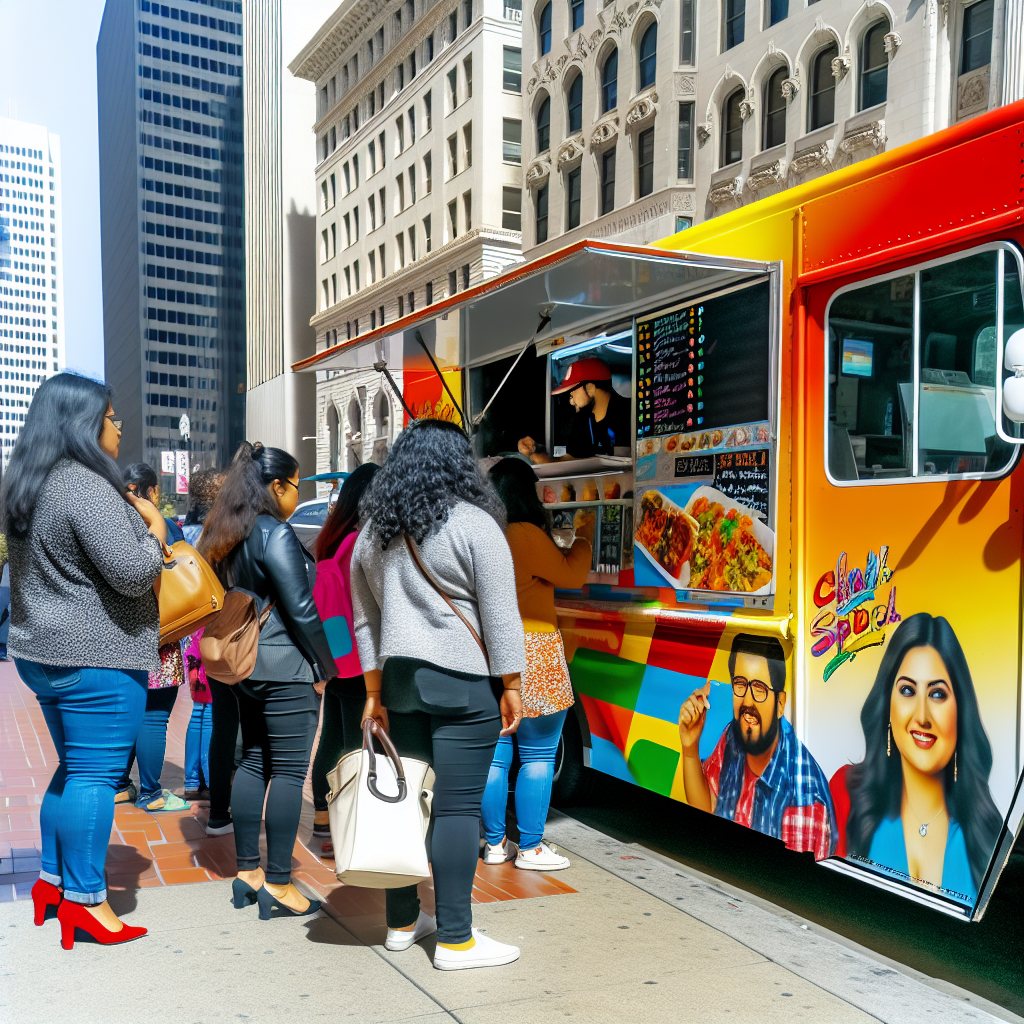
To effectively navigate the bustling environment of urban spaces, food truck operators must make strategic decisions about their vehicle choice. The right food truck models can greatly enhance efficiency, customer engagement, and performance in limited spaces. Options such as step vans and cargo vans allow vendors to consider key factors like size, maneuverability, and service capabilities. This ensures they select the ideal model that meets their needs and maximizes their reach on crowded city streets.
Different Food Truck Models Available
When it comes to navigating the urban landscape, choosing the right food truck models is paramount. Operative efficiency and adaptability are vital for an effective food truck venture, especially in bustling cities. Below, we explore three popular options: the Chevy P30, Ford Transit, and RAM ProMaster.
Chevy P30
The Chevy P30 is one of the classic food truck models, widely recognized for its spacious interior and sturdy build.
- Size: Typically around 20 feet long and 8 feet wide, it provides ample kitchen space for various food operations. This model is ideal for those needing larger kitchen setups.
- Cost: Pre-owned versions can range from $30,000 to $50,000, making them a flexible option for startups, but costs can vary based on modifications and overall condition.
- Usability: However, its size can also hinder maneuverability in tight urban spaces, making parking more challenging. Since production ceased in 1999, operators must consider the maintenance of older models, which can be demanding due to wear and tear.
Ford Transit
The Ford Transit has risen to prominence among modern food truck models, known for its versatility and adaptability.
- Size: With various configurations available, its compact size allows easier navigation in urban settings. Some models can also come with extended lengths for more kitchen space, catering to diverse food service operations.
- Cost: New units start around $46,000 but can go up to $75,000 depending on customization levels. Used options are also available at a lower price point, making them accessible for many vendors.
- Usability: The Transit is celebrated for its fuel efficiency and ability to be tailored to different needs. However, the narrower interior may limit certain kitchen setups, which aspiring vendors must consider based on their menus.
RAM ProMaster
Another contender in urban environments is the RAM ProMaster, distinct for its unique design and functionality.
- Size: It boasts a generous cargo space ranging from 304 to 524 cubic feet, making it a solid choice for vendors needing more storage capacity. Its low load floor simplifies loading and unloading tasks, vital for fast-paced environments.
- Cost: Price ranges for new ProMasters start from approximately $44,960 and can reach up to $62,600, with used models available at significantly lower prices, appealing to budget-conscious operators.
- Usability: Renowned for its exceptional maneuverability thanks to its front-wheel drive and tight turning radius, it excels in crowded cities. Yet, some users have reported reliability issues, emphasizing the importance of thorough checks when purchasing.
Conclusion
Choosing the right food truck models involves a careful examination of your operational needs, budget, and target urban environment. The Chevy P30 offers established reliability with ample space but may require a significant maintenance background. The Ford Transit provides flexibility and fuel efficiency, perfect for various configurations. Meanwhile, the RAM ProMaster stands out with its designed efficiencies for urban settings, offering a fantastic option for many city’s vendors.
In the end, the best food truck model will depend on your unique business goals and city landscape.
Cost Ranges for Popular Food Truck Models
When diving into the food truck business, understanding the cost of various food truck models is crucial. Below, I’ll outline the price ranges for popular brands such as Ford, RAM, and Freightliner, along with important insights for budgeting.
1. Freightliner MT45
- Cost Range: New models often exceed $100,000, while used options can be found between $35,000 and $70,000. Freightliner MT45 is favored for its robust build and spacious interior, making it suitable for food trucks that wish to offer comprehensive menus. Vendors appreciate the durability and customization flexibility of this model. Quote: “Durability and customization options accommodate extensive kitchen equipment, ideal for the gourmet food sector.” (source)
2. Ford P700
- Cost Range: Prices for new models range from $58,000 to $69,000, with pre-owned versions available between $30,000 and $55,000. The Ford P700 stands out for its versatility in configurations, resonating with many food truck operators seeking a cost-effective solution. Quote: “The Ford P700 is known for its flexibility and diverse catering to a variety of needs.” (source)
3. RAM ProMaster
- Cost Range: New ProMaster models start around $44,960 and can reach up to $62,600, while used units can begin as low as $10,000. This model is particularly popular among vendors who require a smaller kitchen setup. Quote: “Its boxy shape and open cargo area provide ample space for essential equipment in densely populated areas.” (source)
Additional Cost Considerations
| Model | Chassis | Estimated Price Range (New) | Estimated Price Range (Used) | Key Features |
|---|---|---|---|---|
| Chevy P30 | Chevrolet | Not available new | $20,000 – $50,000 | Spacious interior, robust build; suitable for extensive kitchen setups. (source) |
| Freightliner MT45 | Freightliner | $58,000 – $69,000 | $30,000 – $55,000 | Reliable chassis, high payload capacity; ideal for extensive kitchen setups. (source) |
| Ford P700 | Ford | $30,000 – $69,000 | Varies | Moderate cargo capacity; versatile for various food truck options. (source) |
| RAM ProMaster | RAM | $44,960 – $62,585 | Starting at $10,000 | Front-wheel drive, maximizes space; suitable for sandwiches, burgers, etc. (source) |
| Ford Transit | Ford | Starts around $38,000 | Varies | All-wheel drive option, multiple styles; versatile for various food truck options. (source) |
In summary, prospective food truck vendors must carefully evaluate the acquisition costs along with ongoing operational expenses to ensure a sustainable food truck business.
Pros and Cons of Popular Food Truck Models
Chevy P30
Pros:
- Ample kitchen space suitable for diverse food operations.
- Affordable pre-owned options ranging from $30,000 to $50,000.
- Sturdy build quality known for durability.
Cons:
- Large size may make maneuvering difficult in tight urban spaces.
- Since production ceased in 1999, maintenance can be demanding.
Ford Transit
Pros:
- Various configurations available, making it versatile for different needs.
- Compact size allows easier navigation in urban settings.
- Fuel-efficient, helping reduce operational costs.
Cons:
- Interior space may be limited for extensive kitchen setups.
- Higher initial cost, especially for new models starting around $46,000.
RAM ProMaster
Pros:
- Generous cargo space ideal for vendors needing more storage.
- Notable for its exceptional maneuverability in crowded urban environments.
- Available at competitive prices compared to other models, new or used.
Cons:
- Some reliability concerns reported by users, necessitating thorough checks before purchase.
- The boxy design might not appeal to all aesthetics in branding designs.
In summary, when selecting a food truck, vendors should weigh the pros and cons of each model regarding their specific business needs and the urban environment they intend to operate in.
Specifications Comparison Table for Popular Food Truck Models
| Food Truck Model | Dimensions (L x W x H) | Weight Capacity | Price Range |
|---|---|---|---|
| Chevy P30 | 20 ft x 8 ft x 10 ft | Up to 8,000 lbs | $30,000 – $50,000 |
| Ford Transit | 22 ft x 8 ft x 10 ft | Up to 6,500 lbs | $46,000 – $75,000 |
| RAM ProMaster | 20 ft x 8 ft x 10 ft | Up to 7,500 lbs | $44,960 – $62,600 |
| Freightliner MT45 | 24 ft x 8.5 ft x 10 ft | Up to 10,000 lbs | $35,000 – $100,000 |
| Workhorse W62 | 22 ft x 8 ft x 10 ft | Up to 7,500 lbs | $40,000 – $70,000 |
| Mercedes Sprinter | 19 ft x 8 ft x 9.5 ft | Up to 5,000 lbs | $50,000 – $100,000 |
| Nissan NV Cargo | 20 ft x 8 ft x 10 ft | Up to 7,000 lbs | $28,000 – $50,000 |
This table gives potential buyers a quick reference to compare the specifications, weight capacity, and price range of popular food truck models, aiding in making an informed choice for their business needs.
Benefits of Using Step Vans for Urban Food Trucks
Step vans have rapidly become a preferred choice for food truck operators in urban environments, and it is easy to understand why. Their unique design combines the benefits of maneuverability and ample storage, which are critical for successful food operations in crowded city streets.
One of the standout features of step vans is their maneuverability. Unlike larger trucks, step vans are designed with a smaller footprint, allowing food truck operators to navigate tight streets and find suitable parking spots in bustling urban areas. Their compact design enhances the ability to make quick turns and access narrow spaces that larger models simply cannot accommodate. This nimbleness is essential in urban settings where available parking can be limited and competition for space is fierce. Operators can set up shop close to their target customers, increasing visibility and foot traffic.
In addition to maneuverability, step vans excel in storage options. These vehicles typically offer a generous cargo space that enables vendors to carry an extensive inventory of food supplies, cooking equipment, and other essentials. The spacious interiors allow for efficient kitchen setups, making it easy to organize tools and ingredients. This is particularly advantageous for mobile food service, where every inch of space matters. Vendors can optimize their operations by having everything they need on hand, minimizing trips back and forth to supply shops or storage locations. This convenience not only boosts productivity but also enhances service speed, a crucial factor in satisfying customers and managing long lines during peak hours.
Moreover, the design of step vans often includes built-in shelving and cabinets, maximizing storage capabilities without compromising work area efficiency. This feature allows food truck operators to customize their setups based on menu offerings and operational needs, ensuring that everything is within reach while cooking or serving.
In summary, step vans provide food truck operators with the maneuverability to navigate tight urban spaces and the storage capabilities required for efficient operations. Their practicality makes them an ideal choice for those looking to thrive in the competitive environment of urban food service. As cities continue to evolve, step vans are likely to remain a popular option for vendors seeking to maximize their business potential in bustling locations.
Conclusion
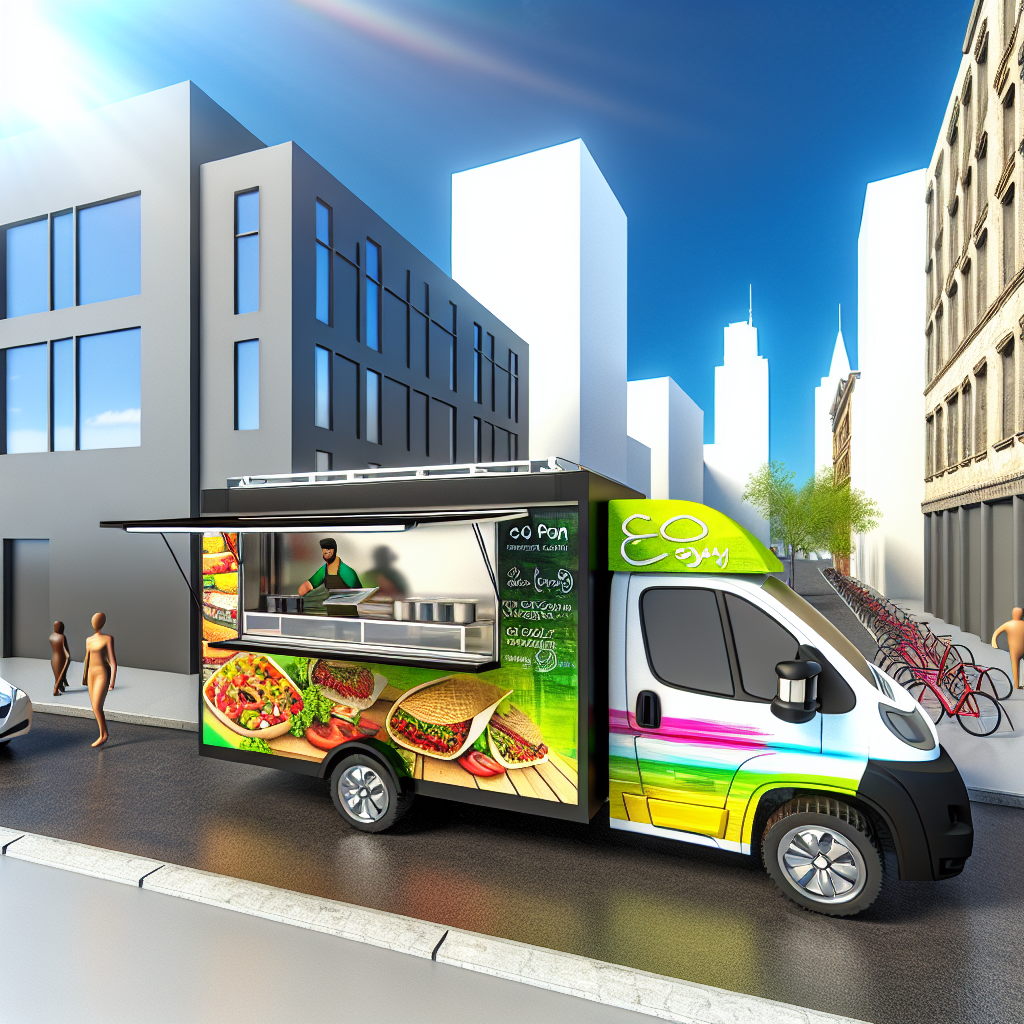
Choosing the right food truck model is one of the most vital steps in ensuring the success of a mobile food business, particularly in the dynamic and often challenging urban environment. Throughout this article, we have explored various models, including the spacious Chevy P30, the versatile Ford Transit, and the maneuverable RAM ProMaster. Each model comes with its own set of pros and cons, so understanding the specifics of these options is crucial for vendors aiming to optimize operations.
The key takeaway is that the perfect food truck for your venture depends on several factors, including the nature of your menu, the space available for parking and operation, and your budget. For instance, while the Chevy P30 may provide ample cooking space, its size could impede movement in tighter spaces, which is often the reality in urban settings. Conversely, the Ford Transit offers flexibility and adaptability, but may have constraints on kitchen layouts.
Additionally, as urban landscapes evolve, having a model that balances size, maneuverability, and storage will enhance your brand’s presence and improve customer engagement. Assessing your unique circumstances will empower you to make an informed decision that aligns with your operational needs and business goals.
In conclusion, selecting the right food truck model is not just a logistical decision; it is a fundamental building block of your food truck business strategy. Take the time to reflect on what is best for you and your potential customers. By making a thoughtful choice, you can set the stage for a successful and sustainable food truck operation in the vibrant urban market.
User Testimonials on Food Truck Models
Based on various user testimonials and experiences shared by food truck operators, here is a summary highlighting the positive aspects and challenges associated with some of the most popular food truck models:
Chevy P30
Positive Aspects:
- Spacious Interior: Many users rave about how the ample kitchen space allows for extensive food equipment, making it suitable for various menu styles.
- Durability: Operators appreciate its robust build, which is essential for prolonged daily use in the food truck business.
- Cost-Effective: The availability of pre-owned models means startups can enter the market without a substantial financial burden.
Challenges:
- Age and Maintenance: With production ceasing in 1999, users frequently encounter issues with maintenance, which can be demanding.
- Fuel Efficiency: Older engines may not provide the same fuel efficiency as newer models, leading to higher operating costs.
Freightliner MT45
Positive Aspects:
- Heavy-Duty Performance: Users note its spacious interior ideal for extensive kitchen setups and its robust diesel engine, which is praised for longevity.
Challenges:
- Maintenance Requirements: Unique maintenance needs for diesel engines can pose challenges, particularly in areas with fewer specialized mechanics.
Ford Transit
Positive Aspects:
- Handling and Comfort: Many operators highlight favorable driving dynamics, particularly in urban settings where good handling and visibility are essential.
- Variety of Configurations: The various sizes and configurations available cater to different business needs, making it versatile.
Challenges:
- Interior Dimensions: While praised for its adaptability, some users wish for more space in certain configurations to accommodate specific kitchen setups.
RAM ProMaster
Positive Aspects:
- Maneuverability: Vendors favor its front-wheel-drive design, which enhances traction and maneuverability on urban roads.
- Interior Space: The boxy design maximizes storage options, allowing for effective kitchen organization.
- Affordability: Generally offers a lower entry price point, making it appealing to budget-conscious vendors.
Challenges:
- Engine Choices: Limited engine options reduce flexibility compared to competitors, which can be a concern depending on intended use.
- Front-Drive Limitations: Some users report that it may not perform as well under heavy loads compared to rear-drive vehicles.
Overall, these testimonials reflect real-life experiences that can provide invaluable insights for potential food truck owners. Choosing the right model requires considering both the strengths and weaknesses highlighted by existing operators.
The consideration of various food truck models not only shapes the operational dynamics of your food business but also plays a significant role in determining overall costs, as the chosen model directly influences initial investments and ongoing expenses. With this in mind, let’s explore the cost ranges for popular food truck models that aspiring vendors need to be aware of.
Recommendations Summary
- Evaluate Your Business Needs: Identify the specific requirements of your menu and operational style.
- Consider Urban Environment: Choose a food truck model that offers maneuverability for navigating tight city spaces.
- Budget Accordingly: Assess the total costs, including purchase, maintenance, and operational expenses, for different food truck models.
- Research Model Specifications: Thoroughly review specifications and user testimonials to understand the pros and cons of each truck model.
- Prioritize Efficiency: Look for food truck models known for their fuel efficiency and organizational capabilities to enhance service speed.
To effectively navigate the bustling environment of urban spaces, food truck operators must make strategic decisions about their vehicle choice. The right food truck models can greatly enhance efficiency, customer engagement, and performance in limited spaces. Options such as step vans and cargo vans allow vendors to consider key factors like size, maneuverability, and service capabilities. This ensures they select the ideal model that meets their needs and maximizes their reach on crowded city streets. Additionally, the urban food truck business landscape requires operators to understand market demands and urban regulations to thrive.
Different Food Truck Models Available
When it comes to navigating the urban landscape, choosing the right food truck models is paramount. Operative efficiency and adaptability are vital for an effective food truck venture, especially in bustling cities. Below, we explore three popular options: the Chevy P30, Ford Transit, and RAM ProMaster. Understanding how to choose a food truck that fits your operational needs can be critical to your success.
Chevy P30
The Chevy P30 is one of the classic food truck models, widely recognized for its spacious interior and sturdy build.
- Size: Typically around 20 feet long and 8 feet wide, it provides ample kitchen space for various food operations. This model is ideal for those needing larger kitchen setups.
- Cost: Pre-owned versions can range from $30,000 to $50,000, making them a flexible option for startups, but costs can vary based on modifications and overall condition.
- Usability: However, its size can also hinder maneuverability in tight urban spaces, making parking more challenging. Since production ceased in 1999, operators must consider the maintenance of older models, which can be demanding due to wear and tear.
This model often plays a major role in food truck operation tips, as vendors can utilize its spacious interior for complex menus.
Ford Transit
The Ford Transit has risen to prominence among modern food truck models, known for its versatility and adaptability.
- Size: With various configurations available, its compact size allows easier navigation in urban settings. Some models can also come with extended lengths for more kitchen space, catering to diverse food service operations.
- Cost: New units start around $46,000 but can go up to $75,000 depending on customization levels. Used options are also available at a lower price point, making them accessible for many vendors.
- Usability: The Transit is celebrated for its fuel efficiency and ability to be tailored to different needs. However, the narrower interior may limit certain kitchen setups, which aspiring vendors must consider based on their menus.
RAM ProMaster
Another contender in urban environments is the RAM ProMaster, distinct for its unique design and functionality.
- Size: It boasts a generous cargo space ranging from 304 to 524 cubic feet, making it a solid choice for vendors needing more storage capacity. Its low load floor simplifies loading and unloading tasks, vital for fast-paced environments.
- Cost: Price ranges for new ProMasters start from approximately $44,960 and can reach up to $62,600, with used models available at significantly lower prices, appealing to budget-conscious operators.
- Usability: Renowned for its exceptional maneuverability thanks to its front-wheel drive and tight turning radius, it excels in crowded cities. Yet, some users have reported reliability issues, emphasizing the importance of thorough checks when purchasing.
Conclusion
Choosing the right food truck model involves a careful examination of your operational needs, budget, and target urban environment. The Chevy P30 offers established reliability with ample space but may require a significant maintenance background. The Ford Transit provides flexibility and fuel efficiency, perfect for various configurations. Meanwhile, the RAM ProMaster stands out with its designed efficiencies for urban settings, offering a fantastic option for many city’s vendors.
In the end, the best food truck model will depend on your unique business goals and city landscape.