
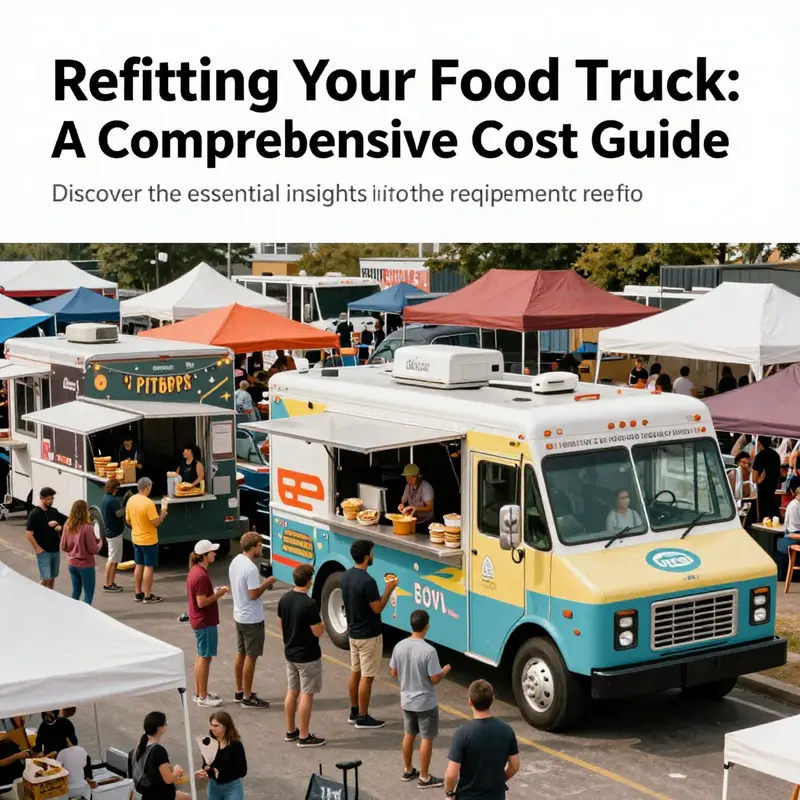
In the world of mobile food businesses, the food truck is not just a vehicle; it’s a gateway to culinary creativity and entrepreneurial spirit. Whether you’re a budding chef with dreams of serving gourmet street food or an enthusiast planning a unique mobile kitchen, understanding the financial aspects of refitting a food truck is crucial. In this detailed guide, we will delve into the costs associated with various types of food trucks and the equipment necessary for a fully functioning kitchen. Each chapter will shed light on the expenditures involved in customizations and ensuring regulatory compliance, providing you with a clear roadmap for your food truck journey.
From Frame to Flame: A Realistic Cost Map for Refitting a Food Truck
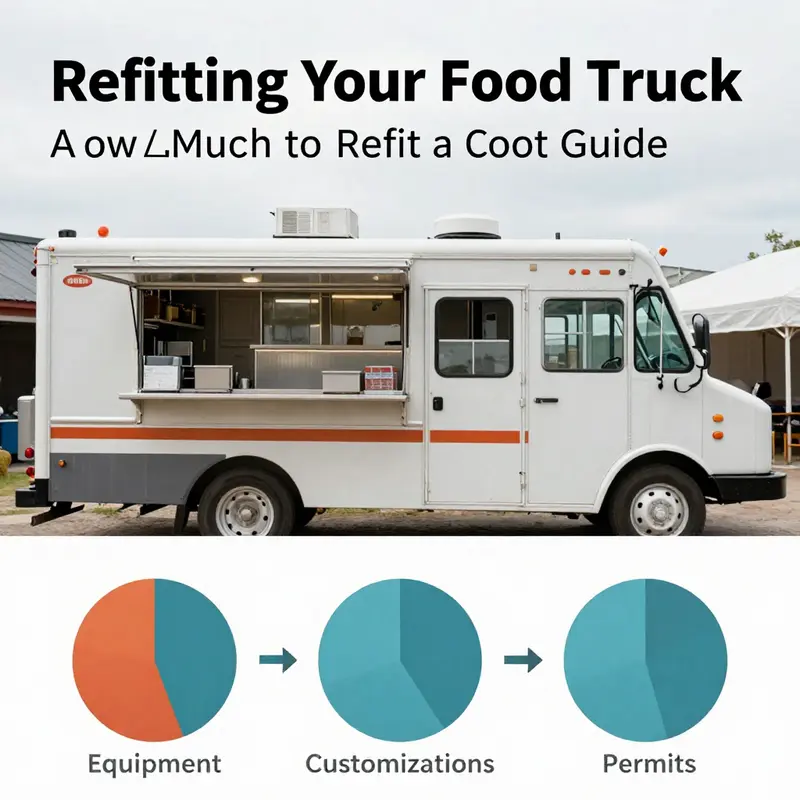
Refitting a street kitchen into a full‑fledged mobile restaurant means more than slapping on a logo. It is a project that weaves together equipment, space, plumbing, and compliance into a single moving business. The total price is rarely a single number; it is a spectrum shaped by the starting point and the ambition behind the project. If you are refitting an aging truck or starting from a bare chassis, the dollars you commit will push you toward different levels of functionality, efficiency, and reliability. The numbers may surprise at first glance: the bottom tier can begin in the low five figures, while a fully outfitted, purpose‑built unit can stretch well into the six figures, especially when you consider permits, branding, and contingency. The process is not about chasing the most expensive gear but building a space that meets health codes, operates efficiently, and reflects your brand. With careful planning, you can map a course that aligns with your kitchen philosophy and your market, whether you want to serve coffee and pastry on one end of town or a high‑volume, multi‑dish menu on the other.
Base vehicle purchase: The starting point is the chassis, and there are two broad paths: acquiring a used truck with a working shell or commissioning a new or heavily customized unit. Used food trucks typically range from $10,000 to $30,000, depending on mileage, condition, and readiness for installation. A newer or more specialized model can push beyond $50,000, particularly if it comes with a proven power system, a clean kitchen line, and a warranty on certain components. In the catalog of possibilities you’ll encounter, it is possible to encounter listings that look attractive because they present only the partial kit or a lower-end model; a snack‑concession trailer labeled at around $6,400, for example, may cover core basics but fall short on insulation, ventilation, or plumbing. That is where the cost discipline comes in: ask for comprehensive quotes that itemize everything, from the roof’s vent hood to the undercarriage wiring, so you can identify gaps and plan for phased improvements if needed.
Structural modifications: Insulation is a crucial foundation. Proper insulation reduces energy use and stabilizes temperatures, which matters for both hot and cold operations. Flooring, cabinetry, lighting, ventilation, and electrical wiring all fall under this umbrella. The price tag for these structural upgrades typically ranges from about $5,000 to $15,000, reflecting choices of materials, thickness, and labor intensity. If you prioritize durability and ease of cleaning, you might invest more in stainless steel surfaces and water‑tight seams. If you operate in a climate with extreme heat or cold, you may add extra layers of insulation and more robust HVAC planning. The aim is a secure, sanitary workspace that minimizes maintenance headaches down the line, not a flashy finish that adds months to your project timeline. The payoff is a kitchen that flows efficiently, looks professional, and reduces fatigue for the crew during long service days.
Kitchen equipment: The heart of any refit is the kitchen line. Essential items like grills, fryers, refrigerators, sinks, and storage units form the core. The price range for high‑quality commercial‑grade equipment typically sits between $10,000 and $30,000, depending on the breadth of your menu and the reliability of the units you select. It is tempting to chase every gadget, but the wise path balances capability with space and power. Some operators opt for modular configurations that allow parts to be upgraded as the business grows. You might encounter a solar‑powered kit that promises reduced utility dependencies and easier off‑grid operation; such packages can start around a few thousand dollars, but readers should be cautious about underestimating the plumbing, electrical, and control systems required to reach full functionality. In practice, most teams design a workflow from cold to hot that minimizes crossovers and ensures quick, safe food preparation. The result should be a kitchen that can scale with demand, sustain quality across peak hours, and survive the road vibrations that come with mobile operations.
Permits and licensing: Local regulations govern every street kitchen, and the cost of compliance varies widely by jurisdiction. Across many regions, you should budget roughly $500 to $2,000 for the upfront costs of health department reviews, business licenses, parking permits, and inspection fees. Some markets require more extensive site approvals or fire‑safety certifications, which can push the total higher. Time, too, is part of the cost—licensing can affect when you can begin serving and how quickly you can respond to a large event. For anyone entering a market, mapping the permitting timeline and expected expenditures is essential. It helps you plan financing, coordinate with landlords or event organizers, and avoid last‑minute surprises when a window of operation opens. If you want a deeper dive into the regulatory side, consider the broader discussion on legal considerations for Latino food-truck startups, which is accessible here. legal considerations for Latino food-truck startups.
Branding and interior design: The look of a mobile kitchen matters as much as its smell and sound. Custom signage, interior finishes, paint, and even digital displays contribute to a strong first impression and sustained customer recognition. A practical range for branding and interior design sits roughly between $1,000 and $5,000, depending on how far you want to push the visuals and the tech. Even modest branding can go a long way: clean, legible menu boards, bright, durable finishes, and cohesive color schemes help customers navigate the menu and trust the quality of the food. The branding investment also ties to your long‑term marketing plan. A well‑branded truck invites repeat customers, much like a storefront, but with the mobility that lets you chase busy markets and seasonal peaks. The key is consistency across the vehicle, the prep area, and the service window, so the customer experience feels intentional and professional rather than improvised.
Branding is not only about the signage on the outside. The interior design—drawer layouts, shelving, and the placement of handwashing stations—affects how quickly staff can work and how clean the kitchen feels to an observer. Thoughtful design reduces fatigue on long shifts and avoids repetitive loops of bending and reaching for the right tool. For those who are more comfortable with iterative branding, starting with a solid, neutral base and adding specialized inserts later can be a practical route. The savings from a staged approach can offset the need for a large upfront outlay, while still maintaining a strong identity as you scale up.
Miscellaneous expenses and contingency: No project of this scope is complete without accounting for the less glamorous but essential line items. Insurance to cover the vehicle and the business, utility connections for water, gas, and electricity, and the initial inventory for your launch day all add to the bottom line. A prudent buffer for these categories is typically in the range of $2,000 to $5,000. Some operators also set aside contingency funds to cover unexpected costs that arise from fabrication delays, supply chain hiccups, or misjudgments about the time required to pass a health inspection. In other words, expect the total to fluctuate and plan for gaps between the ideal budget and the actual invoices. This is the moment when a well‑constructed scope of work, paired with disciplined vendor selection, can prevent a project from drifting beyond reach.
Total cost and strategic planning: The numbers reveal a broad spectrum. Refitting a food truck can run from roughly $25,000 on the low end to $70,000 or more for a fully equipped, customized unit. The middle of the road—an up-to-date shell with solid insulation, a reliable kitchen line, decent branding, and compliant permits—often lands in the $40,000 to $60,000 range. Of course, the exact figure hinges on the truck’s condition, how much structural work is required, the quality and breadth of equipment, and the regulatory landscape where the vehicle will operate. Because every market differs, it makes sense to break the project into phases. Start with the essential core: base vehicle, structure, and a practical kitchen; then roll in branding, permits, and inventory as funds become available. If you choose to purchase a site-ready unit from overseas suppliers or through multi‑vendor sourcing, factor in shipping and freight costs, which can alter the final tally significantly. The goal is to build a realistic budget with clear milestones and a process for obtaining quotes from multiple specialists—fabricators, electricians, plumbers, and health inspectors—so you can compare apples to apples.
Financing, timelines, and return on investment: Some operators fund the refit themselves, while others leverage small business loans, equipment financing, or partnerships with local vendors. The choice affects both the total cost and the repayment horizon. A staged approach can help align cash flow with demand, allowing the business to begin operations sooner while continuing to upgrade equipment as revenue grows. A careful forecast of revenue and costs will determine whether the refit pays for itself within a reasonable period, a crucial consideration for anyone planning to survive lean months, win permits, and gain access to seasonal contracts. In practice, the path to profitability depends as much on operation discipline—menu pricing, portion control, and tight inventory management—as on the machinery in the truck.
External reference: For current pricing and product details, you can explore options at the following external resource: https://www.made-in-china.com/products/6400-6100-1892251600.html. This link provides a snapshot of available configurations and price ranges that suppliers publicly share. While it is not a substitute for personalized quotes, it helps prospective buyers calibrate expectations and prepare a more precise shopping list when reaching out to vendors.
The Gear Dialogue: How Equipment Choices Shape the Cost of Refitting a Food Truck
Refitting a food truck is less about chasing the flash of a perfect kitchen and more about orchestrating a reliable workflow within a compact footprint. The equipment decisions you make ripple through upfront costs, long-term operating expenses, and, crucially, the daily experience of your staff and your customers. In markets where early-2026 pricing sets the baseline, most buyers confront a spectrum of options, from lean, basic configurations to fully equipped, high-function rigs. Those choices are not merely about what you can cook; they determine how you cook, how quickly you can move through lines, and how consistently you can meet health and safety standards. Put simply, the gear you select is the backbone of your business plan, shaping everything from space planning to energy use, from the speed of service to the predictability of your daily revenue. With that in mind, a practical approach to budgeting begins with understanding the core equipment categories and the price ranges typically associated with each, then layering in the realities of your menu, your current truck’s condition, and the regulatory environment you operate in.
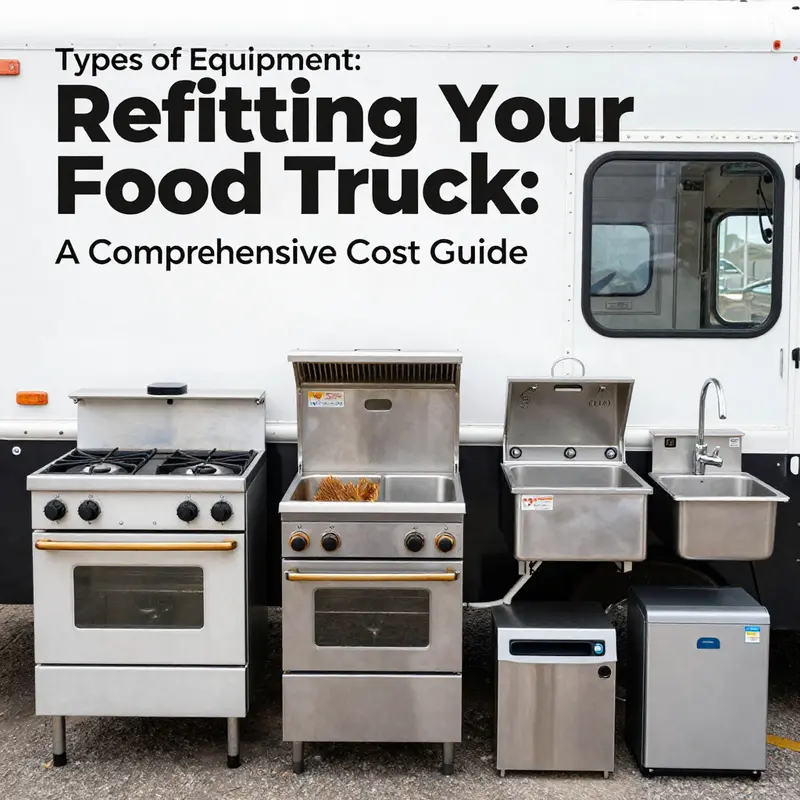
At the heart of any refit are four interlocking categories: cooking equipment, refrigeration units, cleaning and sanitation supplies, and specialized tools tied to your menu niche. This isn’t a rigid shopping list; it’s a design conversation about how your kitchen will function in a rolling restaurant. Cooking equipment represents the most visible driver of both capability and cost. You’ll need the right mix of heat sources—grills, fryers, griddles, ovens—and the layout must support efficient motion between prep, cook, and service. The minimum viable setup for a basic mobile kitchen can be surprisingly spartan: a single key appliance for a specialized menu paired with a small refrigeration unit. But if your plan is to deliver a broader range of items, you’ll quickly scale up to multiple cooking stations. The costs here follow the breadth of your ambitions. Across current markets, a basic mobile kitchen trailer with gas-powered options and standard cooking surfaces tends to sit in the mid-range of refit pricing, roughly around four thousand dollars to four thousand seven hundred dollars for a compact, fully functional footprint. That range often includes a gas stove, a grill, a fryer, an oven, and a sink—the essentials that unlock a true mobile kitchen rather than a mere hot cart.
Refrigeration is the second pillar that often trips up newcomers who underestimate its impact. Perishables drive quality, safety, and menu flexibility, so a solid refrigeration strategy is non-negotiable. In the simplest terms, you’re balancing space, energy draw, and the reliability of cooling. A basic walk-in cooler or a compact under-counter unit might be enough for a small operation, while busier concepts require larger, dedicated cold storage and sometimes separate dry storage. The up-front cost for refrigeration, when bundled into a fully equipped trailer, can be substantial but varies with size, insulation, and whether you opt for more energy-efficient or modular systems. In combined packages, refrigeration is typically integrated into the overall price band that includes cooking equipment, but it can add several hundred to several thousand dollars to the total if the layout demands larger or more sophisticated cooling solutions. For many operators, this is the decision point that defines whether a refit will feel nimble and economical or expansive and expensive.
Sanitation and cleaning supplies often sit in the shadow of larger-ticket equipment, yet they define your compliance posture and your day-to-day hygiene. Health departments scrutinize a kitchen’s cleanliness and its ability to prevent cross-contamination. A refit must allocate reliable sinks with proper drainage, handwashing stations, surface sanitizing equipment, and storage for chemicals and towels. The cost for these components is typically modest relative to cooking or refrigeration systems, but the cumulative effect matters. It’s common for operators to see a few hundred dollars in initial purchases for high-quality cleaning and sanitizing tools, along with durable, easy-to-clean surfaces and flooring. The goal here is not just compliance but also operational ease—cleaning routines that don’t disrupt service and survive the wear and tear of daily roaming.
Specialized tools are the wild card in many menus. A barbecue-focused truck may need smokers or dedicated smoke cabinets; a dessert concept might require capable mixers, whipped-cream dispensers, or blast chillers for quick-cooling processes. The “specialty” layer is where menu specificity drives cost, and it’s also where efficiency gains can be greatest. If your plan calls for a diverse or high-volume menu, you’ll need equipment that can handle frequent switching between tasks without creating bottlenecks on the line. The pricing for these items scales with capability and capacity. It’s worth noting that the addition of optional equipment—such as electric refrigerators, display cabinets, or solar-powered components—can increment the budget by five hundred to a couple of thousand dollars, depending on the sophistication and energy strategy you adopt. In practice, every menu decision that requires a new unit or a second station will push the project beyond the base figure.
The overall cost framework for refitting a food truck is not a single line item but a tapestry of interdependent choices. A basic setup can be surprisingly affordable if you’re starting from scratch with a narrow menu—and if you already own a vehicle that requires minimal modifications, you might only need a few targeted upgrades. The opposite path is a full-service truck with multiple cooking stations, robust walk-in coolers, and expansive prep areas—a configuration that places you near the upper end of the market. When you map these scenarios onto the numbers circulating within supplier networks, you see a practical spectrum. For a straightforward, minimal conversion, you might begin in the lower tier—think a few thousand dollars—but as soon as you add capability and capacity, the price climbs toward the mid-range of four to six thousand dollars for a fully functional trailer. If you’re pursuing more upscale or specialty builds, the investment moves into the premium zone, potentially beyond six thousand, depending on design choices and the extent of customization.
The “from-scratch versus upgrade” decision is not simply about price. It also governs compatibility and operational flow. Upgrading an existing unit often means you can salvage ductwork, plumbing, and basic frame dimensions, turning the refit into a more targeted, cost-controlled project. A clean-sheet build, by contrast, invites earlier planning with a design that optimizes space and service line. In practice, those starting from scratch typically face higher upfront costs because every square inch must be wired, plumbed, and insulated to code. Those upgrading can sometimes defer some of these challenges by leveraging the truck’s existing infrastructure, though this path can also incur hidden costs if the current layout imposes awkward adjacencies between cooking and refrigeration, or if it requires costly rerouting of electrical panels and water lines. Either route benefits from a clear, functional layout early in the process, ideally one that accommodates anticipated menu growth over the first 12 to 24 months of operation.
Coordination among cooking and refrigeration units is not merely a matter of layout; it’s a regulatory and safety issue as well. A mobile kitchen must operate within strict guidelines around ventilation, electrical load, sewage disposal, and food safety. When components are integrated without regard to these constraints, you risk health-inspections delays or costly retrofits after the fact. An integrated approach—one that considers hood ventilation, fire suppression where applicable, clean water supply, graywater management, and energy use—tends to produce a more predictable project timeline and a more reliable operating footprint. Industry guidelines emphasize this integration, highlighting that a mobile unit is not a standalone appliance but a compact, interconnected system. To deepen your understanding of specifications, performance metrics, and practical applications, a comprehensive overview can be found in the Essential Commercial Equipment for Your Food Truck Business guide, updated for 2026. This resource helps demystify the intersection of design, capacity, and compliance, ensuring your refit aligns with both your menu strategy and local regulatory requirements.
A practical budgeting mindset also means looking beyond the sticker price and anticipating ancillary costs that frequently accompany a refit. Shipping and freight are not uniform; they depend on destination and carrier, and suppliers often require direct quotes for precise numbers. Permits and licensing vary widely by municipality; budgeting a conservative range—roughly five hundred to two thousand dollars—protects against revenue disruption should inspections or additional paperwork arise. Customization, branding, and insulation improvements can add to the bill, sometimes significantly, depending on color schemes, materials, and the complexity of the finish. And as already noted, optional equipment—such as solar panels, energy-efficient fridges, or stylish display cabinets—tends to fall in a broad range, with incremental costs that can push the total higher than the base package. Given these variables, most operators find it prudent to solicit multiple quotes, compare the total cost of ownership over three to five years, and consider phased upgrades that align with early revenue milestones.
For readers who want to connect the dots with real-world experience, it can be invaluable to hear from those who’ve already walked this road. Exploring case studies and lessons from veteran operators provides a ballast of practical wisdom. One accessible starting point is the profiles of veteran food truck owners, which offer firsthand perspectives on how equipment choices translated into ROI, service speed, and menu quality in diverse markets. These narratives illuminate how different menus, space constraints, and climate conditions shape the equipment mix and, by extension, the budget. You can read more about their journeys here: profiles of veteran food truck owners.
As you refine your plan, anchoring expectations to concrete price ranges helps. A fully equipped mobile kitchen trailer, which combines cooking surfaces with built-in sinks and a functional work zone, typically lands in the four-thousand-to-six-thousand-dollar range for a compact footprint, with the higher end reflecting larger spaces and more robust configurations. For a more minimal upgrade—perhaps a single-function cooking module paired with a reliable reach-in refrigeration—your budget may land closer to the lower end of the spectrum, around a few thousand dollars. It is crucial to keep in view the long-term cost of ownership. Energy consumption, maintenance intervals, and the need for spare parts all influence operating margins and should factor into your decision-making from day one. If your menu evolves and demands new capabilities, you’ll revisit the balance between additional upfront investment and the incremental improvement in throughput and quality. A well-considered refit, therefore, is less about chasing the latest feature and more about aligning the kitchen’s capabilities with your business model, your peak service patterns, and your geographic market.
In planning these decisions, consider how you will scale operations as demand grows. A well-structured refit supports variable service levels, from weekend farmers markets to full-time, event-driven operations. It should accommodate changes in menu without forcing a complete teardown. That means thoughtful space planning for prep surfaces, cold storage, and dishwashing throughput; it also means building for flexibility—the possibility of swapping out a single station rather than remodeling the entire kitchen. When you look at the total cost, remember that the initial price tag is only part of the equation. The true measure is the efficiency, consistency, and revenue the setup enables over the life of the business. And while the numbers evolve with product availability and regional market conditions, the principle remains constant: invest in equipment that delivers reliable performance, simple maintenance, and a setup that scales with your ambitions.
For further reading and a structured comparison of equipment specifications and performance metrics, refer to reputable industry guides and supplier resources that focus on the practical realities of mobile kitchens. These resources provide the technical detail you’ll need to translate a concept into a fully functioning operation, ensuring that your refit not only fits your budget but also fits your business plan. Finally, remember that real-world suppliers can offer tailored quotes that reflect your exact space, menu, and service style. Your best path to a precise price is to initiate direct conversations with vendors, present your layout and menu goals, and request a line-item breakdown of each component. This transparent approach helps you see where the money goes and identify areas where you can be strategic about trade-offs without sacrificing essential capabilities.
External resource for deeper technical guidance: https://www.foodserviceequipment.com/food-truck-equipment-guide
Custom Choices That Decide Your Food Truck Refit Budget
Weighing customization choices against budget and goals
Customizations determine much of the final price when you refit a food truck. Every decision — from the type of stove to the vinyl wrap — bends the budget one way or another. Some owners start with a simple mini cart for roughly $2,500. Others commission a fully outfitted mobile kitchen trailer with a list of appliances and features that push costs well into five digits. Between those poles lie countless choices that alter upfront costs, operating expenses, and resale value. This chapter explains how those choices behave together, and how to make pragmatic decisions so the truck performs for your menu and market.
Begin with the core: kitchen equipment. The appliances you choose set the baseline for plumbing, gas, electrical, and ventilation systems. A compact setup with a small grill and a basic fridge is inexpensive to install and simple to wire. Go for commercial-grade ranges, multiple fryers, or large refrigeration banks and costs climb quickly. High-end, commercial units often require beefier electrical feeds. They also demand larger ventilation hoods and more robust gas lines. That means extra labor and heavier materials inside the build. Account for the appliance price and the hidden systems that support it. In many builds, these support systems add 20–40% to the raw equipment cost.
Materials matter almost as much as appliances. Stainless steel is the industry default for counters and splash areas. It is durable and easy to sanitize. However, premium stainless finishes, heavy-gauge construction, and seamless fabrication cost more. Alternatives like sealed marine plywood with food-safe laminate save money, but may need more maintenance. Flooring options range from low-cost vinyl to heavy-duty slip-resistant commercial flooring. Spending on better flooring reduces long-term repair and downtime. Walls, cabinetry, and insulation choices affect the truck’s thermal performance and sound levels. Premium insulation and wall panels can increase cost, but they pay back with better climate control and lower energy bills.
Operational enhancements deserve focused attention. Adding climate control, LED task lighting, or energy-efficient motors helps the team work comfortably and reduces utility bills. Solar panels and battery backups cut idling and generator fuel costs, but require a meaningful upfront investment. Installing a solar-ready system or a full photovoltaic setup can add anywhere from a few hundred dollars for basic components to several thousand for a robust system. Display cases, hot-holding units, and refrigerated counters improve sales potential by presenting food professionally. Yet each of these items increases power consumption and adds complexity to electrical design.
Branding and exterior customization influence both cost and customer perception. Simple vinyl decals or partial wraps are affordable and effective. A full vehicle wrap looks premium and creates instant recognition, but costs more and complicates future bodywork. Custom paint and body modifications are pricier still. Designers often recommend prioritizing a strong, clean brand presence rather than excessive ornamentation. Durable exterior finishes reduce future maintenance and keep appearance consistent through weather and wear. Thoughtful branding will often deliver better returns than extravagant exterior features.
Modularity and flexibility increase both cost and capability. Retractable counters, fold-down serving windows, and convertible shelving let you adapt the layout for different events. Those elements require additional engineering and durable mechanisms. They also add complexity to the build process, increasing fabrication time and labor. If your business model depends on frequent layout changes or multiple service formats, modularity can be worthwhile. For many entrepreneurs, a more fixed, efficient layout serves everyday needs with lower cost and fewer moving parts.
Plumbing and waste systems are another area where custom choices have strong cost implications. Adding a three-compartment sink meets health codes for many operations, but demands space, plumbing, and a fresh water tank. Hot water heaters, grease traps, and gray water storage all add to weight and space considerations. If you need pressurized hot water or a commercial dishwasher, expect a jump in both installation expense and system complexity. Conversely, minimal sink setups reduce costs but can constrain the menu and service options.
Electrical work scales with appliance load and specialization. Standard builds with modest gear sometimes use a small generator or shore power. High-demand ovens, multiple fryers, or walk-in refrigeration require much higher amperage. Upgrading wiring, installing larger generators, or adding shore-power adapters will add to the budget. Smart load management, energy-efficient appliances, and LED lighting reduce ongoing expenses. Still, planning must be precise — electrical upgrades are rarely cheap to retrofit once the build is complete.
Labor and fabrication time often surprise new owners. A custom layout needs measured planning, cutting, welding, and fitting. Skilled labor commands premium rates, and labor hours accumulate quickly. Some suppliers offer packaged, plug-and-play kitchens with predictable timelines. Custom fabrication demands iterative design, onsite changes, and quality control checks. If you demand bespoke cabinetry, welded frames, or uniquely formed counters, anticipate a longer build schedule and higher labor expense.
Regulatory and logistical costs tie directly to customization choices. A heavier build increases shipping and registration fees. Specialized equipment may need additional permits or health department sign-offs. Some customizations change the classification of the vehicle in local regulations, affecting insurance and licensing. Budgeting an extra $500 to $2,000 or more for permits, inspections, and paperwork is prudent. These costs vary widely by jurisdiction, so early consultation with local regulators prevents expensive rework.
Consider the long-term picture when weighing customization. High-quality appliances and materials cost more now, but they often require less maintenance later. Energy-efficient systems reduce operational expenses. A professional interior layout speeds service and minimizes employee errors. Strong branding increases sales at events and makes marketing simpler. But overbuilding for features you may never use ties up capital and lowers flexibility. A staged approach to customization often serves new owners best: prioritize essentials for opening, then plan phased upgrades based on real sales data.
Financing and supplier options shape what customizations are feasible. Many suppliers provide flexible payment terms or staged delivery. Buying an entire custom truck from a manufacturer simplifies the process, but limits hands-on control. Sourcing a used shell and adding targeted customizations stretches capital and lets you choose vendors. Online marketplaces host fully customized models with transparent pricing. They also make it simple to compare features and quotes. When using these platforms, verify warranties, shipping terms, and local support options.
Think in scenarios rather than features. For a coffee or pastry truck, prioritize counter flow, steam equipment, and easiest-to-clean surfaces. For a burger or fryer-heavy menu, invest in ventilation, grease management, and high-capacity fryers. For a multi-cuisine truck, modular stations and flexible power distribution enable menu changes. Map your menu and service model first. Then allocate budget to the systems that directly support those needs.
A pragmatic tool is to set three tiers of customization: essential, growth, and premium. Essentials cover code compliance, basic hospitality safety, and the minimum equipment to execute your core menu. Growth options include upgrades that expand capacity, improve energy efficiency, and deliver better customer experience. Premium items sit in the last tier — the features that boost margins and brand appeal but are not necessary for reliable operation. This tiered approach clarifies immediate needs and future improvements. It also makes trade-offs transparent when costs rise.
Decisions about resale should affect customization choices. A well-documented build with industry-standard equipment holds value. Highly specialized systems for a narrow menu lower the pool of future buyers. Neutral finishes and standard power systems ease resale. If you plan to sell or scale to a fleet, favor durable, widely supported components.
Finally, document everything. Detailed drawings, wiring diagrams, appliance specifications, and maintenance schedules protect your investment. Good documentation speeds repairs and reduces downtime. It also helps when obtaining permits or proving compliance to regulators. If you work with a fabricator, ensure they hand over as-built drawings and warranties for installed equipment.
Customizations will be the single biggest reason the final refit price varies. They can raise a modest $4,000 refit by 30% or more. In full custom builds, costs commonly exceed $20,000. The right mix of choices preserves capital while giving you a truck that serves customers and supports growth. Prioritize systems tied to your menu, plan modular upgrades, and choose durable materials that fit your resale strategy.
For real examples and customizable listings that illustrate these choices, study supplier catalogs and sample builds to compare features and pricing. One public listing shows a fully customizable 16-foot food truck complete with full kitchen equipment and transparent buyer options, which helps when estimating budget impacts of specific features.
External reference: https://www.alibaba.com/product-detail/16FT-Food-Truck-USA-Customized-Food-Trailer_1600587931873.html
For additional guidance on choosing the right vehicle platform before you commit to customization, see the practical comparison of vehicle types in this piece on step vans vs cargo vans: step vans vs cargo vans.
Permits, Licensing, and the Price Tag: Navigating Regulatory Costs in a Food Truck Refit
When you begin calculating what it costs to refit a food truck, the sticker price for ovens, grills, and ice makers grabs the headlines. Yet in this line of work, the financial story that often decides when and how you launch is written in permits, licenses, and the steady rhythm of compliance. The regulatory landscape is not a single gate to pass once; it is a series of checkpoints that can shape the scope, timing, and even the design of your mobile kitchen. Understanding these costs is not about dampening ambition. It is about making a plan that weatherproofs your project against delays, fines, and unexpected red tape, while preserving the integrity of your concept and the safety of your crew and customers. In the end, what you pay for permits and licensing is a concrete investment in legitimacy, reliability, and the long life of your business on the road.
The total cost of refitting a food truck with all permits and licensing can swing widely, depending on where you operate, the size of the vehicle, and the cuisine you intend to serve. The numbers can look daunting at first glance, yet they are the predictable counterpart to the more variable equipment and conversion costs. On a broad level, most operators find themselves budgeting somewhere in the realm of a mid‑to‑high five figures when permits, licenses, and related regulatory requirements are fully accounted for, in addition to the purchase or conversion of the vehicle and the kitchen setup. This isn’t simply a matter of writing a check; it is a process of aligning your business, your kitchen layout, and your service model with the local rules that govern health, safety, and the public good. In practical terms, the regulatory portion of the refit often ends up representing a meaningful portion of the overall project timeline and cash flow, influencing decisions from how many handwashing stations you install to where you park and operate.
A realistic frame for regulatory costs begins with the vehicle itself. Purchasing a used or new food truck and outfitting it with the essential kitchen equipment tends to fall within a wide band—roughly from twenty thousand to forty thousand dollars. This range reflects differences in vehicle condition, the complexity of the installation, and the quality of the equipment chosen. When the conversation shifts to permits and licensing, the line items become more defined, yet still varied by jurisdiction. Local health department permits, business licenses, mobile vendor permits, and fire department inspections collectively can cost anywhere from five hundred to three thousand dollars, depending on city or county ordinances, inspection frequency, and the specificity of the rules you must meet. For some locales, certain endorsements or specialty permits may add to that baseline, pushing the total into the higher end of the spectrum. You may hear anecdotes about particularly rigorous pediatric nutrition requirements for certain neighborhoods or extra fire safety checks for gas‑heavy configurations; while those cases are not universal, they illustrate how the regulatory map can tilt based on cuisine, location, and even the street or market where you plan to operate.
Insurance, too, enters the picture as a regulatory guardrail and a practical safeguard. Liability coverage is typically required and can cost between one thousand and three thousand dollars per year, depending on factors like your projected sales volume, the range of equipment on board, and the degree of risk associated with your menu. Insurance is not merely a compliance line item; it is a mechanism that keeps you, your staff, and your customers protected as you move from one site to another, weathering the inevitable bumps and changes that come with street vending. Alongside insurance you will need to account for compliance and safety equipment that formalizes your operation in the eyes of the authorities. Think grease traps, properly positioned handwashing stations, waste disposal systems, and the internal routing of drainage and ventilation. These features are not decorative; they are often inspected components, and they can add several hundred to a few thousand dollars to the fitout, depending on the specifics of your kitchen layout and the local requirements.
The variability does not end with the cost itself. The process and timing of obtaining permits can influence what you can install when you can operate, and even the design of your vehicle. Some jurisdictions require plans for the entire kitchen to be submitted for review before any work begins, while others permit an iterative approach where certain equipment can be installed in stages as the inspections progress. In many places, the health department will request floor plans, ventilation diagrams, and a description of water and waste management practices. You may also be asked to demonstrate proper food handling training or to show that your staff have completed safe food handling courses. All of these steps carry not only price tags but also potential delays. If you are working to a tight launch window or coordinating with a specific multi-vendor build, those delays can cascade into higher carrying costs for rent, insurance, and payroll before you even open your doors.
To navigate this terrain without being blindsided, it helps to approach permits and licensing as a paired choreography with your overall refit plan. Start by mapping the regulatory milestones against your equipment choices and your service concept. If you are aiming for a high‑volume breakfast and lunch operation, you might lean toward equipment and layouts that simplify grease management and handwashing compliance, because those elements become focal points for inspections and for the day‑to‑day safety of your crew. If your concept leans toward a more artisanal or regional menu with a smaller footprint, you may be able to simplify certain permits by choosing equipment configurations that meet basic safety criteria with fewer specialized installations. Either way, you should build in time and budget for the documentation that the authorities will request—scanned plans, equipment lists, and process descriptions that clearly communicate how your truck operates in the real world.
A practical strategy is to engage with the local health department and the fire department early in the planning phase. This proactive outreach helps you understand the exact expectations for your city or county and can prevent last‑minute pivots that derail your timeline. When you know the likely permits and inspections you will face, you can design your kitchen while staying compliant from the outset, rather than discovering after the fact that your layout requires a substantial retrofit to pass inspection. The goal is not to reduce compliance to a bare minimum but to balance your culinary ambitions with the realities of the regulatory framework so your refit remains a durable foundation for growth. This is not a one‑time investment; it is an ongoing commitment to safety, quality, and accountability that becomes evident to customers who rely on your stall, and to regulators who audit your operation over time.
In practice, the combination of permits, licensing, and the required safety infrastructure tends to push many first‑year budgets into a space where the total outlay is not just the cost of purchase and install but also the cost of becoming a lawful, insured, and trusted mobile kitchen. It is understandable to feel the weight of these numbers when you are just starting to sketch the dream, yet disciplined planning yields a clearer, more confident path to launch. For those who want a detailed grounding tailored to a specific location, the pathway usually begins with official sources—your local health department’s guidance, the city’s business licensing office, and the fire department’s code interpretations. The Small Business Administration also offers a practical overview and funding considerations for food truck startups, which can help frame how much you need to allocate toward regulation as part of a comprehensive business plan. The SBA guide, for example, outlines the regulatory landscape in a user‑friendly way and connects you with practical steps to secure financing to cover both the core refit and the compliance costs. You can explore that general framework here: SBA Food Truck Guide.
For a more targeted look at the legal and regulatory dimensions specific to certain communities, many operators find it helpful to consult existing insights from industry observers and peer networks. One resource that many builders reference covers the legal considerations for Latino food‑truck startups, offering perspective on how cultural and local factors shape licensing and permitting expectations. If you want to see how others have navigated the regulatory maze while preserving a mission‑driven culinary program, you can read more at this detailed consideration page: Legal considerations for Latino food-truck startups.
Beyond the policy specifics, there is a broader, practical discipline to managing these costs. Create a regulatory line item in your budget with a conservative contingency—perhaps five to ten percent of your estimated permits and licenses—recognizing that inspections can lead to unexpected adjustments or additional safety equipment after initial approvals. Build time buffers into your project timeline for permit review and potential rework. Keep meticulous records: plan submissions, approvals, inspection reports, and any correspondence with authorities. These documents not only smooth the process if you are audited or if you need to renew licenses but also demonstrate professionalism to lenders or investors who are evaluating the viability of your mobile kitchen concept.
As you balance the numbers and the timelines, it is useful to maintain a clear picture of the total financial picture. While the equipment and conversion costs form the measurable core of the refit, regulatory costs and the infrastructure that supports compliance are the durable frame that keeps your business legal and operational. The arithmetic of this chapter is not merely about summing dollars; it is about aligning your menu concept, service model, and geographic footprint with a predictable regulatory road map. This alignment reduces the risk of costly reworks and helps you stage your investment so that cash flow remains resilient as you bring your truck to the streets. The end result is a credible, compliant, and customer‑ready mobile kitchen that can evolve with you as you add events, expand menus, or relocate to new markets.
In practical terms, the total up‑front ask for a fully regulated refit, combining vehicle purchase or conversion, equipment installation, and the permit licensing regime, falls into a sizable band. The literature and industry chatter converge on a range that reflects both the breadth of regulatory requirements and the diversity of market entry strategies. For many operators, this means planning for a total in the tens of thousands of dollars once permits and licenses are included, with the understanding that the exact figure is highly location dependent. The lesson is not to fear the costs but to anticipate them with a disciplined budgeting approach, consistent project management, and early engagement with regulatory authorities. When you do, you position your business not only to pass inspections but to thrive in a competitive environment where the public health and safety of your customers are the bedrock of your brand.
External resource for deeper regulatory guidance and funding options is available through the Small Business Administration, which provides a structured overview of what it takes to start a food truck business and how to navigate licensing and permits as part of a broader business plan. This resource can be a valuable companion as you translate the numbers on paper into a viable, lawful venture that can scale over time. Additionally, many operators find value in reading about the experiences of other owners who have traversed similar regulatory routes, which can illuminate common pitfalls and effective strategies without sacrificing the core vision of their culinary program. As you prepare to proceed, remember that the measure of a successful refit is not only the efficiency of your kitchen but the confidence with which you operate within the rules that keep customers safe and markets fair.
External resource: https://www.sba.gov/business-guide/launch-your-business/start-food-truck
Final thoughts
Refitting a food truck involves an exciting blend of creativity, practicality, and strategic investment. By understanding the cost breakdown for equipment, emphasizing the importance of customized features, and navigating the regulatory landscape, you prepare yourself to launch a successful mobile kitchen. This journey is not just about the initial outlay; it’s an investment in your culinary dreams and future success. Utilize this guide to ensure that your refitting process is informed, strategic, and primed for potential rewards.