

Designing a food truck demands the perfect blend of creativity and practicality, especially for car enthusiasts venturing into the culinary world. Whether you’re a hobbyist car modifier or a professional tuner, every detail matters. A food truck isn’t just a mobile kitchen; it’s a reflection of your automotive passion, optimized for operational efficiency and memorable customer experiences. This guide outlines how to effectively craft a food truck by defining your unique concept and menu, determining the optimal size and dimensions, planning the layout for maximum efficiency, and adhering to sustainable materials and safety compliance. Each of these elements plays a critical role in launching a successful food truck, ensuring you serve up not just delicious cuisine but also a memorable brand experience on wheels.
From Concept to Counter: Designing a Food Truck That Captures Brand and Delivers Your Menu
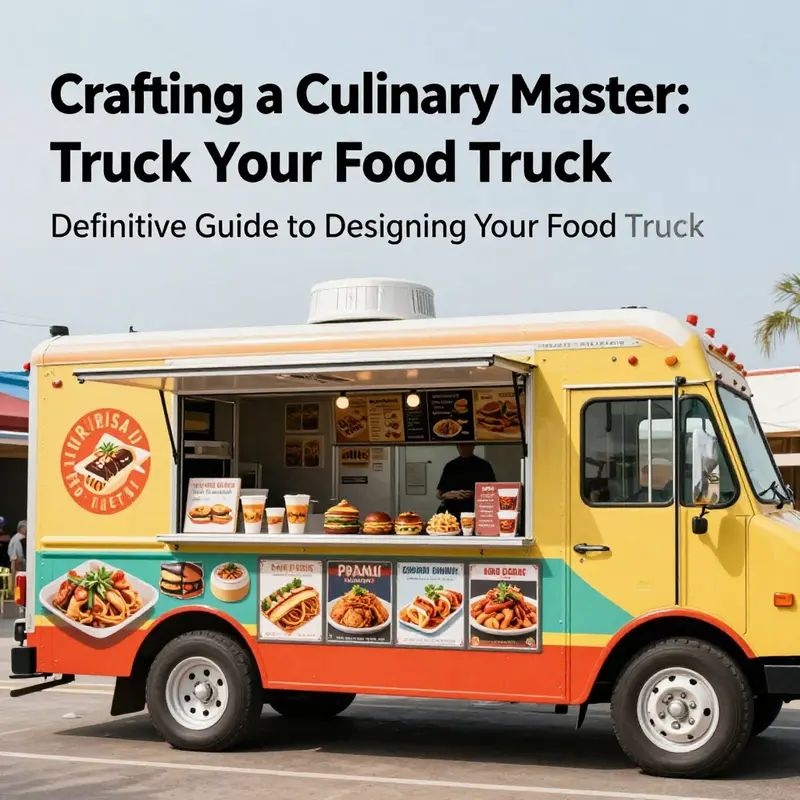
The heart of a thriving food truck isn’t merely the food you serve; it’s the concept that threads through every decision from exterior design to the rhythm of service. A strong concept acts as a compass, guiding your branding, your menu, and the way you relate to customers on the street. It begins with a story you want people to tell about your truck when you’re parked at a festival, a downtown lunch spot, or a neighborhood event. Is your truck a modern take on a traditional favorite, a farm-to-truck showcase, or a bold, theme-driven experience that transports diners to another place or era? Whatever path you choose, the concept must be something you can live with every day, something you can translate into visuals on the exterior, into the cadence of your kitchen, and into the conversations you have with guests as they approach the window. In practice, a well-defined concept becomes the unifying thread that makes your menu coherent and your customer experience memorable, long before your first signature dish leaves the pan. This clarity is not a luxury; it’s a prerequisite for consistency, efficiency, and growth in the mobile kitchen world.
The process starts with a careful, honest assessment of what you want to offer and who you want to serve. Your concept should be distinct enough to stand out in busy markets, yet practical enough to execute in tight spaces and with limited staff. It’s not just about choosing a cuisine; it’s about framing a narrative around that cuisine that customers can instantly grasp. A gourmet taco concept, for instance, might emphasize bold fillings, artisanal tortillas, and a story about sourced ingredients, but it also needs to align with what you can reliably produce on a truck, given your stove lineup, refrigeration capacity, and hood ventilation. The narrative should flow from the truck’s exterior palette and typography to the packaging your customers take home, to the tiny touches that make a pop-up feel cohesive rather than ad hoc. When the concept and menu sing in harmony, customers feel the continuity even before they taste the first bite.
Crucially, you should research the local landscape before finalizing the concept’s scope. What are nearby trucks offering, and where are the gaps? Do people in your target area crave plant-based options, or is there a demand for nostalgic comfort with a modern twist? The answers to these questions shape not only the concept but the pricing, staffing, and daily pace of service. A concept that overextends into a dozen wildly different cuisines may look exciting on a mood board but tends to crumble in real-world execution. A sharper approach focuses on a central idea—an identity that neighbors recognize and visitors remember. This is where the menu becomes your clearest expression of the concept and, simultaneously, your most practical operating tool.
If you are serious about balance, your menu should crystallize the concept into a concise, high-impact lineup. Aim for eight to twelve signature items that you can prepare quickly and consistently. A curated menu reduces the cognitive load on cooks and the complexity of inventory, while still giving customers a sense of choice and novelty. Each item should share key ingredients with others to streamline purchasing and minimize waste. When customers see familiar components in new forms, speed and accuracy in the kitchen improve, and your team can leverage better prep planning. A focused menu also makes it easier to maintain quality during peak service and to train new staff, who can master several dishes rather than a sprawling repertoire. The goal is not to boil the ocean but to deliver a memorable, repeatable experience that scales as you grow.
As you shape the signature lineup, think in terms of storytelling as much as recipes. Your menu’s best items should embody the concept’s core values and the emotional lift you want to provide. If your concept emphasizes bold flavors and quick crunch, your signature items might be compact, high-impact builds with exciting textures. If your concept prioritizes sustainability and traceability, you can structure your menu around a few core proteins, seasonal produce, and transparent sourcing notes that you can communicate clearly to customers. Remember that a strong concept also informs the visual language of your menu: the design should be legible from a distance, with a clean hierarchy that leads the eye from the main items to the price, and then to enticing descriptor words. A well-designed, readable menu reduces hesitation and accelerates the line, a critical advantage in a bustling street environment. Consider your signature lineup as the backbone of your branding; it anchors your visuals, informs your packaging, and defines your service cadence.
To ensure your concept resonates, actively test ideas with real customers. Pop-up events and soft launches are invaluable for gathering unbiased feedback and observing how people respond to flavors, portion sizes, and the speed of service. Invite family, friends, and volunteers who resemble your target audience to sample and critique. Collect notes on what works and what doesn’t, and be prepared to iterate—often the most successful trucks pivot on small refinements rather than major overhauls. This iterative process helps you refine not just the food but the entire customer journey, from the moment someone notices your truck on the street to the moment they step away with a full and satisfied bite. A concept that evolves through genuine customer input will be easier to defend when you scale, whether you open a second truck, a brick-and-mortar outpost, or a seasonal catering venture.
A practical consideration that sits at the intersection of concept and menu is the idea of signature dishes as anchors for your brand. Your menu should not only reflect your concept but also present a reliable set of dishes that your crew can reproduce under pressure. Signature items are where you can showcase technique, sourcing, and a distinctive flavor profile that becomes your calling card. In the broader context of the article, you might envision building a repertoire of items that can be rolled out at events, markets, and fixed locations with minimal adaptation, ensuring consistent taste and presentation across venues. The balance between variety and focus is delicate, but with a well-chosen set of signatures, you can achieve both. Think of your signature lineup as the visual and culinary spine of your truck: it guides the exterior design choices, the tone of your service, and the way customers remember your brand after the first bite. When everything—from the color of the truck to the texture of the napkin packaging—echoes those same dishes, you create an immersive experience that feels cohesive, deliberate, and uniquely yours. In this sense, your menu becomes a map for creativity, not a catalog of random offerings, and your concept becomes the shipping label that helps customers recognize, trust, and return to your truck. For readers curious to see how signature items can elevate a brand, consider exploring a curated lineup such as top-latino-food-truck-dishes.
As your concept and menu converge, you begin to understand how the exterior and interior must reinforce the same story. Exterior colors, typography, and graphics should reflect the mood and energy of the dishes, while interior equipment and workflow support the pace and consistency you promise to guests. The lighting, the layout, and the way you present each plate all contribute to a single, coherent narrative. A cohesive design reduces cognitive load for customers and enhances speed for the crew. Packaging becomes another vehicle for the story, carrying your branding, the provenance of ingredients, and even the sustainability promises you make. The moment a customer receives a bag or a container, they are reminded of your concept, and the experience continues beyond the window. In this light, branding ceases to be decoration and becomes a critical driver of repeat business, recognition, and word-of-mouth referrals.
In closing, the journey from concept to counter is a delicate balancing act that rewards clarity, practicality, and curiosity. Your concept should feel inevitable, as if every element—from the truck’s color palette to the menu’s seven to twelve items—was always meant to be together. Testing with real customers, maintaining a sharp focus on signature dishes, and ensuring that branding and packaging echo the same story will set you up for a smoother launch and a path toward sustainable growth. As you prepare to move into more technical territory—size, layout, and materials—the principles of a strong concept and a concise menu will continue to guide every decision. They are not separate stages but a single, evolving design philosophy that turns a mobile kitchen into a welcomed destination.
External resource for broader context and safety standards: https://www.fda.gov
Sizing Up Speed and Space: Designing Your Food Truck for Optimal Size, Dimensions, and Flow
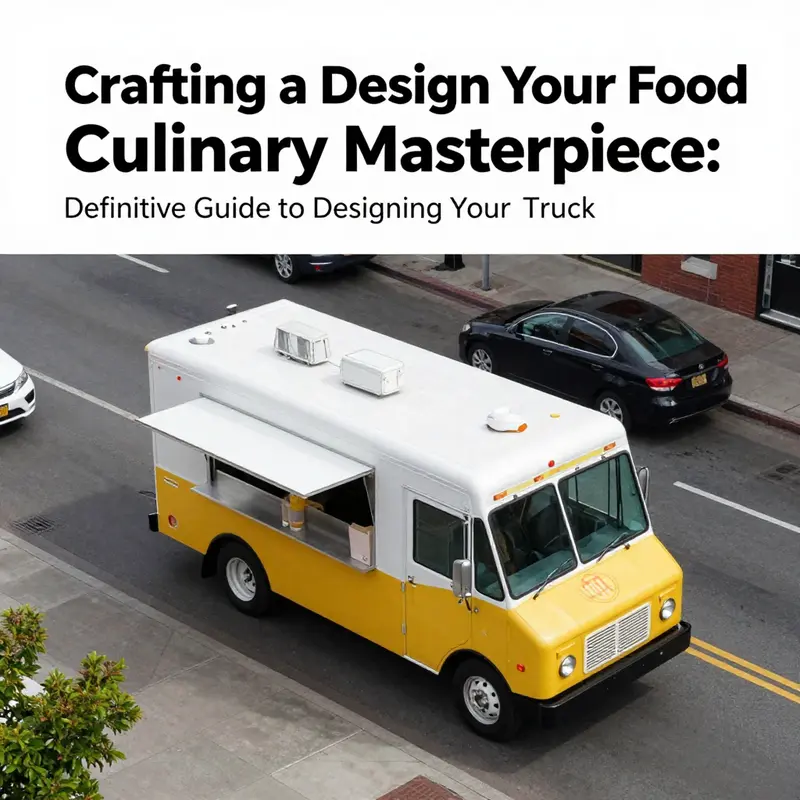
Choosing the right size and dimensions for a food truck is not a cosmetic decision. It is the foundation of how fast you can serve, how safely you operate, and how resilient your business becomes in changing urban landscapes. Your starting point is your menu and your equipment needs. The type of food you plan to serve sets a ceiling on the footprint you must accommodate. A truck that concentrates on grilled items will need room for heat, venting, oil management, and safe clearance around heavy equipment. A sandwich or taco concept, by contrast, can emphasize counter space, cold storage, and efficient assembly zones. This relationship—menu driving space—should guide every measurement, from overall length to the width of your prep counter and the height of your work surfaces. Once you’ve identified your core appliances and their locations, you can translate those needs into concrete dimensional choices that balance mobility with capability.
Dimensions in the world of mobile kitchens typically fall into a spectrum. Compact trolley-style units, built on small vehicle platforms or even motorized carts, offer superior maneuverability in crowded city streets and at intimate events. They excel where parking is tight and turnover is brisk, but they trade away substantial kitchen capacity and storage. Larger trucks, in contrast, cradle full-scale kitchens with grills, fryers, refrigerators, and multiple sinks. They cater to high-volume service and expansive menus, but they demand more parking space, greater upfront investment, higher operating costs, and staffing that can keep pace with a busy station. The practical trade-off is clear: do you prioritize nimble, frequent-service operations, or do you chase scale and diversified offerings? The answer should align with your concept, your target locations, and your financial plan.
Beyond the rough scale, think about the vehicle’s height and how it interacts with the built environment. Local regulations often set minimum and maximum clearance heights for bridges, overhangs, and drive-thru lanes. A typical, workable height sits around 10 to 12 feet. If you anticipate frequent interactions with older urban infrastructure or low-clearance areas, you may need to push for a more compact configuration or a different chassis. This is not merely a concern for compliance; it also affects your daily operations. A truck that’s too tall for common urban routes will waste time circling neighborhoods or avoiding suitable lots. A truck that’s too low on internal headroom or storage will force trade-offs in the kitchen design, forcing you to squeeze or compromise on essential equipment. The optimal height and length are the quiet gatekeepers of service pace, safety, and reliability across diverse service environments.
With those boundaries in mind, the layout becomes the next decisive tool. A thoughtful interior plan optimizes space by organizing the operation into distinct zones: prep, cooking, assembly, and service. The goal is to create smooth, logical flow with minimal crossing paths. The main cooking station should sit where it minimizes travel time from prep to service, often toward the rear or center, depending on how customers will interact with the window. The prep area needs a generous, comfortable work surface—ideally around 36 to 42 inches from the floor—to reduce fatigue during long shifts. Adequate space for washing ingredients, chopping, and assembling dishes keeps the line moving and protects your product quality. Storage solutions transform vertical space into valuable assets. Pull-out drawers, overhead cabinets, and under-counter lockers help organize ingredients, utensils, and packaging materials without expanding the footprint. Using durable materials is non-negotiable here; 304 stainless steel is a standard because it resists corrosion, cleans easily, and holds up under the harsh realities of a bustling kitchen. It’s also practical for splash zones, sinks, and work surfaces. Flooring should be non-slip and removable for deep cleaning, especially in a mobile setting where spills and weather exposure are part of the daily routine.
As you map the space, consider how you will maximize vertical and horizontal storage without reducing work surfaces. Overhead shelves can double your storage capacity without stealing floor space. Wall-mounted racks keep utensils, pans, and small appliances within easy reach. Multi-tiered counters can adapt to different tasks—one surface might serve as a prep board while a lower section hosts a compact sink or a refrigerated drawer. The interior should feel cohesive, not cramped, and you should plan for quick cleaning cycles between services. The choice of interior surfaces matters; stainless steel, especially the 304 grade, is favored for its durability and hygienic properties. It’s easier to sanitize than laminate or wood and remains resilient under heat, moisture, and frequent contact with gloves, oils, and food acids. Floor mats or removable tiles add a dependable layer of safety and simplify maintenance, crucial for a mobile kitchen that travels daily and serves varied environments.
A well-timed emphasis on service window placement can dramatically influence perception and efficiency. Placing the service window where customers can clearly see the cooking area both builds trust and drives social media moments. When the window is placed adjacent to the main workflow, it minimizes the distance between the hot cooking zone and the customer, reducing the need for extra steps or handoffs. The perception of transparency—watching the grill sizzle or the assemble line in action—creates a narrative that customers love to share online. The window location should also account for wind direction, traffic flow, and line management. If possible, situate the window to optimize lighting during daytime service and to manage glare from sun or street lights at night. The more seamless and visually coherent the service experience, the easier it is to train staff and sustain consistent service tempo during peak periods.
When it comes to utilities, the conversation about size becomes deeply practical. You must reckon with your power strategy early in the design process. A robust plan may include propane or LPG tanks for gas-powered cooking, or electrical power via extension cords, portable generators, or lithium-ion outdoor power stations. Each option carries implications for space. Gas lines require careful routing, ventilation, and separation from heat sources. Electric setups demand stable power management, especially if you rely on refrigeration, blenders, or multiple cooking elements. Lithium-powered systems are increasingly attractive for smaller concepts—lighter weight, quieter operation, and easier relocation—but they still require a realistic assessment of energy budgets and charging needs. The dimensioning task thus extends beyond the visible footprint; it becomes a balancing act between how much energy you need during a shift and how much space you can allocate for batteries, cords, and fuel storage.
With a clear sense of equipment needs and power demands, you can articulate a layout that strikes the best balance between compactness and capability. A compact trolley excels when your menu revolves around beverages or simple snacks, and when you prioritize speed and frequent re-stocking with minimal downtime. A larger truck becomes the platform for broad menus, heavy equipment, and in-house prep that yields a long line that never seems to end. The design choice should align with your market strategy: where you intend to operate, how often you intend to move between events, and what kind of customer experience you want to deliver. In this sense, the vehicle becomes the first design feature, followed by the interior arrangement. For a deeper comparison of vehicle types and their implications for space and flow, you might explore a detailed discussion on step vans vs cargo vans for food trucks, which offers practical considerations drawn from real-world usage. step vans vs cargo vans for food trucks.
The organization of zones is not merely about fulfilling a checklist; it’s about cultivating a rhythm. Prep and washing zones should be grouped to minimize cross-contamination risks and streamline the cleaning process. Cooking zones must be sized to accommodate the chosen heat sources with safe clearance, improved ventilation, and easy access to seasoned oils or hot items. Assembly zones can be optimized with multi-tier counters that separate hot and cold tasks while keeping everything within arm’s reach of the service window. A dedicated storage zone should keep ingredients, dry goods, and packaging materials organized and easy to inventory. When you consider the flow—from the moment a customer orders to the moment a plate leaves the window—your layout should promote a sense of efficiency that feels almost intuitive to a well-trained crew. Remember that every inch of space has a price tag, so allocate room where it yields the most significant payoff: faster service, higher quality, lower risk of accidents, and lower maintenance costs.
A final layer of consideration must address safety and compliance without turning the design into a bureaucratic obstacle. Fire safety equipment should be in reach and clearly visible, with extinguishers rated for grease fires and an automatic suppression system if your setup warrants it. Ventilation is not optional; it is central to both safety and to regulatory compliance. A properly sized hood or exhaust system is essential for smoke and grease management, and it directly influences how close you can place equipment to walls and to customers. Permits and inspections are not afterthoughts but rather gatekeepers that ensure you can operate legally and confidently. It’s wise to check local zoning, health department rules, and licensing requirements early in the planning process. Some cities impose specific size limits or require particular inspections for mobile kitchens. Accessibility is another aspect to consider. If feasible, include a ramp or low step to aid guests with mobility challenges, while also ensuring your crew can move efficiently in and out of the truck.
The process of sizing and dimensioning is as much about testing as it is about planning. Before you commit to a single layout, run a full mock service. Stage a busy period and observe how the flow works in practice. Check electrical and gas connections for leaks or overheating. Validate that every zone remains functional should a part fail or a supply run low. Invite a small group of friends or beta testers to role-play a busy service, and solicit their feedback on movement, reach, and comfort. This iteration helps you identify bottlenecks that a spreadsheet might miss. It’s a crucial step because once you equip the truck and register it, you’ll be inhabiting the space for hours at a time, in all sorts of weather and traffic conditions. Your goal is a design that remains flexible, reliable, and easy to clean, so you can pivot to new menus or service formats as market demand evolves.
In sum, the question of optimal size and dimensions for a food truck is answered by the alignment of concept, equipment, and target operation. Start with the menu and the required appliances; map a space that supports efficient zones and strong workflow; choose a vehicle scale that matches your parking realities and your budget; and design with safety, hygiene, and future growth in mind. This approach yields a mobile kitchen that doesn’t merely exist on wheels but performs with clarity, speed, and consistent quality in the most dynamic environments. If you want to explore broader design references and aspirational models, many operators reference detailed interior plans and configurations as inspiration, recognizing that each truck earns its standing by how well the space serves the people who use it and the customers who rely on it. For further guidance on dimension planning and layout specifics, you can consult Webetter’s guide on custom mobile food truck design for detailed plans and configurations: https://www.webetter.com/food-truck-design. External reference: https://www.webetter.com/food-truck-design
Streamlined Motion: Designing a Food Truck Layout That Turns Choreography Into Commerce
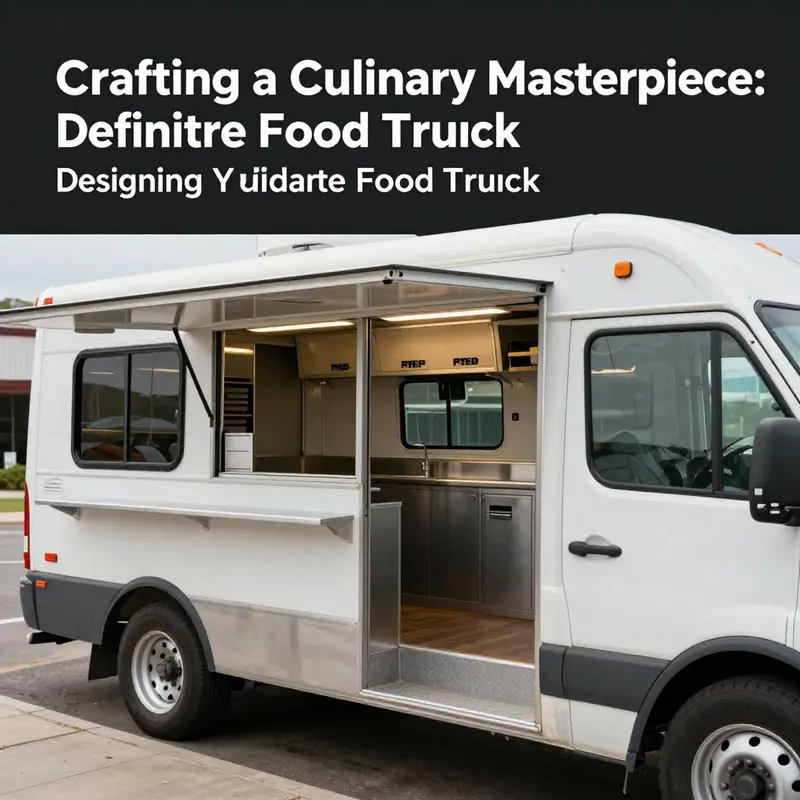
Designing a food truck isn’t about slapping a stove into a box and calling it a kitchen on wheels. It’s an act of choreography, where every inch of space, every ounce of motion, and every decision about materials and height converges to create a smooth, reliable, and efficient operation. The layout you choose becomes the spine of your business, shaping not only how fast you can turn ingredients into plates but also how safely and candidly customers experience your brand. In a compact mobile kitchen, efficiency arises from a thoughtful sequence of spaces that mirror the cooking process itself: receive—prep—cook—plating—serve. Start with the entrance and work your way through in a way that minimizes handoffs and crossings. Let the prep area sit close enough to the front for easy access to ingredients, the cooking station become the central hub where heat and flame transform raw items into the menu, and the service window align with the back-of-house flow so that a finished plate never has to travel more than a few steps. This is not about maximizing aesthetic density alone; it’s about ensuring every movement, every reach, and every gesture reduces wasted time and avoids bottlenecks that can derail service during peak moments.
Space in a food truck is a finite resource, and intelligent equipment selection makes a disproportionate difference in how that space behaves. Where possible, opt for compact, multifunctional pieces that can perform more than one task without crowding the line. A single gas-powered range that can grill, boil, and sauté, for instance, can replace multiple separate units and free key counter space for prep and plating. Vertical storage becomes not a luxury but a necessity. Wall-mounted shelves, overhead cabinets, and magnetic strips for utensils keep counters clear and bring frequently used tools to hand height, reducing the time spent hunting through drawers. Under-counter and corner storage can swallow dry goods, packaging, and small appliances without intruding on the main workflow. In practice, this means your hands have a clear, direct path from ingredient to plate, which translates into faster service, fewer mistakes, and less fatigue over long shifts.
The heart of safety and hygiene in layout design is prevention through separation and easy cleaning. Cross-contamination is a real risk in the confines of a mobile kitchen, so the layout should delineate raw from cooked areas with clear, deliberate boundaries. This often means placing the raw preparation zone away from ready-to-serve components and using color-coded prep surfaces and cutting boards to reinforce the division. Ventilation is non-negotiable; a robust exhaust system over the cooking area manages heat, smoke, and grease before they accumulate and create hazards. A clean, dedicated handwashing station with running water and soap is essential, positioned so staff can sanitize hands without stepping away from the main workflow. Non-slip flooring, integrated drainage that won’t leak onto other surfaces, and easily wipeable, nonporous countertops all contribute to a kitchen that remains sanitary even during the rush.
A thoughtful layout also anchors the customer experience. The service window is more than a transactional opening; it is a point of contact that communicates your brand and sets the tone for the interaction. Position it for visibility from the street and at a height that makes it comfortable for both staff and customers to communicate. A well-lit interior helps staff see clearly during busy periods and renders the counter area inviting to passersby. Clear signage and a readable menu board are critical, but so is a design that makes customers feel welcomed and confident in what they’re ordering. The front of the truck should feel approachable, with lighting that draws attention to the menu and the personality of your brand, whether that’s bold and modern or warm and artisanal. The goal is to create an experience where the customer feels that the operation is smooth and welcoming, even before any food lands on the counter.
Efficient storage and inventory management are the quiet drivers of reliability. A well-organized truck operates like a well-run kitchen: you know what you have, where it lives, and how quickly it can be retrieved. Design a system with clearly labeled bins and drawers for different ingredients, packaging, and cleaning supplies. Use pull-out drawers for frequently accessed items, stackable containers for dry goods, and keep commonly used ingredients within easy reach to minimize search time. It helps to assign specific zones to different types of items—produce in one area, dry goods in another, packaging to a separate but adjacent space—so replenishment can happen without disrupting active cooking or service. The choice of materials matters here as well: corrosion-resistant, easy-to-clean surfaces protect longevity and simplify quick wipe-downs between orders.
Beyond raw functionality, the layout must honor ergonomics and staff comfort. The best teams bend physical strain into manageable work through careful height considerations and ample legroom. Workstations should be set at heights that reduce bending and reaching, while free pathways around equipment allow for fluid movement. When possible, provide a small, comfortable space for staff to rest between busy periods. This isn’t indulgence; it’s practical evidence that a rested crew maintains better consistency and reduces the risk of accidents. The design should also consider accessibility, such as ramps or low steps, to accommodate all team members and to ensure that the kitchen remains adaptable to a diverse workforce.
Branding and surfaces are not mere decorations; they are functional materials chosen to withstand the realities of a mobile kitchen. Exterior finishes should resist weather and wear, while interior surfaces—especially countertops and sinks—should be non-porous, easy to sanitize, and visually coherent with the overall brand. Flooring should be non-slip and easy to remove if there is a need for deep cleaning. The aesthetic choices, from color to signage, reinforce a sense of professionalism alongside personality. A coherent design language across the exterior and interior helps customers immediately recognize your concept and feel confident that your operation can deliver consistent quality, even on a bustling street corner.
As you plan, it is valuable to consider the practical implications of vehicle choice on the interior layout. The base vehicle you select will dictate your spatial constraints and influence where you place equipment, prep surfaces, and storage. For many operators, evaluating whether a step van or a cargo van best serves the concept is the first critical decision that shapes the entire design. The difference in dimensions, weight distribution, and access points can drastically alter your workflow and density. A thoughtful comparison goes beyond price or style; it’s about how the chosen chassis supports your intended menu, service model, and growth trajectory. For deeper exploration of the step van versus cargo van decision and how it ties into layout, you can explore relevant perspectives and experiences tied to that question. step vans vs cargo vans for food trucks
Effective design also requires a plan that anticipates growth and the realities of daily operations. Run a mock service in your head and then in a real, timed test. Place a pretend order and track the path from receiving the order to plating and serving. Note any bottlenecks—the moment when a staff member has to step away from the line to fetch something, or when a tool is out of reach. Then redesign with those insights in mind. A test should cover multiple cycles of busy periods, checking for leaks in the gas and electrical systems, ensuring that heat and smoke control remain robust, and confirming that all cleaning routines can be performed quickly and thoroughly. The aim is not a perfect first draft but a resilient layout that can adapt to a growing menu, seasonal specials, or changes in inspections and compliance requirements.
In sum, an efficient food truck layout emerges from the interplay of workflow discipline, space-smart equipment, uncompromising safety, and a customer-centered front of house. It is a design that respects the limitations of a small space while embracing the potential for big impact in service speed, consistency, and brand perception. As you refine your concept, let your layout be the backbone that supports your culinary vision, rather than the constraint that throttles it. When the design aligns with how your team moves, what customers see, and how you manage ingredients and waste, you’ll find that the truck becomes less a vehicle and more a reliable engine of growth—capable of delivering excellent food, dependable service, and a memorable experience in every service window.
For readers seeking broader guidance on industry resources and professional design perspectives, the following external resource offers an array of templates, best practices, and peer insights that can help you navigate design choices with confidence: https://www.foodtruckassociation.org/
Designing a Green, Legally Sound Food Truck: Materials, Energy, and Compliance
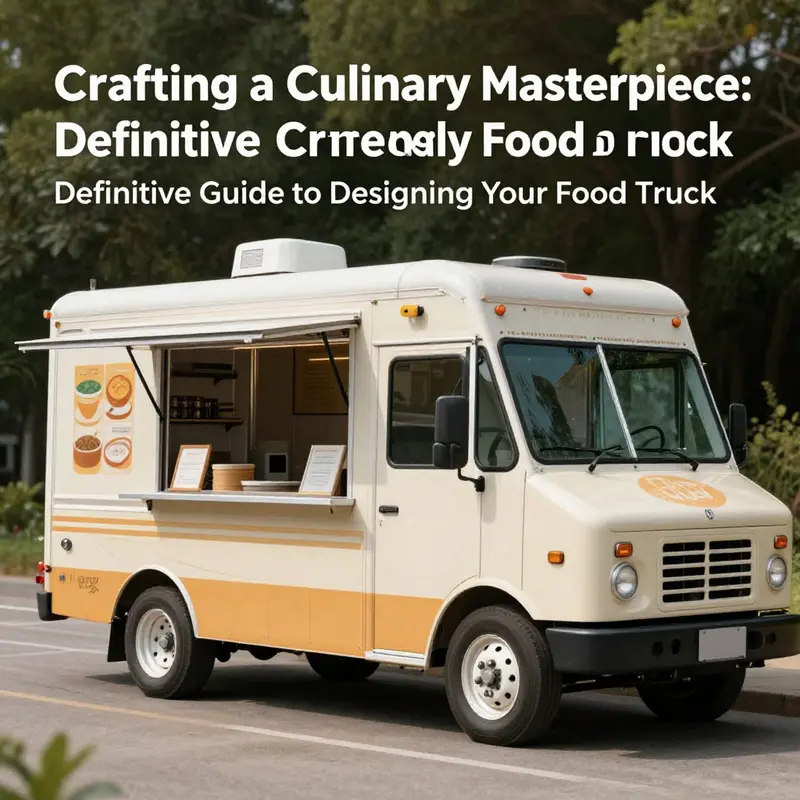
Designing a food truck with sustainability and compliance at the core is a blueprint for resilience and efficiency. A truck built with thoughtful materials and a clear path to legal operation can outperform shortcuts. This chapter outlines material choices, energy strategies, and regulatory practices that support safe, compliant, and marketable street service.\n\nSustainability from the ground up: choose a structurally sound frame using recycled steel or responsibly sourced aluminum. Exterior panels can use recycled content or wood substitutes. Insulation should be non-toxic and recyclable, such as recycled denim or cork. These decisions reduce waste and emissions over the truck’s life.\n\nInterior choices matter for sanitation and sustainability. Food-grade, non-toxic surfaces, FSC-certified wood, and recyclable materials help maintain a clean kitchen while reducing environmental impact. Durable, easy-to-sanitize surfaces like stainless steel are favored for durability and hygiene. Energy systems, including solar panels and batteries, can power lighting, refrigeration, and smaller appliances, reducing generator runtime. Low-flow fixtures, water recycling where feasible, and waste separation support regulatory compliance and environmental goals.\n\nCompliance and branding converge when packaging, labeling, and ingredient sourcing reflect responsible practices. Transparent allergen information, traceability, and local sourcing builds trust with customers and health authorities. Regular documentation and staff training turn sustainability into everyday practice, not a one-off effort. The final goal is a truck that demonstrates responsible hospitality while maintaining efficiency and profitability.\n
Final thoughts
Successfully designing a food truck is not merely about aesthetics; it’s about creating an efficient, functional, and inviting culinary space that resonates with your brand identity. By carefully crafting your concept and menu, selecting appropriate dimensions, optimizing your layout, and ensuring compliance with safety and sustainability, you position yourself to thrive in the competitive food truck market. This guide provides the foundational steps that bridge your passion for automotive design and culinary arts, ultimately bringing your vision to life on the streets.