
Introduction
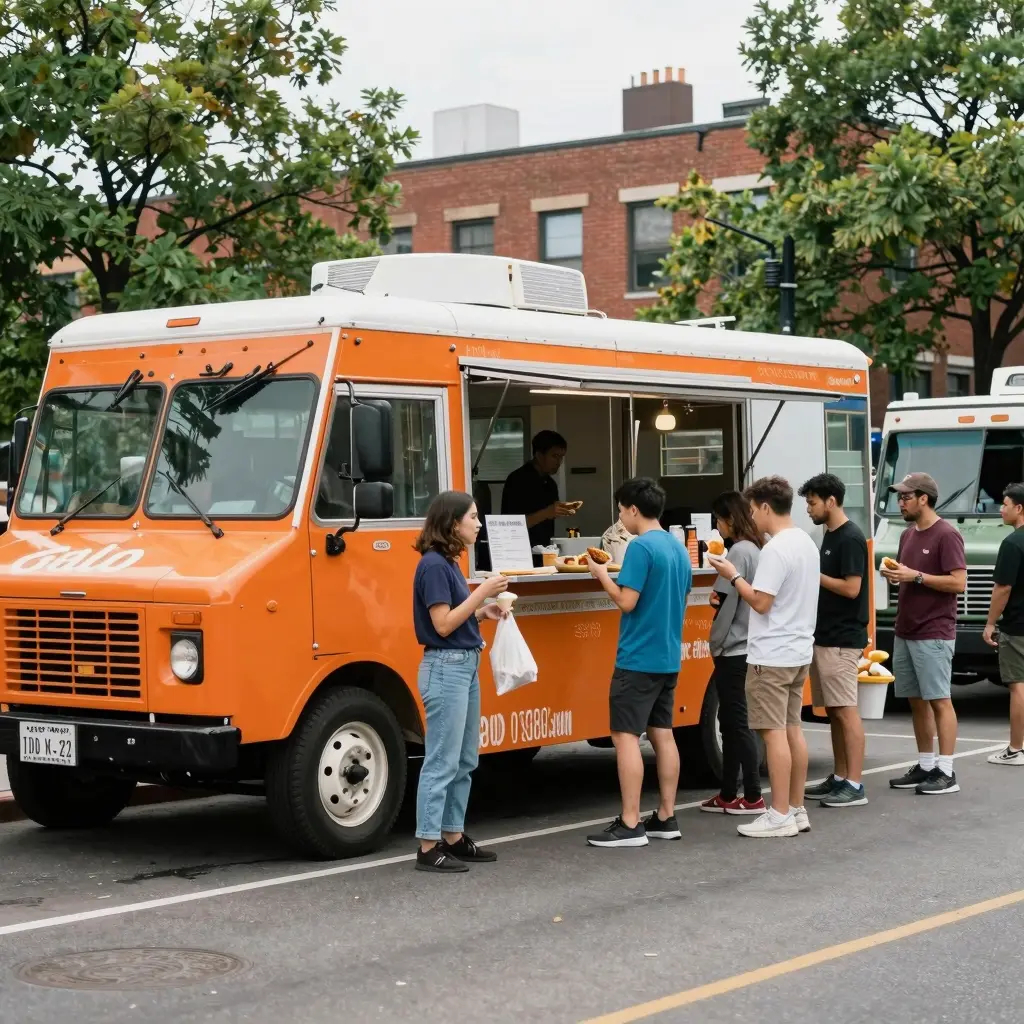
In recent years, food trucks have surged in popularity, transforming the culinary landscape and redefining street food culture across cities. These mobile eateries have not only tantalized taste buds with gourmet offerings but have also fostered a strong connection to local communities. The vibrant gatherings around food trucks often reflect the spirit of the neighborhoods they serve, drawing in foodies, families, and friends who savor not just the flavors but also the camaraderie that comes with dining al fresco.
Yet, as the excitement surrounding food trucks continues to grow, an intriguing question arises: do these culinary entrepreneurs pay to park at the bustling business locations that provide them a heartfelt audience? The intersection of street food and local economics opens a fascinating dialogue about the unseen costs of operating a food truck and its implications for the small business ecosystem. With a blend of innovation and community spirit, food trucks capture the essence of modern dining, but understanding their logistical challenges-such as parking fees-sheds light on the intricate dance between creativity and survival in this thriving industry.
Food Truck Parking Regulations
Navigating the intricate landscape of food truck parking regulations is crucial for operators, as these rules can significantly influence their operational costs and location choices. While laws vary by city and state, there are common themes across different regions that food truck owners must understand.
City-Specific Regulations
In major cities, parking regulations for food trucks are often strict and can include specific hours and designated zones for vending. For instance:
-
Los Angeles, CA: Food trucks are required to park in metered spaces and pay for parking. They cannot stop within 1,000 feet of a school during school hours, which limits many prime vending locations. Operators must navigate a complex permitting system and may need additional licenses to comply with health regulations.
-
New York City, NY: NYC has its own set of challenges, including limited designated food truck parking areas. Trucks must possess a Mobile Food Vendor License and can only operate in specific zones under strict regulations. Some areas even require trucks to use food truck-specific parking spots that often come with hefty parking fees.
-
Chicago, IL: In Chicago, food trucks must park in commercial areas with a valid license and pay applicable fees. There are zoning laws prohibiting vending within certain distances from permanent eateries, further complicating parking accessibility.
State Regulations and Their Impacts
State regulations can also dictate local rules regarding food truck operations. For example, states like California have undergone legislative changes to allow local governments to impose their own restrictions, leading to a patchwork of laws. These variations mean that food truck operators may face different costs based on their location, with some cities implementing exorbitant fees for parking permits and others offering more lenient conditions.
Fee Structures and Considerations
The cost of parking can vary dramatically:
- Some cities charge hourly fees, while others may require a flat monthly rate for food trucks parking in popular areas.
- Operators might have to consider additional costs associated with obtaining special permits or licenses, which can be a financial burden, especially for new entrepreneurs.
Given these varying conditions, food truck owners must conduct thorough research and remain compliant with their specific locale’s regulations to avoid fines and ensure smooth operations. If an area is favorable in terms of parking fees and availability, it may become increasingly competitive for food trucks, leading to a bidding war among vendors.
Conclusion
Understanding local food truck parking regulations is essential not only for compliance but also for strategic business planning. By staying informed and adaptable to these regulations, food truck operators can position themselves most advantageously to succeed in a competitive market. For instance, talking to local food truck associations or checking out resources like legal considerations for Latino food truck startups could provide further insights into navigating this complicated landscape.
Common Fees and Charges Faced by Food Trucks
Managing a food truck business requires navigating a variety of common fees and charges that can significantly impact profitability. Here’s a list of some of the most prevalent fees that food trucks encounter:
- Parking Fees: Fees charged to park in designated areas, which can vary widely by location and time.
- Permits and Licensing Costs: Most regions require food trucks to obtain specific permits and licenses to operate legally, which can include health permits and food service licenses.
- Insurance Premiums: Liability insurance is crucial for food trucks and can be a significant ongoing expense.
- Health Inspections: Food trucks must pass health inspections, which may come with associated fees.
- Waste Disposal Fees: Proper disposal of waste can incur costs, especially for grease and food waste.
- Equipment Maintenance Costs: Regular maintenance and repair of the truck and kitchen equipment can add up.
- Property Rental Fees: In some cases, trucks may need to pay to set up in specific locations or markets.
- Utilities and Operating Costs: This may include costs for water, electricity, and other utilities required while operating.
Being aware of these costs and planning accordingly is essential for food truck operators. For a deeper insight into food truck operations and their challenges, you can learn more about the different types of food trucks and the legal considerations for Latino food truck startups.

Navigating Food Truck Parking Fees and Business Affiliations
Food trucks have become a delightful addition to culinary scenes across the globe, allowing vendors to share their culture and food with diverse audiences. However, one of the significant challenges that food truck operators often face is securing parking spots, especially when associated with local businesses. Here’s a closer look at user experiences regarding parking fees and affiliations with businesses.
Personal Anecdotes from Food Truck Operators
-
Ashley and the Local Brewery Partnership
Ashley, the owner of “Taco Haven”, shared her experience of collaborating with a local brewery. Initially, she was excited about the opportunity to park her truck at the brewery, which often attracts large crowds. However, she found out that the brewery charged a hefty weekly fee for food trucks to park on their premises. Although it was an expensive investment, Ashley reported that the exposure and customer footfall significantly boosted her business, making the fees worthwhile in the long run. She highlighted the importance of negotiating terms and ensuring mutual benefits in such partnerships. -
Mark’s Struggles with Street Parking Fees
Mark, who operates “Rollin’ BBQ”, recounted a different tale. He often parks on the street during local festivals and faces unpredictable parking fees. He painted a vivid picture of arriving at a festival only to discover that the fees had surged last minute, substantially cutting into his profits for the day. Mark expressed frustration, advocating for better communication from city officials to help food truck vendors plan ahead and manage finances effectively. He underscored that clearer guidelines and fair pricing would benefit both operators and city events. -
Sophia and the Community Market Experience
Sophia, who runs “Gourmet Grains”, enjoys participating in community markets. She usually pays a flat fee to secure a spot, which she considers a fair trade for the number of customers the market attracts. Sophia cherishes the sense of community at these events, sharing that strong partnerships with local businesses amplify her brand’s visibility. She noted, “When you team up with local artisans, it’s not just about selling food; it’s about building a community around quality products.”
Conclusion
These experiences illustrate a tapestry of challenges and victories encountered by food truck operators. While parking fees can be burdensome, the right affiliations with local businesses and community markets can foster growth and sustainability. As food trucks become more integrated into local customs, understanding and navigating parking regulations will be essential for those looking to thrive in this vibrant industry.
For more insights on food truck culture and visibility, learn more about Latino food trucks in major cities and how partnerships drive success.
Benefits for Businesses That Host Food Trucks
Many businesses today are transforming their spaces into vibrant culinary hubs by welcoming food trucks into their locations. This partnership is not just a trend; it offers a plethora of advantages that can significantly enhance business viability and customer experience. Here’s a closer look at the benefits businesses can reap by allowing food trucks to park at their locations.
1. Increased Foot Traffic
One of the primary benefits for businesses hosting food trucks is the remarkable increase in foot traffic. A well-placed food truck acts like a magnet, drawing new and familiar customers alike. As people flock to taste the offerings from the food truck, they often enhance their experience by exploring the business’s products or services. This synergy between the food truck and the business can lead to a significant uptick in sales, as the delicious aroma of culinary delights encourages impulse purchases.
2. Diverse Offerings
Food trucks are synonymous with variety. They cater to a range of culinary themes-from gourmet tacos to vegan delicacies, there’s always something that appeals to different segments of customers. This diversity not only enriches the customer experience but can also provide businesses with an opportunity to position themselves as culinary hubs or community gathering spots. By offering diverse food options, businesses can attract a broader audience, including food enthusiasts, families, and office workers looking for quick yet satisfying meals.
3. Boost in Revenue
Allowing a food truck to operate on-site can translate directly into increased revenue. There are multiple avenues through which this can occur:
- Revenue Sharing: Some businesses negotiate a revenue-sharing agreement with food truck operators, receiving a portion of their sales.
- Cross-Promotion: Customers often come for the food but may leave with additional purchases from the host business. This cross-pollination of customers can significantly enhance overall sales.
4. Enhanced Customer Engagement
Partnering with food trucks often results in increased customer engagement. Food trucks can host special events like “Taco Tuesdays” or “Gourmet Burger Fridays,” which create buzz and attract crowds. Such events provide businesses with the chance to promote their brand through social media, effectively enlarging their reach. Engaging customers through unique culinary experiences fosters loyalty, creating a community around the business.
5. Community Connection
Hosting food trucks cultivates community spirit and showcases local culinary talent. Businesses that support local food vendors are often viewed favorably in their communities, gaining goodwill and enhancing their image as community-oriented establishments. This kind of local engagement can strengthen customer loyalty and attract customers who prefer businesses supporting their local economy.
6. Cost-Effective Solution
For many businesses, especially startups or small enterprises, hosting a food truck is a cost-effective alternative to opening a full-service restaurant. Food trucks typically incur lower overhead costs related to staffing, equipment, and utilities. By turning an outdoor area into a dining space rented by food trucks, a business can increase its revenue with minimal investment-allowing for more efficient allocation of resources.
Conclusion
Incorporating food trucks into business locations offers numerous advantages, from increased foot traffic and enhanced community engagement to a boost in overall revenue. By fostering unique culinary experiences and standing as supportive partners in the local food scene, businesses can establish a vibrant social hub that encourages a loyal customer base. The potential of such partnerships is immense, making it an attractive option for businesses looking to expand their reach and enrich customer experience.
For more insights into navigating the world of food trucks, learn more about taco trends or check out profiles of veteran food truck owners to see how seasoned operators find success.
Now, the opportunity is ripe for businesses willing to embrace the culinary adventure a food truck can bring. Whether the goal is to deepen community ties or enhance the consumer experience, food trucks can be the delicious solution that drives success.
Chart Comparing Food Truck Parking Fees
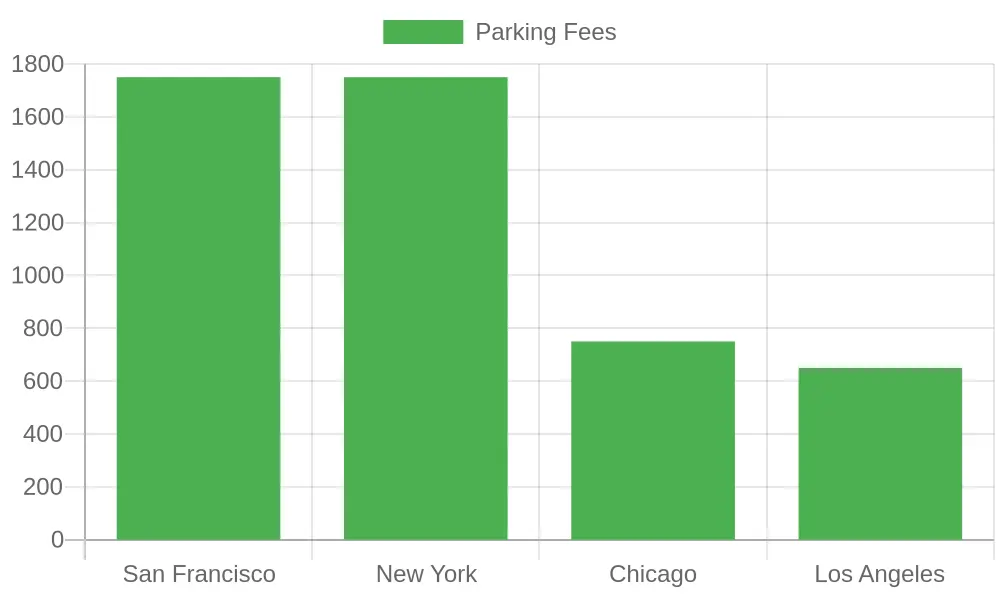
Understanding the differences in parking fees across major cities can help food truck owners make informed decisions about where to operate. Below is a chart that illustrates the variations in parking fees for food trucks in four key cities:
| City | Parking Fee Range |
|---|---|
| San Francisco | $1,500 – $2,000 |
| New York | $1,500 – $2,000 |
| Chicago | $500 – $1,000 |
| Los Angeles | $300 – $1,000 |
Sources:
- San Francisco Parking Fees
- New York Food Truck Fees
- Chicago Food Truck Regulations
- Los Angeles Food Truck Laws
This comparison showcases how cities with high demand and limited space, like San Francisco and New York, charge significantly higher fees than others. This is a crucial consideration for anyone involved in the food truck business, particularly those interested in understanding legal considerations for Latino food truck startups.
Insights from a Food Truck Owner
“Navigating parking fees is one of the tougher aspects of running a food truck. In high-traffic business areas, these fees can really eat into our earnings, making it a balancing act between choosing a prime location and managing costs. Location is absolutely everything – if you’re not where the foot traffic is, customers just won’t find you. But securing spots in popular zones often means facing hefty parking fees or permits, which can be a barrier for many small operators like myself. Despite the challenges, we keep pushing forward because the chance to connect with our community and serve up great food from the right spot makes it all worthwhile.” – Carlos M., Owner of “Taco Rápido”
This perspective highlights why understanding parking fees and location strategies is crucial for food truck success and sustainability.
For those interested in exploring more about food truck operations and success stories, you might find our Latino Food Truck Success Stories quite inspiring.
Thriving Food Trucks: Success Stories Without Parking Fees
In the rapidly expanding world of food trucks, success isn’t just about great food; it’s also about smart strategies, ideal locations, and an innate understanding of customer needs. In this article, we explore successful case studies of food trucks that have flourished in locations without significant parking fees and how they achieved this impressive feat.
Key Factors to Success
-
Creative Business Models: Thriving food trucks often leverage unique business models. Many establish subscriptions or partnerships with local businesses, enabling them to cater events or create pop-up experiences. For example, trucks like Cousins Maine Lobster started with minimal investments and significantly scaled operations through partnerships.
-
Effective Use of Social Media: Successful food trucks capitalize on social media to reach their audience. By announcing their daily location and special menu items on platforms like Twitter and Instagram, they foster a loyal customer base. Kogi BBQ in Los Angeles, known for its Korean BBQ tacos, famously built a cult following by updating followers on their whereabouts via Twitter.
-
Participating in Community Events: Food trucks that engage with their communities by participating in local events, farmers’ markets, and food festivals are likely to gain visibility without the strain of high parking fees. This strategy helps them gain a dedicated customer following and establish a brand presence in the local food scene.
Case Study Highlights
Here’s a closer look at successful food trucks that have thrived in locations with little to no parking fees:
| Food Truck Name | Revenue Growth Percentage | Unique Strategies Used |
|---|---|---|
| Kogi BBQ | 60% | Utilize social media for location updates |
| Cousins Maine Lobster | 50% | Focus on partnerships and catering services |
| The Halal Guys | 70% | Rounded menu and effective guerrilla marketing strategies |
| GreenBite | 74% | Integrated data analytics in operations |
Innovating for Success
The Halal Guys, originating from a single cart in New York City, successfully leveraged their unique Middle Eastern offerings and expanded through incredible word-of-mouth and social media marketing. They also benefited from strategic locations near busy areas, enhancing their visibility without the burden of hefty parking fees.
Rolling Bites, another exemplary case, adopted a subscription-based model that provides meal plans directly to customers. This innovative approach not only blended convenience with culinary satisfaction but also fostered a consistent revenue stream, allowing them to grow without heavy dependence on foot traffic.
Suggestions for Emulating Their Success
If you’re considering starting a food truck, here are some key takeaways:
- Develop a Niche: Find a unique angle in your menu that sets you apart from competitors. This could be an ethnic cuisine or an innovative food fusion.
- Leverage Social Media: Regularly engage with your audience through social media. Highlight your menu, share customer interactions, and keep followers updated on your locations or pop-up events.
- Participate Locally: Get involved with community events and become a staple at food festivals. These opportunities can increase brand awareness without the challenges of traditional cost structure.
Conclusion
The food truck industry is rich with stories of innovative entrepreneurs turning mobile cuisine into thriving businesses. By focusing on unique strategies, community engagement, and the effective use of social media, aspiring food truck owners can set themselves up for success. Learning from established names, such as Cousins Maine Lobster and Kogi BBQ, can provide a blueprint for existence and thrive without succumbing to high parking expenses. With the right approach, your food truck can also become a success story in the bustling world of mobile food trucks.
Conclusion and Call to Action
Understanding the intricacies of food truck parking regulations and fees is crucial for any food truck owner. As the mobile food industry continues to grow, so does the need for operators to navigate the myriad rules that govern where and how these vehicles can park. Comprehending these regulations can ultimately save food truck owners from costly fines, ensure smoother operations, and provide more fulfilling interactions with customers. This knowledge not only fosters compliance but also enhances the business’s potential by strategically choosing the best locations for maximum visibility and customer traffic.
In the fast-paced world of food trucks, where every minute counts, having a robust strategy around parking can mean the difference between a thriving business and one that struggles. Whether you’re a seasoned vendor or just starting in this exciting field, it’s vital to stay informed and proactive about parking regulations.
If you want to elevate your food truck experience and ensure you’re operating at peak capability, consider investing in quality modifications for your vehicle. At Summit Fairings, we specialize in performance-enhancing upgrades tailored for food trucks. Transform your ride into a high-performing unit that meets all your operational needs. Don’t let parking regulations hold you back; explore our offerings today! Your success is just a modification away!