
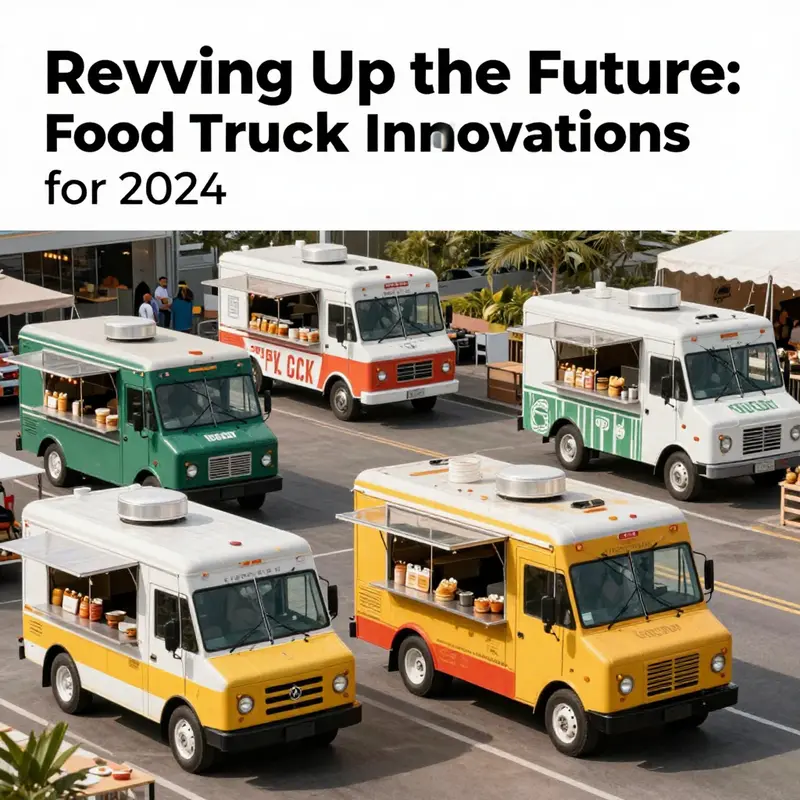
As the food truck industry continues to evolve, 2024 marks a significant turning point for mobile gastronomy enthusiasts, hobbyist car modifiers, and professional car tuners alike. The latest food truck designs harness advanced technologies, sustainable materials, and versatile functionality, making them not just mobile kitchens but also innovative creations for those who appreciate automotive ingenuity and culinary artistry. From corrosion-resistant builds to modular interiors and all-terrain mobility, new trends are reshaping how food trucks operate in competitive and unpredictable environments. This article draws you into the world of food truck innovations, market dynamics, geographical expansions, and the culinary movements fueling their rise, appealing to your passion for cars and food alike.
Sizzle, Systems, and Mobility: The 2024 Reboot of the Food Truck Experience
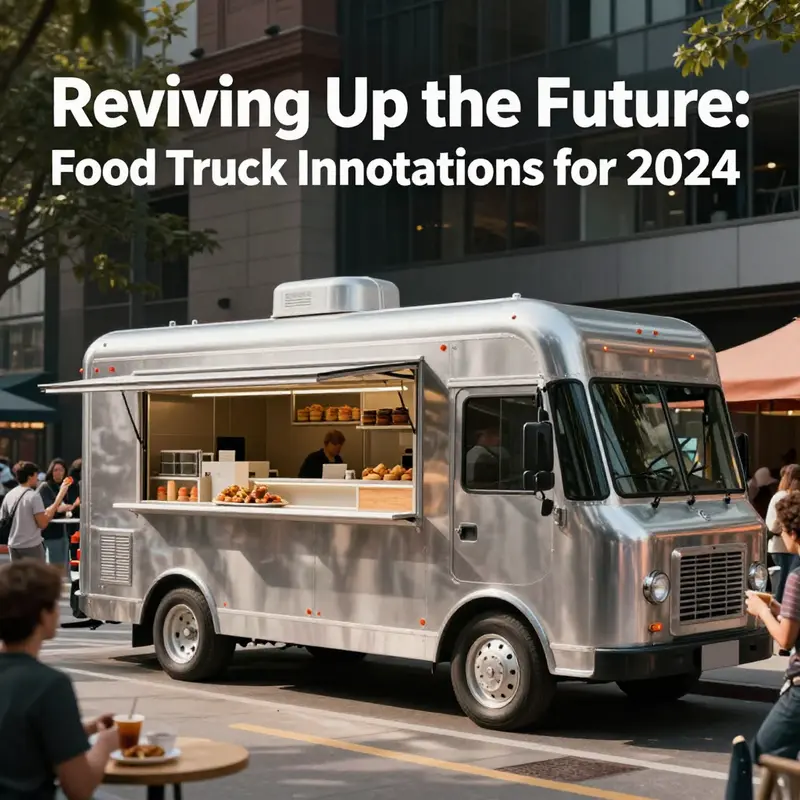
The year 2024 marks a turning point for the food truck movement, where the familiar scent of sizzling street food blends with a rigorously engineered approach to design, sustainability, and customer experience. This is not just about bringing a hot plate onto wheels; it is about creating a mobile restaurant that can perform at festival-level volumes while operating in parks, markets, or remote locations with the same reliability as a bricks-and-m mortar kitchen. The best of these 2024 models fuse robust construction with adaptable interiors, turning every unit into a compact, enduring theater for cuisine. In this moment, the food truck becomes a platform where aesthetics and engineering coauthor a new chapter of mobility, one that respects harsh weather, variable foot traffic, and the growing demand for speed, safety, and responsibility. The resulting tapestry is diverse—globally inspired designs, modular configurations, and smart systems that anticipate needs before a line forms—but the through line remains clear: efficiency, durability, and versatility must coexist with flavor, hospitality, and storytelling on four wheels.
Design aesthetics in 2024 are less about making a statement and more about amplifying a menu through immersive branding and practical clarity. Across continents, vibrant themes are not merely eye-catching; they are experiential cues that signal what kind of food customers are about to taste. In some places, kaleidoscopic exteriors reflect the color and texture of the dishes within, turning a food truck into a roaming gallery of its cuisine. In others, the palette communicates precision and refinement, aligning with menus that lean into complex techniques and high-precision equipment. Yet even as the visuals push boundaries, the interior logic follows a similar arc: modular layouts that can morph in minutes to accommodate a grill, a cold bar, or a stacked coffee station. This design flexibility matters because it translates directly into how quickly a vendor can pivot to new offerings, seasonal specials, or event-driven menus. A single chassis plus a configurable interior means a truck can react to a market as swiftly as a chef can change a recipe, which is a powerful capability in a world where consumer tastes evolve faster than ever.
Sustainability threads through every choice in 2024. Builders are increasingly turning to eco-friendly materials that reduce environmental impact without compromising durability. Lightweight yet sturdy frames, recycled or responsibly sourced interior surfaces, and UV-resistant coatings on roofs help extend the life of the vehicle while defending it against sun damage and weathering. Energy efficiency has moved from a nice-to-have to a baseline expectation. Appliances designed for lower energy consumption maintain high throughput during peak service, ensuring that a truck can run all day with a smaller ecological footprint. This is not just about compliance or branding; it is about operational viability. A truck that sips power rather than guzzling it can stay on the road longer, serve more customers, and weather the unpredictable rhythms of outdoor events without costly downtimes. In practical terms, that translates into better battery management for any electric or hybrid components, more efficient refrigeration, and intelligent climate control that keeps operators comfortable in extreme heat or cold while still protecting ingredients.
Technology underwrites much of the 2024 upgrade path, transforming the traditional sidewalk counter into a connected workflow. Smart inventory management, integrated order processing, and seamless mobile payment solutions have moved from novelty to standard operating practice. These systems dramatically reduce the friction between the moment a customer places an order and the moment they receive their meal. Automated counter extensions and electric service windows speed up service during high-volume events, removing bottlenecks from the front of the truck while preserving the human touch that customers value. The most successful trucks blend hand-crafted hospitality with digital precision, allowing staff to focus on engagement and cooking quality rather than chasing paperwork or chasing time. In this context, the tech layer is not a substitute for human warmth; it is a force multiplier that frees cooks to perfect techniques, monitor quality, and adapt on the fly to fluctuations in crowd size, weather, and inventory.
All-terrain mobility is another defining feature of the 2024 class. Modern chassis and trailer designs—lightweight yet rugged—enable passage across uneven pavements, grass, and gravel without sacrificing stability in high-speed urban environments. The wheels and suspensions are engineered to absorb shocks and resist corrosion, while the overall geometry ensures that weight distribution remains favorable even when the kitchen is loaded with heavy equipment or refrigerated storage. This mobility unlocks opportunities that were once limited to brick-and-mortar venues or high-end events. Vendors can move between festival grounds, farmers’ markets, and remote coastal villages with the same fleet, expanding their reach and reducing travel time between gigs. The practical outcomes are significant: more consistent service windows, fewer cancellations due to transport constraints, and a greater ability to respond to demand spikes in real time.
Culinary innovation, however, remains the heartbeat of the 2024 evolution. The blend of fusion dishes and high-performance cooking gear is widening what is possible in a mobile kitchen. Chefs are reimagining combinations that fuse international techniques with local ingredients, creating experiences that surprise and delight in portable formats. The high-performance gear that supports this shift allows for rapid searing, precise temperature control, and multi-tasking in compact spaces. Not every operator seeks radical novelty; many simply want to preserve the integrity of time-tested methods while delivering them with new textures, aromas, or presentation. The result is a spectrum of offerings—from bold, globally inspired flavors to refined, technique-driven plates—that demonstrates how mobility can amplify rather than dilute culinary artistry. In this sense, the mobile kitchen becomes a laboratory where cooks experiment with textures, emulsions, and reductions at street scale, while maintaining the reliability customers expect from a seasoned vendor.
This convergence of aesthetics, sustainability, technology, mobility, and culinary experimentation is not happening in isolation. It reflects broader cultural currents that reward experiential dining and environmental mindfulness. The visual language of 2024 food trucks often mirrors the stories behind the food: India’s vibrant, thematically bold trucks celebrate regional flavors through color and form, inviting curiosity before a single bite is tasted. Thailand’s mobile kitchens, by contrast, emphasize a calm, controlled sophistication, marrying traditional techniques with a cosmopolitan ingredient list in a compact workspace. These regional expressions remind operators that a truck is not simply a kitchen on wheels; it is a portable stage where culture and craft meet logistics. The interior layouts, the choice of materials, and the cadence of service all riff off the same idea: the customer experience is a performance, and every detail—from how the counter extends to how a refrigeration unit breathes—pulls the audience toward the dish.
To understand why these elements matter so deeply, one can also observe how the market rewards reliability and flexibility in equal measure. A modular interior is not a luxury but a necessity when a vendor needs to switch menus for a festival, a farm-to-table pop-up, or a coffee-focused morning crawl. The ability to reconfigure a space quickly means a single vehicle can husband multiple concepts, reducing capital expenditure while expanding the range of service. Corrosion-resistant construction is similarly practical, extending the life of the vehicle in environments where salt air, rain, or heat can erode less resilient materials. For operators who navigate weather, terrain, and crowded streets, such durability translates into fewer service interruptions and lower maintenance costs over the vehicle’s lifetime. The vision for 2024 is a fleet of trucks that can stand up to the rigors of the outdoors while still offering the precision and polish customers expect from modern hospitality.
Within this landscape, sourcing plays a critical role. Vendors are increasingly looking for certified, dependable configurations that meet international standards. Platforms that offer a range of 2024-model options with clear certifications provide a sense of security for operators expanding into new markets or exporting their brand across borders. The idea is not merely to buy equipment but to invest in a system that aligns with regulatory expectations in diverse locales, from energy efficiency standards to structural integrity requirements. The result is a more robust, adaptable supply chain for mobile kitchens, reducing risk and shortening the path from concept to launch. In practical terms, this implies a longer lifecycle for each vehicle and a more predictable path to scale a mobile business, especially for operators who aim to participate in multiple markets within a season.
As operators look for inspiration and practical insights, digital and social platforms become important hubs for learning and experimentation. Pinterest boards dedicated to food truck design—often curated from around the world—offer a visual primer on how 2024 concepts are translated into actual units. These boards showcase everything from themed coffee vans to fully immersive culinary stages that transform a truck into a traveling restaurant. For those seeking deeper, more technical context, industry analyses and case studies illuminate how high-performance environments manage the pressures of outdoor service, including how engineers balance speed, safety, and portability in compact footprints. The visual and technical inspire a broader audience to imagine what is possible when mobility and cuisine converge in the same space.
All of these strands come together in sound practical advice for operators who want to future-proof their business. A few core takeaways emerge from the year’s innovations: start with a durable, corrosion-resistant frame and a roof that can withstand UV exposure and weathering; design interiors to be modular so menus can pivot without costly rebuilds; invest in motorized features that shorten setup and service times; prioritize all-terrain capability so the brand can appear wherever crowds gather; and align culinary ambitions with high-performance equipment to keep pace with demand and quality expectations. These steps are not independent choices but a coherent strategy that translates a simple mobile kitchen into a resilient, scalable business model. The modern food truck, in 2024, is less about being a novelty and more about being a flexible platform for culinary storytelling, customer connection, and reliable daily operation.
For readers who want a tangible thread linking these ideas to real-world operators, consider how veteran owners approach the balance between form and function. A single vehicle may carry multiple identities—perhaps a grill-focused counter for a given season and a cold bar for another—yet always with an emphasis on clean lines, easy cleanability, and rapid service. The best operators think of their trucks as evolving worksites, where the equipment is both tool and stage, designed to be prepared and repurposed with minimal downtime. This mindset helps explain why modular interiors and smart systems have become so central to 2024 designs. They are not overkill; they are the means by which a fleet can adapt to weather, crowd dynamics, and shifting consumer preferences without sacrificing consistency or quality. The street becomes the showroom, and the kitchen becomes a dynamic workshop where technique, presentation, and logistics are choreographed with precision.
In this evolving landscape, the role of a single vehicle grows more complex and more exciting. A truck is no longer a mere vessel for cooking; it is a mobile operations hub, a brand ambassador, a point of service, and a cultural connector. The stories it carries—from street-food origins to globe-trotting menus—are part of a larger narrative about belonging, curiosity, and shared meals. Operators who embrace this broader mission tend to attract loyal customers who appreciate both the taste and the theater of the experience. And as the 2024 designs continue to mature, the takeaway is clear: success will hinge not only on what ends up on a plate but also on how efficiently and sustainably that plate is produced, presented, and shared with a community that loves to gather around a sizzling, mobile stage.
For those who want to explore further, a deeper dive into the practical and experiential aspects of these innovations can be found in industry perspectives and case studies. A useful reference point is the exploration of chassis choices and vehicle configurations in the broader marketplace. See step-vans-vs-cargo-vans-food-trucks for insights into how different chassis options influence service flow, stability, and adaptability in tight urban environments. The discussion reveals how decisions about propulsion, storage, and ergonomic layout ripple through every service cycle, affecting speed, safety, and maintenance costs over time. This kind of analysis helps translate the high-level design trends into concrete planning steps for aspiring operators and seasoned owners alike.
External resource: https://www.pinterest.com/pin/food-truck-2024-ideas-123456789/
null
null
How Food Truck Cultures Spread Across Regions in 2024: Cities, Festivals, and New Routes
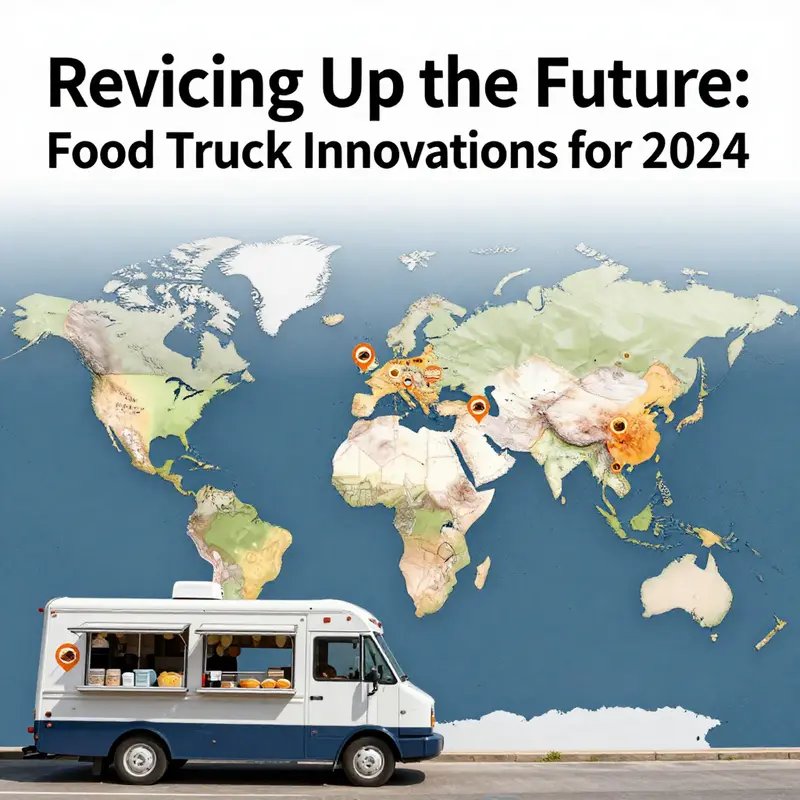
The geographic spread of food truck culture in 2024 is not a simple story of more trucks on more streets. It is a layered transformation in which design advances, shifting consumer habits, regulatory adaptation, and creative entrepreneurship converge. In established markets, mobile vendors deepen their hold by moving beyond lunch crowds and weekend markets. In emerging regions, food trucks become an accessible path to entrepreneurship and culinary experimentation. Across continents, the movement is driven by practicality as much as passion: lower overhead, modular kitchens, and mobile-first design enable cooks to test menus, adjust operations, and chase demand with speed. That operational agility has allowed food trucks to expand not just in number, but in role, becoming semi-permanent fixtures at urban pods, anchors at cultural festivals, and essential vendors at outdoor workplaces and remote events.
North America remains a primary engine for this shift. Dense urban neighborhoods continue to support high foot traffic, and a mature ecosystem of events and permitting makes mobile dining viable. Yet the emphasis in 2024 is on integration rather than novelty. Food trucks now act as satellite kitchens for brick-and-mortar brands, pop-up partners for breweries and parks, and predictable vendors at corporate campuses and university districts. Infrastructure investments—improved power hookups at event sites, purpose-built parking zones, and standardized permitting portals—help operators schedule reliably across many neighborhoods. Trucks that previously chased single-day gigs now secure recurring slots. That consistency changes menu planning, allows deeper relationships with suppliers, and increases the quality of offerings. It also increases consumer expectations for professionalism, hygiene, and efficient service, prompting vendors to adopt corrosion-resistant construction, motorized setup systems, and modular interiors that can be reconfigured for different menus.
Europe’s expansion of mobile dining feels both familiar and distinct. Cities from Berlin to Barcelona have always loved street food, but 2024 sees food trucks occupying a new middle ground between temporary stalls and permanent eateries. Local festivals, urban markets, and city-funded culinary events have made mobile vendors reliable components of civic life. In many places, authorities support semi-permanent pods: clusters of mobile kitchens that share utilities and sit on public land under short-term leases. These pods reduce individual setup costs and create destination clusters that draw evening and weekend crowds. The cuisine mix is wider than ever, and vendors often localize offerings to match regional tastes. A truck in Milan may sell slow-roasted proteins alongside refined, locally sourced sides, while one in a northern German market might blend hearty comfort food with modern plating. These hybrid approaches expand where trucks can succeed, making them attractive partners for event organizers and city planners looking to revitalize public spaces.
Beyond Western Europe, the model adapts to different urban forms. In dense historic centers with limited vehicle access, compact trailer designs and cargo-van conversions allow vendors to operate without disrupting pedestrian flows. In sprawling suburbs, food trucks service office parks and residential events, reducing the need for new brick-and-mortar developments. Across these settings, vendor networks and cooperative associations play a growing role. They share best practices, coordinate bookings, and engage in collective bargaining for festival slots. This collective organization helps small operators compete with larger chains and maintain cultural authenticity. It also fosters cross-pollination between culinary traditions, accelerating the emergence of niche offerings such as specialized dessert trucks and gourmet mobile kitchens.
Cuisine diversification is a central reason food truck culture spreads geographically. Mobile kitchens are ideal platforms for niche or fusion concepts that may struggle under traditional restaurant economics. A single-unit operator can test a regional specialty in a new city, tweak recipes to local feedback, and scale only if demand proves consistent. This experimentation has led to a proliferation of specialized trucks serving beverages, desserts, and single-protein menus, as well as higher-end gourmet offerings. In many cities, ethnic and regional cuisines have been pivotal to expansion. For instance, Latino food-truck scenes have matured into influential networks, shaping street-food circuits and defining neighborhood tastes. For readers interested in how these networks concentrate in urban centers, see the profile on Latino food trucks in major cities. These community-driven movements anchor food-truck culture where cuisine connects to identity and place.
Emerging markets tell a different but equally important story. In parts of Asia, Africa, and Latin America, mobile vending has traditionally been informal and localized. The 2024 wave introduces more formalized models with standardized equipment, certification, and partnerships with event promoters. Lightweight trailers with all-terrain capabilities and corrosion-resistant finishes make it possible to transport kitchens to rural fairs and remote festivals. Motorized deployment systems are increasingly valuable where staff are scarce or where event turnaround is tight. These technical improvements lower the labor barrier and help vendors serve more events in more places. In turn, local entrepreneurs can pursue scalable business models, lending food trucks a central role in tourism strategies and regional economic initiatives.
Regulatory environments shape how and where food trucks expand. Cities that streamline licensing and create dedicated vending zones make it easier for trucks to plan long-term. Conversely, municipalities that enforce strict zoning or complex health codes can limit geographic reach. The trend in 2024 favors clarity: more municipalities publish straightforward guidance, create permit calendars, and adopt shared-use utility hookups in popular vending areas. This predictability benefits vendors and regulators alike. It allows health departments to conduct scheduled inspections and enables cities to curate vendor mixes at large events. Certification standards and recognized manufacturing compliance also play a role. When operators can source certified mobile kitchens, they navigate inspections faster and operate across borders with fewer compliance headaches.
Technology and partnerships further accelerate geographic reach. Route-planning apps, digital payment systems, and centralized booking platforms help operators optimize multi-site schedules. These tools reduce dead miles and improve margin by matching trucks to events with compatible audiences. Partnerships with local suppliers—farmers, bakeries, and beverage makers—help vendors adapt menus to seasonal and regional tastes. Festival organizers and corporate clients increasingly integrate trucks into branded activations, offering predictable revenue streams. The result is a networked mobility that supports growth beyond isolated urban cores. Mobile vendors are no longer limited to singular neighborhoods; they move as part of coordinated circuits that include parks, campuses, and commercial districts.
The geographic spread of food truck culture in 2024 reflects a maturing industry that moves from novelty into infrastructure. It balances local flavor with operational rigor. The new generation of trucks combines robust materials, flexible interiors, and motorized systems with business practices that prioritize recurring revenue and regulatory compliance. Across continents, the model adapts to urban design, cultural festivals, and market demand. That adaptability is what allows food trucks to become fixtures in cities, to expand into new regions, and to support culinary entrepreneurs who want mobility without sacrificing food quality. For a detailed view of regional market dynamics and forecasts, consult the latest industry analysis at Research and Markets: https://www.researchandmarkets.com/reports/5879124/food-trucks-market-size-share-industry-report-2026-2034
Social Currents, Culinary Craft: How Movements Shape Food Trucks in 2024
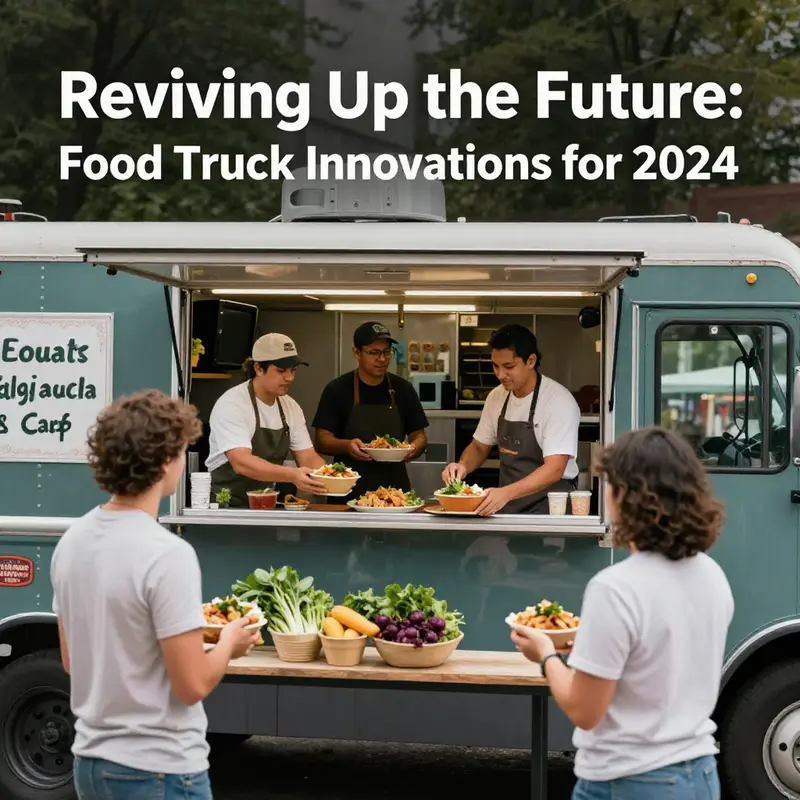
In 2024, the food truck landscape has evolved from a compact convenience into a moving stage for culture, conversation, and culinary experiment. These mobile kitchens retreat from fixed storefronts not to escape the city, but to engage it more directly. The trend is less about a single dish and more about a multisensory experience that travels—from sunrise farmers markets to late-night street corners and outdoor concerts. The street becomes a forum where taste, technique, and storytelling intersect. The best trucks are less about how much heat they can generate and more about how they can host a moment: a conversation started by aroma, a promise of something novel, a shared table set on wheels. This shift mirrors a broader appetite for experiences that feel personal, local, and meaningful, turning the act of eating on the move into a civic ritual as much as a meal. It is not simply food; it is a ritual of place-making that travels with the crowd.
The appeal of experiential dining is especially pronounced among younger diners, notably those in the 18–35 cohort. They seek authenticity, sustainability, and innovation in equal measure. They want to see a kitchen that reflects real values—where the sourcing, the preparation, and the presentation are transparent and meaningful. The mobile format helps meet that demand by allowing cooks to narrate a concept in real time: a dish becomes a story, a neighborhood becomes a tasting menu, and a single cart can rotate through inspirations as easily as it moves between blocks. This audience values not just flavor, but the honesty of the process—the sense that the meal is part performance, part conversation, and part collaboration with the community that surrounds it. The trucks that win affection and repeat visits are those that balance a clear point of view with an openness to new ideas, making the experience feel fresh without losing its core identity.
In this climate, culinary boundaries blur with cultural ones. Global trends fuse with local pantry staples to create menus that feel both intimate and expansive. Fusion concepts thrive because they offer a quick, portable way to explore unfamiliar flavor profiles without demanding a full restaurant commitment. Plant-based options grow not merely as alternatives but as expressive choices that emphasize texture, aroma, and clever technique. Chefs who operate from mobile spaces lean into what a vehicle can do well: rapid changes in layout, flexible sourcing, and the ability to recalibrate a menu as simply as pulling into a different block. The result is a mobile kitchen that behaves like a rotating gallery—each stop a curated exhibit of taste and technique that invites the audience to linger, ask questions, and imagine new combinations for the next leg of the journey.
Sustainability becomes less an afterthought and more a defining principle. The emphasis on ethical consumption resonates deeply with urban communities that track their environmental footprint. Operators experiment with compostable and reusable packaging, emphasize local farming partnerships, and design waste-minimization strategies into everyday operations. The practical logic is clear: if a truck aims to be a staple at outdoor events and long-running markets, it must minimize waste, reduce energy use, and demonstrate respect for the spaces it inhabits. This approach to sustainability is not simply about compliance or cost savings; it is a statement about who the vendor is and what the brand stands for. Consumers respond to this alignment with their own values, reinforcing a feedback loop that rewards responsible practices with loyalty and advocacy. In turn, more operators adopt similar routines, accelerating a broader cultural shift within the mobile food economy.
Local sourcing emerges as a powerful antidote to the perceived coldness of mass production. The movement toward farm-to-truck or farm-to-stand nourishes a sense of place and supports regional economies. When a kitchen can point to a rancher, a grower, or a forager behind a dish, the menu gains texture and authenticity. The logistics can be intricate, and operators cultivate relationships that stretch across seasons, weather, and harvests. Yet the payoff is visible in the flavor and the story each plate carries. Diners appreciate knowing where ingredients originate and how they were handled, and they respond with gratitude, sharing those stories on social platforms and in person. The mobile format, with its fluid geography, makes this local-first ethos practical and scalable. Menus can shift to highlight what is freshest, what is in season, and what the community has elected as worthy of celebration, all while keeping the attention on craft rather than on the scale of the operation.
The democratization of food entrepreneurship plays a crucial role in shaping the 2024 scene. Low overhead and mobility lower barriers for chefs who want to experiment with niche concepts. A chef can test a culinary idea, build a following, and evolve the concept with only minimal risk compared to a fixed-location venture. This has opened doors for chefs who bring underrepresented voices and regional specialties into the limelight. It also invites collaboration across backgrounds and traditions, broadening the palette available to urban diners. The result is a more mosaic-like food culture on the street, where a single block can host several distinct narratives side by side. These voices contribute not only new flavors but new forms of storytelling—redefining what a successful food business can look like in a city that prizes quick access, quality, and cultural exchange. The street becomes a forum for experimentation where the cost of failure is relatively low, and the potential for community impact is high.
Design and technology reinforce these social and culinary shifts. The modern food truck of 2024 is engineered for resilience, modularity, and efficiency, but it is also designed to amplify the social experience. Interior layouts are increasingly modular, allowing operators to reconfigure space to accommodate different equipment—ice cream dispensers, grills, coffee stations, or cold brew rigs—depending on the menu at hand. This flexibility mirrors the way a chef’s concept evolves in response to audience feedback. Beyond the interior, motorized systems accelerate setup and breakdown, reducing manual labor and freeing time for interaction with customers. Automated counter extensions and electric service windows streamline workflow during peak periods, transforming what used to be a painstaking, hands-on routine into a smooth sequence that keeps the focus on the food and the atmosphere. The design also contends with terrain and weather; all-terrain wheels and light trailer frames enable operation on uneven ground, festival lawns, or remote markets without compromising performance. In a cityscape that prizes punctuality and reliability, these enhancements translate into more consistent service and a stronger sense of professionalism that diners can trust.
The social dimension of food trucks in 2024 extends into the aesthetics and branding that accompany the food. The visual language of a truck matters as much as the menu. The appeal comes not only from the taste but from the story the truck tells through its color, signage, and the spectacle of its open kitchen. The atmosphere becomes a selling point in itself. A well-designed truck offers a sense of theater—an inviting stage where the cook’s craft is on display and the guest becomes a participant in the process. The open kitchen, the choreography of staff, the rhythm of the service window, and even the order of the music played in the background—all contribute to an experience that diners want to photograph, share, and revisit. This is where social media becomes a co-creator of value, amplifying flavors through curated moments and turning a simple street meal into a memorable event.
Within this vibrant ecosystem, diversity in cultural influences broadens the spectrum of offerings. The street becomes a mosaic where regional and immigrant cuisines find mobility and visibility. This is not a mere trend but a durable shift in how culinary culture is produced and disseminated. The presence of diverse voices on the curbside reflects a larger social commitment to equity, representation, and access. It also invites collaborations that push the boundaries of what a mobile kitchen can accomplish. A truck can become a shared space for cross-cultural exchange, offering a platform for chefs to reinterpret familiar dishes through new lenses, or to present entirely new concepts rooted in tradition and innovation. The result is a food culture on the move that is richer, more layered, and more inclusive than ever before. For readers who want to explore this dynamic in more depth, the growing presence of Latino food trucks in major cities illustrates how cultural entrepreneurship translates into urban vibrancy and resilience on the street. Latino food trucks in major cities.
No exploration of 2024’s mobile culinary culture would be complete without turning to the broader social discourse that frames these trends. The trend toward sustainability, inclusive representation, and experiential dining sits at the intersection of urban planning, climate action, and consumer empowerment. In cities where street food has long been part of the cultural fabric, trucks are increasingly treated as legitimate venues for small-business growth and cultural exchange. The story is not simply about food; it is about how cities can welcome entrepreneurship while maintaining neighborhoods that feel safe, vibrant, and humane. The conversations around food trucks now extend to zoning, permit processes, and the role of temporary events in shaping urban life. As these conversations deepen, the street becomes a site of experimentation and governance, where community needs and vendor capabilities are negotiated in real time. The mobile kitchen thus operates as both engine and emblem of a city negotiating its future—a future in which food, design, and social values travel together.
For readers seeking a collecting point for this evolving narrative, there is a growing body of analysis and reportage that treats mobile gastronomy as a reflection of shifting cultural identities and economic opportunity. The Guardian’s comprehensive report on the rise of mobile gastronomy offers a closer look at these dynamics, illuminating how chefs leverage mobility to redefine what a meal can be in public space. It provides context for the trends described here and a broader lens through which to view the street as a platform for culinary diplomacy and community resilience. See The Guardian’s report for a deeper dive into how mobile food venues are shaping urban culture and commerce in 2024. https://www.theguardian.com/food/2024/jan/15/food-trucks-rise-mobile-gastronomy
Final thoughts
The 2024 food truck scene is a captivating blend of cutting-edge design and cultural significance, resonating with both food enthusiasts and automotive fans. From economy-boosting market trends to increasingly diverse culinary movements, these mobile kitchens are not only satisfying cravings but also contributing to the economic landscape and social dialogues of our communities. As we look ahead, the trajectory of food trucks serves as a testament to the evolving intersection of culinary artistry and automotive innovation, pushing boundaries and inspiring new generations of food lovers and car enthusiasts alike.