
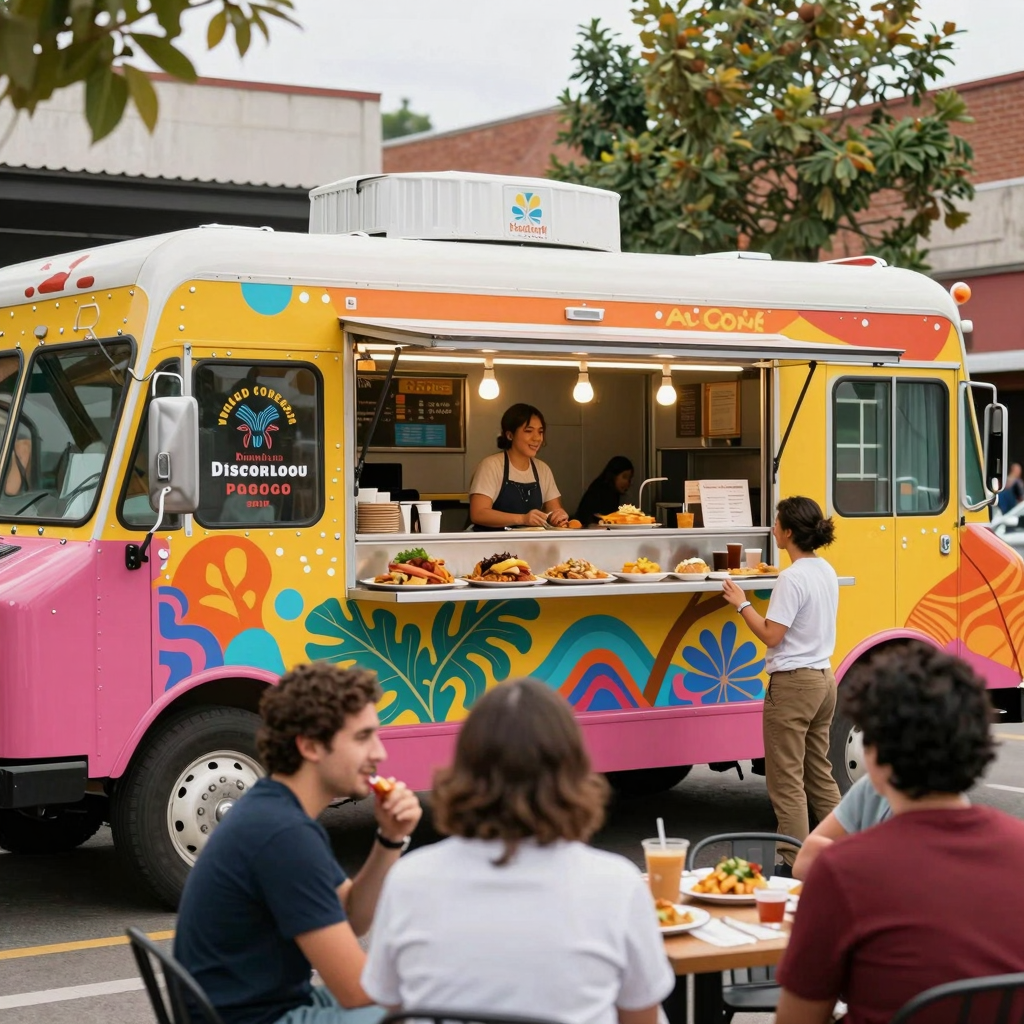
The Exciting World of Food Trucks
In recent years, the food truck industry has transformed into a vibrant marketplace bursting with creativity and entrepreneurial spirit. This culinary trend has ignited a passion among aspiring food vendors, hobbyist car modifiers, and professional car tuners alike, fueling excitement in every corner of urban landscapes. Food trucks are no longer just about convenience-they are canvases for culinary art and vehicle modification masterpieces that reflect the personal stories and creativity of their owners.
Imagine a world where classic vehicles are converted into mobile kitchens, proudly displaying unique modifications that turn heads and tantalize taste buds. From brightly painted exteriors to custom kitchen setups, each truck tells a narrative that captivates both food lovers and car enthusiasts. Moreover, the entrepreneurial spirit reigns supreme, with many food truck owners bravely stepping into the business world, challenging themselves to innovate and delight customers with gourmet offerings. As you dive into the world of food trucks, you’ll discover a unique fusion of culinary excellence and automotive artistry, one that promises to inspire and evoke your own creative passions.
For a glimpse into how this trend originated and its impact on communities, learn more about the success stories of food truck entrepreneurs who have turned their dreams into reality.
What is a Food Truck Business?
Explore the exciting world of food trucks, combining culinary creativity with mobile entrepreneurship, ideal for car enthusiasts!
What is a Food Truck Business?
A food truck business is a mobile dining establishment that cooks and sells food from a customized vehicle. These trucks allow entrepreneurs to offer a variety of culinary delights while minimizing the overhead costs associated with traditional brick-and-mortar restaurants.
A Brief History
The concept of food trucks traces its roots back to the mid-19th century with the advent of “lunch wagons.” These early food vendors catered primarily to railroad workers in the United States, serving quick, affordable meals. As the years progressed, the food truck evolved, gaining prominence through the rise of street vendors in urban areas.
The contemporary food truck movement emerged in the 2000s, driven by economic challenges and a desire for culinary innovation. The 2008 financial crisis prompted many chefs and restaurateurs to seek lower-cost alternatives to traditional restaurants. Los Angeles and Austin became epicenters of this trend, where innovative chefs began creating immersive dining experiences on wheels, offering everything from gourmet tacos to fusion dishes. These adaptations have played a significant role in shaping today’s vibrant food culture, which emphasizes convenience and quality.
Food trucks quickly transformed into a global phenomenon, championing cultural diversity and creativity. They are now pivotal in urban landscapes, activating public spaces and engaging communities with diverse food options. As highlighted in sources like National Geographic, these mobile kitchens represent not only food but also the heartbeat of local culture and social interaction.
Creative and Design Aspects
The creative design and aesthetic of food trucks are essential components of their success. Food trucks can showcase an entrepreneur’s vision through eye-catching graphics, color schemes, and layouts that resonate with consumers. Everything-from the truck’s structure to its branding-is often customized to reflect the type of cuisine served, engaging potential customers even before they taste the food.
For instance, the renowned Kogi BBQ truck in Los Angeles marries Korean and Mexican cuisines, not just through its menu but also in its vibrant visual presentation, making it a national trendsetter in the food truck world. Similarly, Saffron & Smoke from Johannesburg has grown from a simple mobile vendor to various units because of its innovative dishes and appealing truck design, contributing to local employment and tourism as discussed in studies from the Urban Land Institute.
Conclusion
As food trucks continue to flourish, they represent a dynamic intersection of culinary adventure and entrepreneurship. For car modifiers and enthusiasts, the customization of these mobile eateries offers an exciting canvas to express creativity and make a significant impact on the food industry. Embracing the artistic potential within food truck designs not only inspires individual passion but also enhances the culinary experience for all.
Popular Food Truck Concepts
Food trucks have become a staple of culinary innovation and creativity in today’s food scene. Below are some of the most popular food truck concepts that capitalize on diverse tastes and efficient business models:
- Tacos and Burritos: Mexican cuisine is hugely popular in food trucks, often featuring fresh ingredients and customized options for customers. Explore top Latino food trucks.
- Gourmet Burgers: Elevated versions of the classic burger with unique toppings, artisan buns, and high-quality meats attract a wide range of customers.
- Vegan and Vegetarian Options: The demand for plant-based meals has soared, with food trucks offering innovative dishes that cater to health-conscious consumers.
- Fried Foods and Comfort Classics: Popular items include fried chicken, macaroni and cheese bites, and loaded fries, appealing to those seeking hearty indulgence.
- Fusion Cuisine: Combining different culinary traditions, such as Korean BBQ tacos or Indian-inspired burritos, attracts adventurous eaters looking for new flavor experiences.
These concepts not only resonate with consumers but also embody unique themes and narratives that engage audiences, ensuring a successful venture in the food truck industry.
Legal Requirements for Starting a Food Truck Business
Starting a food truck business is exciting but involves navigating a myriad of legal requirements. Here’s what aspiring food truck operators need to understand regarding permits, licenses, and health regulations.
Necessary Permits and Licenses
Each state and local municipality has unique requirements for food vehicles, so it’s vital to research the specific regulations in your area. Here’s an overview of some common permits you may need:
| State | Health Permit | Business License | Food Handler’s Permit | Mobile Vendor Permit | Additional Requirements |
|---|---|---|---|---|---|
| California | Required (local county health) | Required (city/county) | Required (CPR & food safety training) | Required (varies by city; e.g., Los Angeles) | Comply with local zoning laws; may need to register with the California Department of Public Health. |
| Texas | Required (local health authority) | Required (city/county) | Required (certification from approved provider like ServSafe) | Required (local city permit; e.g., Austin) | Operating location requirements; compliance with traffic and sanitation regulations. |
| New York | Required (NYC Dept. of Health) | Required (city/county) | Required (food handler certification) | Required (NYC mobile vendor permit) | Operate in designated zones; annual renewal; strict sanitation standards. |
| Florida | Required (county health department) | Required (county/city) | Required (training and certification) | Required (local city/county permit) | Must display permits prominently; compliance with local noise and waste regulations. |
| Illinois | Required (local health department) | Required (city/county) | Required (ServSafe or equivalent) | Required (varies by municipality) | Pass vehicle inspection; adhere to parking and operation rules. |
Health Regulations
Health regulations are critical in ensuring public safety. Operators must ensure that food is prepared and stored according to local health department standards. This may include:
- Regular inspections by local health authorities.
- Compliance with food safety regulations and employee hygiene standards.
- Maintaining clean and sanitary kitchen equipment and food vehicles.
Additional Compliance Actions
Before launching, food truck owners must also:
- Register their business, typically as a sole proprietorship, LLC, or corporation, depending on their structure.
- Obtain insurance to protect against liability claims-this may include general liability, vehicle insurance, and possibly workers’ compensation.
- Consider requirements around waste management, such as proper disposal and recycling of food waste and cooking oil.
Conclusion
Navigating the legal landscape of starting a food truck is challenging but essential for long-term success. Understanding and complying with these regulations helps ensure a smooth launch and maintains the integrity of food service operations. For more information about legal considerations, learn more here.
Chart Overview

This chart shows the essential permits required in different states, emphasizing the importance of thorough preparation for aspiring food truck operators.
Startup Costs Comparison: Food Truck vs. Traditional Restaurant
When considering entering the food service industry, understanding the startup costs between a food truck and a traditional restaurant is crucial.
Estimated Startup Costs Comparison Table
| Cost Category | Food Truck | Traditional Restaurant |
|---|---|---|
| Initial Equipment | $30,000 – $70,000 | $100,000 – $500,000 |
| Licensing | $2,000 – $3,000 | $5,000 – $12,000 |
| Initial Inventory | $2,000 – $5,000 | $10,000 – $20,000 |
| Renovations | $10,000 – $30,000 | $100,000 – $300,000 |
| Legal Compliance | $500 – $1,000 | $3,000 – $6,000 |
| Total Estimated Cost | $50,000 – $100,000 | $400,000 – $700,000 |
As seen from the table, a food truck offers a significantly lower entry cost compared to a traditional brick-and-mortar restaurant. This makes it a more feasible option for budding entrepreneurs.
For more information on the food truck industry and startup options, check out this resource on legal considerations for Latino food truck startups and learn more about successful Latino food truck stories to inspire your venture!
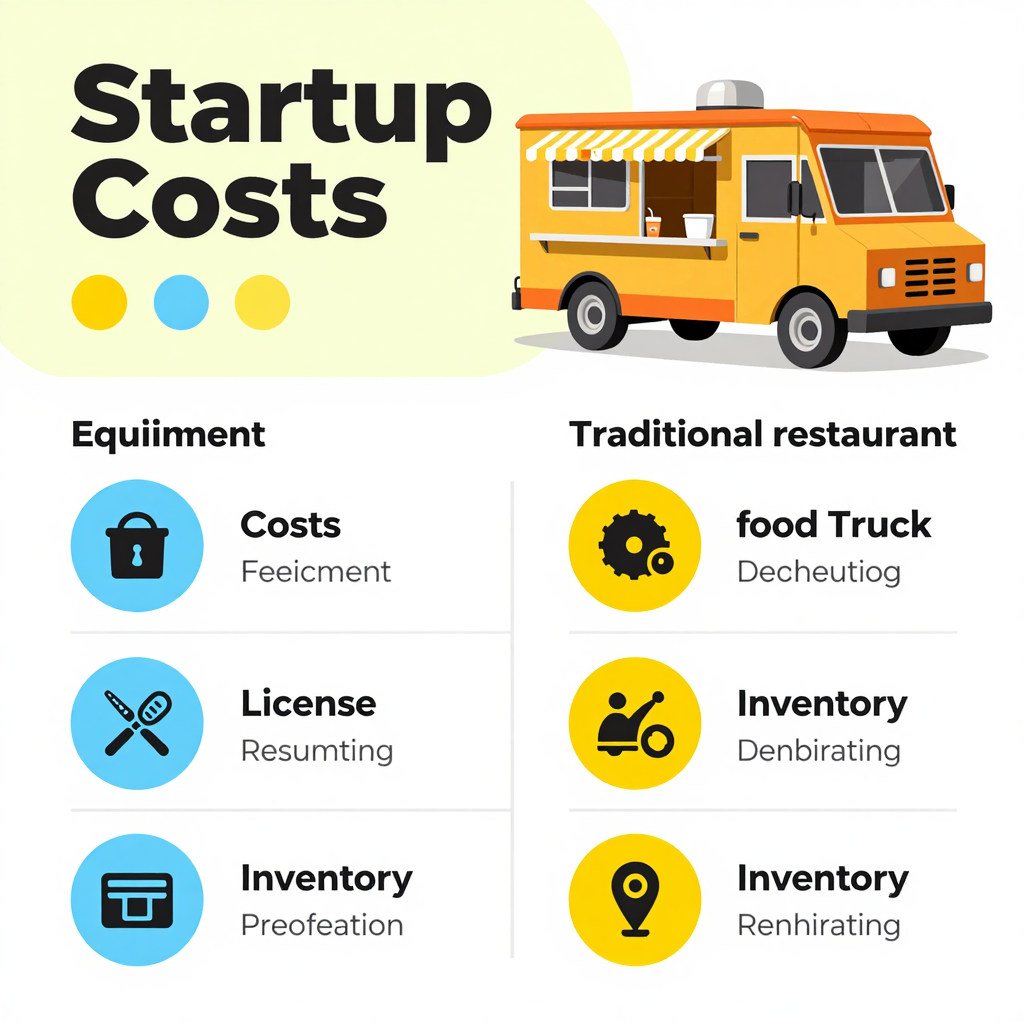
Comparison of startup costs for food trucks versus traditional restaurants.
Growth of the Food Truck Industry
The food truck industry has experienced remarkable growth in recent years, particularly evident in its revenue and consumer preferences. In 2023, the global food truck service market was valued at approximately $10.2 billion, with projections suggesting a climb to around $14.1 billion by 2030. This represents a compound annual growth rate (CAGR) of around 6.67% from 2024 to 2030. The surge is driven by urban dining demands, the appeal of flexible business models, and a growing consumer preference for diverse and personalized meals.
In addition to financial growth, consumer trends have shifted significantly. Today’s diners are more interested in fusion cuisine, healthier options, and sustainability. Reports indicate that food truck operators are innovating their menus to include high-quality ingredients, local produce, and unique, culturally blended dishes. Digital engagement, through online ordering and social media marketing, is also becoming essential for success in this competitive market. To explore more on consumer preferences, check this report on food truck trends.
For insights on the operational aspects of running a food truck, you can visit this article about food truck success stories.
“If you don’t love what you do, you’ll never make it. The long hours, the weather, the unpredictable nature of the business-it all comes down to loving your craft.”
This quote encapsulates the passion and resilience essential for success in the food truck industry, making it clear that love for the craft is a crucial component for enduring the challenges and uncertainties that come with running a food truck.
In summary, the food truck business is a vibrant and growing industry that offers endless opportunities for creativity, entrepreneurship, and connection within communities. From understanding the legal considerations of starting a food truck to exploring innovative customer service strategies, it’s clear that the possibilities are boundless. Food trucks not only serve delicious cuisine but also inspire culture and transform urban spaces into lively culinary destinations. As a hobbyist car modifier or a professional car tuner, you possess a unique opportunity to contribute to this dynamic sector by enhancing the visual appeal and performance of food trucks with innovative solutions.
This is where Summit Fairings comes into play! Elevating your ride with customized fairings can make a stunning difference, merging functionality with aesthetic appeal. With Summit Fairings, you can transform your food truck into an inviting culinary haven that attracts customers and represents your unique brand.
Don’t miss out on the chance to stand out in the busy food truck industry! Take action now by exploring the offerings of Summit Fairings to elevate your ride today. Let’s create a food truck experience that not only delights the taste buds but also dazzles the eyes!