
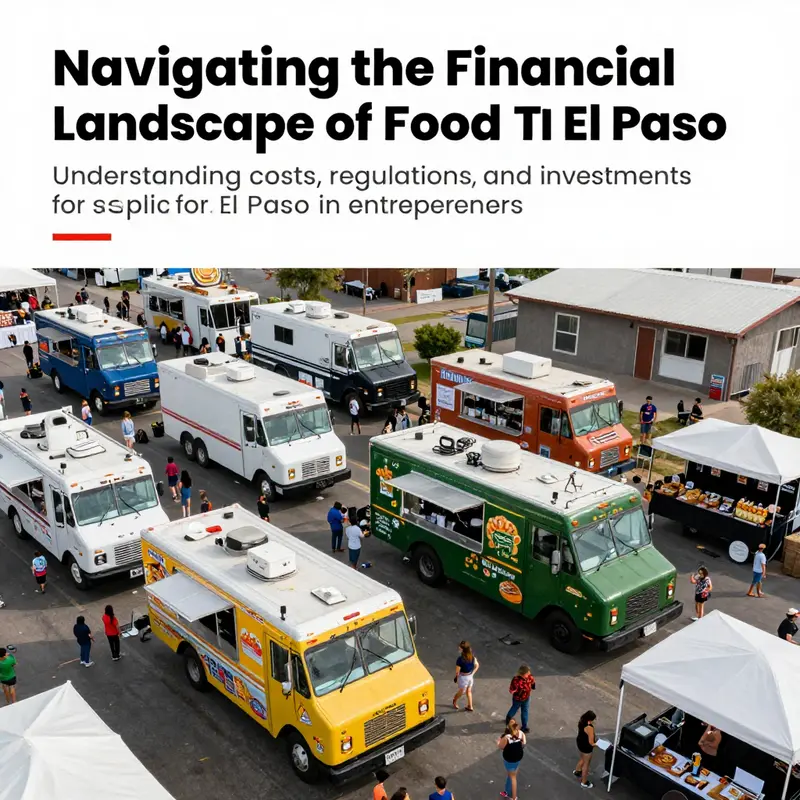
In the vibrant culinary scene of El Paso, the food truck industry represents a burgeoning opportunity for culinary enthusiasts and entrepreneurs. However, establishing a food truck business entails a complex interplay of economic factors, startup costs, and regulatory compliance. Understanding these elements is crucial for anyone looking to transform their passion for cooking or vehicle customization into a profitable venture. This comprehensive exploration will delve into the economic factors influencing food truck pricing, analyze startup and operational expenses, and outline the pertinent regulations and licensing fees that impact overall costs in El Paso. Each chapter aims to equip potential food truck owners with the critical insights they need to make informed decisions in this dynamic market.
Calculating Cost Drivers: What Shapes Food Truck Prices in El Paso
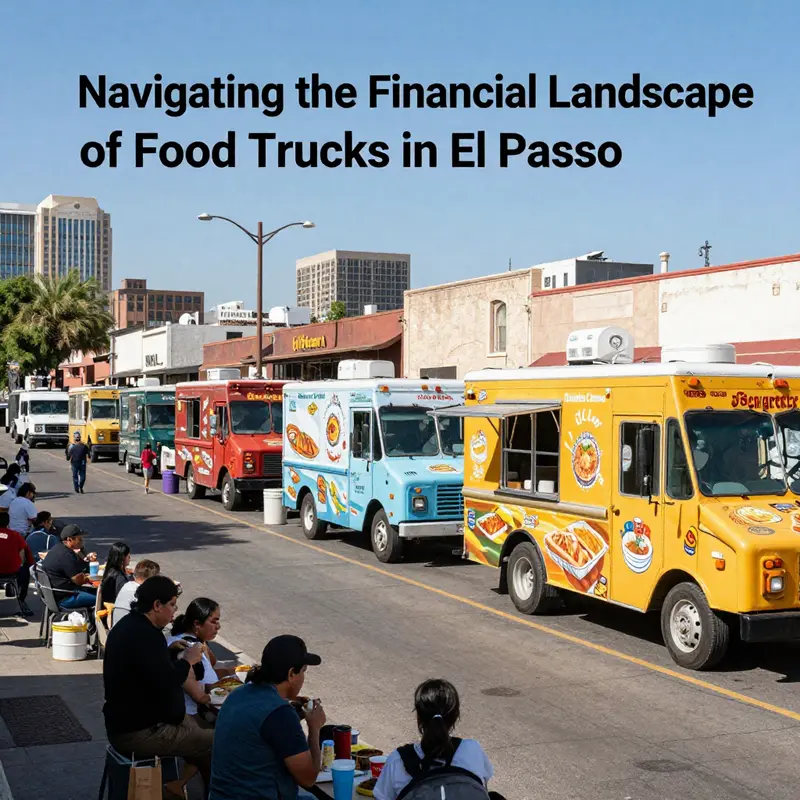
Understanding how much a food truck will cost in El Paso requires more than a single number. Costs are layered, dynamic, and shaped by local conditions. This chapter traces the major economic drivers that determine purchase and startup prices, explains how ongoing expenses change the financial picture, and highlights market forces that influence how much owners invest. The goal is practical: to reveal the levers you can control, the risks you must price in, and the local trends that push costs up or down.
When people ask about the price of a food truck, they often mean the initial acquisition cost. That is only the beginning. The vehicle itself can range from an older used truck to a purpose-built unit. Age, size, mechanical condition, and prior conversion work all factor into the sticker price. A well-maintained used box truck with a basic conversion sells for much less than a custom-built vehicle with new equipment. In El Paso, as in many regional markets, supply constraints and demand for mobile food units influence the availability and price of vehicles. If a local restaurant sells an underused truck or a neighboring city has a surplus, prices can temporarily soften. When several new entrepreneurs enter the market simultaneously, demand for suitable chassis and kitchen fit-outs can push prices higher.
Customization and equipment costs quickly eclipse the vehicle’s baseline price. A bare shell requires plumbing, electrical systems, refrigeration, cooking appliances, ventilation, and finishes that meet health department standards. Choices matter. Commercial-grade equipment costs more but lasts longer and meets inspection requirements. Opting for high-efficiency appliances can raise upfront costs while lowering fuel and electrical expenses over time. Ventilation and fire suppression systems are mandatory for many cooking operations; their installation must be performed by licensed technicians and often comes with permit-related inspections. Custom cabinets, service windows, point-of-sale hardware, and branding wraps add another layer of expense. Entrepreneurs who want specialized menus—smoking, deep-frying, or baking—must budget for extra systems and safety measures. These investments are practical and regulatory; skimping can lead to costly rework or failed inspections.
Licensing and permitting fees in El Paso represent a predictable but nontrivial portion of startup budgets. Local health permits, mobile vendor licenses, fire department clearances, and parking or location-specific permits each carry fees and renewal schedules. The administrative process can include inspections, background checks, and mandatory training. Time is part of the cost: delays in securing permits translate into lost revenue and extended financing periods. Regulations that affect where food trucks may operate—such as restrictions near brick-and-mortar restaurants, event-specific rules, or campus policies—alter revenue potential and therefore the perceived value of the investment. For those launching in El Paso, it is wise to plan not only for one-time permit costs but also for ongoing compliance fees, annual renewals, and possible fines if rules change.
Insurance premiums add another necessary expense. Insurance protects the vehicle, the equipment inside, the business from liability claims, and employees. Policy costs depend on coverage limits, deductibles, driving records, menu-related hazards, and the truck’s estimated revenue. Higher coverage limits reduce risk for the operator but raise monthly or annual premiums. Insurers also evaluate the truck’s use: frequent participation in crowded events or operations in higher-risk neighborhoods can increase premiums. For some vendors, combining commercial vehicle insurance with general liability and product liability coverage is essential to get approved for high-profile events and contracts. Budgeting realistic insurance costs is crucial; an unexpectedly high claim or a lapse in policy can end a small operation quickly.
Operational expenses determine whether a food truck remains viable after launch. Fuel, maintenance, and supplies recur and fluctuate. Fuel costs are volatile and tied to regional market conditions. Trucks that travel extensively between locations spend more on fuel and need more frequent vehicle servicing. Regular maintenance—oil changes, brake work, refrigeration servicing—prevents breakdowns but represents steady expense. Kitchen equipment also requires upkeep: fryer oil replacement, refrigeration repairs, and cleaning services for health-code compliance. Staffing is a major variable. A one-operator concept has lower labor costs but limits service speed and revenue potential. Hiring one or more employees increases payroll taxes, workers’ compensation insurance, and scheduling complexity. Payroll also interacts with menu design: high-labor menu items raise minimum staffing needs and add cost pressure.
Inventory and food cost management are continuous concerns. Menu design directly affects ingredient costs, waste rates, and storage requirements. A menu emphasizing fresh produce, specialty proteins, or imported items may attract customers but increase per-dish costs and spoilage risk. Successful operators in El Paso balance popular local flavors with supply-chain realities. Sourcing locally can reduce transport costs and support consistent supply, but seasonal availability may require menu adaptation. Bulk purchasing lowers per-unit costs but demands adequate storage and predictable sales velocity. Waste management is another expense; inefficient ordering and portion control increase food costs and reduce profit margins. For new owners, conservative initial inventory and a focused menu help control waste while building reliable sales patterns.
Capital structure shapes how costs are experienced. Paying cash for a truck offers lower long-term cost but requires substantial upfront capital. Financing spreads the purchase cost across months or years but increases the total paid through interest. Loan terms depend on creditworthiness, collateral, and lender familiarity with mobile food businesses. Some lenders consider the truck itself as collateral; others require personal guarantees. Leasing is an option for people who prefer predictable monthly payments and the ability to upgrade equipment more frequently. However, lease-to-own agreements can be more expensive over time. Grants and community financing programs occasionally support food entrepreneurs; applicants with strong business plans and community ties may access favorable terms. Understanding how financing choices affect cash flow is essential when projecting break-even timelines.
Market demand in El Paso influences pricing strategy and investment thresholds. A growing appetite for mobile food creates opportunities but also attracts competitors. Demand drivers include local demographics, tourist flows, event calendars, and shifts in dining habits. El Paso’s diverse community supports a range of cuisines and price points. Food trucks that tap into local preferences and provide reliable service at convenient locations often perform well. Yet rising demand can elevate costs: event organizers may charge higher vendor fees, and competition for premium spots can require payments or revenue-sharing arrangements. Conversely, oversaturation in a niche may force price reductions or require differentiation through partnerships, catering, or unique menu offerings.
Pricing trends reflect broader economic conditions. Inflation affects material and labor costs, supply-chain disruptions raise equipment lead times and prices, and regional wage changes increase payroll expenses. Across the industry, purpose-built trucks and complete customizations frequently fall between certain price bands. Recent regional data suggest that a fully equipped mobile kitchen typically costs within a mid-range to high-range bracket. These numbers should be used as directional markers rather than precise quotes. Each project carries unique choices that move costs up or down.
Regulatory shifts and public policy also shape costs indirectly. Local zoning decisions, special event permitting, and changes in health code requirements can impose new equipment or compliance costs. Environmental rules—such as emissions standards or waste disposal regulations—may require specific systems or recurring fees. Staying informed about municipal policy developments helps operators anticipate new expenses and incorporate them into planning. Participation in local trade groups and vendor associations provides early warning of rule changes and can influence policy debates.
Location strategy ties financial inputs to expected revenue. A truck that operates daily near high-foot-traffic areas commands better revenue than one that appears only at occasional events. But premium locations often come with higher fees or competition. Contracts with corporate clients, universities, or event venues may require reliable service and certain insurance levels. Those contracts can generate steady revenue and justify higher startup investment. Pop-ups and collaborative arrangements with brick-and-mortar businesses reduce location risk but typically share revenues or pay fees. Carefully evaluating location terms and expected foot traffic helps match investment level to realistic income projections.
Risk management and contingency planning affect how much capital owners hold back. Unexpected repair bills, a slow season, or changes to event calendars require working capital. A common recommendation is reserving several months of operating expenses as a buffer. That reserve reduces the likelihood of cutting corners on maintenance or staff and improves the chance of surviving temporary setbacks. Some operators build maintenance schedules and emergency funds into their financial models before committing to a purchase. Preparing for worst-case scenarios softens the impact of inevitable surprises and keeps the operation sustainable.
Finally, intangible factors shape perceived value. Brand identity, food quality, and customer experience increase a truck’s earning power and can justify higher investment. A thoughtfully designed truck with strong branding may attract more customers and command higher per-item prices. Conversely, a low-cost build with poor service will struggle even if initial expenses are minimal. Investment in training, identity, and consistent quality often pays dividends through repeat business and word-of-mouth.
Taken together, these elements explain why there is no single correct answer to how much a food truck costs in El Paso. The vehicle price is visible but not decisive. Customization, compliance, insurance, and operating realities frequently exceed the initial purchase cost. Market forces—demand, competition, and local policy—shape both the cost of entry and the pace of return on investment. For entrepreneurs, the path forward is pragmatic: define the concept, model realistic revenue and expenses, choose equipment and financing that align with projected cash flow, and build a buffer for the unknown. Those steps convert a vague price range into a practical budget that reflects the realities of launching and sustaining a food truck in El Paso.
For a deeper look at the local market dynamics and recent trends affecting startup costs in El Paso, see the City of El Paso Economic Development Department’s report linked below. For guidance on regulatory and legal steps specific to Latino entrepreneurs and immigrant-owned startups, consult this useful review of legal considerations for Latino food truck startups.
External resource: https://www.elpasotexas.gov/edc/reports/food-truck-market-trends-2026
Internal resource: legal considerations for Latino food truck startups – https://latinosfoodtrucks.net/legal-considerations-latino-food-truck-startups/
Rolling Into El Paso: Navigating Start-Up Costs, Ongoing Expenses, and the Promise of a Community-Driven Food Truck Venture
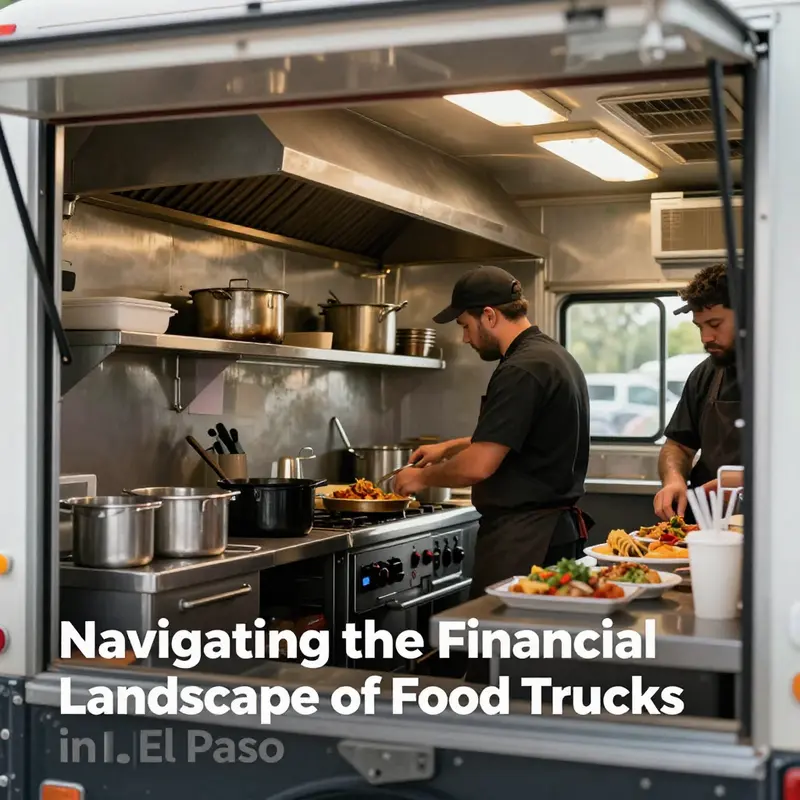
El Paso is more than a city of cross-border travel and vibrant sunsets; it is a living classroom for flavor, tradition, and entrepreneurial resilience. The street food culture here—rooted in taquerías that echo generations of family recipes—offers a compelling backdrop for anyone considering a mobile food business. The demand for authentic, high-quality street fare is unmistakable. People want a quick, affordable bite that tastes like home, whether they are downtown workers grabbing lunch, students on campus, or families at weekend gatherings. This appetite translates into a meaningful market for food trucks, but the financial reality remains a critical gatekeeper. The path from a culinary idea to a rolling kitchen is paved with decisions about how much to invest, what equipment to acquire, what licenses to secure, and how to manage ongoing costs in a way that keeps the operation sustainable through El Paso’s seasonal ebbs and flows. Even as the city’s unique identity adds a bias toward authenticity and community, the numbers tell a clear story: the right balance of upfront investment and disciplined operating practices can yield a robust return, but only if a operator plans with both the palate and the ledger in mind.
The cost landscape for El Paso is shaped by regional realities. National industry data suggest that the average cost to launch a food truck in Texas runs from roughly $60,000 to $150,000, depending on the truck size, equipment quality, and whether the unit is new or used. Within that spectrum, El Paso’s comparatively modest real estate prices, lower labor costs, and a dense concentration of high-traffic venues can tilt the figure toward the lower-to-mid end. A practical expectation for a mid-range, well-equipped unit in El Paso is around $75,000 to $100,000. This range captures the essential components: acquiring a commercial-grade food truck (new units commonly start near $50,000), outfitting the kitchen with the necessary appliances for Mexican and Latin-inspired menus, obtaining the required permits and health clearances, and investing in branding and interior design that communicates authenticity from the first glance.
The structural costs are just part of the picture. A thoughtful operator must anticipate a spectrum of ongoing expenses that persist long after the truck hits the road. Fuel and regular maintenance keep the wheel turning, while fresh ingredients—from reliable staples like meats, cheeses, chiles, and staples to specialty items such as handmade tortillas and house-made salsas—drive cost variety from week to week. Labor costs, although comparatively modest in El Paso, still matter: wages for frontline staff typically fall in the $15–$20 per hour range, depending on experience and responsibilities. Insurance—covering both commercial auto and liability—adds a predictable annual foothold in the budget, often totaling between $1,500 and $3,000. Then there are the recurring line items that many operators overlook at the start: portable power sources or generators, grease management, uniform upkeep, and a modest allocation for marketing and promotions that can amplify visibility in crowded districts.
Permitting and compliance are not cosmetic add-ons; they are the framework that makes a mobile kitchen legal and trustworthy. In El Paso, this means securing health department clearance, city operating permits, and any neighborhood-specific permissions needed to park and serve in a given area. Some operators also consider a business license, a resale certificate for food sales, and potential inspections that ensure compliance with food safety standards. The cost of these regulatory steps can vary, but prudent budgeting sets aside several thousand dollars to cover application fees, background checks if required, and any periodic renewals. The upshot is clear: the financial plan for a food truck in El Paso must accommodate a realistic, enforceable schedule of startup expenditures and an ongoing cadence of expenses that extend far beyond the initial payday.
To capture the rhythm of how these numbers play out in the real world, it helps to consider the unique cultural ecosystem of El Paso. The city’s culinary scene emphasizes simple ingredients, time-tested recipes, and a deep commitment to quality that travels well on a mobile platform. Families, local neighborhoods, and university campuses create steady demand for a range of offerings—tacos, burritos, empanadas, and regional specialties that evoke a sense of home. The El Paso Times has chronicled a thriving movement of food trucks and family-run taquerías that demonstrate how authenticity and accessibility can coexist with economic viability. A well-executed mobile operation that leans into these strengths can build a loyal following quickly, especially when it aligns with popular locales and events that define the city’s social calendar.
Beyond the fixed and variable costs, savvy operators think about resilience. Seasonal fluctuations are a fact of life in El Paso, as they are in many sunbelt markets, where outdoor dining and street vending see peaks during festival weekends, sports events, and college gatherings, and wane during colder spells or rainier periods. This variability makes a contingency fund essential. A healthy operator will budget for slower months by maintaining a cash reserve or a credit line that can cover several weeks of operating expenses while sales rebound. The most resilient trucks do not rely on a single location or a single stream of revenue; they diversify by building relationships with multiple high-traffic sites, participating in recurring events, and offering adaptable menus that can be tightened or expanded based on ingredient availability and customer demand.
From a financial planning perspective, the ultimate objective is not simply to minimize costs but to maximize value. In El Paso, value comes from a blend of price competitiveness, menu quality, and speed of service, all while preserving the distinctive taste and texture that customers associate with home-cooked meals. A practical rule of thumb is to frame menu pricing in terms of cost of goods sold, labor hours, and the go-to-market strategy for the truck. For instance, a taco al pastor or a carne asada burrito must carry a margin that accounts for tortillas—especially if a truck emphasizes handmade varieties—the cost of meat and produce, and the labor expended to assemble each plate. The careful operator who tracks these elements can maintain a stable profitability trajectory even as input costs oscillate with market conditions or seasonal supply shifts.
The intersection of culture and commerce in El Paso also means that branding and storytelling carry tangible economic weight. A truck that foregrounds family heritage, traditional techniques, and Mexican-inspired flavors resonates with a local audience that values authenticity and a sense of place. In practice, this translates into a pricing strategy that remains accessible while supporting the investment in quality equipment and compliant operations. It also means that much of the initial marketing effort should be invested in creating a robust, story-driven presence—one that can be amplified through social media, local events, and partnerships with neighborhood business associations. The most successful operators in this environment are those who embrace the city’s identity and translate it into consistent, high-quality offerings that customers can rely on week after week.
For operators seeking a concrete pathway through these financial considerations, a few practical pivots make a material difference. First, there is real value in carefully evaluating truck options, including the option to lease versus buy. Leasing can lower upfront cash requirements and provide a flexible upgrade path as the business grows, while buying a used but well-maintained truck can substantially reduce initial outlay if the vehicle’s condition and equipment meet safety and health standards. Second, the equipment package should be tailored to the menu while remaining adaptable for future changes. A mid-range kitchen might include a solid commercial grill, a reliable flat-top, a capable refrigerator and freezer, multiple sinks, a hood system compliant with local safety codes, and a compact fryer if the menu calls for fried items. Third, the regulatory plan should be built with a realistic timeline, accounting for the time needed to secure inspections and permits at the city level, the health department, and any neighborhood or event organizers who control parking spaces and vending zones. Fourth, the procurement strategy for ingredients matters. A truck that embraces local suppliers—meats from reputable local markets, produce from regional growers, and staples that can be sourced through dependable distributors—can stabilize costs and enhance the sense of locality that customers crave.
With these considerations in mind, many El Paso operators find that the best opportunities lie in markets where the street-food tradition meets a steady stream of foot traffic. Downtown districts, university corridors, and weekend festival routes offer a combination of high visibility and the flexibility to test and refine a menu. In such locations, a mid-range truck can reach profitability more quickly when the operator focuses on core items that demonstrate reliability and flavor, paired with effective operations that minimize waste and ensure consistent serving times. The numbers, while contingent on a range of local variables, point toward a practical arc: a startup investment around the lower to mid end of the Texas spectrum, followed by ongoing costs that are manageable with disciplined inventory control, precise labor planning, and a marketing strategy that leverages El Paso’s distinctive culinary voice.
Operational discipline is, in many respects, the decisive factor. A well-run food truck in El Paso cannot rely on sheer appetite alone; it must marry resourcefulness with a clear sense of community. That means controlling the cost of goods sold by negotiating with suppliers, planning menus that maximize yield from batch cooking, and forecasting demand using a mix of seasonality, event calendars, and historical sales data. It also means staying lean on overhead while investing in the elements that deliver quality and speed: a dependable kitchen layout, efficient food prep processes, and a service model that minimizes customer wait times without sacrificing the handmade character that gives the truck its identity. In practice, this translates into a feedback loop where sales data informs menu adjustments, equipment usage is optimized to reduce waste, and every dollar spent is weighed against its impact on both flavor and customer satisfaction. When these pieces align, the financial picture begins to look less daunting and more actionable—a signal to prospective operators that El Paso’s street-food scene not only rewards culinary excellence but also fosters sustainable business models.
For readers who want a practical regulatory lens as they weigh these numbers, there is a useful overview of the landscape here: Legal considerations for Latino food-truck startups. This resource helps frame the kinds of permits, inspections, and compliance steps that influence startup timelines and cost envelopes, ensuring that financial planning remains grounded in the realities of compliance rather than assumptions about what it takes to operate a mobile kitchen. The aim is not to scare off would-be operators but to illuminate the path so that decisions about leasing versus buying, equipment specs, and staffing levels can be made with confidence and clarity.
The El Paso market also offers a window into the potential for sustainable growth beyond the initial launch. When operators invest in a durable, compliant truck and a menu that reflects the city’s culinary identity—where simple ingredients, time-honed techniques, and a personal touch define the experience—they build more than a business; they contribute to a community’s sense of place. The best stories in this arena are not solely about the financial math but about the trust established with customers who know they can count on a reliable, flavorful meal from a mobile kitchen they recognize and enjoy. Those stories, in turn, reinforce a cycle of positive word-of-mouth and repeat business that is particularly potent in a city where neighborhood and family ties matter as much as price and speed.
If there is a caveat to that upbeat outlook, it is the reality of seasonal variability. In El Paso, the weather can influence not only the number of customers on the curb but the comfort of those customers in choosing to stand in lines or order hour-long bites at events. Seasonality affects both revenue and procurement: certain ingredients may be more plentiful in one season than another, and some menu items may need to rotate to align with supply and demand. An operator who budgets for these shifts—building a reserve fund, maintaining flexible supplier relationships, and designing a menu with both staple items and seasonal specials—will weather some months with greater ease. This approach also invites a deeper connection with the community, as seasonal menus can highlight local traditions and celebrations that resonate with El Paso residents and visitors alike.
The broader takeaway from the startup-cost landscape is not simply a tally of figures but a philosophy of operation. A food truck in El Paso succeeds when the founder balances ambition with realism, craftsmanship with efficiency, and a clearly defined customer promise with a disciplined financial plan. The numbers point toward a practical range and a sensible blueprint: invest enough to build a capable, compliant mobile kitchen; maintain robust inventory and labor systems; and craft a menu and brand that speak to El Paso’s heritage while remaining adaptable to shifting venues and audiences. In other words, cost is not just a hurdle; it is the scaffold on which a resilient, community-rooted business can be built.
For readers seeking additional context on how real operators navigate these waters, the city’s vibrant truck-and-taquería culture serves as a living case study. The ongoing success stories—from family-run recipes handed down through generations to contemporary trucks blending traditional flavors with modern twists—underscore the value of a clear plan, a sustainable investment, and the willingness to participate in El Paso’s rich street-food ecosystem. As you consider whether to roll into this market, keep in mind that the most durable ventures are those that treat cost management as an integral part of the culinary craft, not an afterthought to be addressed after the first shift. When cost awareness and culinary identity converge, El Paso’s food trucks don’t just serve meals; they offer a portable celebration of a regional palate that locals and visitors alike come to trust and seek out again and again.
External resource for further reading: https://www.elpasotimes.com/story/news/local/2025/11/22/el-paso-best-tacos-food-trucks-family-run-joints/80394190007/
Navigating El Paso’s Food Truck Regulations: Licensing Fees and Their Crucial Role in Startup Costs
Navigating El Paso’s Food Truck Regulations: Licensing Fees and Their Crucial Role in Startup Costs
Starting a food truck business in El Paso requires more than just a passion for food and culinary skills. A complex landscape of local regulations, permits, and licensing fees governs operations, shaping not only how food trucks operate but also significantly impacting the financial feasibility of launching and sustaining such an enterprise. Understanding the regulatory framework and its associated costs is essential for any aspiring food truck entrepreneur seeking success in this vibrant Southwestern city.
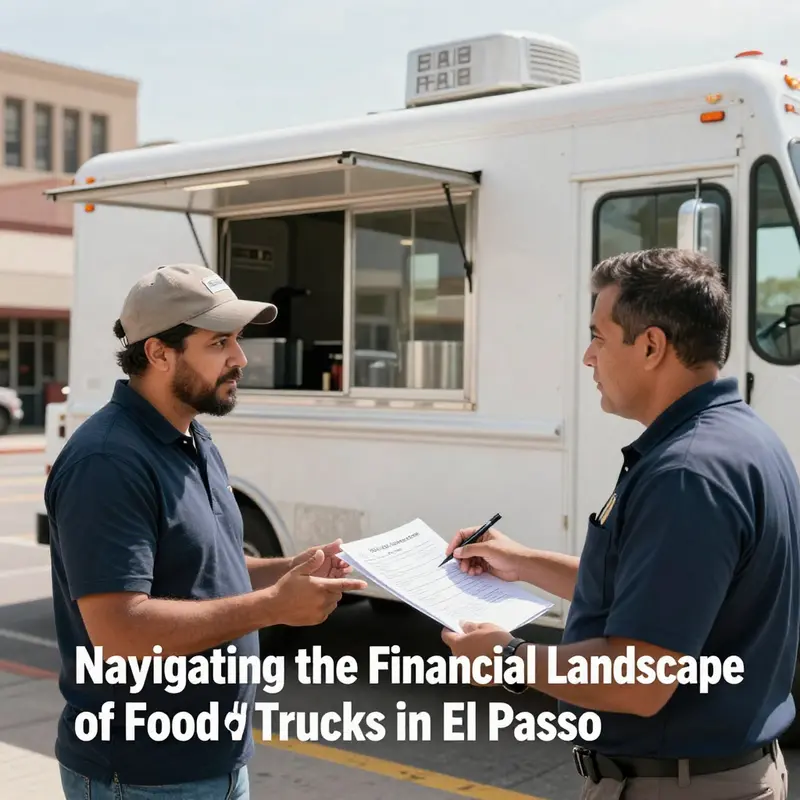
The City of El Paso’s Department of Public Health (DPH) is at the forefront of regulating food truck operations, primarily through the enforcement of health and safety standards designed to protect public health. At the heart of this regulatory system lies the Mobile Food Facility Permit, a mandatory certification that all food trucks must secure before beginning to serve. Obtaining this permit involves a rigorous process where the vehicle undergoes detailed inspections focused on sanitation, proper food storage practices, cooking equipment safety, and waste disposal protocols. These inspections ensure that food trucks meet stringent standards that prevent contamination and foodborne illness.
Financially, the Mobile Food Facility Permit is priced at $150 annually. While this fee seems modest, it is important to recognize that there are often supplementary charges tethered to this permit. For example, the type of cuisine served or the hours and places of operation might influence additional fees, thereby increasing the baseline regulatory expenses. Such variability necessitates careful planning and budgeting from the business outset.
However, the regulatory costs extend beyond health permits. Food truck operators must also obtain a Business License from the City of El Paso, which serves as a fundamental credential certifying the legal operation of the business within city limits. This license carries an annual fee of $250. The application procedure for the Business License is not merely a fee transaction; it demands providing comprehensive documentation, including proof of liability insurance with coverage of at least $1 million and a detailed business plan. These requirements underscore how El Paso expects vendors not only to comply with health standards but also to engage in responsible and sustainable business practices.
For those food truck owners who aim to maximize their presence by participating in special events or setting up in public parks, additional permits are unavoidable. Special Event Permits qualify food trucks to operate temporarily at a variety of venues, ranging from festivals to community gatherings. The cost of these permits fluctuates depending on the length of the event and the specific location, with fees generally falling between $75 and $200. While these permits open valuable opportunities for increased sales and exposure, they also add another layer of regulatory complexity and expense.
Beyond city regulations, food truck operators in El Paso must adhere to state-level health and safety mandates issued by the Texas Department of State Health Services (DSHS). One significant requirement is the ServSafe Food Protection Manager certification, which all mobile food vendors must obtain. This certification emphasizes knowledge of food safety management principles crucial for safeguarding customers. Although it is not a direct licensing fee, the cost to obtain ServSafe certification typically falls between $150 and $200, representing another non-negligible portion of the startup budget. The training involved is rigorous, making the certification both a critical legal obligation and an investment in operational quality.
Another financial dimension food truck owners must manage is the obligation to collect and remit sales taxes. Vendors are required to register with the Texas Comptroller of Public Accounts and collect both state and local sales taxes on all taxable sales. In El Paso County, this combined tax rate is currently 8.25%. While no direct fee is charged for registration, the administrative responsibility increases operational costs due to the time and resources required for accurate tax collection and reporting. Non-compliance in this area can lead to penalties that further strain a fledgling food truck business.
Taken together, these regulatory demands contribute to an annual cost floor for food truck operators in El Paso that typically ranges from approximately $600 to over $1,000 when considering permits and certifications alone. For entrepreneurs who are often managing tight margins and initial cash flow challenges, these expenses can pose a significant barrier to entry. Furthermore, failure to meet any single regulatory requirement can have severe consequences, including hefty fines, forced operational pauses, or permanent loss of licenses, jeopardizing the entire venture.
Understanding how these costs interact with other startup and operational expenses is critical. Licensing and permitting fees must be incorporated into financial forecasts alongside expenses such as vehicle acquisition, kitchen equipment, supplies, fuel, staff wages, and insurance premiums. For many, budgeting conservatively for these regulatory costs can mean the difference between sustainable growth and early business closure.
This regulatory environment also influences strategic decisions. For example, vendors might limit their operating hours or event participation to reduce permit-related expenses. Others may seek partnerships or shared kitchen spaces to manage compliance more cost-effectively. Some entrepreneurs revisit their business models altogether, considering whether their cuisine choices or operational methods align well with licensing demands.
Navigating the regulations and fees imposed by local and state authorities is thus a foundational aspect of launching a food truck in El Paso. Being proactive in obtaining and maintaining required permits, maintaining compliance with health and safety standards, and managing associated licensing fees prudently not only ensures legality but also builds credibility and customer trust. Entrepreneurs who invest time in understanding and integrating these financial and regulatory realities position themselves for long-term operational stability and success in a competitive market.
The regulatory framework also reflects El Paso’s broader commitment to fostering a safe and vibrant culinary scene where food trucks can thrive alongside traditional restaurants. The fees collected support inspection programs and public health initiatives that protect consumers and enhance the city’s reputation as a food destination. In this sense, compliance is an investment not only in individual business success but also in the collective health and vitality of the local food ecosystem.
For those interested in more detailed guidance on legal frameworks affecting Latino food truck startups in El Paso and beyond, resources like this comprehensive legal considerations guide offer invaluable insights. Understanding the scope of regulatory responsibilities can empower entrepreneurs to craft better business plans and avoid costly missteps.
Ultimately, the cost of regulations and licensing in El Paso is a reflection of the careful balance between ensuring public safety and supporting small business growth. While the initial and ongoing fees add to the overall investment required, they also provide a structure within which food trucks can deliver safe, quality food to their customers with confidence and professionalism. For many, mastering this aspect of El Paso’s food truck landscape is as essential as perfecting their recipes or marketing strategies.
Source: City of El Paso Department of Public Health – Mobile Food Facility Permits
Final thoughts
Understanding the costs associated with operating a food truck in El Paso is paramount for aspiring entrepreneurs. From the economic factors that shape the market to the detailed breakdown of startup and operational expenses, each element plays a critical role in determining the viability of this venture. As regulations continue to evolve, staying informed is essential. With the right insights and preparation, turning a passion into a successful food truck business in El Paso is an achievable goal.