
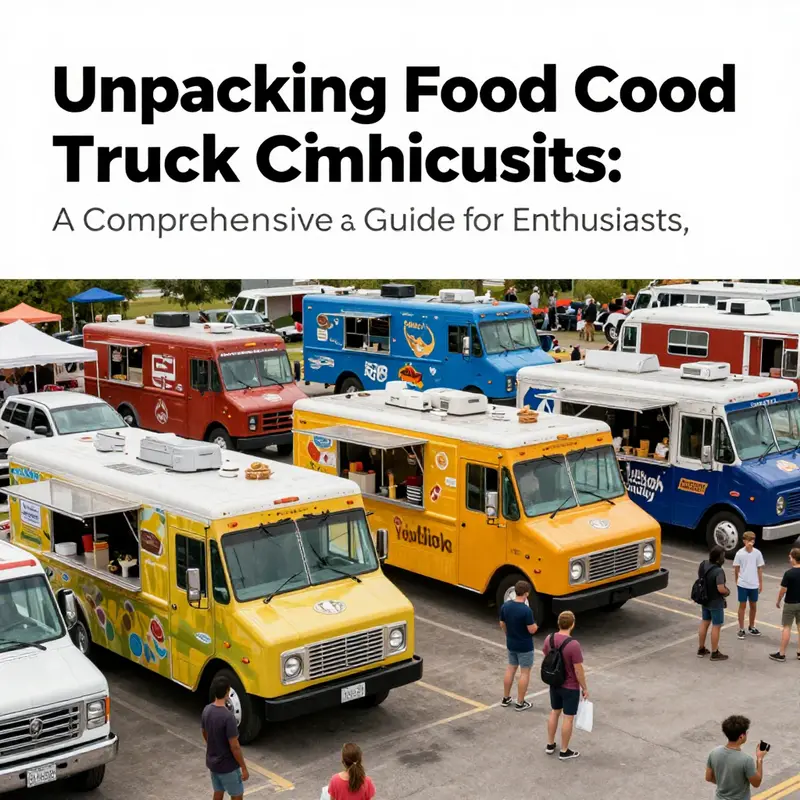
The world of food trucks is a tantalizing blend of culinary creativity and automotive engineering that speaks to the passions of hobbyist car modifiers, professional tuners, and classic car aficionados. Understanding how much food trucks usually cost is crucial for anyone contemplating entry into this vibrant sector, whether looking for a new ride or considering a business venture. This comprehensive guide breaks down all financial aspects of food trucks, from initial purchase costs—both new and used—to ongoing expenses that can impact profitability. Additionally, we explore the myriad factors influencing price variations and the financing options available for aspiring operators. Each chapter will provide essential insights for car enthusiasts interested in this unique vehicle class, whether for personal use or as the foundation of a lucrative mobile cuisine business.
Counting the Cost: What a Brand-New Food Truck Really Demands on Your Budget
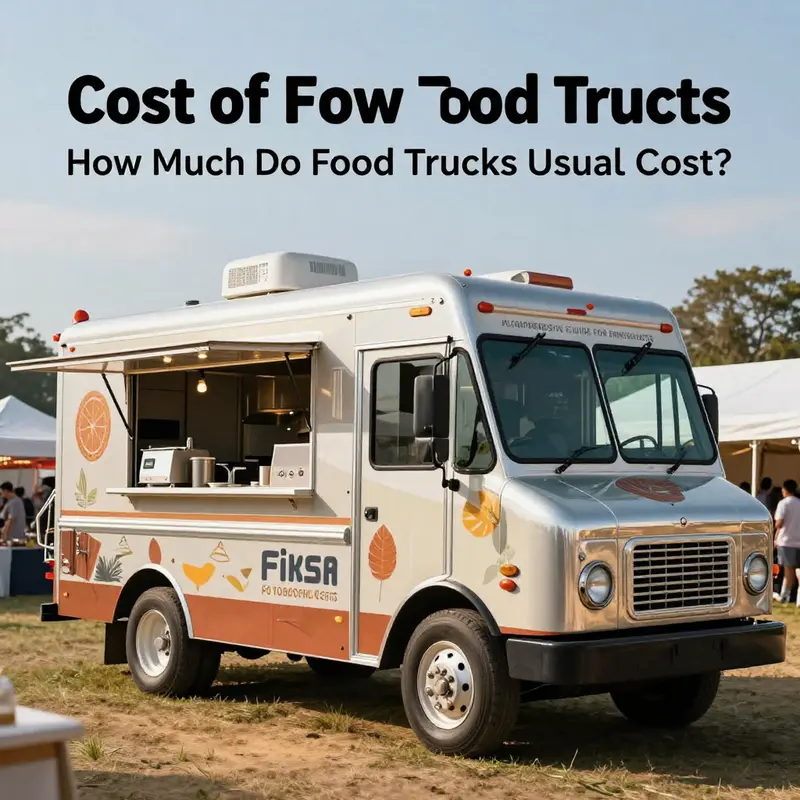
The question of how much a food truck costs is rarely answered by a single price tag. It unfolds as a spectrum shaped by size, equipment, and the level of customization you require for your concept. When you shop for a fresh unit, the price ladder typically begins with the chassis and body, climbs through kitchen fit-out, and can end with high-end finishes and branding that transform the truck into a mobile storefront. In broad terms, a new food truck can run from roughly $100,000 to $250,000, with the higher end pushing beyond $300,000 if you demand cutting-edge appliances, a fully tailored interior, or a premium exterior finish. Those figures reflect the core costs of building a compact, purpose-built kitchen on wheels, including the basic infrastructure that keeps operations compliant and efficient. The kitchen setup—grills, refrigerators, sinks, drainage, and storage—generally comes integrated into the package and determines a large chunk of the upfront price. If you want rapid throughput or specialty menus that require unusual equipment, the price can move decisively upward.
On the other side of the spectrum lie budget-friendly options that can be tempting for first-time operators who want to test the market with lower risk. Used food trucks and trailers have become a mainstream entry point, and they illustrate how flexible the market can be. A refurbished unit that’s ready to cook and move can start around $40,000 to $60,000, a figure that often includes some level of kitchen gear but might require upgrades or repairs to meet your health department’s standards or your specific menu. Some operators manage with older or stripped-down units, and more austere examples appear still lower in the market—though these are less common for serious commercial use. The spread is wide enough that a few exceptionally economical listings exist, including basic pre-owned trailers priced below $5,000. Those lower-priced options serve as a stark reminder that price alone does not guarantee a turnkey operation; many buyers will need to invest further in equipment, refurbishments, and reliability if they plan to serve customers consistently. In that sense, the market shows both ends of the spectrum: the possibility of quick entry at a modest price, and the reality that most routes require a more substantial investment.
Beyond the sticker price, a careful buyer weighs the components and the pipeline of ongoing costs that keep a mobile kitchen running. Fuel is a constant operating expense that scales with miles traveled and the grade of vehicle chosen. Maintenance, too, varies with the age and condition of the truck, the climate in which it operates, and how often it is used for high-pressure service during peak seasons. Insurance costs reflect the vehicle’s value, the level of coverage, and the intended use—street vending, catering, or events all carry different risk profiles and premium structures. Permits and licensing add recurring annual or episodic costs, tied to city or state regulations, health inspections, and the necessary commissary arrangements that some jurisdictions require. Inventory, food costs, and staffing are the non-tangible drivers that determine how much revenue you need to generate to cover depreciation, loan repayments, and maintenance without compromising quality. The point is not simply to consider the upfront figure but to anticipate a total cost of ownership that stretches across years of operation.
The price tag for new units also reveals a lot about the kind of business you’re building. A straightforward, compact kitchen on a standard chassis can be equipped with the essential fit-out for efficient daytime service, which keeps the price toward the lower end of the new-truck spectrum, closer to the $100,000 to $150,000 zone. Add a more robust electrical system, larger refrigeration, and heavier-duty cooking equipment, and you edge toward the upper middle range. If branding and interior design are part of the plan—custom paint schemes, signage, branded interiors, premium countertops—those upgrades can push the total beyond the mid-range, sometimes past $250,000. In the most ambitious configurations, with a custom design and the most premium finishes, the price can easily exceed $300,000. This is not a mere cosmetic upgrade; it can include highly efficient layouts that maximize yield, safety features that reduce risk, and energy-efficient appliances that lower long-term operating costs, though they add initial expense.
For many buyers, the decision is not simply new versus used. It is about the operation they envision—catering, busy daytime traffic, or high-profile events—and the vehicle that best supports that vision. A study of vehicle options shows that the type of chassis matters, because the cost-to-function ratio shifts with design. The choice between step vans and cargo vans, for example, informs not only price but layout, electrical load, and the capacity to serve a certain menu efficiently. For a practical sense of how this influences budgeting, explore the differences in vehicle configuration and their economic implications in the linked discussion step vans vs cargo vans. This decision affects oven banks, prep space, generator size, and even branding opportunities, since the footprint determines how prominently the unit can be displayed on the street or at events. It is essential to evaluate how your menu, service style, and planned locations interact with the chosen vehicle type, because a clever layout in a larger truck can outperform a smaller, under-equipped one in throughput and customer experience.
Budget planning must also embrace the reality of ongoing costs that don’t vanish after the initial purchase. If you anticipate regular gigs across urban districts, the fuel budget will be a considerable line item, especially for trucks that emphasize power and large electrical loads. Insurance premiums will reflect the truck’s value and the scope of operations. Permits can recur annually or per event depending on the jurisdiction, and some locales require a commissary or a shared kitchen facility, which introduces another recurring cost and logistical layer. Maintenance is an ongoing factor; even a well-built new truck can require routine service, spare parts, and occasional refurbishments to maintain safety and efficiency. Inventory management—ensuring you have enough ingredients to meet demand without overstocking—also adds to the ongoing strain on cash flow. All these elements compound quickly; a high-end unit may carry a higher monthly cash burn than a plainer, more modest setup, even if the initial price was lower or similar.
In that light, the total investment becomes a story of trade-offs. The more you customize, the more you pay upfront, but you gain in brand differentiation and operational efficiency. A basic, well-designed kitchen on wheels might suffice for a steady daily business, while a showpiece unit with striking branding and high-efficiency equipment could support premium pricing and more expansive catering gigs. For operators who want to test a concept with a cautious budget, a solid used unit can be a compelling starting point, provided it comes with a transparent service history and a plan for bringing its facilities up to current health and safety standards. Conversely, those who want to scale quickly for major events typically lean toward new builds or heavily customized used units, accepting the higher upfront cost in exchange for reliability and a faster path to a professional market presence. The overarching lesson is clear: the price of admission to the mobile food economy is never a single figure; it is a spectrum shaped by your menu, your location strategy, and how much you value speed to market versus the predictability of long-term costs.
As you finalize a budgeting framework, it’s helpful to anchor expectations with concrete ranges and situational examples, while remaining adaptable to local conditions. A recent snapshot shows that while brand-new configurations can comfortably sit within a wide band, there are practical middle ground options that combine decent equipment with a sensible footprint, reducing both upfront risk and ongoing cash burn. It is also worth noting that the market’s low end—where basic or pre-owned units exist at relatively modest prices—exists to support experimentation, while the mid- to high-end segments define a more professional standard that aligns with larger menus, greater speed, and more consistent revenue streams. In the end, the cost question becomes less about chasing a single price and more about forecasting how the truck will perform in your chosen markets, how reliably it will operate, and how much time and money you are prepared to invest in ongoing compliance and upkeep.
For readers who want a practical starting point as they map out a plan, consider how your vehicle choice, equipment layout, and branding will converge to meet your budget targets. If your aim is to minimize upfront risk while still securing a credible platform for growth, seek out a vehicle with strong mechanical foundations and a kitchen that can handle your initial menu while allowing upgrades later. If your vision is to make a bold entrance with a standout presence, reserve budget for high-impact branding and energy-efficient systems that deliver long-term cost savings even if they push the initial price higher. Above all, align your financial plan with your concept and your expected routes—street vending, event catering, or both—so that the truck becomes not just a vehicle but a scalable business platform that can evolve as demand shifts.
External resource: https://www.shopify.com/blog/food-truck-costs-2025
The Price of Entry: Decoding the Real Costs Behind Used Food Trucks and What That Means for Your Launch
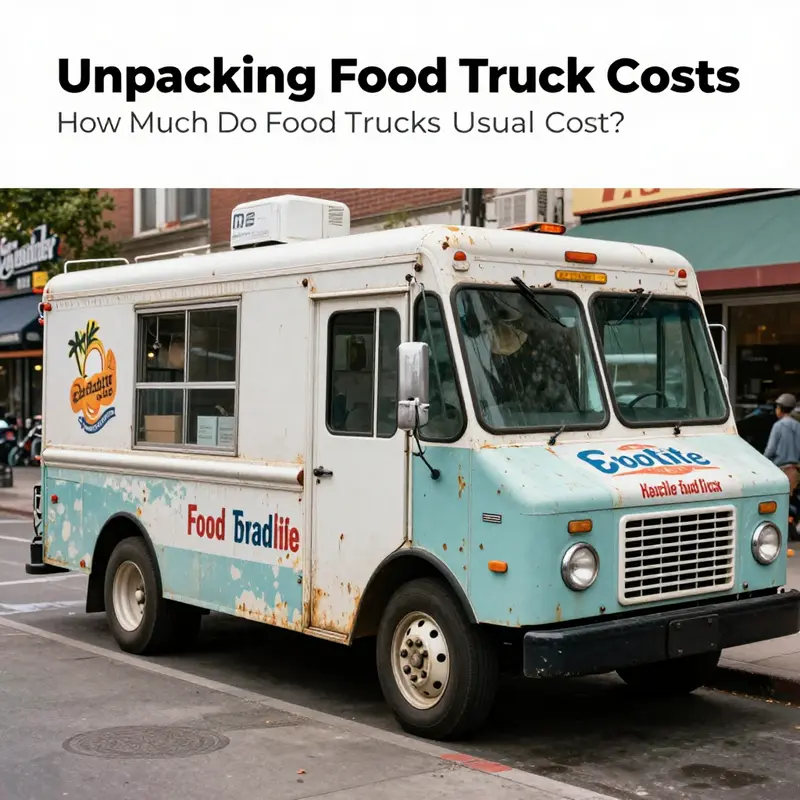
Buying a food truck sits at the crossroads of practical manufacturing, local business realities, and the art of selling food from a moving kitchen. It is not simply a one-time price tag but a mosaic of factors that add up to a financial commitment. The sticker price can vary widely because a truck is, in essence, a mobile workspace that carries the age and condition of its chassis, the power of its kitchen equipment, and the branding promise it makes to customers. When you start peeling back the layers, you discover that the path to a functioning food operation on wheels is shaped by choices about size, equipment, and how much you value newness versus refurbishment. The outcome is a spectrum rather than a single number, and understanding where you fit on that spectrum is essential to avoid underestimating the investment or overpaying for a unit that won’t meet your needs.
Among the most important distinctions is whether you are considering a used unit or a new build. Used food trucks commonly fall into a broad range that many buyers encounter before narrowing in on a specific model or layout. In practical terms, a used truck can be as affordable as a few thousand dollars at the bottom end and as costly as the mid double digits when it arrives in excellent condition with modern equipment and recent upgrades. The practical takeaway is that the used market offers considerable flexibility, but it also comes with trade-offs that must be assessed against your long-term plan and expected revenue. This is not merely about the upfront price; it is about how well the unit will support your menu, service pace, and reliability on busy days.
To ground expectations, consider the numbers that routinely circulate in the industry. A common, widely cited range for used units is roughly $5,000 to $25,000. This spread reflects a broad mix of trucks, trailers, and pre-owned kitchens, some of which have been kept in unusually good condition with updated appliances and well-maintained mechanicals. On the other side of the spectrum, more rugged or older units that require ongoing repairs or significant refurbishment can land near the lower end, while trucks that have been upgraded with newer equipment, improved ventilation, and efficient layouts tend to push toward the higher end of the spectrum. The variability is not just about age; it is about how complete the kitchen is, whether it meets health and safety standards, and how much the owner has upgraded or refurbished.
There are also edge cases at the low end of the market. For buyers with very tight budgets, there are used units listed for under $5,000. These are typically older models and may come with significant wear, limited or outdated kitchen setups, or other challenges that require substantial refurbishment before they can produce food safely and efficiently. These options can serve as a low-cost entry point for entrepreneurs with limited startup capital and a willingness to invest time and money into bringing the unit up to a functional standard. The upside is obvious: you can step into the mobile food business without committing a large sum upfront. The downside is equally clear: you must budget for a comprehensive retrofit, which can be both time-consuming and costly, depending on the scope of the work required. In a market where every hour of service counts, it is crucial to factor in not only the purchase price but the total cost of getting the truck ready to operate.
The condition and equipment of a used truck carry significant weight. A unit in excellent condition with a modern kitchen setup, reliable power, efficient refrigeration, and proper ventilation will command a price closer to the higher end of the range. Conversely, a truck that requires engine work, outdated or missing essential equipment, or significant cosmetic and structural repairs will be priced lower but will demand additional investment to reach a fully operational state. In this sense, the “price” is a signal about how much work remains to transform a pre-owned shell into a dependable mobile kitchen. The decision to purchase a relatively pristine truck versus a fixer-upper depends on your appetite for risk, your technical skills or access to dependable trades, and the speed at which you want to hit the road.
Beyond the core purchase, there are several indispensable cost blocks that buyers must anticipate. Permits, licenses, insurance, and inspections are not optional add-ons but fiduciary realities of operating food service from a vehicle. Permit costs can vary by city or county, and some jurisdictions require additional approvals for mobile vendors, commissary agreements, and health inspections. Insurance should cover general liability, auto liability, and the specific risks associated with a commercial kitchen on wheels, including equipment breakdown and potential spoilage. Fuel and maintenance add up quickly as well; a truck’s fuel efficiency, tire wear, engine health, and routine service intervals affect ongoing operating expenses. Then there is the ongoing investment in inventory, disposables, cleaning supplies, and the replenishment of pantry staples that keep your service smooth and reliable during peak hours. Even when the truck is parked, these costs keep accumulating because turnover and spoilage rates can eat into profit if not managed with care.
The final price is rarely about the base number alone; it is a function of how much you customize the unit for your concept. A minimal setup might prioritize a lean workflow and essential cooking equipment, leaving branding and design to be applied later. A more ambitious build might include high-end appliances, enhanced refrigeration, sophisticated exhaust systems, and a fully integrated branding package with a polished exterior, interior finishes, and a curated workflow that supports a rapid service pace. Each layer of customization adds capacity for higher-volume service and more consistent food quality, but it also inflates the upfront investment and, potentially, the ongoing maintenance burden. The balance you strike between cost, usability, and branding will shape not just the purchase price but the long-term viability of your venture.
For readers considering the affordability ladder, it is helpful to acknowledge options that exist at price points below the typical mid-range. A used outdoor food concession trailer might appear on the market for around $4,900, illustrating that there are viable configurations at modest price bands. However, such listings often reflect units that lack a full commercial kitchen or require substantial upgrades to meet current health and safety standards. Similarly, a basic used mobile food trailer around $5,200 may represent a stripped-down model or an older chassis; while it can serve as a platform, it will almost certainly require refurbishment to align with the demands of a fully compliant operation. These examples serve as a reminder that the market offers a spectrum of choices, but prudent buyers remember to evaluate the total cost of readiness rather than the headline purchase price alone.
In practice, many buyers widen their search through online marketplaces and supplier networks that specialize in used equipment and commercial vehicles. These platforms can reveal a broad inventory of trucks, trailers, and pre-owned kitchens with varying configurations. They also offer a comparative lens for evaluating what different price points buy in terms of kitchen layout, equipment quality, appliance brands, and the overall usability of the space. When comparing options, it is essential to consider not just what you can buy at the moment but how soon you can begin serving customers, how dependable the unit will be on a busy weekend, and how closely the setup aligns with your intended concept. A robust evaluation process should account for the reliability of the engine, the condition of the kitchen, the adequacy of ventilation and electrical systems, and the accessibility of serviceable parts in your region.
The practical reality for many first-time buyers is that the allure of a low entry price must be tempered by a clear plan for retrofitting and compliance. Some operators outsource refurbishment to specialists who can reconfigure layouts, upgrade electrical panels, install modern refrigeration, and ensure the exhaust and fuel systems meet code requirements. Others bring in trusted technicians or even partner with a mentor who has experience in similar builds. The cost of these services varies, but it is a recurring line item that deserves careful budgeting. What you gain is not just a functional kitchen, but a safer, more reliable, and more scalable platform for growth—an investment that often pays dividends through smoother operations, higher service speed, and better customer satisfaction.
For readers who are still weighing options, a guiding principle is to project not only the upfront price but the total cost of ownership over the first year or two of operation. This includes the fuel, insurance, permits, and maintenance, as well as small but recurring expenses like replacement parts or occasional equipment upgrades. If your plan is to operate at events or catering gigs, you may need to reserve capital for venue fees, additional water supply, or contingency funds for last-minute repairs. If your business plan aims for steady street vending, you should consider the implications of wear-and-tear from daily use and the need for consistent cleaning and compliance with evolving health standards. In short, the price you pay for a used truck is more than the sticker price; it is an integrated forecast of your operating footprint and your capability to serve, scale, and sustain your business in a competitive landscape.
For those who want a broader sense of the market and to explore budget-friendly avenues, there are sources that explicitly target affordable options. Platforms listing used trucks under tight price thresholds can be valuable for researchers and entrepreneurs who want to gauge the full spectrum of possibilities. These listings illustrate that the market accommodates diverse risk tolerances and business concepts, from quick-start prototypes to carefully staged refurbishments. They also reinforce the message that the purchasing decision is about more than the number on the tag; it is about the compatibility of the unit with your menu, service style, and the speed at which you can begin to generate revenue. When considering such options, it is wise to perform due diligence on the mechanical state, recent upgrades, and the availability of spare parts in your area.
If you’re pursuing a professional path in food-truck entrepreneurship, the cost question is inseparable from broader considerations like regulatory environments, financing options, and the long arc of growth for a mobile kitchen. A careful, measured approach to pricing helps you avoid the trap of undercapitalization, which can derail a promising concept before you even hit the road. It also helps you plan for branding, which is more than a paint job; it is a commitment to a consistent customer experience across all touchpoints, from the truck’s exterior design to the workflow inside and the menu you present to guests. In the end, the question “how much do food trucks usually cost?” does not have a single answer. It points to a spectrum where your capability to evaluate trade-offs, assemble a realistic budget, and align your ambitions with a practical path determines how quickly, and how confidently, you can turn a used truck into a thriving mobile kitchen.
To support strategic planning, you can also explore related resources that discuss the legal and operational considerations for Latino food-truck startups, which often intersect with the financial decisions of buying and operating a mobile kitchen. This broader context helps ensure that the financial plan is anchored in practical realities of permits, insurance, and compliance, and it can offer insights into how to pace growth as you stabilize your operations. For more on those considerations, see the article on legal considerations for Latino food truck startups.
External resource for broader budgeting context: https://www.alibaba.com/trade/search?fsb=y&IndexArea=product_en&CatId=&SearchText=used+food+trucks+under+5000
The Real Price of Mobility: Decoding What Food Trucks Really Cost
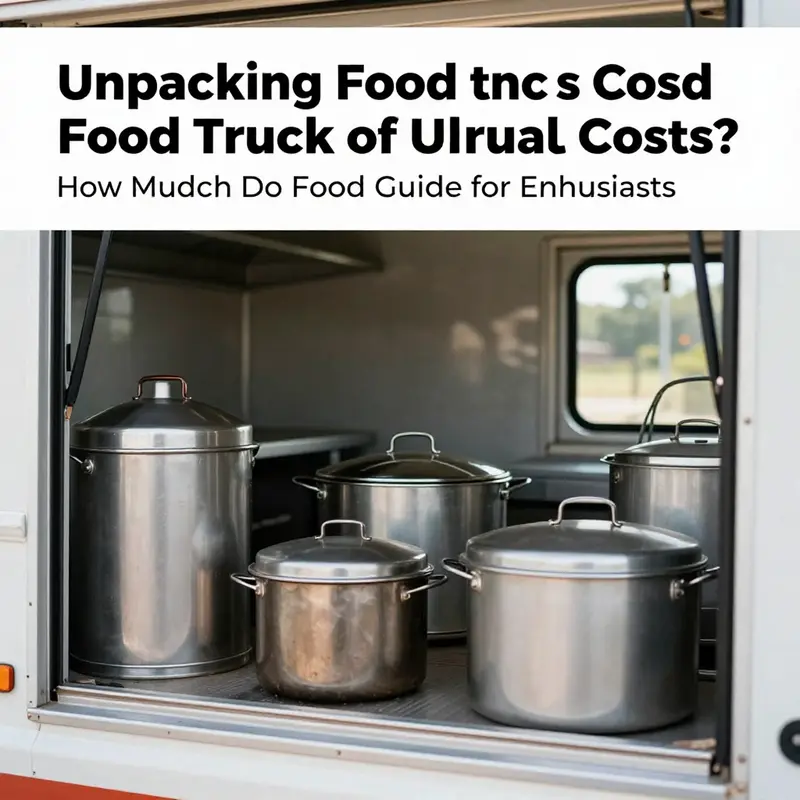
As soon as someone starts imagining a kitchen on wheels, the question often summons a single, simple figure: how much do food trucks cost? Yet the answer is rarely a fixed price. It unfolds as a blend of the sticker price on a vehicle, the level of customization inside the unit, and a steady drumbeat of ongoing costs that keep a mobile kitchen rolling through city blocks, events, and catering gigs. Understanding this blend is essential for anyone weighing whether a food truck is the right route to build a business, not just a dream. The initial investment is where the arithmetic begins in earnest, and it comes with a breadth of possibilities that can stretch from a few tens of thousands to well into six figures. A custom-built food truck can easily range from about $50,000 to over $200,000 depending on how big the truck is, how elaborate the design turns out to be, and what equipment is installed. Size matters because larger units demand bigger chassis, more sophisticated electrical and plumbing work, and extra refrigeration capacity. Design is another driver; a striking, branded shell can push up costs, but branding is also a strategic investment if it helps draw customers and command higher price points. The equipment list reads like a mini-kitchen inventory with some high-stakes decisions baked in. Commercial-grade refrigeration is non-negotiable for perishable ingredients, while cooking appliances may include grills, fryers, steam tables, and maybe a dedicated cooking line for a signature dish. The plumbing and electrical systems must meet health and safety standards for a commercial kitchen while staying reliable on the road. Insulation, ventilation, and fire suppression elements all ride on the core choice of whether the truck is a brand-new, fully built-out unit or a used project that needs upgrades. All of these factors contribute to the final figure and to the risk calculus investors perform before they take the plunge. The size, the design, and the equipment are intertwined with whether the truck is new or used. A used truck, even with a strong kitchen retrofit, can start in the lower range but often carries the caveat of ongoing maintenance and potential hidden costs. The spectrum widens with used units that can still offer a functional kitchen, yet require more attention to mechanical reliability, refrigeration efficiency, and compliant electrical work. In contrast, a new build brings the advantage of meeting current codes and having the latest equipment, but at a premium. The balance between upfront cost and long-term reliability is a central consideration. For prospective operators who want to keep a tighter rein on the starting price, there are lower-entry paths. Entry-level options exist in the form of basic used mobile food trailers priced around modest figures, though such units may require significant retrofitting to become a fully functional commercial kitchen. A recent example in the market shows a basic used outdoor concession trailer around the price point of a few thousand dollars, reflecting a lower end of possibilities that might suit a different business model rather than a fully equipped operation. The punch line is clear: if your goal is a kitchen that can serve a wide range of cooking styles with dependable performance, the initial investment inevitably stretches beyond the smallest numbers. Yet even with a higher sticker price, many operators view the truck as a flexible asset capable of serving in multiple contexts—from street vending to catering and events. Those who aim for a fully customized unit with high-end appliances, intricate branding, and a design that communicates a strong brand story should expect to cross the six-figure threshold in certain cases. The decision becomes a factor of scale and ambition: are you creating a compact, nimble operation that can move quickly between neighborhoods, or a larger, branded unit designed for banquet halls and large events where capacity and presentation matter at once? In addition to the vehicle and the kitchen, there are essential ongoing costs that recast the total price of ownership over the life of the business. Fuel costs shift with travel patterns and the miles logged; a truck that operates in dense urban corridors may burn more fuel in stop-and-go conditions, while a highway-heavy route could drive a different pattern. Maintenance is a steady line-item. Like any vehicle, a food truck requires routine service to keep brakes, tires, and mechanical systems in good shape, plus the periodic replacement of wear items such as belts, hoses, and seals. Insurance protects the vehicle and the business against liability and property damage, and it comes with premiums that vary by region, vehicle value, and coverage level. Permits and licensing fees are a recurring necessity that fluctuates by city, county, and state, often with annual or biennial renewal schedules. The regulatory environment is a moving part that can alter ongoing costs in ways that are not always obvious at the outset. From a practical standpoint, the cost picture becomes more layered when you consider the interior equipment that enables real menu diversity. The kitchen layout must support the planned menu while meeting health codes. Essential components typically include refrigeration for perishables, a dependable sink system for handwashing and sanitation, a cooking line capable of handling core dishes, and effective ventilation to manage smoke and heat. Insulation and climate control ensure stable kitchen performance and comfort for staff, which ties into labor productivity and food quality. The branding inside and outside the unit also plays a significant role. The exterior shell is not merely a cosmetic touch; it is the storefront that travels. A cohesive, eye-catching design can attract customers in crowded markets and at events where foot traffic is high. In many markets, operators invest heavily in branding packages that align the truck’s appearance with the menu and the story of the business. The internal link between the concept and the kitchen execution matters as much as the external look, because a misalignment can create inefficiencies that chip away at margins over time. The costs don’t stop with the truck itself. The way a business sources ingredients shapes price points and sustainability. Many operators choose fresh, high-quality ingredients sourced locally. This choice supports flavor, supports local producers, and can differentiate a menu. Premium ingredients tend to come with higher unit costs, but many operators justify the premium through elevated menu pricing and stronger brand positioning. The labor layer adds another dimension. Skilled cooks and experienced staff command wages that vary by urban density and market demand. In areas with higher living costs, labor can be a substantial portion of ongoing expenses. The operational footprint—where the truck operates, how often it attends events, and how it markets itself—also loops back to cost. Prime locations, event contracts, and long lines at popular venues may yield better revenue, but they can also command higher permit fees and larger upfront commitments for prime spots. Regulatory requirements, which can include health inspections, vehicle inspections, and vendor permits, swing costs in sometimes unpredictable ways. Fire safety systems, extinguisher maintenance, and compliance audits are not mere formalities; they are ongoing obligations that affect both safety and spend. The final price of ownership is essentially the summation of these layers: the upfront vehicle and kitchen investment, the daily and annual operating costs, and the strategic choices around location, menu, and branding. For anyone assembling a projection, it’s prudent to build a budget that includes contingency—both for repairs and for opportunities that arise, like participating in a large festival or a neighborhood pop-up that carries unique permit requirements. The overarching message is that cost is not a single line item but a spectrum shaped by intent, geography, and the level of sophistication in kitchen design and branding. For readers seeking deeper data on startup costs, average profit margins, and market trends, the broader industry research portal provides current numbers and analysis that can help refine estimates and expectations. For related practical guidance, you can explore the broader landscape of legal and business considerations in related articles that discuss startup considerations and regional licensing nuances. If you’re weighing your options and want to anchor your planning in real data, you’ll want to consult a reliable industry source and compare that with local permitting realities before finalizing a financial plan. The takeaway is straightforward: in the world of food trucks, cost is a spectrum shaped by how far you want to push branding, how ambitious your kitchen is, and where you plan to operate. The more you account for customization, quality equipment, and regulatory complexity, the more accurately you’ll forecast both upfront and ongoing expenses, and the more resilient your business can be in the face of market shifts. Internal link for deeper planning and considerations: Legal considerations Latino food-truck startups. For broader, data-driven benchmarks, see the National Food Truck Association Research portal. This external resource aggregates startup costs, equipment expenses, and market trends from current industry data to help shape valid financial projections across different business models and regions. See: https://www.foodtrucks.com/industry-research.
Beyond the Sticker Price: Navigating the Ongoing Costs of Operating a Food Truck
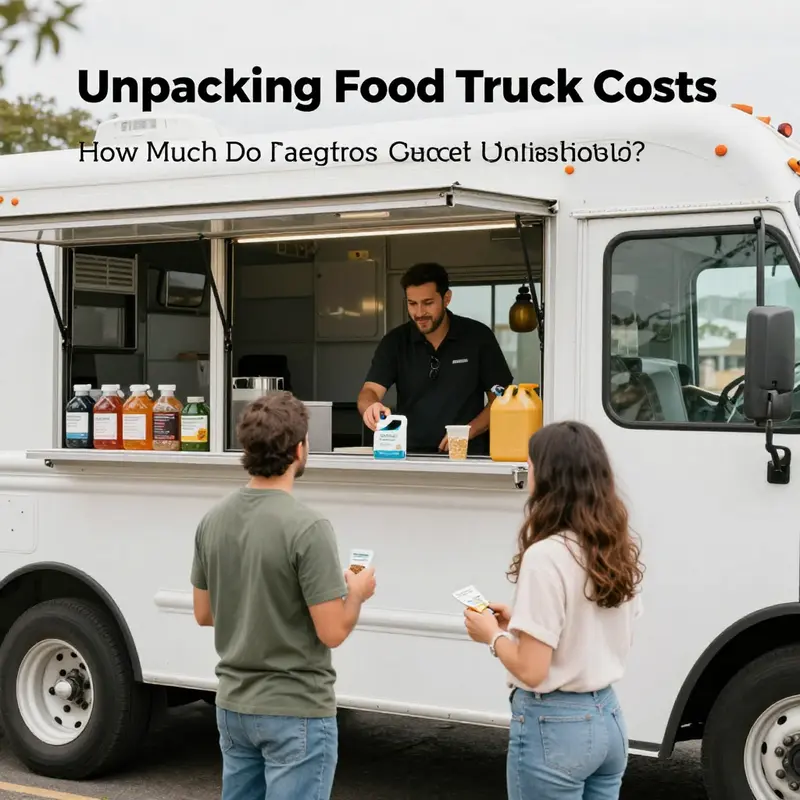
The sticker price on a food truck is only the opening chapter in the economics of mobile cuisine. Once the truck hits the road, ongoing costs emerge with predictable regularity and irregular surprises alike. Understanding these cash outlays is essential to determine whether a venture can sustain a healthy margin over time. The core picture includes location and operating fees, ingredients and supplies, utilities and propane, labor, maintenance, insurance, permits, and a steady drumbeat of marketing and compliance. Each category interacts with the others as demand, weather, and competition shift from month to month.
Monthly location rights or lease payments are the first visible recurring expense. Even with a compact footprint, many operators incur parking or permit fees to stay in high-traffic spots. Depending on city, neighborhood, and season, typical monthly location costs can range widely and are sometimes tied to hours of operation or daily foot traffic. The key lesson is that location quality often drives revenue, and the resulting tradeoff with rent must be managed through careful menu design and targeted promotions.
Ingredients and supplies demand discipline. Fresh produce, proteins, and condiments vary in price with seasonality and supplier terms. Inventories must be tracked tightly to minimize waste, enable cross utilization across dishes, and avoid sudden price shocks. Building strong relationships with reliable suppliers and planning for shortages helps stabilize margins without compromising menu quality.
Utilities and fuel form a second big block. Refrigeration, cooking equipment, lighting, and climate control drive electricity or gas use, while propane adds a predictable layer of risk if supply lines tighten. Efficient equipment, smart scheduling, and preventive maintenance help control these costs and prevent outages during peak service.
Labor costs are often the largest controllable expense after location. Wages, overtime, payroll taxes, and benefits depend on local standards and the mix of full time versus seasonal staff. A well designed staffing plan couples forecasted demand with cross training and flexible scheduling to reduce idle time while maintaining service quality.
Maintenance and repairs keep the truck reliable and minimize the risk of disruption. Regular servicing, timely replacements of worn parts, and contingency funds for unexpected breakdowns are standard practice. A breakdown during a busy shift can erode trust, so proactive maintenance pays for itself over time.
Insurance and permits round out the fixed operating costs. Liability, property, and business interruption coverages sit as ongoing annual or monthly line items, while permits and licenses ensure compliance with health, safety, and zoning rules. These costs are not optional in many markets and should be integrated into a forward-looking budget.
Finally, ongoing marketing, branding, and customer engagement provide the engine for steady revenue. Small, targeted campaigns, event participation, and digital outreach can lift volumes and help spread fixed costs over a larger sales base.
Viewed together, typical monthly operating costs for a well positioned food truck fall into a broad range that depends on scale, location, and the mix of services offered. A practical framework is to model the business with a baseline that covers fixed costs, a variable component tied to volume, and a cushion for volatility. With disciplined budgeting and forecasting, the ongoing costs can be managed to support profitable operations rather than erode margins over time.
For readers seeking deeper benchmarks, industry resources and annual surveys can provide region specific data, while local mentors and peers can offer practical insights about what works in a given market.
Counting the Road Ahead: The Real Cost and Financing of Launching a Food Truck
In the world of mobile kitchens, the price tag you first encounter is only the beginning of a longer financial story. A food truck is not merely a vehicle; it is a compact kitchen on wheels, a branding platform, and a small business in motion. The precise number you pay depends on many factors, from the truck’s size and condition to the extent of equipment, branding, and regulatory readiness. Across the board, the market shows a wide spread: from lean pre-owned trailers to fully equipped, brand-new operations tailored to high-volume catering or festival work. This chapter threads through those realities, not to settle on a single figure, but to illuminate how the cost curve behaves and how financing can fit into a practical plan.
For those assessing fresh entry, the range is steep but predictable. A new, fully equipped food truck typically lands in the neighborhood of about $75,000 to $150,000 or more, depending largely on size and the kinds of appliances and service equipment installed. A larger chassis with industrial-grade fryers, griddles, refrigeration suites, and custom layouts or branding can push the price well beyond the mid-range. The economics of a new unit often factor in not just the base truck, but the kitchen setup, exhaust system, generators, and electrical or plumbing upgrades required for a true commercial kitchen on wheels. It is tempting to compare this figure to a fixed price, but the reality is that customization quickly reshapes the final bill. In some markets, builders offer more modest configurations that still meet health and safety standards, but those units tend to be designed for lighter workloads or shorter menus.
Used options present a different calculus. A pre-owned truck or trailer can start around $20,000 to $50,000, offering a way to enter the field with a lower cash outlay. Yet buyers should approach these figures with scrutiny. A used unit may carry hidden maintenance needs, outdated equipment, or wear that shortens its remaining useful life. The true cost of ownership unfolds after you factor in refurbishments, modernization of the kitchen, and potential repairs to the chassis, plumbing, or electrical systems. There are examples in the market that drift into the much lower end, such as basic used mobile trailers priced around $5,200 or even lower, and listings for older outdoor concession trailers near $4,900. These listings illustrate entry points, not typical operating baselines. They often reflect stripped-down configurations or equipment that would require substantial investment before meeting the needs of a full-service kitchen. For anyone aiming for consistent, health-compliant service in busy neighborhoods or at events, those lower-price options can be a starting point only if the buyer is prepared for a longer, more hands-on build-out.
The decision to buy new versus used is not simply a question of price. A new unit offers a clean slate, a warranty, and the reassurance that everything in the kitchen and on the chassis is fresh. It also opens a canvas for branding from the start, with color schemes, logo integration, and a layout designed around a specific menu. A used truck, by contrast, may arrive with a known layout and potentially negotiated vendor terms, but it can require upgrades that, once completed, narrow the perceived savings. In either case, the base price only scratches the surface of what it takes to bring a functioning, legally compliant operation to the street. Permits, health inspections, and licensing fees are essential costs that routinely blend into the start-up equation, along with insurance, fuel, maintenance, and initial inventory. You must plan for all of these pieces as part of the total cost picture. To truly forecast the budget, many operators build a layered plan that separates the truck price from the kitchen equipment and from the regulatory and operating levers that sustain daily service. The split also makes it easier to demonstrate to lenders that the business has a defensible cash-flow model and a clear path to profitability.
Seeing the full picture requires acknowledging that the total startup cost often exceeds the sticker price of the truck itself. The kitchen gear, including ovens, griddles, refrigeration, and exhaust systems, can carry a sizable premium, especially if you aim for reliability during high-traffic hours and during outdoor events where power and ventilation requirements become critical. Then there are permits and licensing: health department approvals, fire safety compliance, business registration, and vehicle registrations, all of which vary by city and state. Insurance is another nontrivial line item, protecting the truck, the equipment, and the business from a variety of risks, from liability at a pop-up to damage during transport. You also must stock inventory—from produce to packaging materials—and plan for ongoing maintenance, fuel, and tires. The upshot is simple: even in the best-case scenario, the cumulative cost of getting on the road and staying there tends to sit well beyond $100,000, particularly when you count the need to carry working capital for early weeks of operation, when sales may be modest as you establish a customer base and refine your routes and menus.
This is where financing becomes not an afterthought but a foundational component of the plan. The path to funding food-truck ventures is as varied as the trucks themselves. Specialized lenders and the Small Business Administration (SBA) offer routes that are tailored to early-stage and smaller-scale enterprises. An SBA-backed loan, for instance, can provide favorable terms relative to unassisted financing, and it may be more approachable for someone whose personal credit history is solid but not outstanding. Equipment financing, a common option for buyers who want to preserve liquidity, allows the business to spread the cost of the truck and kitchen equipment over a period, using the vehicle and the installed appliances as collateral. This approach can be appealing when you project a steady cash flow and plan to keep the unit in service for several years. For those who want a firm, finance-friendly doorway to mobility, commercial-vehicle loans from banks or credit unions exist specifically to support mobile businesses, with terms designed around the life cycle of a vehicle and the related equipment. In all cases, lenders will want a well-structured plan, a credible menu and route strategy, and a realistic projection of sales and expenses that demonstrates debt service is sustainable. A robust business plan not only helps secure favorable terms; it also sharpens the operator’s own understanding of the business model and the operational discipline needed to succeed on the road.
Permits and compliance deserve particular emphasis in this discussion. They determine not only whether you can operate legally, but how smoothly your start-up timeline unfolds. It is common to encounter a multi-layered process involving health inspections, fire-safety checks, and local zoning rules for selling from a street or at events. The costs associated with these steps can be modest in some places and more substantial in others, especially in markets with tight regulatory environments or higher insurance requirements. For readers who want a guided, country-specific sense of what these regulatory steps look like, there is a rich body of practical guidance that emphasizes the importance of understanding the licensing landscape before you commit to a vehicle. A deeper dive into the legal considerations for Latino food-truck startups, for example, can illuminate how regulatory requirements intersect with branding, staffing, and day-to-day operations. This topic is explored in a dedicated article focused on navigating compliance without slowing momentum. legal considerations for Latino food-truck startups.
As you map the financial terrain, keep in view that the numbers above are not prescriptions but signposts. They are meant to anchor your budget and inform conversations with lenders. The figures prompt a series of questions: Do you need a brand-new kitchen, or can you adapt a used platform with modern equipment? How much of the kitchen can be sourced on the used market, and where will you invest to guarantee reliability? What does your first quarter of operation look like in terms of daily sales, average ticket, and event bookings? Will you pursue a steady daily street presence, or focus on festivals, farmers markets, and private catering, which each have distinct revenue rhythms? The more precise you become about the menu, the service style, and the location mix, the more accurately you can forecast the cash flow that will support debt service and ongoing expansions. In turn, that clarity will translate into negotiation leverage with lenders, because you can present them with a credible, data-driven plan rather than a set of optimistic hopes.
For those stepping into this world with limited upfront capital, the literature that accompanies small-business funding offers practical guardrails. The U.S. Small Business Administration’s official resources outline several loan and grant options, eligibility criteria, and application steps that can demystify the process and increase the odds of approval. A helpful first stop is their site, which consolidates guidance on funding programs and loan eligibility. You can explore these resources at https://www.sba.gov. In parallel, it pays to talk with lenders who understand mobile food-service businesses, to compare terms, expectations, and the realities of seasonal demand. Create a staged plan that identifies a minimum viable fleet—the smallest number of assets that will support your target revenue—and a longer horizon that anticipates how you might scale up through reinvestment of profits.
The road to a successful food-truck business weaves together price insight, feasibility planning, regulatory navigation, and financing strategy. The numbers should not be interpreted as dogmatic ceilings but as guides that help you decide where to begin and how aggressively to invest in equipment, branding, and compliance. The chapters that follow will build on this foundation by examining menu design, route optimization, and how to cultivate partnerships with venues, organizers, and communities that sustain demand. The essential takeaway is straightforward: cost awareness plus disciplined financing creates a practical path for turning a mobile culinary dream into a sustainable, on-the-road operation.
Final thoughts
Understanding how much food trucks usually cost entails more than just their price tags; it’s an intricate web of initial investments, operating expenses, and financing options that can sweep automotive enthusiasts off their feet. Whether you are contemplating a new buy or exploring used models, each decision impacts your journey into the world of mobile food service. By considering the outlined financial aspects, enthusiasts, tuners, and modifiers can strategically navigate their entry into this exciting realm. Remember, the right food truck not only fuels your culinary dreams but also aligns with your automotive passions, blending the love of food with the thrill of engineering.