
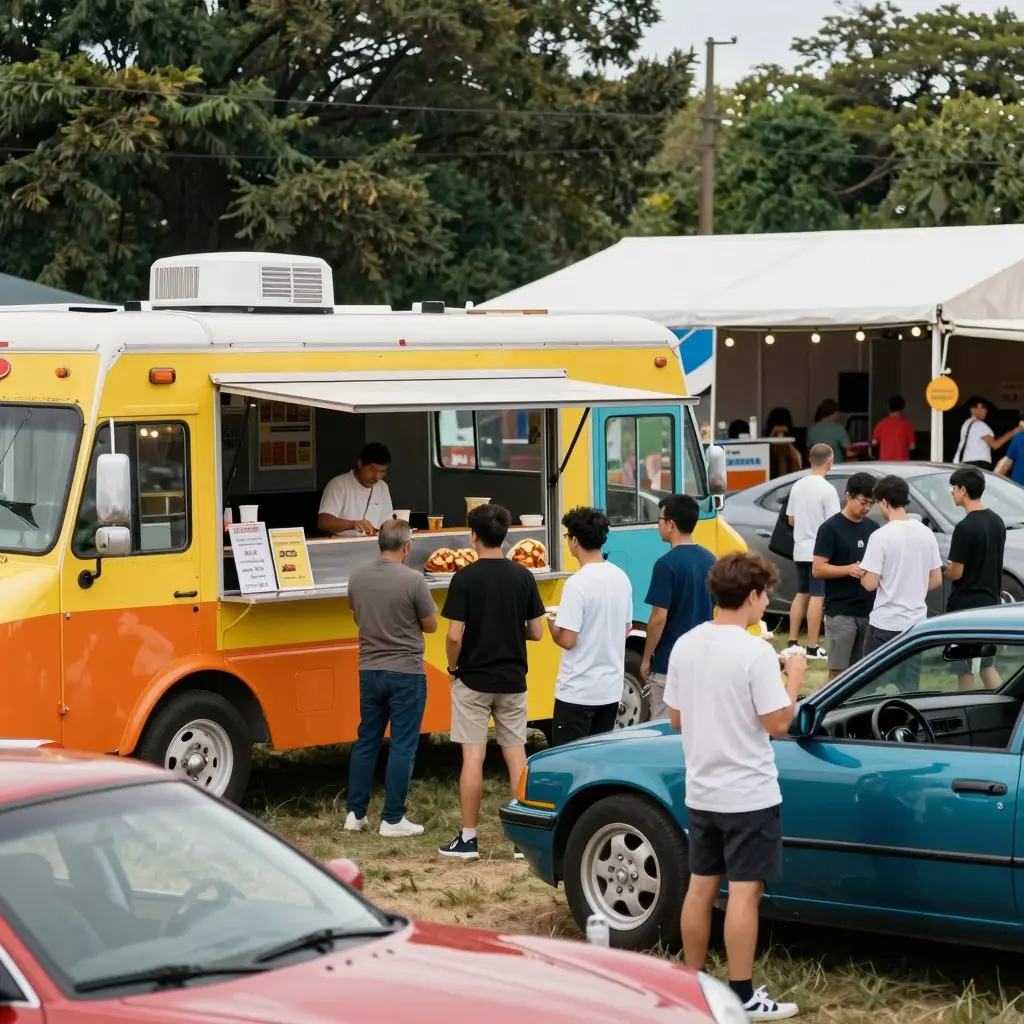
Introduction to Food Truck Festivals
Food truck festivals have emerged as vibrant culinary celebrations, captivating food lovers and car enthusiasts alike. These lively events combine the charm of street food with the thrill of automotive culture, drawing in diverse audiences ranging from hobbyist car modifiers to professional tuners. With their ability to create unique experiences, food truck festivals have surged in popularity, showcasing a variety of cuisines while also celebrating the artistry behind customized vehicles.
The appeal of these festivals lies not just in the food but also in the vibrant atmosphere they create. Attendees can indulge in gourmet offerings from various food trucks, each with its own personality reflecting the owner’s culinary vision. This fusion of flavors and automotive passion makes food truck festivals an exciting destination where culinary creativity meets car culture.
As an added layer, these festivals often showcase impressive modified cars and classic restorations, attracting car enthusiasts eager to explore innovative designs and technology. The camaraderie between food and automotive lovers makes food truck festivals a melting pot of cultural exchange and community spirit. To dive deeper into the fascinating world of food trucks, from successful Latino food truck stories to top Latino food trucks, the stage is set for an unforgettable experience that awaits every visitor!
Join us as we dissect how these festivals operate and the efforts behind their success.
Festival Origins: The Evolution of Food Truck Festivals
Food truck festivals have emerged as vibrant celebrations of culinary innovation, community spirit, and cultural diversity. Their history is a rich tapestry woven with entrepreneurial aspirations and the growing need for accessible dining options.
The Early Days
The concept of dining on the go originated with pushcarts in the late 19th century, primarily serving quick bites to workers in bustling urban centers. These early food sellers laid the groundwork for what would eventually evolve into the food truck phenomenon we recognize today.
From Loncheras to Gourmet Food Trucks
By the 1980s, the first generation of food trucks-often referred to as “loncheras” in Hispanic communities-took to the streets of cities like Los Angeles, offering affordable and authentic cuisine. These vehicles not only satisfied hunger but also fostered cultural identity among immigrant populations.
In the 2000s, the trend began to shift, as gourmet food trucks emerged across America. These mobile kitchens featured chefs who sought to push culinary boundaries, utilizing high-quality ingredients and innovative recipes. The synergy of food and creativity caused an explosion of food truck culture, resulting in large-scale festivals that catered to foodies and families alike.
The Rise of Festivals
The first official food truck festival can be traced back to 2010, when the Farmers Market in Austin, Texas, served as a testing ground for food truck operators. The Austin phenomenon paved the way for events across the nation, like the Los Angeles Food Truck Festival in 2013 and Feast Portland, reinforcing how food trucks could become catalysts for community engagement. Such events transformed local parks and urban spaces into culinary hubs promoting local businesses and unique flavors.
Cultural and Economic Impacts
Food truck festivals have become vital to urban landscapes, serving as communal gathering spots and symbolizing the local food scene. They not only highlight diverse cuisines-such as those found in the Latino food truck scene, prominently featured in cities across the U.S. (learn more about Latino food trucks in major cities)-but also support local economies by encouraging small businesses and entrepreneurship.
Conclusion
The evolution of food truck festivals represents more than just a trend; it reflects a dynamic intersection of culture, community, and culinary arts. These festivals signify how mobility and innovation shake up traditional dining norms, giving food lovers a chance to experience everything from gourmet tacos to handcrafted boba tea. As food trucks continue to thrive across America, they remain a testament to the creativity and passion that fuels our culinary landscape.

Organizing a Food Truck Festival: A Step-by-Step Guide
Organizing a food truck festival is a complex but rewarding endeavor that requires meticulous planning and execution. If you’re a car enthusiast, you’re likely familiar with the need for precision and attention to detail. Here’s a comprehensive guide on how to organize a food truck festival, covering everything from obtaining permits to selecting the right vendors.
Step 1: Conceptualization and Planning
- Define the Purpose: Determine what you want to achieve with the festival. Is it to promote local cuisine, provide a family-friendly event, or gain exposure for car enthusiasts?
- Choose a Date and Venue: Select a date that avoids major local events. Consider spaces that can accommodate food trucks and foot traffic, such as parks or vacant lots. Ensure accessibility, especially for car lovers who enjoy showcasing their vehicles.
Step 2: Permit Acquisition
- Research Local Regulations: Contact your local government and zoning offices to understand the necessary permits for organizing a public event. Critical permits may include food handling permits and property usage agreements. This step is vital in legal considerations for food truck startups.
- File for Permits: Ensure you complete and submit all required paperwork well in advance to avoid delays.
Step 3: Budgeting and Funding
- Create a Detailed Budget: Include costs for permits, venue rentals, insurance, marketing, and staff. Remember to factor in unexpected expenses.
- Seek Sponsorships: Approach local businesses for sponsorships to help offset costs and enhance the festival’s visibility.
Step 4: Vendor Selection
- Develop a Criteria List: It’s essential to choose food trucks that will appeal to your audience. Focus on diversity in cuisine, quality of offerings, and adherence to health standards. Depending on your car enthusiast audience, you might want to highlight trucks that offer unique or gourmet food options. Consider criteria from sources like Los Chifladitos Truck on vendor selection.
- Solicit Applications: Create a vendor application that includes fees, space requirements, and menu offerings. Send this out to local food truck owners.
- Evaluate and Select Vendors: Choose vendors based on the applications received and align them with the festival’s theme and goals. A smaller group of high-quality vendors can enhance guest experiences, as described in Ticket Fairy’s article on festival vendor selection.
Step 5: Marketing and Promotion
- Leverage Social Media: Use platforms like Facebook and Instagram to generate buzz. Create event pages and share engaging content to attract attendees.
- Engage with Local Media: Reach out to local news outlets and food blogs to cover the festival, enhancing community support.
Step 6: Day of the Event
- Setup and Coordination: Arrive early to oversee vendor setup and ensure everything is in place.
- Engage Attendees: Interact with guests, gather feedback, and ensure that food trucks are providing satisfactory service.
Conclusion
By following these steps, you can successfully organize a food truck festival that impresses attendees and food vendors alike. The meticulous organization will pay off, creating a vibrant atmosphere for food lovers and car enthusiasts to enjoy together. For more insights on successful food truck operations, visit Latinos Food Trucks.
| Festival Name | Location | Date | Special Features | Target Demographic |
|---|---|---|---|---|
| Manayunk StrEAT Food Festival | Philadelphia, PA | May 2023 | Live Music, Local Beer | Food & Car Enthusiasts |
| Los Angeles Food & Wine Festival | Los Angeles, CA | August 2023 | Celebrity Chefs | Culinary Aficionados, Food Truck Fans |
| Connecticut Food Truck Festival | Various Connecticut Cities | June 2023 | Live Entertainment | Families, Food Lovers |
| National Food Truck Festival | Washington D.C. | July 2023 | Workshops, Competitions | General Public, auto enthusiasts |
| Atlanta Street Food Festival | Atlanta, GA | October 2023 | Cultural Performances | Families, Music Lovers |
Discovering the Thrill: Attendee Experiences at Food Truck Festivals
Food truck festivals are delightful gatherings, merging culinary excellence with community spirit. For car enthusiasts and food aficionados alike, these events create a uniquely vibrant atmosphere that resonates emotionally. Here’s an insightful exploration of attendee experiences, highlighting how the festivals appeal to both communities through engaging stories and statistics.
A Culinary Extravaganza
At food truck festivals, attendees embark on culinary adventures, sampling diverse dishes from various specialties. The Mira Bhayandar Food Festival in India, celebrated for its wide array of culinary offerings, has become a must-visit for food lovers. The event has garnered exceptional interest, reflecting a growing trend toward food truck festivals as premier dining experiences. According to sources from India’s News, these festivals attract thousands, creating a sense of community and connection among attendees.
Many participants share emotional anecdotes about moments at festivals that have sparked connections, like bonding over the shared love for a dish or discovering a hidden culinary gem. One attendee at the Annual MO Food Truck Festival spoke about savoring gourmet tacos while surrounded by the laughter of friends and family, cementing the idea that such events offer more than just food; they foster community and shared experiences.
The Intersection of Cars and Cuisine
The appeal of food truck festivals often lies in their intertwined experiences with car culture. Taste of Food Festival and Car Show combines culinary delights with classic car displays, creating a spectacle that draws both food lovers and car enthusiasts. Reports show that this crossover creates a perfect environment where attendees can appreciate the aesthetics of beautifully crafted cars while indulging in culinary adventures.
Attendees have shared stories of nostalgia, triggered by the sight of classic cars. For some, it recalls memories of family road trips, making the sensory experience of delectable food even more profound. A participant remarked on how watching a vintage Mustang next to a food truck serving Asian fusion BBQ evoked feelings of youthful freedom, illustrating how the environment amplifies emotional engagement.
Statistics That Speak Volumes
The sheer volumes at food truck festivals underscore their widespread appeal. For instance, the Wyndham food truck festival, which hosted approximately 40,000 attendees, highlights the popularity of such events, attracting diverse crowds that include car enthusiasts. This enthusiasm was echoed by event organizers who noted that the presence of unique and eclectic culinary options played an essential part in drawing attendees from various backgrounds.
At the Bhayandar Food Festival, the growing turnout reflects a movement towards appreciating not only food but also local cultures and traditions. By providing a platform for local vendors to showcase their work, food truck festivals help build emotional connections – not just with food, but with the region’s culture.
Bonds Over Flavor and Community
Every festival brings with it stories of connection. One attendee shared how they met a fellow classic car enthusiast in line for a gourmet grilled cheese truck, leading to conversations about restoration projects and favorite food truck locations. Another shared a moving tale of bonding over a spicy salsa-one that carried a family recipe passed down through generations-while chatting with a vendor who shared a similar heritage.
Food truck festivals effectively bridge gaps between people, making them exciting spots for car enthusiasts who appreciate not only the automotive artistry but also the culinary creativity that fuels their passion.
Conclusion
Attending a food truck festival is more than an infusion of flavors; it is a celebration of culture and community. For car enthusiasts, these festivals are the perfect blend of passion-a homage to design and craftsmanship in both automotive and culinary art. The emotional connections forged, the memories created, and the stories shared contribute to the enduring popularity of food truck events. So next time you’re cruising by, consider stopping to savor not just the food, but the enriching experiences and connections that lie within.
Whether you’re a hobbyist modifier, a professional tuner, or simply someone who appreciates the intricacies of both cars and cuisine, food truck festivals promise adventure, flavor, and community-one bite at a time.
For more on the variety of food truck options available, check out top Latino food truck dishes that can be found at these events. Also, learn more about food truck culture to appreciate the significance of these vibrant festivals propping up in our communities.
Total Word Count: 693
Conclusion
Food truck festivals are more than just culinary events; they serve as vibrant community gatherings that bring people together through the love of diverse cuisines and innovative culinary enterprises. At these festivals, food lovers can indulge in unique flavors while supporting local entrepreneurs, ultimately fostering a sense of belonging and camaraderie. These festivals are tailored to create inclusive environments that showcase not only the food but also the culture and stories behind each truck.
From Massachusetts to the Twin Cities, festivals highlight the rich tapestry of local flavors and foster engagement among residents. Many events, like the St. Paul Food Truck Festival, are designed to promote local businesses, enhancing economic activity and community health. According to sources, these gatherings stimulate local economies by creating opportunities for food trucks to reach larger audiences, while simultaneously encouraging attendees to explore the diverse culinary landscape of their neighborhoods.
Innovation is also a cornerstone of these festivals, with many food truck owners experimenting with unique offerings and creative dishes that reflect cultural heritage and modern culinary trends. As you explore the offerings of innovative food trucks, you can discover hidden gems and unique culinary experiences that may spark inspiration for your next food adventure. To delve deeper into the vibrant world of food trucks, consider checking out our articles on top Latino food trucks across U.S. cities and profiles of veteran food truck owners.
We encourage you to participate in future food truck festivals, where you can engage with your community and enjoy the creativity that these vendors showcase. Don’t miss out on the opportunity to experience the flavor, culture, and innovation that these festivals bring to your local area. Join your fellow food enthusiasts in these exciting events, and savor the thrill and community spirit that makes food truck festivals a must-visit!
Tips for Attending Food Truck Festivals
Attending food truck festivals is an exciting way to taste a variety of cuisines while socializing and enjoying the vibrant atmosphere. Here’s a list of practical tips to make the most of your experience:
1. Plan Ahead
Research the festival and the food trucks that will be present. Check out their menus online to know what you’d like to try. This ensures you won’t miss out on any favorites or specialty items.
2. Arrive Early
Getting to the festival early can help you avoid the long lines. It’s also an excellent way to find prime parking, especially if you’re showcasing a custom car!
3. Share Dishes
To maximize your tasting opportunities, consider sharing dishes with friends. This way, you can sample several food trucks’ offerings without overindulging.
4. Stay Hydrated
Don’t forget to drink plenty of water! Festivals can get hot, and staying hydrated is crucial.
5. Bring Cash
While many food trucks accept cards, some may only take cash. Having some on hand ensures you won’t miss out on your favorite foods.
6. Enjoy the Atmosphere
Take time to soak in the live entertainment, meet new people, and socialize with fellow food enthusiasts. Festivals are a great place to connect with others who share your passions.
7. Check for Local Events
Look for food truck festivals happening close to you. They often celebrate local cuisine, giving you a true taste of your area. Find popular food truck festivals nearby for the best experiences!
Enjoy your time at food truck festivals and discover delicious offerings!
Food truck festivals are a celebration of culinary creativity and community spirit. As an organizer noted, “The businesses are excited, the food trucks are excited, and it is going to be fun. These festivals not only bring diverse and delicious cuisines to the forefront but also foster a sense of community among attendees. Each event is a vibrant gathering where food lovers unite to enjoy unique flavors, live music, and the joy of being outdoors.”
The excitement is palpable, as these gatherings are much more than just dining options; they are about creating lasting memories and connections-a true feast for all the senses.