
Navigating the world of food trucks is not just about whipping up delicious recipes and serving hungry customers; it’s also about securing the right insurance to protect your passion. When you decide to insure a food truck, you step into a realm filled with unique challenges that weigh heavily on both hobbyists and seasoned professionals alike. Unlike traditional restaurants, food trucks can face unpredictable risks-from accidents on bustling city streets to equipment breakdowns during peak hours. Each decision carries the weight of your culinary dreams, making food truck insurance not just a necessity but a lifeline for your business. As someone who’s seen the vibrant community of food truck entrepreneurs flourish, I can attest to the dedication they pour into every dish. Understanding the nuances of commercial vehicle insurance is critical for safeguarding that dedication and ensuring your culinary journey continues without disruption. Learn more about the essential legal considerations when starting your food truck venture!
Types of Food Truck Insurance: Protecting Your Culinary Venture
Owning a food truck is an exhilarating journey, but it comes with its share of risks. Food truck owners need comprehensive insurance coverage to protect against various liabilities. Here’s an overview of the essential types of food truck insurance:
General Liability Insurance
General liability insurance is crucial for food truck operators as it covers third-party injuries and property damage. If a customer slips and falls near your truck, this insurance will help cover medical expenses and any legal fees resulting from lawsuits. It not only protects your business but also enhances your credibility with clients and vendors.
Commercial Auto Insurance
Just as a personal vehicle requires insurance, so does your food truck. Commercial auto insurance is designed specifically for vehicles used in business operations. This policy covers everything from accidents and collisions to vandalism and theft. A customized policy based on your vehicle’s value, operational risks, and driving history ensures adequate protection.
Property Insurance
Food trucks are unique in that they house equipment, inventory, and sometimes even specialized technology. Property insurance protects your truck, cooking equipment, and inventory against damages from fire, theft, or natural disasters. This type of insurance is vital for safeguarding your investments and ensuring the smooth operation of your business.
Workers’ Compensation Insurance
If your food truck employs staff, workers’ compensation insurance is required. It covers medical expenses and lost wages for employees injured on the job. This not only fulfills legal obligations but also creates a safer environment for your workers, fostering a positive workplace culture.
Factors Influencing Premiums
Several factors can affect the cost of food truck insurance premiums:
- Cuisine Type: Serving hot food may increase risk.
- Truck Size and Value: Larger and more valuable trucks often come with higher premiums.
- Location & Operating Hours: Urban areas or high-traffic times typically lead to increased premiums due to higher risks.
- Driver Experience: A clean driving record can help lower costs.
- Claims History: Previous claims can raise rates significantly.
For those interested in diving deeper into the challenges of food truck ownership, consider reading about the legal considerations for Latino food truck startups or explore profiles of veteran food truck owners that share their insights.
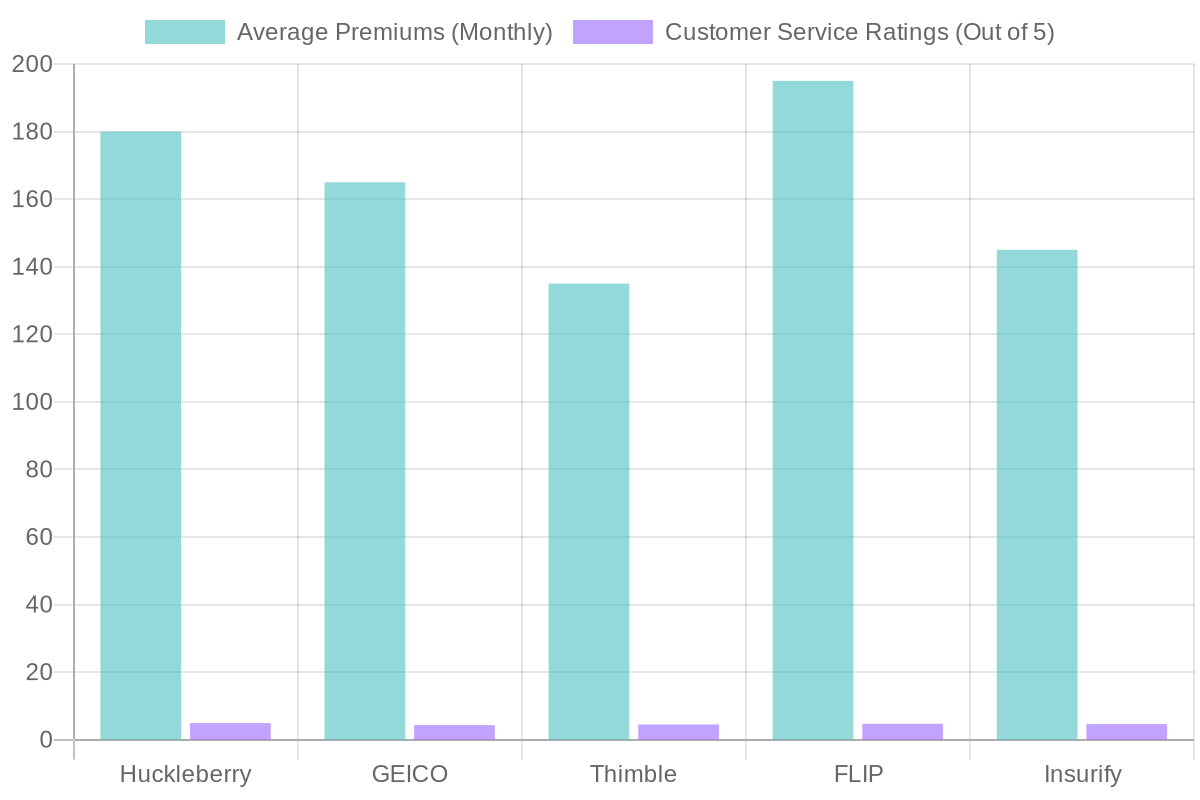
| Provider Name | Coverage Options | Average Premiums (Monthly) | Customer Service Ratings (Out of 5) | Special Offerings |
|---|---|---|---|---|
| Huckleberry | General Liability, Property Damage, Commercial Auto, Workers’ Comp, Cyber Liability, Business Interruption | $180 | 4.9 | Free risk assessment, 24/7 claims support, mobile app for policy management, multi-location discounts |
| GEICO | General Liability, Commercial Auto, Property Damage, Workers’ Comp, Umbrella Liability | $165 | 4.3 | Bundled policies with auto insurance, online quote tool, roadside assistance for vehicles |
| Thimble | General Liability, Property Damage, Commercial Auto, Cyber Liability, Event Cancellation | $135 | 4.5 | Pay-as-you-go insurance (per hour/day), short-term coverage for pop-up events, instant online approval |
| Food Liability Insurance Program (FLIP) | General Liability, Food Contamination Liability, Product Recall Coverage, Business Property | $195 | 4.7 | Industry-specific underwriting for food service vendors, free liability training webinars, partnerships with food truck associations |
| Insurify | General Liability, Commercial Auto, Property Damage, Workers’ Comp, Cyber Liability | $145 | 4.6 | AI-powered pricing engine, real-time quotes from multiple insurers, easy comparison tool |
Sources:
- Huckleberry Insurance – 2026 Pricing & Features
- GEICO Commercial Insurance – 2026 Rates & Services
- Thimble – On-Demand Food Truck Insurance
- Food Liability Insurance Program (FLIP) – Official Site
- Insurify – Food Truck Insurance Comparison Tool (2026 Data)
Why Food Truck Insurance is Essential
In the vibrant world of food trucking, where delicious food meets entrepreneurial spirit, having the right food truck insurance is not just a formality-it’s a crucial necessity. This specialized insurance provides food truck operators with essential protection against various unforeseen circumstances, ensuring the longevity and success of their culinary venture.
Legal Requirements
One of the primary reasons to invest in food truck insurance is to adhere to legal regulations. Most states and local jurisdictions require food businesses to have liability insurance. Failure to comply can lead to hefty fines and potentially jeopardize the business. For instance, imagine being forced to stop operations due to a lack of necessary documentation-this is not just an inconvenience but a significant financial setback.
Protection Against Unforeseen Events
Consider the unexpected: a customer slips and falls while enjoying their meal outside your food truck, or your food truck encounters an accident. In both scenarios, having food truck insurance comes into play. This coverage typically includes liability protection which helps safeguard against lawsuits arising from customer injuries or property damage. According to sources, it can also include policies for vehicle damage and business interruption, securing your income during downtimes due to unforeseen events such as accidents or natural disasters.
Peace of Mind for Operators
Having food truck insurance also brings peace of mind to food truck operators. With coverage, you can focus on what you love-preparing delicious food and serving your customers-without constantly worrying about the financial ramifications of a mishap. For example, if a generator fails, resulting in spoiled food, food truck insurance can help cover the losses, allowing you to bounce back quickly.
In summary, investing in food truck insurance is not merely a legal obligation; it’s a smart business move that protects your assets and elevates your entrepreneurial experience. Don’t operate in the fast-paced, sometimes unpredictable food truck industry without it. Embrace the assurance that comes with proper insurance and let your culinary talent shine. For further insights, learn more about legal considerations for food truck startups.
Common Insurance Misconceptions
When it comes to food truck insurance, there are several misconceptions that can put your business at risk. Understanding these myths is crucial for any food truck operator, whether you’re a hobbyist or a professional looking to protect your investment.
1. “I don’t need insurance if I operate part-time”
Many food truck operators believe that working part-time exempts them from needing insurance. This is a dangerous myth. Any commercial operation, even if it’s sporadic, can face liabilities. Accidents can happen at any time, and without proper insurance, you risk financial loss that could jeopardize your whole operation. According to a NextInsurance article, the legal requirements surrounding food trucks often necessitate insurance to cover both commercial and personal liabilities regardless of operation hours.
2. “All insurances are the same”
Another common fallacy is that all insurance policies are interchangeable. This couldn’t be further from the truth. The needs of a food truck are unique, requiring specialized coverage that addresses specific risks-like equipment failure, food spoilage, and public liability-unlike standard business insurance. It’s essential to consult with an insurance professional to tailor a policy that meets the specific requirements of your food truck operation. Many operators mistakenly believe a general liability policy is sufficient, but comprehensive insurance is crucial for addressing food-related risks and operational liabilities. For an in-depth exploration of what coverage you truly need, check out this insightful guide from The Hartford.
3. “I can rely on my personal vehicle insurance”
Some food truck owners might think their personal auto insurance will provide adequate coverage. However, personal policies usually exclude coverage for business operations. In the event of an accident during food truck operations, you could face significant out-of-pocket expenses if you’re relying on personal insurance. It’s vital to secure a policy specifically designed for food trucks to cover all potential liabilities.
Conclusion
Clearing up these misconceptions about food truck insurance is crucial for the safety and viability of your business. Proper insurance not only protects your investment but also provides peace of mind, allowing you to focus on what you do best: serving delicious food!
Tips for Selecting the Right Food Truck Insurance Provider
Choosing the right insurance provider for your food truck is crucial for both your business’s security and your peace of mind. Here are some essential factors to consider:
- Customer Reviews and Ratings: Research customer experiences to gauge the reliability and service quality of different providers. Websites like Insurify provide insights from actual users, highlighting strengths and weaknesses.
- Coverage Options: Ensure the insurance covers all aspects of your food truck operations. Look for policies that include general liability, product liability, equipment breakdown, and food contamination coverage, as emphasized by sources like FreightAmigo.
- Pricing and Premium Costs: Compare quotes from multiple insurers to find the best value for money without compromising on coverage. Affordable premiums should accompany robust policy features.
- Customization and Flexibility: Opt for providers that offer customizable policies tailored to your unique food truck needs, such as mobile operations and food safety concerns. This flexibility ensures that you have the right coverage in various risk scenarios.
- Claims Process and Support: Evaluate how easy it is to file claims. Providers that offer streamlined, digital claims processing and responsive customer service can significantly ease the burden when incidents occur.
- Licensing and Financial Stability: Verify that the insurance company is licensed to operate in your state and has a strong financial rating, ensuring they can handle claims as they arise.
Choosing wisely will protect your investment and enhance your food truck business’s sustainability. For a deeper dive into legal considerations for food truck startups, check out our article on legal considerations for Latino food truck startups.
The Power of Food Truck Insurance: Real Stories That Matter
For those venturing into the vibrant world of food trucks, the journey can be exhilarating yet fraught with unexpected challenges. Many food truck owners have shared emotional and impactful stories that highlight the critical importance of having the right insurance coverage. Here are a few powerful testimonials showcasing how food truck insurance has been a lifeline for many operators.
A Life-Saving Coverage
One of the most gripping accounts comes from a Florida food truck owner who faced a devastating $15,000 claim when a customer slipped and fell on a wet floor outside their truck. Without insurance, this situation could have led to financial ruin. Thankfully, their general liability policy covered the entire claim, including legal fees. As the owner poignantly expressed, “It wasn’t just about money-it was about survival. This insurance literally saved my business.” This story underscores how the right insurance isn’t merely a safety net; it’s a backbone supporting the very existence of a food truck operation. [Read more]
A Kitchen Fire’s Aftermath
Operating a food truck is not without risks, as another Texas-based owner discovered when a sudden kitchen fire destroyed not only their truck but a significant portion of their inventory. With comprehensive business insurance that included property coverage, they were relieved to find that the policy helped cover the repair costs and compensated for lost revenue during downtime. This experience highlights the emotional relief that comes with knowing you are covered when disaster strikes. [Learn more about the experiences of food truck owners]
Quick Resolutions During Crisis
A New York City vendor shared a different yet equally significant encounter where they filed a claim after $8,000 worth of ingredients and equipment were stolen. Thanks to their insurance with Progressive, the entire process of filing the claim was rapid and efficient, taking less than 48 hours for the settlement to be approved. This promptness allowed them to quickly replenish their stock and resume operations, showcasing the remarkable peace of mind that quality insurance coverage can induce. [Discover effective strategies for food truck operations]
The Storms of Unpredictability
Lastly, an Oregon food truck owner recounted the misfortune of experiencing a severe hailstorm that damaged their truck’s roof and awning. Their comprehensive policy handled the repairs efficiently, demonstrating once again how essential adequate coverage can be. The stability insurance provides against seasons of unpredictability cannot be overstated, with one overriding sentiment shared among these food truck pioneers: with the right insurance, fear diminishes and hope flourishes.
In conclusion, the stories and testimonials of these food truck owners encapture not just the practicality but the emotional security that comes with having the right insurance. Each narrative serves as a reminder to potential food truck entrepreneurs: ensure your business is safeguarded against the unexpected, because amid the hustle, you deserve peace of mind.
Average Costs of Food Truck Insurance
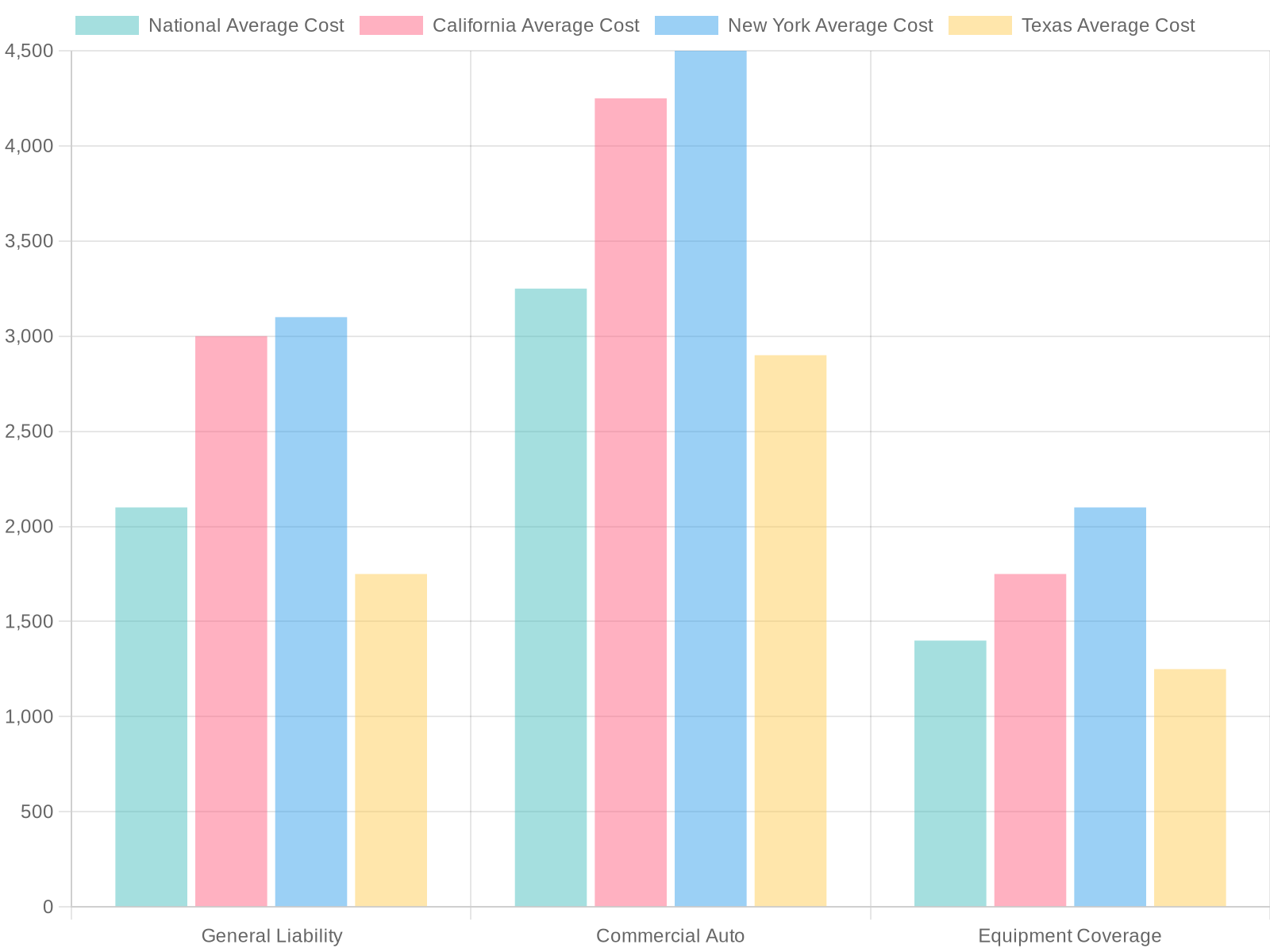
Understanding the costs associated with food truck insurance is crucial for budgeting effectively as a food truck owner. The average costs can vary significantly based on geographical regions and the specific type of coverage chosen. In 2023, the following estimates provide a clear picture of what to expect in terms of insurance costs:
| Insurance Type | National Average Cost ($) | California Average Cost ($) | New York Average Cost ($) | Texas Average Cost ($) |
|---|---|---|---|---|
| General Liability Insurance | 1,200 – 3,000 | 1,500 – 3,500 | 1,800 – 4,000 | 1,000 – 2,500 |
| Commercial Auto Insurance | 2,000 – 4,500 | 2,500 – 5,000 | 3,000 – 6,000 | 1,800 – 4,000 |
| Equipment Coverage | 800 – 2,000 | 1,000 – 2,500 | 1,200 – 3,000 | 700 – 1,800 |
Data Sources:
Note: The provided costs reflect averages for coverage options available in 2023 and may vary based on specific location, size of the food truck operation, past claims history, and other factors.
In conclusion, securing food truck insurance is not just a financial safeguard; it’s a vital step in ensuring the longevity and success of your culinary adventure on wheels. As discussed, food truck insurance offers an array of essential benefits: from liability protections against customer injuries to coverage for equipment damage and interrupted income during unforeseen events. Such comprehensive coverage not only shields your personal and business assets but is often a requirement for operating in many locations, ensuring compliance with local regulations.
Moreover, with food trucks being exposed to various risks-from kitchen fires to vehicle accidents-having the right insurance in place provides peace of mind, allowing you to focus on what you do best: delighting customers with delicious food.
As a passionate entrepreneur navigating the dynamic world of mobile food service, exploring the options for insuring your food truck is crucial. To get started on the right path, learn more about the coverage options available and assess how they can safeguard your unique venture. Don’t let the unforeseen derail your dream-make food truck insurance a priority today.