
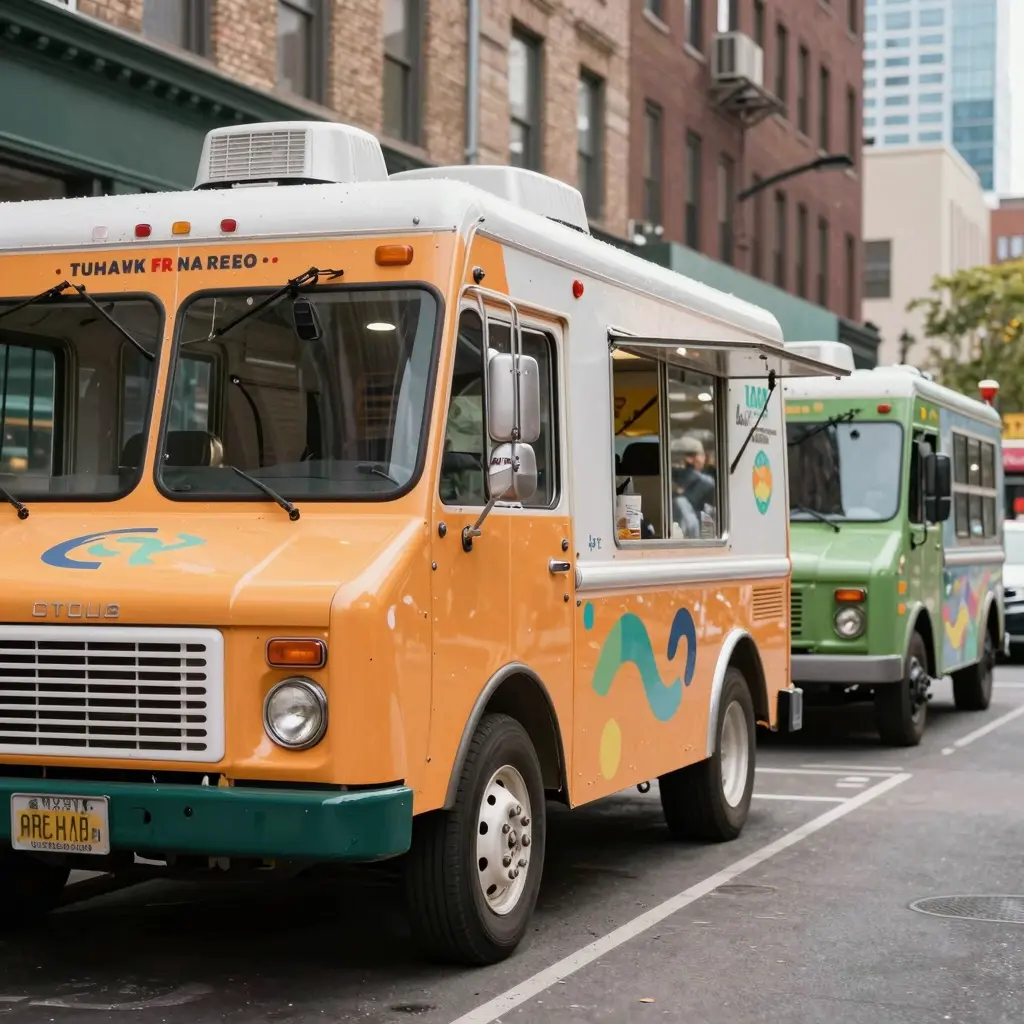
The Significance of Food Truck Lengths: Customization and Performance
In the vibrant world of food trucks, the length of these mobile kitchens plays a crucial role in both customization and performance. Imagine a bustling city street, where colorful food trucks line the curb, each differing in size yet united by a common purpose: to serve delicious meals on the go. The typical length of a food truck-often ranging from 14 to 30 feet-has a direct impact on its capacity to be customized. A longer truck means more room for kitchen equipment, storage, and creativity. This space allows food truck owners to offer a wider variety of dishes and services, appealing to diverse customer tastes.
For hobbyist car modifiers and professional tuners, the food truck’s dimensions represent an exciting canvas for innovation. Many of the best-performing trucks adapt not only by leveraging performance-enhancing modifications but also through unique customization options. From vibrant wraps that reflect brand identity to powerful engines that ensure reliability under pressure, the length of the truck informs both design aesthetics and mechanical upgrades. Furthermore, understanding how sizes can affect operational efficiency, such as maneuverability and parking capabilities, is essential for enthusiasts and entrepreneurs alike.
As this culinary phenomenon continues to grow, the fusion of art and engineering within these rolling kitchens-right down to their length-will shape the future of street food culture. Whether you’re looking to start your own food truck business or simply delve into the mechanics of these fascinating vehicles, understanding food truck lengths is a key ingredient in the recipe for success. Discover more about food truck innovations here and explore how these unique vehicles are revolutionizing the food industry.
Standard Food Truck Sizes: An Essential Guide for Modifiers and Tuners
Food trucks have become a vibrant part of the culinary landscape, and for car modifiers and professional tuners, understanding the standard sizes of these mobile kitchens is vital for customization and optimal functionality. The typical dimensions directly impact design choices, usability, and overall performance.
Typical Size Categories
Food trucks generally fall into three primary size categories:
| Size Category | Length Range |
|---|---|
| Small | 14 – 18 feet |
| Medium | 18 – 24 feet |
| Large | 24 – 28 feet |
These size ranges are industry standards and provide a foundation for tailoring the truck’s interior layout, mechanical components, and mobility features.
Design and Functional Implications
-
Small Food Trucks (14-18 feet): Ideal for specialty food services with limited menu options. These trucks offer easier maneuverability, making them suitable for urban environments with tight parking spaces. Their limited space requires smart design solutions to maximize kitchen efficiency while allowing enough room for food prep and storage.
-
Medium Food Trucks (18-24 feet): These trucks strike a balance between space and mobility. They can accommodate a more complex kitchen setup, enabling a wider menu variety. Modifiers can focus on optimizing workflow and incorporating advanced equipment without sacrificing mobility. This size is a popular choice among many food truck entrepreneurs.
-
Large Food Trucks (24-28 feet): Designed for full-scale kitchen operations, these trucks boast expansive cooking and prep areas. They allow for installation of premium appliances and larger storage capacities. However, the increased size demands more powerful chassis and engine setups, as well as careful consideration of turning radius and parking constraints.
Width and Height Considerations
Standard widths typically range between 7 to 8 feet, accommodating essential kitchen equipment and aisle space. Heights peak around 10 feet to provide sufficient headroom and ventilation but should align with local road regulations to avoid clearance issues.
Understanding these typical sizes helps tuners plan modifications effectively, ensuring the truck’s powertrain, suspension, and auxiliary systems support the intended food service operation without compromising performance.
For those interested in various types of trucks used in the food truck industry and their size comparisons, exploring the nuances of step vans vs cargo vans for food trucks can offer further insights.
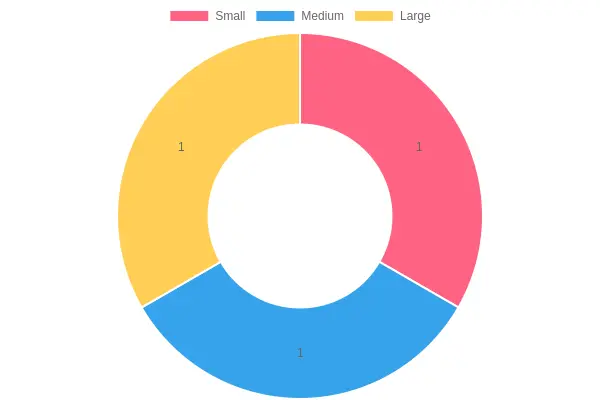
Distribution of standard food truck sizes by category.
This overview arms hobbyist modifiers and professionals alike with the knowledge to choose the right base vehicle and tailor designs accordingly, striking a perfect balance between operational efficiency and customer appeal.
Word Count: 380
| Food Truck Model | Length (feet) | Width (feet) | Height (feet) |
|---|---|---|---|
| Step Van Food Truck | 14 – 18 | 7 – 8 | 9 – 10 |
| Cargo Van Food Truck | 16 – 20 | 7 – 8 | 9 – 11 |
| Box Truck Food Truck | 18 – 26 | 8 – 8.5 | 10 – 12 |
| Shuttle Bus Food Truck | 20 – 25 | 7.5 – 8 | 10 – 11 |
| Custom Food Truck | 22 – 30 | 8 – 8.5 | 10 – 13 |
This table provides a clear comparison of different popular food truck models by their approximate dimensions. These dimensions help hobbyist modifiers, professional tuners, and food truck entrepreneurs understand the space they will be working with when selecting or customizing their food trucks.
For a deeper dive into the differences between step vans and cargo vans as food trucks, check out our detailed comparison on step vans vs cargo vans for food trucks.
Additionally, if you’re choosing the right food truck model for your business, our guide on choosing food truck models for urban success can provide you with helpful insights.
The Impact of Food Truck Size on Performance
The size of a food truck is not merely a matter of aesthetics; it plays a crucial role in its performance, fuel efficiency, and stability on the road. For car modifiers and tuners, understanding these factors can help in customizing and optimizing food truck operations.
Dimensions and Maneuverability
Food trucks typically range from 10 to 26 feet in length. This variation can significantly influence how agile the truck is, especially in urban environments. A smaller truck is easier to maneuver in tight spaces, making it ideal for street events and crowded locations. However, it offers limited cooking and storage space, which can constrain menu options and operational efficiency.
Conversely, a larger truck provides ample space for equipment and inventory, supporting a wider variety of food offerings. Yet, increased length can hinder its maneuverability, especially in cities with narrow streets or limited parking options. Proper dimensioning is crucial for balancing operational needs and logistical challenges.
Fuel Efficiency
From a performance perspective, the size of the food truck also directly affects fuel efficiency. Smaller trucks, typically with lighter weights and smaller engines, can achieve better mileages. In contrast, larger trucks require more powerful engines to handle the increased weight, thus consuming more fuel.
Typically, food truck owners should consider the following:
- Engine Type: Diesel engines generally provide better fuel efficiency for larger vehicles compared to gasoline engines, although they come with higher upfront costs.
- Weight Distribution: Proper loading and weight distribution remain crucial; a poorly distributed load can lead to increased fuel consumption due to added strain on the engine.
Stability and Safety
Stability on the road is another critical factor influenced by size. Larger food trucks may experience more sway, particularly when turning or navigating poorly maintained roads. It’s essential to upgrade suspension systems to accommodate the weight of larger trucks while ensuring stability.
Aspects that can enhance stability include:
- Suspension Design: Incorporating high-performance shocks and springs can help absorb road imperfections.
- Low Center of Gravity: Placing heavier equipment closer to the vehicle’s floor can improve balance and handling.
In conclusion, when modifying food trucks, understanding the implications of size on performance, fuel efficiency, and stability is fundamental. These factors not only affect the day-to-day operations but can also enhance customer experience through improved service delivery and food quality. To explore more about choosing food truck models tailored for urban success, check out this insightful guide.
Consider the balance of dimensions, engine capability, and stability enhancements when embarking on your food truck modification journey. This careful consideration will ensure that your food truck not only meets operational requirements but also performs optimally on the road.
Word Count: 506

Customization is a hallmark of the food truck industry, allowing entrepreneurs to reflect their unique brand identity, cater to diverse culinary offerings, and enhance operational efficiency. Especially attractive to auto parts suppliers and car enthusiasts, these customization options can range from aesthetic upgrades to functional enhancements, tailored specifically to the size and type of the truck.
Size Matters: Selecting the Right Foundation
The size of a food truck plays a crucial role in determining its customization capabilities. Food trucks typically come in various sizes, including:
- Compact Trucks: Ideal for narrow urban streets and smaller events, these trucks can be enhanced with ergonomically designed workspaces and lightweight equipment. Customization could include specialized storage solutions that maximize limited space.
- Standard Food Trucks: These are versatile platforms often used for a variety of cuisines. Customization options can be extensive, from built-in grills and fryers to refrigeration units capable of handling everything from tacos to gourmet burgers.
- Large Trucks: Catering to larger gatherings or festivals, large trucks can utilize their space for more elaborate setups, possibly featuring dual kitchens, extensive storage, and even customization for aesthetic appeal, like vibrant wraps and themed exteriors.
Interior Customization: Crafting Functional Spaces
The interior layout can make or break the efficiency of a food truck. Here are some popular customizations:
- Modular Workstations: These can be tailored to cater to different cooking styles, with movable components that can accommodate various culinary equipment. This is particularly appealing to car enthusiasts who appreciate the mechanics behind every custom build.
- Advanced Kitchen Equipment: Investing in energy-efficient appliances not only enhances performance but can lead to significant cost savings in the long run. Customization options include induction cooktops and fully integrated grills that fit seamlessly into the available space.
Exterior Customization: Attracting Your Audience
The exterior of the food truck serves as the first impression. Customization here can include:
- Unique Graphics and Branding: Car enthusiasts understand the importance of aesthetics in automotive design. Applied similarly, eye-catching graphics related to the truck’s theme or cuisine can set it apart from competitors. Custom paint jobs or vinyl wraps can create a visual identity that resonates with your audience.
- Functional Additions: Think outside the box with additions like foldable awnings and outdoor seating to enhance customer experience, making the truck attractive during events. This enhances not just visibility but also customer engagement.
Integrating Mobility with Customization
For auto parts suppliers and enthusiasts, the ability to modify the vehicle’s performance is another layer of customization. Upgrading exhaust systems for better fuel efficiency or implementing suspension modifications for improved handling can make a significant difference in operational readiness.
In conclusion, the customization options available for food trucks can transform a simple vehicle into a mobile culinary powerhouse. With countless possibilities based on size and personal preferences, food truck owners have the liberty to craft their ideal mobile kitchens. To dive deeper into selecting the perfect truck model for your needs, check out how step vans versus cargo vans compare for food trucks.
By embracing customization, food truck owners not only enhance their operational capacity but also create a memorable experience for their customers, making the food truck scene vibrant and diverse.
Popular Food Truck Brands and Sizes
Food trucks come in various sizes and designs, catering to different culinary needs. Here’s a list highlighting some popular food truck brands along with their typical sizes:
- Gourmet on the Go: 20-24 feet
- The Grilled Cheese Truck: 20-25 feet
- Kogi BBQ: 24-30 feet
- Dosa Truck: 20-25 feet
- The Lobos Truck: 24-30 feet
- The Taco Truck: 20-25 feet
- Van Leeuwen Ice Cream: 16-20 feet
Food Truck Size Overview
- Small Food Trucks: 14-20 feet – Ideal for tight spaces with a limited menu.
- Medium Food Trucks: 20-24 feet – Can accommodate more cooking equipment.
- Large Food Trucks: 24 feet and above – Suitable for a more extensive menu.
For detailed insights on various food truck models and sizes, you might want to learn more about food truck models.
Additionally, those interested in keys to successful food truck ownership can explore profiles of veteran food truck owners.
This overview provides quick reference points for hobbyist car modifiers, professional tuners, and enthusiasts looking into the food truck industry!
Food trucks have transformed from simple culinary vehicles into highly customized mobile businesses, allowing owners to express their creativity and culinary vision. Length is a crucial factor in determining the functionality and maneuverability of a food truck, and users often discuss their experiences regarding both standard lengths and custom modifications.
Typical Lengths and User Preferences
-
Standard Lengths: Most food trucks typically range from 14 to 30 feet in length. The choice of length often depends on factors such as menu size, kitchen equipment, and local regulations.
-
Space Considerations: Many owners initially expect to need a larger truck but find that a smaller model (around 18 feet) can efficiently serve their needs without the challenges of navigating tight urban environments. This insight is shared across numerous food truck forums, where users express their experiences regarding the size issues that arise when operating in busy markets and events.
Modification Experiences
- Customization Needs: Owners frequently share that modifications are essential for optimizing kitchen space and enhancing operational efficiency. Common modifications include:
- Reinforced refrigeration units to accommodate high-traffic periods
- Customized workstations which allow for streamlined food preparation
- Cooking equipment adjustments to fit within the allotted space without sacrificing functionality
-
Aesthetic Upgrades: Many food truck operators focus on external modifications for branding. Eye-catching graphics and unique designs are vital for attracting customers, and users often share their excitement over DIY painting and wrapping techniques that reflect their culinary themes.
-
Performance Enhancements: Some users have highlighted the importance of modifying their trucks for better performance, including engine upgrades to improve reliability and fuel efficiency. Testimonies emphasize that after upgrading to a more powerful engine, owners experience less downtime during busy shifts.
Personal Experiences and Insights
- Trial and Error: A common theme among users is the trial-and-error nature of selecting the right length and configuration. Many suggest starting with templates for their design based on successful models they observe within their community or through online resources.
- Community Contributions: There is an active community sharing tips on online platforms. Users often recommend collaborating with professional modifiers who can provide guidance on both aesthetic and functional alterations.
Conclusion
Ultimately, the journey of modifying a food truck is highly individualized; it reflects not only the owner’s culinary style but also pragmatic considerations regarding space, efficiency, and aesthetics. As food truck culture continues to evolve, user insights will remain invaluable resources for aspiring and established food truck owners alike.
For those interested in deepening their understanding of food truck dynamics, exploring profiles of veteran food truck owners offers a wealth of knowledge regarding modifications and business strategies.
Importance of Food Truck Sizes
“The food truck industry often highlights the significance of truck sizes in operational capabilities and customer reach. Smaller trucks may limit menu offerings and operational space, while larger trucks enable more extensive kitchen setups and varied cuisine options. The choice of truck size can also affect regulatory compliance, with larger trucks facing more stringent requirements and costs.”
Additional Insights
- Operational Capacity: The size of a food truck directly impacts how much cooking equipment and storage can be included, affecting the variety and quality of food that can be offered.
- Regulatory Compliance: Depending on the region, larger food trucks may encounter more regulations, which can add complexity and cost to operations.
For further exploration of food truck models, you may find it beneficial to check out our comparison of step vans vs. cargo vans for food trucks.
Conclusion
In conclusion, food trucks represent a unique blend of culinary creativity and mobility, providing a platform for diverse flavors while catering to various markets. The typical sizes of food trucks range from 14 to 24+ feet in length, with the most common dimensions being between 16 to 20 feet. These sizes are not just arbitrary; they serve to optimize the kitchen space where culinary magic happens, allowing for flexible menus and efficient customer service. Whether you’re just starting in the food truck business or you’re already navigating the bustling streets with your established truck, understanding the dimensions and their implications on design and menu flexibility is crucial.
As we’ve explored, larger trucks tend to have enhanced cooking capacity, appealing for gourmet fare, while compact designs cater to ticketed events or urban settings where parking is a challenge. The importance of customizing your food truck to fit both your culinary aspirations and operational needs cannot be overstated.
If you’re excited to take your food truck journey to the next level, why not consider customizing your ride with Summit Fairings? Designing a food truck tailored to your specific needs will not only help you stand out but also enhance your operational efficiency. Don’t miss out on the potential to elevate your food truck experience-start your customization journey today!