
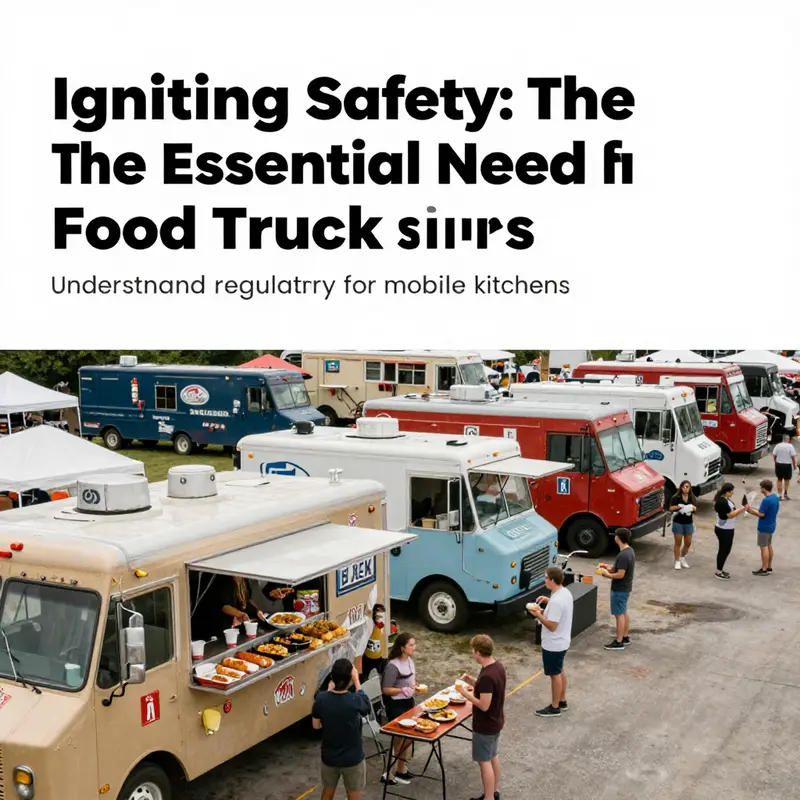
Food trucks have emerged as a culinary marvel, serving delightfully diverse dishes from different cultures, often in bustling urban settings. However, this mobile gastronomic adventure is not without its perils. Every food truck, especially those employing high-heat, grease-laden cooking equipment, must place safety at the forefront of their operations. Fire suppression systems are not just regulatory necessities; they are crucial for protecting assets, preserving lives, and ensuring compliance with local laws. The following chapters will delve into the regulatory requirements surrounding fire suppression systems, highlight their importance for safety, and consider the economic implications of integrating these systems into food truck operations.
Guardians at the Grill: The Regulatory Imperative Behind Fire Suppression Systems in Mobile Kitchens
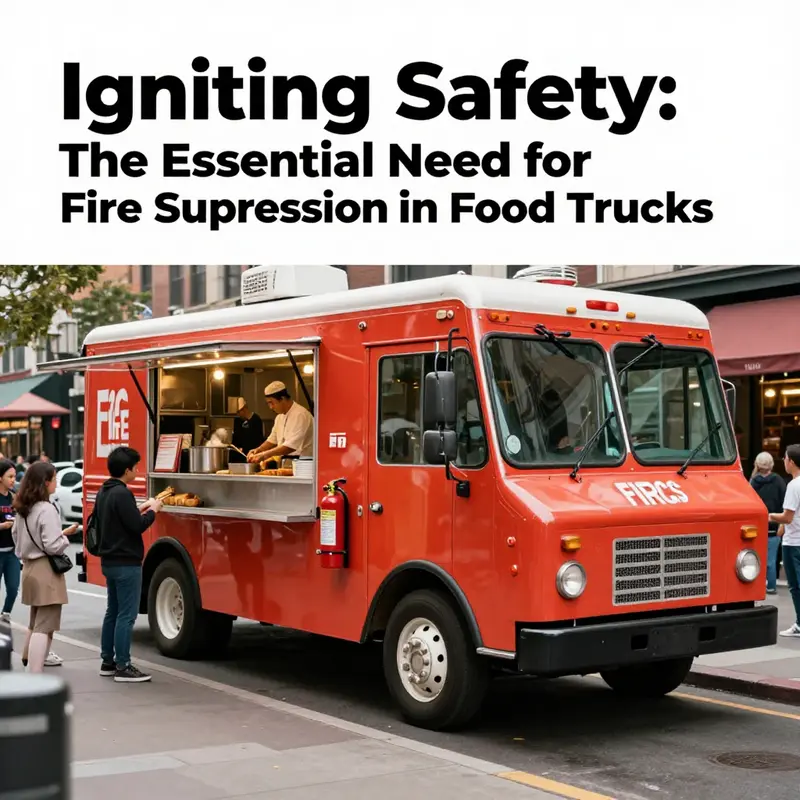
A food truck parked on a city street presents a bright, inviting sight: the sizzling sound of a grill, the aroma of fried edges of potatoes, and a menu that promises quick comfort. Yet beneath the surface of those culinary joys lies a practical, sometimes overlooked truth: mobile kitchens operate in a setting where grease and heat meet high-speed motion, crowds, and open flames. The chapter-by-chapter logic of any successful food-truck operation inevitably circles back to one safety feature that is both intensely practical and legally essential the fire suppression system. In this mobile culinary world, where grease fires are a real and persistent hazard, a UL 300-compliant wet chemical fire suppression system is not a luxury but a non-negotiable line of defense. The rationale is simple, even when the reasons might seem technical: these systems are designed to extinguish grease fires quickly and safely, minimizing injury, preventing catastrophic property damage, and preserving the business that depends on a steady flow of customers, not emergency responders.
To appreciate why the regulatory emphasis on fire suppression exists, it helps to unpack what a UL 300 system actually does and why it matters when a kitchen is tucked into a compact vehicle. The wet chemical agents used in these systems typically potassium acetate formulations are chosen for their unique ability to saponify fats. What that means in plain terms is that the greasy oils that fuel a fryer or a grill are chemically transformed into a soapy layer that coats the flame, cooling it and blocking the chain reactions that propagate a blaze. This action is particularly important in a mobile kitchen where a conventional dry chemical or foam system may be slower to apply, or where a rapid response is needed in a tight space with passersby and traffic nearby. The system detects heat or flame through sensors and, upon activation, releases the agent through a network of piping that can be mounted beneath hoods, near fryers, and around griddles. The result is a targeted, fast-acting response that contains flames at their most dangerous source and reduces the likelihood that a small fire will escalate into a life-threatening event.
The regulatory emphasis on UL 300-compliant systems aligns with a broader safety framework designed to protect people and property in the dynamic environment of a mobile kitchen. NFPA 101, the Life Safety Code, has for decades provided the backbone of safety expectations for spaces where food is prepared and served. The code recognizes the unique risks of transient, compact cooking spaces and the critical need for an automatic fire suppression mechanism that can function independently of occupants. In practical terms, this translates into jurisdiction-wide expectations that any food truck with grease-producing appliances must be equipped with a certified wet chemical fire suppression system, undergo regular inspections, and be maintained to ensure reliable operation. While the precise language and enforcement details can vary by state or municipality, the overarching consensus among safety authorities is clear: a UL 300-certified system is a central pillar of safe operation for mobile kitchens.
From the moment a truck is licensed to operate, the fire suppression system becomes part of the vehicle’s safety architecture. Its presence is typically verified during the initial inspection, and it reappears at renewal time, when authorities check that the system remains intact, that the agent is within its service life, and that the automatic detectors and manual pull stations are accessible and functional. The system’s wet chemical agent is not a one-and-done purchase; it has a defined service life and requires periodic recharging or replacement as defined by the manufacturer and the local authority having jurisdiction. Those intervals are not arbitrary. They reflect both the chemical stability of the agent and the need to ensure that, in the event of a fire, the suppression system will perform predictably and without delay. This is especially important given the unique operating context of food trucks: the vehicle’s motion, frequent door openings, and the proximity of customers mean any fire in the kitchen has the potential to spread rapidly if not contained immediately.
Safety engineers and code writers frame these requirements not as rigid bureaucratic hoops but as practical guardrails for a volatile reality. The UL 300 system is designed to be unobtrusive during routine operation, yet instantly responsive the moment heat is detected. The design anticipates the way a kitchen is used in a truck: burners lit for frying and sautéing, vents drawing away smoke and steam, and a crew that navigates a small workspace with precision. In this setting, the system’s sensors placed to monitor the cooking area where fat-based fires are most likely to start act as a common-sense early warning, while the wet chemical agent delivers decisive action when needed. The integration of these components is not merely about putting a device in place; it is about ensuring that the kitchen remains a controlled, predictable environment even when external conditions are uncertain whether it is a busy lunch street corner, a festival venue, or a crowded parking lot under a summer sun.
The regulatory narrative also emphasizes not just installation, but ongoing upkeep and readiness. A system is as good as its maintenance, and the chain of responsibility spans the equipment manufacturer, the licensed service technician, the food-truck operator, and the local fire department. The operator’s responsibilities begin with the decision to install a UL 300 system and extend through regular inspection intervals, recharge cycles, and corrective actions when a fault is detected or a service interval is overdue. In jurisdictions where licensing or renewal hinges on compliance, the fire suppression system becomes a gatekeeper of sorts part of the fixed infrastructure that allows the business to continue serving customers. This linked chain of accountability helps establish a predictable safety environment in which customers, bystanders, and staff can operate with a shared understanding that the kitchen is engineered to prevent or control a potentially catastrophic fire.
A practical way to think about the regulatory framework is to imagine a three-layer defense in mobile cooking operations. The first layer is housekeeping and fire-prevention practices: clean hoods, filters, and grease traps careful storage of fats and oils disciplined cooking procedures that minimize risk. The second layer is the design and installation of a UL 300 system, tailored to the truck’s layout and the equipment it houses. The third layer is the ongoing compliance regime: periodic inspections, maintenance by qualified technicians, and a clear plan for what happens if a system requires service while the truck is in operation. Each layer reinforces the others. If housekeeping is lax, the risk of ignition remains higher; if the system is poorly installed or poorly maintained, its effectiveness is compromised; if inspections are skipped or deferred, small issues can go undetected until a serious incident occurs. Taken together, these layers create a safety culture that is essential for a mobile kitchen and aligns with the expectations of regulators, insurers, and diners who trust the truck to deliver both flavor and safety.
The reality of regional variation remains a practical consideration for operators. While the core standard a UL 300-compliant wet chemical system serves as the backbone of protection, the precise requirements for installation, labeling, access, and service intervals can differ from one locale to another. Some cities may require additional features, such as a separate fire suppression system for engine compartments, or more stringent documentation for maintenance records. Others may offer streamlined paths for renewal if the system has been regularly serviced by a certified technician and if the vehicle’s safety features are documented and accessible for review. Because these details matter when a business is seeking permits, scheduling inspections, or negotiating insurance terms, the safest default for operators is to treat the local fire department as a primary source of truth about what is required in any given jurisdiction. In this sense, the regulatory framework is not a bureaucratic obstacle; it is a practical, dynamic guide that helps food trucks stay compliant while they remain nimble in a competitive market.
This landscape also informs the broader conversation about risk management in mobile food service. Beyond preventing casualties, an effective fire suppression system helps protect equipment investment, restaurant infrastructure, and the communities confidence in street dining. The burn risk is not abstract: kitchens are heat-intense spaces with gasoline-like fuels, hot oil, and mechanical components that can fail in unpredictable ways. Authorities understand that a robust fire suppression system reduces the probability of a transient fire becoming a city-wide incident. The net effect is a more predictable operation, where busier days can proceed with less dependence on ad hoc improvisation and where staff can focus on cooking techniques and guest service rather than emergency contingencies. In practice, this means that while some operators might view compliance as a cost of doing business, regulators, insurers, and experienced operators see it as a core investment in safety, reliability, and long-term viability.
The conversation about safety and regulation also intersects with newer challenges and opportunities in the mobile food economy. As food trucks increasingly participate in events, festivals, and daily street vending in dense urban areas, the potential consequences of a grease fire escalate. The protection provided by a UL 300 system is not only about reducing the severity of a fire but also about enabling rapid evacuation, efficient response, and continuity of operations in the face of disruptions. A well-maintained system can help minimize downtime after an incident, preserve reputations, and support the financial planning that makes a kitchen-on-wheels a sustainable vocation. For operators weighing the costs of installation and maintenance, the message is clear: the investment is not merely about compliance; it is a strategic choice that prioritizes people, property, and long-term market presence.
From a practical standpoint, the process of achieving regulatory compliance begins long before a truck hits the road. A prospective operator should verify that the vehicle’s layout accommodates the UL 300 system ensuring that the head-of-fire-suppression components, the push/pull activation points, and the discharge nozzles have clear access and are positioned to cover all grease-producing appliances. The system must be compatible with the kinds of cooking equipment used, and the space must permit routine maintenance and inspections without requiring costly disassembly of the kitchen. The hood, ductwork, and filtration system should be designed to minimize grease buildup, which, if neglected, can undermine both fire safety and general air quality within and around the vehicle. The overall kitchen design thus emerges as a coordinated safety solution, not a collection of independent choices. When the system is integrated with proper ventilation design and rigorous cleaning routines, it provides a holistic approach to safety that reinforces the operator’s responsibility toward customers and neighboring vendors alike.
In this regulatory light, one can see how a simple question do food trucks need fire suppression systems unfolds into a broader discussion about safety culture, law, and practical risk management. The answer, supported by authoritative sources and the experience of countless operators, is that for most mobile kitchens with grease-producing appliances the answer is yes, and the yes is backed by a framework that emphasizes immediate action, reliability, and ongoing stewardship. This understanding also aligns with the lived reality of the industry: incidents do occur, responders are not always on scene within seconds, and a well-designed system provides a controlled response that can prevent a small flame from spiraling into a life-threatening event. In short, the fire suppression system is a cornerstone of responsible mobile cooking, and its regulatory importance reflects a broader commitment to safeguarding cooks, customers, and communities that increasingly embrace the culinary vitality of the street.
For readers seeking to connect the regulatory discussion with practical guidance and legal considerations, a deeper look at the topic of startup compliance can be helpful. For example, the resource on legal considerations for Latino food-truck startups offers a perspective on how safety, licensing, and regulatory adherence intersect with broader business planning. This perspective reinforces a central insight: compliance is not an isolated checkbox but an integrated component of a sustainable business model that can adapt to different markets and regulatory environments. Keeping that integration in mind helps operators approach fire safety not as a burden, but as a strategic element of risk management, customer trust, and long-term success. legal considerations for Latino food-truck startups
The chain of safety described here does not exist in a vacuum; it is embedded in the everyday duties of a food-truck operator. A driver who understands the system’s role in protection will also commit to maintenance routines, logs, and timely service by qualified technicians. Fire suppression agents have a shelf life, and sensors can drift in their sensitivity, especially in environments with heavy grease loads or fluctuating temperatures. The professional who maintains a truck’s safety equipment is not simply following a regulatory script; they are ensuring that when a risk materializes, the response is precise, fast, and predictable. The human element crew training, clear labeling, accessible extinguishers, and drilled procedures for what to do if the system is activated complements the mechanical safeguards and completes the safety net that keeps mobile kitchens thriving.
As the mobile kitchen landscape evolves, the role of fire safety standards may adapt in response to new cooking techniques, alternative fuels, or changes in how and where food trucks operate. Yet the core principle remains: a UL 300 wet chemical fire suppression system acts as the principal guardian against grease fires in environments where speed, space constraints, and public exposure heighten risk. The backdrop of NFPA 101 and related regulations provides a durable framework that supports safety while acknowledging the realities of street-service commerce. In this light, the question shifts from whether a fire suppression system is desirable to how a truck integrates this essential protection most effectively balancing cost, maintenance, accessibility, and performance to serve both cooks and the communities they feed. The answer, grounded in current standards and practical experience, is that the system is not merely advisable but essential for most food trucks with grease-producing appliances. It is, in effect, a lifeline that ensures a mission-critical kitchen can operate securely in the busiest, most demanding environments.
External resources offer further clarity on the standards and how they apply in real-world inspections and compliance checks. For authoritative guidelines, refer to the NFPA Life Safety Code, which lays out the framework for fire protection in occupancies, including mobile kitchens. This external reference complements the broader discussion and helps operators align their practices with national expectations while accommodating local nuances. External resource: NFPA 101 Life Safety Code (https://www.nfpa.org/Code-Updates/NFPA-101-Life-Safety-Code)
Guardians on Wheels: Fire Suppression as the Lifeline of Mobile Kitchens
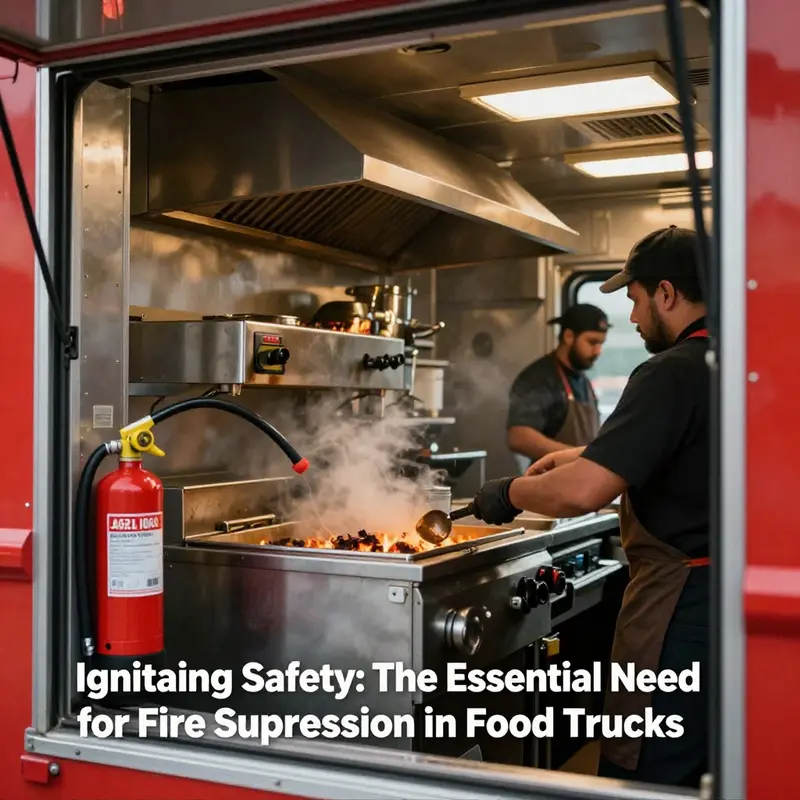
The first lesson of cooking in a moving kitchen is simple and brutal: heat and grease travel together, and a spark can turn a compact space into a flash of danger in seconds. A food truck embodies the juxtaposition of speed and flames, of hospitality on wheels, and of a compact engine room where culinary heat meets exhaust and oil. In that space, the risk profile is different from a brick-and-mortar kitchen. It is not just about what happens inside the cooking area; it is about what happens when a fire starts while the vehicle is in motion or when a stop at a corner curb becomes a firefighting scene. In such a setting, the fire does not wait for a full fire department response, nor does it bow to the adage that prevention is enough. Prevention and rapid containment must walk hand in hand, and that pair is embodied in a properly installed fire suppression system that is UL 300 compliant and specifically designed for grease-producing appliances. The case for this gear is practical, regulatory, and moral: it protects lives, preserves equipment, and sustains a business that relies on a tight schedule and a steady stream of customers who expect safe, delicious food served with a smile.
The core danger emerges from the very elements that make a food truck appealing—the sizzling grill, the bubbling fryers, and the tight confines of a vehicle that doubles as a kitchen and a workspace. High temperatures, hot oil, and greasy vapors create a combustible mix. A momentary lapse—a overheated component, a forgotten oil tray, or a greasy hood catching a spark—can ignite a blaze that climbs quickly along metal surfaces and ductwork. The confined space further concentrates heat and smoke, complicating evacuation and access for an external fire crew. These realities are not theoretical; they shape how operators design safety into every step of the business from the first vehicle purchase to daily prep rituals. In this light, a fire suppression system is not a decorative accessory or a regulatory checkbox. It is a core component of a mobile kitchen’s risk management strategy, a system that actively lowers the probability of catastrophe and minimizes the consequences if the worst occurs.
A modern fire suppression solution for food trucks works by combining strategic placement, reliable detection, and a carefully engineered extinguishing agent. The most common and effective approach is a UL 300-compliant wet chemical system. This standard is specifically described for grease fires, the kind that originate near hot cooking surfaces where fats and oils can ignite. A wet chemical agent, typically potassium acetate, is deployed through a network of nozzles positioned above cooktops, fryers, and other grease-producing appliances. When heat or flame is detected, a control unit releases the agent, coating the surface of the fire and sapping the fuel and heat from the blaze. Because the system is designed for grease fires, it acts directly at the origin of the problem without dispersing the agent into the general interior of the vehicle. This focused action preserves the cargo, the vehicle’s interior, and the crew’s chances to escape safely.
The beauty of an integrated system lies in its automation. A well-designed unit detects abnormal heat signatures and initiates discharge without waiting for human intervention. This is crucial when seconds matter and a server, the driver, or a cook must continue to focus on service rather than firefighting logistics. The system’s control panel typically provides status indicators, alarms, and manual release options for emergencies. It is the combination of automatic deployment and clear sober risk communication that reduces downtime and promotes rapid resumption of operations after an incident. Rather than a suspicion that a minor grease flare will be addressed by a quick throttle or a splash of water, operators gain tangible assurance that a competent protective layer exists, one that responds with calibrated efficiency and industry-grade standards.
Beyond the immediate fire-suppressing action, the presence of a UL 300 system sends a message about the business’s commitment to safety. It communicates to customers that their dining experience is backed by rigorous risk management. It reassures lenders and insurers that the enterprise understands the gravity of operating in a mobile environment and is prepared to meet it with professional infrastructure. In many jurisdictions, this is more than a matter of best practice; it is a legal or regulatory expectation. Fire codes, agency guidelines, and insurance underwriting criteria increasingly recognize the value of certified suppression systems in commercial mobile kitchens. While the specifics vary from place to place, the trend is clear: the safer a truck is against grease fires, the more robust and durable the enterprise can be over the long haul.
When we step back and examine the broader regulatory frame, several threads come into focus. First, many jurisdictions require fire suppression for food trucks that use grease-producing appliances. This is not a mere courtesy to public safety; it is a safeguard that acknowledges the unique hazards of a roving kitchen. Second, the standardization around UL 300 provides a common baseline for installation, maintenance, and performance. A system that adheres to this standard is easier to inspect, easier to renew, and easier to integrate with other safety features such as ventilation and electrical protections. The NFPA framework, including NFPA 10 for portable extinguishers as a related reference, offers a structured vocabulary for fire protection in mobile contexts. Operators who align with these standards reduce ambiguity in inspections and create a safer work environment for their crews. The practical impact is tangible: fewer interruptions to service, less risk of catastrophic damage to the vehicle, and a faster path to restoring operations after a fire event. The safety calculus is straightforward. If a grease-fired cooktop is in operation, a UL 300-compliant wet chemical system should be part of the vehicle’s safety hardware.
Operationally, a suppression system does more than just fight fires. It provides a layer of discipline that shapes how a truck is used, maintained, and integrated into the broader business. The installation process, when performed by qualified technicians, considers the truck’s layout, the location of cooking appliances, ductwork for ventilation, and the accessibility of the control head. A critical design decision concerns the placement of nozzles and the routing of the suppressant lines. The aim is to ensure that when discharge happens, it makes direct contact with the fire source without impeding escape routes or filling living spaces with the extinguishing agent. In practice, this means thoughtful planning around where fryers and griddles are situated relative to the vehicle’s doors and how the suppression system interacts with the hood system above the cooking line. It also means designing a system that can be serviced easily in a mobile environment, recognizing that a truck may travel long distances between service windows or sit on a bustling curb while crews manage a line of customers.
Maintenance is not a one-time act at the moment of purchase. A suppression system requires routine checks, periodic testing, and an ongoing commitment to part replacement and system refresh. On the maintenance calendar, monthly inspections are common. These checks verify that the system is intact, the pressure is within expected ranges, and the visual indicators are functional. Annually, a more thorough service is performed, including a pressure test, a nozzle check, and a verification that the detection elements respond appropriately to heat and simulated triggers. The goal is simple: to ensure that, in a moment of crisis, the system will perform exactly as designed. In a mobile kitchen, where space is a premium and downtime is costly, a reliable maintenance routine translates into fewer emergency interruptions, faster recovery after an event, and a longer service life for the vehicle’s core cooking equipment. A disciplined maintenance culture is the difference between a system that sits idle as a pristine museum piece and one that actively protects lives and livelihoods when needed most.
The human element remains central to the effectiveness of any fire suppression strategy. Operators must embrace a safety-first mindset that extends from design to daily practice. Training is not just about knowing how to trigger a fire suppression system; it is about recognizing when to evacuate, how to shut down power safely, and how to coordinate with local emergency services. It includes cleaning and sanitation practices that prevent grease from accumulating in crevices and vents, because a wet chemical system is only as effective as the surface it shields. A well-trained crew understands that the system is a tool for risk reduction and that their role in keeping the kitchen clean, organized, and aligned with maintenance schedules is essential to maximizing the system’s protective potential. This alignment of technology and discipline is what elevates a food truck from a culinary venue on wheels into a safety-conscious enterprise that respects the lives of staff, customers, and the communities that host these mobile kitchens at markets, fairs, and street corners.
As the fleet of mobile kitchens expands, operators increasingly consider the broader playbook that accompanies any form of high-risk commerce. Insurance underwriters, local regulators, and health authorities look for evidence of robust safety practices, the presence of certified equipment, and documented maintenance. The fire suppression system often becomes a keystone in this evidentiary suite. A vehicle that can demonstrate adherence to UL 300, clear maintenance records, and regular inspections has a stronger operational profile. It becomes easier to secure permits, to negotiate favorable terms with insurers, and to participate in events where safety is a point of emphasis. The practical upshot is straightforward: when a truck is equipped with a proven, well-maintained suppression system, it gains value in the market, earns greater trust from customers, and reduces the likelihood that a temporary shutdown will drift into a long-term closure due to a preventable incident.
Within this safety-centric frame, one can observe the broader ecosystem that supports mobile food safety. The suppression system is part of a larger safety architecture that includes proper hood ventilation, regular cleaning of filters and surfaces, safe fueling practices away from ignition sources, and a well-planned layout that minimizes clutter around cooking zones. The interconnectedness of these elements matters because a grease fire is rarely a single point event. It often involves the interaction of heat, fuel, and air, all of which are influenced by how a truck is built, how the staff works, and how maintenance is executed. The synergy of a properly installed fire suppression system with a vigilant sanitation routine and a disciplined operational tempo creates a protective shield that extends beyond the stove. It guards the vehicle, the people inside, and the community that depends on the truck as a source of nourishment and livelihood.
In contemplating the moral and practical dimensions of fire protection, it helps to acknowledge the visible benefits that go beyond risk mitigation. When a fire does break out in a mobile kitchen, the first moments determine whether damage remains contained or escalates into a total loss of the vehicle and its contents. A competent suppression system arrests the flame at its source, limiting heat exposure to key components and preserving electrical wiring and gas lines that would otherwise complicate a response. This containment reduces the potential for toxic smoke spread and buys precious time for occupants to evacuate safely. The downstream effects—less downtime, faster resumption of service, and reduced costs associated with repairing or replacing expensive equipment—are not merely financial calculations. They reflect a commitment to the people who work on the truck, the customers who rely on its meals, and the communities that host these mobile kitchens at markets, fairs, and street corners.
For readers seeking a practical throughline, the core argument is straightforward: if cooking with grease is part of the operation, a fire suppression system should be part of the safety plan. The system’s role is not to replace good cooking hygiene or vigilant supervision but to complement them. It is the last line of defense that stands between a spark and a full-scale emergency, and it does so with precision, speed, and a clarity of purpose that aligns with the most rigorous industry standards. In such a framework, safety is not an afterthought; it is embedded in the vehicle’s design, the crew’s routines, and the business’s light through day and night.
In closing, consider the broader takeaway: mobile kitchens operate in a fragile balance between creativity, commerce, and risk. The right fire suppression system is not a luxury; it is an foundational asset. It protects lives, preserves equipment, and sustains the capability to feed a city, a festival, or a neighborhood block party without interruption. It embodies a disciplined approach to safety that acknowledges both the pleasures and the perils of cooking in motion. As the industry evolves, the case for robust, UL 300-compliant suppression systems becomes clearer, and the path to safer, more resilient mobile kitchens becomes reachable for more operators. The result is a marketplace where good food and good safety travel together, proving that small, well-protected vehicles can deliver big impact without compromising the well-being of the people they serve and employ.
For operators who want to connect safety with broader business decisions, a mindful approach to safety equipment also intersects with regulatory literacy. Understanding what is required by local codes, and recognizing how standards like UL 300 and NFPA frameworks shape those requirements, helps owners plan capital expenditures with confidence. It helps teams establish routine maintenance and training that sustain the system’s effectiveness over time. It also invites a dialogue with customers and communities about the care that goes into every bite, the care that goes into the vehicle’s design, and the care that keeps everyone safe as the truck rolls toward the next stop. In the end, fire suppression is a narrative about responsibility as much as it is about technology—a narrative that keeps the flame under control while letting the food and the experience shine.
In the broader landscape of mobile food safety, the discussion cannot be separated from the legal and practical realities that govern food trucks as businesses. For a broader look at how safety, compliance, and entrepreneurship intertwine in the Latino food truck space, see the resource on legal considerations Latino food truck startups: Legal considerations Latino food truck startups. This reference helps situate safety gear within the larger framework of regulatory expectations, permitting, and business strategy, ensuring that safety investments translate into durable, compliant operations that can thrive in competitive markets.
As we close this segment, the normative takeaway remains clear. If you are operating or planning a food truck with grease-producing appliances, the installation and maintenance of a parallel, UL 300-compliant wet chemical fire suppression system should be treated not as optional safety gear but as essential infrastructure. With it, the vehicle becomes a safer workplace, a more trustworthy business partner for event organizers and health inspectors, and a more resilient platform for feeding communities wherever the truck travels. This is the core argument that underpins the case for fire suppression in mobile kitchens: it is a practical safeguard, a regulatory alignment, and a moral commitment to the safety of people who work and eat in the worlds these trucks inhabit. And as the sector grows, this commitment will continue to define best practices, ensuring that the flame remains a figure of culinary intensity, never a threat to life and livelihood.
For a broader look at how safety, compliance, and entrepreneurship intertwine in the Latino food truck space, see the resource on legal considerations Latino food truck startups: Legal considerations Latino food truck startups. This reference helps situate safety gear within the larger framework of regulatory expectations, permitting, and business strategy, ensuring that safety investments translate into durable, compliant operations that can thrive in competitive markets.
For authoritative standards, see NFPA 10: Standard for Portable Fire Extinguishers, which provides context for portable extinguishers and related fire safety concepts within broader fire protection strategies: https://www.nfpa.org/codes-and-standards/fire-protection-standards-list/nfpa-10
Shielding the Mobile Kitchen: The Economic Logic Behind Fire Suppression Systems in Food Truck Operations
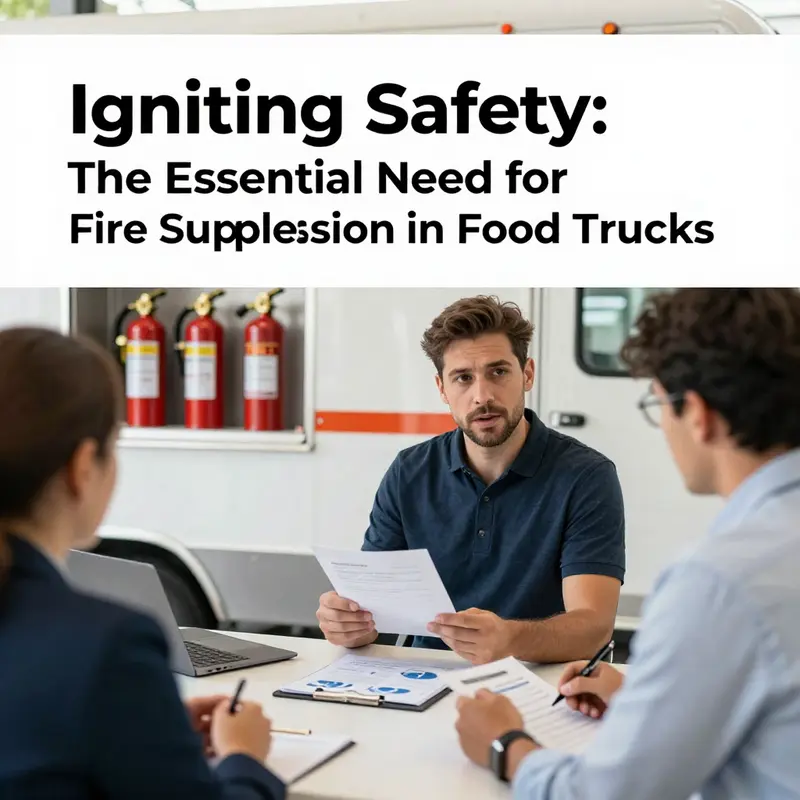
Food trucks are compact, high-output kitchens where the economic viability of the business depends as much on managing hazards as on menu and service. Installing a UL 300-compliant wet chemical fire suppression system is both a life-safety measure and a strategic financial decision. Such systems are specifically engineered to address grease fires by chemically cooling and saponifying hot fats, rapidly controlling flames that otherwise spread and cling to surfaces.
The upfront cost of purchase and professional installation is often significant for a mobile kitchen, and ongoing expenses for inspection, maintenance, and agent refills are real. Yet the alternative—suffering a grease fire that destroys a vehicle, equipment, and stock—carries far greater direct and indirect costs: capital replacement, lost bookings, damaged reputation, and potential liability. Framing the expenditure as risk management rather than simple cost clarifies the long-term value: a functioning suppression system reduces the probability of catastrophic loss and thereby stabilizes expected cash flows.
Regulatory trends increasingly require UL 300-compliant systems for food trucks using grease-producing appliances. Compliance speeds inspections, avoids operational shutdowns, and can be a condition of entry to desirable events. From an insurer’s perspective, a certified suppression system lowers the truck’s risk profile and can lead to reduced premiums or improved policy terms—savings that compound year over year and improve financial predictability.
Maintenance discipline is central to capturing these economic benefits. A suppression system must be integrated with proper ventilation, grease management, and cleaning routines. Predictable, scheduled service converts uncertain, catastrophic expense into an expected operating cost that can be budgeted and amortized. That predictability enables owners to bid for higher-value opportunities with confidence and reduces the chance of sudden cash-flow shocks.
Downtime is a critical hidden cost. Even when a system contains a fire and prevents total loss, cleanup, inspections, and repairs can interrupt service for days or weeks. A reliable suppression system that minimizes damage and supports faster regulatory clearance preserves bookings and steady revenue. In dense event markets, fewer disruptions translate directly into repeat business, stronger relationships with organizers, and the ability to command premium pricing for dependable performance.
Safety investments also contribute to brand value. Visible, well-communicated safety practices reassure customers and event organizers, lowering customer acquisition costs and increasing retention. The credibility gained through consistent safety can be a meaningful differentiator in a crowded market, yielding more invitations to curated events and partnerships that support long-term growth.
For new operators navigating licensing and compliance, practical resources that tie legal steps to safety requirements are valuable. Guidance about local regulations, inspection expectations, and insurance interactions helps align the installation and maintenance of suppression systems with business planning. A useful starting point for legal and compliance questions is the resource on legal considerations for Latino food-truck startups: https://latinosfoodtrucks.net/legal-considerations-latino-food-truck-startups/. For a broader perspective on optimizing safety-related expenditures at scale, see the MDPI study on Economic Logistics Optimization in Fire and Rescue Services: https://www.mdpi.com/2071-1050/15/8/6432.
Viewed holistically, the decision to install a UL 300-compliant wet chemical fire suppression system is an investment in continuity, resilience, and opportunity. The cost is real, but it buys lowered risk of catastrophic loss, potential insurance savings, reduced downtime, regulatory readiness, and a stronger market position. In a sector where margins can be tight and reputations fragile, integrating fire suppression into the core financial and operational plan is a pragmatic step that supports sustainable growth.
Final thoughts
As the food truck industry continues to flourish, understanding the critical necessity of fire suppression systems cannot be overstated. Regulatory requirements not only protect your business from potential legal ramifications but also safeguard your most precious assets—your employees, customers, and the culinary creations you passionately serve. Implementing robust fire safety measures is an investment in your business’s longevity and reputation. Whether you’re a hobbyist modifier or a seasoned professional, keeping safety at the forefront will ensure that your culinary trailblazing continues unimpeded.