
For food truck entrepreneurs, the vibrant culinary landscape comes with its challenges, particularly when it comes to serving alcohol. The appeal of integrating liquor into a food truck menu offers an enticing edge in a competitive market, yet it’s essential to navigate the complex regulations governing alcohol licensing. Each chapter of this article delves into critical aspects of securing a liquor license for food trucks—from understanding the regulatory landscape and key requirements to the challenges faced, differences across states, and emerging trends. Thus, whether you’re a hobbyist looking to expand your vehicle operations, a professional car tuner interested in unprecedented event opportunities, or anyone entangled in the car culture and culinary innovation, this comprehensive guide will serve as your roadmap.
Licenses on Wheels: Navigating the Patchwork of Liquor Licenses for Food Trucks
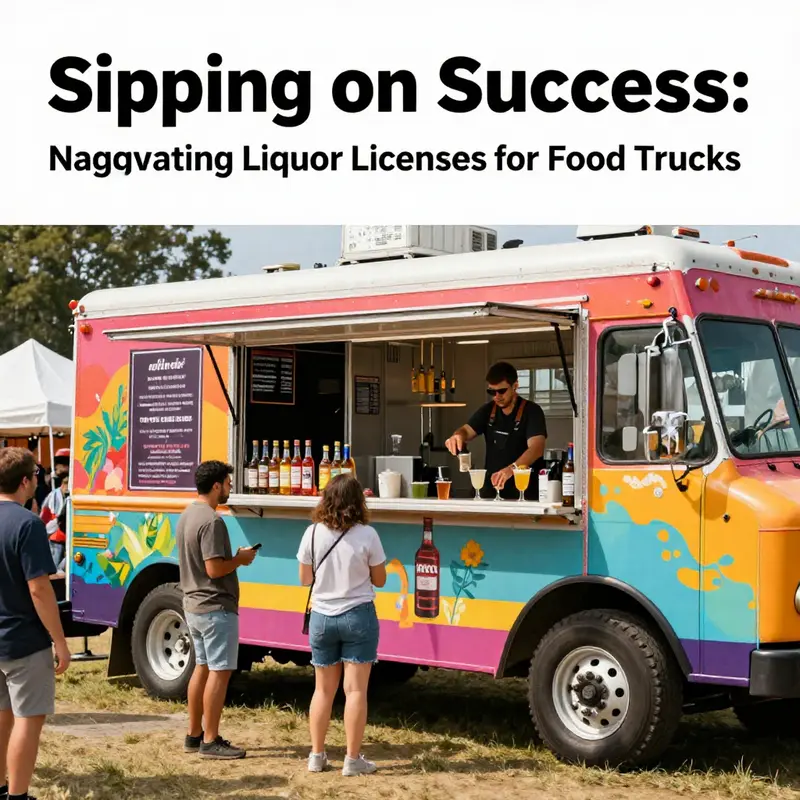
The idea of serving a cold beer, a cocktail, or a small glass of wine from a food truck can feel like a natural extension of a chef’s craft and a vendor’s hustle. Yet the reality behind that idea is a labyrinth. In the United States, liquor licensing for mobile food service is not standardized. It exists in a mesh of state laws, local ordinances, and the nuanced rules that cities and counties attach to alcohol sales. The result is a landscape where a truck that fairs well in one municipality might be flatly barred from pouring in another, sometimes just a short drive away. For operators who want to push the boundaries of what a street-side kitchen can offer, the path to a liquor license depends as much on where the truck plans to operate as on what the truck serves. In Texas, for example, the process unfolds through the state’s licensing authority, the Texas Alcoholic Beverage Commission, and it is only after a truck has shown it can meet health, safety, and operating standards that a license can be considered. This is more than a bureaucratic hurdle; it is a test of whether a business can be trusted to handle alcohol responsibly, in a controlled environment, and within the precise confines of zoning and event rules.
What follows is a portrait of this regulatory landscape, not as a single blueprint but as a landscape of contingencies. Some regions outright prohibit mobile alcohol sales on public streets due to enforcement challenges and public safety concerns. Others create narrow windows of opportunity, allowing liquor service from food trucks under strict conditions—often tied to fixed locations or scheduled events rather than the open road. The common thread across these divergent rules is a shared insistence on control: control over where the service happens, who can serve, how it is served, and how risks are mitigated. In a practical sense, the operator who imagines a roaming bartender for a truck must first understand that the license is rarely a standalone piece. It sits at the intersection of state alcohol control policies, local health and permitting standards, and sometimes, the preferences of event organizers who may want to limit the number of alcohol-serving vendors on a property or at a festival.
Across many states, licenses are issued or restricted by state-level alcohol control boards, agencies dedicated to upholding the integrity of beverage service. Yet the day-to-day enforcement and the listing of permissible locations often involves local bodies—the health department that inspects food service, the zoning office that designates where alcohol can be sold, and even the city or county licensing office that issues operational permits. The regulatory architecture thus asks very pointed questions about where a truck can operate, what kind of premises it must maintain, and how it fits into the local plan for public safety and neighborhood character. The interplay between these agencies matters as soon as an operator begins planning a route, not just when a license is issued.
A core element of this approach is the requirement for fixed, predictable locations. Many jurisdictions that permit liquor service from mobile food businesses insist that the truck operate from a designated site—such as an event venue, a park with approved stalls, or private property with explicit permission—rather than serving from a street commons or curbside curb that invites fluid, uncontrolled access. This constraint is more than a logistical preference. It is a mechanism for accountability: it makes it easier to monitor who is serving, what is being served, and how much is being consumed. It also links the operation to a specific consumer environment where security measures, crowd management, and coordinated waste disposal can be planned in advance. The consequence for a truck that cannot establish a stable operating site is clear: the chance of obtaining a license can be significantly reduced or eliminated altogether.
Alongside site requirements, health and safety codes stand as a second pillar. Alcohol service at a mobile scale magnifies concerns about crowd management, ID verification, and the prevention of over-service. The licensing process frequently compels operators to demonstrate that their team is trained in responsible beverage service, that they have procedures for checking ages and identifying intoxicated customers, and that they carry liability coverage to shield against incidents. The insurance question is not merely a line on a form; it translates into real-world protection for the business and for the public. It also affects price points and operating margins, because higher insurance costs often accompany more intensive licensing regimes. The health department’s review is equally consequential. They assess whether the food preparation and service areas maintain the same sanitary standards expected of stationary restaurants, how the truck stores and handles alcohol, how it handles waste, and how it maintains clean, separate procedures for serving alcohol and food. The requirement to keep food and alcohol service compliant with health codes can be a nontrivial obstacle, especially for operators who are newer to regulated beverage service or who operate with a lean team.
The application itself rarely looks like a simple permit request. It typically asks for a robust business plan: a clear description of how alcohol will be served, where the truck will operate, who will staff the service, what training they have completed, and how the operation will prevent underage access and over-consumption. Applicants must often provide proof of liability insurance and undergo background checks that screen operators for criminal records that would disqualify them from serving alcohol. Zoning compliance is more than a formality; it is a live test of whether the license fits the neighborhood’s intended use of land. Some districts want proof that the truck will not undermine existing licensing schemes or create competition or safety risks with nearby bars, restaurants, or other alcohol-serving venues.
The licensing journey, therefore, is rarely linear. It usually requires coordination with multiple agencies: the state-level alcohol control board, which ensures consistency with state law and oversees overall licensing standards; and local bodies—health departments and permitting offices—that translate those standards into site-specific requirements. In some cases, event organizers or property owners also play a gatekeeping role. They may require that all food vendors on their grounds hold certain licenses or meet specific insurers’ requirements as a condition of participation. This layered system can be challenging for a food truck operator who must balance ongoing compliance with the demands of a busy event schedule.
For operators who are new to this field, the practical path starts with thorough local research. The patchwork rules mean that what works in one city can be deemed insufficient in the next. A prudent approach blends early conversations with potential venues, a detailed review of the state’s licensing framework, and a practical assessment of the truck’s ability to meet the safety and service expectations that come with selling alcohol. In states like California, Nevada, and Texas, there are provisions that permit certain mobile service vehicles to apply for liquor licenses, but only under stringent conditions. Those conditions often include operating from designated fixed locations, maintaining health and safety standards, and aligning with Local zoning laws. The result is that licensing becomes less about a single permit and more about a carefully choreographed set of permissions, inspections, and ongoing compliance commitments.
For anyone contemplating this route, the federal layer also deserves attention. While the day-to-day licensing tends to rest with state and local authorities, federal guidance from the Alcohol and Tobacco Tax and Trade Bureau provides a broader framework. The TTB offers guidelines about the legal framework governing alcohol sales and hints at how federal regulations may intersect with state and local permits. The TTB site, though not a substitute for state licensing, serves as a useful reference for businesses seeking to understand the larger regulatory ecology that surrounds alcohol distribution and sale.
As an operator ponders the feasibility of a liquor license for a mobile kitchen, it is worthwhile to reflect on the broader economic and social context. A liquor-licensed food truck can diversify revenue streams, attract a different clientele, and create opportunities for partnerships with events, venues, and festivals. Yet the path is not a straight line. It requires a disciplined approach to compliance, zoning, and risk management. The costs—higher insurance, potential licensing fees, and the expense of staff training—must be weighed against the expected lift in demand and the reputation that comes with responsible service. The regulatory environment also nudges operators toward long-term planning: cultivating relationships with event organizers, investing in reliable ID-checking processes, and building a corporate culture that prioritizes safety, cleanliness, and customer care.
For readers seeking practical, jurisdiction-specific considerations, check out legal-considerations-latino-food-truck-startups. This resource emphasizes how local laws and community expectations shape startup strategies in the Latino food-truck scene and offers perspectives on navigating licensing with a regional focus. While the article speaks to a broader audience, the emphasis on local regulatory awareness, informed planning, and the partnership with event organizers is universally relevant to anyone evaluating whether a mobile bar is worth the investment.
Ultimately, the question “can a food truck get a liquor license?” does not have a single universal answer. It has a nuanced answer shaped by where the truck operates, how it plans to operate, and how diligently the operators align with health, safety, and zoning requirements. The best path forward is to approach licensing as a collaborative process with lawmakers, health officials, event producers, and the communities in which the truck hopes to serve. When the pieces come together—permitted locations, robust training, solid insurance, and clear, responsible service policies—the dream of a liquor-licensed food truck moves from a bold idea to a carefully managed reality. For those who pursue this path, the journey itself often reveals more about the business and its values than the license alone ever could.
External resources and the latest federal guidance can provide a helpful backdrop as you map out a jurisdiction-specific plan. TTB resources offer a broad overview of the regulatory landscape and point toward official procedures that may intersect with state and local licensing efforts, helping you anticipate where gaps might exist before you invest time and capital in a license application.
Raising the Bar on the Move: Navigating Liquor Licenses for Food Trucks in Texas
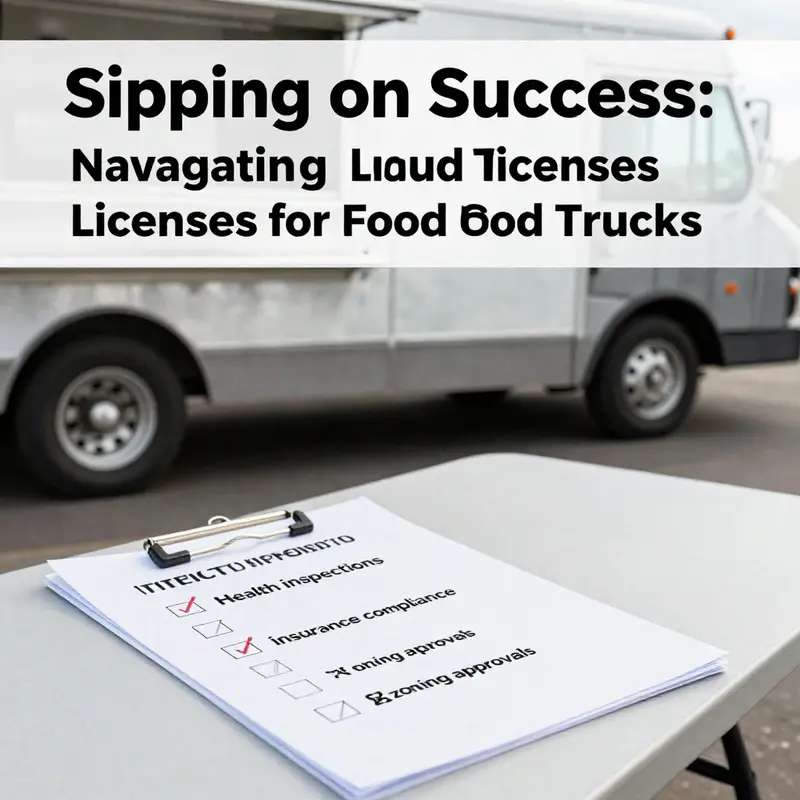
Can a moving kitchen that hitches a generator and serves tacos also serve drinks? The question sits at hospitality, safety, and commerce. For food trucks, liquor licenses exist, but obtaining one isn’t a mere application. It requires navigating a tightly regulated maze that shifts by state and venue. Texas highlights this: the state agency sets baseline rules, while local authorities layer on requirements. Understanding the path—what must be proven, where to file, and what to prove again—helps owners plan a venture that blends food, mobility, and adult beverages.
The path is a structured journey, not a single checkmark. Three questions guide the process: Is the business formed? Can alcohol be sold at the intended locations? Can operations stay within safety standards? Across the country, answers vary, but most systems require documented ownership, clear finances, and enforceable protocols. In Texas, the framework centers on a state license by the Texas Alcoholic Beverage Commission (TABC), with the final green light often depending on local zoning boards, event organizers, and the business’s ability to demonstrate responsible handling. For a mobile operation, that means showing how alcohol travels with the truck while keeping customers and staff safe. A mismatch between the business model and the chosen permit type can block approval or trigger costly amendments.
The first hurdle is the business entity. A food truck cannot borrow someone else’s license or operate informally. In Texas, the business must be registered as a legal entity with the Texas Comptroller of Public Accounts. This registration creates a corporate footprint the licensing authorities review. The structure matters because it affects ownership disclosure, liability, and ongoing compliance. Owners often choose an LLC or similar entity that provides a stable framework for licenses, insurance, and records. This is not bureaucratic window dressing; it is how the state tracks who is legally responsible when alcohol is involved and how that responsibility travels with the truck.
Next comes the TABC application. Applicants prepare a formal submission detailing the business, owners, and proposed location strategy for alcohol sales. In practice, this involves a meticulous collection of data: personal histories of owners, the business’s legal name and address, the truck’s plate number, and the routes or venues where alcohol will be offered. The TABC scrutinizes each element to prevent red flags—entities with questionable finances or owners with license issues. The process aims to prevent underage sales, ensure alignment with the business model, and create a clear accountability trail for licensees and operations.
Then there is the license type. Food trucks typically apply for a Special Event Permit or a Mobile Vendor Permit, depending on fixed events or roaming. A Special Event Permit covers a defined window tied to a festival or private function; a Mobile Vendor Permit covers ongoing service across venues. Both enforce rules on where and when alcohol can be served, who may serve it, and how product is stored and presented. The distinction matters because it influences scheduling, insurance, and site plans you must submit to authorities and organizers. It also shapes expectations around staff, security, and crowd management during peak times.
Compliance with TABC rules is not optional. The truck cannot bypass restrictions governing alcohol. Key rules include no sales to minors with ID checks, and no open containers in public. Hours of service are typically regulated, though venues can impose tighter limits. Staff who handle alcohol must complete training recognized by TABC. Recordkeeping is essential; licenses require logs of who sold alcohol, when, and in what quantity. In short, the license is about controlled behavior as much as it is about access to sale. Operators often rely on digital logs and time-stamped records to support compliance when audits arrive.
Insurance and bonding are not optional. A valid general liability policy is required, with coverage thresholds reflecting venue risk and mobile service hazards. A surety bond may be needed to cover liabilities from alcohol service. These protections reassure venues and customers, help with claims, and provide insurer oversight. This marks a practical cost line that separates licensed, responsible sellers from hobbyists who think a permit suffices. The protective layer is about managing risk and meeting a regulatory standard.
Location and event approval add complexity. For mobile operations, each event or location where alcohol will be served must be approved by the TABC. That means submitting a site plan showing how the truck will operate within the venue or public space, how service windows function, and how crowd management and waste are handled. Venue owners may have additional requirements, including insurance certificates, security provisions, or health checks. The process ensures the operation aligns with crowd flow, emergency access, and local fire codes. Because approvals are location-specific, the same truck could need separate nods for festivals, concerts, and private fundraisers. Public sentiment about alcohol near crowded streets can influence approvals and conditions.
Local jurisdiction permits further shape realities beyond state mandates. Cities may impose noise restrictions, curfews, or health codes affecting service. Zoning rules determine where a mobile unit can operate. In some places, vending or alcohol service in public spaces requires municipal permission. For private events, organizers may demand insurance certificates, staff checks, or a defined security plan. The interplay between state licensing and local control means early, ongoing dialogue with municipal authorities and event partners is essential.
Budgeting and scheduling are practical concerns. Expect longer timelines, since approvals occur at multiple layers and locations require separate nods. Costs accumulate: base business registration, TABC fees, permit fees, insurance, and bonding. Renewal cycles can be annual and may trigger updates to site plans or training. Building a project calendar that aligns with peak event seasons helps. Experienced operators keep ready-made documentation—corporate resolutions, ownership disclosures, and standard site plans—that can adapt to new venues without starting from scratch. Seasonal events can demand additional permits and renewals, complicating growth plans.
Putting this into practice requires a leadership mindset that blends hospitality with compliance. Operators who want to serve liquor from a food truck must design workflows that prevent violations. This includes training staff to recognize underage situations, robust ID verification, and a clear chain of custody for alcohol stock. It also means safety: secure storage for alcohol, clean beverage preparation areas, and contingency planning for venues lacking easy restrooms or waste disposal. The result is more than legal compliance; it is a trustworthy operation for venues, attendees, and communities. For those who view licensed mobile bars as a strategic differentiator, this discipline is worth mastering. It also makes sense to study relevant startup guidance that touches on ownership structures and venue relationships. Those in Latino communities or exploring culturally grounded concepts will benefit from the resource on legal considerations for Latino food-truck startups, which offers actionable tips and benchmarks. The path is not one-size-fits-all, but it becomes navigable with disciplined preparation and awareness of regulatory change.
Finally, the broader story is one of dialogue and adaptation. Early engagement with TABC staff, venues, and event organizers clarifies expectations at every stage. Preparation remains ongoing: update licenses when ownership changes, refresh training as standards evolve, and stay informed about local zoning. The result is a business that can responsibly offer added experiences while respecting boundaries that govern alcohol. The legality of serving liquor from a moving kitchen comes down to planning, transparent practices, and navigating a complex map with integrity. For official guidance, consult the state authority’s site: https://www.tabc.texas.gov
Rolling Licenses, Rolling Kitchens: The High-Stakes Quest for Liquor Permits in the Food-Truck Era
Can a food truck legally pour a beer or a glass of wine? The short answer is yes, in some places. The longer, more accurate answer is that it depends on a maze of local rules, state statutes, and venue-specific agreements. Liquor licensing is built around fixed sites, not moving vehicles, so mobile vendors sit at the edge of the regulatory map. A truck that can roll from neighborhood street fairs to high end private events may find opportunities to serve alcohol, but only if every jurisdiction it touches approves the arrangement and every permit aligns with the event’s footprint. The result is a dynamic landscape where each stop can demand a different license type, different paperwork, and a different set of conditions. For operators who want to turn alcohol from a seasonal feature into a steady revenue stream, the challenges are not just bureaucratic; they shape menu design, staffing, and even the times and places the truck can operate. Many owners discover early on that the question of whether a liquor license is possible is overshadowed by the question of where, when, and how they can legally deliver alcohol to customers without creating safety or compliance gaps.
The regulatory map is a mosaic. Different cities and counties legislate differently, and state systems often follow suit. Some jurisdictions view mobile vendors as too hard to contain, too easy to slip into neighborhoods without sufficient oversight, or too risky for underage consumption in public spaces. Others grant a path to alcohol service but only under tight conditions that can shift with every permit renewal and every vote at a zoning hearing. This patchwork means a food truck operator cannot rely on a single set of rules. Instead, success hinges on a careful, almost surgical understanding of where the truck can be present, what the truck can offer, and how long it can stay in place. Even a profitable business model can be stifled if one essential site or permit is missing. The push and pull between mobility and regulation becomes a constant tension, shaping every decision from the layout of a portable bar to the hours a truck can legally operate at a given festival or market.
In practice, the path to liquor service is as much about logistics as it is about licenses. The application process is rarely swift. It often requires a multi-layered approach that begins with the business itself and extends through city zoning boards, alcohol control authorities, and public hearings. The truck must demonstrate that it operates as a legitimate, compliant business entity with a stable supply chain, proper storage for alcohol, and procedures that ensure age verification and responsible service. In many places, a license is tied to a physical footprint. If the truck moves, that footprint must move with it, or the license must be anchored to a permitted site such as a fixed event venue or a licensed temporary service area. When a permit is granted, operators may face conditional requirements. The vehicle might be required to park in designated zones, limit service hours, or restrict the types and quantities of alcohol offered. These conditions can erode the operational flexibility that makes food trucks attractive to customers and event organizers alike.
The Texas example provides a concrete illustration of the state-level complexity. In that context, a food truck seeking alcohol service must navigate the Texas Alcoholic Beverage Commission and a tangle of health and safety regulations alongside license-specific criteria. Even after a license is granted, the truck may be subject to higher insurance costs, broader compliance obligations, and potential local approvals from zoning boards or event organizers. The need to align city rules with county and state regulations creates a layered process that can stretch over months. It is not unusual for operators to find themselves spending more time on paperwork than on menu development or route planning. The strategic takeaway is clear: the license is not a mere sticker on a wall; it is a framework that governs where a truck can operate, when it can serve, and how customers experience the drink program.
The challenge is not purely procedural. It is also social and economic. Public safety concerns drive many restrictions. Authorities worry about the logistics of serving alcohol in moving or mobile settings, the risk of disturbances in public spaces, and the potential for underage drinking in open areas. Noise, litter, crowd management, and the interaction with nearby brick-and-mortar establishments all factor into decisions about where a truck may operate with alcohol on offer. In some neighborhoods, even the existence of a mobile bar can require additional community engagement, traffic plans, or police coordination. In others, the opportunity to serve alcohol is linked to the truck’s ability to obtain event permits for defined time windows, which means the business has to align its calendar with festivals, private parties, or markets rather than pursuing a steady weekly schedule. The result is a business model that often hinges on building strong partnerships with event organizers and venue managers who are willing to navigate the regulatory maze alongside the operator.
The practical implications extend to the day-to-day operations. Service rituals must adapt to compliance demands. Age verification becomes a standard operating procedure, with staff trained to identify valid IDs and to refuse service when necessary. Inventory control takes on a new dimension as the operator ensures that alcohol storage and handling meet safety standards, including secure storage, proper refrigeration, and a reliable chain of custody from supplier to consumer. Staff scheduling must consider potential crowd management needs, the possibility of rushed service at peak times, and the enforcement of venue-imposed hours. All of these factors feed back into the menu design. A truck may need to balance the allure of alcohol with non-alcoholic beverages, offer creative mocktails that echo the flavor profile of its cuisine, and craft pairings that can be served quickly yet safely in a mobile environment. The goal is to create a cohesive customer experience where the food remains the anchor, the drink program complements it, and compliance never feels like a hurdle but rather a natural extension of professional hospitality.
For operators who want a clearer sense of the regulatory climate, a grounded approach is to study the guidance and frameworks that govern liquor licenses in their jurisdiction. A useful pathway is to consult resources that discuss broader legal considerations for mobile food ventures. One such resource outlines how licensing interacts with health, safety, and organizational structure, offering practical steps for entrepreneurs to map out a legitimate plan before investing in equipment, permits, or staff. See the discussion on Legal considerations for Latino food-truck startups. By examining these foundational principles, operators can identify where their realities diverge from the standard restaurant model and design a compliance-first strategy that minimizes backsliding into red tape. Legal considerations for Latino food-truck startups
The overarching takeaway is that the dream of a fully integrated alcohol program on a food truck is not a simple expansion of a kitchen. It is a carefully negotiated arrangement with a patchwork of rules, expectations, and responsibilities. The market rewards those who combine culinary appeal with legislative savvy, who view compliance not as a setback but as a competitive differentiator. Operators who embrace the complexity—who plan for fixed permits in certain locations, who align events with their calendar, who train staff to manage alcohol service safely—often find that the truism about mobile hospitality holds: movement is an advantage when it is matched by movement-friendly compliance, not despite it. For those contemplating a move into alcohol service, the path is not a straight line but a map of permissible stops, each with its own permit, its own conditions, and its own potential to transform a neighborhood curbside into a memorable hospitality moment.
External reading for broader context on the licensing journey includes a comprehensive guide from a national small-business resource. It offers step-by-step guidance on how to approach licensing, estimate costs, and prepare for the long timelines common to alcohol permits. For a deeper dive, see the SBA guide on applying for a liquor license: https://www.sba.gov/business-guide/starting-a-business/apply-for-liquor-license
Like a Rolling Bar: Navigating the State-by-State Landscape of Food Truck Liquor Licensing
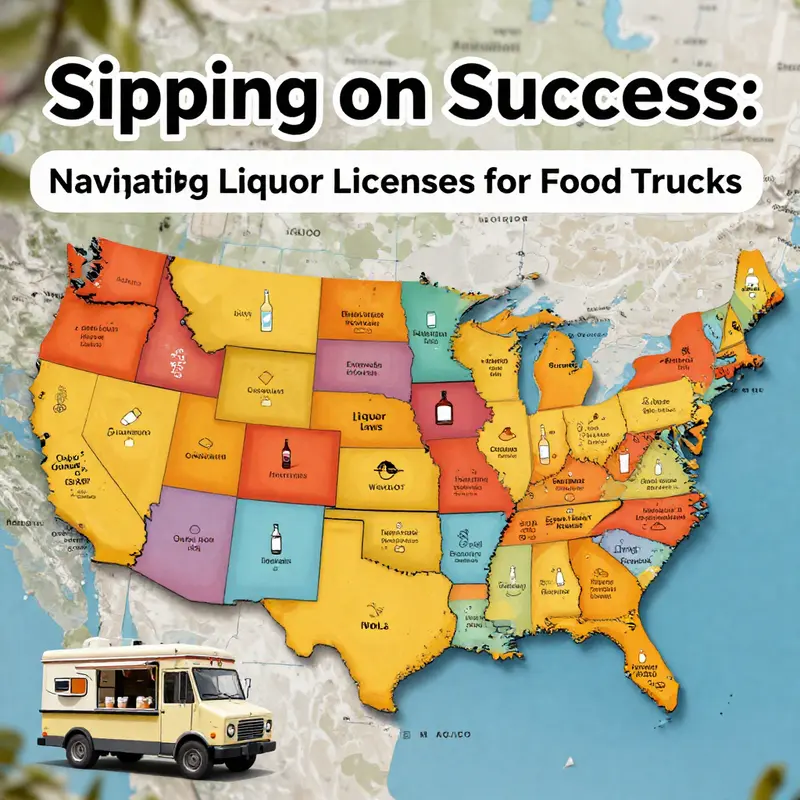
The ambition to serve alcohol from a food truck sits at the intersection of culinary entrepreneurship and a tangle of regulatory frameworks. Unlike a fixed-brick bar, a mobile operation invites a different calculus: one that must account for where the truck will operate, who will supervise service, and which authority controls the right to pour. The same idea of “we serve great food, so why not add beverages” can become a robust, legally complex business model. Across the United States, states diverge dramatically in how they regulate mobile alcohol sales. Some create clear paths that reward careful compliance, while others lock the concept behind a wall of permits, venue criteria, and geographic limitations. To navigate this terrain, operators must begin with a sober appraisal of the state and local rules that will govern every event, every stop, and every service window opened to customers.
In practice, the state you choose to operate within largely shapes your day-to-day reality. A prudent starting point is to distinguish between two broad models: the mobile beverage operation that can sell alcohol at designated events and the setup that relies on a fixed, licensed partner or venue. The first model often hinges on a permit aligned with temporary use—one that allows liquor service at specific, pre-approved events. The second tends to hinge on tying alcohol service to a licensed establishment that has a physical footprint, or to a licensed caterer organization that holds the necessary permits. Many states require the mobile unit to operate within the boundaries of an event or an approved site and to avoid the temptation of selling on public streets. In practice, that means a truck may be allowed to pour at a music festival, a wedding, or a private party, but not roam city sidewalks or public squares as if it were a streetcar of spirits. The line between permitted event service and illicit roaming is a crucial distinction that can decide whether a business model is viable or merely aspirational.
Texas, California, Florida, New York, and Colorado offer a compact quartet of cases that illustrates the spectrum. Texas has built a framework around a “Special Event Permit” or a Mobile Beverage Permit issued by the state’s alcoholic beverage authority. This permit enables alcohol service within the event’s boundaries, provided the operation adheres to the rules for staff training, signage, security, and record-keeping. The Texas model also opens a pathway for joint operations: a food truck and a mobile bar can share a space and a customer experience, if they align with the permit’s conditions and the event’s operational plan. The practical upshot is a potentially lucrative hybrid: you leverage your kitchen’s brand and logistics while offering curated drinks under careful regulatory guardrails. Yet the Texas path is not without cost and complexity. Operators must maintain appropriate licenses, ensure the truck is properly equipped for security, and demonstrate that alcohol handling is performed by trained personnel. The result is a balanced, marketable approach that can pair well with festival circuits, weddings, and corporate events.
California tells a very different tale. The California Alcoholic Beverage Control (ABC) system does not issue standalone mobile liquor licenses in the way many operators might expect. A true mobile bar must be tied to a licensed fixed establishment—either a restaurant or a caterer with a permanent location—or rely on special event permits under tightly circumscribed conditions. This structure creates a steep entry barrier for a truck seeking to pour independently on the move, especially on public property. The practical effect is significant: mobile alcohol service becomes viable primarily within controlled venues and under the umbrella of a licensed partner. For operators hoping to build a solitary rolling bar in California, the regulatory landscape elevates the importance of partnerships, venue-driven permits, and a willingness to operate with a fixed anchor in the form of a licensed establishment. It’s less a door opening for pure mobile licensing and more a reminder that California’s framework prioritizes accountability, site control, and public safety.
Florida offers a contrasting blend of flexibility and oversight through its Mobile Beverage Vending program. Administered by the Florida ABC, this model allows qualifying vendors to sell alcohol from mobile units at approved events, including concerts and private functions, provided certain conditions are met. Health code compliance, adequate insurance, staff training, and visible licensing signage all help fortify the legal standing of the operation. Yet Florida still requires that events be permitted by local authorities, creating a double layer of scrutiny—statewide licensing aligned with municipal or county event approval. The result is a pathway that can accommodate mobile service when aligned with a defined event footprint, while also embedding a robust framework to protect consumers and ensure accountability.
New York State is often cited as one of the most challenging environments for mobile alcohol sales. The New York State Liquor Authority tends to restrict independent mobile licenses, with alcohol sales typically confined to fixed-location establishments or tightly delimited event-based scenarios. In many cases, operators join forces with existing bars or restaurants or pivot away from alcohol altogether. The rigidity here underscores a classic tension in mobile licensing: the appeal of a flexible, on-the-go model versus the imperative to maintain clear lines of control, safety, and taxation. For aspiring operators, that tension translates into a strategic decision—whether to pursue a partnership-driven model, focus on non-alcohol events, or relocate to a jurisdiction with a more explicit mobile pathway.
Colorado presents one of the more accommodating pictures in the nation. The state’s Alcohol and Gaming Enforcement Division offers a “Mobile Vendor License” that applies to specific events. The application requires comprehensive documentation—event permits, insurance, and background checks—before permission is granted to operate on public property during approved events. Colorado’s approach provides a framework for true mobility, enabling a food truck to serve beverages at events across the state with a defined, regulated process. It recognizes the dynamism of the mobile economy while maintaining a strong emphasis on safety, consumer protection, and accountability. This approach demonstrates that a well-structured regulatory pathway can coexist with entrepreneurial flexibility, allowing operators to chart a course that aligns with their brand, their supply chain, and their event strategy.
Beyond the mechanics of permits and permissions, several core themes emerge across the spectrum. First, the need for alignment between licensing and venue or event organizers cannot be overstated. Events frequently demand proof of licensing and financial responsibility, creating an ecosystem where operators succeed by building trusted partnerships with venues, festival organizers, and private hosts. Second, the educational dimension is essential. Alcohol service requires training in responsible service, age verification, and the legal responsibilities attached to intoxication management. Training isn’t merely a box to check; it is a cornerstone of risk management and customer safety. Third, insurance and equipment are not optional luxuries but pragmatic requirements that reflect the real-world risks of spillage, property damage, or third-party harm. Landlords and municipalities increasingly insist on robust coverage as a condition of entry to venues and events. Finally, zoning and local ordinances keep rearing their heads. A truck may legally pour at a permit-approved site, yet municipal zoning rules or health department constraints can quietly curtail or reshape the business model. In short, the license is only the door; the rest of the building—permitting, venue alignment, staff training, insurance, and site compliance—defines what you can build inside.
For a food-truck operator weighing the option of adding alcohol service, this landscape offers both caution and opportunity. The caution comes in recognizing that a one-size-fits-all approach simply does not exist. A truck that thrives in Texas’s event-based system may encounter tighter constraints in California, while a Colorado route may echo Texas in spirit but demand its own unique filings and inspections. The opportunity lies in a carefully constructed model that leverages the strengths of the truck’s culinary program while harnessing partnerships and event-based demand. The core strategy is to anchor the business in legitimate, well-documented procedures: identify the regulatory pathway that matches the intended operating footprint, secure the necessary credentials, align with venues and event organizers, and invest in staff competency and safety measures. A successful plan also implies patience and adaptability—the willingness to adjust concepts, scales, and revenue streams as regulatory climates shift and as market demand evolves.
As operators consider the practical next steps, they should contemplate what a regulatory plan looks like in action. Begin with a target state or region and map the licensing authorities, the key permits, and the typical timelines. Then, assess the local zoning and venue-approval processes. Build a network of potential partners—venues, event organizers, catering companies—that can provide the licensed framework within which a mobile service can operate. Develop a robust standard operating procedure for alcohol service, including inventory controls, customer age verification, waste disposal, and incident reporting. Ensure your insurance posture reflects the risks of mobile service and includes liability coverage that aligns with the expected operations. Finally, craft a clear, transparent marketing and customer communications plan that sets expectations about where the truck can pour, when, and under what conditions, so patrons understand the boundaries of service from the outset.
The broader regulatory environment is not a static maze; it evolves with political, public safety, and societal priorities. This reality makes it critical for operators to stay informed and to engage with authorities proactively rather than reactively. A well-informed strategy integrates licensing research, professional advice when needed, and a willingness to adapt to new requirements without compromising brand values or customer safety. For readers seeking a practical lens into related regulatory considerations, a companion resource on the site discusses broader legal considerations for Latino food-truck startups, which can provide a helpful context for how licensing, staffing, and compliance intersect with cultural and culinary mission. Legal considerations for Latino food-truck startups.
The path to serving alcohol from a food truck is not uniform, but it is navigable with diligence. It requires a blend of state-specific licensing protocols, local approvals, and a disciplined approach to operations. For entrepreneurs, the payoff lies in a compelling value proposition: the ability to pair culinary storytelling with curated beverage experiences, delivered from a mobile platform that can adapt to festivals, weddings, and private events. The chapter’s comparative lens—though it cannot erase every variance between jurisdictions—highlights a shared truth: success is built on compliance, partnerships, and a clear understanding of the regulatory rhythm—where you can pour, when you can pour, and who must supervise the pour. This is the pragmatic heartbeat of transforming a food truck from a celebrated kitchen on wheels to a sought-after mobile venue for responsibly served spirits.
External reference: https://www.tabc.texas.gov/businesses/mobile-beverage-permits
Libations on Wheels: How Regulatory Change and Market Demand Are Redefining Licensed Food Trucks
The question of whether a food truck can legally serve liquor sits at the intersection of evolving rules and market demand. Across the United States licensing for mobile beverage service is a negotiation among state statutes local ordinances health and safety standards and the realities of event driven business. In places like Texas the path involves the Texas Alcoholic Beverage Commission health compliance insurance and often zoning or event approvals before pouring a drink for paying customers. Yet rules vary widely by jurisdiction creating a mosaic of gatekeepers fees and timelines that reward careful planning over a quick permit. Regulators increasingly require responsible serving training and safety awareness, building a workforce that understands the law and the dynamics of crowds in a mobile setting. The practical impact is higher costs and longer lead times, but licensing can unlock premium contracts and differentiate operators who prove reliability and quality. For readers seeking practical guidance the integrated materials highlight how licensing intersects with startup strategy, including how to identify the governing authority map approvals and anticipate license costs. The broader trend links licensing to hospitality innovation, with mobile bars adding a portable beverage experience to culinary offerings. Looking ahead licensed mobile beverage concepts are likely to grow, especially in event dense markets, provided operators invest in compliance staff training and strong relationships with regulators and venues. The result is a market where licensing is a source of credibility and competitive edge, not merely a compliance hurdle, and where a well run licensed truck can deliver consistent service at festivals weddings and corporate events.
Final thoughts
In summary, navigating liquor licensing for food trucks is a multifaceted journey that requires knowledge of local and state regulations, an appreciation of operational challenges, and adaptability to varying market trends. Whether you are an enthusiast modifying your vehicle for special events or a professional shop tuning the latest models, understanding the potential for liquor sales can significantly enhance the food truck business experience. Empower yourself with knowledge, stay informed on trends, and ensure compliance to carve a successful niche in the mobile dining industry.