
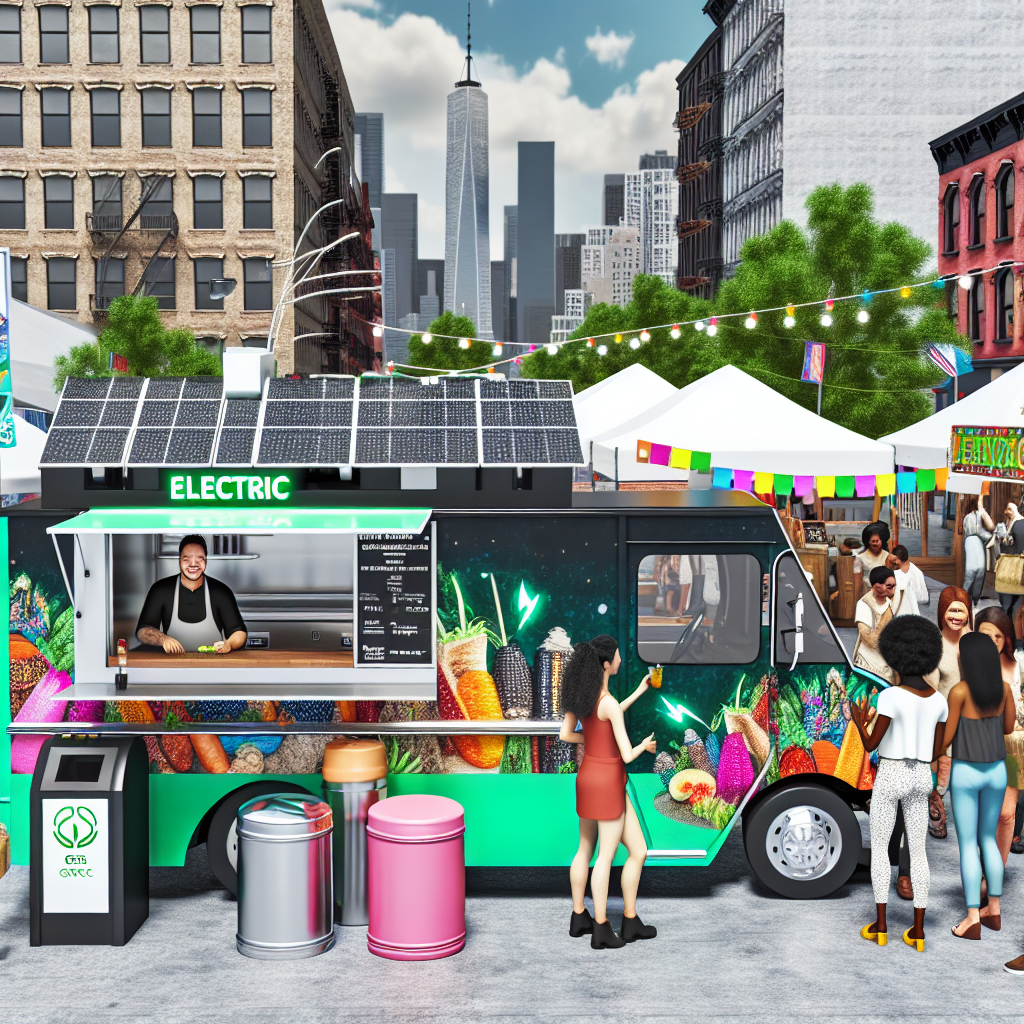
As the food service industry evolves, a remarkable transformation is underway: the adoption of sustainable technology in food trucks. The rise of Harbinger electric trucks is at the forefront of this movement, representing a significant shift towards eco-friendly alternatives that are not only good for the environment but also beneficial for businesses.
In an age where climate change is increasingly at the forefront of global consciousness, food trucks powered by electric technology reduce carbon emissions and offer a cleaner, quieter experience for both operators and customers. With Harbinger’s medium-duty electric trucks now penetrating the Canadian market, the appetite for such sustainable options is palpable.
Roughly 80% of medium-duty applications can converge on these electric models, making them not just a choice but a necessity as businesses look to minimize their ecological footprint while enhancing operational efficiencies. Join us as we delve into the innovative technology that is shaping the future of food service on wheels.
The Rise of Electric Food Trucks
Exploring the surge of electric food trucks and Harbinger’s pioneering role in this sustainable trend.
Harbinger Electric Trucks’ Features
Harbinger Motors is setting new standards in the electric medium-duty truck sector, with innovative designs that cater to a range of needs while promoting sustainability. Here’s an overview of the key features of Harbinger electric trucks:
Battery System
Harbinger’s trucks come equipped with an advanced 800V liquid-cooled battery system. This battery is scalable in increments of 35 kWh, providing a driving range that exceeds 200 miles on a single charge. This makes it versatile enough to cover about 90% of typical medium-duty applications.
The robust design of the battery ensures longevity, capable of supporting up to 450,000 miles over a 20-year lifespan. Additionally, it helps in reducing overall operation costs.
Applications of Electric Medium-Duty Trucks
Harbinger trucks are versatile and support various applications:
- Delivery Services: Companies like FedEx are already adopting Harbinger’s trucks to electrify their delivery fleets, pushing towards full electrification by 2040, showcasing the growing trend of sustainability in food service.
- Food Distribution: Bimbo Bakeries USA has placed significant orders for these trucks, integrating them into their fleet in alignment with sustainability goals and demonstrating the need for electric vehicle technology in food logistics.
- Recreational Vehicles: The electric chassis from Harbinger is being utilized by RV manufacturers like THOR Industries, providing sustainable options for consumers.
- Emergency Response: The reliable performance of Harbinger trucks makes them ideal for emergency and disaster response applications.
Sustainability Benefits
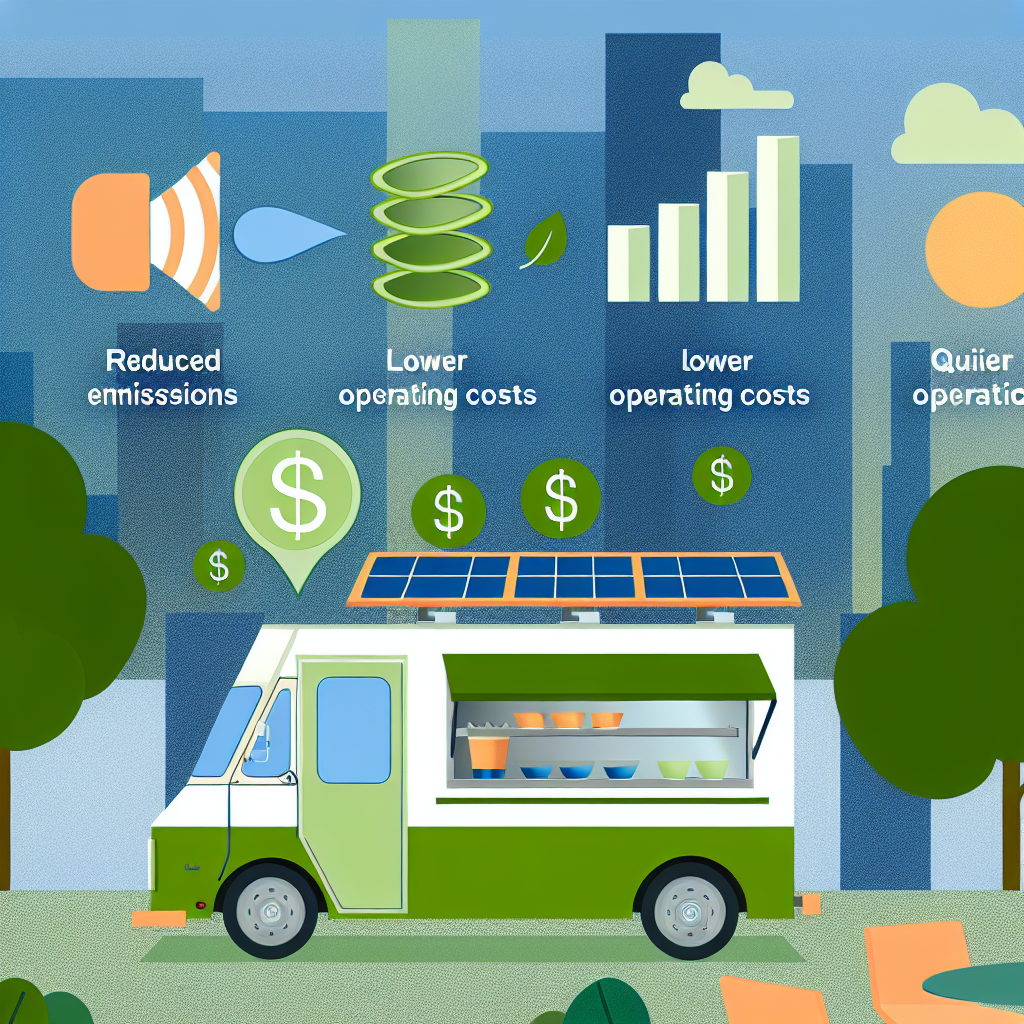
Choosing Harbinger electric trucks contributes to reducing emissions. These vehicles feature zero tailpipe emissions, which significantly lower greenhouse gas output. They also offer lower operating costs due to reduced maintenance needs and the economical benefits of electricity over diesel fuel.
Furthermore, the quieter operation of electric trucks helps reduce noise pollution, especially in urban settings.
In summary, Harbinger electric trucks are at the forefront of providing sustainable, efficient, and versatile solutions for modern transportation demands. This makes them a smart choice in the evolving landscape of electric vehicle options.
| Feature | Traditional Food Trucks | Electric Food Trucks (Harbinger) |
|---|---|---|
| Cost (Initial) | Generally lower cost | Higher initial investment but can be offset by savings in fuel and maintenance over time |
| Fuel Efficiency | Moderate – relies on gas/diesel | High – zero fuel cost, lower operational costs |
| Environmental Impact | Emissions from gas/diesel usage | Zero tailpipe emissions, promotes sustainable practices |
| Maintenance Costs | Higher due to engine repair | Lower maintenance requirements, fewer moving parts |
| Operating Range | Varies, but generally less efficient | Up to 200 miles per charge, suitable for most applications |
| Noise Pollution | Higher noise from engines | Quieter operation, beneficial in urban settings |
Customer Testimonials
At Harbinger, the feedback from our clients speaks volumes about our commitment to innovation, sustainability, and performance. Here are a few testimonials from satisfied customers that underscore the advantages of using Harbinger trucks in today’s market:
John Harris, CEO of Harbinger
“The industry reception to Harbinger vehicles to date demonstrates a strong appetite for durable, affordable, and environmentally friendly alternatives to supplement gas and diesel fleets. With the growing demands of sustainability, our clients are excited about making a positive impact with their transportation choices while optimizing operational efficiency.”
Phillip Weicker, Co-founder and CTO of Harbinger
“As a Canadian who has worked my entire career in the automotive and EV space, selling vehicles in Canada is a milestone for me. The embrace of Harbinger trucks from both businesses and consumers highlights a significant shift towards sustainable practices in various industries, including food service.”
Michael Chen, Logistics Manager at Bimbo Bakeries USA
“Integrating Harbinger electric trucks into our delivery fleet has been a game changer. The reliability and cost savings from reduced maintenance have reinforced our commitment to sustainability, allowing us to meet our goals more effectively.”
Laura Smith, Owner of Fresh Eats Food Truck
“Switching to Harbinger trucks has transformed my business. Not only do I appreciate the performance and range, but knowing that I am contributing to a greener planet adds immense value to my work.”
Overall, Harbinger trucks are shaping a brighter, more sustainable future for businesses looking to embrace electric technology in their operations. Customers appreciate the blend of reliability and environmental responsibility, making Harbinger Trucks a leading choice among electric vehicle options for the food service industry.
Analysis of the Canadian Market for Electric Food Trucks
The Canadian market is experiencing a notable transformation as trends towards sustainability and eco-friendly practices gain traction. With the food truck industry projected to expand from USD 289.1 million in 2024 to USD 651.6 million by 2030, reflecting a compound annual growth rate (CAGR) of 7.03%, the opportunity for electric food trucks, particularly those by Harbinger, is immense. This growth is largely driven by urbanization, changing dining preferences, and increased consumer demand for diverse culinary experiences.
In the sector of electric food trucks specifically, the North American market is expected to rise from a valuation of approximately USD 420 million in 2024, growing at a CAGR of 13.8% until 2033. With Harbinger entering the Canadian market, interest is expected to surge, particularly as their trucks cater to about 80% of medium-duty applications. This aligns well with the increasing tolerance and enthusiasm consumers express towards electric alternatives in food service.
Moreover, research indicates that approximately 60% of food truck patrons belong to millennials and Gen Z, demographics that prioritize sustainability. With a noticeable trend towards eco-friendly operations, including the incorporation of plant-based offerings and biodegradable packaging, the demand for electric food trucks is anticipated to soar.
Harbinger’s commitment to producing sustainable electric vehicles not just meets but enhances market expectations. The company’s focus on delivering reliable, durable, and efficient solutions positions them favorably within the landscape of Canadian food trucks. In conclusion, as the market for electric food trucks burgeons, Harbinger is well-placed to impact the industry by meeting the compelling consumer demand for sustainable options in food service.
Future Trends in Food Truck Technology
The food truck industry is undergoing significant technological advancements, particularly in battery technology, automation, and energy efficiency. These innovations are poised to reshape operations, enhance sustainability, and improve profitability in 2025 and beyond.
Battery Technology and Electrification
The shift towards electric food trucks is accelerating, driven by the need to reduce operational costs and environmental impact. Electric vehicles (EVs) offer lower fuel expenses and maintenance requirements due to their simpler design. Additionally, EVs operate more quietly, making them suitable for urban environments. Advancements in battery technology have extended the range of commercial EVs, with many now offering up to 150 miles per charge, surpassing the daily mileage of most delivery vehicles. Source
Automation and Smart Technologies
Automation is streamlining food truck operations through various technologies:
- AI-Powered Demand Forecasting: Tools like Zenput analyze factors such as weather, events, and past sales to predict ingredient needs, reducing spoilage by up to 28%. Source
- Mobile Ordering Systems: Pre-order apps, such as Clover, handle a significant portion of transactions during peak times, enhancing customer experience and operational efficiency. Source
- Dynamic Geolocation: Platforms like SpotAngels and Roaming Hunger use real-time foot traffic data to direct trucks to high-demand areas, potentially boosting sales by 15-25%. Source
These technologies not only improve efficiency but also contribute to sustainability by optimizing resource use and reducing waste.
Energy Efficiency and Sustainability
Sustainability is becoming a cornerstone of the food truck industry:
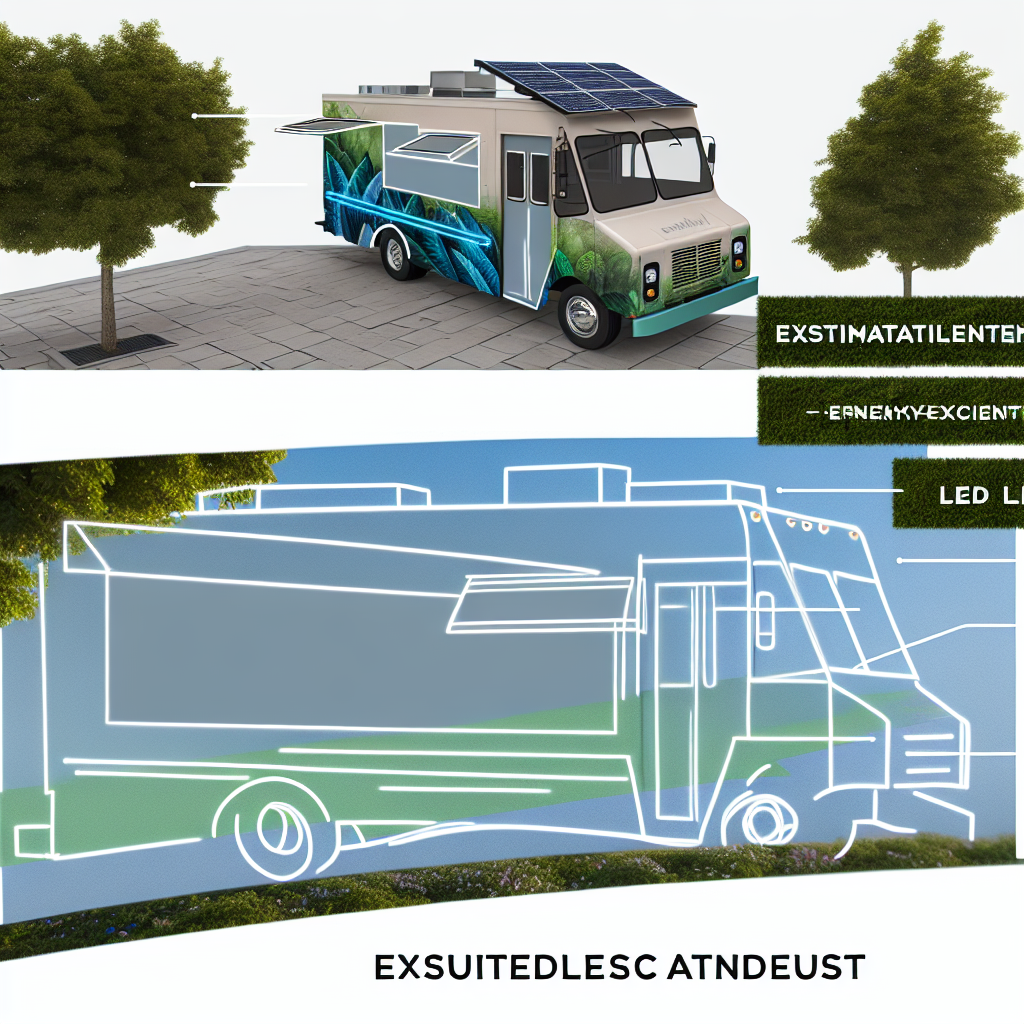
- Electric and Solar-Powered Rigs: The adoption of electric food trucks is growing at an 18% compound annual growth rate (CAGR), with some models integrating solar panels to cut energy costs by 40%. Source
- Zero-Waste Initiatives: Operators are implementing comprehensive waste reduction strategies, including recycling and composting programs, and using 100% compostable packaging. Source
- Hyper-Local Sourcing: Sourcing ingredients within a 50-mile radius reduces transport emissions and appeals to environmentally conscious consumers. Source
These practices not only minimize environmental impact but also resonate with consumers who prioritize sustainability.
Potential Impacts on the Food Truck Industry
The integration of advanced battery technology, automation, and energy-efficient practices is set to transform the food truck industry:
- Operational Efficiency: Automation and smart technologies streamline processes, reduce labor costs, and enhance customer service.
- Cost Reduction: Electric vehicles and energy-efficient appliances lower fuel and energy expenses, improving profit margins.
- Market Expansion: Sustainable practices and innovative technologies attract a broader customer base, including environmentally conscious consumers.
As these trends continue to evolve, food truck operators who embrace these innovations will be well-positioned to thrive in a competitive and rapidly changing market.
Phillip Weicker’s Perspective on the Canadian Market
Phillip Weicker, co-founder and Chief Technology Officer of Harbinger, expressed his enthusiasm about the company’s entry into the Canadian market, stating:
“As a Canadian who has worked my entire career in the automotive and EV space, selling vehicles in Canada is a milestone for me.”
This sentiment highlights not only a personal achievement for Weicker but also underscores the significance of Harbinger’s mission to provide innovative electric solutions in his home country. He further emphasized:
“When we founded Harbinger, our goal was to build the best medium-duty vehicles and they just happen to be electric.”
These remarks encapsulate the importance of this entry into the Canadian market for both Weicker and Harbinger as they aim to revolutionize the transportation industry with sustainable technology.
Conclusion
As we conclude our exploration of sustainable trends in food truck technology, it is evident that the adoption of electric trucks, particularly Harbinger’s innovative models, marks a pivotal shift in the food service industry. The numerous benefits that electric food trucks provide—ranging from reduced operational costs and zero tailpipe emissions to enhanced customer satisfaction—highlight their integral role in transforming how food is delivered and served.
The importance of embracing such sustainable technology cannot be overstated; it offers businesses a unique opportunity to enhance their brand’s commitment to eco-friendly practices while meeting the growing consumer demand for sustainability. With the food truck market poised for significant growth, operators who invest in electric solutions like Harbinger’s trucks will not only lead the way in environmental stewardship but also reap the rewards of increased efficiency and appeal.
Looking ahead, we can anticipate further innovations in electric vehicle technology, automation, and smart solutions that will further reshape the food service landscape. As the industry evolves, staying ahead of these trends will be essential for success, making sustainability not just an option, but a necessity for the future of food trucking.
Embracing these changes positions food service operators to not only thrive today but also contribute to a greener tomorrow. One satisfied customer, Laura Smith, Owner of Fresh Eats Food Truck, expressed, “Switching to Harbinger trucks has transformed my business. Not only do I appreciate the performance and range, but knowing that I am contributing to a greener planet adds immense value to my work.” Their stories and positive experiences emphasize the impact that the shift to electric technology can have on both business success and environmental responsibility.