Unleashing Potential: The Thrill of Customizing Your Food Truck
The passion for customizing vehicles often transcends mere aesthetics, merging art with business acumen. Enter the world of food trucks-a realm where creativity meets culinary delight, and where the thrill of personalization breathes life into every meal served. For car enthusiasts and hobbyist modifiers, the desire to tailor a food truck not only ignites creativity but also represents a solid business investment. However, understanding the financial implications of such modifications, particularly through the lens of depreciation, is crucial for long-term success.
So, how long do I depreciate a food truck? According to the IRS, food trucks generally have a useful life of five years for depreciation purposes. This includes using various methods like the double declining balance or straight-line depreciation to match the cost of your investment with the income it generates-key for minimizing tax liabilities. The thrill of embarking on a food truck venture comes with significant capital expenditures, as initial customization can cost tens of thousands of dollars, necessitating a clear understanding of food truck depreciation to safeguard against future losses.
Customizing a food truck isn’t just about standing out in a crowded market; it’s about leveraging financial strategies to optimize returns. By mastering food truck depreciation, you embrace both your passion for car modification and a sustainable approach to business-a combination that fuels your journey in the vibrant food truck economy. Embrace this unique blend of car culture and culinary enterprise, and watch your dreams take flight on wheels.
Understanding Vehicle Depreciation: The Basics for Food Trucks
When diving into the world of food trucks, one of the pivotal financial concepts every owner, hobbyist, or professional must grasp is vehicle depreciation. Simply put, depreciation is the decline in value of your food truck over time-an inevitable aspect of owning any vehicle, but especially significant for specialized mobile kitchens.
What is Depreciation?
Depreciation refers to the reduction in the worth of an asset as it ages, gets used, and is subjected to wear and tear. For food trucks, this decline in value is influenced by both mechanical factors and the bespoke nature of kitchen modifications.
Appreciation vs. Depreciation
While depreciation means value decreases, appreciation is the opposite: an increase in an asset’s value. Food trucks rarely appreciate unless they become coveted vintage or specialty models. Understanding this distinction helps owners set realistic financial goals.
Key Factors Affecting Depreciation in Food Trucks
Several variables impact how quickly a food truck loses value:
-
Usage Intensity: Food trucks endure heavy duty daily use, involving prolonged engine operation, frequent stops and starts, and working kitchen appliances. This accelerates wear on engines, refrigeration units, and vehicle structure.
-
Mileage: As with any vehicle, more miles mean faster depreciation. Food trucks often accumulate high mileage due to constant travel to events and locations.
-
Maintenance and Repairs: Well-kept maintenance logs and timely repairs help slow depreciation by preserving mechanical health and appearance. Neglecting upkeep drastically increases depreciation.
-
Modifications and Custom Equipment: While outfitting a truck with specialized kitchen equipment raises initial costs, improper installation or aging appliances can hasten value loss.
-
Market Demand and Location: Popular food truck styles focused on trending cuisines or healthy options tend to hold value better in their target markets. Similarly, operation in high-traffic urban areas influences residual value.
-
Environmental Conditions: Exposure to harsh weather or rough roads accelerates deterioration of mechanical systems and bodywork.
Why Does This Matter?
For food truck entrepreneurs, understanding depreciation is crucial for budgeting, tax planning, and deciding the right time to upgrade or sell. Typically, food trucks have an average lifespan of 7 to 10 years, with depreciation rates steepest in the first 3 years-often 30%-50% value drop early on.
Considering the specialized nature and operational demands of food trucks, owners should factor depreciation into their business strategy to optimize investment returns and operational efficiency.
For insights on operational strategies and choosing the right food truck model, check out our guide on choosing food truck models for urban success. Also, explore the differences between step vans vs cargo vans for food trucks to understand how your vehicle choice can influence depreciation and maintenance costs.
By mastering the basics of depreciation, you’ll be better equipped to navigate the dynamic, flavorful world of food truck entrepreneurship with confidence and savvy.
Comparing Depreciation Methods for Food Trucks
When it comes to managing the financials of your food truck, understanding depreciation methods can be crucial. Here’s a comprehensive comparison of the most common depreciation methods: Straight-Line, Declining Balance, and Units of Production. Each method has its pros, cons, and relevant factors that may influence your decision based on your business operations.
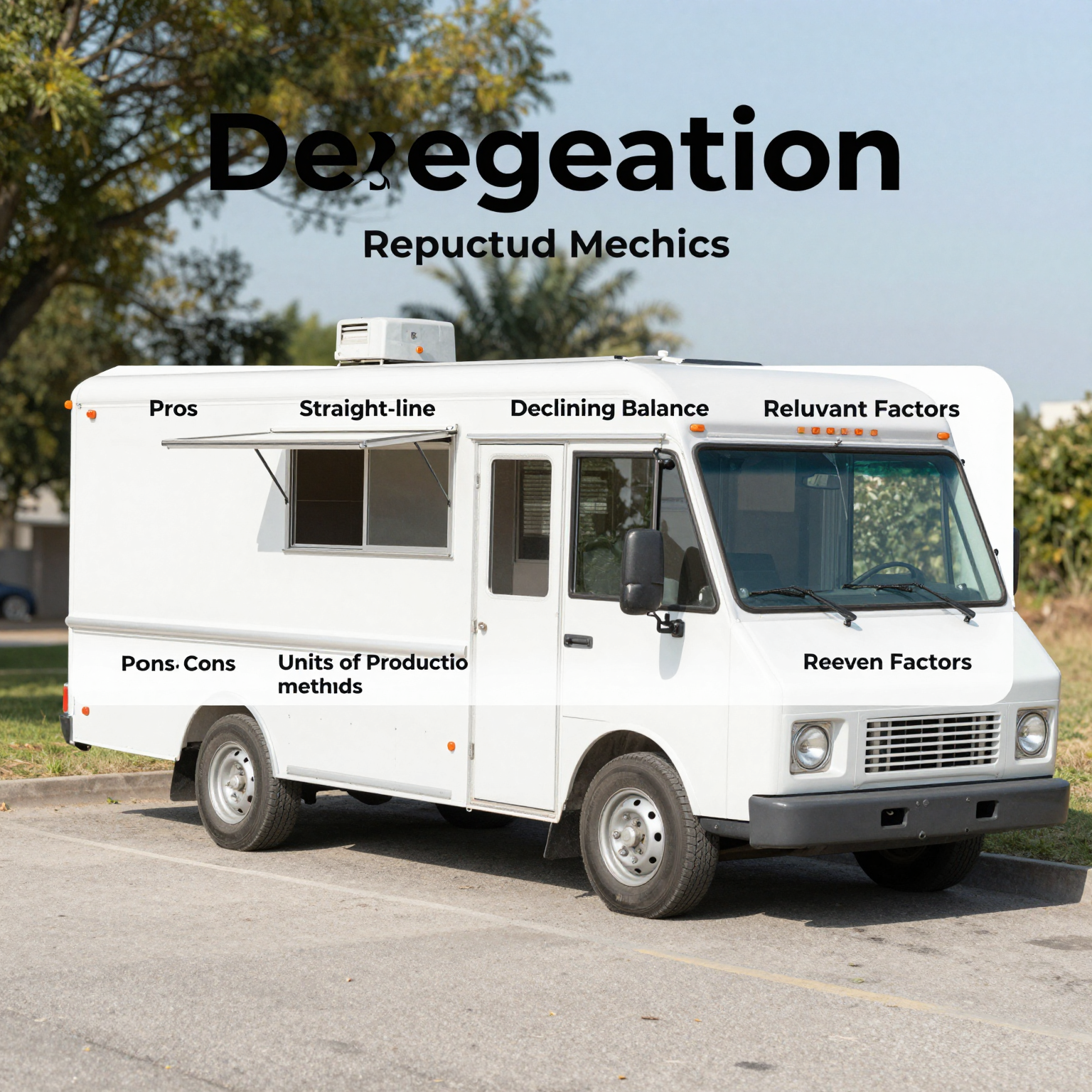
Table: Methods of Depreciation for Food Trucks
| Depreciation Method | Pros | Cons | Relevant Factors |
|---|---|---|---|
| Straight-Line | – Simple to calculate |
- Uniform annual expense | – Does not reflect wear for high-use periods
- Less tax savings | – Useful life typically 5-7 years |
| Declining Balance | – Higher deductions in early years - Better cash flow in start | – Decreasing deductions can impact long-term financials | – High initial usage |
| Units of Production | – Accurate reflection of actual wear - Very precise for usage patterns | – Requires meticulous tracking of usage
- May be impractical for irregular operations | – Consistent high variable usage cases|
For more information on the best food trucks by model or how to maximize your food truck’s success, check out top Latino food truck dishes and legal considerations for Latino food truck startups.
Understanding IRS Regulations on Food Truck Depreciation
When it comes to operating a food truck, understanding IRS regulations related to depreciation is crucial for proper tax reporting. Whether you are an aspiring food entrepreneur or a seasoned operator, knowing how to navigate the financial side, including the useful life of your operational vehicle, can maximize your tax efficiency.
Useful Life and Depreciation Schedule
According to the IRS, food trucks are categorized as vehicles that can be depreciated under the Modified Accelerated Cost Recovery System (MACRS). Typically, the useful life assigned to food trucks falls within a five-year period. This estimation includes any modifications made to the vehicle, which can sometimes play a significant role in increasing the overall investment you can depreciate.
- Bonus Depreciation & Section 179: For the 2023 tax year, food truck owners can capitalize on bonus depreciation-a benefit that allows for immediate write-off of a considerable portion of the purchase. This includes an $11,200 deduction in the first year, plus the application of the Section 179 deduction for qualifying property up to $1,180,000 if total purchases are less than $3,180,000.
- Modified Use: If you’ve made any significant modifications to your food truck, such as upgraded cooking equipment or additional storage, these expenses may also qualify for depreciation, contributing further to your tax deduction opportunities. Always ensure that these enhancements directly relate to increased business income to qualify for depreciation under IRS guidelines.
Reporting and Compliance
When preparing your tax documents, accurate reporting of the food truck’s use is vital. The IRS stipulates that food trucks used for business more than 50% of the time qualify as nonpersonal use vehicles, making them eligible for depreciation. Here are some practical guidelines:
- Maintain detailed records of all costs associated with the purchase, maintenance, and operation of your food truck. This documentation should include purchase invoices, records of modifications, and expense reports.
- When calculating depreciation, determine the percentage of business use versus personal use to accurately apply the deductions according to IRS regulations. This division ensures compliance and maximizes your potential deductions.
Practical Advice
For hobbyist car modifiers and professional car tuners, staying informed about IRS practices related to food truck depreciation can save you money and headaches in the long run! Here are additional strategies to consider:
- Keep Receipts: Always keep receipts for all modifications and related expenses, as these may play a vital role during tax season.
- Schedule Regular Reviews: Annually review your business usage of the food truck with a tax professional to ensure you’re compliant with all IRS regulations.
- Explore Additional Deductions: Consider other related deductions such as fuel costs or insurance when reporting your food truck expenses to maximize your potential tax returns.
For a thorough understanding of how various modifications can influence your tax reporting, you might want to learn more about legal considerations for food truck startups. Being informed will guide you through efficient and compliant financial practices.
Common Misconceptions About Food Truck Depreciation
When it comes to the world of food trucks, many enthusiasts and entrepreneurs harbor depreciation misconceptions that can skew their understanding of this unique asset. It’s essential to set the record straight on these myths to help new food truck owners prepare for the realities of ownership and investment.
1. Depreciation Starts Immediately
One of the most prevalent myths is that depreciation kicks in the moment you drive your food truck off the lot. In reality, new food trucks can hold their value notably well during the first 1 to 2 years, often due to their pristine condition and low mileage. For instance, a fresh, custom-built food truck might maintain a resale value close to its original price for the first year. The misconception that depreciation is a fixed cost ignores the various factors at play, including condition, brand reputation, and market demand. A well-maintained food truck can remain a hot commodity long after its initial purchase, especially if it specializes in unique culinary offerings or boasts advanced equipment.
2. All Food Trucks Lose Value Rapidly
Another food truck myth is the belief that every food truck suffers from drastic value loss over time. While it’s true that vehicles tend to depreciate, food trucks can have varying depreciation rates depending on their type and brand. For instance, branded trucks with distinct designs or those recognized for their successful business models tend to retain their market value better than generic models. According to research from the National Restaurant Association, the average depreciation rate for food trucks falls between 15%-25% annually. Specialized trucks often maintain higher residual values, contrasting the far-too-simple notion that all food trucks devalue at the same rapid pace.
3. Depreciation is Fixed and Linear
Many aspiring food truck owners mistakenly believe that depreciation occurs at a linear rate each year. However, the IRS provides options for different depreciation methods that can impact how quickly a vehicle loses value. For instance, using the accelerated depreciation method can allow owners to recoup costs sooner, while the straight-line method may provide a steadier deduction throughout the life of the truck. This nuance is key, as different approaches suit different business models. Food truck owners should be aware of the available methods and select one that aligns with their financial strategy.
4. Only Age Matters in Depreciation
It’s commonly thought that the only determining factor in a food truck’s depreciation is its age. However, condition, mileage, and customization significantly influence value retention. A vehicle that has been meticulously cared for and maintained can continue to command a high resale price, while one suffering neglect can plummet in value, even if it’s relatively new. Tracking service history and documenting upgrades, such as new kitchen equipment or aesthetic enhancements, can help bolster a truck’s market position.
Realization through Anecdotes
Imagine two food trucks, both purchased in the same year but used differently. One, a gourmet taco truck, consistently updates its menu and keeps its equipment top-notch, while the other, a pizza truck, views maintenance as a luxury it can’t afford. After three years, the taco truck remains 80% of its original value, while the pizza truck has dwindled to 50% due to wear and tear. This reflects the crucial clarification that depreciation isn’t solely about age or a static percentage-it’s a unique scenario influenced by ongoing care and visibility in the market.
Conclusion
Understanding these common food truck myths about depreciation can better prepare aspiring owners for the realities of running a mobile kitchen. By recognizing that depreciation is more complex than it seems, future food truck operators can make informed decisions that may help them preserve the value of their trucks, maximize their investment, and ultimately sustain their businesses for years to come. To delve deeper into the world of food trucks, including how to choose the right model, visit our guide on choosing food truck models for urban success.
Equipping yourself with accurate knowledge will enable you to navigate the challenging food truck landscape with confidence!
Understanding Vehicle Depreciation for Food Trucks
When operating a food truck business, understanding vehicle depreciation is crucial in managing finances effectively. Food truck owners must know how to properly account for this depreciation to ensure accurate financial management and forecasting.
The Importance of Depreciation
Depreciation isn’t just a mundane accounting practice-it directly affects a food truck’s cash flow and overall financial health. As the vehicle ages, its value decreases, impacting tax liabilities and asset valuation. To add some authoritative insight, Dr. Elena Martinez, a certified financial planner, asserts:
“The most critical mistake businesses make is underestimating depreciation-especially for fleet vehicles. The average car loses 30% of its value in the first three years alone, and by year five, it’s typically worth only 50-60% of its original price. For companies, this isn’t just an accounting entry-it directly impacts cash flow, tax liabilities, and long-term asset planning. Properly modeling depreciation using realistic residual values and accelerated methods for high-turnover vehicles ensures more accurate financial forecasting.”
Depreciation Timeline for Food Trucks
Generally, for food truck owners, the depreciation of a vehicle can be modeled over a certain period based on its expected useful life. The IRS mandates a minimum 5-year period for recovery for many vehicles, but it’s wise to assess the actual conditions of the food truck market regularly.
To ensure you stay informed and strategically manage your food truck’s finances, consider leveraging insights from financial experts and maintaining an up-to-date understanding of the automotive market.
For those considering starting their food truck journey, learn more about Latino food trucks in major cities and the various food truck models available to optimize your investment!
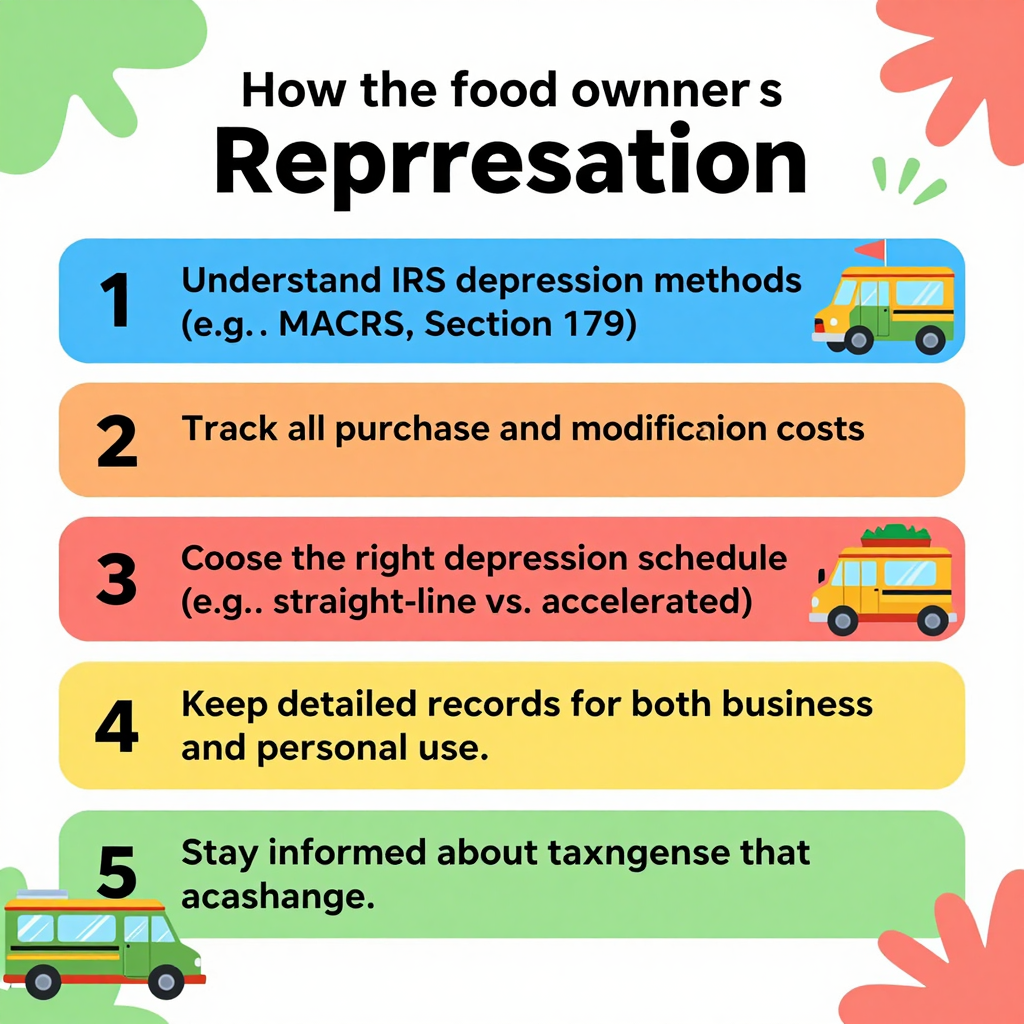
Tips for Food Truck Owners to Accurately Depreciate Your Food Truck
Accurately managing depreciation is a crucial financial skill for food truck owners. Properly calculating depreciation not only helps in tax reporting but also provides a clearer picture of your truck’s value over time. Here are practical food truck owner tips to help you manage depreciation effectively:
-
Understand IRS Depreciation Methods: Learn about the Modified Accelerated Cost Recovery System (MACRS), which generally applies a 5-year recovery period for food trucks. Also, consider Section 179 for potential immediate expensing of your truck if eligible. Knowing the options helps you choose the best fit for your business cash flow.
-
Track Complete Costs: Record the total purchase price of your food truck, including the base vehicle cost, any customizations or kitchen equipment installations, delivery fees, and registration costs. This full cost basis is essential for accurate depreciation.
-
Choose a Depreciation Method: Select between straight-line depreciation for consistent yearly deductions, or accelerated methods like double declining balance to front-load your depreciation. Use the same method consistently for reliable financial management.
-
Document Business vs. Personal Use: If you use your food truck for both personal and business purposes, only depreciate the business-use portion. Keep detailed logs to support your depreciation claims.
-
Keep Detailed Records: Maintain organized documentation of all depreciation calculations, receipts, and tax filings. This is invaluable for IRS audits and financial reviews.
-
Stay Updated on Tax Law Changes: Tax regulations and depreciation rules can evolve. Regularly check IRS updates or consult with a tax professional to ensure your depreciation strategy remains optimal.
-
Consider Salvage Value: Estimate the truck’s residual value at the end of its useful life to apply in your depreciation calculations for methods like the straight-line.
-
Combine With Other Tax Strategies: Take advantage of bonus depreciation or other deductions when applicable to maximize your tax benefits.
By following these tips, food truck owners can confidently manage depreciation with accuracy and efficiency, safeguarding their investment and optimizing tax advantages.
For more insights into food truck ownership challenges and benefits, check out profiles of veteran food truck owners and how to balance your business and life at work-life balance for food truck entrepreneurs.
Financial Strategies for Maximizing Food Truck Value
Investing in a food truck can be both exciting and financially rewarding. Understanding financial strategies is crucial for maximizing your investment value over time. Here are several key strategies that food truck owners can implement:
1. Effective Depreciation Management
Depreciation is a vital aspect of financial planning for food truck owners. The Section 179 Deduction allows owners to deduct the full cost of qualifying equipment-such as cooking appliances, refrigeration units, and even the truck itself-in the year it’s put into service. This immediate deduction can significantly enhance cash flow while reducing taxable income. In general, food trucks can be depreciated over a useful life of 5-7 years, depending on the type of equipment associated with them.
For more detailed insights on depreciation schedules, check out this resource.
2. Strategic Upgrades
Upgrading your food truck can dramatically influence both its functionality and resale value. Research has shown that vehicles with upgraded commercial-grade kitchen equipment and modern external finishes can command up to 30% higher prices than those without these improvements. Strategic upgrades can include:
- Installing high-efficiency refrigeration units
- Upgrading to energy-efficient LED lighting
- Adding durable and modern exterior finishes
These improvements not only enhance customer experience but also signal potential buyers that the truck has been cared for and is built for reliability. For more on how upgrades can influence resale value, read about it here.
3. Monitoring Cost Structures
Understanding cost structures, including how depreciation affects overall expenses, is pivotal. Tracking your costs allows you to gauge whether operational efficiencies are achieved. If 75% to 86% of turnover is impacted by total expenses (including depreciation), strategizing around costs can directly influence your profitability and your truck’s marketability.
4. Preparing for Resale
When it comes time to sell, maintaining a detailed record of upgrades and upkeep can attract more buyers and higher offers. Ensuring that all equipment is in excellent working condition and that upgrades are high-quality can significantly speed up the sales process, allowing for a quicker transaction and better price.
Conclusion:
Maximizing the value of your food truck involves a combination of strategic upgrades, sound depreciation management, and careful monitoring of your operational costs. By following these strategies, you’ll create a durable investment, ensuring sustainability and profitability over time.
Conclusion: Maximizing Your Food Truck’s Financial Success
As we wrap up our discussion on the intricacies of food truck depreciation, it’s essential to revisit the key points. We’ve explored the importance of understanding depreciation methods, particularly how the Modified Accelerated Cost Recovery System (MACRS) applies to your food truck. Proper depreciation not only impacts your tax obligations but also enhances your business’s financial health. Keeping meticulous records of usage, maintenance, and costs is crucial when leveraging depreciation to mitigate expenses. Moreover, utilizing the benefits of Section 179 can allow you to write off substantial amounts, with the potential to deduct up to $1.16 million in the first year given current IRS limits.
Understanding these elements can transform how you manage and profit from your culinary venture on wheels. By following the recommended strategies, such as documenting mileage and operating history, you can fortify your potential deductions and ensure compliance during audits.
Take Action Today!
Now, more than ever, it’s time to take charge of your food truck’s financial destiny. Don’t let valuable tax benefits slip away due to oversight or inadequate records. Make smart, informed decisions about your depreciation strategy and enhance your financial strategies accordingly.
At Summit Fairings, we understand that every bit counts in the competitive food truck industry. Whether you’re considering purchasing a new food truck or revamping your existing one, our custom solutions will ensure your operation runs smoothly and efficiently. From designing functional layouts that cater to your unique menu to providing cutting-edge equipment that modernizes your service, let us partner with you to elevate your food truck experience.
Start transforming your food truck today with Summit Fairings! Don’t wait – reach out to us now and let’s get your journey started!