
Introduction
Imagine the vibrant atmosphere of a bustling food truck festival, where tantalizing aromas mingle with laughter and chatter. Food trucks have transformed urban dining culture, offering a dynamic fusion of flavors and community spirit that brings people together. But behind the scenes, there’s a fascinating question lurking: how many people work on a food truck? Understanding the dynamics of staff on food trucks isn’t just a matter of numbers; it reveals the heart and soul of this culinary venture. Each role, from the master chef crafting mouthwatering dishes to the friendly face serving eager customers, plays a vital part in delivering an irresistible dining experience. For those involved in the food truck industry or anyone fascinated by mobile cuisine, exploring how many people work on a food truck can illuminate the intricate balance required to keep these culinary machines running smoothly. It underscores the importance of teamwork and the diverse skill sets that contribute to every successful food truck operation. Dive deeper with us as we explore the delicious world of food trucks and the dedicated individuals that make it all possible. Learn more about food truck dynamics and their community impact.
Food Truck Roles and Responsibilities
Working on a food truck involves a range of roles, each contributing to the overall success and function of the business. Here’s a detailed list of key roles found in a typical food truck team:
-
Chef
The chef is the creative mastermind behind the menu. Responsible for designing dishes, the chef ensures high-quality flavor and presentation. They oversee food preparation, maintain kitchen hygiene, and often train other team members in cooking techniques. -
Cook
Cooks assist the chef in meal preparation. They may handle grilling, frying, or baking, depending on the menu. Cooks keep the kitchen running smoothly during busy times and help maintain the cleanliness of the workstations. -
Cashier
The cashier manages the point-of-sale system, taking customer orders and handling payments. They serve as the first point of contact for customers, ensuring a friendly and efficient service, which is vital in our fast-paced environment. The cashier also plays a key role in customer service, addressing inquiries and issues. -
Manager
The manager oversees the daily operations of the food truck. This includes scheduling staff, managing inventory, and ensuring compliance with health regulations. They develop marketing strategies and handle financial aspects, such as budgeting and profit margins, to keep the truck running successfully. -
Truck Driver
Responsible for the transportation of the food truck to various locations, the driver must ensure that the vehicle adheres to safety standards and local regulations. They also help set up and break down equipment at each location.
For more insights on operating a food truck, explore our guide on running a food truck business and learn about the legal considerations for Latino food truck startups.
Factors Influencing Staffing Levels in a Food Truck
When determining how many people to employ in a food truck operation, various factors come into play. Understanding these elements can help ensure that your food business structure is efficient and your service remains top-notch. Here’s a closer look at the key factors that dictate food truck team size.
Size of the Truck
The physical size of the food truck can significantly influence staffing levels. Larger trucks often accommodate more equipment, which may necessitate a bigger team to manage the various cooking stations. In contrast, smaller trucks with limited kitchen equipment typically require fewer staff members, allowing for lower overhead costs. Adjusting team sizes based on the truck’s layout is crucial for maximizing operational efficiency.
Menu Complexity
Menu complexity is another pivotal factor. Trucks serving simple, standardized menus can often operate with a lean team. Conversely, trucks offering more intricate meals or multi-station cooking setups might need larger teams. For instance, if a food truck features a diverse menu that requires multiple cooking methods (grilling, frying, and prep cooking), a team of at least three members might be necessary to maintain speed and quality source.
Service Style
The chosen service style also plays a critical role in staffing decisions. Fast-casual or self-service models usually require 2-3 staff members per shift, but more elaborate service approaches (like dine-in options) could necessitate a larger crew to enhance customer interaction and satisfaction. Staff interaction often increases with personalized service styles, demanding more manpower to manage longer queues and customized orders.
Conclusion
Ultimately, the size of your food truck team will depend on balancing these factors: the dimensions of your truck, the complexity of your menu, and the preferred service style. A well-thought-out approach to staffing can enhance your operation’s efficiency while ensuring that customer satisfaction remains at the forefront of your food truck business for lasting success. For more insights into starting a food truck, explore our blog for various tips and considerations.
The Dynamic Team Behind Every Successful Food Truck
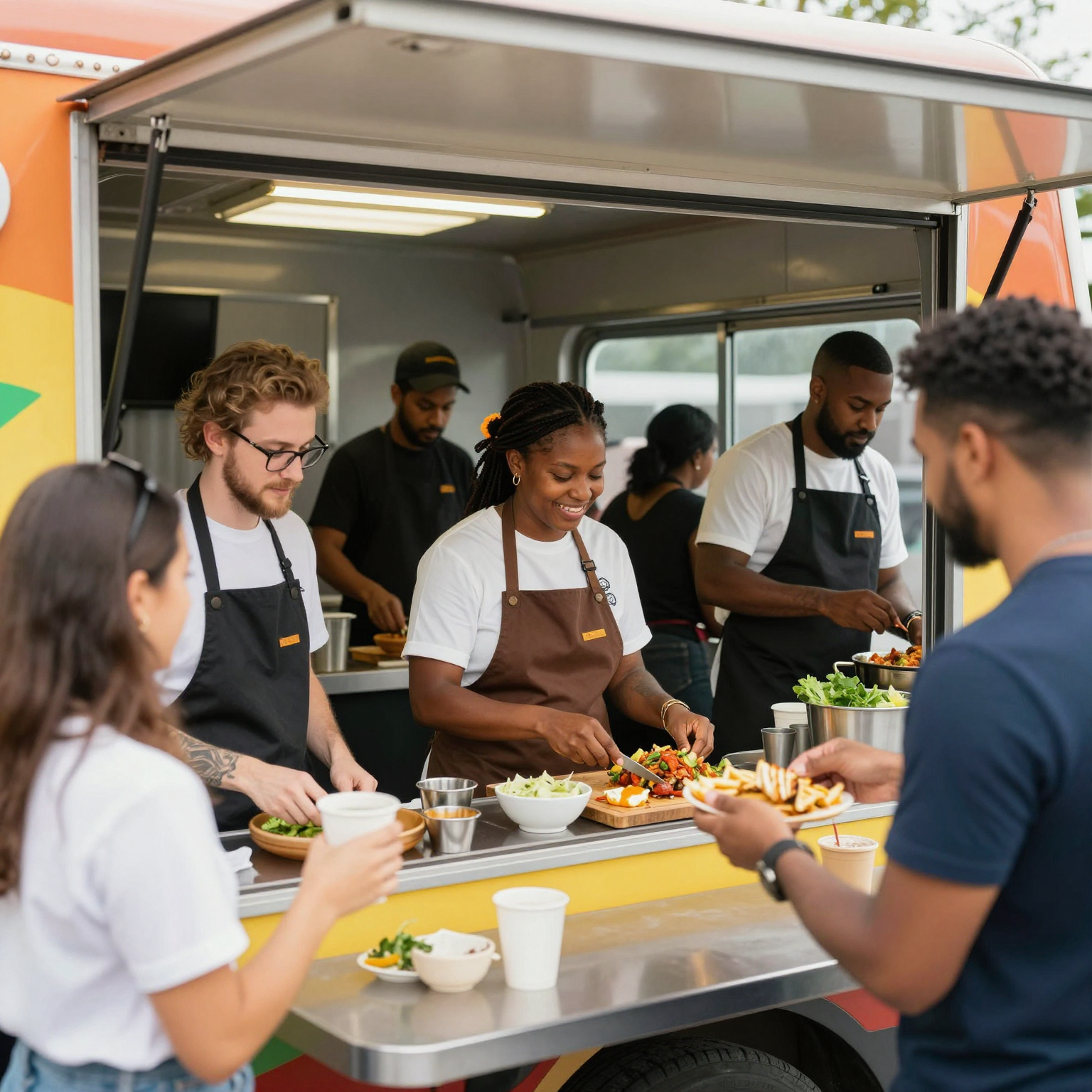
A food truck is not just a vehicle serving delicious meals; it is a bustling hub of collaboration and creativity. Typically, a food truck team consists of 3 to 10 members, depending on the size and scale of the operations. This diversity in team composition plays a crucial role in the success of a food truck, where teamwork is essential.
Roles within a Food Truck Team
- Chef/Cook: Responsible for menu items and food quality.
- Server: Interacts with customers, takes orders, and ensures speedy service.
- Prep Cook: Prepares ingredients before service begins, maintaining kitchen efficiency.
- Manager/Owner: Oversees operations, finances, and marketing efforts.
Each team member contributes unique skills and perspectives, fostering a dynamic environment that enhances creativity while catering to customer preferences.
Diversity is a powerful asset in the food truck business, reflecting in the rich cultural flavors offered. A well-rounded team can adapt to challenges, innovate menu offerings, and ultimately drive customer engagement. Team collaboration allows for effective problem-solving, ensuring smooth operations during busy hours.
Whether through legal considerations or the need for a work-life balance for food truck entrepreneurs (learn more here), the functioning of a food truck depends significantly on its team.
In conclusion, a food truck is much more than just a marked vehicle serving snacks; it is a melting pot of culinary talent thriving on teamwork, where collaboration becomes the heart of its business.
Through teamwork, food trucks can deliver not just food, but an experience that resonates with a broad audience.
A passionate and diverse team can make a food truck stand out in a competitive marketplace, turning it into a beloved culinary destination.
The Importance of Staffing and Teamwork in Food Trucks
In the world of food trucks, staffing isn’t just about filling positions-it’s about building a family. The dynamic in a food truck can be fast-paced and intense, making a strong team imperative for success. As one food truck owner insightfully stated, “Your crew is your brand-hire people who share your passion and can work under pressure.” This emphasizes that team members are not just workers but representatives of the food truck’s ethos.
In addition to hiring dedicated staff, fostering a culture of support is equally important. Another owner noted, “Teamwork isn’t just about cooking together; it’s about supporting each other through long hours and tough days.” An environment where camaraderie thrives enables teams to withstand the challenges of the food service industry. Together, they navigate busy events and maintain the quality of food during peak hours, ensuring customer satisfaction.
The synergy created by an effective team can foster a positive work environment and boost business success. Having individuals who communicate well and respect each other creates a workflow that is efficient and productive. Ultimately, strong staffing and teamwork are indispensable elements that enhance a food truck’s ability to thrive in a competitive landscape.
For those interested in further exploring workforce dynamics in the food truck industry, you can learn more about staffing considerations or read about profiles of veteran food truck owners.
Food Truck Staffing Trends Affecting Efficiency and Customer Satisfaction
As the food truck industry continues to grow, understanding the dynamics of staffing becomes crucial for operational success. Recent studies reveal significant data highlighting how staffing models influence both efficiency and customer satisfaction, ultimately shaping the food truck landscape.
Staffing Models and Operational Efficiency
The 2023 National Restaurant Association’s Food Service Trends Report emphasizes a notable shift towards hiring multi-skilled staff. By training employees to handle various roles-including cooking, customer service, and cash management-operations reported improved efficiency. This approach has reduced downtime between employee shifts and optimized workflow during peak service hours. In fact, food trucks that actively engage their employees through regular training and feedback sessions noted a 22% increase in customer satisfaction scores compared to those lacking structured staff development programs. This underscores the vital relationship between competent staffing and enhanced customer experiences.
Additionally, a Forbes analysis of over 150 food truck operators highlights the efficiencies gained through flexible staffing strategies. Businesses utilizing part-time or rotating staff experienced a 15% improvement in operational flexibility. However, these advantages often come at a cost-customer satisfaction declined when staff consistency was inconsistent. Therefore, the implementation of a hybrid staffing model, which blends core full-time employees with seasonal or event-based workers, has emerged as the most beneficial strategy. This balance mitigates costs while ensuring a consistently delightful customer experience.
The Impact of Employee Engagement
Research indicates that employee friendliness significantly influences customer retention within the food truck industry. A 2023 study published in the Journal of Hospitality and Tourism Research surveyed around 12,000 customers from food truck interactions across major cities. The findings show that staff approachability and demeanor were critical factors for repeat business. Trucks with highly engaged staff scored an impressive 4.6 out of 5 in customer satisfaction, in stark contrast to the 3.8 average for less engaged employees.
This correlation hints at a larger trend where operational efficiency is not solely about streamlined processes; it also relies heavily on how customers perceive their interactions with staff. Small enhancements to staff training-especially regarding interpersonal communication-can yield substantial boosts in both short-term satisfaction and long-term brand loyalty.
Conclusion
The trends in food truck staffing reveal a compelling narrative about how operational decisions affect overall success. Emphasizing multi-skilled employees, implementing flexible staffing models, and prioritizing employee engagement are not just operational mandates; they are vital for fostering a thriving food truck business. As operators embrace these strategies, the potential for enhanced efficiency and elevated customer satisfaction becomes not just a possibility but a probable outcome.
For further insights and related content, consider reviewing our article on profiles of veteran food truck owners and legal considerations for food truck startups.
This data not only illuminates the path for current and aspiring food truck operators but also serves as a reminder that in the competitive world of mobile gastronomy, the key to success lies in the people behind the truck.
Case Studies of Successful Food Trucks
Exploring the world of food trucks reveals myriad stories of innovation and success. Two particularly notable examples demonstrate effective staffing structures and operational management, contributing to their achievements.
Taco Loco
Located in Austin, Texas, Taco Loco started from humble beginnings, growing its revenue from $0 to over $1 million within a few years. Their initial staffing consisted of just two people: the owner who acted as both chef and driver.
Staffing Structure:
- Original Team: 2 people (owner/chef + driver)
- Expanded Team: 6 people, including a dedicated marketer and operations manager.
Key Success Metrics:
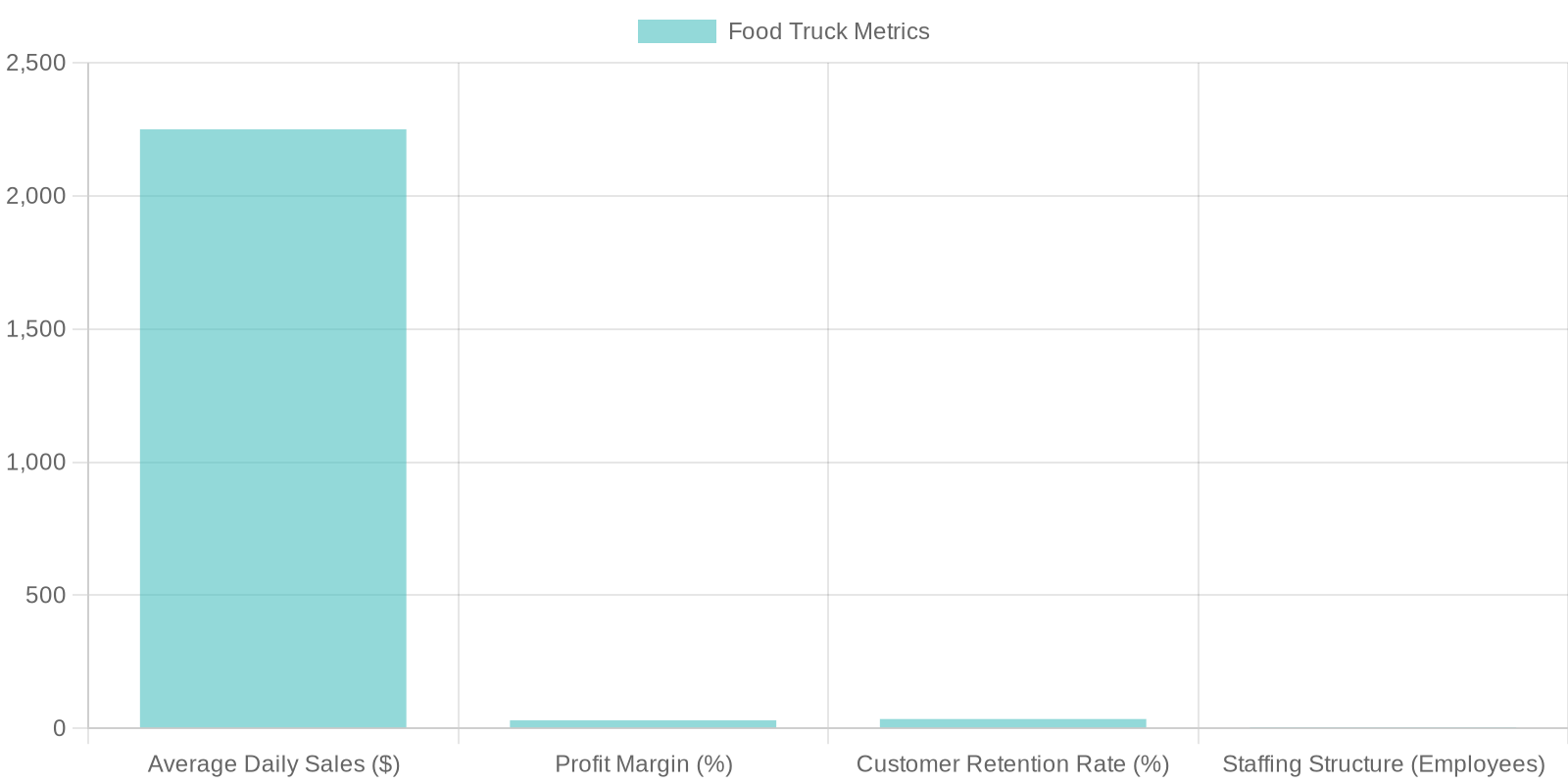
- Average Daily Sales: $1,200.
- Profit Margin: 40% after expenses.
- Customer Satisfaction Rate: 92% based on online reviews.
Taco Loco employed real-time customer feedback to pivot their menu dynamically, enhancing customer loyalty and local engagement. You can learn more about taco dishes if you’re interested in their culinary approach.
Burger Bunker
In California, Burger Bunker represents another success story in the mobile dining revolution. This food truck has effectively utilized digital ordering systems integrated with platforms like DoorDash.
Staffing Structure:
- Core Team: 3-4 employees (chef, server, driver), supplemented by part-time staff during peak hours.
Key Performance Metrics:
- Average Order Value: $18.50.
- Customer Retention Rate: 35%.
- Repeat Purchase Rate: 45%.
Burger Bunker emphasizes the importance of data analytics and agile staffing, allowing them to adapt swiftly to market demands. This adaptability is a crucial aspect of what makes food trucks thrive.
Summary
These case studies illustrate how successful food trucks prioritize dynamic team structures and customer feedback mechanisms. By fostering clear roles within their teams and leveraging technology for efficiency, they not only survive but thrive in the competitive food truck scene.
Comparing Food Truck Staffing Models
When it comes to running a successful food truck, understanding the appropriate staffing model is crucial. Different truck sizes and business models require varying numbers of staff to operate efficiently. Below is a table comparing the staffing models of different food truck categories based on number of staff, roles, and operational hours.
| Type of Truck | Number of Staff | Roles (Cooking, Serving, Cleaning) | Average Operational Hours |
|---|---|---|---|
| Small Food Truck (e.g., Trolley) | 1-2 staff | Cooking, Serving, Cleaning (combined roles) | 6-10 hours/day (peak lunch/dinner shifts) |
| Medium Food Truck (e.g., Custom Unit) | 3-4 staff | Dedicated cooking, serving, managing, cleaning; requires team coordination | 8-12 hours/day (events/festivals) |
| Large Food Truck (e.g., Catering) | 5+ staff | Specialized roles: Head Chef, Line Cooks, Servers, Cashier, Cleaner, Manager | 10-16 hours/day (multi-shift setups, catering events) |
Insights on Staffing Models
- Small Food Trucks usually operate with 1-2 staff members, managing roles that cover cooking, serving, and cleaning all together. This model is often used in high-traffic areas but is limited in service offerings.
- Medium Food Trucks expand on this with dedicated roles, allowing for better service and efficiency, particularly beneficial during events or festivals where demand can spike.
- Large Food Trucks operate like small restaurants on wheels, requiring a diverse and specialized team. This staffing model can handle significant event catering, often working in shifts to maintain service throughout the event duration.
For aspiring food truck operators, analyzing these models will assist in choosing the right path for employment strategies, ensuring that labor is aligned with their operational goals. If you’re interested in the operational aspects of food trucks, learn more about food truck entrepreneurship.
Also, you might find it beneficial to explore legal and operational considerations in the legal considerations for Latino food truck startups context.
Conclusion and Call to Action
In the food truck industry, staffing is an essential component of success. A well-rounded team can improve operational efficiency and enhance customer experience. From cooks to cashiers, each role serves a vital function, significantly impacting the overall dynamics of the business. According to a report on food truck employee morale and productivity, a cohesive team not only promotes individual accountability but also boosts morale, enabling staff to work effectively towards common goals. Effective leadership further cultivates this environment, allowing each member to thrive, as teams with strong leadership see increased collaboration and motivation in fast-paced settings. These aspects underline the fundamental importance of having the right team members, ensuring everything runs smoothly from preparation to service.
The right staffing decisions lead to higher productivity and customer satisfaction, setting food trucks apart in a competitive market. Understanding the nuances of food truck staffing can help aspiring and current owners build relationships that cultivate both teamwork and individual strengths. It’s imperative to take hiring and training seriously, investing time and resources in the recruitment process to cultivate a winning team.
However, your journey in the automotive world doesn’t stop here. For our passionate readers-whether you’re a hobbyist car modifier or a professional shop owner-having the right components for your motorcycle builds is crucial as well. With that in mind, don’t forget to check out Summit Fairings for quality motorcycle fairings that will enhance both performance and aesthetics. Their durable, impact-resistant fairings are designed for the modern rider, ensuring longevity and style without compromise. Get your bike ready for the road and elevate your riding experience today!
Understanding Ideal Staffing Levels for Food Trucks
When operating a food truck, knowing how many staff members you need based on the size of your truck is essential for efficient service and customer satisfaction. According to data from the National Food Truck Association and Restaurant Business Journal, the ideal staffing levels vary significantly:
- Small Food Trucks (12-16 ft): Typically require 1 person. This is ideal for simple menus, often serving items like sandwiches or coffee.
- Medium Food Trucks (18-24 ft): Generally need 2 people to manage a more complex menu and cooking processes.
- Large Food Trucks (26-40 ft): Typically employ 3 to 4 people, which includes chefs and front-of-house staff.
Here is a visual representation of these staffing levels:
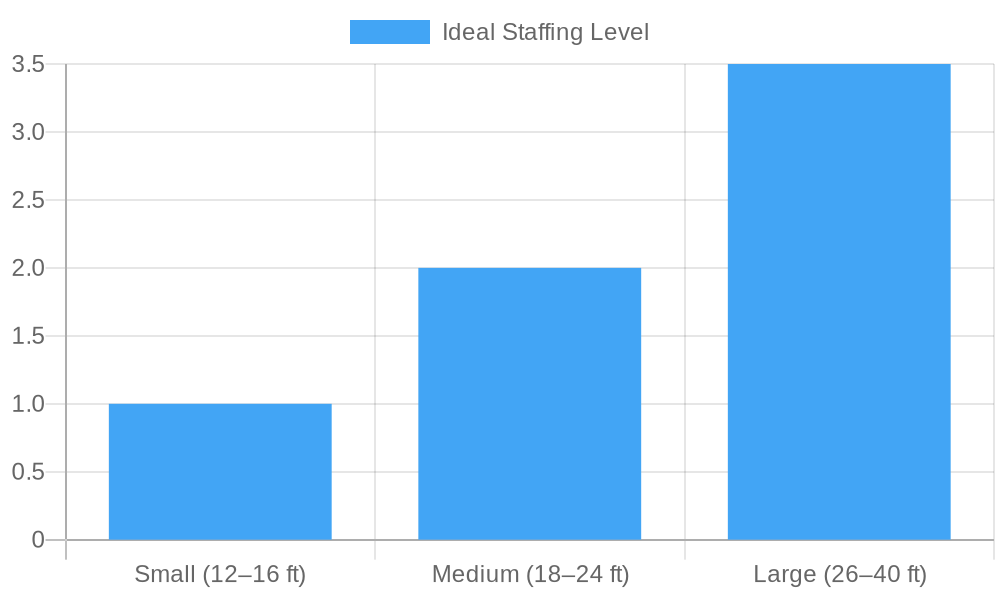
Understanding these staffing needs helps food truck entrepreneurs maintain smooth operations, especially during peak hours. Proper staffing also contributes to increased efficiency and customer satisfaction, which is crucial for the success of any food truck business. For more insights on food truck management, check out our article on legal considerations for Latino food truck startups.