
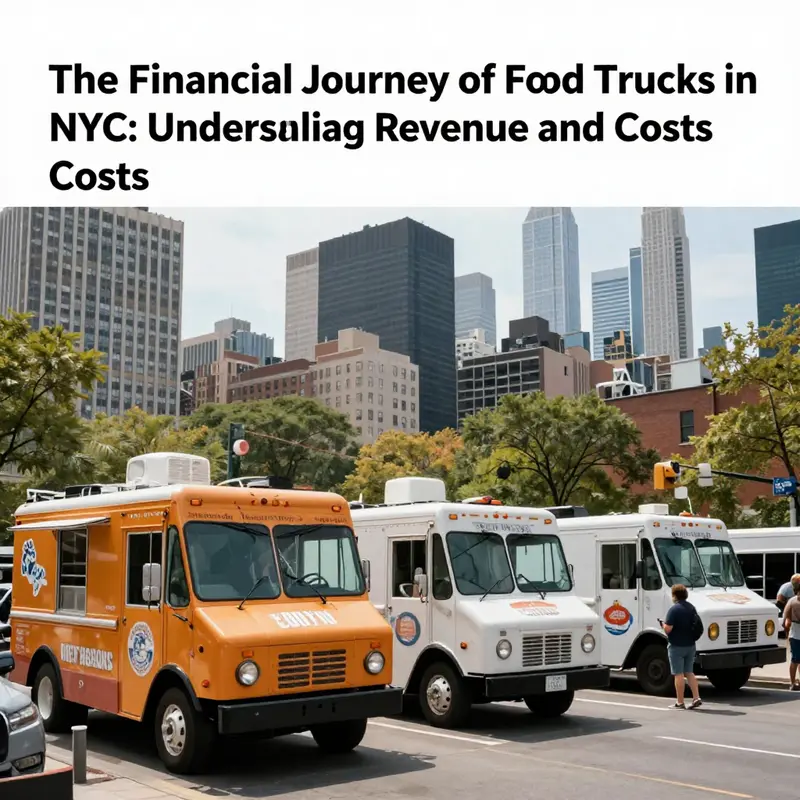
Food trucks have become a vibrant part of New York City’s cultural and culinary landscape. With their unique offerings and mobility, they attract diverse customers from all walks of life. Yet, the financial viability of these mobile kitchens varies widely, influenced by factors ranging from location to customer traffic. In this exploration, we delve into the revenue potential of food trucks in NYC, outline the key factors that determine their income, analyze the operating costs that can impact their earnings significantly, and highlight current trends in the food truck industry that can affect profitability. Whether you’re a hobbyist looking to understand the business side of food trucks or a professional seeking strategic insights, this article provides a comprehensive overview of how much food trucks make in NYC and what you need to know to succeed in this bustling market.
City on Wheels: Revenue Realities for NYC Food Trucks
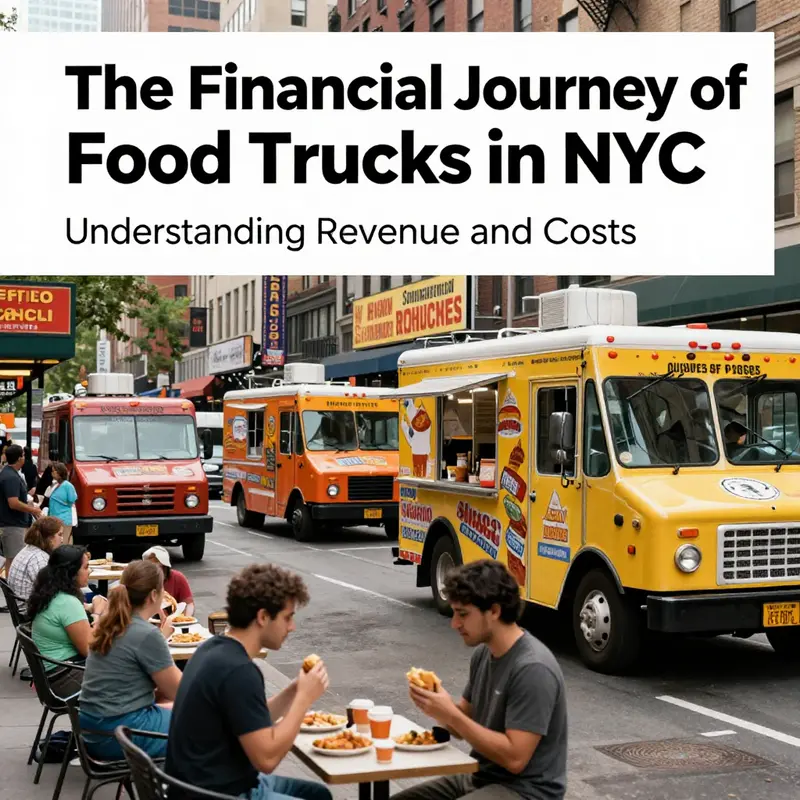
New York City is a dense, fast-moving market where meals can be had on every block. For food truck operators, this density creates revenue opportunities that can be substantial when the business is well run. The income picture is not a single figure but a range shaped by location, hours, and efficiency. In practice, well-managed trucks often report gross annual revenues ranging from the low six figures to the high six figures, with actual results depending on seasonality, location, and menu strength. The core idea is simple: high throughput in the right spots, paired with disciplined cost control, can yield meaningful profits.
The revenue engine rests on three levers: location, cadence, and menu fit. Proximity to office districts, transit hubs, parks, and events drives strong lunchtime and dinner traffic. A distinctive concept and consistent branding help convert passersby into repeat customers. Digital ordering and delivery extensions can expand reach beyond the parked footprint, increasing transaction volumes while maintaining service speed.
Costs include vehicle, permits, insurance, fuel, and staffing. Skillful operators manage waste, portion control, supplier terms, and scheduling to protect margins. With careful routing and cost discipline, a well-positioned truck can achieve solid profitability even in a crowded market. The top end of revenue comes from high-traffic spots and smart partnerships, while uniform quality and reliability keep customers coming back.
For readers exploring this path, the broader lesson is that NYC revenue potential is real but requires disciplined execution, a clear value proposition, and a steady focus on throughput and cost management.
Foot Traffic, Flavor, and the Bottom Line: How NYC Food Trucks Convert Location into Gross Revenue
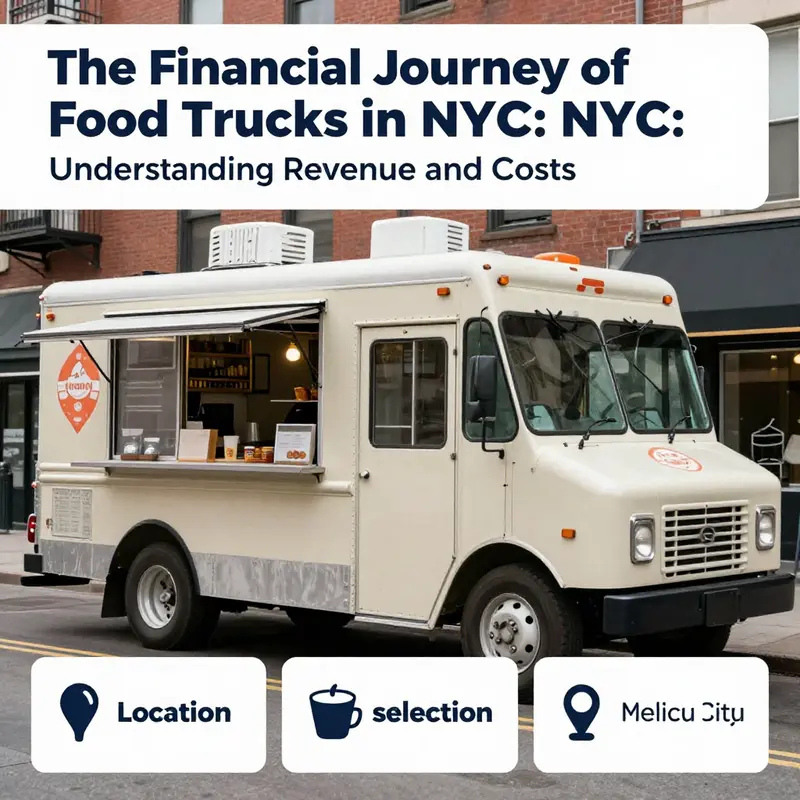
New York City’s street economy is a living map of flux, appetite, and opportunity. For a food truck operator, the city’s energy translates directly into potential gross revenue, but only if the operator can translate foot traffic into meaningfully timed sales. In practical terms, the income picture for a NYC food truck is less a single line item and more a system of interlocking factors. Location, timing, menu design, pricing, and the ability to convert passing curiosity into a repeat customer all play pivotal roles. The result is a spectrum of outcomes rather than a fixed median. When the business is well managed, a food truck in New York City can generate substantial gross revenue, with estimates commonly placing the range between $150,000 and $300,000 or more annually. This broad band reflects differences in niche, from gourmet sandwiches to ethnic cuisines to indulgent treats, as well as the truck’s ability to secure high-traffic spots and sustain strong sales momentum through varied hours and venues. Yet it is essential to underscore a vital distinction: these figures refer to gross revenue, not profit. The same city that presents abundant sales opportunities simultaneously imposes high costs that can erode earnings if not controlled. Fuel, permits, insurance, equipment maintenance, and the ongoing expense of ingredients all cut into what the operator ultimately keeps. In NYC, where labor costs are among the highest in the country, wages for staff can be a significant line item. Indeed, data from employment platforms put the average annual wage for staff in NYC around the mid- to high-30s per year, a reality that directly shapes menu pricing, throughput, and ultimately margins. Understanding this balance—how much comes in before expenses versus what remains after paying people, inputs, and regulatory fees—is central to evaluating the true financial prospects of a NYC food truck.
The architecture of income for a NYC truck begins with a clean focus on where and when sales happen. The city’s dense geography creates dozens of micro-markets, and the ability to read those markets in real time often distinguishes thriving ventures from those that limp along. A well-tested approach is to align locations with clear pedestrian and worker flows. Business districts during weekday lunch hours offer predictable volumes, while parks, waterfronts, and plazas can deliver steady crowds on weekends. Festivals, street fairs, and pop-up events can deliver temporary but intense bursts of traffic. The logic is simple: maximize visibility squarely in the path of people who are hungry and nearby, and do so during windows when the line of sight and line length for a food truck are most favorable. The value of this approach was highlighted in a 2018 analysis that showed real-time pedestrian flow data could meaningfully boost revenue by aligning placement with peak activity, thereby turning fleeting foot traffic into consistent sales. In practice, operators who monitor and adapt to pedestrian patterns—moving to high-traffic corners for lunch, then shifting toward parks or venues with weekend crowds—often see a meaningful lift in average daily gross.
Menu design and product mix further shape the revenue potential. NYC customers are drawn to novelty, flavor explosions, and presentation that is worthy of a photo. A growing segment in the mobile food space focuses on indulgent, high-margin offerings that can command premium pricing while still delivering volume. Dessert-focused trucks have proven especially effective in this regard. Treats that pair familiar favorites with a twist—such as deep-fried delights or toppings that turn a standard dessert into something Instagrammable—generate both higher per-ticket revenue and rapid word-of-mouth spread. A 2026 guide highlighted how premium desserts can attract crowds not only for taste but for social media buzz, thus expanding the customer base beyond the immediate vicinity of the truck. This combination of flavor innovation and dramatic visual appeal elevates the average ticket size and can support more repeat visits, a key driver of profitability in a market where competition is intense and foot traffic is highly variable.
Pricing strategy in a dense urban setting must reflect both the cost of doing business in NYC and the willingness of local customers to pay for convenience and novelty. The sweet spot for many trucks is achieving a balance between menu originality, portion size, and price points that make sense in a lunch-hour rush and during weekend outings. High-margin items can subsidize lower-margin staples, enabling a more robust overall gross while preserving the ability to remain competitive in pricing relative to nearby brick-and-mortar options. The social and digital dimensions of the NYC food truck ecosystem amplify pricing strategy as well. A strong online presence, coupled with easy online ordering and a smooth delivery interface, can extend reach beyond the curb. Not only does this approach capture orders from people who prefer pre-ordering, it also opens doors to delivery revenue that complements the in-person takeout, stretching a truck’s gross potential across multiple touchpoints.
Operational efficiency is the other pillar that supports sustainable gross revenue over time. In a city with stringent mobile vending rules, a truck that can consistently deliver fast, high-quality service during peak periods tends to convert more traffic into repeat business. This means streamlined staffing, precise inventory management, and a disciplined approach to waste reduction. Efficient service during rush moments reduces customer wait times and increases the likelihood that passersby will choose the truck over nearby alternatives. It also lowers the per-unit cost of operation by reducing waste—an essential consideration given the narrow margins many trucks operate on. When crews are trained to work like a well-orchestrated assembly line, quality control remains high even as volume spikes, and that reliability translates to better customer loyalty and more favorable word-of-mouth referrals.
In addition to on-site strategy, operators can extend their reach through digital platforms that provide ordering, delivery, and promotional capabilities. The modern food truck business benefits from a hybrid presence that includes a strong curbside game and a digital footprint capable of capturing orders from remote customers. When a truck integrates online ordering with its curb service, it reduces the duration of the typical wait for customers who value speed and predictability. Digital promotions—seasonal specials, limited-time flavors, or bundled offers—can drive higher average tickets and greater frequency of purchases. The outcome is a broader revenue base that isn’t solely tethered to the physical spot and the immediate foot traffic in a single block of time.
All of these elements coalesce into the practical truth of NYC food truck economics: gross income is highly contingent on execution. A truck that pairs data-driven location decisions with a compelling, high-margin menu and tight operational discipline can reach the upper end of the revenue spectrum. By contrast, a truck that lags in any one of these dimensions may struggle to convert the same level of traffic into meaningful sales, even if it benefits from an iconic product or a loyal local following. It is this dynamic mix—where strategic placement, menu design, pricing discipline, and operational efficiency intersect—that determines how much a truck makes in NYC on a year-to-year basis. The math is straightforward in concept but demanding in practice: strong top-line sales must be achieved, and costs must be carefully managed to translate those sales into net income. The NYC environment rewards those who treat the business as a systems problem as much as a culinary one.
For operators navigating the regulatory and logistical landscape, resources that illuminate best practices and legal considerations can be instrumental in maintaining predictable cash flow. For example, operators can consult materials on legal considerations for Latino food truck startups, which address licensing, compliance, and other statutory realities that affect profitability and scalability. See legal considerations for Latino food truck startups for a sense of the practicalities that accompany growth in a city with a dense, regulated street-food ecosystem. In parallel, the broader empirical context behind the foot-traffic optimization narrative is captured in studies that track how pedestrian flows influence sales success, offering a blueprint for making strategic, data-informed location decisions across a network of itineraries and events.
Ultimately, the story of NYC food trucks is a story of leverage. The opportunity to monetize a moving product in a city where people are constantly searching for flavor, speed, and a moment of escape is immense. But the leverage only works when the operator treats the venture as a living system: a cadence of site scouting, crowd-reading, menu tuning, and cost control that adapts to the city’s rhythms. When these elements align, the truck’s gross revenue can reflect the liveliness of the streets, the appeal of the food, and the operator’s ability to translate momentary curiosity into repeated visits. The city’s appetite is real, and the routes to capturing it are both art and science. For those who learn to read the sidewalks with the same care that they read recipes, the path to sustainable income becomes clearer, even in a market as crowded and competitive as New York.
External resources and industry reflections reinforce this frame of reference. The Bloomberg analysis on maximizing sales through foot-traffic tracking offers a data-driven lens to how operators can refine placement and timing to lift revenue, underscoring the principle that in a high-velocity market like NYC, information is as valuable as ingenuity. See the external source at https://www.bloomberg.com/news/articles/2018-02-09/new-york-food-trucks-can-maximize-sales-by-tracking-foot-traffic for an empirical perspective on how pedestrian flow can be converted into sales momentum.
The Hidden Toll: How NYC’s Operating Costs Shape What a Food Truck Really Makes
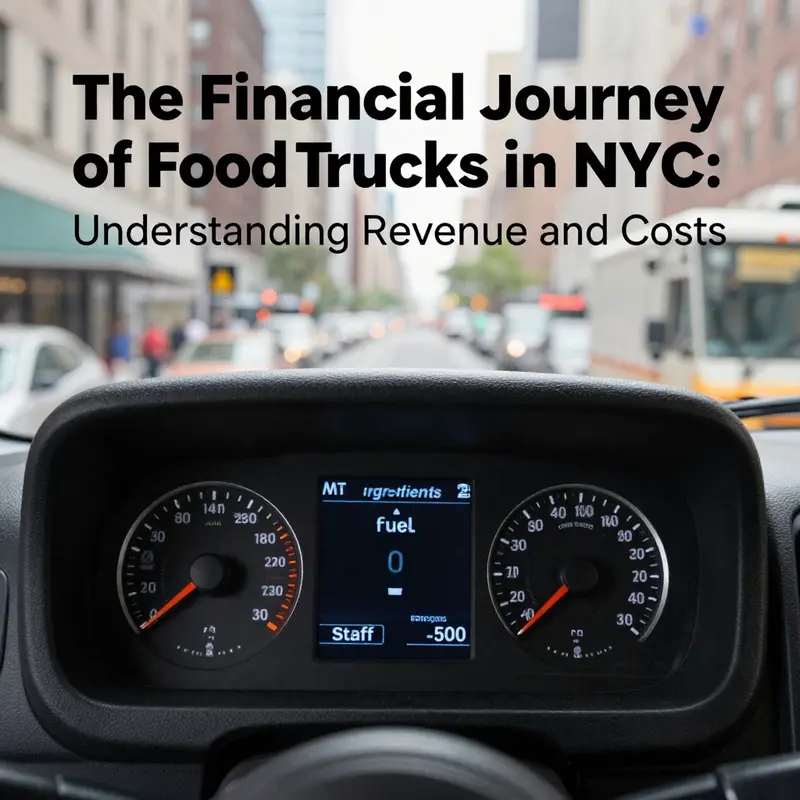
New York City sits at the edge of every food trend, where a single pushcart moment can become a brand and a single license can determine whether a truck survives the week. Yet the glamour of sizzling grills and chalkboard menus often masks a straightforward but stubborn reality: operating costs in this city are, in many ways, the driver of earnings. The conversation about what a food truck makes in NYC takes place not just at the register, but in the careful accounting of fuel, permits, labor, and every ingredient that leaves the bag or the pan. When you hear that a well-managed NYC truck can bring in between one hundred fifty thousand and three hundred thousand dollars in gross revenue each year, that figure sounds generous and aspirational. It is a useful benchmark, but it refers to gross income—the total top-line receipts before any costs are subtracted. The real story unfolds when you subtract permits, insurance, wages, fuel, maintenance, and the inevitable price swings in ingredients. The end result—the net earnings—depends on a delicate balance of location, schedule, menu, and disciplined cost control. This balance is not a once-off calculation but a continuous cycle of micro-decisions that accumulate over the year, and it matters because the margins in a city that raises almost every expense on the planet are tight enough that small missteps can erase a month’s gains.
Permitting is where many operators first feel the weight of New York’s market reality. The city’s mobile vending is regulated through a competitive lottery system administered by the Department of Consumer and Worker Protection. The scarcity of permits is not hypothetical—the numbers are stubbornly asymmetrical. As of early 2024, the city received more than fifteen hundred applications annually for roughly two hundred new permits. That gap between demand and supply is what pushes the price of entry into the market higher and higher on the secondary market. A permit that remains scarce becomes a capital asset in itself; it has resale value and can complicate the finances of a startup before the first dollar of sales ever hits the register. Reports and industry observations place some secondary-market prices at or above six figures. For a new entrant, that upfront finitude is not a mere hurdle; it’s a sunk cost that colors decisions on where to operate, what to serve, and how aggressively to market the business in the opening months. In a city where location licenses and street-level visibility are almost as important as the recipe, the cost of securing a permit is not simply a line item; it is a strategic determinant.
Even for operators who manage to secure a permit, the day-to-day operational expenses begin to bite almost immediately. Fuel consumption becomes a concrete daily concern when the truck needs to be in multiple boroughs or near several large office clusters during lunch hours. A typical NYC truck uses several hundred gallons of fuel each month under peak conditions, and fuel prices themselves can swing with diesel futures and seasonal demand. Vehicle maintenance, too, is a regular cost: a robust, city-conditioned vehicle endures wear, and routine servicing plus potential repairs—refrigeration units, grills, and power systems—can land in a range from two thousand to five thousand dollars annually, depending on the age of the vehicle and the complexity of its equipment. In a market where a misalignment between equipment reliability and service schedule means lost sales and dissatisfied customers, maintenance is not just a line of defense against mechanical failure. It is a lever that keeps the business functioning smoothly enough to capture high-traffic windows.
Labor—often the most visible expense on a bustling curbside—deserves particular attention. NYC’s wage landscape for 2024 places minimum wage at sixteen dollars and fifty cents per hour, with many operators choosing to pay a premium to attract skilled cooks and efficient front-of-house staff who can deliver quick, consistent service at crowded locations. For a compact crew working peak hours, labor costs can run in the range of ten thousand to fifteen thousand dollars per month. Those figures are not mere guesses; they reflect a city-wide reality of higher wage floors, the need for reliable scheduling to cover long hours, and the added costs of payroll taxes, overtime, and benefits in a highly regulated labor market. Health and sanitation compliance, mandatory inspections, and the ongoing provision of sanitation supplies further add to overhead, even as they safeguard the business and protect public health. The math becomes more challenging when week-to-week variability hits: a sudden shift in foot traffic due to weather, a subway disruption that reroutes crowds, or a high-volume event that demands extra staffing can tilt a month from solid revenue generation to an expense-heavy period that tightens margins.
Ingredient costs illustrate the second-half of the cost equation—the variability that comes from the raw materials that define the menu. In New York’s broad supply chain, produce, meat, dairy, and specialty ingredients can swing in price due to weather, seasonal demand, and broader market dynamics. A sharp spike in tomatoes or lettuce caused by weather anomalies can push ingredient costs upward by more than twenty to thirty percent in a short window. The short-term risk is clear: if a menu relies heavily on volatile staples, operators must either absorb the cost or adjust pricing rapidly enough to preserve margins. The risk of price volatility makes accurate budgeting a continuous exercise rather than a once-a-year task and underscores the importance of menu flexibility, waste reduction, and supplier relationships that can negotiate favorable terms or help with forecasted buys during periods of price volatility.
Location and rental costs bring another layer of reality to the earnings equation. The most coveted spots—those near large office complexes, cultural hubs, or popular social districts—command higher daily and event-based fees. A prime site might carry daily fees in the realm of two hundred to eight hundred dollars, depending on location, foot traffic, and the date. Even in markets that do not require an outright rental of space, food trucks frequently incur venue or event-related fees that add up week by week. The cost dynamics here are not merely a function of the price tag for a single location; rather, they are a function of how often the truck can access high-traffic periods and how efficiently the truck can convert those visits into sales. A truck that spends days chasing sporadic high-traffic windows without achieving consistent conversion will see their revenue per hour drop, and their costs per hour rise correspondingly. In this sense, the economics of the NYC street food scene hinge on the operator’s ability to align the truck’s range of locations with predictable customer flow, a challenge complicated by weather, seasonality, and city regulations.
All of these inputs—permit economics, fuel and maintenance, labor, ingredients, and location costs—collectively shape what is possible in net earnings. The broad consensus within the industry is that gross revenue for a well-managed NYC food truck generally lands in a wide band, roughly from one hundred fifty thousand to three hundred thousand dollars or more per year. That figure remains a gross estimate, capturing the potential scale of sales driven by a compelling niche, strategic site selection, and an efficient, purpose-built operation. It does not, however, reflect the reality many operators face in NYC: the exact net earned after all costs can be substantially smaller, or, for high-performing teams, surprisingly robust. The city’s high cost of doing business sets a high bar for profitability, and it rewards those who can execute with precision—from menu design that minimizes waste to schedules that maximize peak-hour efficiency and customer throughput. In short, gross revenue tells you how big the market is; net earnings reveal how well you translate that market into a stable, repeatable cash flow.
The practical takeaway for someone exploring whether a food truck makes sense in NYC is simple yet powerful: if the operation is designed around strong daily sales, disciplined cost management, and smart location strategy, earnings may align with expectations in the upper ranges of the revenue spectrum. However, the margin will always be tempered by the city’s expensive permit landscape and the high fixed costs that come with staying legally compliant and operationally reliable. For anyone who has studied the entrepreneurial terrain of mobile dining, the path to profitability in NYC is less about chasing a single big score and more about building a consistently high-volume business model that can absorb a steady stream of costs while capitalizing on the city’s appetite for novelty, convenience, and flavor.
The broader narrative around where a truck makes money in NYC also intersects with the realities of what works in other large urban markets. The experience of operators in different cities can shed light on the scale of opportunities and the boundaries of risk. For those readers who want a broader lens on how mobile Latino cuisines and other niche offerings navigate urban markets, there is value in looking at case studies across major jurisdictions. Such cross-city comparisons illuminate the shared dynamics of traffic, pricing, and seasonality, while also pointing to the unique constraints that NYC imposes through its permit system and its elevated operating costs. See the discussion on Latino food trucks in major cities for a comparative perspective and to understand how different urban contexts shape the economics of mobile dining. Latino food trucks in major cities.
As operators weigh the economics, it’s important to appreciate that profitability is not a fixed target but a function of ongoing optimization. Food trucks that succeed in NYC typically do so by converting high-traffic windows into repeat customers through a tight alignment of menu, price, portion, and speed. Menu design often emphasizes items that deliver good margin while requiring minimal waste—items with broad appeal that can be prepared quickly and consistently under the stress of lunch-hour crowds. Efficient operations extend beyond food preparation to inventory management, scheduling, and the selection of supplier partners who can offer predictable quality and favorable terms. Operators who cultivate relationships with venues and event organizers can secure steady streams of business, reducing the volatility associated with street vending while also enabling premium pricing for special events. In this sense, the franchise-like logic of success in NYC is less about a single blockbuster day and more about a disciplined playbook that can be executed across dozens or hundreds of shifts each year.
For readers who want a practical, real-world sense of how cost and revenue translate into daily life, consider the broader picture of the labor force behind the truck. Think of the cooks, servers, and drivers who combine to produce meals, manage lines, and keep the operation moving as a micro-economy in its own right. Each hour on the curb must justify its cost in the form of a sale, and every location decision must contribute to a steady flow of customers who are returning for a second or third bite. In a city where a single lunch hour can change a week’s trajectory, the difference between a comfortable month and a lean one often hinges on the operator’s ability to balance supply and demand with the right mix of menu choices, promotional tactics, and a schedule that matches the rhythms of the city—and of the people who crave something fresh and fast. The interplay between demand and supply in NYC’s food-truck landscape is not merely a theory; it is the daily experience of operators who must read the street as a living market and adapt to its ever-changing pulse.
The topic of cost and earnings also intersects with practical pathways for new entrants. The permitting bottleneck and the capital required to secure a license are not merely obstacles but strategic factors that shape how people approach the business. Potential operators may seek creative financing solutions, partnerships, or phased rollouts to spread the upfront risk. The payback horizon in such a capital-intensive segment often depends on the operator’s ability to achieve a quick, high-volume start, then stabilize operations through careful cost containment and relentless customer focus. Those who succeed typically develop a keen sense of what the local customer wants, how to price it, and how to deliver it in a way that minimizes wait times while maximizing the perceived value of each bite. The result is a resilient operation that can weather the city’s price shocks and still deliver meaningful net earnings year after year.
In closing, the conversation about how much a food truck makes in NYC is a synthesis of ambition and arithmetic. Gross revenue tells a story of opportunity and scale; costs tell the story of discipline, risk, and the daily discipline of running a mobile kitchen. The two narratives converge in the hands of operators who are able to align menus with traffic patterns, manage procurement with an eye toward waste and spoilage, and secure spaces where customers are most likely to convert their appetite into a sale. The city’s appetite for novelty remains the engine, while permitting hurdles and the high cost of doing business provide the ballast. And while this chapter has traced the main cost drivers in a practical, numbers-informed way, the broader takeaway is that profitability in NYC’s food-truck landscape hinges on converting street-level demand into a repeatable, scalable, and financially sustainable operation. For readers contemplating entry into this field, the lesson is not to minimize costs but to optimize them in the context of a precise market strategy—the kind of strategy that can turn a high-traffic lunch window into a reliable, growing stream of net earnings year after year. For a broader sense of how these dynamics play out across different urban contexts, the discussion on Latino food trucks in major cities offers a useful comparative lens and deeper insight into the mechanics of scale in mobile cuisine. Latino food trucks in major cities.
External resource for further guidance: For regulatory details and current cost considerations, consult the NYC Department of Consumer and Worker Protection’s official site, which offers updated information on permits, inspections, and compliance requirements that shape the economics of running a mobile food operation in the city. NYC DCWP Regulations.
Chasing the Lunch Crowd: The Economic Pulse of NYC Food Trucks in a Market of Taste and Tech
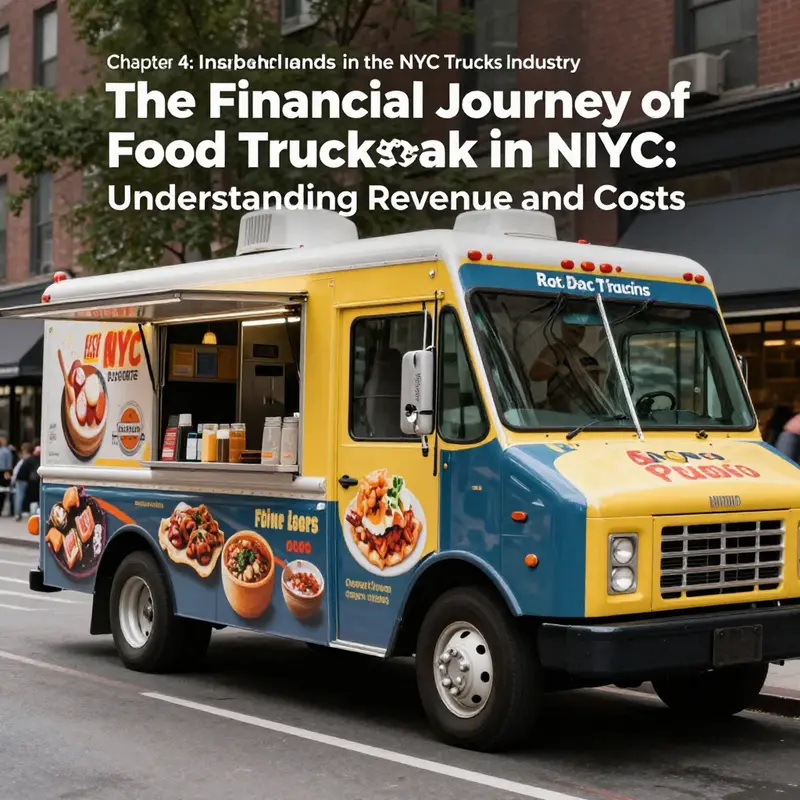
In New York City, the food truck scene has matured into more than a stream of quick meals. It sits at the intersection of urban pace, culinary curiosity, and the city’s relentless appetite for novelty. This chapter examines what it actually costs to run a truck in this environment and how those costs translate into revenue, especially when the clock is ticking for a lunchtime crowd that can swing from commuters to office workers to festival-goers in a single block. The fundamental truth remains simple, even if the numbers are complex: in NYC, gross revenue is easily substantial, but net earnings depend on labor, supplies, compliance, and the ability to translate flavor into repeat business. A well-managed truck in the city might pull in between roughly $150,000 and $300,000 or more in gross revenue each year, with the upper end reserved for trucks that have carved out a distinctive niche, secured dependable high-traffic locations, and built a brand that people seek out. This range, anchored in broad industry observations rather than a single definitive figure, reflects the city’s unique mix of density, foot traffic, and a consumer base that values both convenience and culinary storytelling. Yet these numbers are gross receipts; they do not reflect costs, which in NYC can be as consequential as the initial recipe. When a truck owner tallies fuel, permits, ingredients, equipment maintenance, insurance, and wages—where labor in NYC households often carries higher wages and benefits—the net reality becomes clearer: profitability hinges on a disciplined approach to each expense and a knack for turning every shift into a high-value customer experience.
The operating landscape is anything but uniform. Location matters more here than in most other markets. A truck perched outside a finance firm during the lunch rush can generate a different day’s rhythm than one that parks near a hospital or a university campus where the audience swings with class schedules and shift changes. The menu itself—whether it leans to premium taco concepts, plant-forward bowls, or ethnic specialties with a storytelling hook—shapes both the price point and the speed of service. In NYC, consumers are increasingly willing to pay a premium for quality and authenticity that feels crafted, not improvised. This trend toward premiumization is not just about using better ingredients; it’s about the entire experience, from branding and packaging to the warmth of service and the narrative behind each dish. Operators who invest in these elements are creating a value proposition that stands out in a crowded street-food field.
The numbers, then, are a starting frame rather than a final equation. A typical NYC food truck must balance a robust sales volume with tight control over costs. Labor in particular is a double-edged sword: while skilled staff can speed service during peak hours and improve quality, wages, payroll taxes, and benefits add up. Industry observations point to wage averages for NYC food-service staff that are meaningful in determining labor costs. For many operators, the goal is to keep payroll lean enough to protect margins while ensuring the kitchen runs smoothly and consistently. Efficient scheduling, cross-training, and a willingness to adapt staffing levels to daypart demand can help keep labor costs aligned with revenue, which, in turn, protects the business during slower periods or in adverse weather.
On the procurement front, ingredient costs are influenced by local sourcing, seasonal variability, and the ability to maintain consistent quality. Operators who prioritize fresh, locally sourced components often pay a premium, but they also benefit from superior flavor and a stronger storytelling arc for their brand. This is where the shift toward sustainability intersects with profitability. The adoption of eco-friendly packaging, compliant with city regulations, is not merely an ethical choice; it is also a strategic one. Compostable or recyclable packaging can appeal to environmentally conscious diners and can sometimes align with city incentives or permit requirements. At the same time, energy-efficient equipment and smart kitchen layouts can reduce utility costs and improve throughput, especially during the tight lunch windows when every minute matters. The long-term payoff comes from reducing waste, improving kitchen efficiency, and delivering a consistent product that diners remember and seek again.
To understand the broader context, it helps to look at the market as a whole. The U.S. food truck market is projected to grow at a compound annual growth rate of about 6.5 percent, with a trajectory toward roughly $1.6 billion in annual revenue by the early 2030s. While this is a national horizon, metropolitan hubs like New York City are often at the forefront of adoption. The strength of NYC’s market lies in the sheer density of potential patrons and the diversity of tastes that can be offered in a cart or trailer. A truck that focuses on a niche—whether it’s gourmet, vegan, or culturally specific cuisine—can establish a loyal following, particularly if that niche leverages a compelling backstory and a consistent, high-quality product. The narrative economy matters here as much as the ingredient list. Patrons respond to stories about origin, craft, and the daily rhythm of a vendor who can be trusted to deliver both flavor and reliability.
The role of technology in this ecosystem cannot be overstated. The most successful operators embrace data-driven decision-making as a core capability. Real-time location tracking, integrated with mobile ordering and digital payments, turns a simple cart into a connected system. These tools reduce friction for customers and allow operators to collect data about peak times, popular menus, and repeat customers. The insights gained from this data translate into better route planning, smarter inventory management, and more precise staffing. The ability to predict high-demand locations and times is a competitive edge in a city where the lunch window can shift with traffic, weather, and special events. Social media, too, is not an optional add-on but a central channel for engagement. The best trucks use frequent, authentic posts to announce daily specials, highlight fresh ingredients, and tell the story of the people behind the vendor, turning casual passersby into eager regulars.
Sustainability has moved from a nice-to-have to a core expectation in many consumer segments. In NYC, diners increasingly connect their choices with a broader social and environmental awareness. Operators respond by adopting compostable packaging, reducing plastic usage, and highlighting local sourcing. These practices not only appeal to ethically minded customers but can also generate cost efficiencies through waste reduction and more predictable supply chains. Energy-efficient equipment and proper waste management can further reduce operating costs over time, contributing to healthier margins without sacrificing the quality of the product. The alignment of sustainability with demand is a practical reminder that the business model in NYC is as much about operating discipline as it is about flavor.
Quality and authenticity, as a guiding principle, underpin the strategic decisions many trucks make. The trend toward premium ingredients and culturally inspired menus reflects shifts in consumer expectations. Rather than offering generic fare, operators are investing in unique combinations, careful sourcing, and precise execution. This emphasis on craft means that price points can be higher, but only if customers perceive the value. In practice, this translates into a menu that is carefully curated, with a few signature items that showcase technique and story. Menu design then becomes a performance—each dish conveys a narrative about place, people, and purpose. Diners are not simply buying a meal; they are buying an experience that travels with them beyond the curbside window.
Alongside the culinary and branding considerations, there is a robust regulatory and standards framework that governs how food trucks operate in the city. Vehicle safety standards, kitchen equipment requirements, and sanitation protocols form the backbone of operational viability. Compliance is a non-negotiable aspect of staying open, not a hurdle to be cleared. For prospective operators, this means planning explicitly for the costs associated with safety upgrades, inspections, and ongoing training. The city’s governance environment, while sometimes challenging, provides a predictable structure that, when navigated well, reduces risk and builds consumer trust. A thoughtful operator will budget for regular maintenance, ensure drivers are trained in safe vehicle operation, and keep meticulous records for inspections and audits. This discipline not only protects public health but also preserves the integrity of the enterprise over the long run.
From an entry point perspective, those considering launching or expanding a NYC food truck should focus on a few practical levers. First, choosing a niche with a clear narrative can help differentiate the business in a crowded market. Second, investing in branding and a compelling presence—both in person and online—amplifies word-of-mouth and repeat visits. Third, building a robust operational backbone, including routes, schedules, and inventory management, is essential for turning high-volume days into sustainable profitability. Fourth, embracing technology—payments, loyalty programs, and data analytics—transforms what could be a simple cart into a scalable, repeatable business model. Finally, cultivating relationships with local suppliers and understanding the cadence of city permits and regulations reduces friction and prevents costly delays. The combination of these strategies creates a resilient business capable of weathering the city’s vagaries, from sudden rainstorms to seasonal expos, while capturing the evolving tastes of a diverse urban audience.
For those who want a deeper dive into surrounding considerations and practical case studies, a resource page that chronicles the broader landscape can be a useful companion. See the blog-2 page for perspectives that connect the day-to-day realities of taco carts, vegan stalls, and ethnic vendors with broader economic and regulatory patterns in the NYC market. Such insights help prospective operators align their expectations with the realities of the city’s food economy and prepare for a thoughtful, strategic entry or expansion. blog-2
As this chapter threads together the threads of price, place, product, and process, it is clear that the NYC food truck economy is less a single story and more a tapestry. The story comprises brisk lunch lines, late-afternoon park gatherings, and quiet evenings in neighborhoods where residents seek a quick bite without sacrificing quality. It is a market that rewards nimbleness: the ability to adjust menus to seasonal produce, to reroute to match a new corporate tenant’s shifts, or to pilot a pop-up that becomes a staple across several blocks. The economics can be generous, particularly when the vendor is precise about costs and deliberate about growth. Yet the same economics can be unforgiving if waste, delays, or inconsistent quality erode trust and reduce the likelihood of repeat business. The power of the NYC food truck, in short, lies in its capacity to fuse culinary craft with operational discipline inside one of the world’s most demanding urban ecosystems.
Looking ahead, the expectations for this sector remain hopeful. The market’s expansion is supported by data-driven decision-making and an ever-more discerning consumer base. The convergence of premium ingredients, authentic storytelling, and sustainable practices creates an appealing triangle for both patrons and operators. For those who want to navigate this field successfully, the emphasis should be placed on building a brand that travelers can recognize and trust, while maintaining a lean, adaptable operation that can thrive across different blocks and neighborhoods. The outcomes are not guaranteed in a city that can change with weather and policy; they are earned through consistent performance, a keen eye for opportunity, and a relentless commitment to quality.
External reference: https://www.marketresearchfuture.com/reports/food-truck-market-2137
Final thoughts
Understanding the financial dynamics of food trucks in New York City requires an appreciation of both the revenue potentials and underlying costs. The interplay between these factors will determine a food truck’s success, making it essential for aspiring and current operators to operate strategically. With bustling streets and a diverse clientele, those who can optimize their menus, strategically select their locations, and manage costs effectively stand to thrive in this competitive environment. As we move forward, continual assessment of market trends will further illuminate the path for future food truck entrepreneurs.