
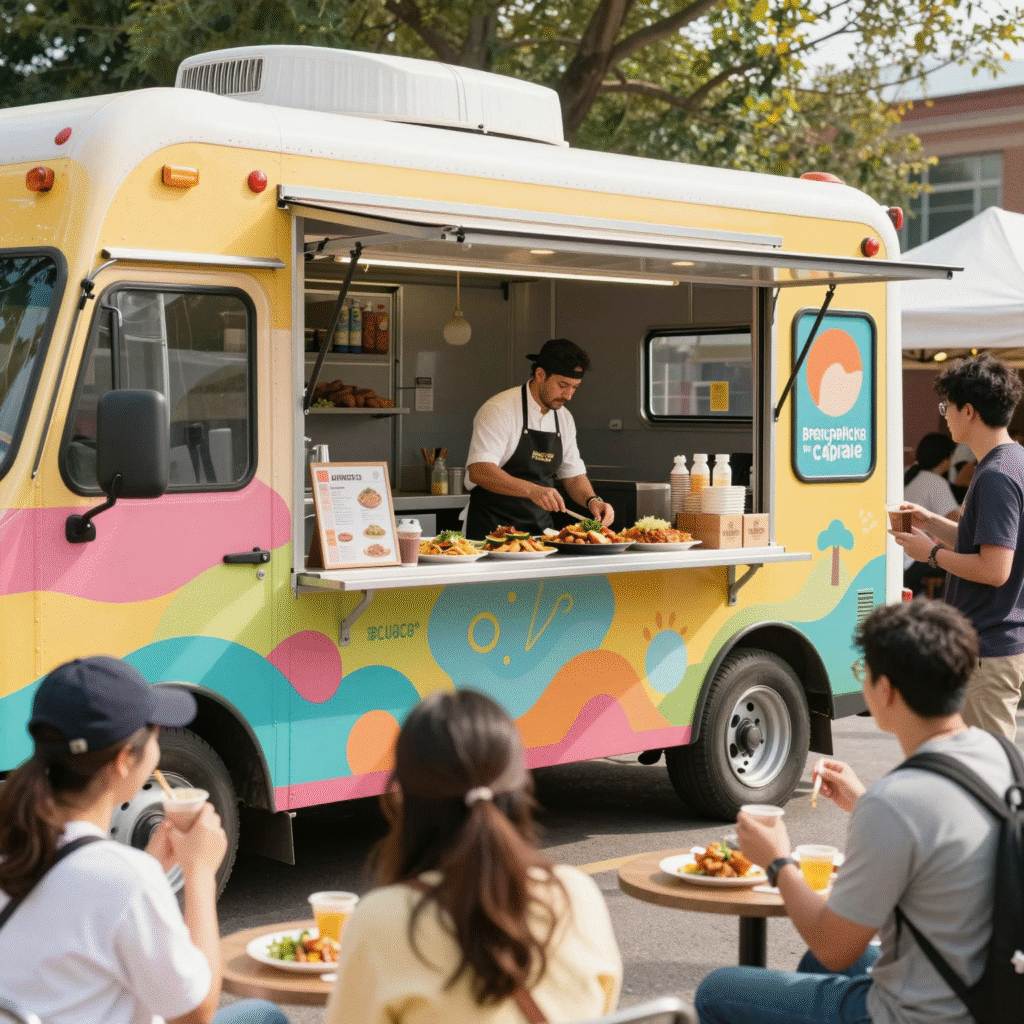
Starting a food truck business is more than just setting up a vehicle; it’s about igniting a passion for food in a vibrant atmosphere where flavors and creativity mingle. The joy of sharing your culinary creations with a community, the thrill of entrepreneurship, and the open road ahead combine to create an exhilarating journey. If you’ve ever dreamed of serving delicious dishes straight from your mobile kitchen, then you’re in the right place. This article will guide you through the essentials on how to get a food truck started, from fine-tuning your menu to understanding the legalities of operating in your locality. With the right information and determination, you can turn your food truck idea into a successful reality. Dive in, and discover the steps to transform your culinary passion into a thriving business that delights the taste buds of food lovers everywhere!
Steps to Starting a Food Truck
Starting a food truck is an exciting and rewarding venture that requires careful planning and execution. Follow these essential steps to turn your food truck dream into a reality:
- Develop a Business Plan
- Outline your business concept, target audience, and market analysis. Create a detailed business plan using templates like this one from Shopify that guides you through the specifics of your food truck business.
- Understand Legal Requirements
- Research and obtain necessary licenses and permits, including health department approvals and food service permits. Understanding local regulations is paramount. You can learn more about these aspects in this detailed guide on legal considerations.
- Choose Your Food Truck
- Find and buy a reliable food truck that meets your needs. Consider factors like size, condition, and equipment. You might want to check options such as step vans or cargo vans, which can be ideal for food trucks.
- Develop Your Menu
- Design a delicious and unique menu that caters to your target audience. Focus on items that are easy to prepare and serve, yet distinctive enough to attract customers.
- Set Up Your Brand and Marketing Strategy
- Build a strong brand identity that reflects your food truck’s concept. Use social media for marketing, and consider engaging with local events to boost visibility.
- Launch and Adapt
- Start your operations and be flexible. Monitor customer feedback and sales trends to refine your menu and services accordingly.
The Importance of Market Research in Starting a Food Truck
When it comes to how to get a food truck started, understanding your market is crucial. Market research serves as the backbone of any successful food truck business, enabling entrepreneurs to make informed decisions that align with community preferences and demands. Through comprehensive research, food truck owners can determine their target demographics, analyze local competition, and stay ahead of emerging trends in food preferences.
Understanding Local Competition
Researching local competition is essential for food truck owners. Observing nearby food trucks during peak hours allows you to evaluate their menu offerings, pricing, and customer service. Tools such as Google Maps and Yelp can help map competitor locations, assess their ratings, and identify their strengths and weaknesses. Developing a spreadsheet to track competitor data can streamline this process and facilitate strategic decision-making as you navigate the market.
Identifying Target Markets
Knowing your target audience is equally important. Are you catering to office workers seeking quick lunches, families enjoying a weekend at the park, or foodies looking for the next trend? Tailoring your menu and marketing strategy to meet the preferences of these specific groups can enhance your customer appeal. Short surveys or informal interviews can also gather valuable insights into customer habits and preferences, providing a clearer picture of what your community desires.
Trends in Food Preferences
Staying updated on food trends is key to capturing customer interest. Factors such as seasonal changes, health awareness, and dietary restrictions can significantly impact your menu choices. Monitoring industry reports, such as those from the National Restaurant Association, can equip you with the knowledge needed to adapt effectively.
By investing time in market research, food truck entrepreneurs can reduce risks and increase their chances of success, ultimately making strides in this competitive landscape.
Table Comparing Food Truck Costs
Starting a food truck business involves various costs that can be broken down into initial setup costs, operational costs, and potential income. Here’s a detailed comparison of these costs:
| Cost Category | Estimated Amount | Details |
|---|---|---|
| Initial Setup Costs | ||
| Vehicle Purchase/Lease | $30,000 – $100,000 | Depends on new/used, condition, and modifications preferable to your niche. |
| Kitchen Equipment | $15,000 – $50,000 | Equipment such as grills, fryers, freezers, and more. |
| Licensing and Permits | $1,000 – $5,000 | Varies by region and type of food offered. |
| Insurance | $1,500 – $4,000 | Annual costs that provide coverage while operating. |
| Initial Inventory and Marketing | $2,000 – $10,000 | Food supplies, promotional materials, and branding costs. |
| Operational Costs | ||
| Daily Running Costs | $100 – $500 (daily) | Fuel, labor, ingredients, and maintenance of equipment. |
| Monthly Fixed Costs | $1,500 – $3,000 | Insurance, parking, and other fixed expenses. |
| Potential Income | ||
| Average Annual Revenue | $150,000 – $250,000 | Gross income depending on factors like location & menu. |
| Average Net Profit | $30,000 – $50,000 | After deducting operational costs. |
For more insights on starting a food truck, feel free to read about legal considerations for Latino food truck startups to ensure that you’re set up for success. Understanding these financial aspects will help you navigate the exciting journey of starting your food truck business!
Legal Requirements for Starting a Food Truck
Starting a food truck can be an exciting venture, but it comes with a complex web of legal requirements that can feel overwhelming at first. However, understanding and fulfilling these requirements is entirely manageable when approached step by step.
Key Licenses and Permits
To operate a food truck legally, several essential permits and licenses must be obtained:
- Mobile Food Vendor Permit: This is issued by the local government and is crucial for legally selling food on the streets.
- Health Department Permit: Certified by the local health department, this permit ensures you comply with food safety regulations. Each state and locality may have different standards, so be sure to check your local laws.
- Food Handler Permits: Staff must undergo food safety training, and this permit certifies that they are trained to serve food safely.
- Fire Permit: If your food truck uses cooking equipment that produces open flames, this permit is necessary to ensure safety standards are met.
Health Regulations
Health regulations play a significant role in food truck operations. According to the CDC, food trucks must maintain precise food handling practices to prevent contamination. This includes temperature control, cleanliness, as well as regular health inspections. Non-compliance can lead to permit revocation, which can derail your business operations.
Costs of Licenses and Permits
The cost for these permits can vary widely by location. For example:
- California: $75-$150 for a mobile food handler permit.
- New York City: Around $100 for a mobile vendor license, plus additional borough-specific fees.
Overall, permit costs can range from $100 to $2,000 annually depending on local regulations and market saturation. For a more detailed breakdown of costs by state, consult resources such as the National Restaurant Association.
Although the legal aspects might seem daunting, following the correct procedures ensures that your food truck can operate successfully and safely!
Designing an Appealing Menu for Your Food Truck
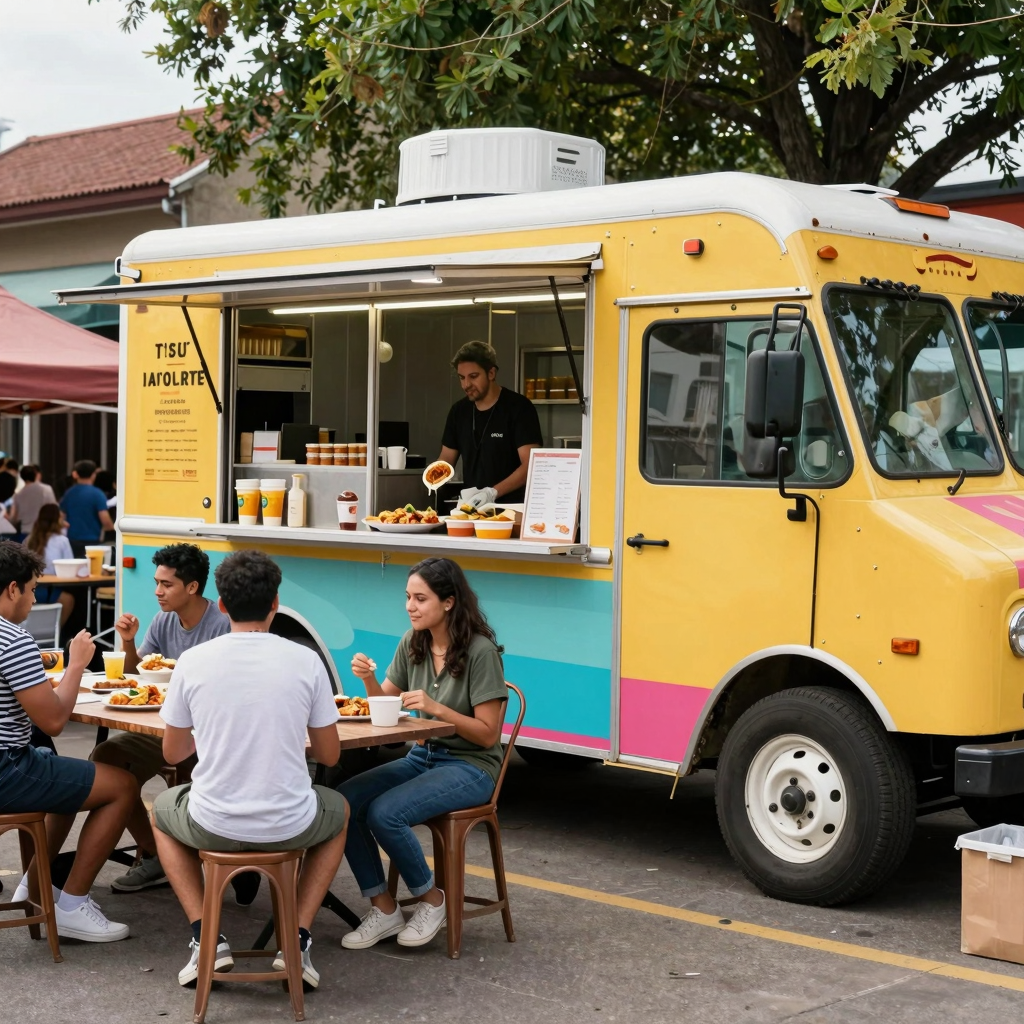
Creating an engaging menu for your food truck is not just about listing dishes; it’s an art that balances creativity with practicality. A thoughtfully designed menu can entice customers, reinforce your brand identity, and streamline operations.
Balance Creativity with Practicality
In the vibrant world of food trucks, creativity is key, yet it must be tempered with practicality. You want a menu that stands out while maintaining operational efficiency. Start with core offerings that highlight your culinary passions and then expand with rotating specials or seasonal items to keep your menu fresh and exciting. For instance, if you specialize in Latino cuisine, consider signature dishes that reflect rich cultural heritage alongside creative fusion options.
Pricing Strategies
Pricing is pivotal-too high, and you scare away customers; too low, and you risk undervaluing your offerings. Conduct market research to determine competitor pricing and consumer expectations. According to Grand View Research, the food truck industry is projected to reach $38.8 billion by 2029, indicating a robust market where strategic pricing can greatly influence your success. Aim for a price point that reflects both quality and experience while offering value.
Stay Ahead of Market Trends
Stay current with market trends. For instance, in 2023, there’s a rising demand for variety and healthy options in food truck menus. Customers are increasingly seeking not just taste but also nutritional value. Adapting to this shift can set your food truck apart. Incorporate this understanding into your menu design, perhaps by offering plant-based versions of traditional recipes alongside your main dishes.
Creating an appealing menu is a journey that reflects your unique style and understanding of the market. It’s a powerful tool that speaks to your audience, enhances their experience, and ultimately drives your food truck’s success. Learn more about food truck trends and how to make the most of them!
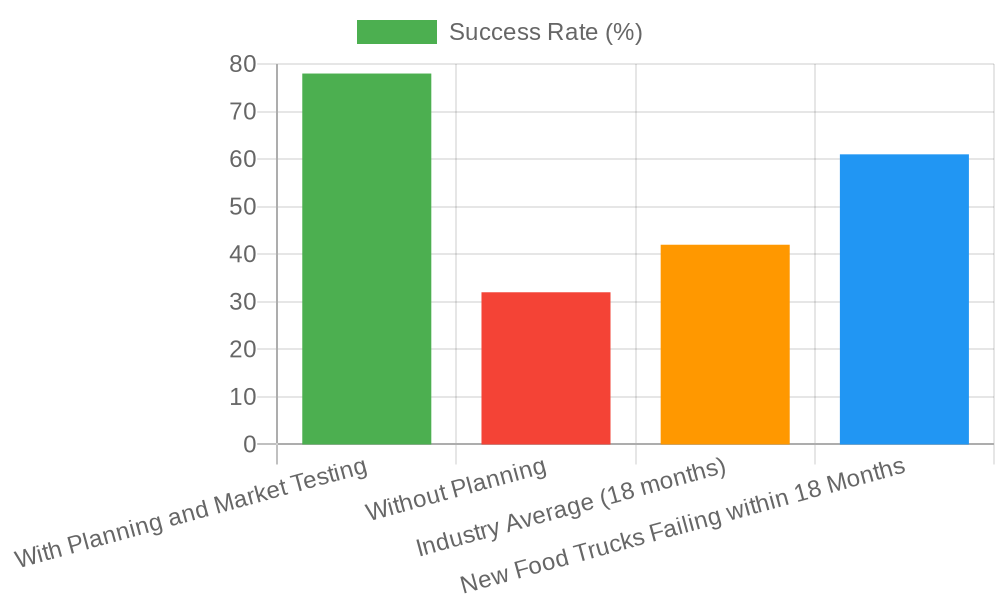
This chart illustrates the success rates of food truck startups based on planning and market testing strategies. The data indicates that food trucks with proper planning and market testing enjoy a significantly higher survival rate than those without. Specifically, the success rates are as follows:
- With Planning and Market Testing: 78% first-year survival rate
- Without Planning: 32% first-year survival rate
- Industry Average (after 18 months): 42%
- New Food Trucks Failing within 18 Months: 61%
According to the National Restaurant Association, effective planning and execution are critical for success in the competitive food truck industry.
Conclusion
Starting a food truck is not just a culinary venture; it’s a passion-driven journey that embodies creativity, flexibility, and entrepreneurial spirit. Throughout this article, we’ve explored the essential steps to getting your food truck off the ground, including understanding legal requirements and the importance of innovative, quality cuisine that reflects your unique vision. As outlined, the food truck industry has seen tremendous growth, with over 36,324 food trucks operating in the U.S. and an estimated 15-20% profit margin for operators, making it a lucrative market for aspiring culinary entrepreneurs.
Moreover, food trucks serve as vital cultural catalysts in our communities, bringing diverse flavors and fostering culinary exchange. They allow ambitious chefs to showcase their creativity while maintaining lower operational costs compared to traditional restaurants.
Now is the perfect time to take the plunge. Embrace the thrilling adventure of starting your food truck and immerse yourself in a world where culinary innovation meets passion. To ensure your journey begins on the right foot, consider leveraging the expertise of Summit Fairings for quality food truck modifications and components. Let’s hit the road and serve delicious food that unites our community!
“The greatest challenge is battling uncertainty every day, including shifting weather, fluctuating customer flows, and equipment breakdowns. But my favorite moments are when I see customers surprise smiles over a dish, or hear them say, ‘this taste reminds me of home.’ That instant validation and connection to the community make all the struggles worth it.”
- Food Truck Owner, Los Angeles, interviewed by Forbes