
Navigating the world of food trucks requires more than just a passion for cooking on wheels; it demands a firm understanding of legal regulations and licensing requirements. For hobbyist car modifiers, professional car tuners, and classic car restoration enthusiasts looking to venture into the culinary arts with a food truck, knowing how to get the necessary licenses is crucial. Each chapter in this guide breaks down specific aspects of obtaining a food truck license—from business licenses and health permits to vehicle regulations, ensuring you have a holistic understanding of what lies ahead. Prepare to embark on an exhilarating journey of bringing your culinary vision to life while navigating the intricate web of legal requirements.
Licensing Foundations: Registering Your Food Truck Business and Meeting Local Requirements
Starting a food truck begins with legal foundations that shape everything that follows. Before you serve a single dish, you must choose and register a business name, secure a general business license, obtain a federal tax ID if needed, and apply for the specific mobile vendor permit your city or county requires. These steps may seem bureaucratic, but they protect you, your team, and your customers. They also make it possible to open bank accounts, hire staff, sign leases, and operate without costly interruptions.
Choose and register a business name that reflects your concept and is available. Check state and county databases for name conflicts. If you plan to operate under a name different from your legal name, register a “doing business as” or trade name where required. Registering your name early prevents disputes and helps you build a recognizable brand.
Next, secure a general business license from your city or county. This license grants legal permission to operate within municipal boundaries. Requirements vary. Some jurisdictions issue a single local business permit. Others require both city and county permissions. Typically, you submit a simple application, pay a fee, and provide basic business information. Keep a copy of the license in the truck at all times. Inspectors and enforcement officers will often ask to see it during routine checks.
Obtain a federal Employer Identification Number (EIN) if you plan to hire staff or form a formal business entity. An EIN functions like a social security number for your business. Banks and payroll services usually require it. Having an EIN separates your personal finances from your business finances and simplifies tax reporting. If you operate as a sole proprietor with no employees, local rules might still favor getting an EIN for banking and vendor accounts.
Your state may require you to register your business entity as well. Forming an LLC protects personal assets and can create tax flexibility. Corporations and LLCs require state filings and periodic reports. Weigh the benefits against the ongoing filings and fees. If you are unsure, consult an accountant or a local small business support center for guidance tailored to your area.
The most important permit for operating on the street is the mobile food vendor permit. It is distinct from your general business license and focuses on food safety and public health. To apply, you will typically provide proof of business registration, a site plan showing vehicle layout, a certificate of insurance, and documentation showing compliance with local zoning rules. Many health departments require an equipment list and a diagram showing where food is stored, prepared, and served inside the truck.
A health department inspection is nearly always part of the mobile vendor permit process. Inspectors assess food storage, the reliability of cooking equipment, handwashing stations, refrigeration, and waste disposal. They also check how you will transport ingredients and how you will clean and sanitize surfaces between uses. Planning the truck layout with inspection standards in mind saves time and reduces the risk of costly modifications after inspection.
Prepare the truck for inspection before scheduling the appointment. Ensure refrigeration units hold safe temperatures, test hot-holding equipment, and verify water systems supply potable water and proper waste removal. Stock clearly labeled first aid kits, post required health notices, and make sure staff know basic hygiene practices. If you cannot meet a specific standard, document your plan to correct it and be transparent with inspectors. In many areas, a conditional pass allows you to address minor corrections within a set time window.
Zoning rules determine where you can park and operate. Cities commonly restrict mobile vending by district, proximity to restaurants, and time of day. You may need a separate permit to operate permanently from a private lot, a temporary permit for festivals or markets, and a roaming permit to move between locations during the day. Confirm whether the municipality requires permission from property owners where you plan to park. In some places, operating near schools, hospitals, or parks has added restrictions.
Collect and organize the documentation you will need to prove compliance. Typical items include your general business license, proof of business registration, a certificate of insurance showing liability coverage, vehicle registration, and an employer tax ID if required. Keep copies of food safety training certificates for all staff who handle food. Many local agencies require at least one certified manager on each shift. Maintaining a single folder or digital file with all permits and certificates speeds inspections and helps you track renewal deadlines.
Insurance plays a central role in licensing and operations. Most health and licensing agencies require general liability insurance and may require vehicle insurance that covers commercial use. If you employ staff, workers’ compensation is often mandatory. Review policy limits to ensure they meet local permit standards. Insurance documents are commonly part of your permit application package.
Timing and costs vary widely. Some cities process mobile vendor permits in a few weeks. Others take months, especially where competition for prime vending spots is high and the municipality controls a limited number of licenses. Fees may include application charges, inspection fees, and annual renewal costs. Factor these into your startup budget, along with vehicle conversion expenses and initial inventory.
Common pitfalls include incomplete applications, missing insurance certificates, and improper vehicle setup. Avoid delays by contacting the department of licenses and permits in your city or county before you build out the truck. Request a checklist or a step-by-step guide. Many local offices offer pre-application consultations to review plans. Use that resource to identify potential compliance gaps early.
Another frequent issue is failing the health inspection because of overlooked details. Simple errors like blocked handwashing stations, insufficient hot water, or improperly labeled food containers can result in failed inspections. Run a mock inspection using the official checklist. Train your staff to maintain standards. Routine daily logs for temperatures, cleaning schedules, and waste disposal help demonstrate consistent compliance during inspections and audits.
Be mindful of local rules about signage and menu displays. Some municipalities require allergy notices, nutrition information, or visible permit display. Ensure your truck’s menu and signage comply with local rules and that permits are displayed where enforcement officers can see them easily. Failure to display the required permits can lead to fines or temporary shutdowns.
If your plan relies on operating at events, learn the process for obtaining temporary event permits. Event permit requirements differ from everyday vending permits. They may impose stricter rules on generator noise, crowd control, or tent setups. Apply early because organizers often limit the number of food vendors and assign spots on a first-come, first-served basis.
When you are ready to apply, submit a complete packet. Incomplete filings cause delays. Include clear contact information and be prepared to answer follow-up questions. Keep track of submission dates, inspector appointments, and renewal deadlines. Many jurisdictions require annual renewals for health permits and business licenses. Set calendar reminders to avoid lapses that could interrupt your operations.
Finally, use local resources. Your city or county business licensing office is the authoritative source for requirements. A local small business center can help with entity selection and tax questions. For guidance on health code expectations for mobile vendors, consult official food code resources that outline sanitation standards and inspection procedures. These resources clarify expectations and help you design the truck to meet them: https://www.fda.gov/food/fda-food-code/mobile-vendors
For operators focused on serving specific communities, additional guidance on the legal and cultural aspects of starting a food truck can be valuable. See this discussion on legal considerations tailored to Latino food truck startups for perspective on licensing, permitting, and community engagement: https://latinosfoodtrucks.net/legal-considerations-latino-food-truck-startups/
With clear records, a well-prepared vehicle, and a solid understanding of local rules, licensing becomes a predictable step in launching your food truck. Build compliance into your daily routine. That discipline keeps your business open, protects your customers, and creates a strong foundation for growth.
On the Road to a Licensed Kitchen-on-Wheels: Health Permits, Safer Standards, and the License at the End of the Line
The journey from concept to a legally operating food truck begins long before the first sizzling pan hits the flame. It starts with a map drawn not in chalk but in checklists, blueprints, and health codes. A kitchen-on-wheels is a mobile business, and with that mobility comes a matrix of health regulations and licensing steps designed to protect your customers as you move from one stop to the next. In many urban districts, the heart of this process centers on public health permits and a solid business registration. The goal is simple enough to state, yet the path to it requires patience, precision, and an eye for detail: build a compliant operation that can be inspected, tested, and renewed year after year, no matter which curb you pull up to at lunch hour or after a late-night event. In cities that run on street food as a vibrant economy, the health department becomes not a hurdle but a partner—one that helps you design a vehicle that is as safe as it is delicious and as transparent as your menu is enticing.
Take the classic model offered by a large metropolitan health department as a guide, while recognizing that every city can differ in nuance. In New York City, for example, the core of a food truck license revolves around two DOHMH permits: a Mobile Food Vendor Permit and a Food Service Establishment Permit. The Mobile Food Vendor Permit, sometimes referred to in the paperwork as the green cart process, is the gatekeeper for mobility itself. You apply through the city’s health department portal, and the process often begins with a formal submission—whether online via a dedicated page or by mail—accompanied by a confirmation acknowledgment from DOHMH. The application can require documentation that might feel familiar to any small-business owner: proof of insurance, evidence that the vehicle has passed a basic inspection, and a robust food safety plan that describes how you will keep foods at safe temperatures, prevent cross-contamination, and manage waste. The emphasis here is sanitary rigor. A permit is not only about legality; it is a pledge to your customers that a clean, safe kitchen is always within reach when they step up to your counter.
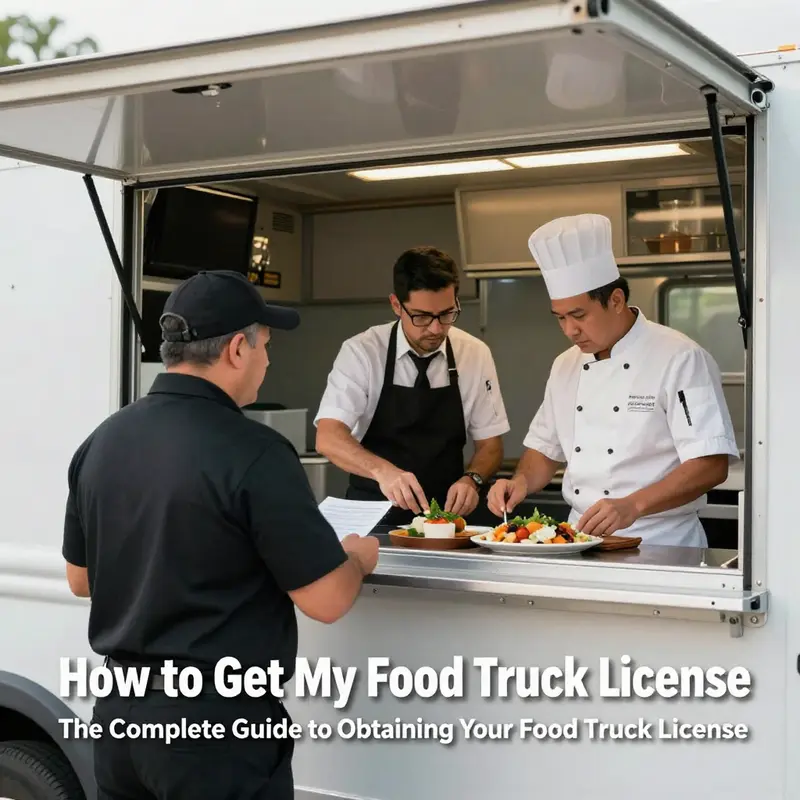
Once the mobile vendor permit is secured, the Food Service Establishment Permit follows as the next pillar of compliance. This permit is more than a stamp of approval; it represents a comprehensive review of your truck’s interior as a working kitchen. An on-site facility inspection evaluates the layout of cooking equipment, the storage systems, the sources of water and waste disposal, the cleanliness of surfaces, and the practices of anyone who handles food. The inspector checks that the truck has a sanitary design that minimizes the risk of contamination, that heat and refrigeration units maintain proper temperatures, and that handwashing stations are accessible and functional. The outcome is a durable permit you must renew on a regular schedule—often annually—so the conversation with health authorities continues as your operation evolves. This ongoing relationship is the heartbeat of the health-regulation framework, ensuring that even as you drive from one neighborhood to the next, your kitchen maintains the same standard of safety.
Beyond the health department, a city-level business certificate or license marks your legal existence as a business entity. In several jurisdictions, that step is distinct from the health permits but equally critical. You register your enterprise with the local city or county, select a business name, and submit information about your business structure, whether you operate as a sole proprietorship or form a limited liability company. The aim is to establish your identity in the eyes of the city and to enable legitimate operation. In large cities such as New York, this certificate solidifies your status as an authorized street vendor with a recognized business footprint. The practical effect is straightforward: you gain the official ability to transact, to open a bank account, to purchase equipment, and to lease a space for setups at markets or events. It is the business backbone that supports every permit you have earned and every location you seek to serve from.
The road to licensing is not complete without addressing vehicle compliance and safety. Your food truck, as a commercial vehicle, demands careful attention to registration, insurance, and driver credentials. A commercial vehicle registration and title confirm that your truck is legally recognized on the road as a business asset. Liability insurance provides a cushion for the inevitable bumps along the journey—from accidents to equipment failures—while a valid driver’s license ensures the operator is legally authorized to operate the vehicle. If modifications to the truck alter its fire or safety profile, you may also need to secure appropriate approvals so that the vehicle not only conducts business but does so within the bounds of fire codes and roadworthiness standards. For smaller trucks under a certain weight threshold, a standard driver’s license is typically sufficient, but it is essential to verify the exact requirements in your state or city. The vehicle piece of licensing reinforces a larger truth: mobility is the core value proposition of a food truck, and the license framework is what keeps that mobility safe, predictable, and trusted by neighborhoods you serve.
No licensing discussion would be complete without turning to the tax side of the ledger. A sales tax permit—often issued by the state’s department of revenue or taxation—grants you the authority to collect and remit sales tax on the food you sell. The permit is not merely a box to check; it is a financial operating structure that helps ensure you meet state revenue expectations and avoid penalties. The process typically involves an online registration that links your business identity to tax collection obligations in the locales where you operate. In many states, the sales tax landscape for mobile vendors also intersects with local rules—for example, some cities require additional local business taxes or special permits for transient or pop-up operations. Preparedness here means you track your sales channels, keep clean records, and align your pricing to the tax structure so customers aren’t surprised, and you aren’t surprised either.
Zoning and location permits round out the licensing mosaic. Even with the best health compliance and business registrations, you still must be able to operate where customers actually gather. Cities often require a mix of permits to move and park legally, especially if you are planning to operate at festivals, markets, or in fixed locations such as a permitted parking lot. Transient permits for events are common, as are mobile vendor permits that allow movement between approved districts. The exact rules vary by city, district, and even neighborhood stakeholders, so you should engage early with the planning department, health office, and business licensing unit to understand what approvals you need at a particular site. The overarching objective is simple: plan for movement and presence in a way that respects neighboring businesses, traffic patterns, and the character of the community you serve.
All of this might feel like a lot to absorb, especially when you are juggling recipe development, menu design, and procurement. The reality is that the licensing path is navigable if you approach it as a single, structured project rather than a string of separate tasks. A practical mindset is to assemble a dossier: a well-organized file containing your business registration, your food safety plan, your certification credentials, your vehicle documentation, and your insurance proofs. Start early; processing times for permits can stretch into weeks or months, depending on the jurisdiction and the completeness of your submission. A proactive approach—anticipating what inspectors will want to see, keeping your kitchen’s layout faithful to the safety plan, and maintaining updated records—greatly reduces friction when renewal time arrives or when you apply for additional permits as your business grows.
For those exploring the broader regulatory landscape through a more targeted lens, a resource focusing on the legal considerations for Latino food truck startups provides a culturally resonant perspective on how families and communities navigate licensing in urban environments. It offers a useful lens for readers who see their culinary heritage reflected in the work they do on wheels and want guidance that speaks to the realities of navigating city offices, inspection schedules, and permit renewals as part of building a sustainable business. https://latinosfoodtrucks.net/legal-considerations-latino-food-truck-startups/ can serve as a thoughtful companion as you map your own jurisdiction’s requirements, while the main thread of this chapter anchors you in the steps most cities share and the health standards that form the bedrock of every mobile kitchen.
To deepen your understanding of health standards as you prepare your plan, consult the authoritative public-health resources available through national agencies. These sources provide the framework that underpins local inspections and licensing decisions, helping you align your menus, equipment choices, and staff training with evidenced best practices. The end goal is not merely to obtain a permit but to cultivate a culture of food safety that travels with you from curb to curb. As you proceed, remember that the permit rarely represents a final destination; it is a gateway to operating with accountability, pride, and the confidence of your customers who trust that every bite comes from a kitchen that meets the highest standards.
For a broader overview of health standards and to explore practical guidelines that inform licensing decisions, you can review the FDA’s food safety guidelines and related materials. This external resource complements the step-by-step city-specific guidance discussed here and reinforces the idea that safety and compliance are ongoing processes, not one-off hurdles. https://www.fda.gov/food-safety accompanies the municipal procedures you navigate as you bring your food truck from concept to celebrated local favorite, ensuring your business remains compliant, competitive, and safe as it grows across neighborhoods and seasons.
Navigating the Food Handler Permit for a Mobile Kitchen
Launching a food truck starts with a foundational step: obtaining a food handler permit. This credential signals to health authorities and customers that you understand safe food handling, sanitation, and personal hygiene. Regulations vary by jurisdiction, and some places recognize national training while others require state-approved courses or in-person assessments. Start by inventorying local requirements, then build a plan to meet them. Check official health department resources, call for clarification, and record every rule in a single, updateable file. Most jurisdictions require two pillars: formal training in food safety and a credential proving you completed it. Training covers temperature control, cross-contamination prevention, hand washing, cleaning, and equipment sanitation. The credential confirms you understood the material and can apply it in your truck. Delivery formats vary from online modules to in-person labs or practical exams, but the aim is consistent: reduce risk and standardize safety for mobile operations. Treat the permit as part of your business plan, not a separate add-on. Gather typical documents: completed application, proof of legal business registration, vehicle compliance, site plans showing layout and food storage to prevent cross-contamination, and proof of insurance and zoning compliance. Some jurisdictions require a vehicle inspection as part of the permit; plan for that in advance. Training might have expiration dates, so track renewals and keep digital and physical copies of certificates. Align training with your launch timeline to avoid delays. The process is iterative: you may need to adjust a site plan, update insurance, or resolve zoning questions before final approval. Keep an organized file with category- and date-labeled items to prevent missed renewals. The permit signals both customers and officials that your operation is committed to safety and compliance, and it can smooth interactions if you operate in new venues. Official guidance often appears on state or local health department sites; for example, many operators reference recognized pathways and renewal requirements to understand what counts as valid training. The food handler permit is a practical, enforceable commitment that your mobile kitchen meets sanitation standards and operates within the rules. For official guidance, check your state health department’s resources.
Tax Lines and Tastes: Mastering Sales Tax Permits on the Road to a Food Truck License
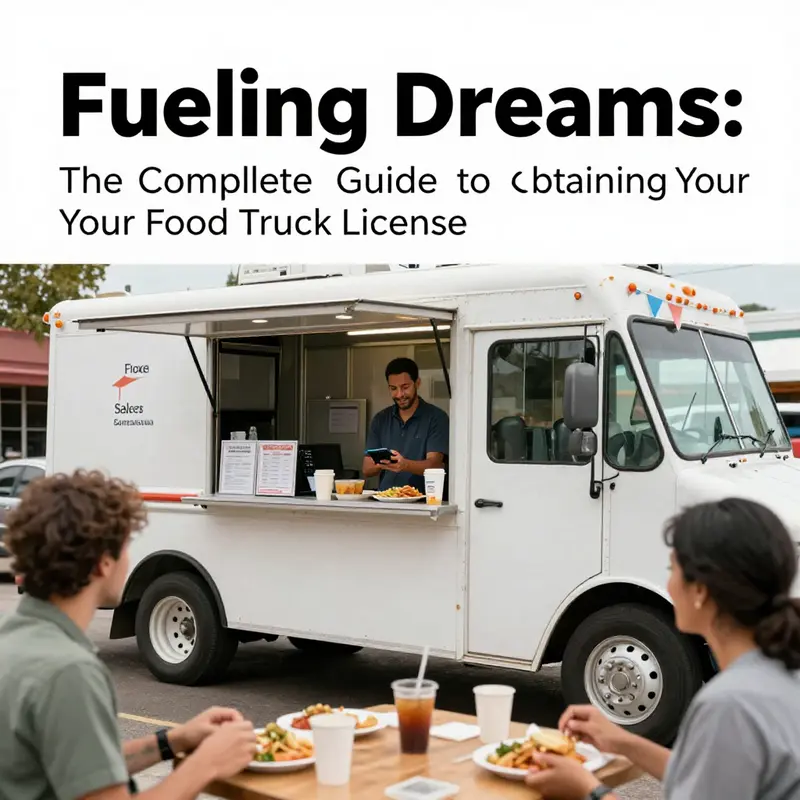
When you decide to turn a kitchen-on-wheels into a legal business, the journey often feels like balancing a skillet and a stack of permits. Among the licenses and inspections, one piece of your puzzle sits at the intersection of compliance and everyday cash flow: the sales tax permit. It is easy to overlook in the rush to secure a business license or a health clearance, yet it governs how you collect, report, and remit tax on every taco, burrito, or bowl you serve. In many states and locales, sales tax is one of the most reliable revenue streams for government and, if managed correctly, it doesn’t have to slow you down. The key is to understand what the permit does, why it matters for your mobile operation, and how to integrate it smoothly into your startup timeline so your license process stays on track rather than drifting into delays or penalties.
Sales tax permits exist because prepared foods sold through a food truck are typically considered taxable goods. The precise rules—what is taxable, at what rate, and under which local jurisdictions you must collect tax—vary from state to state and even from city to city within a state. What does not vary is the underlying obligation: if you are selling prepared meals or beverages, you are likely a tax collector for the jurisdictions where you operate. That means every transaction becomes not only a sale on your menu but a moment of civic compliance, a small but crucial contribution to state and local services. The structure can feel complex because your truck may be moving through multiple tax jurisdictions in a single day. A single permit at the state level is rarely enough; you may also need registrations or registrations-specific licenses at the city or county level, each with its own reporting cadence and potential local taxes. Falling behind on even a single return or misclassifying food items can invite penalties, interest, and, in the worst case, suspension of licenses that you’ve worked hard to secure.
The practical path begins with your business itself. Before you pilot your route, you should have your business registered and your intent clearly defined. As you chart the milestones for license and permit approvals, you will often encounter sales tax registration offered as part of the broader business registration process. In many places, applying for a sales tax permit aligns with establishing your legal entity or registering as a sole proprietor. The goal is to set up a system that separates tax collection from profit, so your accounting remains transparent and auditable. When you proceed, you should gather documentation that proves you exist as a legitimate business and that you are authorized to collect taxes on behalf of the jurisdictions where you operate. Typical documentation includes your business registration certificate, a resale or tax-exemption number if applicable, and information about your planned sales locations and operating hours. The exact requirements shift with each locale, so it is wise to speak with a local tax expert or a trusted business advisor who understands the mobile vendor landscape in your area.
As you navigate the paperwork, you will often encounter the notion of nexus—the point at which you are required to collect tax. For a food truck, nexus is usually established by physical presence and regular activity within a state or local jurisdiction. The more you drive into a region, the more likely you are to create or expand nexus, which in turn can trigger additional registration requirements or different filing frequencies. It is not only about where you park for lunch service; it is about where you have a customer base, what you sell, and how you conduct your business. Some cities impose additional local taxes on prepared foods or impose special licensing regimes for mobile vendors. In practice, this means that you may need a city-level vendor permit or a mobile vendor license in addition to your state sales tax permit. The combination can feel daunting, but it is manageable with a proactive, organized approach.
One practical strategy is to map your anticipated route and indicate which jurisdictions you will likely encounter on a weekly cycle. Start by listing the states and cities where you expect to operate most often, then identify the applicable tax rates and filing frequencies for each location. This is not just about rates; it is about understanding who wants a monthly return versus a quarterly one, and who requires you to file electronically or submit via paper forms. Some states require you to file monthly, regardless of turnover, while others offer quarterly options with pre-set due dates. If your sale is seasonal or event-driven, you may be able to adjust filing to reflect peaks and lulls, but do not rely on that flexibility without confirming it in your state’s guidance. The discipline here saves you from misreporting and ensures your cash flow remains predictable.
In many markets, the sales tax permit is more than a gateway to legality; it is a crucial tool for accurate pricing and consumer trust. When you structure your menu and pricing, you should account for tax inclusions or exclusions in a consistent manner. A clear policy helps your staff handle transactions smoothly and ensures customers understand what they are paying for. If you decide to present prices inclusive of tax, your point-of-sale system should automatically calculate the correct tax amount for the jurisdiction in which the sale occurs. Conversely, if you present prices excluding tax, you must clearly indicate the tax added at the register. Either approach requires diligent recording, because your tax collected belongs to the government, not to your revenue. The line between revenue and tax can blur under pressure during a busy lunch rush, which is why a well-integrated payment system that tracks tax in real time is worth the investment.
Beyond the mechanics of collection, your administrative discipline matters. You should create a routine for reconciling tax collected with payments remitted. A reliable practice is to keep tax records separate from other financial data. This separation not only helps during audits but also clarifies your monthly cash position for budgeting and forecasting. Many food truck operators set up a dedicated tax ledger or use a simple accounting method that tags every sale with its jurisdiction and its tax amount. Routine reconciliation, even if done weekly, reduces the risk of late filings or misreporting. It also helps you identify any location where you may be under- or over-collecting tax, ensuring your pricing stays fair and compliant.
An often overlooked but essential element is the relationship between tax compliance and your broader licensing picture. In some jurisdictions, the act of obtaining a sales tax permit goes hand in hand with other regulatory steps for food trucks. You may encounter a formal bowwave of documentation—proof of business registration, a site plan, insurance certificates, and sometimes a health department clearance—that must be in place before you can begin operations. In this ecosystem, one misstep in tax registration can ripple into delays elsewhere, so it is wise to address tax permits early and keep them current while you chase other licenses. For readers who are assembling their legal toolkit, a compact reminder of the interdependence can be helpful: the sales tax permit anchors your tax duties, but it also signals to local authorities that you are prepared to operate within their framework. If you want a concise synthesis of how these threads fit together, you can explore practical considerations for Latino food truck startups and how they balance legal readiness with business growth. Legal considerations for Latino food-truck startups.
For many owners, a quiet anxiety lingers around audits and penalties. The possibility of penalties, interest, or license suspensions is real if you neglect to obtain a permit or to file on time. The remedy is straightforward but requires discipline: stay current, stay accurate, and stay connected to the local tax authority. If your state offers online portals for registration and filing, set up account alerts and calendar reminders. When you file, double-check the return against your sales records, ensure you’re reporting the correct tax rates for the relevant jurisdiction, and keep copies of submitted forms and payment confirmations. In some places, you may be asked to provide your business license or health department clearance as part of the tax filing process. Having those documents organized and accessible reduces friction and speeds up any compliance review.
The interplay of tax compliance with your day-to-day operations also invites a broader, long-term perspective. You are building a mobile business, and that mobility is both its strength and its administrative test. Your systems should be scalable as you expand to new markets or add more vehicles. If you anticipate growth, consider investing in a simple bookkeeping framework that can accommodate multiple tax jurisdictions, different filing frequencies, and evolving rules. A small investment in good record-keeping now pays dividends when you later scale or diversify your offerings. You will also benefit from consulting with a tax professional who understands the mobile food sector and can tailor guidance to your exact jurisdictions and business model. While this chapter emphasizes the tax permit as a critical milestone, the broader message remains the same: legality and efficiency are not separate pursuits but two halves of a well-designed operation.
As you close in on turning your concept into a compliant enterprise, remember that the road to a food truck license is not a single checkpoint but a landscape of interconnected requirements. Your sales tax permit is a pillar, but it sits alongside your business license, health and safety permits, vehicle registrations, and zoning permissions. The most durable path is to integrate these elements early, align your timelines, and maintain a routine of proactive compliance. In doing so, you create a foundation that not only reduces risk but also clarifies the path to operating with confidence and consistency. For targeted guidance about the regulatory ecosystem in your region, seek official sources and professional counsel, and keep your documents organized from day one.
External reference: For authoritative guidance on state-level tax registration and filing in California, consult the state tax authority at https://www.cdtfa.ca.gov
Road-Ready Rules: Vehicle Regulations You Must Master to Get Your Food Truck License
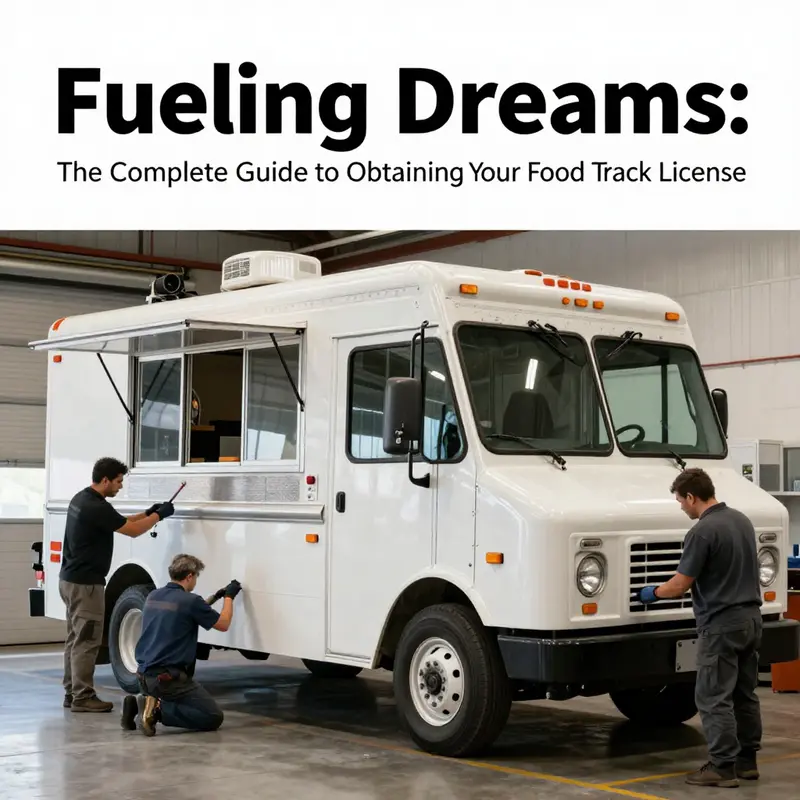
Getting a food truck license means more than a health permit. Your vehicle itself becomes the regulated heart of your business. Local governments treat it like a moving restaurant, which places it under both transportation and public health rules. Understanding those overlapping requirements saves time, reduces fees, and prevents a shutdown after a costly build. This chapter walks through the vehicle-focused regulations you will face, how to prepare your truck or van, and practical steps to satisfy inspectors and licensing agents.
Start by treating the vehicle as an asset that needs two approvals: one from transportation authorities and another from public health regulators. Transportation rules govern registration, weight, and driver qualifications. Health and safety rules govern layout, equipment, and sanitation. Both sets frequently intersect during inspections. Preparing documentation and designing the vehicle to meet both sets of rules will speed approvals.
One of the first items you’ll encounter is the mobile food vending license. This permit confirms your intention to operate a mobile food operation and often begins the official review of your vehicle. Some cities allow you to start the application process before you own a vehicle, granting a window to purchase one. Other jurisdictions require the vehicle to be identified in your application. Verify local timelines because some places allow a 90- to 180-day window to produce the vehicle paperwork. If you plan to buy after applying, clearly document your purchase timeline and expected delivery date in the application.
Vehicle ownership and registration must match your business records. Most states require the vehicle to be registered as a commercial vehicle. That means your business name should appear on the title or registration, or your registration must be tied to the legal entity that owns the business. If you lease or finance the vehicle, gather lease agreements and lender documents. Inspectors and licensing staff will want consistent names across the business license, vehicle registration, and insurance policy.
Driver qualifications vary. A commercial driver’s license is only necessary if the vehicle exceeds certain weight thresholds. For most food trucks, that threshold is the 26,000 pounds gross vehicle weight rating. If your build remains under that limit, a regular driver’s license is usually sufficient. Still, check local rules. Some cities impose additional requirements, such as background checks for vendors or proof of driving experience. Keep a copy of all drivers’ licenses and any required endorsements with your vehicle paperwork.
Vehicle inspections are central to the licensing process. Expect at least two types of inspections. The transportation inspection checks roadworthiness. It covers brakes, lights, tires, emissions controls, and general mechanical safety. The health inspection examines food-prep areas. It focuses on layout, materials, ventilation, hot and cold holding equipment, handwashing stations, wastewater containment, storage space, and pest control measures. In many cities, both inspections are performed by different agencies but scheduled together. Schedule inspections only after your vehicle build is complete and thoroughly tested.
Design your layout with inspections in mind. Flooring should be non-porous and slip-resistant. Countertops and walls in food-prep areas must be smooth and easy to clean. Your handwashing sink must be accessible and supplied with hot water, soap, and disposable towels. Many health departments require a separate three-compartment sink for warewashing. Refrigeration units need certified thermometers. Hot holding and cooking equipment should have clear temperature controls. Wastewater must be contained in appropriate tanks and disposed of according to local rules. These specifics vary by city, but inspectors always look for sanitation and safe food handling.
Ventilation and fire protection are crucial. Commercial cooking equipment often triggers requirements for hood systems, grease traps, and fire suppression. Some cities require a certified hood and suppression system inspection before the food service permit is issued. Portable fire extinguishers are a standard requirement, and some jurisdictions require fixed suppression systems tied to cooking equipment. Ask fire officials about clearance rules and fuel type restrictions. Using propane or diesel can bring additional safety rules and storage standards.
Modifications to the vehicle affect insurance and resale value. Any permanent alterations, such as cutting the frame for vents or installing built-in equipment, should be done by qualified professionals. Keep records of all modifications, including receipts, inspection certificates, and photos. These documents will be useful during inspections and if an insurer asks for proof of safe installation. Also consider future proofing: choose equipment that can be serviced locally and that meets common health department specifications.
Insurance is not optional. Most licensing authorities require a certificate of insurance that lists the city as an additional insured party. Liability coverage amounts vary. Minimums are often set by local ordinance. Policies should cover general liability, commercial auto, and, if you employ staff, workers’ compensation. Keep a copy of your insurance card in the truck and provide it with permit applications.
Zoning and permitted locations interact with vehicle rules. A vehicle that meets health and transport standards may still be barred from operating in certain zones. Local codes often specify where mobile vendors may park, how close you can be to schools or storefronts, and whether you may remain stationary at private property. You may need a separate location permit or property owner permission to operate on private lots. If you plan to attend events or farmers markets, check whether event organizers require additional temporary permits.
Emissions and environmental rules matter in many urban areas. Some cities require emissions testing, especially for older diesel trucks. There may be restrictions on idling or requirements for auxiliary power units to avoid running the engine during service. Consider alternative power options to comply with strict idling regulations. These decisions also affect catering costs and how you plan electrical and refrigeration capacity.
Plan timelines carefully. Processing times for vehicle-related permits can range from days to months. Build time for vehicle conversions varies widely. Factor in lead times for specialized equipment, hood fabrication, suppression systems, and certified installation inspections. Apply early for registrations and scheduling inspections. If you must pass both a transportation and health inspection, line them up in the same week to avoid rework.
Common pitfalls slow approval. First, inconsistent names across documents cause delays. Ensure your business name, vehicle registration, insurance, and permit applications match exactly. Second, incomplete or missing documentation during inspection will trigger re-inspections. Third, trying to retrofit large equipment into a vehicle not designed for it can produce safety and structural issues. Select a chassis with adequate weight and space for your planned equipment.
Keep meticulous records. Create a single folder with copies of your vehicle title, registration, insurance certificates, inspection reports, build receipts, and any certified installation documents. Maintain digital backups. Licensing offices may request records months after your initial application.
Finally, seek local guidance early. Talk with your health department, motor vehicle office, and fire marshal before starting the build. Ask about sample floor plans and preferred equipment lists. These conversations save time and money. If you are deciding between different vehicle types, read a practical comparison that considers conversion complexity and operating practicality, such as this discussion of step vans versus cargo vans.
For jurisdiction-specific application steps and details about the mobile food vending license process in one major city, consult the official municipal resource: https://www.nyc.gov/health/mobilefood
Final thoughts
In pursuit of your food truck dreams, equipping yourself with the knowledge of required licenses and permits is a crucial first step. Each element—from your business license to health permits and tax registrations—serves as a building block for your venture into the culinary world on wheels. As you prepare for this embarkation, remember that understanding each requirement not only streamlines your process but also enhances your long-term success. With dedication and careful planning, your food truck can become a sought-after dining experience for customers around you.