
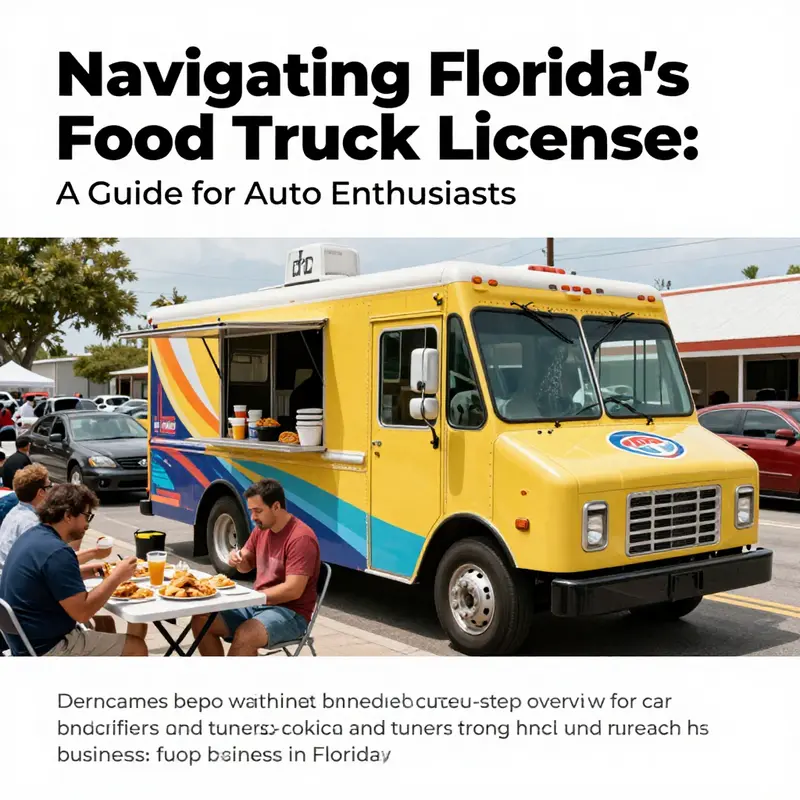
Florida’s vibrant food truck scene presents a fantastic opportunity for hobbyist car modifiers, professional tuners, and enthusiasts alike to combine their passion for vehicles with culinary endeavors. This guide serves as a roadmap, detailing the essential steps needed to obtain a food truck license in Florida. We will explore the intricacies of business structure, required permits, zoning compliance, and other critical requirements to ensure you are fully equipped to hit the streets serving your delicious offerings. Whether you’re a professional shop or a dedicated DIY enthusiast, understanding these steps holistically is crucial for launching a successful food truck venture.
Structuring for Success: How Your Business Form Shapes Getting a Florida Food Truck License
Choosing the right business structure is more than a tax filing decision or a checkbox on a licensing form. In Florida, where a food truck operates at the crossroads of street commerce and state health regulations, the form you select for your business becomes a thread that runs through every step of the licensing journey. From protection of personal assets to the way your finances are reported, from who signs the permits to who bears liability for a health inspection, the structure you choose frames the entire operation. The path to a Florida food truck license begins with a deliberate choice about how you intend to own, operate, and grow your business, and that choice carries real consequences for risk, cost, and flexibility.
The landscape in Florida requires a careful alignment of state and local rules. At the state level, you will engage with agencies that oversee business registration, taxation, and health compliance. The Florida Department of State handles the formal registration of your business entity, whether you file as a sole proprietor, form a partnership, establish an LLC, or organize a corporation. Each structure presents a distinct profile of liability protection, administrative burden, and ongoing compliance. While sole proprietorships are the easiest to start, the lack of personal liability protection means that personal assets may be exposed in the event of lawsuits or debt. An LLC, by contrast, introduces a shield between personal assets and business obligations, a shield that becomes especially meaningful when operating a mobile food service where accidents, equipment failures, or health-code violations can create complex exposure.
The decision about structure also informs tax considerations. A sole proprietor reports business income on personal tax returns, which simplifies filings but does not separate personal and business finances. An LLC offers pass-through taxation in most cases, meaning profits and losses pass through to the owners’ personal returns, potentially avoiding double taxation while still providing liability protection. A corporation introduces a separate tax identity, with its own set of rules for retention of earnings, distributions, and the possibility of more formal governance. In the context of a Florida food truck, where cash flow can be seasonal and expenses can scale quickly with event calendars, the ability to smooth tax burdens through a chosen structure can be a meaningful advantage.
As you weigh these considerations, you must also confront how licensing intersects with your legal form. Florida’s licensing ecosystem does not exist in a vacuum; it is woven through both state agencies and your local government. The Florida Department of Health issues the Food Service Establishment Permit that your mobile kitchen will rely on to operate, ensuring that safety, sanitation, and food handling meet minimum standards. While that permit sits in the health domain, the underlying business entity is something the licensing process from the Florida Department of Agriculture and Consumer Services and the Florida Department of State will want to know. The Florida Department of Agriculture and Consumer Services, for example, requires specific business entity information during the licensing process, including the legal name and structure of the business. This is not a mere formality. It is a practical signal to regulators about who is legally responsible for compliance, who can sign agreements, who can be held liable, and who receives notices when regulations change.
To begin the journey, you will first need to settle the business structure with the Florida Department of State. The decision here sets the stage for how you will register your business, file for an Employer Identification Number (EIN) with the Internal Revenue Service, and open the bank accounts that keep personal and business finances separate. Choosing LLC status can simplify later steps, especially when applying for a Food Service Establishment Permit, obtaining liability insurance, and coordinating with local authorities on zoning and parking rules. Yet the path may be different for a sole proprietor just starting out with a small, local operation. The most important takeaway is that the licensing process will be smoother when the entity type you have chosen is formally established before you file certain permits. In practical terms, this means you should complete the essential business registration with the Florida Division of Corporations, secure an official legal name, and have your entity recognized by state records before you attempt to obtain a health permit or a local business tax receipt.
A crucial companion step is securing an EIN from the IRS. Even if you start as a sole proprietor, obtaining an EIN helps you separate personal and business finances, facilitates payroll if you hire staff, and simplifies reporting for tax purposes. An EIN is the kind of identifier that regulators and financial institutions expect to see on forms, contracts, and health-related submissions. It is not a luxury; it is a practical necessity that aligns with responsible business practice and with the expectations of the agencies involved in Florida’s licensing ecosystem.
With the structural choice in place and your federal and state identifiers secured, you can begin to map how the pieces fit together for the Food Service Establishment Permit and related local licenses. The Florida DOH permit is central to your operation, serving as the official recognition that your food truck meets sanitation and safety standards. But obtaining that permit cannot happen in isolation. Local zoning rules, parking permissions, and the requirement for a local business tax receipt all shape where and when you can operate. The most persistent obstacle in many Florida communities is not the health department’s inspection standard itself but the zoning approval that allows you to park and operate in a given corridor or lot. Some municipalities may restrict food trucks to specific commercial zones, require distance from schools or hospitals, or impose time-of-day limitations. The permit from health authorities is framed within that local geography; the structure of your business, the way you hold liability, and the way you file and renew permits will all reverberate through those zoning decisions.
The real-world implications extend to insurance and vehicle readiness as well. Most cities and counties insist on mobile vendor insurance as a prerequisite for operation. The type and amount of coverage can be influenced by the business form you choose because liability exposure differs between a sole proprietorship and a Limited Liability Company. An LLC, for example, is often favored by lenders and regulators because it aligns the business with a recognized legal entity that can own property, sign contracts, and be treated as a single unit for insurance purposes. A corporation can offer even more formal governance and protection, though it adds complexity and ongoing administrative obligations. The vehicle itself will typically require a safety inspection to ensure it is roadworthy and meets health and sanitation requirements for mobile food services. These inspections, insurance requirements, and the local permit processes all converge as you prepare to launch, and the nature of your business structure will shape your approach to each of these components.
In practice, the licensing path in Florida encourages a posture of proactive organization. Your chosen structure guides how you prepare for the Food Service Establishment Permit and how you present information to FDACS and the DOH. It informs who you list as the owner on applications, how you describe ownership and management, and where you place signatories for compliance assurances. When you apply for the state and local permits, you will need to provide your legal name, your business structure, and the entity’s tax and contact details. If you choose an LLC, you will typically provide the LLC’s formal name, the state of organization, the registered agent, and the members’ information as required by state records. If you opt for a sole proprietorship, you will still need to present your personal name as the business name and align it with the local and state regulatory expectations. In all cases, the goal is to establish a cohesive identity that regulators can track, inspect, and communicate with when health or safety matters arise.
The practical upshot for a prospective operator is straightforward: begin with a clear, formalized business structure, complete the state registration, obtain the EIN, and then approach health and local authorities with your profile ready for verification. It can be tempting to postpone some of these steps in the rush to secure a permit, but the licensing system rewards early organization. By the time you stand in line for the Food Service Establishment Permit, the regulator is more likely to see a compliant, well-documented entity rather than a patchwork of personal finances and informal arrangements. This clarity of structure also streamlines the process of securing a local business tax receipt, which is often the gateway to lawful operation in a city or county. The local tax license is not simply a bureaucratic hurdle; it is a practical acknowledgement that your operation exists within a local economy and contributes to the community by providing meals, jobs, and events.
As you navigate these layers, keep in mind that the conversation about structure is not merely about today’s licensing needs. It is also about resilience and adaptability as your business grows. An LLC can be converted to a corporation if you decide to pursue outside investment, or you may elect to remain a single-member LLC for simplicity and tax efficiency. The key is to make the choice with your eyes open about liability exposure, regulatory expectations, and the cost of maintenance. Florida law does not lock you into a single path; it allows you to evolve your form as your enterprise expands, as long as the transition is properly documented and aligned with state filings. This is why many operators invest time early on to consult professionals who understand both the regulatory environment and the tax implications of different ownership structures. A thoughtful consultation helps ensure that the structure you select now won’t become a constraint later when you want to add partners, hire staff, or scale to multiple trucks.
For readers seeking a broader perspective on the legal terrain surrounding Latino food truck entrepreneurship, a deeper discussion of the practicalities and considerations can be found here: Legal considerations for Latino food truck startups. This resource helps connect the dots between structure, licensing, and day-to-day operations in a way that can be especially valuable for operators who bring a distinct culinary identity to Florida’s streets. The guidance offered there complements the state and local requirements by highlighting risk management, vendor relationships, and the governance choices that come with shared ownership or collaboration across multiple food truck ventures.
In closing, the journey to a Florida food truck license is not a single stamp on a form; it is the culmination of a deliberate, integrated setup. Your business structure anchors that integration. It shapes who is accountable, how profits and losses flow, and how regulators perceive and interact with your operation. It influences the ease with which you obtain the Food Service Establishment Permit from the Florida Department of Health and how smoothly you can align with local zoning and tax requirements. It remains a steady throughline as you negotiate insurance, vehicle compliance, and ongoing renewals. The more intentional you are about establishing a compliant business entity from day one, the more you will be positioned to meet health standards with confidence, to negotiate favorable terms with vendors and lenders, and to adapt as Florida’s licensing landscape evolves.
For official guidance on the health-related aspects of licensing, regulators provide resources that help translate these structural decisions into practical steps. The Florida Department of Health’s resources offer the safety standards and procedural details that every mobile operator must adhere to as part of maintaining a permitted operation. You can consult their official guidance here: https://floridadepartments.com/health
Permits, Permits, and Plates: A Cohesive Guide to Navigating Florida’s Food Truck Licensing Maze
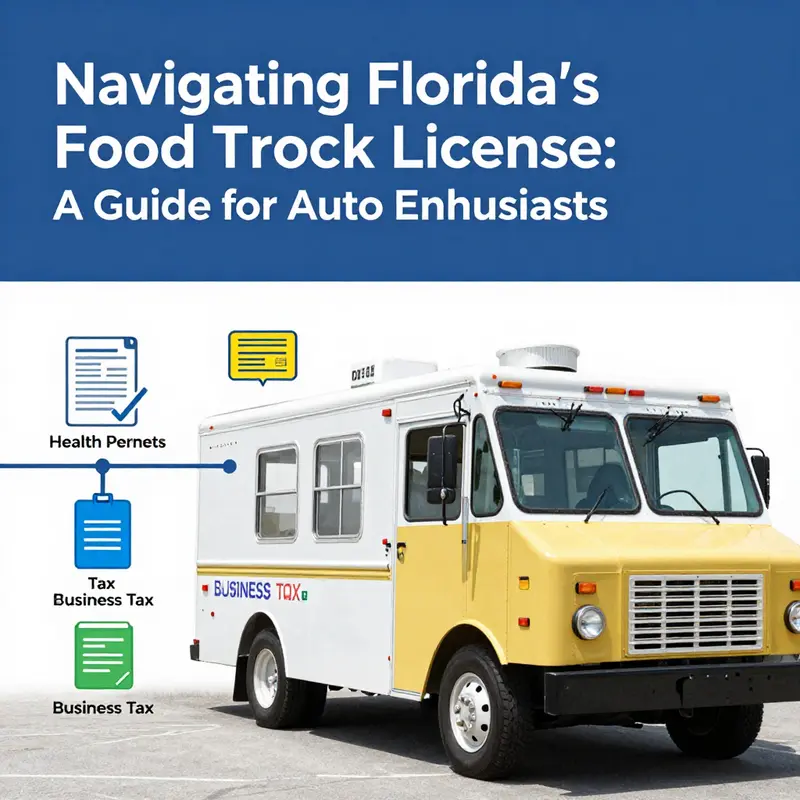
Launching a food truck in Florida is as much a legal expedition as it is a culinary adventure. The sizzle you hear on social media or at a bustling festival comes after you have mapped a route through a constellation of permits and regulations that stretch from the state level to the street corner where you plan to park each afternoon. There is no single universal license that unlocks every door; instead, success hinges on understanding how the pieces fit together, how they differ from one jurisdiction to the next, and how to synchronize them so your truck can legally roll, park, serve, and grow. The core of this journey begins with the choice of business structure and the serene, often repetitive, task of registering that entity with state authorities. In Florida, that step is usually handled through the Florida Department of State, where you decide whether your venture will be a sole proprietorship, a limited liability company, or another recognized form. This decision isn’t merely about liability or taxes; it determines how you file, how you are treated by other agencies, and what kind of EIN you will need for payroll and banking. Once your business entity is in place, the next essential milestone is obtaining an Employer Identification Number from the Internal Revenue Service. An EIN is a doorway to hiring employees, opening business accounts, and handling payroll with clarity. Even if you begin as a one-person operation, having the EIN keeps your options open and your finances properly separated, reducing risk and confusion as you scale. With the business formally recognized, the path to licensing pivots toward the state’s health and safety framework, where the principal stride is secured through a Food Service Establishment Permit issued by the Florida Department of Agriculture and Consumer Services. This is the primary credential that signals your mobile kitchen’s compliance with state-wide health and sanitation standards. The permit process is not a mere formality; it demands a thorough inspection of your truck’s design, equipment layout, cold storage capability, food preparation surfaces, sanitation protocols, and waste management plan. Inspectors assess whether your handwashing stations meet requirements, whether your fire safety equipment is accessible, whether the ventilation is adequate for the smells and steam of a busy kitchen, and whether your overall workflow minimizes cross-contamination risks. In short, the FDACS permit tests whether your mobile operation can serve food that is not only tasty but safe. The inspectors look for evidence of a robust sanitation program, from the cleanliness of the prep areas to the reliability of temperature monitoring and the correct separation of raw and cooked foods. They may scrutinize your equipment’s placement for easy cleaning and maintenance, the effectiveness of your food storage practices, and your ability to handle hot and cold foods without compromising safety. This stage of the journey is both technical and practical; it rewards diligence with a permit that acknowledges your commitment to public health and food safety. While the state-permit is pivotal, your license to operate is ultimately exercised within the local sphere, where you must secure a Local Business License, often called a business tax receipt, from the county or city where you plan to operate. Local licensing is where the flavor of place becomes real—each municipality has its own rules about zoning, parking, hours of operation, and special permits for certain venues, such as festivals, farmers markets, or pop-up events. The local application may also require you to register with the local health department for inspections related to food handling or to obtain a special event permit if you intend to participate in markets or private events. This is where the drift from state-wide standards to neighborhood-specific realities becomes evident. The local license process frequently intersects with zoning considerations, which can prove to be the most critical factor in whether your truck can legally park and operate on the streets you envision. Zoning is the quiet force behind every parking plan you will execute. It answers questions about which streets or blocks allow food trucks, what times you may operate, and whether your vehicle can park in proximity to certain facilities such as schools or hospitals, or within a particular distance from storefronts or residential areas. Each city and county has its own zoning board, its own set of maps, and its own procedural quirks. In practice, you may be asked to secure a Zoning Permit or to obtain a determination letter from the zoning office that your proposed footprint aligns with the community’s land-use plan. The importance of zoning can be hard to overstate, because even the most meticulously prepared FDACS application can meet a dead end if where you intend to operate is not zoned for mobile food service. The interplay between zoning and licenses is why many operators begin the process with a frank conversation with both the county clerk and the local planning department. It is also why, as you plan, you should budget time for property or lot approvals, parking restrictions, and potential negotiations with property owners if you intend to set up temporarily in private lots or venues. In many cases, the local government will require proof of mobile vendor insurance—general liability, and sometimes product liability—before you are granted a license to operate. The certificate of insurance serves as a practical reminder that your business exists in a community with risks, and it protects not only your operation but also the people and places you serve. Insurance requirements are not a mere courtesy; they are standard in most municipalities that host trucks, carts, and pop-ups, and they can influence your choice of parking locations or event participation. A vehicle inspection often accompanies licensing, ensuring that the mobile unit is mechanically sound and that safety systems—fire suppression, ventilation, and safe electrical connections—are intact and properly maintained. The inspection is not just about compliance; it is a posture that signals to customers and partners that you are serious about safety. It is also a practical reminder that the vehicle itself is part of the license to serve; a truck that fails to meet standards may not be allowed to operate until issues are corrected. Beyond these core elements, there are other layers that can shape your path. If you intend to serve alcohol from the truck, you will need additional permits that include an alcohol server training certificate and, where applicable, a liquor license. These permits introduce a separate set of rules about age verification, responsible service, and hours of sale, and they can also influence your events strategy and location choices. If your business model includes mobility for private events, fundraisers, or festivals, you may also encounter event-specific permits or temporary permits that enable you to operate in spaces outside your normal routes. The licensing mosaic—state permit, local license, zoning, insurance, vehicle safety, and optional alcohol or event permits—requires a careful, organized approach. The order is not always linear, and in practice many operators move back and forth between steps as new constraints or opportunities emerge. Some jurisdictions may require you to register with the local health department or to obtain a special event permit for occasional appearances at markets. Because local regulations can diverge sharply, it is essential to engage directly with the relevant county or city offices, and to document every interaction. The value of this diligence becomes clear when you consider how your business will adapt to growth. As you evolve from a single truck to a fleet or a multi-event strategy, your permits may need updates or renewals, and you may face new zoning or parking considerations in different municipalities. You may also discover that the footprint you planned requires adjustments to comply with fire codes or to accommodate a more robust sanitation system. When you reflect on how all these elements connect, a few practical principles emerge. First, treat the FDACS Food Service Establishment Permit as your baseline—your primary state authorization that confirms you meet health and safety expectations. Second, treat the local license as the day-to-day doorkeeper that determines whether you can operate in the places you want, at the times you want, and in the configurations your business model requires. Third, recognize that zoning is the backbone of your physical plan; without alignment with zoning rules, even a technically sound restaurant-on-wheels will be unable to park or operate legally. Finally, prepare for insurance, vehicle safety, and, if applicable, alcohol permits as complementary layers that protect your operation and expand your opportunities, especially at events where customers expect formalities around safety and service. For a richer sense of how licensing challenges intersect with broader business strategy, you may want to explore the landscape of legal considerations for Latino food-truck startups, which offers a useful perspective on how owners navigate regulatory complexity while building brands. See Legal considerations for Latino food-truck startups. This resource illuminates how licensing, compliance, and growth plans conspire to shape opportunities in diverse markets, and it provides practical context for aligning your operations with both policy constraints and creative aims. In this journey, your next steps involve solidifying your business structure and obtaining the federal taxpayer ID, then scheduling the state-level inspection that confirms your kitchen’s readiness to serve the public. After that comes the local licensing phase, where the zoning map, the parking plan, and the neighborhood’s expectations for operating hours and noise will frame your daily routine. The work is not glamorous, but it is essential, and its outcomes are evident in the steady rhythm of a truck that is legally, safely, and confidently part of the Florida food landscape. In the months ahead, you will likely adjust your plan again as you respond to feedback from inspectors, city planners, and merchants who share the same streets. Your success will reflect a disciplined approach to compliance, an eye for location strategy, and a readiness to adapt to the practical realities of mobile food service. The process remains exacting, but the payoff—permission to bring vibrant flavors to Florida’s communities—rests on your willingness to engage, to document, and to adhere to the standards that protect public health and safety. As you map the path, keep a running calendar of renewal dates, inspection windows, and event-specific requirements, so you never lose momentum in the months when permits are renewed or reissued. And remember, the landscape can shift with new local ordinances or updates to state procedures. The most resilient operators treat licensing as a living part of their business model, not as a one-time hurdle. To ensure your plan stays aligned with current rules, consult official guidance and stay connected with the agencies that oversee mobile food operations in your target counties and cities. For foundational guidance on the state level, the Florida Department of Agriculture and Consumer Services website serves as a central reference point, and it is the best starting place to verify permit specifics, inspection criteria, and renewal processes. Official guidance can be found at the FDACS portal: https://www.fdacs.gov. In the end, the licensing maze is navigable for those who approach it with clarity, patience, and a willingness to engage with local authorities. Your truck’s license to roll depends on a coherent sequence of approvals, a robust operational plan, and a deep appreciation for the safety, regulatory, and community standards that define mobile food service. The more you invest in upfront compliance, the more you enable your business to pivot quickly, open new locations, and meet the diverse tastes of Florida’s diners without unnecessary interruptions. As you finalize arrangements, you’ll be prepared to pursue expansion with confidence, knowing that your licensing foundation is solid and capable of supporting growth across cities and counties. For official guidance, refer to the state resources and, when needed, reach out to the relevant county or city offices to confirm any updated requirements before filing applications or scheduling inspections. External reference: https://www.fdacs.gov
Zoning as Gatekeeper: How Local Rules Shape Florida’s Food Truck Licensing Journey
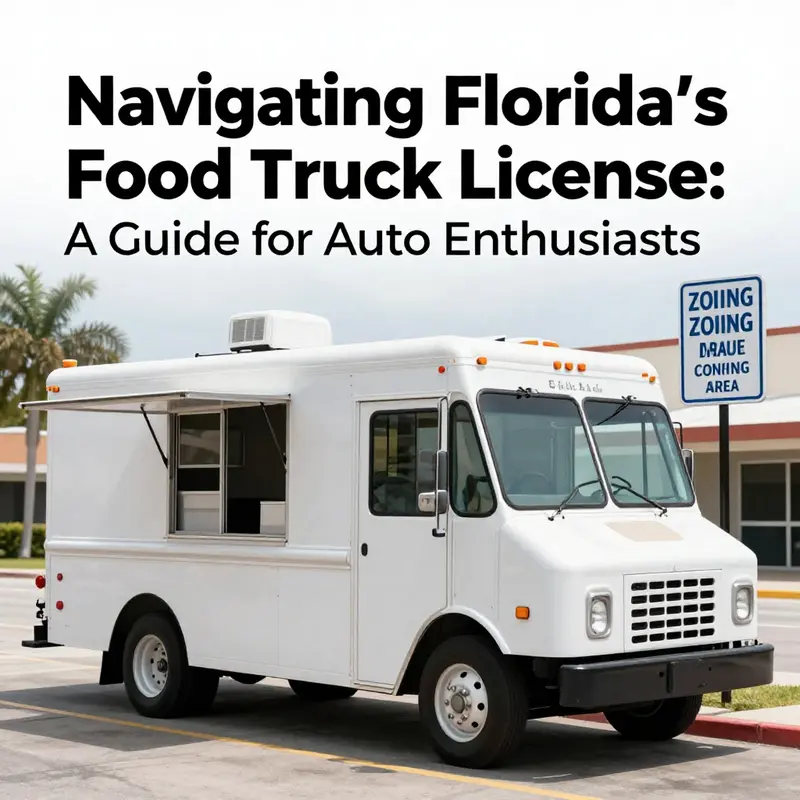
In the midst of Florida’s sunny appeal and bustling street life, the path to operating a food truck cuts through a quiet набор of rules that live at the local level. Even as you assemble the state-level permits and registrations, your ultimate ability to roll onto the street depends on the zoning landscape where you intend to park, cook, and serve. Local zoning isn’t a mere formality; it is the gatekeeper that determines where your wheels may legally turn, what times you may operate, and how your truck must relate to nearby businesses, schools, and homes. This is not merely bureaucratic red tape. It is a lived framework designed to manage traffic, noise, safety, and the social fabric of neighborhoods. Understanding it early can save both time and money and can help prevent the moment you think you are license-ready from being stopped cold by a zoning office that sees you as a misfit in an established grid of permissions.
The relationship between state and local requirements unfolds like a careful dance. At the core, you will obtain a state health and safety footprint for your food preparation and sale, while the city or county where you plan to operate will determine if your truck can legally stand still for a moment, serve customers, and dispatch its waste without creating conflict. The Florida Department of Health’s Food Service Establishment Permit is a cornerstone of the health compliance puzzle. It confirms that the preparation, storage, and handling of food meet health and safety standards. Yet, even with that permit secured, your operation can still be halted or deemed noncompliant if the location itself is not zoned for a mobile food operation. The state’s lack of a single, uniform “food truck permit” means that local jurisdictions wield substantial influence over where you can legally park and operate. Some counties and cities have established clear mobile-vendor zones; others require a case-by-case assessment or a variance process.
To begin, the most important step is often the one that sounds least glamorous: contact the planning or zoning department of the city or county where you intend to do business. A conversation with a planner can illuminate whether your concept fits within the current zoning categories or if you will need to pursue a zoning variance or special permit. The response you receive lays the foundation for your entire timeline. You may be told to seek a designated mobile food vendor zone, to locate near certain commercial districts, or to avoid specific proximities to brick-and-mortar restaurants, schools, or residential areas. The specifics can vary widely from one jurisdiction to the next, and that is precisely why early, direct engagement matters.
Consider the practical shape of a typical local code. In many Florida jurisdictions, the intent is to prevent a flood of mobile carts from crowding a particular street or encroaching on the business model of established restaurants. The rules may require you to operate within a defined geographic area, often a zone noted for commerce and foot traffic. They may also impose a distance requirement from permanent eateries or from sensitive institutions such as schools. The logic is straightforward, even if the details feel labyrinthine: manage the cumulative impact of mobile vendors on traffic flow, parking, and neighborhood character, while preserving fair access for brick-and-mortar establishments and ensuring safety for all diners and pedestrians.
In Miami-Dade County, the local framework has tended to emphasize registration with the Department of Community Health and adherence to specific location guidelines, including maintaining a minimum distance from brick-and-mortar eateries. While this example is county-specific, the pattern it illustrates—health registration paired with strict location rules—appears in many Florida jurisdictions. The aim is consistency with health standards while preserving orderly commercial environments. In Orlando, by contrast, the zoning code often outlines designated zones for mobile food vendors, with the possibility of an additional permit layered on top of the state license. These zones are not always universal across the region; instead, they reflect local planning judgments about pedestrian flow, business vitality, and neighborhood compatibility. The implication for you as an applicant is clear: you may not simply assume that a state license suffices. You must confirm that your intended operating location is authorized under local zoning, and you may even need to apply for a zoning variance if your preferred site sits outside existing mobile-vendor zones.
The path to compliance is seldom a straight line, but a well-made map exists in the official zoning ordinances published by each jurisdiction. The most reliable route is to review the exact language of the local ordinance—often accessible online—then align your business plan with the stated requirements. You will search for sections that address “mobile food vendors,” “food carts,” or “portable food units,” and you will look for terms such as permitted uses, special exceptions, and location limitations. If a particular site appears to be in a gray area, you can request guidance from the zoning office or pursue a variance. The variance process, while sometimes lengthy, offers a formal mechanism to seek approval for operating in a location that the standard zoning classification would not normally allow. The key is to approach this with a clear case: show how your operation will not create undue traffic, noise, or health and safety risks and how it will contribute to local commerce without disrupting existing businesses.
This is not merely a compliance exercise; it is a decision about where your food truck will become part of a community’s ordinary rhythm. A successful zoning outcome often depends on a thoughtful combination of site selection, operating hours, vehicle design, and a demonstration of responsible practices. You may be asked to present parking arrangements that minimize disruption to the street, waste management plans that prevent grease spills, and a layout that ensures safe ingress and egress for customers and pedestrians. In practice, you will need to show that your vehicle can be parked on a legally approved site during the hours you propose to operate, that you have adequate facilities for waste disposal, and that your equipment, including cold storage and cooking appliances, meets applicable standards as verified by the health department.
Why does this level of detail matter? Because a zoning denial can derail your entire licensing effort by making the site unavailable, even if you have a clean health inspection and a solid business structure. Conversely, a well-documented zoning approval can accelerate the journey, signaling to the health department and the local tax authority that your business is prepared to operate within the community. It is the palpable difference between a truck that could theoretically hit the road and one that is legally empowered to do so in a given city or county.
From an operational perspective, this emphasis on zoning affects more than where you park. It can shape your business model in ways you might find surprising. For example, some jurisdictions require that mobile vendors partner with approved commissaries or commercial kitchens for sanitation and food handling. Others may specify how you manage your waste, where you drain wastewater, or how you dispose of used oil. These requirements are not tangential details; they are intertwined with location rules and health standards. Your plan should reflect a cohesive approach that respects the local environment as much as the health code. If you intend to operate in multiple jurisdictions, you will face a mosaic of zoning requirements across counties and cities. The more you understand about each locale, the better you can calibrate your site choices and permit strategies to match the local framework rather than fighting an uphill battle against it.
A practical way to approach this is to map your intended operation area to the local zoning map, note the zones that permit mobile vendors, and identify any overlay districts that might impose additional constraints. In some locales, operators cluster in certain corridors because those areas have been zoned for mixed-use development or pedestrian-friendly activity, which in turn supports a thriving street-food culture. In others, you may discover that the most attractive sites are miles away from population centers or adjacent to protected residential zones. Neither outcome is inherently negative, but both require a clear plan and, often, a willingness to adjust location strategies to the zoning reality rather than to hope for a universal rule that applies everywhere.
As you proceed, keep in mind the dynamic nature of local codes. Zoning regulations can change in response to evolving urban design goals, traffic studies, or community feedback. Regular review of your jurisdiction’s planning or zoning pages is warranted, especially if you anticipate growth into additional neighborhoods or counties. A small shift in a rule regarding hours of operation, minimum distances from restaurants, or the need for an auxiliary permit can alter feasibility. In practice, this means building an ongoing compliance routine into your business operations, with periodic check-ins on zoning statuses, permit renewals, and any proposed changes to your routes or service areas.
To connect this process to the broader licensing journey, remember that the Florida Department of Health’s guidance sits alongside the local zoning framework. The state health permit confirms that you meet food safety standards, while the local zoning determination confirms where and when you may physically operate. The relationship between these layers is not hierarchical but complementary. You can have all the state approvals in place and still be unable to operate in your chosen location if it fails local zoning tests. Conversely, a favorable zoning outcome can shine a light on your readiness to comply with health and business tax requirements, creating a smoother overall pathway to opening day.
In practice, the rhythm of getting licensed becomes a narrative you live through with your local officials. You present your business plan, site plan, and proof of risk management—insurance coverage, vehicle inspections, waste disposal arrangements—and you listen as the zoning audience asks questions about parking siting, hours, and noise management. The more transparent and proactive you are, the more likely you are to secure a harmonious relationship with the community you seek to serve. And this is where the guidance you gather from the field matters most. If you are navigating a field of unfamiliar terms or procedures, it can be helpful to consult resources that address the broader landscape of legal and regulatory considerations for Latino food truck startups and similar ventures. For practical considerations on this topic, see Legal considerations for Latino food truck startups.
Legal considerations for Latino food truck startups
Beyond the immediate questions of where you can park and serve, you will likely encounter additional requirements that flow from local planning mandates. Some jurisdictions require you to establish a mobile vendor registration or to obtain a separate location permit that aligns with a particular zoning district. Others may require you to demonstrate cooperation with adjacent property owners or to secure consent from property managers when operating within a shared lot or within a defined right-of-way. These nuanced requirements reinforce a broader principle: your operation must be compatible with the particular landscape of traffic, pedestrian activity, and neighborhood character where you choose to operate. In this sense, zoning becomes not a hurdle to overcome but a framework that helps you integrate your business into the fabric of the community rather than stand outside of it.
As you plan your launch, you should also consider the practicalities that accompany zoning compliance. Insurance is one such element. Many cities require proof of liability insurance for mobile vendors. Your insurance strategy should include coverage that specifically addresses food trucks, including general liability, product liability, and potentially vehicle coverage that remains valid when the truck is in motion and when it is stationary at an approved site. A vehicle inspection is another common layer; your truck must be roadworthy and safe for operation, including proper fire suppression equipment, ventilation, and food-safety-compliant equipment. While these requirements are separate from zoning, they reinforce the idea that readiness spans multiple domains. The better you prepare in advance—by assembling a complete package of state health permits, local zoning confirmations, and supporting safety documentation—the more seamless your path to opening day will be.
For the diligent applicant, the timeline can unfold like a well-synchronized plan: identify a preferred operating area, consult the zoning office, determine whether your site requires a variance, submit a zoning application alongside your business plan, and then proceed with the health-permit process once zoning is approved. If you encounter a zoning limitation or a denial, you will still have options—such as selecting a different site that fits within an approved zone, negotiating a variance with a compelling justification, or adjusting hours to align with permitted operating periods. The key is to maintain a flexible but principled approach that respects both the local community and the health and safety standards that protect the consuming public.
In the end, the journey to a Florida food truck license is a composite of layers working in concert. The local zoning framework does not operate in a vacuum. It is shaped by the city’s or county’s long-term planning goals, neighborhood character, and shared expectations about how street food fits into daily life. When you navigate these layers with care, you are not merely ticking boxes; you are building a business that can endure in a competitive environment while contributing positively to the community’s vitality. Your success hinges on your ability to research thoroughly, communicate clearly with zoning officials, and align your operational model with the jurisdiction’s requirements from the outset. And as you refine your plan, keep your eyes open for evolving guidance from official sources, recognizing that local codes evolve as cities grow and neighborhoods change.
To close this chapter of the licensing journey, remember that the local zoning piece is not a barrier to be conquered but a foundation to be understood. With a well-researched site, the proper permits, and a strategy that demonstrates respect for neighborhood concerns, you can turn the zoning gate into a doorway that leads to the vibrant street-food culture you envision. The process may require patience and careful documentation, but the payoff is a legally sound operation that can thrive where you choose to serve. You will have a clearer sense of where you can park, when you can serve, and how your food truck will fit into the daily life of the community—a fit that is essential for sustainable success in Florida’s dynamic and diverse culinary landscape.
External resource: https://www.miamidade.gov/health/food-truck-permit.aspx
null
null
Final thoughts
In conclusion, obtaining a food truck license in Florida requires a careful navigation of various steps, including understanding your business structure, securing essential permits, complying with local zoning, and addressing additional requirements. As a car enthusiast, this is not just about serving delicious food but also about leveraging your skills and passion for vehicles in an exciting entrepreneurial journey. With this comprehensive guide, you’re better prepared to embark on your food truck venture and make a mark in Florida’s culinary landscape.