
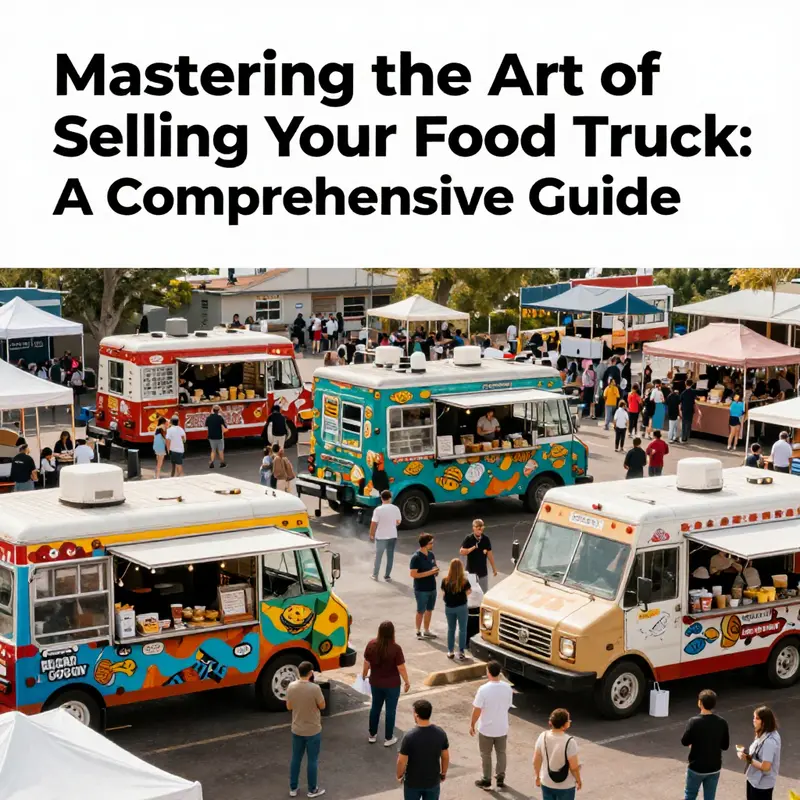
Selling a food truck can be an exhilarating venture, especially for hobbyist car modifiers, professional tuners, and classic car enthusiasts eager to dive into something unique. The fusion of culinary creativity and automotive craftsmanship creates a compelling narrative rich with potential. In a competitive market, every detail counts—from pristine presentation and just pricing to effective marketing channels. This guide walks you through essential steps in preparing the vehicle, determining an appealing price, choosing the right platforms for selling, and marketing your food truck to reach the right audience effectively. Together, each chapter will arm you with the knowledge needed to not just sell, but to maximize the value of your mobile culinary dream.
Shining the Kitchen on the Market: The Essential Prep to Sell Your Food Truck
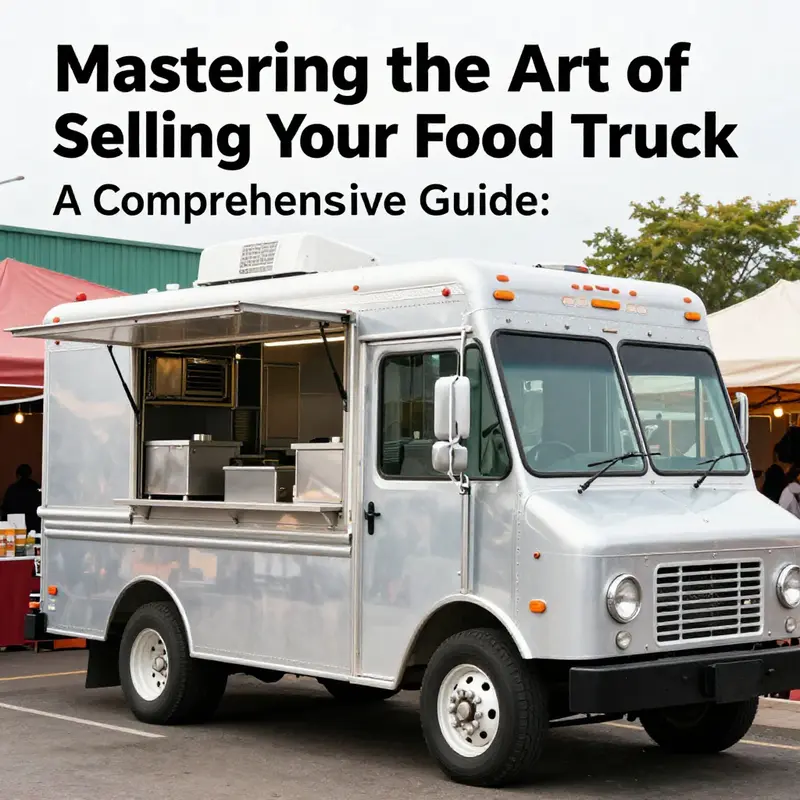
Selling a food truck isn’t just about finding a buyer; it’s about presenting a turnkey opportunity that makes sense financially, operationally, and emotionally to someone who wants to step into a ready-made mobile kitchen. The market rewards those who treat the sale as a process, not a moment. When a truck is clearly cared for, well documented, and positioned as a low-risk, high-reward investment, buyers don’t merely bid — they envision themselves operating from day one. This chapter moves through the meticulous prep that elevates a truck from a used asset to a compelling, sale-ready business. By layering mechanical reliability, transparent paperwork, professional presentation, and credible performance indicators, you set a price that reflects true value and invite a stream of interested buyers who can see themselves in the cab, behind the grill, and managing orders with confidence.
The first impression of a food truck in the market is overwhelmingly practical: is it safe, compliant, and dependable? A buyer doesn’t just buy the kitchen on wheels; they buy the predictability of revenue and the ease of transition. With that in mind, begin with a rigorous, end-to-end evaluation of the vehicle and all the equipment that makes the operation cook. Schedule a thorough mechanical check with a certified technician who understands commercial kitchens and the rigors of mobile service. The goal is not perfection for its own sake, but a clean bill of health that reassures buyers the truck will perform on day one. Engine, brakes, tires, suspension, electrical systems — these are the backbone of a sale, and any latent issue can derail negotiations or draw down offers. Addressing problems before listing isn’t just about avoiding a difficult negotiation; it’s about signaling professional stewardship. Even small items matter. A stubborn refrigerant leak, a stubborn electrical fault, or a dent that suggests a rough past can erode perceived value. A confident seller says, through presence and care, that this truck has seen inspections, not guesswork.
Equally important is the interior and exterior condition. The shell and the kitchen are theatre for the buyer’s imagination. A thorough exterior wash and a conscientious paint touch-up can take years off the “mileage” look of a vehicle. Inside, there should be no stray personal items, only a clean canvas that shows the potential for the buyer’s branding. Surfaces should be spotless, cabinetry aligned, and cooking equipment free of rust, grime, or unusual wear. If any surfaces show fading or corrosion, honest assessment and timely, professional refinishing can preserve value. Buyers often assess operational readiness by the feel of the space: does the work surface reflect a cleanroom standard, is the workflow intuitive, and are the storage zones easy to use? A well-kept truck speaks a universal language: that the business behind it has been managed with discipline.
Compliance is a subject that can’t be glossed over. Mobile food operations are subject to safety and emissions standards, and a truck that isn’t up to date with local health permits, licenses, and registrations sends a red flag. Before listing, confirm that registrations and insurance align with current requirements. If permits or licenses have lapsed, renew them or clearly document the status and the steps needed for the new owner to carry them over. A clean compliance picture reduces friction in the sale and provides a smoother transition for the buyer who will assume responsibility for ongoing regulatory obligations. Buyers often expect a transparent, easy handoff, so having a neat, orderly bundle of documentation is just as valuable as a clean engine.
That bundle is the second cornerstone: a precise, well-organized documentation package. Create an up-to-date inventory of every installed piece of equipment, from grills and fryers to refrigeration units, sinks, ovens, compact power solutions, and the point-of-sale (POS) system. For each item, record model numbers, serial numbers, and the most recent service dates. Attach maintenance receipts where possible. These receipts offer a tangible history of capital expenditure and show ongoing care. Proof of ownership for major components is a powerful trust builder; it reassures a buyer that what’s included in the sale is exactly what’s described and priced. Think of the documentation as a map of the truck’s life, a trail of investments that the new owner will inherit. The better the map, the more confident the buyer feels about the path ahead.
Documentation extends beyond the equipment. The business side — licenses, permits, tax filings, and insurance policies — should be gathered and organized with the same care as the mechanical records. If you’ve operated under a brand, including branding assets like logos or trademarks can further reassure buyers of a turnkey opportunity. A well-curated folder that contains the food service license, mobile vendor permit, health department certification, business license copies, and the last few tax returns is more than paperwork; it’s a signal that the business is livable, auditable, and easy to continue. In some cases, sellers discover that offering a transition plan or supplier agreements as part of the package can sweeten the deal. A buyer who sees consistent supplier terms and predictable pricing gains a huge amount of comfort about the operational economics after purchase.
Brand presentation matters as much as the truck’s physical condition. Rehearse a professional display of your menu and branding, not just as marketing collateral but as a proof of concept for the buyer. Print high-quality menu boards or set up digital displays that showcase signature dishes and the “why” behind your concept. Use visuals to communicate the dining experience you’ve created. Highlight your unique selling points, whether it’s locally sourced ingredients, gluten-free options, or a distinctive flavor profile that resonates with a particular audience. The goal is to shift the buyer’s focus from “this is a used truck” to “this is a proven, clearly defined business” with a culture and story they can continue or expand. Update social media to reflect the sale status with a concise, professional message. The branding should be consistent across the truck, photos, and listings; dissonance here chips away at credibility and can slow interest.
A powerful sale rests on credible, measurable performance indicators. Compile sales data from the past six to twelve months if you have it, and present it with clarity. A buyer wants to know that the truck didn’t merely survive during peak seasons; it performed. If you’ve run a loyalty program, point to participation rates and repeat business. Customer feedback, positive reviews, event bookings, and recurring commitments all contribute to a narrative of demand and consistency. You don’t need a long resume; you need enough proof to answer a core question: can this business generate reliable cash flow under new ownership? Prepare to speak to daily operations, staffing requirements, and supply chain logistics. Buyers will probe for cost of goods sold, labor hours, shrink, and maintenance projections. If you can offer a transparent snapshot that aligns with a clean business model, you become far more attractive as a sale prospect.
Then comes the visual story: professional photos and a video tour. High-resolution imagery should capture the truck from multiple angles, the kitchen layout, and focal points such as the installed equipment and the workflow in action. A short video tour that demonstrates the path a customer would travel from order to pickup reinforces the operational narrative. It’s not vanity; it’s evidence of a smooth, scalable operation. Visuals are the language of online marketplaces, social posts, and listing descriptions. When buyers can see the flow and the space, they can imagine themselves succeeding within it. To maximize impact, prepare visuals that are easy to incorporate into listings on general marketplaces and niche platforms alike. If possible, omit any personal items and stage the space to feel ready for a new concept to step in.
Pricing, of course, is both art and science. Begin with market research to identify comparable trucks in your region by age, mileage, condition, equipment quality, and branding history. Price competitively, but leave room for informed negotiation. A strong seller knows their minimum acceptable offer and communicates it clearly, while also signaling openness to reasonable, data-driven offers. The most effective approach is to present both the hard numbers and the qualitative advantages of your truck. A buyer is balancing a price against risk: a well-documented truck with a predictable maintenance schedule and a clear revenue history reduces risk and justifies a premium. Conversely, a truck with gaps in the maintenance record or uncertain compliance raises red flags and pushes buyers toward lower offers or more cautious terms. The key is transparency about the condition, the history, and the expectations for the next owner. You’ll often find that a disciplined, well-documented price negotiation is not a tug of war but a shared assessment of value, which accelerates the sale and leads to a fair outcome for both sides.
Preparing for due diligence is the final strategic layer. Buyers will want to verify repairs, maintenance costs, supplier relationships, and permitting details. Be ready to answer questions about past repairs, recurring costs, and any potential liabilities that could affect ongoing operating expenses. Where possible, offer buyers the opportunity to schedule a test drive or inspection of the truck’s systems. A willingness to accommodate these checks signals confidence and reduces the friction that often stalls deals. It also helps to provide a transition plan: how you will assist the new owner during handoff, which suppliers you plan to introduce, and what training you can offer to ensure continuity. A thorough, honest due diligence experience doesn’t just minimize risk; it builds trust and can elevate the buyer’s enthusiasm to close.
As you assemble these elements, think of the sale as a coherent narrative rather than a catalog of features. Each component — the mechanical health, the clean inventory, the licenses, the branding, the documented performance, and the visual storytelling — contributes to a single impression: this is a business with momentum, ready to be handed over with confidence. When the narrative is complete, the listing becomes less about a truck on the market and more about a practical, profitable venture that someone else can step into with minimal friction. That is what converts curious browsers into serious buyers and, ultimately, a successful close.
A final note on integration and continuity. The sale of a food truck is as much about relationships as it is about assets. To reinforce continuity, consider sharing a short, practical handoff outline with prospective buyers. This might include preferred service providers for ongoing maintenance, key supplier contacts, and a suggested schedule for ramping up menu experiments under the new ownership. In this way, you extend the value you’ve built beyond the moment of sale and demonstrate a thoughtful, responsible exit that preserves the brand and the operation’s goodwill. If you’d like to explore related perspectives on how to position your mobile kitchen within a broader entrepreneurial journey, you can consult additional insights at latinosfoodtrucks.net/blog-2/.
External resource: For real-world examples and listings of food trucks for sale, you can explore this platform: https://www.foodtruckforsale.com
Pricing with Purpose: How to Determine a Competitive, Profitable Price for Your Food Truck
Selling a food truck is as much about positioning as it is about the physical asset. The truck itself carries value—comprising equipment, branding, operational history, and market presence—but setting the right price involves a careful blend of cost analysis, market research, and strategic narrative. This chapter explores how to appraise tangible assets, such as the chassis, kitchen equipment, and other integral components, alongside intangible business factors like brand reputation and customer loyalty.
Begin by documenting all tangible assets: the engine type, age and condition of key systems (like refrigeration, plumbing, and ventilation), and any improvements or customizations that enhance the truck’s functionality. A detailed inventory supported by maintenance records and repair histories not only substantiates a base valuation but also reassures buyers about the reliability of the unit.
Next, consider the truck’s intangible qualities. A well-established brand, proven supplier relationships, and a loyal customer base can justify a premium over mere asset replacement costs. When you combine this narrative with market data—such as a review of comparable listings and local market conditions—a more dynamic pricing model emerges. This strategy allows for adjustments based on geographic location, event frequency in the area, and shifts in buyer demand.
It is also important to factor in depreciation and potential upgrade needs. Assess replacement costs carefully and add a margin that reflects not only the quality of your truck but also the convenience it offers to a new owner. Whether you aim for a swift sale with competitive pricing or a higher asking price supported by robust documentation and a strong brand story, transparency in your pricing strategy is key.
Finally, integrate market research into your price setting. Identify current market trends, compare listings of similar trucks, and consider economic factors like fuel costs or permit availability. This comprehensive approach—combining asset evaluation, narrative value, and market realities—ensures that the final price resonates with prospective buyers and stands firm against competitive offers.
By embracing both the analytical and storytelling elements of pricing, sellers can position their food truck as not just a mobile kitchen, but a turnkey business opportunity poised for success. This balanced strategy not only accelerates the sale but also builds buyer confidence through clear, compelling evidence of value.
Navigating the Sales Landscape: Mastering the Channels to Sell Your Food Truck
Selling your food truck is not simply about finding any buyer—it’s about connecting with the right audience through the most effective channels. In this chapter, the focus is on navigating the dynamic landscape of sales channels to ensure that your food truck reaches its optimal market. As you prepare to sell your food truck, you must understand that every channel has its own set of strengths, and integrating these channels in a smart, flexible way can be the decisive factor in achieving a successful sale.
One of the most important first steps in choosing the best sales channels is to understand your target market. Whether your truck caters to upscale gourmet food or serves quick, comforting meals, identifying who your potential buyers are helps you align your choice of channels with the habits, expectations, and lifestyles of your audience. Conduct thorough research into the demographics, interests, and purchasing behaviors of those likely to be interested. Ask yourself: Who is most likely to be drawn to the charm of a well-maintained mobile kitchen? Are these buyers primarily food truck enthusiasts, restaurateurs looking to expand their portfolio, or independent entrepreneurs wishing to venture into mobile dining? In all cases, a clear picture of the target market is essential. Market segmentation is critical. A food truck that has earned a reputation for vibrant and innovative cuisine might be best promoted in urban centers like those found in major cities with vibrant food truck cultures, where there is a steady flow of potential customers.
Once you have a strong grasp on your target market, your next step is honing in on the ideal mix of sales channels. The landscape is not limited to digital media, though online channels have grown increasingly important. It is equally important to consider physical locations and traditional word-of-mouth strategies. Traditionally, food trucks have thrived in high-traffic urban areas where business districts, colleges, recreational parks, and transit hubs ensure a constant stream of potential customers. Such locations generate the necessary foot traffic that complements any digital marketing efforts. While physical location drives immediate, local engagement, digital channels have the power to expand your reach far beyond local neighborhoods.
The digital realm offers a host of opportunities. Social media platforms such as Instagram, TikTok, and Facebook enable you to share vivid imagery and real-time updates about your truck. Through high-quality photographs showing every angle of your truck—from its gleaming exterior to the careful arrangement of its interior equipment—you provide potential buyers with a genuine sense of the care that has gone into maintaining the vehicle. Beyond visuals, a detailed description that touches upon specifications, maintenance records, and historical context fosters trust and honesty; this narrative captures the spirit behind the business and underscores the value of your investment.
Leveraging online marketplaces is often the most effective strategy. Platforms like Alibaba have successfully connected vendors and buyers across industries, and similar sites are pivotal in the food truck market. When listing your food truck on these platforms, clarity is paramount. Ensure that your advertisement is comprehensive, mentioning every detail from the brand and condition of the truck to the state of its equipment and any recent improvements. In many cases, including external documentation such as maintenance records, licenses, and permits not only validates the truck’s condition but builds a reassuring narrative that the buyer is only investing in a well-kept asset. If your truck has a strong local presence, consider sharing your listing on regional sales platforms or using localised hashtags to maximize visibility.
Furthermore, integrating digital tools such as online ordering systems, GPS-based location trackers, and search engine optimisation (SEO) can turn your listing into an ever-evolving marketing tool. The intersection of real-time tracking and scheduled social media posts can create a dynamic customer interface in which potential buyers see the truck’s location updates and special promotions simultaneously. In addition, by combining digital analytics and feedback from past seller experiences, you can continuously adjust your marketing strategy. This ensures that you are not only reaching a broader audience but also appealing directly to those most likely to make a purchase.
An often overlooked yet critical aspect of utilizing sales channels is the personal touch provided by direct-to-customer interactions. Building an active, accessible presence where customers can sign up for newsletters, SMS updates, or loyalty programs adds an indispensable layer of engagement. This kind of personal connection can turn casual interest into serious intent, making prospective buyers more comfortable with your offer. Regular communications that highlight special offers, unique selling points, or even a behind-the-scenes look at your truck create a sense of exclusivity and urgency. These personalized channels help mitigate dependency on third-party platforms and ensure that your audience has multiple touchpoints for engagement.
In addition to digital media, partnerships with local events and markets can play a crucial role in a successful sales strategy. Participating in local food festivals, food truck rallies, and community events not only expands your audience but also allows for direct interactions where the quality and reliability of your truck can speak for itself. It is common for food truck buyers to be drawn to trucks that are already making a mark in community events, as such engagement demonstrates both reliability and popularity. These events serve as a real-world validation of your truck’s value and potential, making them excellent venues to network with fellow vendors and potential buyers.
Moreover, the concept of a hybrid sales model emerges as a strategic advantage in a fluctuating market. A hybrid approach that combines the tangible benefits of physical presence with the expansive reach of online platforms can offer protection against unpredictable variables such as weather, local closures, or unexpected dips in foot traffic. For instance, while operating in a high-traffic area may naturally lead to more spontaneous sales, having a robust online presence ensures that even those who do not physically encounter your truck can engage with your sales proposition. If your food truck is known for periodically switching its location to capture different demographic segments, ensuring that online followers are aware of these shifts becomes crucial. This constant engagement across channels creates resilience in your sales strategy, making your truck appealing regardless of external circumstances.
As you integrate multiple channels, consistency in messaging and presentation becomes a key success factor. Inconsistent information on different platforms can lead to confusion, mistrust, and ultimately, lost opportunities. This underscores the necessity of a well-planned and uniformly executed marketing strategy. For instance, if a detailed breakdown of the truck’s features is available on your primary listing, that same narrative should be echoed on your social media profiles and any physical signage you display at events. Consistency reinforces brand identity and establishes a coherent image, making it easier for potential buyers to verify and trust your listing. The goal is to create a seamless experience where every channel not only complements the others but also strengthens the overall story of your food truck’s value proposition.
Notably, many successful food truck sellers have found that networking within industry circles provides unexpected pathways to success. These networks are often formed through community events, industry forums, and social media groups focused on mobile dining. Through such interactions, you may gain crucial insights into buyer behavior, understand the subtleties of valuation, and even receive tips on which channels yield the best returns. It is not uncommon for those planning to sell their trucks to exchange contact details with buyers or to be introduced to potential dealers through these networks. Essentially, every interaction and every shared story contributes to a richer marketplace, one where every sales channel is both a standalone avenue and part of a broader, interconnected ecosystem.
It is important to underpin all of these strategies with a data-driven approach. Measuring the performance of each channel allows you to see what works and what might need more focus. Simple metrics such as daily sales volume, the rate of inquiries, conversion efficiency, and the cost per acquisition enable you to fine-tune your strategy continually. Even if your initial plan relies heavily on digital channels, regularly reviewing performance data may reveal that physical sales events or community ties are yielding better results than expected. Flexibility driven by data can mean the difference between a swift, successful sale and prolonged market exposure that may ultimately lower the desirability of your truck.
As you prepare all of these elements, the importance of professional preparation cannot be overstated. Ensuring that your truck is in immaculate condition, that all maintenance records and official documents are at hand, and that there is a polished, engaging online narrative to accompany any listing builds trust with potential buyers. The story that you tell should be one of reliability, innovation, and a commitment to quality. Every detail, from the cleanliness of the truck to the consistency of the messaging across channels, sends an implicit signal to buyers about the care and attention that has been invested in the business.
The digital transition of traditional food truck sales has arguably brought about a paradigm shift. Where once the local community and word-of-mouth were the sole drivers of customer engagement, today the incorporation of sophisticated online platforms and real-time digital marketing strategies has created unprecedented opportunities. The ability to tweak your strategy based on real-time data and customer feedback allows for a dynamic sales approach that is responsive rather than static. This evolution requires that sellers are both technologically savvy and adept at blending traditional sales tactics with modern digital methods. For those who can master this balance, the payoff is a remarkably wider field of potential buyers and a more efficient sales process.
Moreover, the hybrid approach is not solely about using multiple channels—it is a mindset of diversification. By not putting all your eggs in one basket, you protect the overall value of your truck from market fluctuations. For instance, if an unforeseen event causes a dip in physical foot traffic, your digital channels continue to operate unaffected, ensuring ongoing visibility and engagement. In practice, a seller might find that although the majority of inquiries initially come from online listings, a significant portion of successful deals are closed after personal interaction at a local event. Each channel has its own role, and they work best when they are not isolated but interconnected. This comprehensive approach reflects the complex, ever-changing nature of modern marketplaces, where adaptability is the ultimate competitive advantage.
Creating a personalized sales narrative is equally important. Beyond just listing the specifications and performance metrics of your truck, weaving in a story that resonates with potential buyers can make all the difference. Buyers are not just investing in a vehicle; they are buying into the legacy and growth potential of a proven model. Documenting your journey, the challenges you overcame, and the milestones along the way humanizes the transaction and builds an emotional connection with the buyer. A story told authentically can elevate the perceived value of the truck and differentiate it from other listings that may appear purely transactional.
To further illustrate the power of diversified sales channels, consider the transformation that many food truck owners have experienced after embracing both online and offline methods. One seasoned seller recounted how a simple social media post about an upcoming local event garnered not only a wave of interest but also several direct inquiries that had bypassed traditional listing sites entirely. This anecdote underscores the point that when a well-crafted narrative meets the right channel, the impact is amplified. In today’s competitive sales environment, such flexibility and willingness to accelerate your marketing efforts can lead to better pricing and a quicker sale.
It is also worthwhile to remember that sales channels are not static. Trends evolve, consumer behaviors shift, and new digital platforms emerge. In this light, staying updated with the latest market insights and technological innovations is a continuous process. Engaging with industry publications, attending seminars, or even following thought leaders on social media can provide the necessary pulse checks. In fact, staying informed about trends can offer surprising opportunities to capitalize on unforeseen channels. For example, a surge in mobile app usage for food ordering might steer you to invest more resources in developing a dedicated app or partnering with an emerging food delivery service. The willingness to adapt and invest in new channels as they appear can set your truck apart from others that rely solely on traditional methods.
Beyond the tactical aspects of channel selection, there is also a significant strategic element tied to maintaining a direct relationship with customers. A loyal customer base not only supports the ongoing operation of the truck but also bolsters its market value when it comes time to sell. By fostering a network of repeat customers through loyalty programs, regular newsletters, and timely updates, you create an audience that is invested in your success. This network, once recognized by potential buyers, becomes a strong indicator of the truck’s future revenue potential and stability. This type of customer relationship management, tied seamlessly into your overall sales strategy, underscores the importance of integrating direct consumer engagement into a broader, multichannel approach.
By weaving together these varied yet interconnected strategies, you create a sales blueprint that is robust, flexible, and adaptive. In practice, the successful seller is one who recognizes the intrinsic value of both online and offline engagements, who appreciates the importance of a detailed, consistent narrative, and who is unafraid to explore hybrid models that combine the best of both worlds. The strategic combination of high-traffic locations, digital tools, direct communication, and event-based partnerships is what transforms a simple sales listing into a compelling value proposition. It is this integrated approach that will ultimately help you achieve a sale that is not only swift and profitable but also reflective of the immense care and quality you have invested in your food truck.
For those looking to delve further into the spaces where successful food truck strategies are built upon urban trends and local cultures, consider exploring insights on market dynamics in major cities. Information on these rich urban landscapes can be found in resources that detail the pulse of the industry, offering guidance and inspiration as you shape your own sales path. Additionally, the robust business models illuminated in Shopify insights on diversified sales channels provide up-to-date market research and case studies that further validate the benefits of a multichannel approach. You can find a detailed external perspective on these practices at Shopify insights on diversified sales channels.
In summary, choosing the right sales channels for your food truck sale requires a balanced, comprehensive strategy that is both data-driven and customer-focused. Thorough research into your target market, along with the integration of both digital platforms and traditional physical venues, lays a firm foundation for successfully reaching potential buyers. The ultimate key lies in maintaining a consistent, authentic narrative across all channels, ensuring that every interaction—whether through a social media update, a local event, or a direct customer engagement—reinforces the quality and value of your food truck. By leveraging both modern digital tools and the enduring strength of personal, community-based strategies, you place yourself in the strongest possible position to secure a sale that truly reflects the worth of your business.
For those interested in understanding more about the vibrant market landscapes where food trucks thrive, check out this article on major cities with vibrant food truck cultures. This resource provides valuable insights into urban trends and consumer behaviors, which can further inform your strategy as you navigate the multifaceted world of food truck sales.
Mastering the Art of Marketing: Proven Strategies to Sell Your Food Truck Profitably
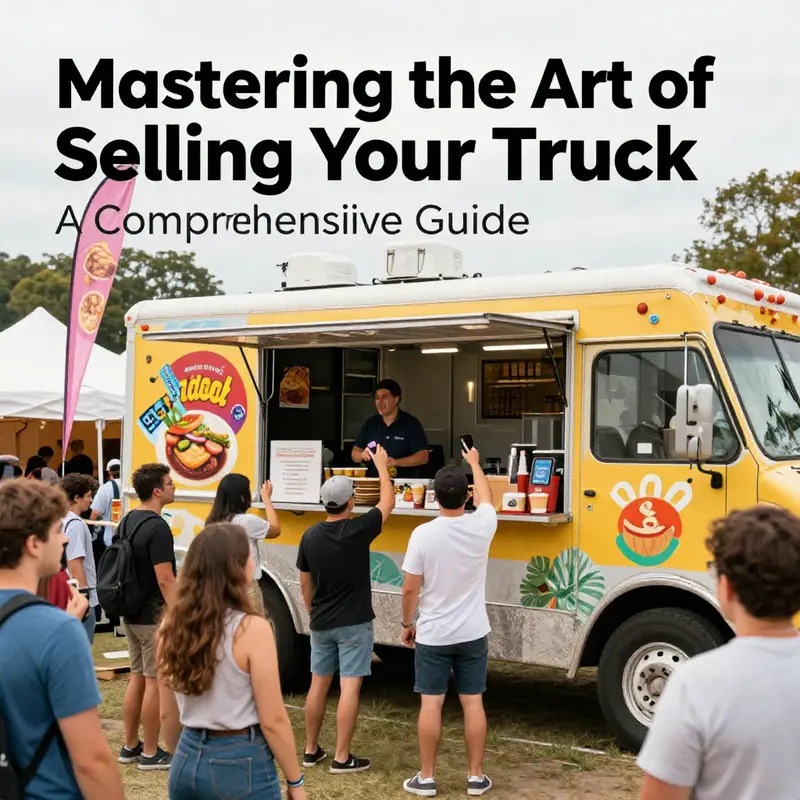
When it comes to selling your food truck, the marketing strategy you choose is as important as the vehicle’s condition or the competitive price you set. In an industry where every detail counts and every number matters, a thoughtful and integrated marketing approach can make the difference between an extended listing and a swift, profitable sale. The goal is to transform your food truck into an attractive business asset through the power of clear, data‐driven storytelling and demonstrable success metrics.
Imagine potential buyers stepping into the narrative of your food truck’s journey as soon as they read your listing. They should not only see a well-maintained vehicle but also a thriving food business. The narrative must emphasize the truck’s real-world performance as a revenue generator. For example, stating, “This truck consistently earns between $2,800 and $3,500 every week during festivals and downtown events” offers concrete evidence that the unit is much more than a mode of transport—it’s a money-making machine. Alongside such practical details, including tangible metrics like customer retention rates and monthly gross profit margins, legitimizes your asking price and reassures buyers that this asset has been well-managed. Numbers such as these translate the technical specifications of a food truck into verifiable operational gains that buyers can trust.
Much of the effectiveness of your marketing strategy lies in the presentation of these concrete performance metrics. When potential buyers see real-world evidence of profitability and operational efficiency, they are more likely to make an informed decision quickly. To capture this data-driven narrative, the description of your truck should be crafted with care. Avoid technical jargon when possible; instead, opt for plain language that translates business operations into clear benefits. Phrases like “a proven track record,” “consistent revenue generation,” and “high customer repeat rates” provide an appealing picture for a prospective buyer, reinforcing the notion that they aren’t just buying a truck—they’re investing in a well-oiled business machine.
Adding credibility to your story is essential. In today’s digital age, buyers are already bombarded with self-serving claims. What can truly set your food truck apart is third-party validation. Referencing testimonials from loyal customers, positive reviews from event organizers, or even media accolades such as a feature in a local business magazine can be a game changer. For instance, if your truck has previously been featured in influential publications or earned accolades in local food reviews, mention those achievements prominently. A statement like “Featured in a ‘Top 10 Food Trucks of 2024’ list, endorsed by over 5,000 local food enthusiasts” adds significant weight to your claims and works as a powerful endorsement that reduces perceived risk in the buyer’s mind.
Leveraging social proof and independent validation is a timeless marketing strategy, and in the context of food truck sales, it blends seamlessly with digital storytelling. When you incorporate visual and digital evidence of success—such as social media analytics, high-quality photos or videos of the truck in operation, and even insights into customer engagement rates—the listing evolves into a dynamic digital showroom. Modern buyers are looking for authenticity above all else. A potential buyer who sees a well-crafted video tour of your food truck in action, complete with close-ups that highlight pristine equipment, energetic staff interactions, and bustling crowds, will get a sense of the truck’s operational vitality. By including details like an Instagram reach of over 15,000 followers or a TikTok video that has garnered significant engagement, you underscore the truck’s popularity and operational momentum.
However, behind every appealing digital presentation, there must be clarity of purpose. Potential buyers often have a set of concerns that need to be addressed proactively. Common questions might include: Is the business profitable? Can the business be operated smoothly by someone other than the current owner? How solid is the legal standing when it comes to permits and licenses? Here, transparency becomes your best asset. Incorporate data such as a 12-month profit and loss summary or a breakdown of how the truck reached its current market success. If you have a standardized operating manual available or documented training materials that demonstrate how easily the business can be transitioned to a new owner, include that information. This proactive approach not only saves the buyer’s time but also minimizes potential negotiation roadblocks later in the sale process.
A seamless integration of evidence-based responses to buyer concerns should be part of your overall narrative. The art of answering key questions upfront often gives buyers the confidence that the transaction is risk-free. For instance, by noting that all essential licensing and health permits are valid and providing copies or references to existing vendor contracts in high-demand zones, you preemptively mitigate hesitation. In doing so, you build a tangible link between robust business practices and the real-world success that the truck enjoys. Each piece of documentation, every testimonial, and each performance metric you provide feeds into a broader narrative of reliability and ongoing profitability.
A central element of modern marketing is visual storytelling. In an age where digital media reigns supreme, a strong online presence can make your food truck listing truly stand out. The visual narrative you create should complement the numerical data and testimonials already shared. High-quality photos that capture the sparkling exterior, the orderly interior, and the high-functioning equipment are essential. Additionally, incorporating a short video tour of your food truck can bring your listing to life. A video doesn’t only showcase the physical state of your truck; it also captures the ambiance and the busy, vibrant atmosphere in which the truck operates. Prospective buyers who see a video of your truck serving satisfied customers at a busy festival can almost feel the buzz and are more likely to engage seriously. This focus on visual appeal is a part of the modern buyer’s checklist and can often be the deciding factor that tips the scale in your favor.
As you refine your marketing assets, it is crucial to ensure they are accessible via a strong digital presence. Developing a dedicated landing page for your food truck listing can serve as a centralized hub for all the critical information—a one-stop resource not only for performance data and visuals but also for the truck’s history and future potential. This page might include details like updated menus, current locations, and schedules for upcoming events, along with user testimonials and links to notable media features. Embedding a link to reliable information can also enhance your listing’s credibility. For example, curious buyers might also explore further details by reviewing established profiles that highlight the successes and experiences of experienced entrepreneurs in the mobile food industry. One such resource is provided in the comprehensive collection of stories found in this article on profiles of veteran food truck owners. This connection enriches the narrative and offers prospective buyers a broader perspective on the potential of a food truck business.
Despite these refined digital strategies, the importance of personalized outreach must never be underestimated. Your marketing strategy should be dual-pronged—balancing online visibility with targeted, personalized outreach. It is not enough to merely post a generic ad on social media; you need to reach out to a curated group of potential buyers who are already interested in the food truck industry. By engaging with local food truck associations, networking within entrepreneurial forums, and tapping into social media groups dedicated to mobile food vendors, you open a direct channel to buyers who understand the value of your asset. These buyers are often looking for a business that they can either manage themselves or see as a scalable investment opportunity. Craft your message carefully by highlighting the aspects of your business most attractive to these groups: ease of operation, market growth potential, and a strong customer base that promises continuity in revenue.
In the realm of targeted outreach, word-of-mouth continues to have unparalleled influence. When a recommendation comes directly from someone in the industry or a familiar, trusted name in food entrepreneurship, the impact is immediate and powerful. Encourage satisfied customers, fellow vendors, and even community figures to share your listing. A few personal endorsements can vastly increase the trust factor and draw in a network of buyers who might have otherwise overlooked a faceless online ad. This kind of grassroots marketing not only builds a sense of community around your listing but also provides an organic boost in reach, often turning every interested party into a brand advocate even before a sale is finalized.
One must remember that the process of selling a food truck is not a one-size-fits-all scenario. It requires a multifaceted approach where every element of the marketing strategy should serve the dual purpose of showcasing both the physical appeal of the truck and the business potential it embodies. The narrative should seamlessly integrate performance metrics, visual evidence, proactive responses to buyer concerns, and targeted personal outreach. This holistic presentation moves far beyond the traditional sales pitch—it creates a compelling story that resonates with a variety of potential buyers. Whether they are first-time food entrepreneurs or seasoned mobile vendors looking to expand their portfolio, every interested party should see the inherent value and opportunity in the asset you are offering.
Furthermore, the consistency and reliability of your story play a key role in winning over prospective buyers. Every claim you make, whether related to performance metrics or customer testimonials, should be backed by verifiable data. In practice, this means keeping detailed records of daily sales, seasonal peaks, and the operational efficiency of the food truck. By presenting a cohesive picture that ties together on-the-ground performance with digital and documentary evidence, you create a level of transparency that builds trust and rapport. This trust is especially important when a buyer is considering a significant financial outlay and a long-term commitment to the operation of the business. In this way, your marketing narrative does more than just promote the truck—it lays the groundwork for a secure and mutually beneficial transition.
It is also essential to address a common psychological barrier among buyers: the fear of the unknown. All entrepreneurs appreciate certainty when assessing an investment, and every detail shared in your listing should work to dissolve any lingering doubts. For instance, addressing questions about operational continuity, such as whether the truck’s menu and recipes are standardized for easy handover, transforms potential uncertainties into selling points. When a buyer sees that there is a comprehensive operating manual or training resources available, it reassures them that the business model is not overly dependent on a single operator and that its success can be replicated and scaled.
Beyond just addressing buyer concerns, an effective marketing strategy for your food truck should inspire confidence by highlighting future potential. Include a forward-looking narrative in your discussion of the truck’s current performance that bridges into future growth possibilities. For example, data that reflects steady customer growth over the past 12 months can be coupled with insights into upcoming local events or seasonal festivals that promise even higher revenue. This forward-thinking perspective adds an aspirational element to your listing that speaks directly to buyers who are not only interested in current profits but also in scaling and expanding the business after acquisition.
In every aspect of marketing your food truck, authenticity plays a central role. Modern buyers, armed with a wealth of online information, can quickly detect exaggeration or misinformation. Thus, every claim must be honest and supported by reliable evidence. The meticulous presentation of documents, photos, and videos is not just about gloss—it is about providing a truthful, comprehensive look at what the food truck offers. This transparent approach is what ultimately sets apart a well-crafted advertisement from a bare-bones listing. A buyer who sees that every statement is backed by hard facts is one who will be willing to invest in the truck without the need for exhaustive negotiations or second-guessing.
This transparent and evidence-based strategy is at the heart of why effective marketing is so crucial when you decide to sell your food truck. The narrative you build is not only a window into the truck’s past performance but also an invitation to be part of its promising future. By balancing technical data with engaging visual storytelling and proactive outreach, you create a listing that appeals to both the analytical mind and the instinctive desire for authenticity among prospective buyers.
Ultimately, the sale of your food truck becomes less of a one-time transaction and more of a well-documented, value-based transfer of an operational legacy. Selling your food truck successfully means balancing multiple facets: the preparation and maintenance of a physical asset, the detailed numerical proof of its profitability, and the compelling narrative that connects the asset to its broader business potential. Combine all of these elements with effective digital strategies, and you have a winning formula.
For those who wish to delve further into aspects of building credibility and trust within the food truck industry, a comprehensive guide on digital marketing strategies is available at an external resource, which outlines actionable steps and advanced tips for modern digital branding. More detailed insights can be found at How to Market Your Food Truck Business Successfully, which serves as an additional resource to further empower your sales strategy.
By integrating clear, data-driven performance highlights, third-party validations, proactive buyer engagement, and high-value visual content into a cohesive narrative, this marketing approach elevates the appeal of your food truck well beyond its physical attributes. The journey from listing to final sale becomes a story that buyers can trust and invest in confidently, ensuring that every promotional effort not only attracts interest but also convinces the buyer of the truck’s inherent profitability and potential for future growth. In the end, success in selling your food truck lies in the power of a well-crafted story—a story that resonates on both an emotional and practical level with every potential buyer who views your listing.
Final thoughts
Navigating the process of selling your food truck might challenge you initially, but with careful preparation and strategic marketing, you can transform this challenge into a successful venture. Focusing on the essential steps—meticulous preparation, competitive pricing, choosing the right sales channels, and impactful marketing—will guide you toward achieving your goals. Arm yourself with this knowledge, and let your passion for culinary adventure and automotive craftsmanship shine through, ensuring that your food truck sells at the value it deserves.