
Introduction: The Thrill of Starting a Food Truck in Virginia Beach
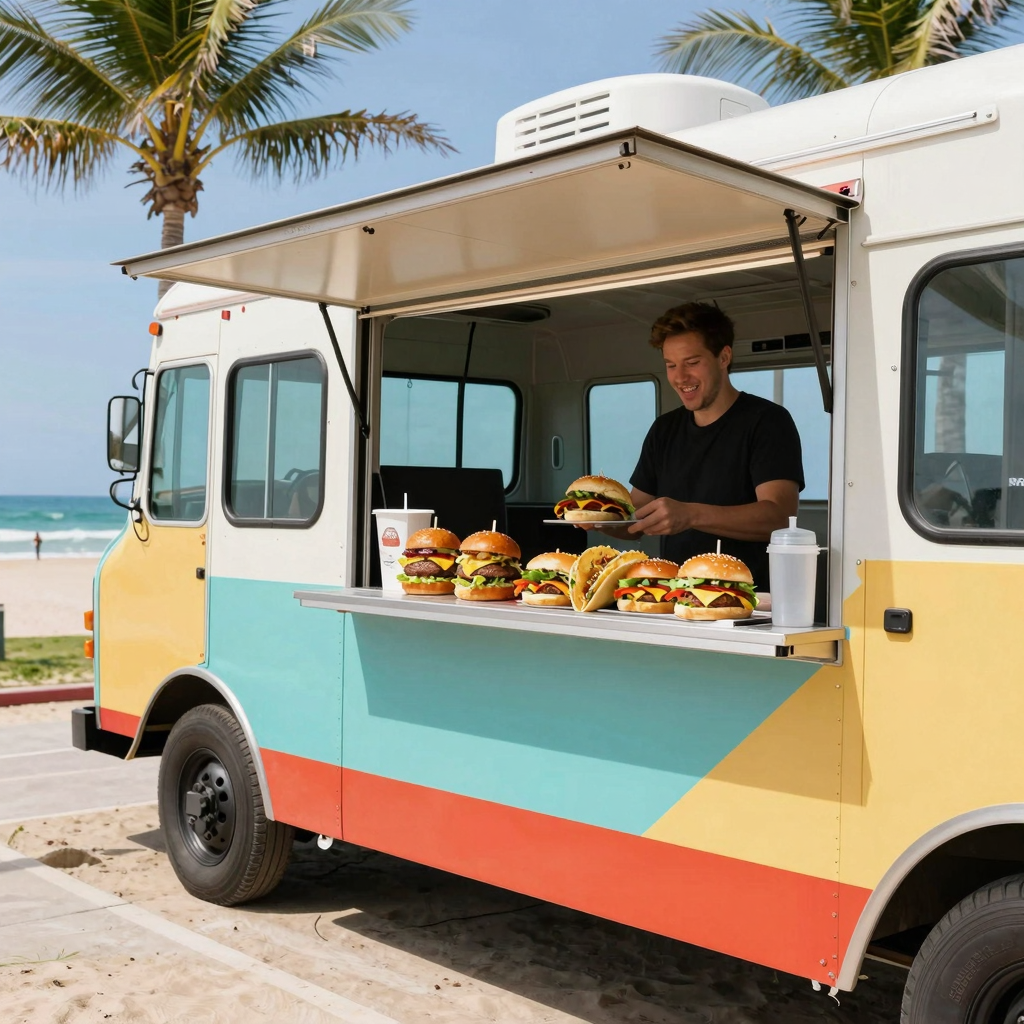
Imagine cruising down the picturesque streets of Virginia Beach, the salty breeze mingling with the tantalizing aroma of artisanal burgers and gourmet tacos wafting from your very own food truck. For car enthusiasts, there’s an unparalleled excitement in customizing vehicles, turning them into rolling culinary experiences that reflect both personality and passion. The synergy of automotive craftsmanship and the art of food truck cuisine creates a unique opportunity to blend these worlds, allowing you to not only serve delicious dishes but also showcase your love for automotive design and modification. Starting a food truck business in Virginia Beach is not just about setting up a mobile kitchen; it’s about building a brand that resonates with the local community, while satisfying your creative drive. In this guide, we’ll navigate the essentials of launching your food truck venture-turning your passion into a thriving reality. So, if you’ve ever dreamt of hitting the road with your culinary skills and a custom ride, get ready to embark on an extraordinary journey! For more insights on the delicious offerings in this vibrant area, check out this guide on Latino food trucks in major cities.
Understanding the Legal Requirements to Start a Food Truck in Virginia Beach
Starting a food truck in Virginia Beach is an exciting venture, but it comes with a set of legal requirements that aspiring entrepreneurs must navigate. Ensuring compliance with local laws is crucial for a successful launch. Here’s what you need to consider:
1. Obtain the Necessary Permits
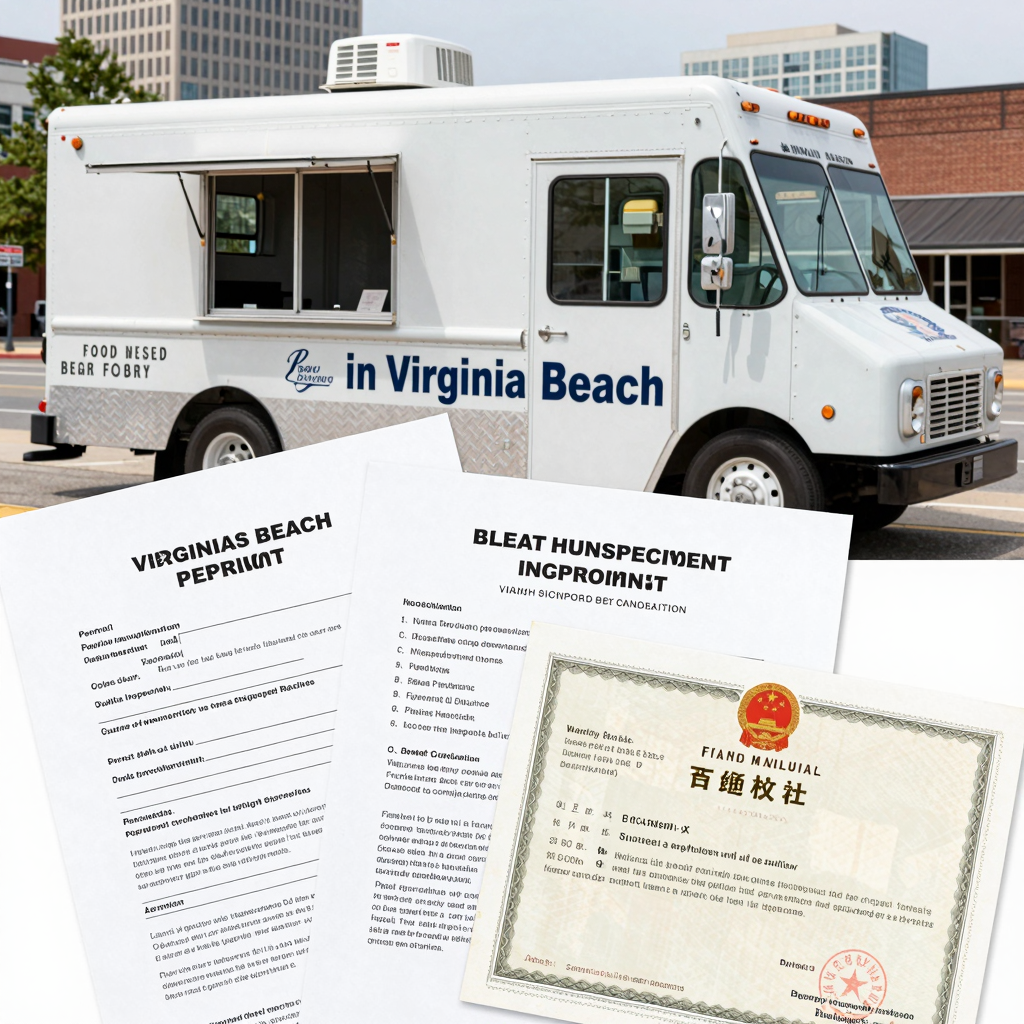
To legally operate a food truck in Virginia Beach, you are required to secure a Mobile Food Unit Permit from the Department of Health. This permit is essential for all mobile food vendors operating within the city limits. Here’s a quick overview of the application process:
- Application Submission: Complete the application form and submit it to the health department.
- Health Inspection: Your food truck must pass an inspection conducted by local health officials to ensure it meets sanitary standards.
- Proof of Insurance: You will need to provide evidence of liability insurance as part of the application.
For a step-by-step guide, visit the Food Truck Permits & Licenses page of Virginia Beach City Government.
2. Get a Business License
In addition to health permits, food truck operators must obtain a Business License from the City’s Tax Collector’s Office. This encompasses:
- Business Registration: Officially register your food truck business with the city, which may include local tax obligations and fees based on projected revenues.
- Cost: The fee varies according to the business type and estimated annual sales, so check with the Finance Department for accurate figures.
You can find more information on business licensing here.
3. Adhere to Health Regulations
Virginia Beach imposes strict health regulations on food trucks. Essential requirements include:
- Handwashing Station: Must have a designated handwashing area with both hot and cold running water.
- Equipment Standards: Proper refrigeration and cooking equipment must be in place, along with a waste disposal system.
- Food Handler Certification: All food handlers should possess valid certifications in food protection.
For detailed health guidelines, visit the Virginia Beach Health Department regulations.
4. State Licensing Requirements
You must also register your food truck with the Virginia Department of Agriculture and Consumer Services (VDACS), which entails securing a Mobile Food Vendor License. This license ensures that your business complies with state regulations for mobile food sales.
5. Check Zoning and Parking Regulations
Food trucks in Virginia Beach face specific zoning rules that restrict operation areas. Notably:
- Proximity to Restaurants: Food trucks generally cannot operate within 200 feet of a fixed-location restaurant that offers similar food types.
- Designated Areas: Comply with designated parking areas and observe time restrictions, especially in public zones.
For more details on zoning, consult the Virginia Beach Department of Planning.
Starting a food truck is a fulfilling journey, and understanding these legal requirements sets the stage for a successful business. With the right preparation and compliance, you can turn your passion for food into a profitable mobile venture!
Essential Equipment for a Food Truck
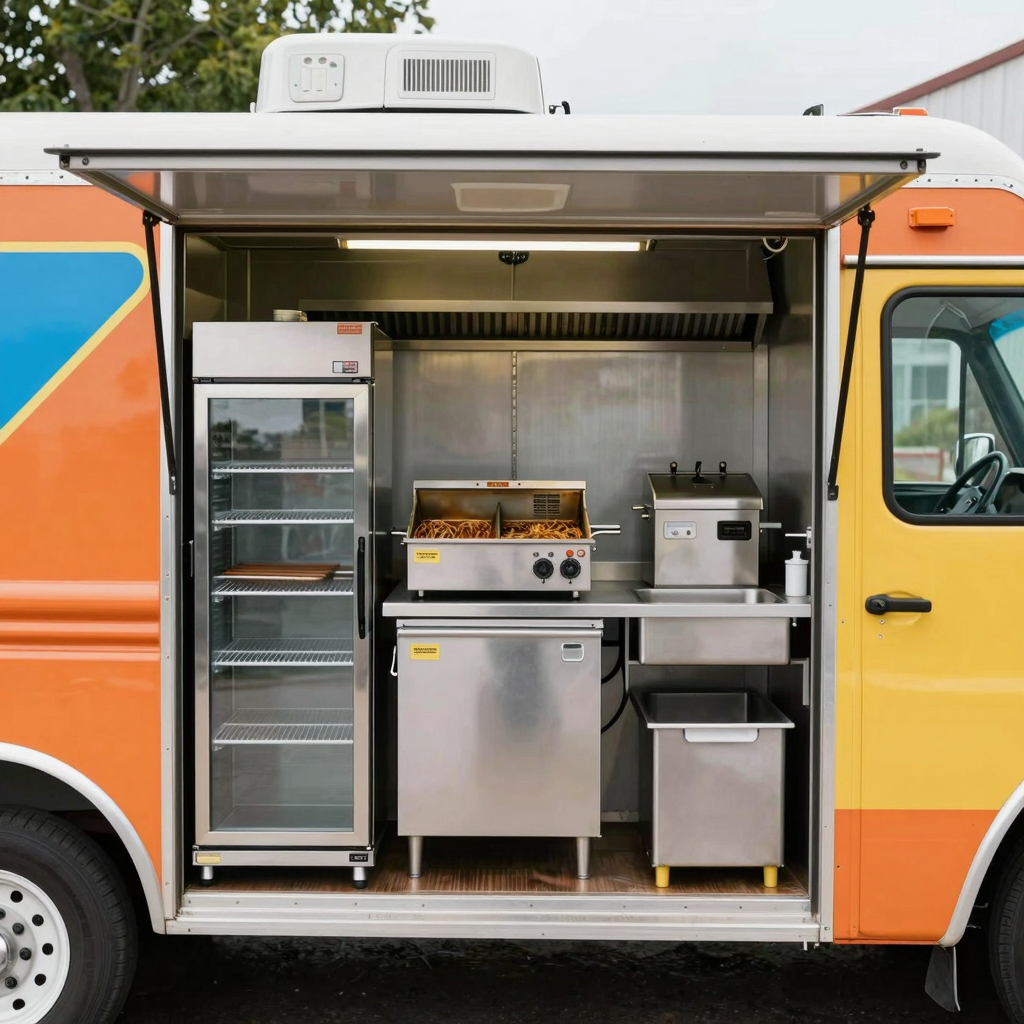
Starting a food truck requires careful planning, especially regarding the equipment necessary to run an efficient kitchen. Here’s a table outlining the essential equipment needed along with their estimated costs:
| Equipment | Estimated Cost |
|---|---|
| Commercial-Grade Refrigerator | $1,500 – $3,000 |
| Griddle or Grill | $800 – $2,000 |
| Deep Fryer | $600 – $1,500 |
| Sink and Water System | $500 – $1,200 |
| Exhaust Hood and Ventilation | $1,000 – $2,000 |
| Point of Sale (POS) System | $500 – $1,500 |
| Cooking Appliances (e.g., Oven) | $2,000 – $5,000 |
| Plumbing and Electrical Systems | $1,500 – $2,500 |
| Safety Equipment (e.g., Fire Extinguisher) | $100 – $200 |
| Custom-Built Interior Layout | $3,000 |
The total investment for starting a food truck can range from $50,000 to $100,000, depending on the size of the truck and the quality of the equipment selected. Investing in high-quality equipment not only ensures better service but also contributes to a successful operation in the long run. For more insights on the food truck business, you can learn more about food truck costs.
Understanding the financial commitment is crucial for aspiring food truck owners, so plan accordingly and invest wisely to make your food truck business successful!
The Importance of Branding for a Food Truck
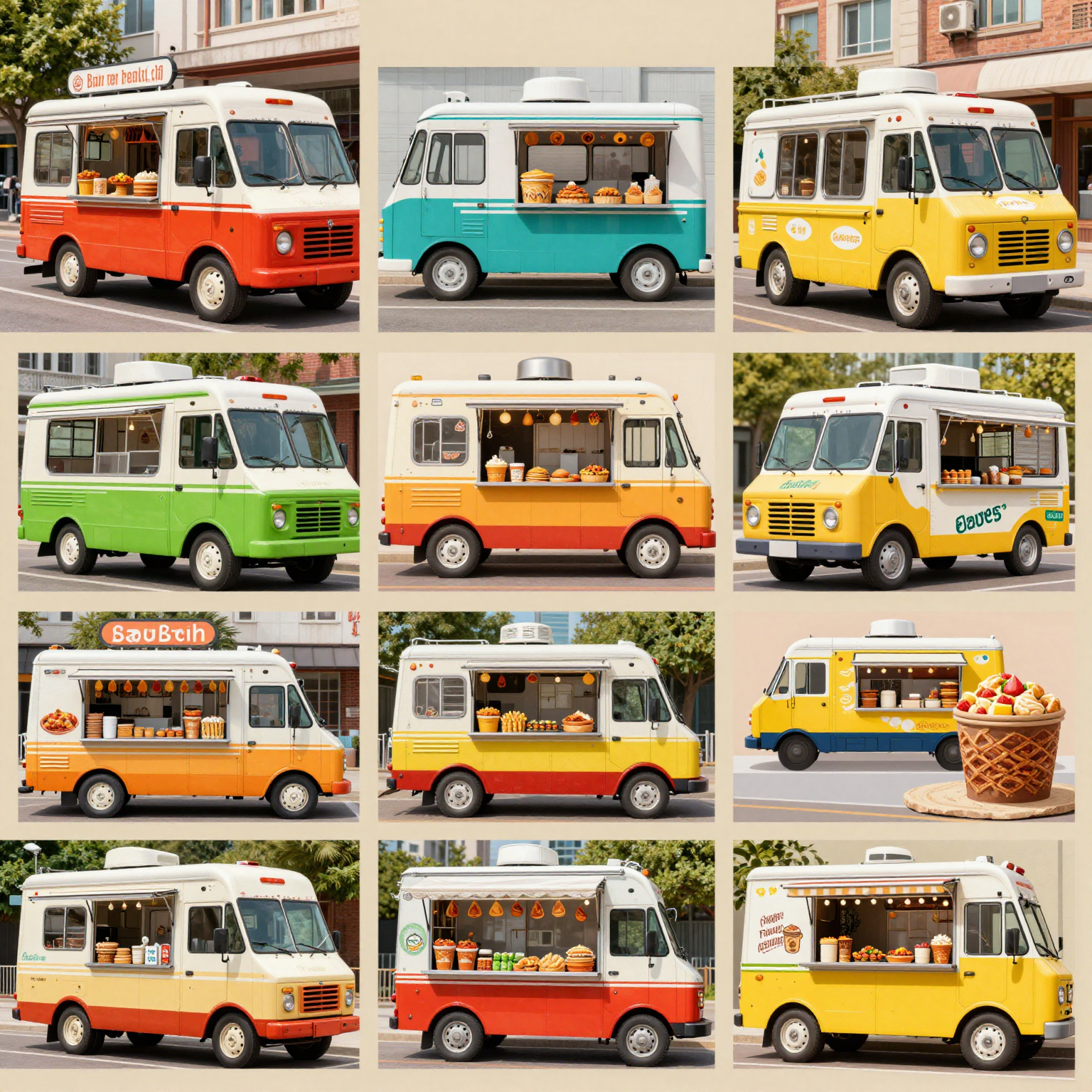
Establishing a strong brand is pivotal for food trucks, especially in a competitive market like Virginia Beach. A well-crafted brand not only helps your food truck stand out but also builds customer trust and loyalty. Effective branding creates recognition that can elevate your food truck from just another vendor to a must-try establishment.
Key Elements of Food Truck Branding:
- Memorable Name:
- Keep it Simple: Aim for a name that’s easy to pronounce and remember. Short names of 2-3 words are ideal-like “Taco Tumble”-because they can easily be shared in conversation and on social media.
- Emotional Connection: Your name should evoke positive emotions. Consider names like “Grill Gnome” that are playful and approachable.
- Uniqueness: Ensure your name isn’t already in use by checking online databases to avoid legal issues and confusion. Stand out with something distinctive that hints at your food style.
- Searchability: Select a name that’s easy to search for and spell. Avoid complex words that may confuse potential customers.
- Effective Logo Design:
- Simplicity is Key: A clean and straightforward logo using bold design elements ensures visibility, even from a distance. For instance, a logo with a simple burger icon can be very effective.
- Color Psychology: Choose colors wisely; red and orange can stimulate appetite, while green suggests health. Ensure the colors are contrasting enough to remain visible in various conditions.
- Consistency: Your logo should be versatile enough to work on your truck, menus, and social media. This consistency strengthens brand identity and enhances customer recall.
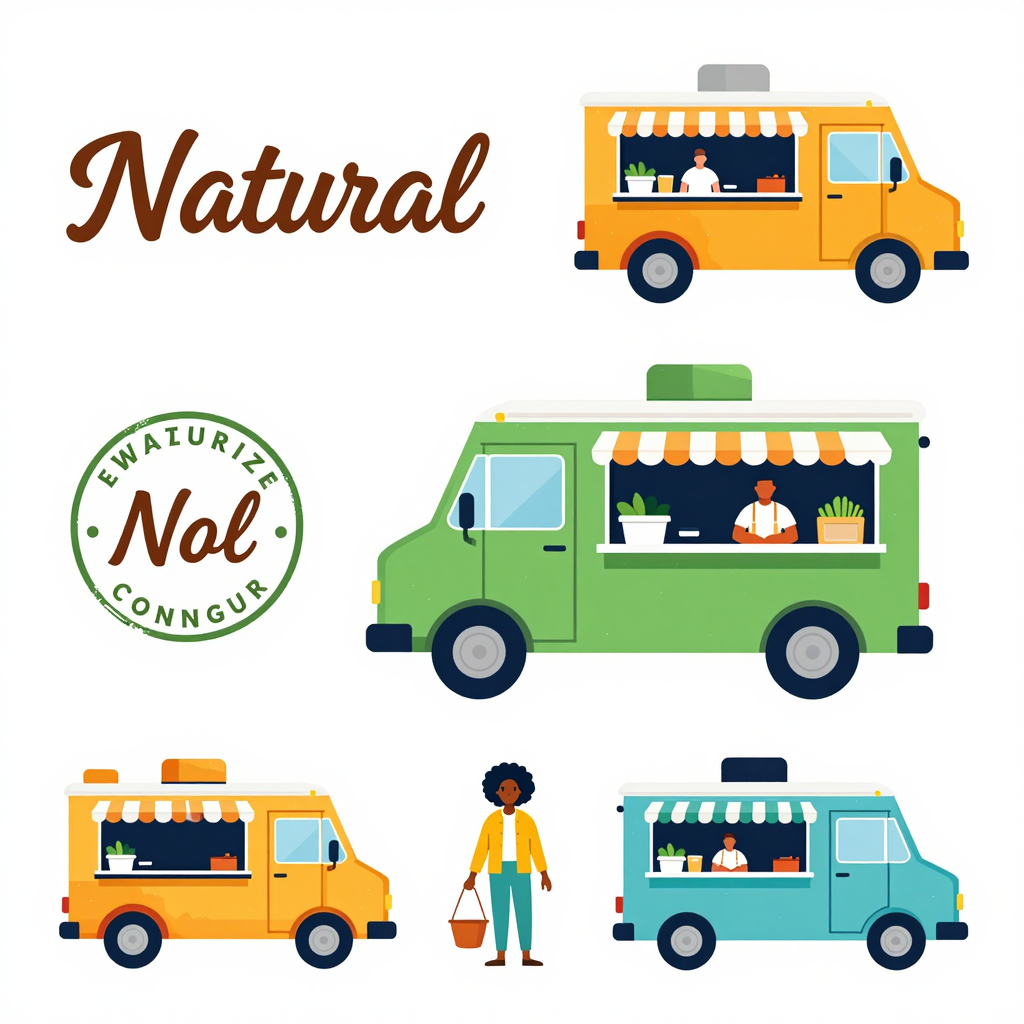
Visualizing Branding Elements
Conclusion
In conclusion, the right branding strategy is essential for food trucks to connect with their audience effectively. A great name paired with an impactful logo can make all the difference in attracting customers and establishing a loyal following. By focusing on these elements, food truck entrepreneurs can create a brand that resonates with their target market and stands the test of time.
For more insights on food truck business strategies, check out top food truck models for Latino cuisine vendors and successful stories from veteran food truck owners.
Developing a Food Menu for Your Food Truck in Virginia Beach
Creating a food menu for a food truck that resonates with local preferences while keeping abreast of food trends is critical for success in Virginia Beach. Here’s how to craft a menu that balances quality and personal flair:
1. Understand Your Local Market
Before diving into menu creation, conduct thorough market research. This includes:
- Identifying local tastes: Understand what foods are popular in Virginia Beach. Are there local ingredients that can be featured?
- Exploring dietary trends: Analyze if there’s a growing demand for vegetarian, vegan, gluten-free, or healthy options. Recent trends show an increase in plant-based dishes and sustainable ingredients.
For more insights into diverse culinary preferences, check out this article on top Latino food truck dishes.
2. Embrace Food Trends
In 2023, several food trends are shaping menus:
- Sustainability: Use local, seasonal ingredients to minimize carbon footprint and heighten freshness.
- Fusion Cuisine: Mix traditional flavors with modern twists; for instance, a Latin twist on classic American comfort food.
- Health-conscious Options: With the increasing demand for healthier choices, consider adding options like grain bowls or salads loaded with fresh produce.
You can learn more about the latest vibes in food trends here.
3. Personal Touch
Your menu should reflect your unique identity as a vendor:
- Signature Dishes: Create a couple of standout dishes that carry your personal touch. These can be inspired by family recipes or regional favorites.
- Visual Appeal: Your food truck’s menu should not only taste good but also look appealing. Graphic designs, colors, and ingredients should be inviting and reflective of your theme.
4. Market Testing
Before finalizing your offerings, run a few pop-up events to test the market:
- Feedback Collection: Instant feedback from customers will help you refine your dishes. Include their suggestions in the final menu.
- Adjustments: Be flexible and willing to adjust dishes, prices, and ingredients based on customer preferences and seasonal availability.
Image Example
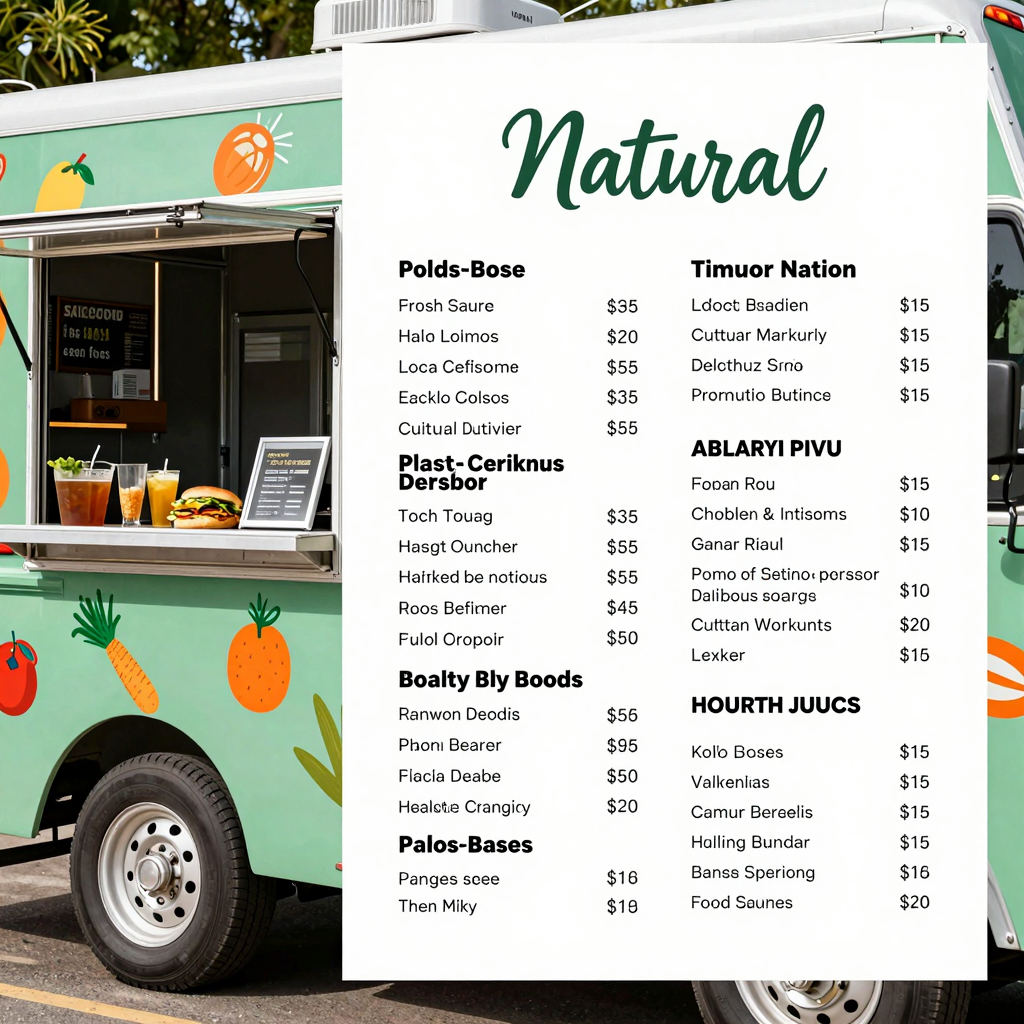
Here’s a visual representation of a vibrant food truck menu showcasing local flavors and food trends:
Conclusion
Developing a successful menu is an ongoing process. By deeply understanding the local market, embracing food trends, and adding your unique flair, your food truck can become a beloved fixture in Virginia Beach. Make sure to refine your menu continuously to adapt to changing consumer preferences and seasonal offerings.
“Success isn’t about having the perfect menu; it’s about showing up every day with heart and serving people who appreciate your craft.”
- Veteran Food Truck Owner
This quote resonates with the passion and dedication required to run a food truck successfully. It highlights the importance of persistence and connection with the customers, key factors in the vibrant food truck industry.
For more insights into the journey of food truck entrepreneurs, check out their inspiring stories.
Tips for Success in Running a Food Truck in Virginia Beach
Running a food truck in Virginia Beach can be a rewarding venture. Whether you’re a novice or a seasoned operator, adhering to key strategies can significantly enhance your chances of success. Here’s an ordered list of tips focusing on service, location, and marketing strategies:
-
Choose the Right Location
Your location is paramount. Select high-traffic areas known for food trucks, such as beaches and downtown Virginia Beach. Analyze foot traffic data to identify peak hours and optimal spots for service, ensuring a steady stream of customers. -
Develop a Unique Menu
Your menu should stand out. Offer signature dishes that reflect your culinary style, paired with seasonal items to keep the offerings fresh. Consistency in quality is vital to retain customers-consider creating a menu that can be updated regularly to introduce new flavors while maintaining crowd favorites. -
Utilize Social Media Marketing
Platforms like Instagram and Facebook are essential for food trucks. Use these channels to share real-time updates on your truck’s location, daily specials, and customer interactions. Engaging content, such as behind-the-scenes videos and high-quality photos, can create a buzz and attract a loyal following. Learn more about food truck marketing strategies. -
Have a Strong Brand Identity
Create a memorable logo and aesthetic that resonates with your target demographic. Your branding should be evident on your truck, social media platforms, and marketing materials to foster recognition and loyalty. Consistent branding helps customers relate more personally to your food truck. -
Engage with Customers
Interact with your customers in person and online. Solicit feedback, respond to comments, and conduct surveys to understand your audience’s preferences. Building relationships can convert first-time buyers into repeat customers. -
Participate in Local Events
Attend local festivals, markets, and fairs. This exposure not only enhances your visibility but also allows you to network with other vendors and local businesses. Collaborating with local events can be mutually beneficial, driving traffic to your truck. -
Train Your Staff in Excellent Customer Service
Ensure your team understands the importance of friendly, prompt service. An inviting atmosphere can encourage customers to return. Consider regular training sessions to keep your staff motivated and informed about menu changes and service techniques. -
Focus on Health and Safety Standards
Comply with all local health and sanitation regulations. Regularly review your processes to ensure safety and quality, which can build trust with your customers. Prioritize cleanliness and quality ingredients to enhance the overall service experience. -
Create Loyalty Programs
Implement a customer loyalty program through a mobile app or punch cards to encourage repeat business. Offering discounts or freebies after a certain number of purchases can motivate customers to return frequently. -
Analyze Data for Continuous Improvement
Use sales data to inform your business decisions. Identify which menu items are popular and profitable, and adapt your offerings accordingly. Understanding customer preferences is crucial to staying competitive in the market.
In summary, running a successful food truck in Virginia Beach requires a blend of creativity, strategic planning, and excellent service. By focusing on quality and customer engagement, you can carve out a niche for your food truck and thrive in the bustling Virginia Beach food scene. For more inspiration and guidance, check out profiles of veteran food truck owners here.
Financial Projections for Starting a Food Truck
Starting a food truck can be a thrilling venture filled with opportunities. However, proper financial planning is essential to ensure success. Here are some key financial projections to consider during your first year:
Startup Costs
- Total Costs: $100,000 – $150,000
- Truck Purchase/Lease: $75,000 – $100,000
- Kitchen Equipment: $10,000 – $20,000
- Permits & Licenses: $15,000 – $25,000
Monthly Overhead
- Total Monthly Expenses: $6,000 – $11,000
- Staff Wages: $4,000 – $7,000
- Operating Expenses: Fuel, Maintenance, Ingredients
Revenue Projections
- Average Monthly Revenue: $12,000 – $22,000
Profit Margin
- Net Profit Margin: 15% – 20%
Chart: Financial Projections for First Year
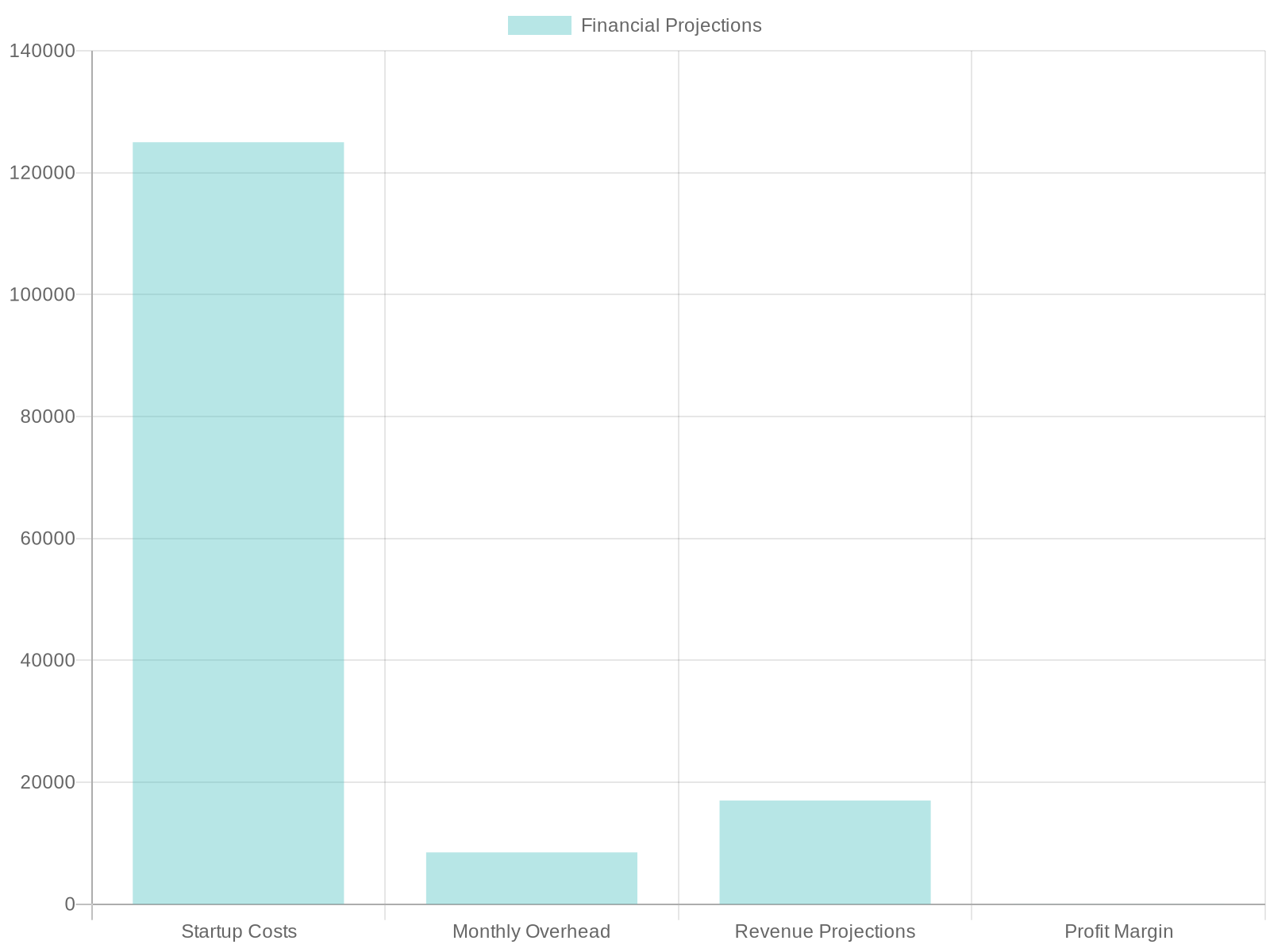
This chart visualizes the financial projections, showcasing the range of startup costs, monthly overhead, revenue projections, and profit margins expected when operating a food truck in Virginia Beach.
For more insights on food trucks, learn more about the different models suitable for urban success or explore successful food truck stories to gain inspiration.
Conclusion: Your Food Truck Journey Awaits
Starting a food truck in Virginia Beach is not just a business opportunity; it’s a chance to share your passion for food while enjoying the thrill of running your own mobile kitchen. Throughout this guide, we’ve discussed the essential steps to get you started, from crafting your unique menu to navigating the local regulations. Additionally, the importance of choosing the right equipment and finding your ideal location cannot be overstated.
As you embark on this exciting journey, remember that success comes from both passion and planning. Take advantage of resources, such as top Latino food truck dishes and profiles of veteran food truck owners, to help guide your decisions. Surround yourself with a supportive network, learn from others, and continuously innovate your offerings.
Now is the perfect time to turn your dreams into reality. Whether you want to serve delicious tacos or gourmet burgers, let your creativity shine and connect with your community through your food truck. Don’t hesitate – take the first step today and start planning your food truck enterprise! Embrace your culinary journey and become part of this vibrant, growing industry!
Let’s fuel your passion for food!