
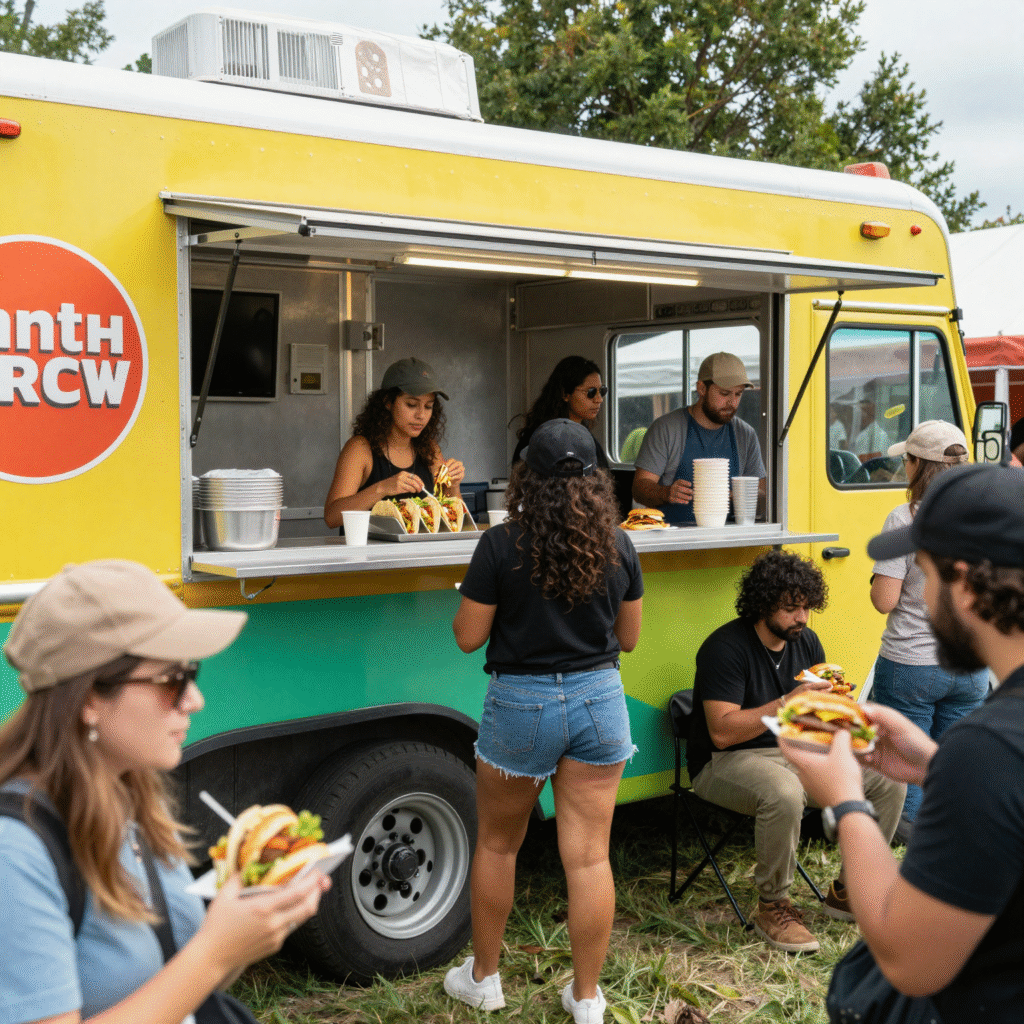
In recent years, food trucks have surged in popularity, transforming the culinary landscape and offering aspiring chefs a vibrant stage to showcase their culinary creations. These mobile kitchens not only present an exciting business opportunity but also invite passionate food lovers to embark on an adventurous journey filled with flavors, creativity, and entrepreneurial spirit. Imagine serving gourmet tacos or artisanal burgers while exploring the hustle and bustle of local events and festivals, connecting with a diverse clientele eager to savor every bite.
The demand for unique dining experiences has opened doors for food truck entrepreneurs, leading many to wonder: Is a food truck the right venture for you? Join us as we explore the ins and outs of this dynamic industry, assessing its viability and potential to ignite your passion for food and business. Interested in learning about successful examples? Check out our profiles of veteran food truck owners here.
Benefits of Starting a Food Truck Business
Starting a food truck business offers numerous advantages over traditional restaurants, making it an attractive option for food entrepreneurs looking to enter the market. Here are some key benefits:
-
Lower Startup Costs: One of the most significant advantages of a food truck is the reduced initial investment compared to a brick-and-mortar restaurant. According to a report from Forbes, the average startup costs for a food truck can range from $30,000 to $150,000, while setting up a restaurant may require upwards of $500,000 or more. This means that you can start serving delicious food without breaking the bank.
-
Flexibility in Location: Food trucks can operate in various locations, allowing owners to adapt to customer trends and demands easily. Whether it’s a bustling downtown area, local festivals, or special events, food trucks can move where the customers are. This flexibility helps maximize sales and brand exposure, as highlighted by the National Restaurant Association in 2023.
-
Reach Diverse Customers: Food trucks are increasingly popular at events, fairs, and markets, giving businesses an opportunity to reach a wide array of customers. From foodies seeking unique dishes to families looking for convenient meal options, food trucks cater to a diverse clientele. By establishing a presence at local events, food trucks can effectively tap into different customer segments.
-
Testing New Concepts: Starting with a food truck allows entrepreneurs to test new menu concepts with lower risk. By offering limited-time specials or regional dishes, food truck owners can gauge customer interest without committing to a full-scale restaurant launch. This agility enables operators to adapt their offerings based on real-time feedback.
-
Brand Loyalty and Unique Customer Experience: Food trucks often cultivate a loyal customer base through personalized service and unique branding. They create an engaging atmosphere that foster connections with customers, which traditional restaurants may find harder to achieve in a competitive landscape. As a result, many food truck owners enjoy repeat customers who appreciate their distinct culinary experience.
-
Ease of Operations: Operating a food truck typically requires fewer employees and less complex systems than a full-service restaurant. This streamlined management allows owners to focus on food quality and customer interaction.
In conclusion, starting a food truck business offers an exciting pathway into the culinary world with several benefits, including lower operating costs, strategic mobility, and versatility in menu offerings. For anyone considering a food-related venture, exploring the food truck landscape could be a game-changing opportunity. Learn more about the top Latino food truck dishes and how to optimize your food truck experience.
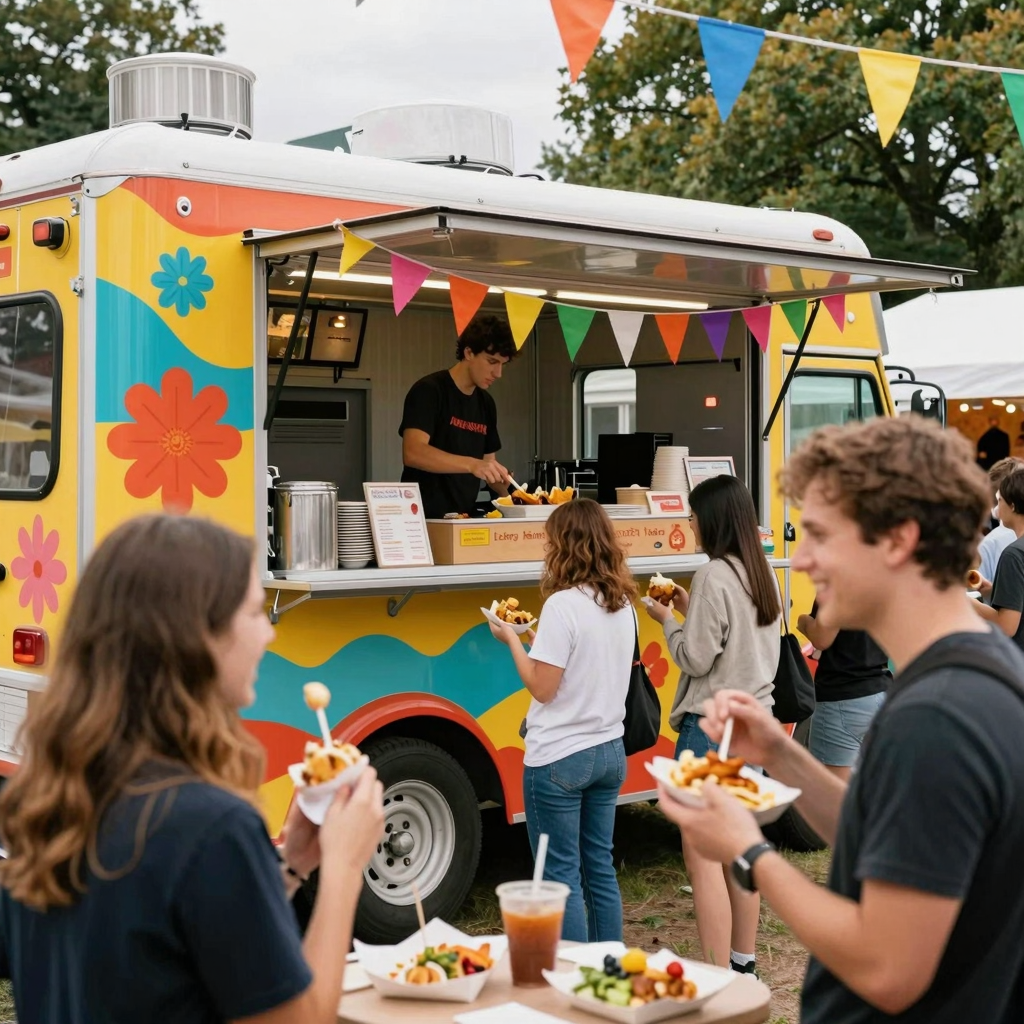
| Category | Food Truck | Brick-and-Mortar Restaurant | Catering Business |
|---|---|---|---|
| Average Startup Costs | $60,000 – $120,000 | $300,000 – $700,000 | $10,000 – $30,000 |
| Monthly Operational Expenses | $5,000 | $25,000 | $3,000 |
| Annual Potential Earnings | $150,000 | $300,000 | $500,000 |
Data sourced from industry reports and business analysis (2024-2025).
Sources:
- National Restaurant Association – Startup Costs & Operations
- U.S. Small Business Administration (SBA) – Food Service Industry Overview
- Forbes – Starting a Food Truck vs. Restaurant
Target Market Analysis in Food Truck Industry
Understanding your target market is imperative for success in the food truck industry, particularly when engaging the auto community. This group includes hobbyist car modifiers, professional car tuners, classic car restoration enthusiasts, global car modification fans, and auto parts suppliers. These segments have distinct preferences and behaviors that can influence their food choices, making it crucial for food truck operators to tailor their offerings accordingly.
Why Knowing Your Target Market Matters
-
Tailored Offerings: Knowing your audience enables you to design menu items that resonate with their tastes and lifestyles. For example, car enthusiasts might appreciate hearty meals that can be consumed quickly during events or rich flavors inspired by the regions their favorite cars hail from.
-
Engagement through Promotions: Crafting promotions that appeal specifically to the auto community can enhance engagement. Hosting events at car shows or partnering with local tuning shops can provide direct access to your target market. Offering discounts to car show attendees or running contests related to car modifications can create buzz around your food truck.
-
Building Loyalty: Food trucks that establish a connection with car enthusiasts have the opportunity to build a loyal customer base. When customers feel their interests are recognized and catered to, they are more likely to return and recommend your food truck to fellow auto fans.
-
Effective Marketing Strategies: Understanding the media they consume and the events they frequent allows food truck operators to focus their marketing efforts effectively. Utilizing social media platforms popular among automotive enthusiasts, such as Instagram and TikTok, can help place your brand in front of potential customers, driving them to your truck.
By incorporating these insights into your food truck’s strategy, you will not only meet the dining needs of the auto community but also establish a strong market presence. For more insights into successful food truck management, you can learn more about the top Latino food truck dishes.
Inspirational Insights from Successful Food Truck Entrepreneurs
“Your customers are your best marketing tool-treat them like friends, and they’ll become loyal advocates.”
- Food Truck Entrepreneur, Forbes
This quote emphasizes the strategic importance of customer relationships in the food truck business. Also, another entrepreneur observed:
“Passion is non-negotiable-you have to love what you do because there will be days when you’re working 18 hours and still not making enough money.”
- Top Operator, National Food Truck Association
These insights reflect both the emotional dedication and strategic focus needed to succeed in the competitive food truck industry. For further insights on the food truck journey, learn more from profiles of veteran food truck owners.
Challenges in Starting a Food Truck Business
Starting a food truck business can be a thrilling venture filled with culinary creativity and the joy of serving food to excited customers. However, it comes with its own set of challenges. Here are some common issues food truck owners face and practical solutions to overcome them.
1. Licensing and Permits
One of the most daunting tasks for any aspiring food truck owner is navigating the maze of permits and licenses needed to operate. Regulations vary significantly by location, and failing to comply can result in hefty fines or shutdowns.
Solution: Start by researching your local health department’s requirements. Consider hiring a consultant who specializes in food truck businesses to help you gather the necessary documents. Additionally, joining local food truck associations can provide resources and support in dealing with bureaucratic processes.
2. Competition
The food truck market has become increasingly saturated, making it challenging to stand out and attract customers. With many trucks offering similar cuisines, differentiation is key.
Solution: Focus on unique offerings or fusion foods that blend different culinary traditions. Building a strong brand identity, engaging in storytelling about your food, and utilizing social media effectively can enhance your visibility in a competitive landscape.
3. Seasonal Fluctuations
Many food trucks experience income fluctuations based on seasons or local events. Bad weather can drastically reduce foot traffic, impacting sales.
Solution: Prepare for lean months by diversifying your revenue streams. Consider catering private events or participating in festivals during off-peak seasons. Offering seasonal menu items can also attract more customers during particular times of the year.
4. High Startup Costs
The initial investment for a food truck is significant, often including costs for the truck itself, kitchen equipment, licenses, and insurance. Many aspiring food truck owners underestimate these expenses.
Solution: Create a detailed business plan outlining all potential costs and sources of funding. Explore financing options like small business loans, grants, or crowd-funding platforms. Additionally, buying a used truck or leasing equipment can help control costs.
5. Customer Engagement
Building a loyal customer base can be difficult, especially in the early days. Customers have many dining options and might overlook your offering.
Solution: Engage with your patrons by hosting events, offering loyalty programs, and actively participating in community activities. Use social media platforms to connect with customers, share your location, and promote special dishes.
Visual Representation of Challenges
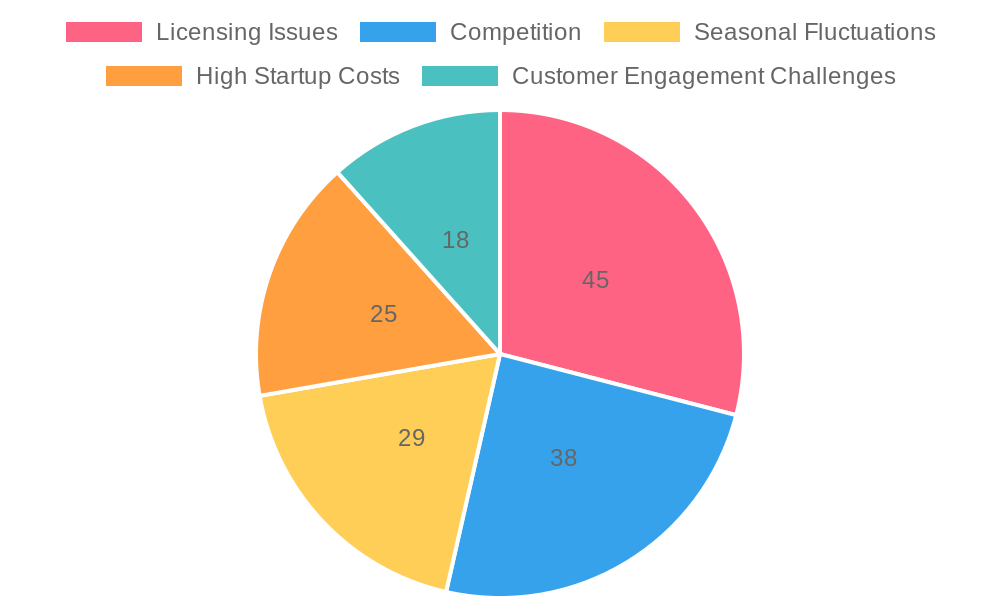
Here’s a pie chart illustrating the various challenges food trucks face:
| Challenge | Percentage (%) |
|---|---|
| Licensing Issues | 45% |
| Competition | 38% |
| Seasonal Fluctuations | 29% |
| High Startup Costs | 25% |
| Customer Engagement Challenges | 18% |
By anticipating these challenges and implementing strategic solutions, you can set your food truck business up for success. Passion, persistence, and adaptability are essential in overcoming hurdles in this exciting culinary journey!
Essential Equipment for Food Trucks
Operating a food truck requires a variety of essential equipment to ensure efficiency, compliance, and quality service. Below is a comprehensive list of key items prospective food truck owners should consider:
-
Cooking Appliances:
-
Grills (flat-top griddle, charbroiler)
-
Deep Fryers
-
Convection or Combination Ovens
-
Steam Tables for food holding
-
Food Storage Solutions:
-
Refrigerators and Freezers (including under-counter models)
-
Dry Storage Lockers
-
Walk-in Coolers for larger operations
-
Health Compliance Items:
-
Three-compartment Sinks for dishwashing
-
Handwashing Stations
-
Sanitizer Dispensers
-
Temperature Monitoring Devices to ensure food safety
-
Point of Sale (POS) Systems:
-
Efficient payment processing solutions
-
Waste Disposal Systems:
-
Proper trash and recycling containers to comply with health regulations
This equipment list is vital for ensuring high standards of food safety and operational success in the competitive food truck industry. To delve deeper into this subject, you can learn more about legal considerations or read about work-life balance for food truck entrepreneurs.

The chart above illustrates the significant growth of the food truck industry over the past decade, showcasing the market size in billion USD for critical years.
Market Growth Overview
- 2014: $10 Billion
- 2024: $24 Billion
- 2026: $47.1 Billion
- 2031: Projected at $64.6 Billion
This upward trend highlights the increasing popularity and demand for food trucks as a flexible and cost-effective dining option for consumers. For additional insights into the market, you may learn more about the food truck industry.
In conclusion, while starting a food truck can be an exciting and lucrative business venture, it requires careful consideration and thorough planning. Throughout this article, we’ve highlighted the critical aspects of launching and operating a food truck, from understanding regulations and choosing the right vehicle to identifying your target market and menu offerings.
It’s essential to conduct comprehensive research to navigate the challenges and capitalize on opportunities in this ever-evolving industry. Equally important is aligning the food truck business with your personal passions and skillset. This alignment not only fuels your dedication and creativity but also enhances your ability to connect with customers authentically.
If you’re genuinely passionate about food and ready to embrace the entrepreneurial spirit, then a food truck may be the right path for you. For further insights on starting a food truck venture, learn more about legal considerations for Latino food truck startups and explore the success stories of veteran food truck owners.
Remember, preparation and passion are key components to your success in the food truck industry!