
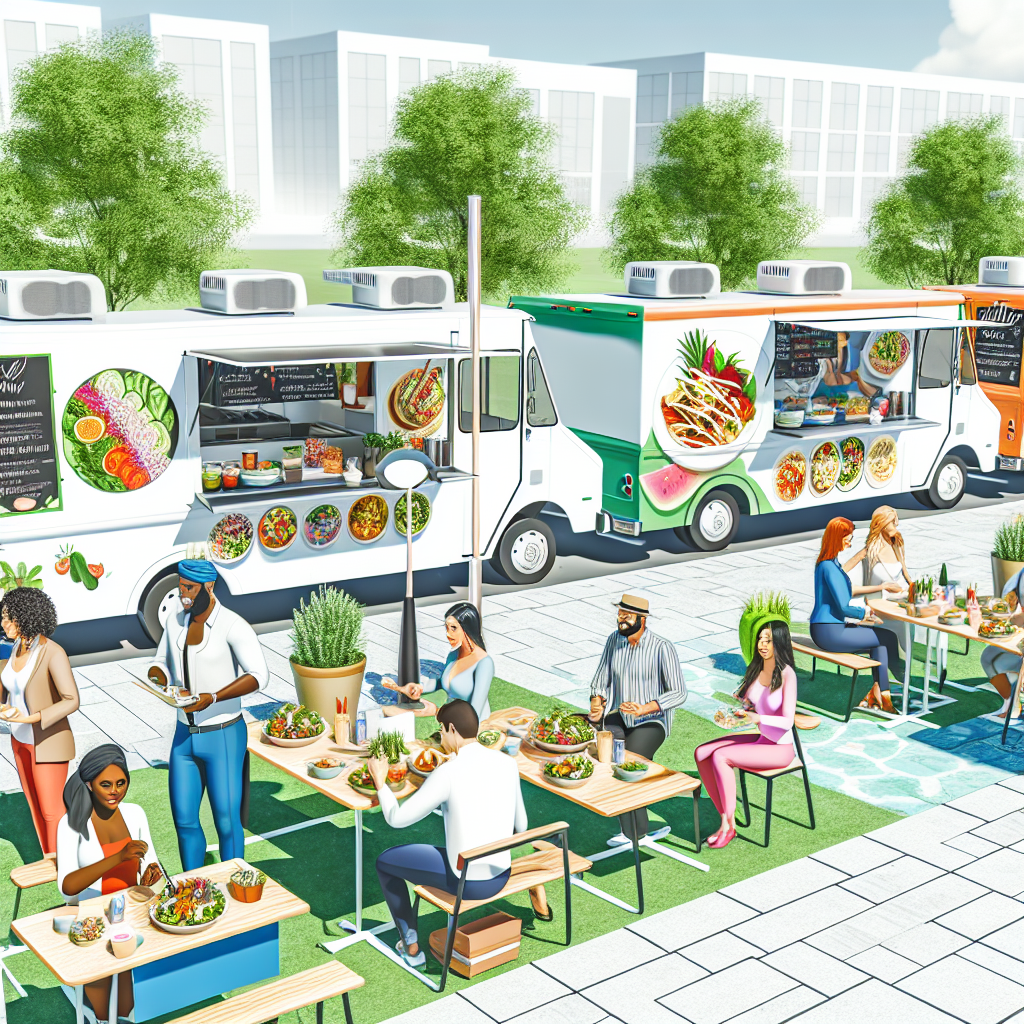
In recent years, food trucks have surged in popularity, transforming the culinary landscape into an exciting array of flavors served from mobile kitchens. This rising trend not only satisfies diverse cravings but also presents a unique opportunity for food truck owners to champion healthier eating habits among a wide audience. As more consumers seek convenient yet nutritious options, the role of food trucks as purveyors of mindful eating becomes increasingly significant.
By focusing on innovative food truck models, owners can creatively showcase nutritious meals without compromising on taste. In this article, we will explore the various food truck models available and highlight effective strategies for promoting healthier menu choices, demonstrating how these mobile eateries can lead the way toward a more health-conscious food culture.
Mindful Eating
Mindful eating is a concept that encourages individuals to focus on the sensory experience of eating while fostering a deeper connection with food. This mindful approach promotes awareness of food choices and emphasizes the importance of being present during meals. This means truly appreciating the flavors, textures, and aromas of the food you consume.
The key principles of mindful eating include:
- Slow Eating: Taking the time to chew and savor each bite helps in recognizing physical hunger and satiety cues. This practice can prevent overeating and enhance the enjoyment of food.
- No Distractions: Eating without engagement in distractions, such as screens or multitasking, allows for full attention to the meal. This results in a more enjoyable experience.
- Emotional Awareness: Recognizing emotional triggers related to food can help you understand cravings versus true hunger. This promotes more mindful choices.
The benefits of adopting mindful eating practices are abundant. Research indicates that this approach can improve digestion, reduce stress eating, and foster a healthier relationship with food. Additionally, mindful eating practices can lead to better portion control and greater satisfaction with meals.
In the context of food truck dining, mindful eating finds a unique and vibrant expression. Food trucks often provide limited menu options, which encourages intentional decision-making about food choices.
According to a 2023 Food Truck Industry Trends Report, a significant 62% of food trucks now offer healthy and plant-based options. This is an increase from 45% in 2020. This trend reflects growing consumer awareness, with 78% stating they prefer food trucks for a more mindful eating experience over traditional fast-food outlets.
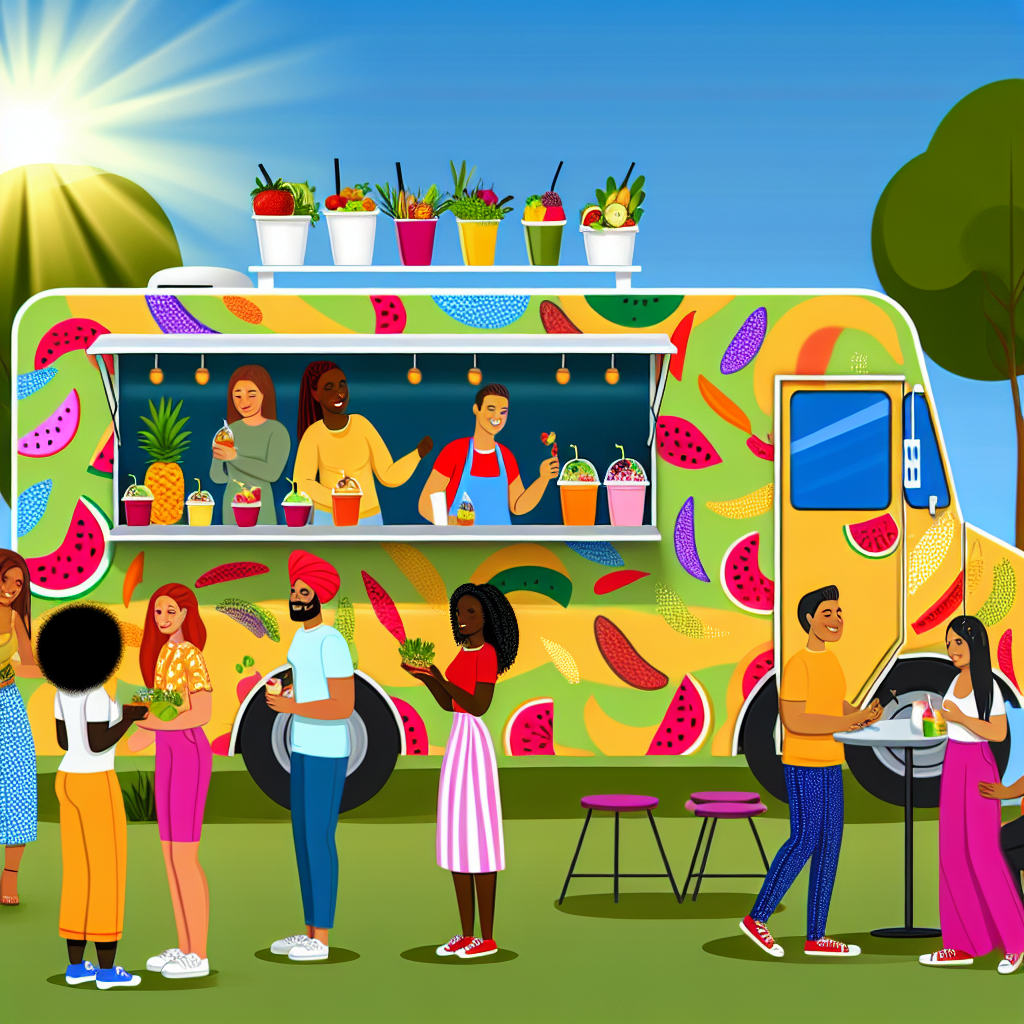
Food trucks enhance mindful eating through the sensory experiences they offer. The enticing aromas wafting from food trucks, the colors of fresh ingredients, and the communal aspect of outdoor dining amplify the appreciation of food. Research suggests that food truck settings promote a 40% slower eating pace compared to traditional fast-food restaurants. This results in heightened awareness of flavors and enjoyment.
Ultimately, mindful eating at food trucks aligns with the trend towards health-conscious dining. It enhances the overall meal experience, making each bite a sensory delight. Embracing this practice encourages individuals to make more thoughtful food choices, enhancing both their health and enjoyment of the culinary journey.
| Food Truck Model | Cost (Approx.) | Capacity | Features for Healthy Food Preparation |
|---|---|---|---|
| Ford Transit | $46,000 | Up to 10 | Spacious interior, customizable layout for kitchen appliances |
| RAM ProMaster | $44,000 | Up to 12 | High roof for better ventilation, easy accessibility for kitchen equipment |
| Mercedes Sprinter | $50,000 | Up to 15 | Advanced technology, spacious for cooking gear and food storage |
| Chevy P30 | Varies | Varies | Commonly modified for food service, reliable engine for long distances |
| Freightliner MT45 | Varies | Varies | Durable chassis, often equipped with large kitchen setups |
| Nissan NV Cargo | Varies | Up to 12 | Flexible interior configuration, encourages healthy meal options |
Healthy Food Offerings at Food Trucks
Food trucks have evolved into gourmet kitchens on wheels, catering to increasingly health-conscious consumers. Offering a range of nutritious options allows food truck owners to tap into a growing market of individuals seeking to maintain their health without sacrificing flavor or convenience.
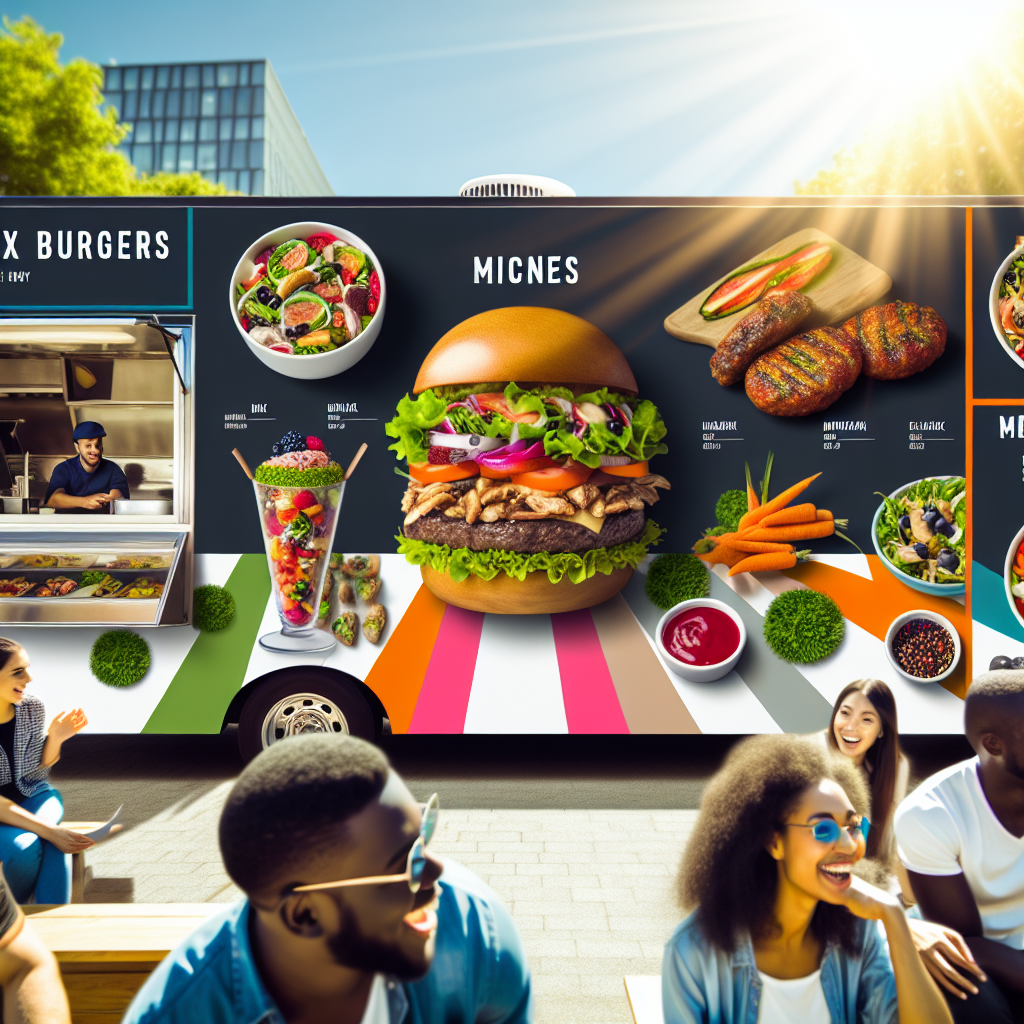
One of the standout features of many food trucks is their ability to serve gourmet burgers crafted with lean meats or plant-based patties. For instance, a delicious turkey or black bean burger topped with fresh vegetables and zesty sauces can provide a satisfying meal that is both filling and health-oriented. These options appeal not only to meat lovers but also to vegetarians and flexitarians who appreciate hearty, flavorful meals that align with their dietary preferences.
Salads have also taken center stage at food trucks, with creative recipes that go beyond the basic leaf and dressing. It’s common to find vibrant salads loaded with superfoods like quinoa, kale, and chickpeas, offered alongside unique dressings that enhance flavor without excessive calories. Seasonal ingredients often play a vital role here, providing freshness and appealing presentation that attracts attention.
Vegetarian and vegan options have expanded significantly on food truck menus, often featuring innovative dishes such as falafel wraps, grilled vegetable skewers, and loaded veggie tacos. These choices not only cater to plant-based dieters but also introduce many customers to new and exciting flavors they might not typically consider.
By incorporating healthy food offerings, food trucks can create a compelling reason for health-minded patrons to choose their cuisine over traditional fast-food alternatives. This strategy not only boosts customer satisfaction but also drives repeat business from those looking for guilt-free indulgence in their dining choices. The bright future of food trucks lies in their ability to blend culinary creativity with nutrition, setting them apart in a bustling food scene.
For more insights on food truck trends and consumer preferences for health-conscious dining, check out Food Truck Empire and Mobile Cuisine.
The shift towards healthy food offerings at food trucks has not only satisfied customer cravings for nutritious choices but has also fostered a strong community of health-conscious diners. This positive reception is further illustrated through the enthusiastic testimonials shared by satisfied customers of these food trucks.
“Success in the food truck business hinges on passion, hard work, and commitment — remember, it all begins with the right spot to stand!”
“The right spot is everything when it comes to the success of a business.”
Customer Testimonials on Healthy Food Truck Experiences
Customer feedback on healthy food trucks paints a vivid picture of satisfaction and delight in nutritious options. One patron expressed enthusiasm for a food truck designed specifically for seniors, noting its convenient meals that cater to dietary preferences while still being delicious. Reviews highlight offerings such as low-calorie grilled chicken skewers and flavorful quinoa salads that are not only healthy but also bursting with taste.
Another customer made this food truck their regular choice for wholesome meals, praising the quick service that allows them to enjoy nutritious food without the long wait associated with traditional dining.
Many customers have shared that the vibrant presentation of dishes, such as colorful veggie tacos and refreshing fruit bowls, enhances their eating experience, encouraging them to make healthier choices.
The overall sentiment is clear: food trucks offering mindful eating options meet the growing demand for convenience, taste, and health, making them a favored dining choice for many individuals on-the-go.
Financial Insights for Food Truck Vendors
Owning a food truck involves various financial considerations that can significantly impact profitability. Understanding these factors is crucial for vendors entering the food truck industry.
-
Initial Costs:
- Food Truck Models:
- Ford Transit: Approximately $46,000.
- RAM ProMaster: About $44,000.
- Mercedes Sprinter: Starts around $50,000.
- Licenses and Permits: Vendors should anticipate initial licensing costs ranging from $1,000 to $5,000, depending on local regulations and requirements.
- Food Truck Models:
-
Ongoing Operational Costs:
- Fuel: Monthly fuel expenses can range between $800 and $1,200, influenced by local fuel prices and the vehicle’s fuel efficiency.
- Maintenance: Vendors should budget $200 to $600 monthly for maintenance; however, this can be considerably higher for older models or premium options like the Mercedes Sprinter, which averages around $4,000 annually.
- Parking Fees: Urban areas typically charge parking fees between $200 and $800 per month depending on city regulations.
- Insurance: Expect annual insurance costs to be between $3,000 and $6,000.
-
Revenue Potential:
Annual earnings for food truck vendors can vary significantly, with some generating between $50,000 to $290,000 depending on factors like location, operational hours, and menu offerings.
-
Profit Margins:
Food trucks generally see profit margins of about 10% to 15% after accounting for all operational costs.
By effectively managing these financial elements, food truck vendors can increase their chances of sustaining a successful business.

Food Truck Revenue Over Years
This graph illustrates the rising trends in food truck revenues from 2015 to 2023, highlighting various factors influencing revenue growth, such as location, operational hours, and menu offerings that align with consumer preferences for healthier dining options.
Conclusion
In conclusion, the food truck industry presents a vibrant opportunity for aspiring entrepreneurs eager to enter the culinary scene. By embracing the principles of mindful eating, food truck owners can foster healthier dining experiences while catering to a growing consumer demand for nutritious options. Selecting an appropriate food truck model is paramount, as it can impact operational efficiency and customer satisfaction. The complexities of menu offerings should align with the chosen vehicle’s capabilities, enabling food truck owners to serve high-quality meals efficiently.
To succeed in this competitive marketplace, aspiring food truck owners should prioritize understanding customer preferences. Engaging with potential customers through surveys at events or analyzing sales data can provide valuable insights into popular offerings, allowing for tailored menus that resonate with the target audience. Exploring best practices from successful food trucks, such as leveraging social media and utilizing location analytics, can also aid in crafting an appealing dining experience.
Ultimately, mindful eating and the thoughtful selection of food truck models will not only enhance the customer experience but also contribute to the overall success of the business. With the right preparation, commitment, and an innovative culinary approach, aspiring food truck owners can thrive in this dynamic and rewarding industry.
The History of Food Trucks
Food trucks have a rich and fascinating history that dates back to the late 19th century. The concept began with chuck wagons that catered to cowboys on cattle drives by providing meals on the move. They were simple, horse-drawn carts outfitted with necessary kitchen supplies and a small cooking area, designed to feed a group of ranch hands. Over the decades, the food truck concept evolved.
In the 1950s, lunch wagons emerged in urban areas, serving meals to factory workers and office employees. These small restaurants-on-wheels provided a convenient option for people looking for quick meals. The ice cream truck became synonymous with childhood memories during the mid-20th century, bringing sweet treats directly to neighborhoods.
Fast forward to the 2008 financial crisis, which spurred a new wave of food trucks, particularly in Los Angeles. Roy Choi’s Kogi BBQ truck played a pivotal role in this modern renaissance, using social media to announce its locations and sell gourmet Korean tacos. This fusion food concept sparked the popularity of gourmet food trucks that offered upscale cuisine on-the-go. As of now, the food truck industry has blossomed into a $2.7 billion market, with over 35,000 trucks operating nationwide, showcasing everything from artisanal sandwiches to gourmet salads.
The contemporary food truck experience has transformed into vibrant food truck festivals and parks, accommodating a diverse range of culinary styles and dietary preferences.