
In the dynamic world of food trucks, efficiency and seamless transactions are paramount. For aspiring entrepreneurs and seasoned food truck owners alike, understanding the financial implications of investing in a Point of Sale (POS) system can be daunting. This guide dissects the components of POS systems, specifically tailored for food trucks, revealing what you should expect in terms of costs, from hardware expenditures to ongoing service fees. Each chapter deepens your understanding, detailing hardware selection, comparing software options, outlining total investment implications, and highlighting long-term maintenance considerations. With this knowledge, you’re equipped to make informed decisions that enhance your business’s operational prowess while staying within your budget.
Counting the Dollar Signs: Budgeting a POS System for a Food Truck
A food truck runs on speed, accuracy, and the ability to turn orders into revenue in a heartbeat. A Point of Sale (POS) system is the operational nervous system behind that flow. It tracks sales, manages inventory, handles payments, and records customer data. But the price tag on a POS for a mobile kitchen isn’t a single number. It bends to how you plan to operate, what hardware you choose, and how complex you need the software to be. Getting a clear read on the cost starts with separating the upfront investment from the ongoing expenses and then aligning both with your business goals. The math isn’t glamorous, but it’s essential for keeping the business healthy as you scale.
Hardware costs form the foundation of any mobile POS. For a food truck, the focus is on durability, portability, and reliability in variable conditions. A basic setup typically includes a handheld or tablet device, a receipt printer, a payment reader, and possibly a barcode scanner. If you’re starting lean, the entry price for a basic hardware package can land around $300 to $500. That often covers a compact device suitable for the truck window and a simple print-and-pay workflow. As you want more resilience—long battery life, a rugged case, better connectivity, or a larger screen—the price climbs into the $800 to $1,500 range. In markets where the truck operates in varied weather or crowded lines, investing in durable hardware isn’t an expense to minimize—it’s a strategy to maximize uptime and throughput.
Software and subscription costs typically ride on top of the hardware. Most POS providers use a monthly subscription model, sometimes bundled with payment processing fees. For a single-location operation, entry-level cloud-based software plans commonly start in the $60 to $100 per month range. These basic plans cover the essentials: sales tracking, basic inventory management, employee access controls, and standard reporting. If you anticipate more complexity—multi-location operations, advanced analytics, or integrated marketing tools—the monthly price can move up toward the $199 to $299 zone. The distinction matters because a few dollars more per month can unlock features that save time, reduce waste, and boost orders, especially during peak hours.
But the cost picture isn’t just about monthly bills. Processing payments introduces another line item: transaction fees. Across the board, many providers levy a percentage per sale, typically in the 1.5% to 2.7% range. Those fees compound quickly during high-volume events and busy weekends. What looks like a small add-on each sale can become a meaningful bite out of margins when tens or hundreds of orders flow through the system in a shift. If your strategy leans heavily on card payments or contactless wallets, these fees must be weighed against the speed and customer experience you’re delivering. In practice, the best approach is to model scenarios: a typical day’s volume, your average ticket, and the expected mix of payment methods. The math will reveal whether a slightly higher monthly plan with lower processing rates—or the opposite—makes more sense for your truck.
Setup and onboarding costs are the quiet variables that catch some new owners by surprise. Vendors frequently offer free onboarding, but there can be a one-time setup charge if you need customization or integration with other apps. A practical range to expect is about $50 to $200 for setup services. The value of that investment rises when the setup includes a clean integration with delivery platforms, loyalty programs, or inventory feeds that keep you from double data entry during a rush. If you plan to connect your POS with a delivery partner, be prepared for both the setup fee and any ongoing integration costs that can appear as a monthly line item or a separate service charge.
Beyond the basics, many operators want features that seem almost essential in a mobile, high-volume setting. Online ordering, loyalty programs, and more granular analytics often live behind additional monthly modules. The price for these extra features is typically layered on top of the core plan. For a truck operation, online ordering can translate into more orders and faster turnaround, but it also adds to the ongoing cost. A general takeaway is clear: each added capability tends to come with a price tag, so you should align every feature with a concrete return—whether it’s faster service, better waste control, or increased average ticket size.
Maintenance and support are the last mile of the ongoing cost conversation. A POS system that’s up and running smoothly needs dependable support. Some providers advertise 24/7 help, others offer premium support tiers or extended warranties for hardware. In practice, a thoughtful support plan can prevent downtime at a critical moment, and that reliability is often worth a modest premium. When combined with software updates and device replacements after a few years of service, support costs contribute to the overall total of ownership rather than feeling like recurring add-ons.
If you map out typical scenarios, you’ll see how the numbers come together. A low-end configuration might involve a basic handheld device and a standard software plan, with a total upfront investment near $500 and monthly software costs around $60 to $100. A mid-range approach—more robust hardware, a mid-tier software plan, and a few essential add-ons—could land around $500 to $800 upfront, with monthly costs in the $100 to $200 range. For operators chasing top-tier performance—rugged hardware, a comprehensive feature set, and robust integrations—the upfront could exceed $1,000, and monthly charges could approach $299 or higher, especially when you add multi-location capabilities or advanced loyalty tools. These ranges are not just theoretical; they reflect the practical trade-offs between portability, reliability, and feature depth.
Planning around these figures also means thinking about the scale of your business. If you anticipate rapid growth, a more scalable platform that supports additional users, more complex reporting, and smoother multi-location synchronization can save time and money in the long run. Conversely, if you’re testing the concept in a single locale with a tight budget, a lean setup can minimize risk and provide a clearer view of profitability before committing to bigger expenditures. The key is to pair your hardware longevity with software flexibility, so the system can grow with you rather than forcing a costly teardown later.
Real-world considerations often reveal the hidden geometry of cost. A truck that processes mostly cash will carry less exposure to payment processing fees, but cash handling introduces its own risks and labor. A truck that emphasizes digital ordering and loyalty may justify higher monthly fees if those features translate to repeat customers and higher per-ticket revenue. In either case, it’s essential to forecast your average daily sales, identify peak periods, and estimate the portion of orders that will utilize online ordering or loyalty rewards. When you anchor your decision in realistic projections, the price bands above become guardrails rather than guesses.
For readers looking to hear more from peers navigating mobile food service, the Latinos Food Trucks community offers practical experiences and perspectives. Read more in the Latinos Food Trucks blog-2.
To balance all this with broader context, consider exploring a general overview of free and low-cost POS options as you plot a cautious entry into the market. A widely cited resource discusses how free or low-cost plans can serve small-scale operations and where they might fall short as volume grows. This broader perspective can help you decide whether you start lean or invest upfront in a more capable platform. For a deeper dive into that topic, you can consult external guidance here: https://www.squarespace.com/blog/free-retail-pos-system-explained.
The Price of Mobility: Navigating Hardware Costs for a Food Truck POS System
The price of mobility is more than the sticker on a box; it is a reflection of how a food truck operator organizes workflow, manages weather and street life, and controls operating costs from the moment the window opens. When you map hardware choices to the realities of a street kitchen, the numbers tell a story that software alone does not. The decision rests less on chasing the shiniest gadget and more on balancing portability, durability, setup speed, and long-term value. In this chapter, we look at what hardware costs mean for a mobile business, how the options line up with different service models, and where that algebra leaves a budget that actually works in a busy, often unpredictable, daily routine.
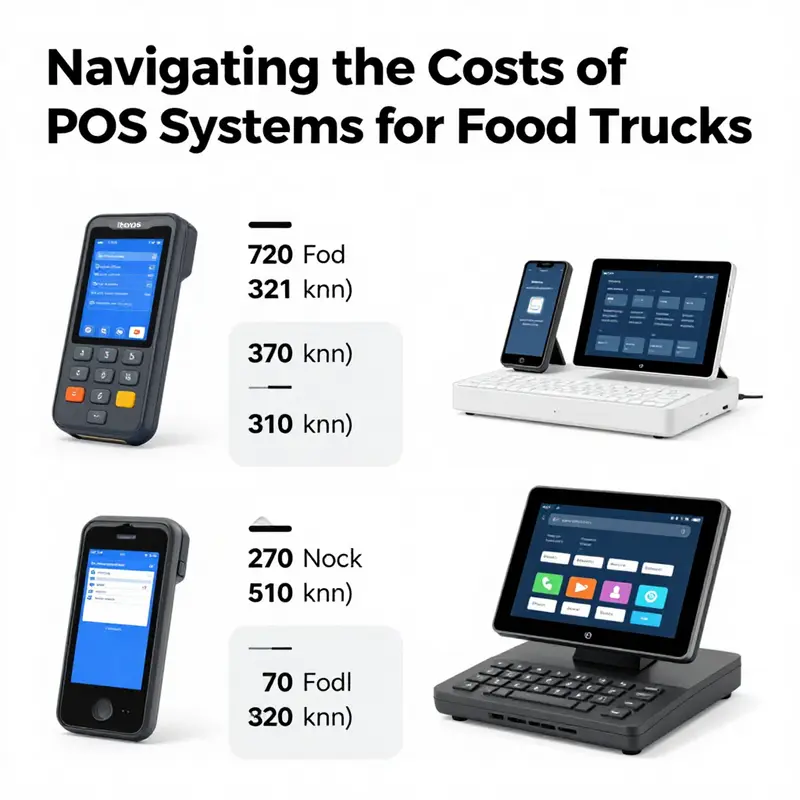
For most operators, the cornerstone is a compact, portable device that can function as a cash register, order taker, and payment terminal without dragging a heavy laptop into the cockpit of a truck. The market has leaned toward Android-based handhelds and small all-in-one screens that run cloud software. Price points here vary widely, reflecting a spectrum of capabilities. A basic mobile POS device with an integrated printer and connectivity can start in the low two hundreds, which makes it approachable for a startup or a single-truck operation. The advantage is quick setup and minimal cabling, since everything from receipt printing to card processing occurs on a single, pocketable unit. The tradeoffs often appear in speed, screen real estate, and battery endurance. If your service volume grows or you require more robust inventory management and multi-location reporting, that low entry price can be offset by acquiring more capable software and extra hardware accessories later on. This is the crux of hardware budgeting for a food truck: buy enough to run smoothly now, while leaving room for upgrades as revenue climbs.
On the spectrum’s opposite end sits rugged, all-day-use hardware built to survive weather, vibrations, and the rough daily life on a curbside or parking lot. These devices tend to command higher upfront prices, and their durability comes with a price premium that pays for longer life in harsh environments. A durable handheld device or compact terminal often carries a price tag that pushes toward the upper end of a thousand dollars when bundled with a printer or charging cradle. The value, however, is seldom only about how long a device lasts; it includes predictable performance under dust, rain, and temperature swings, plus the ability to function reliably in noisy, crowded settings where spilled drinks are a real risk. For a fleet, that reliability translates into fewer service interruptions and a smoother customer experience. It’s easy to overinvest in hardware that performs splendidly in showroom tests but falters when weighed against a single hectic shift.
Another practical category is the all-in-one touchscreen system that provides a larger display, a built-in receipt printer, and usually a cash drawer and barcode scanner. For some trucks, this arrangement makes sense when space allows and when the team benefits from a larger interface for faster input during peak times. Price ranges for these setups can be surprisingly modest for what they include: a 15.6-inch or similarly sized panel, integrated printer, and ready-to-use peripheral bundle. The economics here work differently from a small handheld: you pay more upfront for the hardware, but you can often decrease the number of separate peripherals and accompanying cables. In high-volume contexts, the speed of input and the clarity of the screen can shave seconds off every transaction, which compounds into noticeable gains over a busy weekend. The drawback can be a larger footprint and a heavier balance to maintain on a moving vehicle.
There are also budget-conscious paths that some operators explore to minimize upfront risk. A basic Android tablet paired with external card readers and a standalone receipt printer can open doors for those who want to test the concept without committing to a larger stack of gear. This approach keeps costs contained but demands careful attention to the reliability of each peripheral and the cohesion of the overall system. It’s not unusual to spend in the ballpark of a few hundred dollars for the base tablet and add-on devices, knowing that the total can creep higher as accessories accumulate. The beauty of this route is its flexibility: you can mix and match devices to meet a very specific workflow—one person takes orders, another handles payments, while a third person manages inventory—without paying for features you may never use.
In some vendor ecosystems, specialized mobile solutions pose another option for venues that want to diversify their capabilities without reconciling disparate software threads. A compact handheld with NFC and support for mobile payments, often marketed toward event or ticketing contexts, can be repurposed to take orders on the go. Here again the price spectrum can be surprising: a lower-cost entry that fits the palm and travels easily may deliver enough performance for a modest operation, but you should assess whether the device’s software stack and update cadence align with your business needs. If your growth trajectory includes more complex promotions, loyalty programs, and multi-location coordination, you’ll likely invest in more capable software and perhaps a sturdier hardware choice as part of a broader upgrade plan.
For trucks facing frequent exposure to sun, rain, or vibration, durability should be a non-negotiable criterion. Weatherproofing and ruggedized construction can extend the life of the device far beyond what a consumer-grade tablet would endure in a street kitchen setting. When these devices are tied to a cloud-based POS platform, the uptime and data security improve, while the vendor’s service model often includes regular firmware updates and remote diagnostics. In practice, the elapsed time between purchase and full deployment decreases when you factor in the ease of self-contained setups versus multi-piece arrangements that require extensive cable management and calibration. What begins as a hardware choice becomes a broader decision about how resilient a brand’s ecosystem is and how it will perform during back-to-back service windows in changing conditions.
Of course, price is not the sole determinant. A successful food-truck operation often treats hardware as an enabler of efficiency rather than a standalone feature. Access to rapid onboarding, minimal maintenance, and dependable after-sales support can tilt the balance toward a slightly pricier option if it reduces downtime and eliminates repeated visits to a service technician. There is a direct tie between hardware quality and the consistency of the experience you offer. If a device flaked during a rush, the entire flow—from order-taking to payment to receipt generation—can stall, escalating stress and quieting the pace of service. In this light, the decision becomes less about chasing the lowest price and more about choosing a platform that aligns with your staff’s skill, your operational tempo, and your anticipated growth.
The literature on hardware prices for mobile POS systems also emphasizes the importance of modularity. A system that allows you to separate or combine peripherals as needs shift offers a path to optimizing cost over time. If you run a small, single-vehicle operation during a nine-to-five week, a compact unit with a printer might suffice. If weekends push you into fast-paced traffic and multiple staff on the window, a larger display and faster processor may support smoother ticketing and reduce line length. The modular approach can help you avoid a full early replacement by swapping in a more capable card reader, a higher-capacity battery, or a second screen rather than buying an entirely new unit. In practice, this means you can design a staged migration from a lean startup configuration to a more robust setup as revenue scales, while keeping the core software stable and familiar.
To ground this discussion in real-world pricing signals, consider the breadth of values found in early 2026 market data. A basic, highly portable mobile POS device with a built-in receipt printer and connectivity can anchor the lower end of the spectrum, around the couple of hundred dollars. A midrange setup, combining a compact handheld or small all-in-one with more capable software, often lands in the five-hundred-dollar neighborhood for the initial hardware investment. For operators who demand premium durability or larger on-device displays with integrated peripherals, the upfront cost can push toward the high end of the four-figure range. In short, a ready-to-use system for a food truck can land anywhere from roughly four hundred dollars to well over a thousand, depending on the hardware selection and the add-ons chosen to support daily operations. And the monthly software expense, typically billed as a per-location subscription, tends to be in the range of a couple hundred dollars—enough to cover the core features such as sales analytics, inventory tracking, staff management, and customer engagement tools. The balance between upfront cost and ongoing fees will always be shaped by how much automation you need and how many locations you operate or plan to serve.
The numbers tell a consistent story, even across different geographic markets and sourcing channels. A compact, portable solution that is easy to deploy on a curbside window can be incredibly cost-effective, while a more feature-rich, rugged setup promises longevity and a steadier workflow. For someone weighing a switch from a cash register and manual receipts to a cloud-based system, the transition will be smoother if the hardware cost is predictable and the total cost of ownership clear. Start by evaluating how your staff works and how customers interact with your till. Ask whether the device must travel with you in a small space, whether it must withstand sudden weather changes, and whether the setup should be intuitive enough for a temporary crew to operate with minimal training. These considerations help you decide whether to lean toward a lean, low-cost setup that keeps cash flow simple, or toward a more integrated, premium stack that reduces purchasing risk and increases processing speed.
For operators who want a concrete sense of how these choices play out in everyday life, consider the experiences shared by veteran food-truck owners in their operational diaries and profiles, where the hardware decisions are weighed against performance during peak hours and seasonal shifts. See Profiles of veteran food-truck owners. The practical takeaway is that the right hardware choice is inseparable from the software plan and the workflow you aim to support. If you choose a cost-savvy path, you’ll need to be careful not to compromise reliability. If you opt for a premium setup, you’ll want to harness the efficiency gains to justify the higher upfront investment and ongoing fees.
As you prepare to outfit a truck, remember that the numbers behind the hardware are only part of the story. The rest of the equation sits in the software and services that ride atop the hardware. Cloud-based POS platforms charge monthly fees that cover updates, data security, and access to back-office tools. The total monthly burden can range from a modest figure for a single location to a more substantial amount for multi-unit operations. The decision, in essence, is a balance: how much of the day-to-day burden you want to carry on the hardware, and how much you prefer to delegate to a vendor that provides an integrated environment. When you plan, it’s wise to compare the sum of the upfront hardware price and the yearly or monthly software costs against the alternative of a labor-intensive paper-based system or a more rudimentary device. The numbers may push you toward one route or another, but the ultimate objective remains the same: enable fast, accurate transactions that keep lines moving and customers satisfied, while preserving flexibility for future growth.
External resource: https://www.alibaba.com/showroom/cash-machine-pos-system.html
Pricing the Mobile Kitchen: Navigating Software Subscriptions for a Food Truck POS
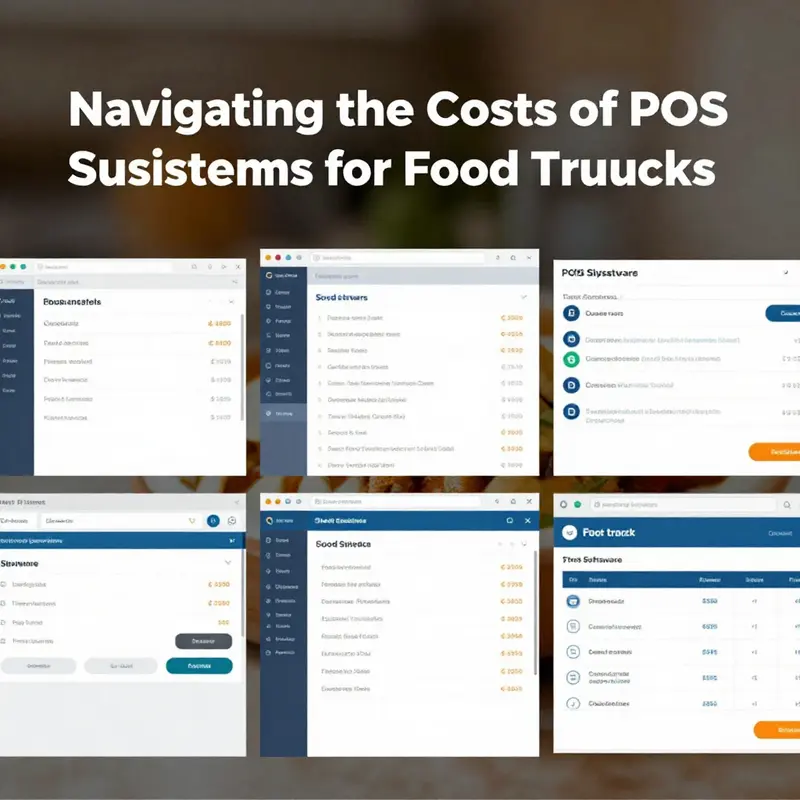
The price of a point-of-sale system for a food truck extends far beyond the sticker on the hardware. For mobile kitchens, the software that runs the register, tracks inventory, and coordinates orders is a recurring cost that can tilt the entire budget if not planned carefully. In practice, software subscriptions sit between the upfront hardware investment and the ongoing processing fees, shaping not only the monthly ledger but also how smoothly the truck operates during a busy lunch rush or a weekend festival. In this landscape, the most important insight is that there is a wide spectrum of options. Some operators start with a basic, almost plug-and-play setup that includes core sales and reporting tools at little or no monthly cost, while others opt into more feature-rich plans that cover inventory, staff management, and marketing, which can push monthly fees significantly higher. The key to a smart choice is matching features to needs, not chasing the most comprehensive bundle just because it exists.
On the low end, a number of cloud-based POS providers offer what is effectively a free or very low-cost entry point. This can be a pragmatic starting point for a single-vehicle operation that wants to test how the system handles daily sales, receipts, and simple reporting. A free or nominally priced basic plan often includes essential sales functions and basic data capture, which is enough to keep the lights on without tying up cash in a monthly subscription. As the truck scales and the menu grows more complex—perhaps with more sides, more garnish options, or significant daily volume—the need for dependable reporting and more robust management tools becomes clear. In these cases, operators naturally progress to a mid-tier package that adds features such as inventory tracking, more detailed analytics, and straightforward employee management. The typical monthly range for this tier is modest, but not negligible, and it is here that the math begins to matter: does the incremental capability translate into faster service, reduced waste, and better labor utilization?
Mid-tier subscriptions generally bring a readable lift in capabilities without requiring a wholesale change in workflows. Inventory management becomes more than a ledger—it’s a real-time signal for what to reorder and when to adjust menus in response to ingredient availability. Labor tools help track who is on shift and what tasks they perform, which in turn supports faster checkout times and fewer mistakes. Analytics at this level can reveal trends such as peak sales hours, popular combos, and the impact of price changes on demand. For a food truck that moves between neighborhoods and events, the ability to slice data by location, or by daypart, can pay dividends in both planning and execution. From a budgeting perspective, this tier typically lands in a range where the monthly fee might hover in the vicinity of a low to mid double-digit figure per location. In practice, operators often find that this level delivers the best balance between cost and value for a growing menu and a busier service schedule.
For trucks that scale toward higher-volume operations or multi-location fleets, the subscription discussion often shifts from feature depth to feature breadth. Here, the value proposition centers on multi-location management, advanced reporting, loyalty programs, and, in some cases, integrated marketing tools that help coordinate promotions across events and neighborhoods. The monthly commitment at this tier tends to be substantially higher, reflecting the increased sophistication and the demands of serving a larger customer base. Yet even within this tier there is nuance. Some platforms price by module or by location, while others offer an all-in-one package with a single monthly rate. The practical takeaway is that the most expensive options are not inherently the best for every truck—they are best for operators who truly need the added capabilities to sustain growth, manage a larger footprint, and deliver a consistent customer experience across venues.
The decision-making process for choosing a software plan should also consider the broader cost ecosystem. A POS system is seldom an isolated purchase. The monthly subscription is layered on top of the hardware investment and the payment processing costs that occur with every sale. Even a modest per-transaction fee can accumulate quickly in a high-volume service window, subtly increasing the total cost of ownership over time. For mobile operations, however, the value of a reliable cloud-based system is not only in the data it collects, but in the speed and accuracy it brings to a busy truck window. A fast, accurate setup reduces line times, decreases order mistakes, and improves customer satisfaction, especially during peak periods when a line snakes along the curb. In other words, the right subscription tier can pay for itself through operational efficiency, not just feature parity.
The landscape also reflects the practical realities of life on the road. A food truck operates with limited space and a need for quick, intuitive interfaces on tablets or handheld devices. The software chosen must be light enough to run smoothly on mobile hardware, and it should offer offline functionality or robust offline fallbacks in case internet connectivity becomes intermittent at a festival or outdoor market. Ease of training and onboarding for new staff matters as well; a solution that requires extensive setup or a long learning curve can slow down service during busy days and complicate turnover. In many cases, operators lean toward platforms that emphasize clean, simple interfaces with quick, reliable workflows for order taking, payment processing, and basic inventory checks. While feature depth is valuable, it is the balance between usability, reliability, and speed that often determines whether a given subscription plan is a smart long-term fit.
For those who enjoy drawing practical comparisons, consider how menu complexity and event cadence affect the software choice. A kitchen with a simple menu and few SKUs will get much of its value from a straightforward, easy-to-use system with basic reporting. A truck that regularly tests new dishes and runs promotions at fairs or curbside roving events will benefit from a platform that can handle quick menu changes, simultaneous orders, and simple loyalty integration. The more a truck relies on marketing and customer retention to drive repeat business, the more one might lean toward a plan that includes marketing tools and loyalty features—even if those features come with a higher monthly price tag. At the same time, a truck that primarily wants to keep costs tight and stay nimble might choose a lighter, more affordable option that prioritizes core sales and straightforward analytics, with room to upgrade as the business grows.
To give a sense of how pricing often breaks down in practice, a basic, entry-level option might be free or priced very low, with a mid-tier plan that includes inventory, staff management, and enhanced reporting ranging from roughly the low tens to the low hundreds of dollars per month. A high-end, feature-rich package intended for multiple locations or high-volume environments can push well into the hundreds per month, with some configurations costing as much as a couple of hundred dollars per month depending on the level of integration and the number of active sites. For operators who want a simple, predictable monthly expense, it can be wise to start with a plan that prioritizes essential sales and basic reporting and then layer on additional capabilities as the business proves its needs and scales.
The choice is not solely about features or price. It is about identifying the sweet spot where the software supports fast, accurate service, tight inventory control, and meaningful customer insights without becoming a burden on the team. It helps to consider how the software integrates with other parts of the operation—from online ordering to kitchen display systems, loyalty programs, and targeted promotions. A well-chosen subscription can function as a lightweight, data-driven backbone for a mobile, customer-focused business. Conversely, paying for capabilities that never see practical use remains a sunk cost with little return beyond vanity. In other words, the right subscription is the one that reliably enhances speed, accuracy, and the ability to grow—without complicating day-to-day work in the truck.
For further context and a sense of real-world application, many operators also draw inspiration from peers who adapt menus and branding to different markets. A useful reference point can be found in discussions about Latino street-food operations, which showcase how branding, menu design, and a strong value proposition contribute to repeat visits and word-of-mouth growth. This kind of case study helps translate software features into tangible benefits on the curb. See a concise collection of ideas at the following resource: Top Latino Food Truck Dishes.
Ultimately, the smartest path is to tailor the software strategy to fit the truck’s size, menu complexity, and growth ambitions. A lean starter plan can minimize risk while you test the waters; a mid-tier package can unlock meaningful efficiencies as you expand to new events and locations; and a premium setup can support a multi-location footprint, bigger promotions, and more sophisticated analytics. As with any critical business tool, the key is to choose a plan that enables consistent service, clear visibility into operations, and a sustainable path toward growth. If you want a reference point on pricing from a widely used cloud-based option, you can review the official pricing page here: https://squareup.com/us/en/pos
Investing for Speed and Service: The Total Cost of a POS System for a Food Truck
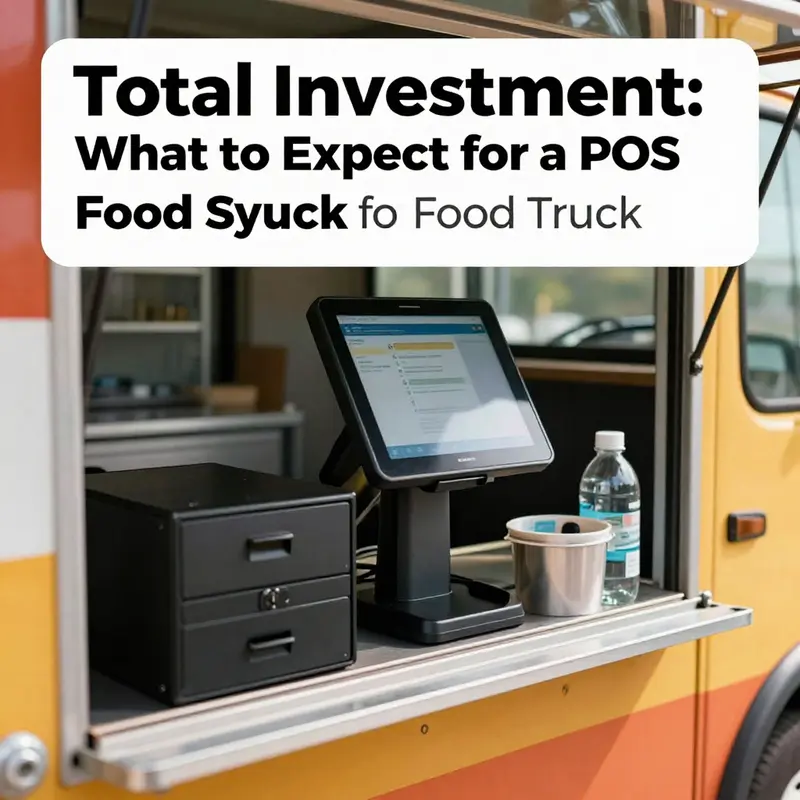
Choosing a POS system for a food truck is less about chasing the latest gadget and more about weaving hardware, software, service, and the mobile life into a single reliable workflow. The total cost is not a single number but a spectrum that grows with the scale of your operation, the pace of service you intend to sustain, and the level of data control you want over inventory, customers, and payments. For many operators the starting point is a practical realization: the hardware you pick must survive a day of sun, wind, and high traffic, while the software behind the scenes must keep orders moving smoothly from tap to receipt. The result is a total investment that looks different for a one person operation with a limited menu and for a crew that juggles multiple shifts, online orders, and cross promotions with other vendors. The cost picture, as of early 2026, reflects both the hardware you select and the software you subscribe to, with ongoing costs that can rival the upfront price of the device itself if you opt for a robust, cloud based system. In many cases, the most sensible approach is to start with a basic, compact setup and scale up as demand and complexity grow, rather than overpay for features that your day to day operations will rarely use. When you map out the total cost, you should include hardware, software, installation, training, and ongoing service fees, because those components together determine the speed and reliability of your service, which in turn affects your customer experience and your bottom line. A practical way to visualize the range is to think of two broad configurations that suit most food trucks. The first is a basic setup that prioritizes portability, simplicity, and low upfront risk. The second is an advanced setup that stacks in additional capabilities intended to protect margins during peak hours, support multiple locations or pop ups, and integrate online ordering into a single dashboard. The basic setup typically costs between one and two and a half thousand dollars for a complete, ready to operate package. It includes a rugged or tablet style POS terminal, a receipt printer that travels with you on the curb, a card reader to accept chip and contactless payments, and essential software that covers core sales, basic inventory tracking, and standard reporting. For many smaller trucks, this combination provides a reliable backbone without tying up capital in hardware that might be underutilized. The advantages here are clear: low upfront risk, faster deployment, and a straightforward training path for staff. You can transact for the same day, reconcile end of day, and begin to build customers and loyalty without needing to master a sprawling system. Yet as the menu expands, as peak events become a regular feature, or as you add online orders and a second or third revenue stream, the appetite for a more capable solution grows. The more ambitious path is the advanced setup, which generally sits in the three to six thousand dollar range and upwards. The core value here is not just a bigger screen or a faster reader, but a more integrated ecosystem. With an advanced system you typically gain a cloud based inventory module, a kitchen display system that streamlines the flow of orders from the line to the cooks, and multi location support that lets you manage events across markets with a single account. You also gain stronger reporting that unlocks granular insights into product performance, peak hours, and labor utilization. You can connect online ordering and delivery platforms, so a customer who places an order from a street event has their payment and pickup instructions automatically routed to your team. The trade off is that with more features comes more complexity, more potential points of failure, and higher ongoing costs. Installation can take longer, training becomes necessary for staff to maximize the feature set, and monthly software subscriptions can range from roughly fifty to a hundred dollars per location, depending on the breadth of tools and the level of service you require. It is common to see the ongoing fee scale with the sophistication of the platform, reflecting not just access to features but the hosting, data security, and ongoing support that keep a cloud system operational in a mobile environment. Between these two poles lies a continuum of options, and many operators gravitate toward a middle path that balances cost with capability. That middle path often includes a dependable mobile terminal with a compact receipt printer, a card reader that can handle both chip and contactless payments, and a reasonable cloud based management suite that covers day to day sales, basic inventory, and employee scheduling. In this middle ground you typically see a total upfront investment around five hundred dollars, plus a monthly subscription in the range of two hundred to three hundred dollars. The headline here is not the initial price alone but the total cost of ownership over, say, a two to three year horizon. If you stay with the same hardware and you do not need frequent upgrades, the monthly fees will gradually accumulate, but you will also enjoy the predictability of a fixed service plan and the security of vendor support for mobile operation conditions. The friction points that influence total cost are predictable in a food truck setting. You must consider stability in variable connectivity, the need for offline mode when networks are patchy, and how well your hardware withstands heat, vibrations, and the occasional spill. In a compact kitchen on wheels these concerns are not niche; they are daily realities. A robust POS strategy thus requires a balance of hardware resilience and software reliability. The more advanced your plan, the more you lean into cloud connectivity, which offers real time data synchronization, remote updates, and centralized control across events or locations. This is powerful for a business that moves from one venue to another, but it comes with a price tag that shows up as ongoing subscriptions and periodic hardware upgrades to maintain compatibility. A key consideration that often gets overlooked is the space you have available for the devices and the workflow you want to support. In the tight confines of a food truck, the layout of a POS station affects speed and accuracy as much as the price tag attached to it. A device that is too large or poorly mounted can slow lines, hinder staff movement, and create a fragile chain that collapses during a rush. The right balance means choosing hardware that is deliberately compact, rugged, and easy to reach for the cook or the cashier. It also means choosing a software plan that does not force you into redundant features simply because you purchased a premium tier. A savvy operator builds a system with interchangeable pieces that can be swapped or upgraded as needs evolve, rather than committing to a fixed architecture that becomes obsolete after a single event. For those weighing how hardware choices shape the operation, consider how the vehicle configuration and the service model influence the installation and security of devices. The same question that guides vehicle selection also informs POS selection. A small, fast moving street cart might prioritize a light, battery powered option with minimal cabling, while a larger step van or trailer operation could justify a more integrated setup with a dedicated POS station, a separate printer, and a secure card reader dock. For operators who weigh how vehicle configuration affects equipment layout, consider how the vehicle configuration changes the installation requirements. See Step Vans vs Cargo Vans for Food Trucks. Step Vans vs Cargo Vans for Food Trucks. The decision you make here echoes through the total cost of ownership. It impacts where you place the devices, how you secure them during transit, and how you maintain them in a mobile environment. The aim is to avoid an expensive misfit that forces you to replace hardware prematurely or to add costly protective accessory after protective accessory. As you map the numbers, the case for a scalable, modular approach becomes clear. A well designed system with core functionality plus optional add ons allows you to start lean and grow without the pain of a costly migration later. The middle path offers a durable balance between upfront investment and ongoing costs, delivering acceptable reliability without locking you into a high price for features you may not need. It is also worth acknowledging that high end setups can justify themselves in operations that handle large volumes, complex inventory, or multiple concurrent locations. In such cases, the return on investment is measured not only by faster service and happier customers, but by the ability to capture data that informs menu optimization, inventory discipline, and cross promotions with partner vendors. The objective is not to chase a perfect system but to select a setup that aligns with how you cook, how you serve, and where your business grows next. As the market continues to evolve, the most successful operators treat the POS as an invisible engine that keeps the operation running smoothly rather than a showpiece that sits idle when demand dips. The value lies in dependable performance, intuitive workflows, and predictable costs that support growth. When you plan, you should also anticipate ongoing software fees and routine maintenance as part of the total package. Even a basic setup requires a small monthly investment for updates, security patches, and customer support. A more comprehensive platform can include advanced reporting, loyalty tools, and integration with online orders, which can materially shift the economics but also unlock new revenue opportunities. Taken together, the total investment for a POS system is not merely the price tag of the device and the first month of software. It is a joined decision about mobility, reliability, and scale. For a simple, lean operation you might proceed with a basic setup that costs around one to two and a half thousand dollars upfront, supplemented by a modest monthly software fee. For a more complex business that aims to streamline kitchen operations, manage multiple events, and embrace online ordering, the front end of the investment climbs toward three to six thousand dollars or more, with higher monthly costs that reflect the expanded capabilities. The best approach is to define the most critical workflows that your team needs to execute every day. Then map those workflows to both hardware and software choices, always keeping in mind the mobile realities of the street. This way you can avoid overinvesting in features you will rarely use while securing the core tools that keep lines moving, orders accurate, and customers satisfied. In the end, the total cost you bear is a function of how well you align the system with your operating tempo, your menu, and your growth trajectory. External resource: https://www.squarespace.com/food-truck-restaurant-pos
From Setup to Sustainment: Navigating the Long Arc of a POS System for a Food Truck
The cost story of a point of sale (POS) system for a food truck rarely starts and ends with the sticker price. The decision one makes at the curb—whether to buy new or used hardware, what software tier to subscribe to, and how to plan for maintenance and upgrades—sets the tone for long-term profitability. In many cases, the initial investment is only the first page of a much larger ledger. When operators ask how much a POS will cost, they often think in terms of a single payment, but the more accurate frame is total cost of ownership over several years. That horizon matters because cloud-based software, secure payment processing, and the hardware that keeps the kitchen running all require ongoing commitment. The practical reality is that a POS system for a food truck becomes a living, evolving tool that shapes efficiency, customer experience, and even energy consumption around the truck’s operation. To chart a sensible path, it helps to imagine the lifecycle from day one through multiple seasons, recognizing which costs recur, which are optional, and which are essential to staying competitive on busy streets and at events.
Ongoing software costs form the backbone of the monthly budget. In the most common arrangements, the software operates on a subscription model that grants access to core features—sales analytics, inventory tracking, employee scheduling, and customer engagement tools. The monthly charge typically falls within a predictable range, and the variation usually tracks how many locations the system supports and how sophisticated the reporting and marketing capabilities are. A single-location setup might sit toward the lower end of the spectrum, while multi-location operations, or those placing emphasis on loyalty programs and complex promotions, push the monthly fee higher. Even when the hardware is purchased outright, the software is rarely free; most operators plan for these recurring payments as a fixed line item in their cash flow projections. This is a shift from the earlier days when you could hope to find a one-time license. Today, even a compact mobile POS is part of an ecosystem that requires ongoing updates and customer support.
Hardware maintenance is the next long-tail cost that tends to surprise new operators less than it should. The mobility and exposure to the elements mean touch screens, card readers, printers, and mounts experience wear and tear more quickly than storefront equivalents. Regular software updates can also necessitate occasional hardware refreshes to maintain compatibility. The decision to replace versus refurbish is usually driven by performance thresholds, warranty terms, and the frequency of feature upgrades. A small, durable handheld device may serve well for years, but you should still anticipate battery replacements and eventual screen or connector failures, especially in a high-traffic, all-weather environment. Budgeting for a routine cadence of checks and replacements helps keep downtime minimal, which in turn preserves service speed during peak hours.
Support costs are another essential component of long-term budgeting. Even the most reliable systems require troubleshooting, configuration tuning, and occasional disaster recovery planning. Technical support may come bundled with the software or be a separately priced add-on. For a busy truck, timely support translates directly into fewer interruptions to service, steadier processing times, and happier customers. The cost here is not merely the dollar amount but the value of uptime. In practice, operators often find that investing a little more for premium support plans pays off in reductions in missed orders, reconciliation errors, and the headaches of troubleshooting on the fly at a crowded event.
Compliance and security add a layer of ongoing responsibility and expense that many new entrants underestimate. Payment card data handling is governed by standards such as PCI-DSS, and maintaining compliance usually means periodic audits, system audits, and possible software or firmware upgrades to keep up with evolving safeguards. The price tag for audits or compliance consulting can feel abstract until you see how a lapse might impact your ability to process transactions, or how a data breach could undermine customer trust and loyalty. Today’s POS ecosystems rely on secure card readers and encrypted transmissions, but they also require routine monitoring and occasional re-certifications to stay aligned with the latest security practices. The cost here is both dollars and discipline: budget the time and resources to conduct routine security reviews and to upgrade components or configurations when required.
Internet connectivity remains a practical necessity for cloud-based POS systems, and it too carries a recurring cost. A reliable connection not only ensures real-time sales data and inventory synchronization but also underpins secure payment processing. In a mobile kitchen, you may rely on cellular networks, a portable hotspot, or a consolidated data plan. Each option has a different cost structure, performance profile, and resilience in locations with spotty coverage. Smart operators treat internet access as a utility rather than a luxury, pairing redundancy with budget discipline to prevent an outage from grinding the line to a halt mid-service.
Staff training rounds out the triad of ongoing expenses alongside software and hardware. Even the best system will underperform if the crew isn’t adept at using its features. Periodic training becomes necessary when the software updates or introduces new workflows, such as faster order entry, new receipt formats, or changes in loyalty tools. Training costs aren’t merely about paying an instructor; they also reflect the opportunity cost of pulling staff away from the line for instruction and the potential for mistakes during the learning curve. Savvy operators plan short, focused refreshers that align with seasonality or menu changes, keeping the training lean and targeted while ensuring that the team remains confident with the tools they rely on every shift.
Beyond the basics, a well-chosen POS can deliver efficiency-boosting features that reduce long-term costs indirectly. Pre-order notifications, for instance, can shave idle time and prevent over-preparation by providing customers with accurate updates on when their orders will be ready. These features can lower labor costs and maximize throughput during peak windows, improving the cash-on-hand position by shortening wait times and enabling faster service. In more forward-thinking setups, POS systems that integrate with energy management tools become a unique form of savings. Electric food trucks can synchronize the operation of kitchen devices with the timing of orders, or with off-peak electricity rates, to minimize energy consumption without compromising service quality. While not every truck will pursue such integration, the approach demonstrates how the POS system can be part of a broader efficiency strategy, not just a transaction terminal.
The arithmetic of long-term costs benefits from a practical budgeting framework. Start with a baseline: a modest hardware setup plus a basic software plan, and project a monthly software cost that reflects the highest anticipated feature needs. Add a cushion for hardware refresh cycles—say a replacement every three to five years depending on usage and wear—plus a line item for support and security updates. Don’t forget the internet and training budgets. In aggregate, a typical new, fully functional POS configuration for a food truck may resemble a steady annual expense that sits alongside fuel, insurance, and maintenance. When you combine initial hardware investment with recurring software and service costs, the annualized burden often becomes more meaningful than the upfront price alone. For operators who want a concrete reference, the layout often falls within a pattern where the upfront hardware costs are modest, and the ongoing software and connectivity costs accumulate to a predictable monthly commitment. This framing helps the owner compare different configurations not just by the immediate price, but by the total cost of ownership over three to five years.
To connect the practical budgeting to real-world decision making, consider that many operators lean toward a compact yet capable setup that balances cost with durability and ease of use. A common approach is to pair a single, reliable mobile device with a cloud-based software plan that covers core functions and basic reporting. This keeps the upfront investment affordable while preserving the flexibility to scale up with additional features if demand grows. Over time, you may invest in higher-tier software for better analytics or in supplementary hardware to distribute tasks across multiple staff members, but each upgrade should be evaluated against its incremental impact on service speed, accuracy, and customer satisfaction. The goal is not to minimize every expense but to optimize the cadence and magnitude of investments so that they align with the truck’s trajectory—seasonal peaks, event calendars, and evolving menus.
For readers integrating this long-view perspective into their planning, a simple reminder can help: the most prudent path blends thoughtful initial selection with a disciplined, ongoing review of subscription needs, security posture, and connectivity reliability. In practice, this means scheduling annual reviews of software tiers, confirming hardware health, testing backup connectivity options, and revisiting training plans as the crew roster changes or as new menu items demand new workflows. The result is a POS setup that remains resilient, efficient, and aligned with business goals rather than becoming a drag on resources. If you want a broader view on operational context and budgeting considerations, see blog-2.
External resource: For a broader industry perspective on how these systems compare and what to expect in terms of functionality and return on investment, explore the external POS guidance here: https://www.foodtrucks.com/pos-systems-for-food-trucks.
Final thoughts
Understanding the costs associated with POS systems is crucial for food truck owners aiming to maximize operational efficiency while adhering to budget restrictions. This guide provides a thorough analysis, from initial hardware investments to ongoing software subscriptions and maintenance. Knowing these financial elements empowers owners to make strategic decisions that enhance their business model. By choosing the correct POS system tailored for food trucks, you position your mobile kitchen for success in a competitive landscape. Invest wisely, and your POS system will be a vital asset in serving customers effectively, managing sales, and growing your culinary brand.