
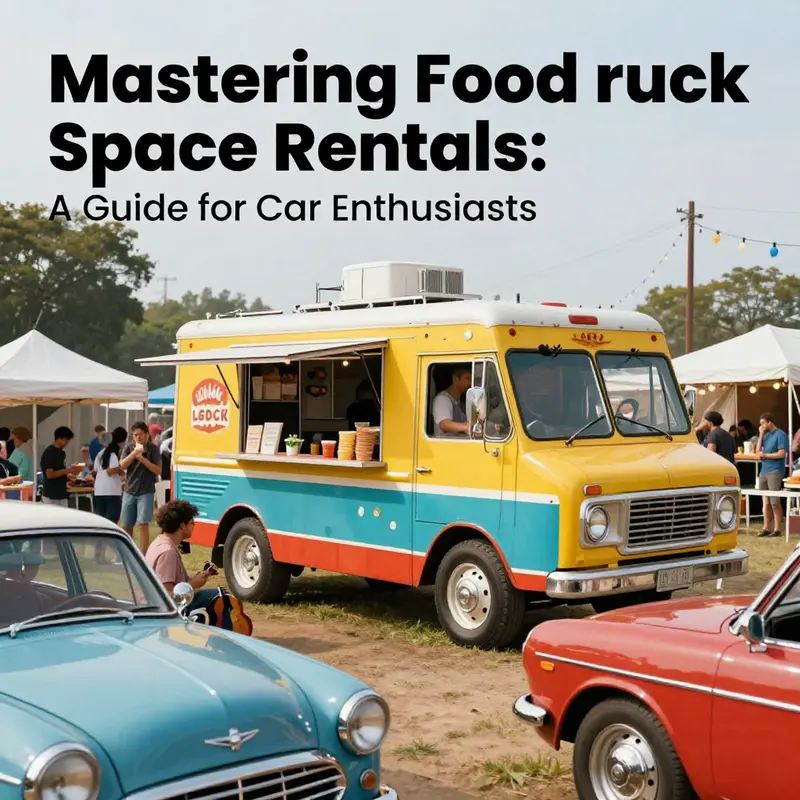
For those passionate about car culture, combining food and automotive wonders can lead to exciting opportunities. Imagine your food truck parked at a car show, enticing enthusiasts with mouthwatering bites while they admire meticulously modified rides. Renting space for a food truck is an integral part of this venture, and understanding how to navigate the landscape is crucial. As we delve into this guide, we will explore various chapters that pinpoint how to identify ideal locations, decipher local regulations, discover types of spaces available for rent, and implement effective strategies. Each facet discussed underscores the importance of smart planning and execution in making your food truck a centerpiece in car gatherings or events.
Mapping the Best Locations: A Strategic Guide to Renting Space for Your Food Truck
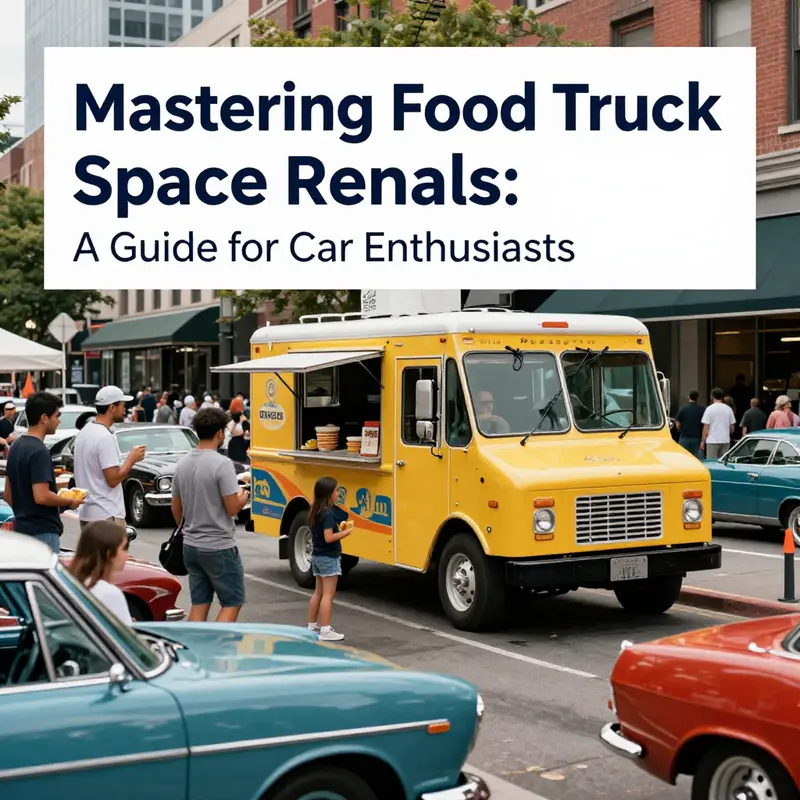
Locating a space for a food truck is less about finding a single good corner and more about mapping a network of opportunities where your concept can resonate, your operations can run smoothly, and your customers can connect with what you cook. The chapter you’re about to read is not a catalog of places but a framework for thinking through how to align your menu, your brand, and your operational needs with spaces that are designed to sustain food-focused businesses. In practice, the best locations are public or institutional properties that actively invite vendor spots, backed by clear rules and predictable processes. That clarity matters as much as the foot traffic, because predictable rules reduce friction and help you forecast revenue, risk, and seasonality over the course of a year.
The search begins with a simple truth: your target market will shape which spaces make sense. If your menu draws office workers during a weekday lunch rush, a cluster of business districts, campus zones, or hospital precincts can deliver consistent crowds. If your cuisine thrives on weekend energy or special events, then public markets, festival grounds, and event venues become your primary playgrounds. If you aim to anchor a longer-term presence or test a new concept, a food truck park or a private property lease can offer stability and a shared infrastructure that would be hard to replicate in a stand-alone pull-up spot. Each option comes with its own economics, requirements, and pace of access, but they all share a common thread: you need to understand how the space functions within a larger ecosystem of stakeholders, from venue managers and event organizers to health inspectors and city regulators.
Public markets and farmers markets tend to be the most reliable launchpads for food trucks. They are built around a schedule, with defined stall sizes, utility provision, signage, and a predictable flow of visitors who come for fresh produce and prepared foods alike. The value here goes beyond the daily rent. Vendors benefit from built-in foot traffic, shared marketing opportunities, and sometimes even joint promotions with nearby merchants. The tradeoff is the cadence and the cost. Daily or weekly fees can add up, and you will often share limited utilities with other vendors. But the upside is resilience: markets operate across seasons, and their expectations about cleanliness, waste management, and customer service are well established. As operators gain experience, many markets offer opportunities to renew or expand slots, or to diversify into adjacent days and events without reinventing the wheel each time.
Food truck parks are another compelling option for those seeking more predictability and a community environment. These are dedicated lots with multiple stalls and shared infrastructure, including restrooms, power, and sometimes common seating or shade. A monthly or annual rate for a fixed stall can be attractive for operators who want to build a steady presence and plan in advance. The atmosphere in a park is collaborative; neighbors become potential partners for cross-promotions, and the park’s management often coordinates marketing efforts or coordinated appearances. For operators, the park model reduces the startup friction of sourcing water lines and power hookups, because the infrastructure is already in place. The challenge here is the element of competition and the need to stand out within a defined space. Your brand, menu narrative, and service tempo must be tuned to the park’s rhythm and the neighboring tenants.
Event venues, including concerts, sports games, and festivals, open doors to audiences that are broadly receptive to diverse cuisines. These opportunities tend to be more episodic than a park or market, but the ticketed or timed nature of events can translate into high-volume windows when your kitchen is tuned for speed and consistency. The key is proactive outreach: you often need to contact organizers well in advance, understand the event’s food vendor policies, and secure the right permits and insurance. The upside is exposure; the audiences at events can become repeat customers when the experience is positive. If you pursue these paths, you’ll want to curate a compact, high-throughput menu and a service model that thrives in a time-constrained environment while maintaining quality and taste integrity.
Private property arrangements—leasing space from businesses, campuses, or retailers—offer another path to stability. A parking lot, rooftop, or storefront-adjacent space may be leased to you as a steady anchor. These deals can be more flexible than large markets or official parks, with the opportunity to negotiate terms that align with seasonal demand, promotional calendars, or locally relevant partnerships. The tradeoff is often the need to invest more in branding and marketing to attract a steady stream of customers, as these sites rely on your ability to draw foot traffic up to a fixed location rather than the broader reach of a market day or festival circuit. In this context, a thoughtful lease that protects your ability to operate, sets clear utility expectations, and accounts for maintenance and waste management becomes essential.
Street vending zones, where cities designate certain corridors for mobile vendors, present another layer of opportunity. These zones can be a fast track to legal operation, provided you meet the city’s requirements around permits, hours of operation, and safety standards. The benefit is a low barrier to entry in terms of finding space, but the constraints can be strict in terms of where and when you can operate. The underlying theme across all these venue types is regulatory fit. You might win a premium location on a busy street only to discover that the local health department requires a more stringent permit or that a neighboring business imposes quiet hours. The more you align the details of location with the regulatory scaffolding that supports it, the longer you can sustain the venture without costly disruptions.
Regulatory clarity often reveals itself in the stories of cities that have built structured pathways for space rental. In markets like New York City, for instance, formal guidelines specify placement rules and safety distances to ensure public access and to reduce congestion around entrances and exits. A mature market with such rules signals a reliable environment for a food truck operator, where you can plan with a clear sense of what is permissible and what is expected from you in terms of timing, clearance, and customer flow. This kind of framework does not just facilitate a single booking; it creates a long-term roadmap for scaling operations, expanding into adjacent spaces, and coordinating with other vendors in a way that benefits the entire ecosystem. When you see these patterns—institutions issuing bids for specific leasing spaces, venues hosting regular vendor slots, and cities codifying standards—you are looking at a market that is actively supporting mobile food entrepreneurship rather than one that relies on sporadic, informal opportunities.
As you review these venue archetypes, the choices you make should flow from an honest assessment of your concept and your operational capacity. A menu with a wide range of complex items might thrive in a market with ample prep space and robust power infrastructure, whereas a compact, speed-focused model will perform better in a park or private site with a tight service window and an emphasis on throughput. Your branding should resonate with the space’s audience and the time of day you plan to serve. A business that aims for lunch crowds near office clusters will benefit from a location that offers predictable weekday peaks, whereas a weekend or evening concept might find its best match in a festival ground or a busy street market that draws a different crowd on nights and weekends. The best locations, in other words, are those that harmonize demand with supply in a predictable, manageable way, while also offering the flexibility to adapt as your business grows.
To weave these strands together, you need to consider a few practical touchpoints. First, ask for the venue’s availability calendar and the application process, not just the price. Availability matters because a space that is affordable but booked for most of the season delivers little value. Second, probe the utilities and infrastructure: is there ready access to water, power, shelter, seating, and waste disposal, or must you bring generators and portable equipment? Third, consider the support ecosystem: is there on-site management that resolves issues quickly, fellow vendors you can collaborate with, or marketing support that amplifies your presence? Fourth, scrutinize the lease or license terms: is the contract flexible if you need to scale up or down, does it specify how long you can remain in a given spot, and who bears the cost of maintenance and event setup? Fifth, factor in the branding and visibility: is your truck visible from the main thoroughfare, is there signage space, and how does the location complement your culinary narrative? Answers to these questions are sometimes found in a single visit or a candid conversation with a venue manager. They will often provide a clearer picture of the return on investment than a price tag alone.
In the process of pursuing spaces, you will also discover the value of building relationships. A simple, professional approach—introducing your concept, outlining your compliance with health and safety standards, and offering a concise plan for service, waste, and cleanup—can turn a tentative inquiry into a trusted partner for a venue. Relationships matter because space is not a one-off rental; it is a platform for recurring activity. When venue managers see you as reliable, easy to work with, and capable of delivering a strong guest experience, they tend to return your calls, offer you preferred terms, and open doors to additional opportunities, whether within the same property or through referral networks.
From the perspective of a growing operator, the landscape is richer when you look for patterns across different cities and contexts. You may notice that some neighborhoods create a steady rhythm of bookings during lunch hours, while others thrive on weekend markets that double as social events. These patterns are not accidental; they reflect the alignment of demand cycles with supply channels that have been intentionally built by market organizers, city planners, and private property owners who see the value of food trucks as a draw for customers. The best locations, therefore, are not just places to park; they are ecosystems designed to welcome people who are hungry for good food and an efficient, friendly service.
As you deepen your search, you may begin to notice how a city’s regulatory environment shapes the practicalities of renting space. If you find a few spaces that suit your brand, you will likely need to navigate permit requirements, health inspections, and insurance prerequisites. A permit may entail inspections of your kitchen setup, truck cleanliness, and compliance with food handling standards. Some spaces come with bundled utilities, while others require you to contract for power, water, and waste management separately. The balancing act is straightforward: your goal is to minimize friction while maintaining compliance, so you can maximize your available hours and throughput without compromising safety or quality. In cities with mature markets, venue managers expect a baseline level of preparedness from vendors, including proof of insurance and a track record of reliable operations. That expectation can be a barrier for newer operators, but it is also a signal that once you clear the gate, you can participate in a more predictable operating rhythm.
To illustrate how these pieces come together, imagine a scenario where a chef owner is testing a seafood-forward menu in a midtown incubator market that hosts daily lunch crowds and occasional popping events. The operator would first analyze the market’s daily rhythm, noting peak hours, the mix of office workers and shoppers, and the kinds of sites nearby that might drive complementary foot traffic. They would then verify utility availability and confirm that the stall size accommodates the plan for a cold prep area and a small service window. They would examine the contract for term length, renewal options, any escalation clauses, and the responsibilities for waste disposal and cleaning. They would also consider how the market’s signage and branding guidelines align with their own identity and what the marketing team can do to elevate the truck’s visibility during the week. If the operator can secure this space on a repeat basis, they build a reliable base that can support incremental experimentation in evenings or on weekends, while keeping the core operations lean and efficient.
A final thread to weave into the narrative is the role of storytelling and reputation in location strategy. Your space is part of your brand’s story; it is where customers form a memory about your food, your service, and your pace of operation. The more consistent you are—consistency in portion sizes, in the speed of service, in the cleanliness of the truck, in the reliability of your schedule—the more likely you are to earn repeat visits and to grow through referrals from venue managers and fellow vendors. The best operators treat every booking as a long-term relationship, not a one-off transaction. And they refine their approach over time by collecting feedback from customers and venue teams, watching how seasonal shifts affect demand, and adjusting the menu or service model to suit the space. A location that once delivered moderate traffic can become a powerhouse with the right adjustments, just as a once-thriving site can wane if you do not attend to the evolving environment around it.
For readers curious about how these patterns manifest in different cultural and regional contexts, consider the broader landscape of Latino food trucks in major cities. The space strategies in many urban areas reflect shared principles—structured spaces, predictable operations, and a cooperative ecosystem that supports mobile dining. Latino food trucks in major cities provides a lens on how diverse culinary teams navigate location choices, regulatory nuances, and community engagement while cultivating a loyal customer base across metropolitan areas. Tying this thread back to the core topic, the act of identifying the best locations becomes a blend of market insight, regulatory readiness, and relational capital. When you combine these elements, you begin to see that the most successful space choices are neither random nor purely opportunistic; they are deliberate alignments of your business model with spaces that want what you offer and can support your growth over time.
As you move from planning to action, a few guiding practices help keep the process grounded. Start by building a short list of target spaces that fit your typical customer profile and seasonality. Rank them by a simple value lens: expected daily revenue, capacity for throughput, proximity to complementary venues or activities, and the regulatory ease of entry. Use this ranking to guide outreach; begin with venue managers who appear most open to vendor partnerships and who have a track record of recurring bookings. When you present your case, keep it concise and data-driven: show your planned service hours, your typical batch size, your waste plan, and your containment strategy for health and safety. The aim is to demonstrate not only culinary value but also reliability and respect for the space and its rules. Over time, you will gain clarity on which venues yield the best combination of revenue stability and manageable risk, and you will begin to see a network form around your truck that supports a sustainable, scalable growth path.
In short, the best locations for a food truck blend three essential elements: demand that aligns with your concept, infrastructure that supports efficient operation, and a regulatory framework that makes compliance straightforward rather than a daily obstacle. The strongest opportunities appear where public or institutional spaces are actively programmed for vendors, where clear placement and safety rules enable smooth customer flow, and where venue teams view your truck as a valued part of their own value proposition for guests. Keep your eyes on those signals, rather than chasing a hot corner that changes with every new event. The resulting map will be a living document, updated with each new booking, each newly negotiated term, and each season’s shift in the local food landscape. When you treat location as a strategic asset rather than a lucky break, renting space for a food truck becomes a stepping stone to a durable, scalable business that can adapt to changing consumer tastes while staying true to a coherent culinary identity.
External resources for further guidance can be found at the National Food Truck Association, which offers resources, directories of events, and guidance on securing vendor spots nationwide: National Food Truck Association.
Clear Pathways: Navigating Permits and Regulations When Renting Space for Your Food Truck
Renting space for a food truck involves more than price; it requires navigating permits, zoning, and private leases to create a compliant, reliable base for your operation. Start by identifying the permits you will need (mobile-vendor permit, health department approvals, insurance). Understand zoning constraints and whether the space is in a designated area for mobile vendors, and note any hours, distance, or nuisance restrictions. When leasing private space, review the contract for who enforces rules, renewal terms, utilities, and what happens if the site is closed. Build a permit package including proof of business registration, a valid business license, a comprehensive insurance certificate, and a sanitary plan; keep a living file with inspection dates and renewal reminders. Use direct outreach to venues and online platforms to discover spaces, and consider associations that facilitate vendor opportunities. Budget for permit fees, inspections, insurance, and any site improvements. Maintain an organized operating rhythm: coordinate with authorities before staged events, perform site visits to confirm utility hookups and access routes, publish operating hours aligned with constraints, and keep a ready-to-share packet of documents. In time, a strong regulatory posture can speed space approvals, reduce risk, and help you scale across multiple sites.
Mapping the Terrain: A Practical Guide to Finding and Renting the Right Space for Your Food Truck
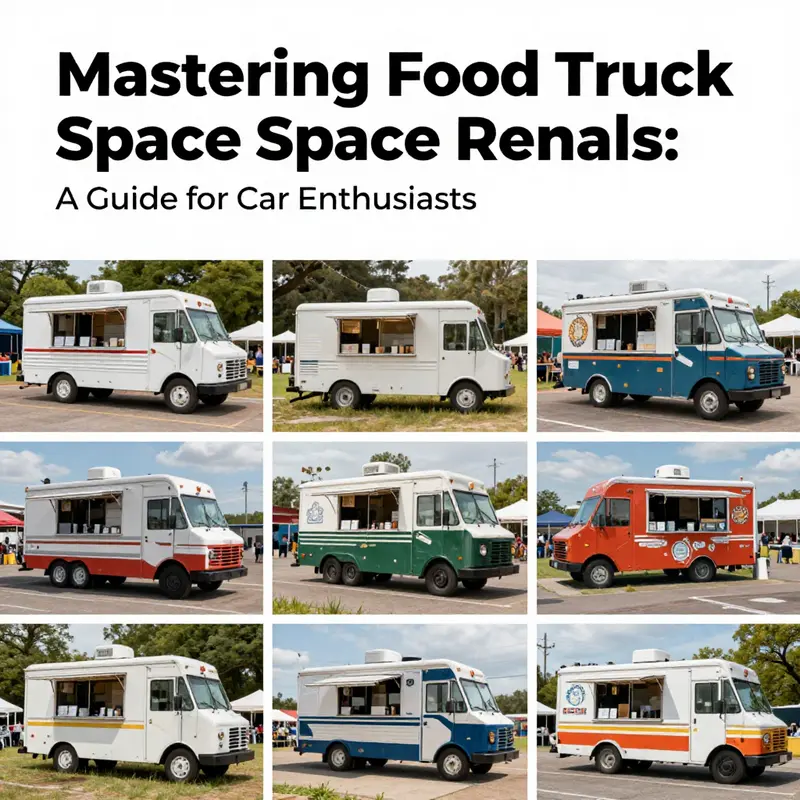
The space you rent is more than a backdrop; it becomes part of your brand and your operational rhythm. The choice influences when you can serve, how you connect with customers, and what your menu can realistically deliver without overloading your team. In markets where foot traffic is decisive, a well-chosen space can turn a good concept into a daily draw, while a poor pick can hinder even a delicious lineup. In this chapter, we explore how to think about space as a strategic asset and how to move from aspiration to a signed agreement that aligns with your business model and your customers. The journey begins with understanding the kinds of venues that routinely welcome mobile vendors and what each type demands in terms of permits, infrastructure, and relationships with managers.
Public markets and farmers’ markets stand out for reliability and built-in audiences. They are often designed with basic utilities like water and electricity, and they provide signage opportunities that can help a hungry crowd find you. They do, however, require regular commitment and compliance with market rules, which may shape your hours and staffing. For startups, these spaces can offer a sturdy testing ground for menu concepts and pricing, allowing you to gauge demand in a controlled setting before expanding. In many places, the market operator will set the stall size and season, and fees are typically charged daily or weekly. The experience is social and bustling, with shoppers who come for produce as much as for a savory bite, so your offering can become a part of a larger community event. The Portland Farmers Market model is often cited as a case study in how vendors are charged based on stall size and season; the exact mechanics vary, but the principle remains the same: your costs scale with the footprint you occupy and the time you invest.
Food truck parks represent a more permanent, serviceable ecosystem. They create a village of mobile vendors sharing infrastructure, including restrooms, waste disposal, and sometimes a centralized power supply. For operators who have moved beyond the startup phase, parks offer predictability and a built-in base of regular customers who visit the row of trucks as a destination. The monthly rental model common in these parks makes budgeting easier and provides a sense of belonging to a steady, supportive community of fellow operators. For some fleets, a single, long-term arrangement in a park can resemble a storefront lease without the heavy brick-and-mortar overhead, while others treat it as a stepping stone toward larger, more ambitious itineraries. In places where the urban fabric tolerates a high degree of street-level commerce, these parks can anchor a neighborhood, become a focal point of lunchtime activity, and offer a platform for cross-promotions with neighboring businesses. When weighing this option, you’ll want to understand the utilities package, including water, electricity, and waste management, and you’ll want clarity on how the space is managed—who handles maintenance, what the hours of operation are, and whether there are opportunities to expand to adjacent stalls as your business grows.
Events and venues add a different flavor to the rental mix. Concerts, sports games, festivals, and private gatherings bring a surge of customers during specific windows, and they reward flexibility in both menu and schedule. The upside is the potential for high-volume service and quick cash flow; the downside is the need to align with event timelines, adhere to strict setup and teardown windows, and sometimes navigate a competitive bidding process to secure a slot. Event organizers increasingly rely on platforms and direct outreach to recruit food vendors, so developing a crisp pitch that articulates what you bring to the experience is essential. Costs here cluster around a per-event fee or a short-term lease, and you’ll often be expected to bring your own canopy, generator, and power distribution, unless the venue provides them as part of a package. The event environment rewards efficiency, a clear service radius, and a menu that travels well under stress, since you may be competing with multiple trucks for the same audience.
Private property, meanwhile, offers a broad array of possibilities. Property owners with retail or office space may lease portions of their parking lots, rooftops, or storefront curbs to attract foot traffic and diversify income streams. These arrangements can be highly negotiable and tailored to the host’s objectives, whether that means longer-term hours, a fixed footprint, or seasonal collaborations around holidays or office hours. The flexibility of private-property arrangements is one of their main draws, but it also places the onus squarely on you to negotiate access to utilities, waste disposal, insurance, and liability. It is common to see a month-to-month model, with automatic renewals if both sides are satisfied, or a seasonal commitment anchored to a market cycle. For operators who want a consistent place to build a following, a private-site lease can provide more predictability than roaming from one public space to another, while still avoiding the fixed costs of a brick-and-mortar storefront. Street vending zones exist in many cities as designated corridors that permit licensed mobile vendors to operate. These spaces often come with street-level visibility and the chance to capture commuters and pedestrians during peak traffic times, but the rules can be highly specific: hours of operation, allowed equipment, and the degree of on-site branding may be restricted to comply with municipal aesthetics or safety standards. Navigating a street-vending permit may require several approvals, from health and safety to traffic control, so it’s worth taking a careful, methodical approach to ensure you stay compliant.
Embedded within these broad categories are nuanced subspaces that can align with specific culinary concepts. Small to medium-sized food trucks, typically 18–26 feet in length, are particularly well-suited for startups testing a concept or serving specialized formats. These units strike a balance between agility and culinary capability. They tend to be easier to license and insure than larger fleets, a practical advantage when you are negotiating your first rental terms. They are often sufficient for serving corporate campuses or pop-up markets, and their compact footprint makes it easier to justify a presence in a high-traffic environment without overextending your capital. For office lunches and small private events, a compact truck can deliver a menu that is both mobile and scalable. The capacity to serve 50–150 guests per hour maps cleanly onto typical lunch-hour surges in office districts, a metric that many operators use to frame staffing levels, speed of service, and the inventory needed for each location.
Campus-based leasing programs are another compelling path for operators who want a high-traffic, predictable environment with institutional backing. Universities and large campuses often maintain structured leasing programs designed to streamline approvals for temporary dining concepts and to provide designated outdoor sites where trucks can congregate. In this setting, you will encounter a governance layer that includes Campus Operations and Services, whose approvals filter into every step of site design, permit management, and waste disposal. The advantages here go beyond the mere convenience of a steady audience; campuses come with built-in demand and the expectation of reliable throughput, which can support a more consistent revenue stream. You will need to be mindful of compliance with institutional regulations around food safety, trash containment, and even the aesthetic guidelines of the campus itself. The leasing process may require a robust menu plan, a clear proof of insurance, and a demonstration of how you will handle waste and maintain cleanliness in shared outdoor spaces. The campus option can be especially attractive for operators who want to cultivate a loyal clientele among faculty and students while testing a concept in a densely populated micro-market.
Specialty mobile units add another layer of capability to the renting landscape. These are trucks designed for specific culinary applications—rotisserie setups, specialty dessert concepts, or other formats that require unique equipment and workflow. They are ideal for caterers, street vendors, weddings, fairs, and other mobile events where the hallmark is a distinctive, high-production modality. The equipment tends to reflect the specialization: industrial-scale roasters, high-volume fryers, or advanced refrigeration configurations that support efficient service. Yet the compact design of specialty units can also impose constraints on storage and on in-truck prep, so careful planning is essential if you intend to scale. If your concept is built around a signature dish that benefits from a precise, repeatable cooking process, a specialty unit can deliver both a compelling value proposition and a recognizable brand identity. Bear in mind that such units may come with heightened insurance requirements and a more demanding maintenance schedule, so you should factor those ongoing costs into your rental decision.
The practical economics of rental space are not abstract; they shape your cash flow, staffing models, and marketing strategy. Daily rates can range from modest sums to higher figures depending on location and demand. You may encounter a spectrum from around 50 to 200 dollars per day for a single stall, with weekly or monthly arrangements in the low hundreds to a few thousand dollars. Event fees, on the other hand, can be a few hundred dollars per appearance, depending on the scale and exclusivity of the event. Utilities and infrastructure costs vary as well; some venues include water, power, and waste management within the rental package, while others require you to arrange and pay for these services separately. These costs may seem layered, but they are a necessary part of planning. A disciplined budgeting process helps you predict peak periods, identify cost centers, and avoid sticker shock when you sign a contract. It also clarifies the trade-offs. For example, a private-site lease with robust utilities can offer a stable home base but might carry higher upfront commitments, while a pop-up market might provide lower fixed costs but higher variability in day-to-day income.
Seeking success means cultivating relationships beyond the handshake. Build rapport with venue managers, fellow vendors, and event organizers; this social capital can translate into repeat bookings, cross-promotions, and longer-term partnerships. Collaboration with other vendors can lead to referrals and a sense of community that sustains your business during slower periods. Be flexible: offer extended hours for peak days, adjust your menu to fit the audience, and respond quickly to feedback from customers and hosts. Finally, invest in promotion. Social media plays a critical role in letting people know where your truck will be each day, and a clear, consistent presence can drive turnout and create a sense of anticipation around your appearances. Each location has different rhythms; the more you weave your schedule into your audience’s routines, the more you can optimize your nights and weekends.
As you chart your path, you might also consider the regulatory dimension of space rental. Before you finalize a contract, review the legal conditions associated with operating a mobile food business in the chosen jurisdiction. These considerations can be complex and vary widely by city or state; you will need to secure the proper mobile food vendor permits, ensure compliance with health and safety standards, carry appropriate insurance, and understand the zoning rules that govern where a truck may operate. The trail you walk here is easier when you reference a reliable guide on regulatory best practices; for a concise overview of key regulatory considerations and practical steps, see the article on legal considerations for Latino food-truck startups. This path toward a compliant operation reduces risk and helps you maintain your license, which in turn supports ongoing participation in markets, parks, and events. This awareness should be part of your early due diligence, not an afterthought once you have signed a lease or a permit.
In the end, the question of which space to rent is less about chasing the most glamorous option and more about the match between your concept and your customers, the flow of your day, and the economics you can sustain. A lean, mobile service that travels to corporate campuses or pop-up markets can be a bright first act, while a long-term arrangement in a park or a campus setting can be the scaffolding for a recognizable brand and a loyal daily audience. The most successful operators treat space as a strategic asset rather than a mere venue; they negotiate with clarity, plan for the infrastructure they will need, and build relationships that endure beyond a single peak season. For a broad perspective on standards, properties, and industrial applications that influence how spaces are rented and used for mobile food businesses, seasoned operators often consult industry resources that catalog the practicalities of rental agreements and permissible configurations. This wider lens helps ensure you are not simply chasing a space, but designing a sustainable, scalable approach to growth. By coupling careful site selection with disciplined operations, you can turn a space into a performing stage for your cuisine, a gathering place for your community, and a reliable driver of your brand’s momentum.
For broader context on the standards and properties involved in food truck rental, you can consult the external resource that synthesizes industry guidelines and practical considerations across markets and venue types: https://www.foodtruckrent.com/guide-to-food-truck-rental. The road from concept to steady daily service begins with the right spot, but it is reinforced by a plan, a team, and a willingness to adapt to the rhythms of your chosen space. And as you curate your portfolio of potential locations, remember that the ultimate goal is to create a seamless experience for customers and a sustainable, growth-friendly framework for your business.
Mapping the Rental Terrain: A Strategic Guide to Securing Space for Your Food Truck
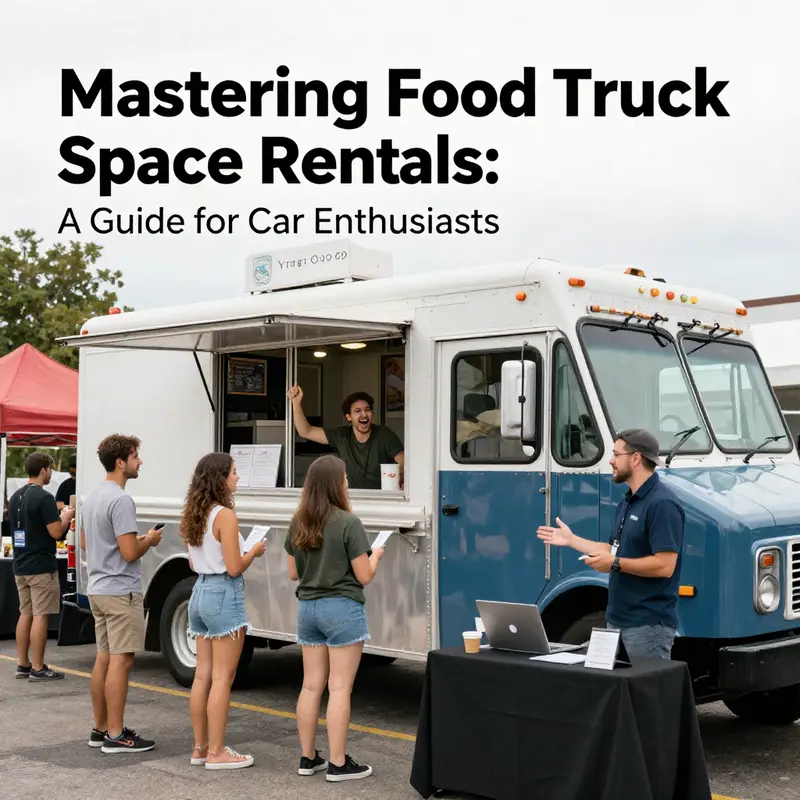
Securing space for a food truck is less about chasing a single ideal location and more about building a reliable pattern of places where your truck can thrive. It is a process that blends market insight with practical logistics, regulatory awareness with creative partnerships, and a clear sense of your brand’s identity. When done well, space becomes more than a physical footprint; it becomes a base of operations, a steady stream of customers, and a platform for growth. The journey begins with a clear map of where your truck fits within the local ecosystem and evolves into a disciplined routine of scouting, validating, and maintaining spaces that align with your menu, service style, and financial goals. In practice, this means thinking through who you serve, where they congregate, and how your truck can integrate into the rhythms of a city that never stops moving. It also means recognizing the difference between short-term opportunities and long-haul leases, and knowing how to balance both as you scale your operation.
The core of renting space is market targeting. A successful operator keeps a sharp eye on high-traffic zones where lunch crowds and after-work appetites converge. Downtown business districts, parks near transit hubs, and busy university or hospital corridors are all fertile ground. But even in a single city, demand fluctuates with seasons, events, and the weather. The most resilient operators diversify: they plant seeds in several types of spaces so a single market hiccup doesn’t derail the business. In addition to straightforward daily booths, many operators also explore venues that host regular markets, festivals, or outdoor concerts where vendor spaces are allocated on a recurring basis. These spaces offer predictable foot traffic and the potential for repeat customers who know they can rely on your truck as part of their routine. When a city runs a farmers’ market or a weekend festival, it often becomes less about individual days and more about a calendar of opportunities that can be stitched into your weekly schedule. The practical benefit is consistency; the strategic benefit is brand visibility as your truck becomes a recognizable feature in the local food landscape.
Alongside model spaces, the rental decision inevitably touches the regulatory framework. Operating a mobile kitchen requires more than a signed lease; it requires a clear understanding of local zoning, health and safety standards, and licensing. A mobile food vendor permit is a common baseline in many jurisdictions, and it often comes with inspections, insurance requirements, and specific conditions about where and when a truck can operate. Not every space will be a seamless fit with a given permit, so the operator must anticipate potential friction points: a site that requires special approvals, a space that lacks essential utilities, or a venue that imposes an unusual schedule. The aim is to minimize friction by choosing spaces where compliance is straightforward, while still maintaining flexibility to pivot when needed. A thoughtful operator keeps a running checklist of regulatory requirements for each potential space, including permitted hours, required distances from other food vendors, waste disposal rules, and fire-safety standards. This procedural discipline helps prevent costly delays and ensures that a space can be activated quickly when a booking comes in.
The spaces themselves come in several flavors, each with its own economics and operational quirks. Public markets and farmers’ markets are staple arenas for food trucks. They typically charge a daily or weekly rental based on stall size and seasonal considerations and commonly provide essential infrastructure—water access, electricity, trash removal, and signage. The predictable routines of markets can be a huge advantage, especially for new operators who are still dialing in pace, menu timing, and customer flow. In a market setting, you also gain a sense of community among vendors, a built-in audience of shoppers who are already primed for food experiences, and a low-friction way to test dishes with real-time feedback. On the flip side, markets can be crowded, the competition between vendors is real, and the margin on daily sales can be tight. Yet for most new entrants, they offer a low-risk way to build a reputation, refine a menu, and learn the rhythm of city food culture without the heavier commitment of a fixed location.
Food truck parks present another appealing path. These are purpose-built lots with multiple stalls, shared infrastructure, and a structured management framework. The advantages here are steadier access to utilities, predictable operating hours, and a sense of professional legitimacy. Parks often run on monthly or quarterly terms, providing a stable home base that supports scale. For operators aiming to grow a brand, a park can function as a springboard to broader exposure and a more polished customer experience. The key to success in this model is alignment with the park’s schedule and the ability to coordinate with other vendors so crowds flow smoothly and the overall atmosphere feels cohesive rather than chaotic. In addition, some events and parks build reputation by curating a diverse, complementary food program—an ecosystem in which each vendor attracts a distinct audience while contributing to a shared draw. This ecosystem can yield cross-pollination of customer bases, repeat visits, and word-of-mouth growth that outpaces solitary street operation.
Event venues—concerts, sports games, large gatherings—offer high-velocity sales opportunities tied to momentary spikes in demand. These contexts are perfect for menus with fast-turn items, compact cooking footprints, and clear, visible branding. The challenge is that these spaces often demand tight coordination with organizers, strict scheduling, and more complex logistics around setup, teardown, and power management. For operators exploring this route, it is crucial to cultivate direct relationships with event organizers and to understand their procurement timelines and preferred vendor processes. Private property, such as business parking lots or rooftops, opens the door to customized agreements. A hosted model—where a business or property owner shares in profits or pays a fixed rental—can lower the barriers to entry for a prime location. This arrangement offers the advantage of stable access without the long-term commitment of a lease, but it requires careful negotiation to protect margins and ensure a fair distribution of revenue. Finally, street vending zones created by city policy can be attractive incentives, especially when they align with a long-term strategy and the ability to operate reliably within a defined corridor of permitted streets. In all cases, operators should map out the utilities, access, parking, and waste handling attached to each space, because these elements drastically affect day-to-day operations and customer experience.
Renting space is never a mere transaction; it is a partnership with place. The most successful operators treat each space as a living component of the brand experience: the surrounding foot traffic, the cadence of events, and the way people perceive the truck as part of the neighborhood’s daily life. In practice, this means building a routine for outreach, relationship building, and performance review. It starts with direct outreach to venue managers, asking clear questions about availability, pricing, and application processes. A professional introductory email—or a well-timed call—can set the tone for a productive ongoing relationship. The conversation should cover practical details: what utilities are included, what hours are allowed, what the setup and teardown requirements look like, and any expected traffic or customer flow patterns. The aim is to gather enough information to compare spaces on a like-for-like basis, factoring in both the direct costs and the intangible benefits of each location.
For operators who want to cast a wider net, there are broad, platform-based avenues that aggregate opportunities across markets. Online platforms and local business networks can surface private events, markets, and pop-up opportunities that might not be visible through traditional channels. The principle here is not to replace direct outreach but to augment it with exposure to a broader pool of possibilities. When evaluating opportunities found through these channels, it is essential to maintain a critical eye on the fit with your brand, your menu, and your operating capacity. A space that looks affordable on paper but demands unusual hours, complex permissions, or bespoke equipment can erode profitability and reduce consistency in service. In contrast, a space with streamlined permissions, predictable utilities, and a straightforward setup can become a reliable backbone for steady revenue and brand growth.
As you navigate this landscape, you will discover that building relationships matters as much as the spaces themselves. A season-long relationship with a market manager or a park coordinator can yield preferred placement, early notice of openings, and a steady line of repeat bookings. Likewise, cultivating rapport with nearby business owners, community organizations, and event planners can yield cross-promotional opportunities, collaborative marketing, and access to private events that align with your culinary direction. The social fabric around a space—who knows your truck, who recommends you, who helps you across the finish line when you need a last-minute alignment—often matters more than the nominal rent. These relationships are built through consistent communication, reliability in service, and a willingness to adapt to the needs of the venue and its customers. They are anchors in a volatile market and sources of ongoing demand that can steady revenue through lean periods.
The question of cost is inextricably tied to space type, location, and the level of infrastructure provided. Daily rates can range widely depending on demand and visibility, with higher-traffic sites commanding more. Weekly and monthly arrangements often provide cost savings and predictability, which are crucial for budgeting and cash flow management. Event fees tend to be transaction-based and can scale with the scale of the event, sometimes including setup and teardown services. Utilities—water, electricity, waste disposal—are variable: some spaces include them as part of the rental, while others bill separately or leave them to the operator to arrange. A prudent operator builds a simple but robust forecasting model that captures not only the rent, but also the cost of utilities, insurance, fuel, and the incremental labor required to service a given site. In this model, the focus is on achieving a sustainable margin across a rotation of locations. When a site can be reliably booked on a weekly cadence, it often unlocks the discipline needed to optimize the menu and streamline production. In contrast, highly variable, event-driven spaces demand a flexible menu and a more aggressive approach to promotional planning so that peak periods translate into meaningful profits rather than temporary spikes.
To translate these ideas into action, many operators formalize a simple tripartite strategy: diversify, document, and optimize. Diversify means cultivating a portfolio of spaces that includes markets, parks, and private venues, as well as one or two hosted agreements that offer predictable revenue streams. Document means maintaining clear records of every space’s terms, permit requirements, and performance metrics—foot traffic estimates, average sale per customer, peak hours, and repeat business patterns. This documentation becomes the backbone of future decisions, turning experiential learning into repeatable success. Optimize is the ongoing work of refining scheduling, menu engineering, and operational workflows to maximize throughput and margins. It means experimenting with menu items that travel well in the truck’s specific kitchen footprint, adjusting service hours to align with customer flow, and tuning the truck’s branding and outreach so that each place supports a cohesive narrative rather than a scattered mosaic of disparate moments.
Finally, a note on alignment and accountability. The most resilient operators approach space rental as a collaborative venture rather than a one-off lease. They seek clarity on expectations, negotiate responsibilities in writing, and build contingencies into their plans. They also understand that being a good neighbor matters just as much as being a good cook. Cleanliness, respectful trash management, and polite interactions with venue staff and neighboring vendors contribute to a positive reputation that can lead to recurring opportunities. In some cases, this practice may extend to sharing data on customer feedback with venue managers, helping them see the value of hosting a vibrant, reliable truck as part of their own brand experience. When you connect with a space this way, you’re not merely renting a stall; you’re joining a network of mutually reinforcing relationships that can support your growth, season after season.
For a more detailed discussion of compliance and startup considerations tailored to Latino food truck businesses, you can read the legal considerations for Latino food truck startups. In exploring these topics, you’ll find a framework that helps you navigate licensing, health inspections, and insurance in a way that protects your operation and your customers. This resource complements the practical guidance on rental spaces and ensures you approach every opportunity with confidence and clarity.
In sum, renting space for a food truck is a disciplined practice of market understanding, regulatory readiness, and relationship-driven opportunity management. It requires an eye for location and a mind trained on cost control and customer experience. When you approach it as a strategic map rather than a single destination, you gain the ability to pivot quickly, respond to changing patterns, and build a brand that feels at home in the places where people gather to share meals and moments. The city is your campus, and each space is a classroom where you learn what works, what doesn’t, and how to grow with the rhythm of your community. A thoughtful, structured approach—from identifying target markets to cultivating space partnerships and maintaining compliance—turns the complex terrain of space rental into a navigable route toward sustainable, scalable success.
External resource: https://www.foodtrucks.com/renting-space-for-food-trucks-guide/
Final thoughts
Navigating the world of renting food truck space can be both a challenge and an opportunity, especially for those who live and breathe car culture. By identifying the right locations, understanding the necessary regulations, exploring the types of rental spaces available, and employing effective strategies, you can set the stage for a thriving food truck business. Remember that the combination of culinary delights and automotive passion can create unforgettable experiences for fellow enthusiasts. As you embark on this journey, keep refining your approach, and soon your food truck will become a beloved fixture at car events.