
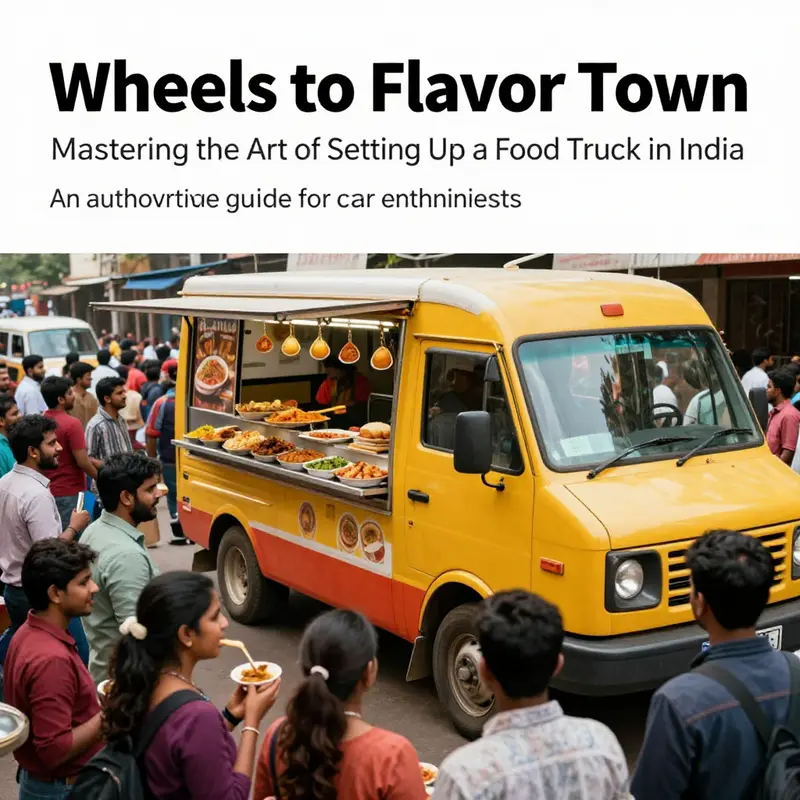
Setting up a food truck in India is not just about serving delicious dishes on the go, it’s about blending passion for food with your automotive skills. This comprehensive guide will walk you through every pivotal step—from registering your food business legally to securing essential licenses and selecting the perfect modified vehicle. By diving into key chapters that cover legislative registration, necessary permits, vehicle and equipment selection, along with effective marketing strategies, we equip you with deep insights that connect culinary passions to the automotive world, ensuring you navigate this exciting venture with confidence.
From Paperwork to Pan: Navigating Registration and Legal Structures for an Indian Food Truck
Launching a food truck in India demands more than a crave-worthy menu and a clever route. The backbone is a solid legal and organizational framework that legitimizes the venture, protects the founder, and keeps operations smooth across changing markets and city regulations. This chapter traces the path from choosing a business form to obtaining the essential licenses, painting a cohesive picture of how registration and structure shape every decision that follows on the street. In this journey, the emphasis is not only on compliance for compliance’s sake but on leveraging the right legal form to build credibility, enable growth, and manage risk as the business scales from a single vehicle to a fleet that could serve multiple neighborhoods, campuses, and events. The starting point is the recognition that in India, a food truck operates at the intersection of hospitality, retail, and transportation, all of which are tightly regulated professions with distinct licensing requirements.
Choosing the right legal structure is the first big decision. The spectrum typically includes sole proprietorship, partnership, limited liability partnership (LLP), and private limited company. Each form offers different blends of liability protection, tax treatment, compliance burden, and growth potential. A proprietorship may seem simplest for a one-person startup, but it merges personal and business assets, exposing the owner to higher personal risk. A partnership can be appropriate when two or more founders share responsibilities, yet it also transfers risk among partners and invites partnership disputes if not carefully documented. LLPs bring the cushion of limited liability while preserving a flexible management model, but they require designated partners and a slightly more formal governance framework. The private limited company, the option most commonly favored by ambitious food truck ventures, combines bounded liability with enhanced credibility, easier access to credit, and clearer pathways to expansion. In short, if you foresee changing locations, scaling to multiple trucks, or inviting investors or co-founders, a private limited structure tends to align with those goals while shielding personal assets from business liabilities.
Regardless of the form chosen, the business must be registered with the Registrar of Companies (RoC) under the Ministry of Corporate Affairs (MCA). Registration is not just a formality; it is the legal recognition that your venture exists as a distinct entity capable of entering contracts, opening bank accounts, hiring employees, and complying with statutory requirements. The RoC process for a private limited company, for example, involves filing of incorporation documents, a memorandum of association, articles of association, a list of directors, and the requisite forms that detail the company’s structure and shareholding. While the specifics can vary by state and district, the underlying principle remains constant: the entity is a separate legal person, with its own rights and liabilities, distinct from the entrepreneur who runs it.
As you chart this path, you will likely gravitate toward a structure that balances liability protection with practical governance. Private limited companies offer credibility in the eyes of landlords, suppliers, and financiers, and they can facilitate stronger governance as you scale. Partnership and proprietorship, in contrast, may be more nimble for early testing of a concept but offer less protection and growth flexibility. An LLP can be a middle ground for those who want limited liability without the full corporate rigors, but it may introduce additional compliance nuances that are less familiar to first-time operators. The key is to align the form not just with the current plan but with a realistic forecast of how the business will grow, how profits will be reinvested, and how risks will be managed as you move from one location to multiple zones.
Beyond the corporate form, a tax identification framework must be in place. A valid GSTIN is essential for most food businesses, enabling lawful input tax credit, compliant invoicing, and the ability to operate across state lines when you begin to roam with your truck. GST registration isn’t merely a box-ticking exercise; it shapes cash flow, pricing, and supplier relationships. The decision to register for GST should be integrated with your anticipated turnover and procurement plans. Even when turnover might be modest in the initial months, having GSTIN upfront avoids delays later and signals to partners that you are a serious, compliant operator prepared for growth. It’s worth noting that GST is a national framework, so the sooner you align with it, the smoother the path to expansion becomes.
The Food Safety and Standards Authority of India (FSSAI) imposes another cornerstone of legitimacy: licensing to ensure food safety and standardization across the industry. The FSSAI regime is tiered to reflect the scale and reach of the operation. For a mobile food business, the license category typically depends on annual turnover and whether there is cross-state activity. A Basic Registration is intended for smaller ventures with turnover up to a prescribed threshold, while a State License covers intermediate scales, and a Central License becomes relevant for larger operations or those planning to operate across multiple states. In practice, a fledgling food truck might begin with a Basic Registration and then graduate to a State or Central License as the business grows and booths up in major markets or university campuses. The FSSAI framework emphasizes hygienic food handling, safe storage, proper labeling, and traceability—principles that resonate with customers and set a foundation for repeat business. The process typically involves online application, adherence to prescribed standards for premises and equipment, and periodic renewals, creating a predictable rhythm of compliance that dovetails with the mobile nature of the operation.
Permits and permissions at the local level complete the regulatory mosaic. A food truck cannot operate in a vacuum; it requires the blessing of the local municipal authority. This generally includes a trade license and, in many cases, a health permit or a temporary stall permission that recognizes the mobile nature of the business. Depending on the city or state, you may also need permissions related to roadside use, parking restrictions, and vendor auctions or designated food zones. The process of obtaining local permits often involves clearances from health, fire, and building departments, and may require site-specific approvals when you plan to anchor near offices, campuses, or event venues. It is not unusual for a few weeks to pass between application and the first approved location, so a proactive approach—mapping potential locations, engaging with property owners or municipal authorities, and maintaining a compliant vehicle profile—facilitates smoother launches.
The vehicle itself is not merely a cooking space; it is a regulated platform. Vehicle registration through the Regional Transport Office (RTO) places the mobile kitchen into an appropriate vehicle category, often labeled as a commercial vehicle or a specialized mobile vendor. The vehicle must comply with safety standards: fire-resistant and heat-insulating construction, adequate ventilation, dedicated storage for utensils and ingredients, cooking equipment designed for mobile use, refrigeration for perishables, and a waste-disposal system that prevents contamination and odors. Environmental and safety considerations extend to the vehicle’s emissions profile, where Pollution Under Control (PUC) certificates and periodic inspections help ensure that a food truck does not contribute disproportionately to local air quality concerns. In many places, you will also need to demonstrate compliance with leave and rest norms if you hire staff who operate or assist in the truck, and to invest in liability insurance that covers both property and personal injury risks. Insurance, in short, is not a luxury but a core risk management tool that protects both the business and its customers.
Accountability and financial discipline go hand in hand with registration. A well-structured business plan, including startup costs, a pricing strategy that reflects local purchasing power, and a robust customer acquisition plan, complements regulatory compliance. Insurance considerations extend beyond the vehicle to include third-party liability, product liability, and employer coverage if you hire staff. The ability to secure rental or ownership of a suitable vehicle, obtain reliable suppliers for ingredients and packaging, and negotiate favorable terms with landlords or event organizers hinges on presenting a credible legal entity with clear ownership and governance. In this light, your legal structure becomes a signal to partners and customers that you are a prepared operator in a competitive, crowded urban landscape.
As you navigate this regulatory terrain, remember that the regulatory environment is also evolving. The Indian government has signaled ongoing interest in promoting sustainable urban mobility and clean energy solutions. This broader policy backdrop can translate into opportunities for green food trucks that adopt lower-emission technologies and modern, efficient equipment. For those who plan to pursue future upgrades—such as eco-friendly refrigeration units or energy-efficient kitchen appliances—the regulatory path may become more favorable through subsidies, incentives, or streamlined approvals for advanced, low-emission vehicles. Staying attuned to these developments allows a food truck venture to position itself not only as a culinary option but as a forward-looking, compliant business that aligns with public policy priorities and urban mobility goals.
To weave these strands together into a practical blueprint, it is wise to couple your planning with expert guidance and reliable reference points. A practical way to deepen understanding without getting lost in jurisdictional differences is to explore a resource that distills core legal considerations for food-truck startups. For a concise, broadly applicable overview of the legal considerations that arise with mobile food ventures, you can refer to a dedicated compilation of startup insights here: legal considerations for food-truck startups. This not only anchors your decisions in a tested set of principles but also invites cross-border perspectives that can enrich the local approach while you remain compliant with Indian regulations.
In parallel, a sturdy grounding in official procedures is essential. The MCA’s official portal provides a detailed map of incorporation requirements, governance norms, and compliance timelines for entities like private limited companies and partnerships. Keeping a current eye on MCA and FSSAI guidelines helps ensure that your registration and licensing stay aligned with the latest standards. An ongoing review of regulatory updates should be a regular habit, particularly as your fleet grows, as contracts with venues become more complex, and as cross-state operations ramp up. With a solid legal spine, a mobile kitchen can thrive in a crowded, vibrant market without being overwhelmed by red tape.
External resources and official channels are not the only anchors. Local networks—industry associations, mentor groups, and seasoned operators—provide practical tips on where to apply for permits, how to negotiate with property managers, and which locations tend to be receptive to mobile vendors. They also offer a reality check on the timelines involved and the typical documents required by different authorities. In the end, success in India’s food truck space rests on a balance: rigorous compliance that earns trust and doors, paired with a nimble operational mindset that enables rapid iteration on routes, menus, and partnerships. The chapter on registration and legal structure thus serves not as a hurdle list but as a strategic foundation for turning a mobile kitchen into a resilient, scalable business.
External reference: MCA – Ministry of Corporate Affairs for official incorporation guidelines and governance rules.
null
null
Choosing the Right Vehicle and Equipment for a Food Truck in India
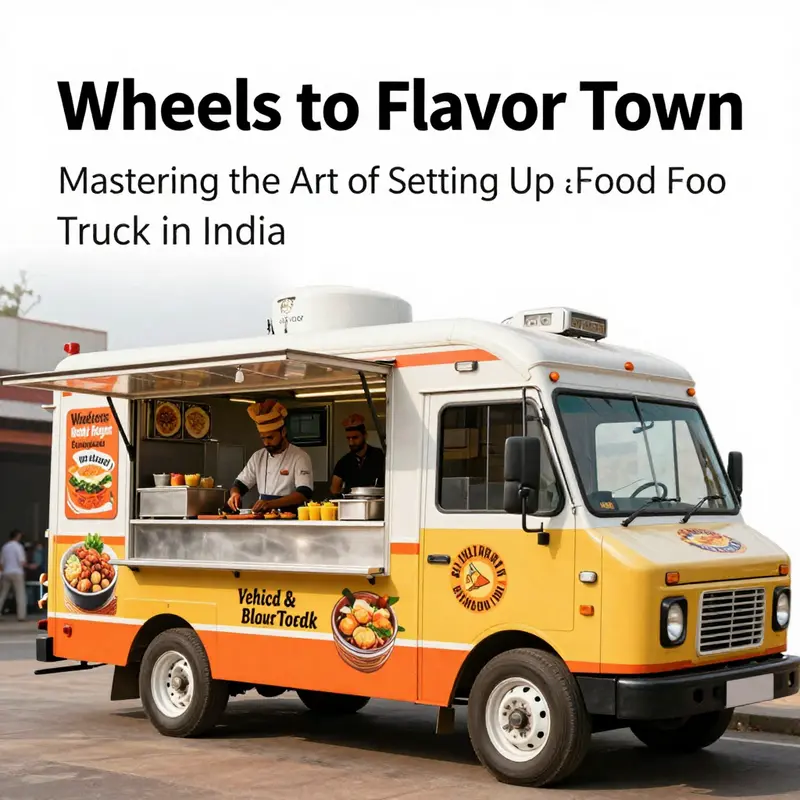
The choice of vehicle and the scale of your kitchen are more than logistics; they shape your brand, your daily rhythm, and your ability to deliver consistent, delicious meals to a bustling audience. In India, where street food culture is both a tradition and a competitive marketplace, the vehicle you choose will determine where you can operate, how fast you can respond to demand, and what kind of cuisine you can feasibly prepare on the move. It is not merely a matter of buying a van or a trailer; it is about balancing mobility with capacity, safety with speed, and initial investment with long-term profitability. When you begin to map out your plan, let the street you picture be your guide. Do you see a van weaving through office corridors and college campuses, or a trailer anchored near corporate parks for longer shifts? Each choice carries its own set of constraints and opportunities, and the real artistry lies in aligning the vehicle with the cuisine you intend to serve, the locations you will frequent, and the regulatory environment you will navigate.
Vans offer a logic of immediacy. They are nimble, easier to maneuver through dense traffic, and quicker to deploy at a moment’s notice. This makes them ideal for high-traffic urban zones, pop-up moments at festivals, and weekend markets where the cadence of demand can shift rapidly. A van-based operation can spin up in minutes, letting the team focus on quality and service rather than on exhaustive setup procedures. The compact footprint also helps you manage expenses like fuel, insurance, and maintenance in the early stages when cash flow is still being tested. The upside is clear: agility, lower barriers to entry, and the ability to test a range of locations with minimal risk. The caveat, however, is capacity. A van’s kitchen must be carefully pared to essential equipment and storage, and this can limit the breadth of dishes you can reliably offer. Deep-frying vats, steamers, and large grills require clever layout and exhaust planning, and every square foot of space must be thought through with hygiene and safety in mind. The vehicle will influence your menu engineering, your staff workflow, and your turnover rate at each stop.
Trailers, by contrast, trade mobility for capacity. A trailer can be configured into a more expansive kitchen, with dedicated zones for preparation, cooking, plating, and waste management. If your strategy centers on long deployments at corporate campuses, event venues, or fixed locations for extended periods, a trailer offers a semi-permanent presence with the flexibility to relocate seasonally. Trailers also accommodate more substantial equipment, including larger cooking surfaces, multiple burners, and specialized appliances that enable regional dishes with greater authenticity. The trade-off is evident in setup time and the need for a towing vehicle, a more robust parking plan, and heightened attention to weight distribution and roadworthiness. In planning, consider the rhythm of your service: how many hours per day you expect to cook, how many staff you will rely on, and how quickly you must switch from procurement to service mode. A trailer can deliver scale, but it demands a steadier logistics backbone and a more deliberate approach to every service window.
Beyond type, your equipment list should reflect both the culinary ambitions you carry and the regulatory frame you must operate within. Indian cuisine is rooted in techniques that require heat, control, and dedicated work zones. A cooking culture that often features tandoor-inspired flavors, deep-fried snacks, grilled skewers, and slow-simmered gravies calls for a kitchen that can support real fire, precise temperature management, and robust ventilation. Safety and hygiene are not optional add-ons; they are integral to getting permits and maintaining customer trust. When you design the workspace, think of airflow as you would think of a recipe. Adequate ventilation, fire suppression readiness, and separate clean and dirty zones help prevent cross-contamination and reduce the risk of accidents. The materials used inside the vehicle should be fire-resistant and easy to clean, with insulation that keeps heat where it belongs and protects equipment and shelves from the constant strain of movement and heat exchange.
On the equipment front, the balance you strike must honor tradition without sacrificing efficiency. For Indian dishes, you might consider equipment that supports authentic techniques while also offering flexibility for evolving menus. A compact tandoor, if feasible within your space and safety permits, can unlock signature breads and smoky flavors that set your truck apart. However, many operators choose to work around a traditional tandoor by using specialized oven configurations or high-quality grills that deliver comparable flavor profiles with simpler maintenance and more manageable exhaust requirements. Deep fryers are common in many mobile kitchens, but they demand careful oil management, filtration, and temperature control to ensure crunch and safety without overwhelming your space with smoke. Griddles, char grills, and large stock pots for slow-simmering gravies or soups are practical staples that travel well and can be organized to maximize flow from prep to service. For health-conscious operations, the market is increasingly receptive to devices that optimize oil usage, support steam-based cooking for vegetables and dumplings, or deploy low-fat frying technologies. When space is at a premium, multi-function appliances that combine steamer, warmer, and warming drawers can be a prudent choice, as they reduce clutter and the number of separate units that must be vented and serviced.
The layout inside a mobile kitchen is not a mere arrangement; it is a choreography. The path of movement from cold storage to prep, to cookline, to service, and then to waste disposal must be efficient and compliant with hygiene standards. Storage is not just about quantity but about accessibility. Refrigeration units should be placed near the prep area but away from heat sources. Dry storage should be organized so that frequently used ingredients are within reach, while less commonly used items are stowed away to free up the main work zone. Waste management cannot be an afterthought. A practical mobile operation separates organic waste, recyclables, and used cooking oil, with clearly labeled containers that are emptied regularly. Grease traps and regular vehicle cleaning are not only about cleanliness; they are about preventing odors, reducing pest risk, and ensuring the vehicle remains compliant with local health rules. Safety features—fire extinguishers, proper gas lines, sealed electrical connections, and non-slip flooring—are not optional extras but core components of a reliable, sustainable operation.
As you decide on vehicle type and equipment, you should also weigh operational costs against your business model. Towed units, including many trailers, often offer lower fuel and maintenance costs per service day. They may require more setup time and infrastructural support at the service site, but they can be scaled incrementally as demand grows. Van-based configurations, while potentially higher in upfront cost and fuel consumption, offer speed and lower overhead for rapid, high-frequency deployments. Your financial plan should reflect these trade-offs: upfront investment, ongoing maintenance, insurance, and the recurring costs of gas, electricity, water, and waste disposal. Cash flow planning will be your friend in the early months as you calibrate what price points will sustain your operation while remaining attractive to price-sensitive customers in a crowded market.
A central thread in your decision is alignment with your business model. If your goal is to chase festivals, city markets, and weekend pop-ups, a nimble van with essential equipment and the ability to pivot locations quickly may be the most sensible path. If you envision a steady stream of clients at a specific corporate campus or a fixed urban corridor, a trailer with greater kitchen capacity and dedicated service windows may deliver more consistent revenue and brand presence. The choice is not solely about kitchen size or mobility; it is about the cadence of your workdays, the caliber of your menu, and how you want customers to experience your brand from the moment they see your wheel arches or your trailer’s silhouette.
Regulatory and regulatory-adjacent realities should shape these technical decisions from the start. In India, while the FSSAI license governs your food-safety obligations, vehicle category registration, local trade licenses, and pollution-control certifications intersect with where and how you operate. The vehicle category you register under at the local RTO, the nature of your PUC certificate, and the municipal permissions for operating a mobile food unit can influence your choice of vehicle, particularly in terms of height, exhaust routing, and electrical load. Municipalities may have preferred configurations or restrictions about where a trailer can be parked for long periods or how a van can be stationed in a commercial precinct. You will want to map the regulatory landscape for the cities you intend to serve and verify that your kitchen concept, layout, and equipment meet the exacting safety codes for mobile food operations. This diligence will keep you in good standing with inspectors, reduce the risk of costly detours, and help you plan a scalable, financeable platform that can grow with your ambition.
To deepen your sense of what configurations look like on the ground, you can explore practical comparisons of mobile configurations that many operators weigh when they prepare for launch. For a guided look at how step vans and cargo vans stack up in real-world applications, see the detailed comparison in the related resource step vans vs cargo vans guide. It offers a clear sense of how proportions, door access, and workflow affect both speed and reliability on busy streets. The link serves as a useful supplement when you begin to sketch out your own kitchen layout, but the core decision remains grounded in what your menu requires, where you plan to cook, and how your customers will connect with your food. In this phase, you should not chase a glossy ideal; you should build a layout that minimizes travel between zones, maximizes sanitation, and respects the realities of Indian city infrastructure, parking constraints, and the unpredictable rhythms of urban life.
As you finalize the design, you will also be mindful of the human dimension. A well-chosen vehicle and kitchen layout influence how you recruit and train staff. A compact van with a streamlined prep area reduces the time new cooks spend learning the layout, while a larger trailer demands a more structured standard operating procedure and a higher level of teamwork. Training becomes a continuous, iterative process, where feedback from service hours informs refinements in both equipment use and space allocation. You will learn to anticipate bottlenecks—such as the moment between a rush of orders and the need to plate—so that the team can preserve service speed without sacrificing food quality. The vehicle becomes a partner in your culinary craft, a canvas that lets you translate a regional palate into a mobile, repeatable experience. When this harmony is achieved, your food truck can deliver not just meals but a sense of identity—an echo of the neighborhood you serve, carried forward by the rhythm of your wheels and the warmth of your wok, pot, and grill.
In closing, the right vehicle and the right kitchen configuration are not standalone decisions. They are the backbone of your operations, shaping permits, setting expectations with partners and customers, and anchoring your brand in a crowded marketplace. The path you choose should integrate practical constraints with creative opportunity: space for your signature dishes, speed for peak hours, safety for staff and patrons, and a layout that invites customers to linger as your team brings the food to the front line. As your venture grows, revisit these decisions with an eye on scaling—ensuring that your vehicle, your equipment, and your workflows can evolve without compromising the very flavors that drew people to your cart in the first place. The journey from concept to street-level success in India begins with a vehicle that speaks to your culinary vision and a kitchen that makes that vision repeatable, safe, and delicious, every single service.
External resource note: For technical specifications and industry applications related to mobile food trucks, you may consult broader technical resources available online, which can complement the localized guidance presented here. External resource
Brand on Wheels: Strategic Marketing and Branding for India’s Mobile Food Trucks
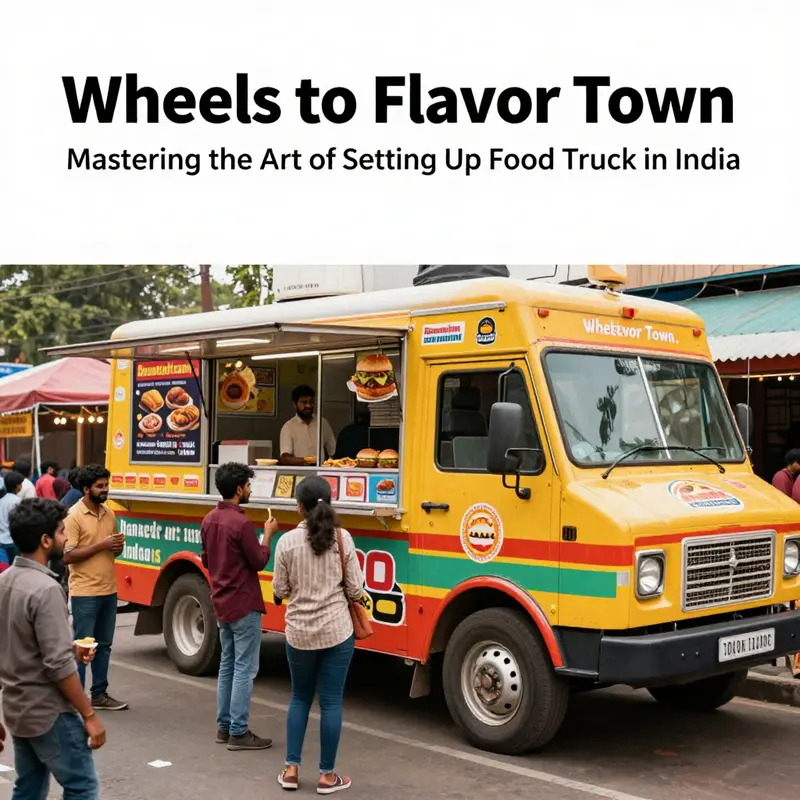
A food truck is more than a portable kitchen; it is a traveling brand that must speak to India’s crowded streets, diverse palate, and fast-changing urban rhythms. In a market where a single stall can be a heartbeat of a neighborhood one day and a fleeting memory the next, success hinges on a brand that travels with clarity, consistency, and a touch of local resonance. The marketing and branding phase is not an afterthought but a core capability that frames every decision—from the color of the vehicle wrap to the cadence of location moves, to the way customers talk about their meals long after they have paid. The Indian consumer landscape is plural and price-sensitive, yet deeply attentive to flavor, freshness, and the story behind a bite. A mobile kitchen must translate all of that into a straightforward, emotionally engaging narrative that travels with it on every corner, every traffic light, and every festival lane.
Brand positioning begins with a clear sense of who you are serving and what you promise. A truck that emphasizes healthful eating, for example, needs to project that commitment from the moment the wheels turn. The message should be compact: fresh ingredients, transparent sourcing, lean preparation, and a menu that is easy to understand for busy professionals and students alike. In practice, this means your identity must reflect both a universal appeal and a respectful nod to local tastes. If your concept centers on regional flavors with a modern twist, the branding should signal familiarity and discovery in equal measure. The goal is to create a cognitive shortcut: when a customer sees your truck, they should form an opinion within seconds—this is the healthy quick-serve option, this is a bold, spicy option, this is a comforting classic with a contemporary edge. As market dynamics show, young urban professionals and college communities increasingly seek convenient options that do not compromise on quality, and branding that foreground health, sustainability, or cultural authenticity can unlock a dedicated audience even in crowded spaces.
The visual language of the brand must travel well. A striking vehicle wrap and a consistent menu design are not decoration; they are negotiating tools that invite foot traffic and set expectations. Color palettes should communicate the mood of the food and the energy of the experience. Green tones might underscore freshness and wellness, while warm spices and earthy hues can evoke comfort and tradition. Typography should be legible from a distance and at street-level scale, because your customers are often moving past you in a rush. Even the packaging and napkins should whisper the same story—cohesive, recyclable, and clean, with a logo that remains legible as the truck barrels along a busy corridor. A memorable name and concise tagline can condense your entire proposition into a single glance, so that even one glimpse prompts a recall when a friend asks, “Where did you grab that amazing bowl the other day?”
Branding is also about voice. The tone you borrow for social media, shelf-ready packaging, and in-person interactions should feel authentic and consistent. It is tempting to chase trends, but a durable brand rests on a steadier rhythm: a reliable cadence of new items, a clear response to customer feedback, and a distinctive way of telling stories about ingredients, neighborhood roots, and seasonal specials. It is here that the case for a local anchor becomes powerful. In a country where regional loyalties run deep, a truck that emphasizes a handful of core offerings tied to a specific city or region can create a sense of belonging. Yet the brand must remain adaptable enough to travel between business districts, campus zones, and festival grounds without losing its essence. The most resilient brands in the space can calibrate their menu and visuals to reflect a new neighborhood while keeping the same fundamental promise.
The role of digital touchpoints in branding cannot be overstated. In urban India, the social media ecosystem is a major discovery engine and a rapid feedback loop. High-quality images of steam rising from a pan, the sheen of a perfectly grilled crust, or a vibrant bowl presented against a simple backdrop can turn a passerby into a waiting customer. The content strategy should balance mouth-watering visuals with behind-the-scenes glimpses that humanize the operation: the sourcing of seasonal vegetables, the care in knife-work, the zeal of the team during a busy lunch rush. These posts should be optimized for mobile viewing, as many customers will first encounter the brand on a phone. Short video clips that convey preparation, aroma, and speed can generate shares and save moments that become a viral touchpoint for the brand.
A practical approach to social engagement is to turn location into content. When your truck parks near a corporate campus, a tech park, or a university, a quick post announcing your arrival, a limited-time dish, or a campus-specific discount can create immediate buzz. Encouraging customers to tag your location and share their meals with a branded hashtag can compound reach without a heavy budget. Local partnerships bolster this effect. Collaborating with nearby coffee shops, gyms, bookstores, or cinema venues can create cross-pollination opportunities that expand your audience while maintaining a consistent brand narrative. Importantly, every interaction—whether in person or online—should reinforce trust. Customers must feel confident in the hygiene and safety of the operation, the accuracy of menu items, and the reliability of service when they commit to a line and a bite. A transparent commitment to cleanliness, visible food-handling practices, and clear allergen information can become a strong, differentiating element of the brand in a market where such transparency is valued highly by urban consumers.
From the standpoint of distribution and reach, the brand should be designed to support growth without eroding core identity. A well-branded truck can become a mobile billboard that travels across neighborhoods, campuses, and event venues with predictable results. The design should scale—from a single truck to a small fleet—without losing legibility or impact. This scalability allows for consistent branding as you expand into new cities or tier-2 markets, where a recognizable visual and verbal language can fast-track trust in unfamiliar environments. The growth logic is straightforward: strong branding lowers the friction of trial, accelerates recognition, and amplifies word-of-mouth, which in turn supports a more sustainable pricing and profitability model across multiple locations.
Branding must also align with regulatory and health considerations that exist in the Indian context. A brand that advertises bold flavors and bold choices should never obscure the importance of safety, hygiene, and compliance. The packaging should reflect sustainable practices that resonate with environmentally conscious consumers, while the vehicle design should accommodate waste management solutions that simplify daily operations. A brand that communicates responsibility—responsibility to customers, to employees, and to the environment—will find favor in communities that increasingly value ethical business practices. This alignment between brand promise and operational discipline creates a virtuous cycle: trust builds loyalty, loyalty drives repeat traffic at the same locations, and repeat traffic becomes the backbone of a profitable, scalable mobile food business.
The practical execution of these branding and marketing ideas hinges on learning and iteration. Marketing for a food truck is not a single campaign but an ongoing conversation with customers who recur, suggest changes, and drive your evolution. The best operators treat feedback as fuel for refinement—tweaking flavors, adjusting portion sizes, varying the price point, and reimagining the most engaging visuals as the audience shifts. In that spirit, the brand should remain nimble, preserving core identity while embracing small, data-informed adjustments that keep the truck relevant across seasons, festivals, and a changing urban landscape. For a practitioner-focused perspective that distills lessons learned in the field, see blog-2. The real-world narratives in that resource offer concrete examples of branding decisions, location scouting, and customer engagement that translate well to many Indian cities and towns.
The broader takeaway is clear: in India’s mobile-food market, branding and marketing are not add-ons but the engine that powers growth in storefronts, event lines, and daily footfall. A well-crafted brand informs every operational choice and becomes a promise customers can trust when they choose to pay for a meal on wheels. It gives you a framework for decision-making in an environment that rewards speed, taste, and reliability, while also inviting the curiosity that turns first-time buyers into regulars. The city streets are your showroom, the vehicle is your stage, and your brand is the script that keeps the audience returning for more. By marrying a distinctive, locally resonant identity with disciplined, data-informed marketing practices, a food truck can create a durable presence that travels far beyond a single location, building a community around every sizzling plate and every smiling customer.
External resource: For a broad view of proven marketing strategies specific to Indian food trucks, see the external guide at https://www.foodtrucksindia.com/food-truck-marketing-strategies. This resource offers practical frameworks for brand development, social media engagement, location strategy, and customer acquisition that can complement the ground-level insights shared here. In addition, practitioners may benefit from a community-oriented perspective that emphasizes local partnerships, festival participation, and continuous learning from peers across cities. To explore practitioner experiences and case studies that speak to on-the-ground branding decisions, you can also review blog-2, which compiles field-tested observations and actionable tactics in a format accessible to new entrants and seasoned operators alike.
Final thoughts
Setting up a food truck in India is an exhilarating journey that connects your love for food and automobiles. By understanding the registration process and gaining necessary permits, choosing the right vehicle equipped with top-notch appliances, and implementing innovative marketing strategies, you can establish a successful mobile culinary enterprise. Embrace your passion, leverage your tuning and modification skills, and don’t hesitate to engage your local community in your flavorful venture!