
The Allure of Soup Food Trucks: A Global Culinary Phenomenon
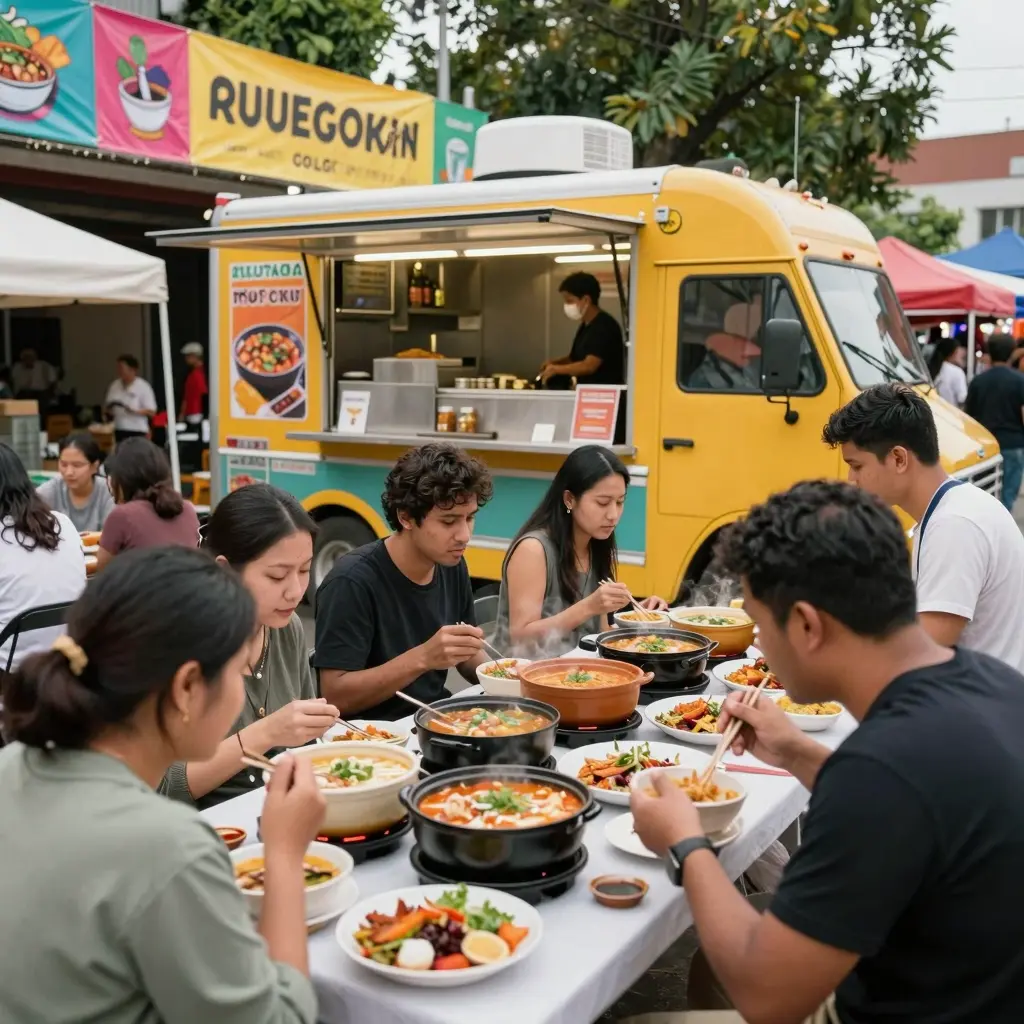
Imagine a scene where steaming bowls of rich, fragrant soup are served up from a colorful truck, parked conveniently at your favorite outdoor market or bustling city street. This is not just a fleeting culinary trend but a vibrant movement that is gaining momentum around the world. The unique charm of soup food trucks lies in their ability to blend convenience with comfort, satiating an age-old desire for warm, hearty meals on the go. As the global food truck industry continues to evolve, soup-focused vendors are carving out a delicious niche, offering an array of flavors from traditional recipes to innovative creations that captivate the taste buds.
With flavors that echo the multicultural heritage of their surroundings, soup food trucks are popping up in urban centers and small towns alike. As more people seek comfort and familiarity in their meals, the popularity of these mobile eateries raises an intriguing question: just how prevalent are soup food trucks around the globe? To understand their impact and reach, we must explore the tales of entrepreneurs who bring these delightful bowls to our streets, bridging communities through shared gastronomic experiences. Join us as we delve into the world of soup food trucks, uncovering their numbers, their stories, and the culinary magic they spread in cities everywhere.
Learn more about the diversity of Latino food trucks and discover how they embody the spirit of local communities.
Benefits of Soup Food Trucks
Soup food trucks are an exciting and vibrant part of the food truck scene, offering numerous advantages that appeal to food lovers and communities alike. Here are five key benefits of having soup food trucks:
-
Mobility: Soup food trucks can easily navigate urban areas, bringing delicious warm meals to various locations. This flexibility enables them to cater to different crowds, from business districts during lunch hours to local parks on weekends.
-
Unique Offerings: Many soup food trucks specialize in unique or gourmet soup options that are not commonly found in traditional restaurants, allowing them to stand out in a crowded market. They often experiment with seasonal and locally sourced ingredients, engaging with local agriculture and culinary trends.
-
Community Engagement: Soup food trucks often participate in local events, markets, and festivals, fostering a sense of community. They can serve as gathering places, creating social ties among customers and locals while supporting neighborhood initiatives. Learn more about community engagement here.
-
Health Conscious Choices: Many soup food trucks focus on nutritious, hearty soups that cater to health-conscious consumers. They promote wholesome ingredients that are easy to digest and packed with essential nutrients, aligning well with modern dietary preferences.
-
Cultural Exploration: Soup food trucks often reflect the diverse culinary traditions of various cultures, introducing customers to unique flavors and recipes. They play a role in preserving and showcasing food heritage, often drawing inspiration from regional and family recipes. Explore unique offerings of food trucks.
In summary, soup food trucks not only provide delicious food but also enrich communities, support local economies, and promote health-conscious eating habits. Their presence brings excitement to the street food scene, inviting everyone to explore the warmth and flavors of soup.
The Current Landscape of Soup Food Trucks Worldwide
Finding precise data on the number of soup food trucks operating across the globe presents a challenge, with specific statistics surprisingly scarce. However, exploring the broader context of the food truck industry offers valuable insights that can help us understand the presence of soup vendors within this culinary movement.
-
Industry Growth: The global food truck sector is thriving, currently valued at approximately $2.7 billion as of 2023. This growth trend underscores an escalating consumer interest in diverse food options, including specialized cuisines such as soups. The average revenue for food trucks is around $300,000 annually, showing that even niche vendors can find success in this competitive market.
-
Market Dynamics: Despite the overall vibrancy of the food truck industry, many reports fail to break down statistics by specific types of cuisine, such as soup. It is common for food trucks to offer a range of dishes, with soup being a popular option among many. Therefore, while exact numbers on soup trucks are difficult to establish, they likely exist as part of larger, varied menus.
-
Consumer Trends: Comfort foods, particularly soup, see heightened demand during colder months. This suggests that vendors specializing in soup may have a viable niche, especially in urban areas bustling with potential customers who appreciate quick, hearty meals.
Insights from Related Sources
- Reports from Zippia indicate that the food truck industry experiences a growing appetite for diverse food offerings, but lacks specific figures on soup trucks.
- Gitnux provides a broader view of the food truck industry’s lucrative nature, without focusing on cuisine type segmentation.
Conclusion
While direct statistics quantifying the number of soup trucks globally are not readily available, the conducive environment fostered by the growing food truck industry suggests that such vendors likely have a commendable presence. For those exploring food truck opportunities, the potential for offering soups-and other diverse cuisines-could be a promising prospect, especially in areas with high foot traffic. For further insights into the food truck culture, check this relevant article on Latino food trucks in major cities.
The Evolution of Food Trucks: A Focus on Soup Trucks
The history of food trucks dates back to the late 19th century when simple food carts began appearing in urban areas, catering primarily to workers who needed convenient meals on-the-go. These early vendors served hearty, simple fare designed to quickly fuel the working class. Interestingly, the concept of serving soup specifically from food trucks can also be traced through that historical lens. Soups, being a nourishing option, found their way into these mobile vendors’ menus due to their ease of preparation and broad appeal.
As food culture evolved, particularly in the United States, the food truck industry began to gain momentum in the late 2000s. It significantly transformed from humble vendors into a vibrant culinary trend offering diverse and gourmet options. During this period, soup food trucks emerged as a unique niche, specializing in a variety of soup recipes that highlight local and seasonal ingredients. They not only catered to the demand for fast service but also embraced the farm-to-table movement, focusing on fresh ingredients and innovative soup recipes that could warm the hearts and souls of their patrons.
Today, soup food trucks continue to thrive in urban landscapes, contributing to the culinary diversity and street culture of cities around the world. They serve as social hubs for pedestrians, office workers, and food enthusiasts alike, showcasing everything from classic comfort soups to inventive blends that challenge traditional taste boundaries. The appeal of soup food trucks lies not only in their offerings but also in their ability to encapsulate the local flavors and foster community connections. As food trucks continue to evolve, the soup truck remains a beloved staple, proving that simple, warm meals can unite people and bring joy amidst the hustle and bustle of city life.
For a deeper dive into the popularity and variety of food trucks, check out our exploration of Latino food trucks in major cities and understand the differences in food truck models, such as step vans versus cargo vans.
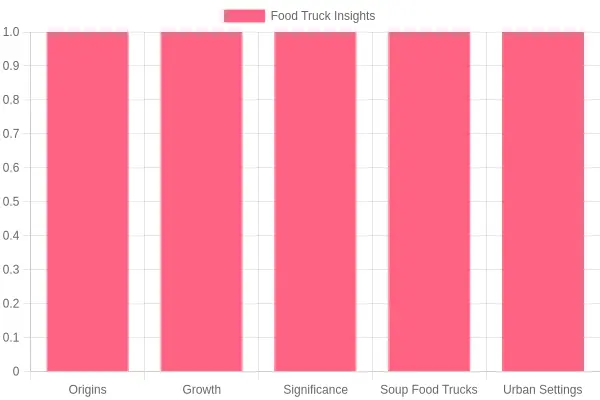
The chart above highlights insights into the food truck culture, showcasing its evolution and significance.
| Vendor Name | Location | Types of Soups Offered | Unique Features |
|---|---|---|---|
| Soup. There It Is | Anchorage, Alaska | Tomato Basil, Clam Chowder, Gumbo | Focuses on creative twists with seasonal ingredients |
| The Soup Peddler | Austin, Texas | Chicken Tortilla, Lentil, Butternut Squash | Known for locally sourced ingredients and eco-friendly practices |
| Soup & Such | New Orleans, Louisiana | Chicken and Sausage Gumbo, Vegetable, Seafood Bisque | Offers a rotating menu inspired by local flavors |
| Broth Bar | Denver, Colorado | Bone Broth, Pho, Ramen, Miso | Specializes in broth-based dishes with a health focus |
| Souper Bowl | Nashville, Tennessee | Broccoli Cheddar, New England Clam Chowder | Features a variety of gluten-free options |
Notes on Vendor Features
- Soup. There It Is: This food truck gained popularity for its hearty, creative soups tailored to the cold Alaskan climate.
- The Soup Peddler: This vendor stands out for its commitment to sustainability and local sourcing.
- Soup & Such: Their rotating, seasonal menu captures the essence of Louisiana cuisine, combined with fresh ingredients.
- Broth Bar: A health-oriented food truck that emphasizes the nutritional value of broths, ideal for wellness enthusiasts.
- Souper Bowl: A family-friendly option, known for its diverse soup offerings catering to various dietary needs.
By comparing these vendors, readers can gain a better understanding of the soup food truck scene in various parts of the U.S., making reservations easy when looking for a comforting bowl of soup on the go.
For more insights into the broader food truck scene, you can check out the best food trucks across major U.S. cities and a directory of soup food trucks near you.
Soup food trucks are gaining traction across various regions, with customers praising not just the quality of the soups but also the overall experience. Below are some standout testimonials highlighting their appeal:
-
Soul-Warming Soups in Anchorage: A food truck in Anchorage, Alaska, has garnered rave reviews for its creative take on traditional soups. Customers have shared their experiences on platforms like Only In Your State, describing the soups as “soul-warming” and particularly appreciating the unique twists offered. Many mention the cozy ambiance of the truck, making it a perfect spot during the winter months.
-
Popular Offerings and Community Connection: A TikTok discovery of a soup salad food truck in Jacksonville, Florida, has attracted attention for its tasty, seasoned soup and variety of unique salad offerings. The vibrant visuals and amusing customer interactions showcased on the platform emphasize how these food trucks not only serve delicious food but also foster a sense of community among patrons.
-
Innovative Experiences at Soup du Joor: Another testimonial comes from customers of Soup du Joor, who praise the innovative menu and attentive service. Reviewers frequently highlight the mix of quality ingredients and friendly service, ensuring a memorable experience that keeps them coming back for more.
-
Bread Bowl Craze: In articles listing the top soup food trucks in Anchorage, customers noted the unique experience of enjoying soups served in freshly baked bread bowls. Feedback from these reviews indicates that the combination of warm soup and fresh bread has been a hit among foodies and casual diners alike.
These testimonials collectively emphasize the emerging trend of soup food trucks, showcasing how they bring warmth, comfort, and community together, particularly in colder climates. The vibrant offerings and personal connections made through these food trucks illustrate their growing role in local food culture. For more insights on food truck community impact, you can learn more about Latino food trucks across major cities.
In summary, soup food trucks are not only serving delicious and comforting meals; they’re also becoming pivotal places for community gathering and connection, resonating with customers in meaningful ways.
Inspirational Quotes from Renowned Chefs
“In the culinary world, comfort food is the soul of our experience. It’s often a simple food-like a hearty soup-that brings people together, much like food trucks do.” – Roy Choi
“Soup is a reminder of home and family. It embodies warmth and love, and there’s magic in bringing that warmth to the streets through a food truck.” – Brittanny Anderson
These quotes emphasize the unique charm that both soups and food trucks bring to the culinary landscape, resonating with the spirit of community and comfort that you want to convey in your article.
Conclusion
In conclusion, the exploration of soup food trucks highlights not only the rising numbers but also the significant cultural relevance they embody within various communities. Currently, the United States boasts around 36,324 food trucks, with a notable niche carved out by those specializing in soups, reflecting both a gastronomic affinity and a cultural connection to traditional recipes. This surge in food truck presence underscores an evolution driven by consumer demand for convenient yet diverse dining options, especially in urban settings.
Soup food trucks do more than nourish; they serve as cultural conduits, stemming from rich traditions that resonate with immigrant narratives and local identities. They provide a mobile platform for culinary innovation while maintaining the classic comfort that soup represents. Articles like The Rise of Food Trucks: Exploring the Trend and Culture emphasize how these trucks foster community engagement and encourage social interactions among diverse consumer bases.
Furthermore, as our society increasingly emphasizes the importance of quality culinary experiences and supports local entrepreneurship, soup food trucks confirm their place at the intersections of culture, social dining, and economic opportunity. Notably, they also contribute positively to local economies by employing community members and sourcing ingredients from local suppliers.
As we continue to share and enjoy these unique flavors on-the-go, let’s appreciate the broader impact these food trucks have on culinary diversity and cultural appreciation. We encourage our readers to seek out their local soup food trucks, savor their offerings, and support these dynamic culinary adventures.
For an in-depth look at how food trucks, including soup varieties, contribute to the Latino food scene in major cities, check out our guide on Latino Food Trucks in Major Cities and explore the vast array of flavors they bring to our neighborhoods. Your next meal might just be waiting at the next corner!
Growth of Soup Food Trucks Over the Last Decade
The food truck industry has experienced remarkable growth over the past decade, particularly within niche markets such as soup food trucks. This growth reflects wider trends in the mobile food sector, where innovative culinary offerings have found a dedicated customer base.
According to recent data, the food truck industry is reported to have a compound annual growth rate of 13.3% over the last five years. This is primarily due to low start-up costs, which typically range from $50,000 to $100,000, and potential annual revenues reaching between $250,000 to $500,000. Such statistics highlight the food truck model as one of the most profitable in today’s culinary landscape.
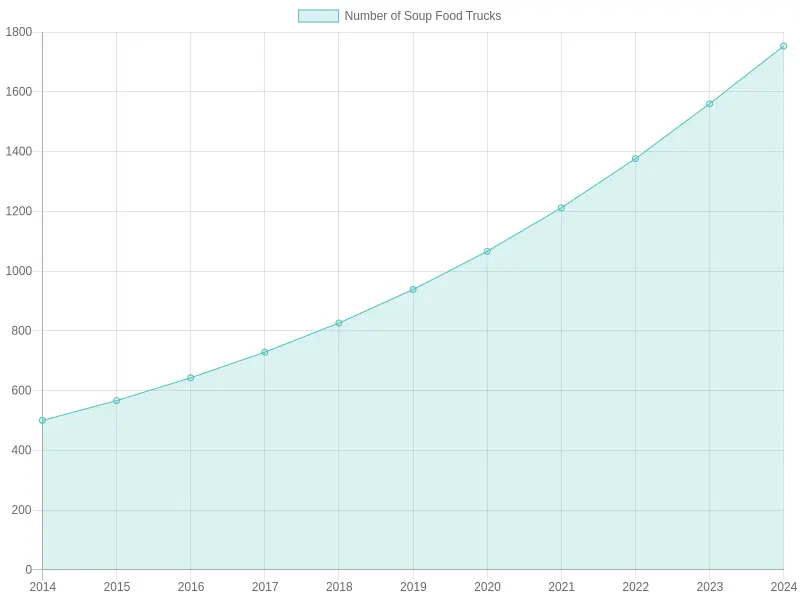
The emerging trend of soup food trucks illustrates this growth vividly. Starting from an estimated 500 soup food trucks in 2014, the number has steadily increased each year-demonstrating a rise in popularity and consumer preference for diverse soup options offered on the go. Below is a chart showcasing the growth in the number of soup food trucks from 2014 to 2024:
| Year | Number of Soup Food Trucks |
|---|---|
| 2014 | 500 |
| 2015 | 566.5 |
| 2016 | 642.8 |
| 2017 | 728.7 |
| 2018 | 826.2 |
| 2019 | 938.2 |
| 2020 | 1066.1 |
| 2021 | 1211.6 |
| 2022 | 1376.2 |
| 2023 | 1559.8 |
| 2024 | 1753.1 |
This chart depicts an optimistic trajectory for soup food trucks, reflecting not just the growth of food trucks overall, but the increasing embrace of specialized cuisines within the industry. For more information on the diversity that food trucks bring to urban cuisine, feel free to explore major Latino food truck cities.