
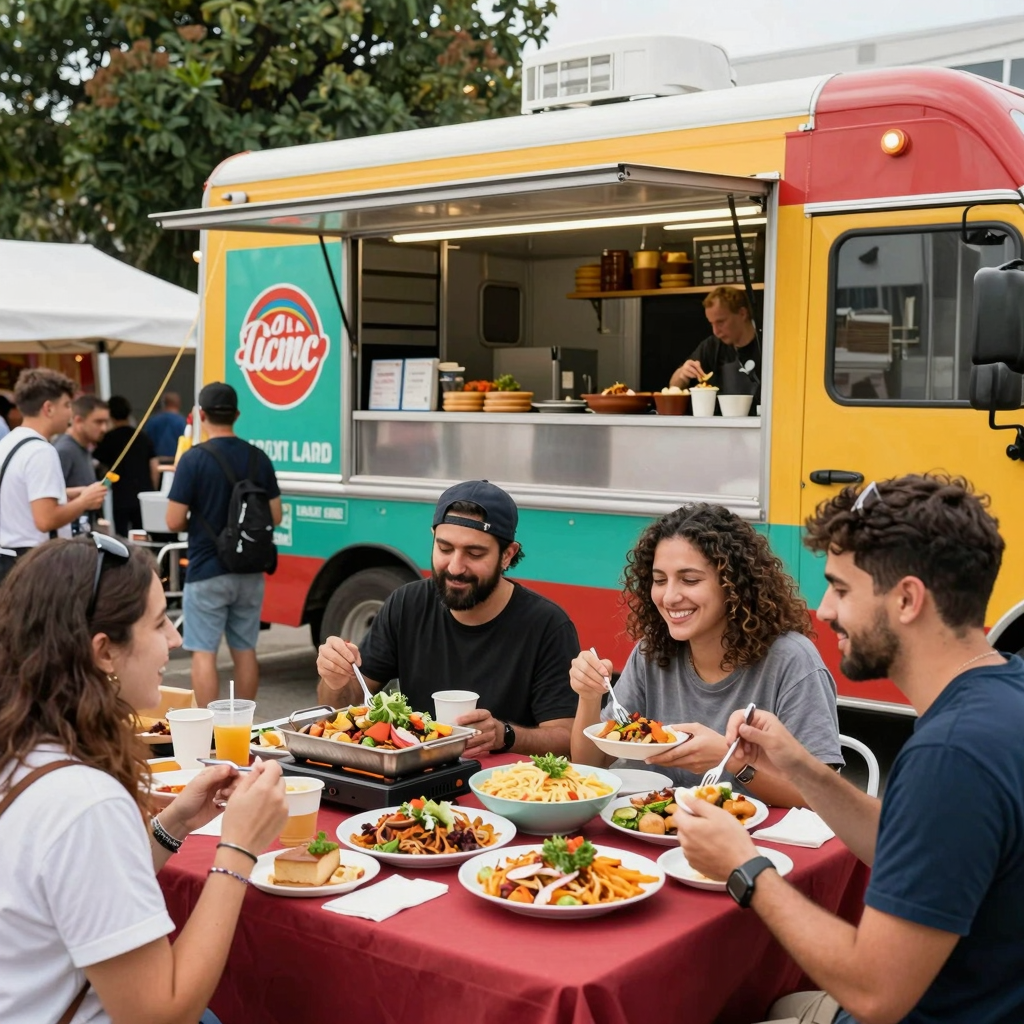
Starting a food truck business is not just a trend; it’s a thrilling venture that melds passion for food with entrepreneurial spirit. With the food truck industry booming, now is the perfect time to turn your culinary imagination into a mobile culinary adventure. According to the latest market analysis, the food truck industry in the U.S. is estimated to reach over $1 billion by 2024, reflecting a growing appetite for unique dining experiences on wheels. This guide will walk you through every facet of launching your food truck-from the initial concept to navigating legal considerations. Get ready to explore this vibrant ecosystem where passion meets profit, and where your culinary creations can roll right into the hearts of food lovers everywhere. For insights on the unique challenges faced by Latino food truck entrepreneurs, check out our article on legal considerations for Latino food truck startups.
Outline for Starting a Food Truck Business
1. Market Research
- Identify Your Niche: Analyze the local culinary scene and determine what unique offerings can attract customers.
- Explore popular food trends and local tastes.
- Conduct surveys or informal interviews to gather insights.
- Understand Your Competition: Study existing food trucks in your area.
- What are their menu offerings and pricing?
- What marketing strategies do they use?
2. Business Planning
- Create a Business Plan: Outline your business objectives, target audience, and unique selling propositions.
- Include financial projections, marketing strategies, and operational plans.
- You can find guidance on writing a business plan here.
- Brand Development: Choose a catchy name and design an appealing logo that reflects your concept.
3. Permits and Licenses
- Research Local Regulations: Investigate the permits required to operate a food truck in your area.
- Contact local health departments for food safety regulations.
- Apply for necessary business licenses and vendor permits.
- Understand zoning laws to avoid legal issues.
4. Financing Your Food Truck
- Estimate Start-Up Costs: Calculate the costs for the food truck, equipment, supplies, licenses, and marketing.
- Explore Funding Options: Look into personal savings, bank loans, or crowdfunding to secure initial funding.
- Strategies for financing can be found in more depth here.
5. Procuring Equipment and Supplies
- Choose the Right Food Truck: Decide between new or used trucks based on your budget.
- Consider modifications for compliance with health regulations and your specific menu needs.
- Select Reliable Suppliers: Establish relationships with food vendors for quality ingredients.
6. Developing Your Menu
- Craft Unique Offerings: Focus on signature dishes that represent your brand.
- Pricing Strategy: Ensure that prices cover costs while remaining competitive.
7. Marketing Your Food Truck
- Create an Online Presence: Use social media platforms to engage customers and announce your locations.
- Brand Promotion: Attend local events and festivals to promote your food truck.
8. Launching Your Food Truck
- Soft Opening: Consider a test run to gather feedback and make adjustments.
- Grand Opening: Plan an event to attract attention and generate hype in your community.
Conclusion
Starting a food truck is an exciting venture that requires thorough planning and dedication. By following these steps, you can turn your passion for food into a thriving business that brings unique culinary experiences to your community.
Starting a Food Truck Business Checklist
Starting a food truck business is an exciting venture, but it comes with a unique set of challenges and considerations. Here’s a comprehensive checklist of key items and steps to help aspiring food truck owners navigate their journey:
Business Licensing and Permits
- Research local health department regulations.
- Obtain necessary food service licenses.
- Apply for a business license.
- Secure a food handler’s permit.
- Consider any special permits required in specific locations (e.g., city permits for public events).
Vehicle & Equipment
- Choose the right type of food truck: Consider step vans vs. cargo vans for your needs.
- Purchase or lease a reliable food truck.
- Equip the truck with essential kitchen appliances (grill, fryer, refrigerator).
- Ensure your truck has proper ventilation, plumbing, and safety features.
Menu Planning
- Develop a unique and engaging menu that reflects your vision.
- Conduct market research on trending food items in your area.
- Source high-quality ingredients from local suppliers.
- Create a menu that accommodates dietary restrictions (vegan, gluten-free).
Marketing & Branding
- Design a compelling brand logo and truck wrap.
- Establish a strong social media presence to engage with potential customers.
- Consider promotional strategies such as discounts for first-time customers or loyalty programs.
Operational Planning
- Determine your operating hours and key locations.
- Set up reliable cash handling or point-of-sale systems.
- Keep track of inventory and manage wastage efficiently.
- Prepare a business plan outlining startup costs, funding, and growth forecasts.
Insurance and Safety
- Secure liability insurance specifically for food trucks.
- Plan for food safety training for staff to meet compliance standards.
- Install necessary safety equipment, such as fire extinguishers.
These steps are fundamental to establishing a successful food truck business. For more in-depth insights, consider checking out legal considerations for Latino food truck startups to ensure all compliance matters are addressed.
Following this checklist can help you build a robust foundation for your food truck, ensuring that you are operationally prepared and compliant with all local laws. Good luck on your food truck journey!
Starting a food truck business requires thorough market research to set the foundation for success. Understanding the current food trends, identifying your target audience, and analyzing the competition are critical components that can significantly influence your business strategy.
Identifying Food Trends
Food trends are pivotal in shaping what culinary offerings will resonate with customers. Staying updated with emerging trends allows food truck owners to innovate their menu and marketing strategies. Some prevalent trends in the food industry include:
- Plant-Based Options: As more consumers shift toward healthier lifestyles, the demand for vegan, vegetarian, and plant-based options continues to rise.
- Local Sourcing: Sourcing ingredients from local farms not only supports the community but also attracts customers who value sustainability and freshness.
- Global Cuisines: With increasing diversity in consumer preferences, food trucks offering authentic global cuisines can capture attention and create a niche market.
By leveraging social media, attending food festivals, and engaging with food bloggers, entrepreneurs can glean insights into what’s popular, helping them refine their offerings.
Target Audience
Understanding who your target audience is a pivotal step in marketing your food truck effectively. This involves:
- Demographic Analysis: Identifying age, income levels, and eating habits can help tailor your menu and service. For example, if your truck is in a college area, affordable and quick options may attract more customers.
- Customer Preferences: Engaging with potential customers through surveys or social media can provide valuable feedback on menu items and operating hours.
- Behavioral Analysis: Observing and analyzing when and where people prefer to eat can help optimize your truck’s location and hours of operation.
Competition Analysis
The food truck industry is indeed competitive. Here’s how to navigate and assess your competition:
- Evaluate Nearby Trucks: Look at other food trucks in your desired area. Identify their offerings, pricing, and customer feedback to understand their strengths and weaknesses.
- Learn from Their Strategies: Analyze how successful food trucks market themselves. Are they focusing on social media? Do they create community events to engage customers?
- Differentiate Your Brand: By understanding your competition, you can carve out a unique selling proposition for your food truck that appeals to the identified target audience.
In conclusion, comprehensive market research not only informs your business strategy but also positions your food truck for success. By staying adaptable and responsive to market demands, you can create a thriving food truck business that delights customers and stands out in the bustling food scene.
Comparing Start-Up and Operational Costs: Food Truck vs. Restaurant
Starting a food truck can be an exciting venture, especially for culinary enthusiasts looking to explore the mobile dining scene. Unlike traditional restaurants, which require a significant upfront investment and ongoing expenses, food trucks offer a more flexible and often less expensive entry point into the food business. Below is a comparison table that outlines these differences.
| Cost Category | Food Truck | Restaurant |
|---|---|---|
| Initial Startup Costs | $50,000 – $250,000 | $250,000 – $500,000+ |
| Operational Costs | $20,000 – $50,000 annually | $80,000 – $200,000 annually |
| Potential Profit | $30,000 – $100,000 annually | $100,000 – $400,000 annually |
Key Takeaways:
-
Initial Investment: Starting a food truck is typically much less expensive than opening a restaurant, making it an attractive option for many budding entrepreneurs. With startup costs that can range from $50,000 to $250,000, food trucks allow owners to enter the market without the burden of high overheads associated with restaurants.
-
Operational Costs: Operational costs for food trucks tend to be lower than those for restaurants, with annual expenses averaging between $20,000 and $50,000. In contrast, restaurants face higher costs primarily due to rent, utilities, and staff salaries.
-
Profit Potential: While both business types can be profitable, restaurants generally have higher profit potential thanks to larger customer volumes and dining experiences.
Conclusion
If you are considering how to start a food truck business, these comparisons illustrate the potential benefits of choosing a mobile kitchen. With lower startup and operational costs, food trucks can be a great way to explore culinary passion and entrepreneurship without hefty financial risks.
For more insights on popular food truck dishes, check out this guide on top Latino food truck dishes.
Now that we’ve discussed the financial aspects, remember that each business type has its own unique challenges and rewards. If you’re ready to take the leap, consider researching local regulations and legal considerations for Latino food truck startups as well!
The next steps in starting your food truck journey can be exhilarating, and this low-risk approach may very well lead to great success.
Menu Development for Your Food Truck
Creating an enticing menu for your food truck is a critical step in captivating your audience and ensuring customer satisfaction. Here are essential elements to consider while developing your menu:
1. Establish a Theme
Your food truck’s theme should reflect your culinary passions and resonate with your target audience. Popular themes include:
- Cultural Cuisine: Incorporate regional dishes or culinary traditions, like Latino food, to intrigue local communities.
- Fusion Foods: Combine different culinary styles, such as Mexican-Asian flavors, to stand out.
- Health-Focused Options: Offer fresh, healthy alternatives if this suits your audience’s preferences.
2. Sourcing Ingredients
Using high-quality, fresh ingredients is essential for flavor and your brand’s reputation. Consider the following sourcing options:
- Local Farms and Markets: Partner with nearby farms to support the community and guarantee freshness.
- Seasonal Ingredients: Adjust your menu to utilize seasonal produce, which can enhance flavors and reduce costs.
- Specialty Suppliers: For unique items that align with your theme, identify suppliers who cater to food trucks and quality catering.
3. Pricing Strategy
Setting competitive prices requires understanding your audience and managing costs effectively:
- Research Competitor Prices: Analyze similar food trucks to determine appropriate price ranges.
- Cost of Goods Sold (COGS): Calculate food costs to ensure profitability on each menu item.
- Psychological Pricing: Utilize pricing strategies, such as setting prices just below whole numbers (e.g., $8.99 instead of $9.00), to appeal to customers.
Conclusion
An attractive menu combines creativity with strategic planning. Don’t forget to test your ideas with friends or potential customers to gather feedback. Successful menu development can significantly contribute to your food truck’s identity and profitability. For more information on Latino food trucks, check out our profiles of veteran food truck owners that illustrate successful concepts.
Customer Feedback Trends for Food Trucks
-
Menu Adaptation: Customers are increasingly looking for diverse and adaptable menu options. Food trucks that refresh their offerings regularly tend to receive more positive feedback. This includes introducing seasonal items, special dietary options (like vegan or gluten-free), and fusion dishes that combine different culinary traditions.
-
Quality Ingredients: Many reviews highlight the importance of quality ingredients. Consumers today are more health-conscious and prefer food trucks that focus on fresh, locally-sourced ingredients. This trend is especially prevalent among younger demographics who are willing to pay more for quality.
-
Customer Service Excellence: Exceptional customer service remains a cornerstone of positive feedback. Food trucks that provide friendly, prompt service and engage with their customers often see repeat business. According to recent trends, feedback frequently notes that long wait times can deter customers, even if the food is outstanding.
-
Social Media Engagement: Today’s consumers enjoy engaging with food brands on social media. Food trucks that actively share behind-the-scenes content, promotions, and customer interactions on platforms like Instagram and TikTok attract more attention. Feedback frequently reveals a preference for businesses that maintain an online presence and respond to customer inquiries promptly.
-
Health and Safety Compliance: Ongoing concerns about health and safety compel customers to support food trucks that adhere to strict hygiene practices. Food trucks that visibly demonstrate cleanliness and follow regulations tend to earn higher customer confidence and better reviews.
-
Location Strategy: The choice of location significantly affects customer footfall. Customers often leave feedback based on accessibility, visibility, and convenience of the food truck’s location. Those strategically placed in high foot-traffic areas (like events or food festivals) report higher customer satisfaction levels.
In conclusion, adapting to these evolving consumer trends is crucial for food trucks aspiring to build a loyal customer base. By focusing on menu innovation, quality ingredients, customer engagement, and health compliance, food truck owners can enhance their service and meet the expectations of today’s discerning customers.
For more insights into customer preferences in food trucks, you might want to check out top Latino food truck dishes and innovative customer service strategies.